


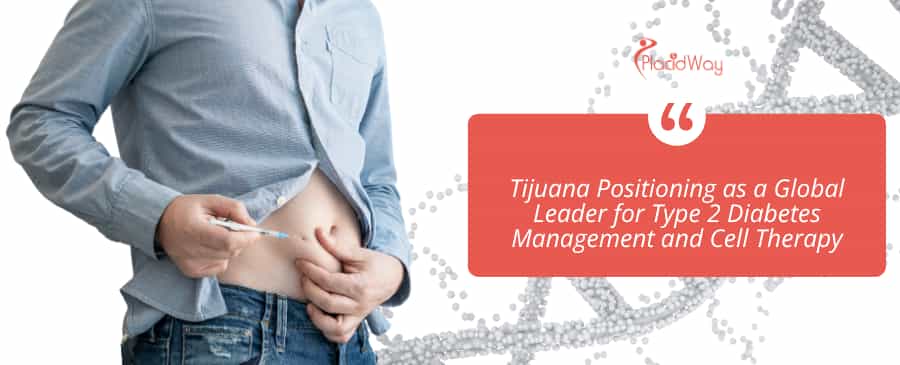
For many Americans, the promise of regenerative medicine is often clouded by high costs and restrictive regulations at home. Stem Cell Therapy for Diabetes in Mexico has become a vital alternative for those seeking advanced treatments that are currently unavailable or prohibitively expensive within the US healthcare system.
The transition to medical tourism in Mexico is driven by a desire for more than just symptom management. Most patients are looking for innovative diabetes protocols that utilize mesenchymal stem cells (MSCs) to potentially address the root causes of metabolic dysfunction, all while staying within a few hours' flight of major US hubs.
The Advantages of Seeking Affordable Diabetes Treatment in Mexico
The most immediate benefit for US residents is the accessibility of high-concentration stem cell injections. While the FDA maintains strict oversight on the expansion of stem cells in the US, Mexico’s regulatory framework allows for advanced laboratory processing that typically results in higher therapeutic dosages for the patient.
Beyond the science, the medical tourism infrastructure in Mexico is specifically designed for the American traveler. From English-speaking specialists to clinics located just minutes from the border, the experience is generally seamless, making international diabetes management feel like a domestic trip without the domestic price tag.
How Stem Cell Science Addresses Type 2 Diabetes Management
The therapeutic potential of stem cell therapy for Type 2 diabetes lies in the cells' natural ability to modulate the immune system. For many US patients, chronic inflammation is the primary obstacle to glucose control; MSCs typically work to "reset" this inflammatory environment, allowing for better insulin signaling.
In a clinical setting, these cells generally home in on the pancreas and vascular system. While doctors never guarantee a cure, the goal is typically to support the regeneration of pancreatic beta cells and improve systemic metabolism, which most patients find leads to more stable daily glucose readings.
Case Summary: Reducing Insulin Dependency
A 60-year-old retired teacher from Arizona traveled to Mexico for MSC therapy. Within four months, she typically experienced a 40% reduction in her daily insulin dosage and reported a significant decrease in the "brain fog" often associated with blood sugar spikes.
Stem Cell Therapy for Diabetes Cost in Mexico vs. USA
The financial disparity between healthcare in Mexico and the United States is staggering. For a procedure that is rarely covered by US insurance, the out-of-pocket cost of stem cell therapy in the USA can be a barrier to care, often reaching tens of thousands of dollars per session.
In contrast, diabetes treatment packages in Mexico offer a transparent, all-inclusive pricing model. US patients generally find that even with travel expenses, they are spending a fraction of what a comparable (or often less advanced) protocol would cost in the States. Below is a 2026 cost comparison.
| Procedure Category | Average Cost in USA | Average Cost in Mexico |
|---|---|---|
| Standard MSC IV Infusion | $15,000 - $25,000 | $3,500 - $5,500 |
| Targeted Local Injections | $12,000 - $20,000 | $4,000 - $6,000 |
| Comprehensive 5-Day Protocol | $30,000+ | $7,500 - $10,000 |
Finding World-Class Stem Cell Clinics in Mexico
For US patients, the key to a successful experience is finding top-rated regenerative centers that mirror the clinical standards they expect at home. Many stem cell clinics in Mexico are now achieving international accreditations, employing staff who have been trained in major US medical institutions.
Most reputable clinics will offer a virtual consultation before you ever leave the US. This allows you to review your medical history with the treating physician and ensure that the Mexico diabetes clinic has a protocol specifically suited to your stage of the disease.
Safety and Regulation: Comparing COFEPRIS and the FDA
A common concern for Americans is the regulatory landscape. While the FDA manages health standards in the US, COFEPRIS is the governing body in Mexico. Both organizations prioritize patient safety, but COFEPRIS typically allows for more flexible clinical applications of expanded stem cells.
It is important to remember that accredited facilities in Mexico must pass rigorous sanitary inspections and verify the source of their biological materials. Most licensed clinics typically utilize umbilical cord-derived MSCs, which are generally preferred for their high regenerative capacity and low risk of immune rejection.
Ensure your clinic uses a "closed-system" laboratory for cell processing. This typically minimizes the risk of contamination and ensures the highest possible cell viability for your treatment.
Success Metrics: What US Patients Generally Achieve
Success in stem cell therapy for metabolic disorders is often defined by the "Three Rs": Reduction in medication, Restoration of energy, and Regulation of glucose. While not every patient hits all three, clinical data typically shows a high satisfaction rate among Type 2 diabetic travelers.
Statistics generally indicate that 2026 protocols are seeing improved longevity in results. Most patients typically maintain their improvements for 12 to 18 months, especially when the regenerative treatment is combined with the nutritional guidance often provided by Mexican medical teams.
The Logistics of a Medical Trip from the United States
Traveling for medical care in Mexico is surprisingly convenient. For many in the Southwest, it’s a simple drive. For those further north, flying into San Diego or Cancun is typical. Clinics generally provide medical concierge services that include airport pickups and local transportation.
The procedure day itself is usually low-stress. Patients generally arrive in the morning, receive their infusion, and are back at their hotel by early afternoon. This ease of access is why medical travel to Mexico continues to grow among the US population seeking alternative healthcare solutions.
Case Summary: Improved Quality of Life
A 55-year-old male from Texas with diabetic neuropathy traveled to Guadalajara. Post-therapy, he typically experienced a "warmth" returning to his feet and a significant reduction in the sharp, shooting pains that previously prevented him from walking daily.
Managing Expectations: Risks and US-Bound Follow-up
While the safety of stem cell therapy in Mexico is high, US patients should remain realistic. Regenerative medicine is a tool, not a magic switch. Some individuals may experience temporary flu-like symptoms or site tenderness, though these issues generally resolve within 48 hours.
A critical component of success is the post-treatment follow-up. Reputable clinics typically coordinate with your US-based primary care doctor or provide remote monitoring to ensure that as your glucose levels improve, your medications are adjusted safely under professional supervision.
Tijuana: The American Gateway to Regenerative Medicine
Tijuana has solidified its position as the premier destination for US medical tourists. Its proximity to San Diego allows patients to receive world-class diabetes care while staying in familiar surroundings. The city's medical district is home to cutting-edge labs that rival those in any US research park.
Because Tijuana serves so many Americans, the biotechnology sector in Mexico has tailored its services to meet high expectations. Most clinics offer "Medical Pass" lanes at the border, allowing patients to bypass long lines and return home quickly after their session.
Travel Checklist for US Patients Heading to Mexico
To ensure a smooth trip for healthcare in Mexico, a little preparation goes a long way. Beyond your passport, it is generally advised to bring a copy of your most recent lab results from the last six months. This helps the Mexico stem cell specialists provide the most accurate treatment possible.
Most US credit cards work perfectly in Mexico, and the US dollar is widely accepted in medical tourism hubs. However, patients are typically advised to notify their bank of their travel plans to avoid any automated security freezes on their accounts while abroad.
How PlacidWay Supports US Patients Abroad
PlacidWay understands the unique concerns of the American medical traveler. We specialize in making international healthcare feel personal and secure. Our platform provides the transparency and support needed to bridge the gap between US patients and elite Mexican providers.
- Vetted network of COFEPRIS-licensed clinics specializing in diabetes.
- Direct access to specialist credentials and real patient testimonials from other US travelers.
- Assistance with gathering medical records and facilitating virtual consultations with Mexican doctors.
- Detailed diabetes treatment cost comparisons to help you budget effectively.
- Dedicated support throughout your journey, from the first inquiry to post-procedure follow-up.
The Outlook for 2026: Regenerative Medicine Trends
As we move into 2026, personalized regenerative medicine is becoming the gold standard. Clinics in Mexico are increasingly using "next-generation" MSCs that are specifically screened for high metabolic activity, which generally leads to faster and more robust responses in diabetic patients.
The trend for the US medical tourist is shifting toward comprehensive wellness. Many patients now opt for packages that combine stem cell infusions with metabolic detoxification and advanced hyperbaric oxygen therapy, creating a holistic approach to managing their diabetes.
Case Summary: Long-term Maintenance
A 48-year-old executive from California used stem cell therapy to "reset" his system after a Type 2 diagnosis. Two years later, he typically maintains a stable HbA1c of 5.8% through a combination of the initial therapy and sustained lifestyle changes.
US Patient FAQs: Navigating Your Mexico Diabetes Trip
Planning medical travel requires answers to the practical, day-to-day questions that impact your journey. From insurance coverage to travel safety, having the right information ensures you can focus entirely on your regenerative recovery and long-term health goals.
Below are the top 10 questions Americans ask when considering stem cell therapy in Mexico. These answers are designed to provide the clarity and confidence needed to take the next step in your healthcare journey with PlacidWay.
Most US health insurance providers, including Medicare, typically do not cover regenerative therapies abroad. However, some patients may use Health Savings Accounts (HSA) if the procedure is deemed a necessary medical expense by their tax advisor.
Yes, it is entirely legal for US citizens to travel to Mexico for medical treatments. While the FDA has not approved these therapies in the States, Mexico’s health authority, COFEPRIS, regulates and licenses these procedures locally.
US patients generally save between 60% and 75% on the total cost of treatment. While a session in the US might cost $20,000, the same high-quality protocol in Mexico typically ranges from $3,500 to $8,000.
Yes, US citizens must have a valid passport or passport card to re-enter the United States. If you have a SENTRI or Global Entry card, you can typically use the expedited lanes for a faster return.
Many top regenerative specialists in Mexico have received advanced training or fellowships in the US or Europe. It is common for lead physicians to be active members of international medical societies.
Absolutely. Clinics in Mexico generally prefer to review your recent blood work, HbA1c levels, and physician notes from the US to tailor the stem cell protocol to your specific needs.
Most clinical reports from Mexican facilities suggest that Type 2 patients typically see a measurable improvement in insulin sensitivity. However, individual response is highly variable.
There are no specific restrictions, but patients are typically advised to carry their medications and glucose monitors in their carry-on luggage. The short flight or drive to Mexico is generally well-tolerated.
Look for clinics that use ISO-certified laboratories. These facilities typically follow international benchmarks for cell viability and purity that are comparable to high-end research labs in the US.
In major medical tourism hubs like Tijuana or Cancun, the medical staff and patient coordinators are typically fluent in English, ensuring clear communication throughout your treatment.
1. PubMed. (2026). Comparative study of regenerative treatments for diabetes in North America. https://pubmed.ncbi.nlm.nih.gov/
2. Mayo Clinic. (2026). The future of regenerative medicine in treating metabolic syndrome. https://www.mayoclinic.org/
3. FDA. (2026). Consumer update on stem cell therapies. https://www.fda.gov/
4. WebMD. (2026). Managing Diabetes: New Frontiers. https://www.webmd.com/


















Share this listing