


Stem Cell Therapy for Lungs in Mexico: A Path to Recovery from Hypoxia and Lung Damage
At 64 years old, Patricia Uribe found herself struggling with a basic human necessity: breathing. After years of smoking and living at various altitudes, the transition back to Mexico City triggered a health crisis. This is the inspiring story of how regenerative medicine and stem cell therapy for lungs in Mexico provided a lifeline when traditional methods felt insufficient.
Video Chapters & Comprehensive Guide
Respiratory health is often something we take for granted until every breath becomes an effort. For Patricia Uribe, a 64-year-old resident of Mexico City, her health journey reached a tipping point when her oxygen saturation levels plummeted. Having spent years smoking and consuming alcohol, the "bill" for her lifestyle finally arrived in her later years [00:43]. Her transition to the high altitude of Mexico City exacerbated underlying pulmonary issues, leading to a diagnosis of mild hypoxia.
The Long-Term Impact of Lifestyle on Lung Function
The human body is remarkably resilient, but long-term habits such as smoking leave a lasting footprint on the delicate tissues of the lungs. Patricia openly discusses her history with tobacco and alcohol, noting that while she has since quit, the cumulative damage became apparent as she aged [00:35]. Smoking introduces thousands of toxins into the pulmonary system, leading to chronic inflammation, destruction of alveoli, and reduced capacity for oxygen exchange.
For individuals like Patricia, environmental factors play a massive role. Moving between sea-level locations like Acapulco and high-altitude regions like Mexico City puts significant stress on the cardiovascular and respiratory systems. At sea level, oxygen is abundant, but at high altitudes, the heart and lungs must work much harder to provide the same level of oxygenation to vital organs.
The Warning Signs: When Breathing Becomes a Luxury
Patricia’s turning point occurred during a seemingly routine moment. She lit a cigarette and suddenly realized she was running out of air [00:47]. This acute shortness of breath is a classic symptom of pulmonary distress. Upon consulting a physician and using an oximeter, her oxygen levels were found to be dangerously low, hovering between 84% and 88% [03:57]. In medical terms, normal oxygen saturation is typically between 95% and 100%.
What is Hypoxia?
Hypoxia is a condition where the body or a region of the body is deprived of adequate oxygen supply at the tissue level. Chronic hypoxia can lead to fatigue, cognitive decline, and strain on the heart, as it attempts to pump more blood to compensate for the lack of oxygen.
Lonvida Wellness: A Modern Hub for Regenerative Medicine
When traditional treatments seemed to offer limited hope, Patricia discovered Lonvida Wellness & Longevity in Mexico City [01:19]. Lonvida represents the new wave of medical tourism in Mexico, combining high-tech diagnostics with compassionate, patient-centered care. Unlike clinics that offer "one-size-fits-all" treatments, Lonvida began Patricia's journey with an exhaustive medical check-up.
This process included:
- DNA Testing: Analyzing genetic markers to understand her body's specific needs and predispositions [02:20].
- Comprehensive Clinical History: A deep dive into her lifestyle, previous habits, and current physical state.
- Bio-variable Analysis: Measuring specific markers that contribute to aging and cellular decay.
The Science of Stem Cell Therapy for Lung Repair
After her assessment, the medical team, led by Dr. Yos, recommended stem cell therapy. Patricia received an intravenous (IV) infusion of 100 million mesenchymal stem cells, delivered across two vials [02:00]. Mesenchymal stem cells (MSCs) are prized in regenerative medicine for their ability to home in on areas of inflammation and damage.
When administered intravenously, these cells travel through the bloodstream and often cluster in the lungs—a phenomenon known as the "pulmonary first-pass effect." For a patient with lung damage, this is actually a therapeutic advantage. Once in the lung tissue, the stem cells release anti-inflammatory cytokines and growth factors that stimulate the body’s natural repair mechanisms, helping to regenerate damaged alveoli and improve the efficiency of oxygen transfer.
Remarkable Results: From Gasping for Air to 96% Oxygen
The speed of Patricia's recovery was nothing short of miraculous. Within approximately one to one and a half weeks after the infusion, her oxygen levels jumped from the mid-80s to a healthy range of 90% to 96% [03:07].
Beyond the numbers on the oximeter, the "real-world" benefits were profound:
- Increased Energy: Improved oxygenation meant her cells could produce energy more efficiently, reducing systemic fatigue.
- Physical Endurance: She was able to walk for longer periods without getting tired or "running out of air" [05:36].
- Mental Clarity: Hypoxia often causes a "foggy" brain; as her oxygen levels stabilized, her overall sense of wellness returned.
A Holistic Approach: Biostimulators and Vitamin C
Lonvida Wellness takes a 360-degree approach to longevity. Impressed by the results of her lung treatment, Patricia opted for additional therapies to enhance her overall quality of life [03:17]. This included Etrebelle, a biostimulator used for facial rejuvenation, and high-dose Vitamin C IV therapy.
Vitamin C is a powerful antioxidant that supports the immune system and promotes collagen synthesis. When delivered intravenously, it bypasses the digestive system, allowing for much higher concentrations in the blood than oral supplements can achieve. For a patient recovering from pulmonary damage, reducing oxidative stress through Vitamin C is a strategic move to protect new cellular growth.
The Mexico Advantage: Why Patients are Flocking to Mexico City
Patricia highlights a key difference between medical care in Mexico versus other countries like the United States: the level of follow-up and "apapacho" (a Spanish word for soulful nurturing/caring) [02:21]. She noted that while many clinics perform a procedure and "forget about you," the team at Lonvida provided constant medical supervision and monitoring of her progress.
Mexico has become a global leader in stem cell therapy due to its advanced regulatory frameworks that allow for the ethical use of expanded mesenchymal stem cells. This enables clinics to provide potent, high-count cell treatments that are often unavailable or prohibitively expensive in the US or Europe.
Quality and Safety Standards
Clinics like Lonvida maintain international standards of hygiene and professionalism. Dr. Yos took several hours to explain the science, the types of stem cells being used, and the expected outcomes in plain, understandable language [04:28]. This transparency is crucial for patient trust in the burgeoning field of regenerative medicine.
Synergy: Medical Treatment and Lifestyle Changes
While the stem cells provided the biological "reset" Patricia needed, she emphasizes that the treatment is most effective when paired with lifestyle changes [03:55]. She completely quit smoking, increased her water intake, and began a light exercise regimen. Regenerative medicine provides the tools for repair, but the patient must maintain the "environment" for those cells to thrive.
Her final message to those considering stem cell therapy in Mexico is one of hope: "Do not lose hope, because there is LIFE here" [06:16]. Whether you are dealing with pulmonary issues, joint pain, or the general effects of aging, the combination of advanced science and dedicated medical care can offer a second chance at an active, healthy life.
Take the Next Step Toward Better Lung Health
Discover safe and professional stem cell therapy in Mexico. PlacidWay Medical Tourism connects you with top-rated clinics, providing personalized care and expert guidance throughout your treatment journey. Focus on your recovery while we handle the details.
GET A FREE QUOTE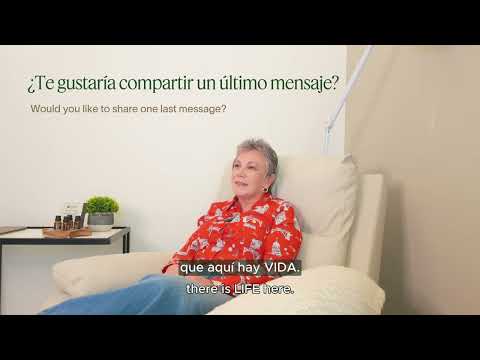


.png)






.png)

.png)
.png)








Share this listing