
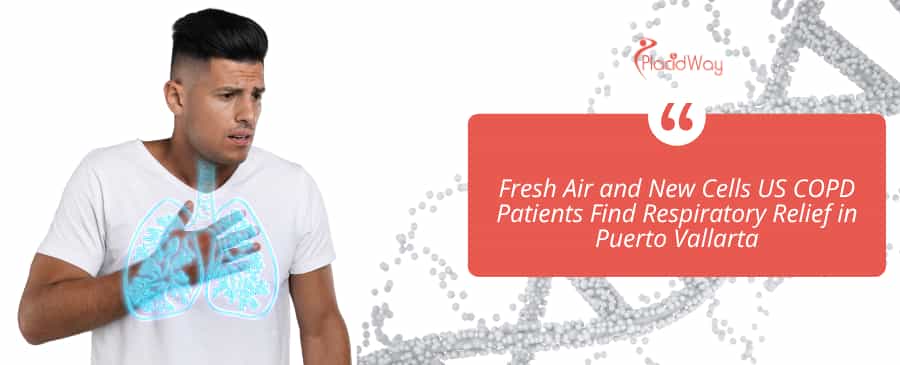
Chronic Obstructive Pulmonary Disease (COPD) remains one of the most taxing respiratory conditions for millions of Americans, often leading to a diminished quality of life. As conventional treatments focus primarily on managing symptoms, a growing number of patients are looking toward advanced stem cell therapy for COPD in Puerto Vallarta as a regenerative alternative. This coastal destination has emerged as a hub for medical tourism in Mexico, offering innovative protocols in a serene, oxygen-rich environment.
The journey toward easier breathing often begins with a search for affordable COPD treatment in Mexico, where specialized clinics utilize cutting-edge cellular medicine to target lung inflammation. By integrating mesenchymal stem cell applications with a world-class recovery setting, Puerto Vallarta provides a unique opportunity for US patients to access care that is often unavailable or prohibitively expensive at home.
Understanding Stem Cell Therapy for COPD in Puerto Vallarta
Regenerative medicine for respiratory health generally involves the use of Mesenchymal Stem Cells (MSCs) to address the chronic inflammation and tissue damage associated with emphysema and chronic bronchitis. In Puerto Vallarta, medical teams typically employ intravenous (IV) infusions or targeted nebulization to deliver high concentrations of cells directly to the pulmonary system. These cells are known for their "homing" ability, seeking out areas of damage to stimulate the body’s natural repair mechanisms.
Most patients experience a structured treatment plan that begins with a comprehensive diagnostic review to ensure they meet the criteria for safe COPD therapy in Mexico. The goal is not just to treat the symptoms but to potentially modulate the immune system and reduce the systemic inflammation that drives disease progression. While individual results can vary, the integration of these advanced cell therapy protocols has shown promise in helping patients regain a level of independence.
Why US Patients Choose Puerto Vallarta for Lung Care
For many Americans, the primary motivator for medical travel to Puerto Vallarta is the combination of immediate access and significantly lower costs. In the United States, regenerative treatments are often caught in lengthy regulatory cycles or are excluded from insurance coverage, leaving patients with few options. Puerto Vallarta clinics generally offer comprehensive lung regeneration packages that bypass the long wait times associated with US-based clinical trials.
Beyond the clinical aspects, the city’s infrastructure is perfectly suited for international medical tourism. With direct flights from major US hubs like Los Angeles, Dallas, and Chicago, the journey is relatively low-stress for those with respiratory limitations. The presence of English-speaking medical professionals and high-standard private hospitals ensures that the patient experience is seamless from arrival to departure.
The Science Behind Regenerative Lung Regeneration in Mexico
The core of COPD stem cell treatment in Mexico relies on the immunomodulatory properties of MSCs. When these cells enter the bloodstream, they typically migrate to the lungs—a phenomenon often referred to as the "pulmonary first-pass effect." This makes the lungs an ideal target for systemic cell delivery, as the cells naturally concentrate in the capillary beds of the pulmonary tissue, where they can begin their anti-inflammatory work.
Current 2026 clinical observations suggest that umbilical cord-derived stem cells may offer higher proliferative potential and lower immunogenicity compared to older cell sources. These advanced regenerative protocols often include the use of exosomes—tiny extracellular vesicles that carry signaling molecules—to further enhance the cellular communication required for tissue repair and reduced airway resistance.
Comparing Stem Cell Therapy for COPD Cost in Mexico
Financial transparency is a cornerstone of the medical tourism industry in Puerto Vallarta. Patients often find that the cost of stem cell therapy for COPD in Mexico is a fraction of what they would pay for similar private treatments in the US or Canada. This affordability is generally due to lower operational overhead, localized pharmaceutical costs, and a competitive medical landscape that prioritizes patient value.
The table below provides a realistic comparison of average pricing for standard and advanced respiratory protocols in 2026. These figures typically include the procedure, doctor fees, and basic diagnostic tests, though some premium packages also include VIP transfers and hotel stays.
| Procedure Name | Avg. Cost in Mexico (USD) | Avg. Cost in USA (USD) |
|---|---|---|
| Standard Stem Cell IV (50M Cells) | $4,500 - $6,000 | $15,000 - $22,000 |
| High-Dose Protocol (100M+ Cells) | $7,500 - $11,000 | $25,000 - $35,000+ |
| Stem Cells + Exosomes Combination | $9,000 - $13,000 | $30,000 - $45,000 |
| Nebulized Cell Therapy Add-on | $1,000 - $2,500 | $5,000 - $8,000 |
Safety and Regulation of Medical Clinics in Puerto Vallarta
Patient safety is the highest priority for reputable COPD clinics in Puerto Vallarta. These facilities are generally governed by COFEPRIS, Mexico's equivalent to the FDA, which enforces strict standards for sanitary conditions and the handling of biological materials. Many leading centers also seek voluntary international certifications to demonstrate their commitment to safe medical tourism in Mexico.
When evaluating a facility, patients should look for clinics that utilize "Clean Room" technology (ISO-certified labs) for cell processing. Transparency regarding the source of stem cells and the provision of a "Certificate of Analysis" for the administered dose are hallmarks of a trustworthy provider. Most highly-rated clinics will perform a pre-treatment EKG and blood work to ensure the patient is stable enough for the procedure.
Stem cell therapy is not a substitute for smoking cessation. Clinical data confirms that continued tobacco use significantly inhibits the effectiveness of regenerative therapies and may lead to poor outcomes.
The Patient Journey: What to Expect During Treatment
The COPD recovery process in Mexico is designed to be minimally invasive. Typically, the entire procedure lasts about two to three hours. Patients spend the first part of their visit in a consultation with a pulmonologist and a regenerative specialist to review their latest spirometry or CT scans. This ensures the personalized COPD treatment plan is optimized for their specific stage of disease.
Once cleared, the cells are administered through a standard IV drip while the patient rests in a comfortable, private suite. Because there is no general anesthesia involved, most patients remain fully awake and can enjoy the ocean views or listen to music. Following a short observation period, patients are generally discharged to their hotel, where they are advised to rest and hydrate.
Success Rates and Realistic Expectations for US Patients
It is crucial for patients to maintain realistic expectations when seeking lung regeneration for COPD in Mexico. While the medical community avoids using the word "cure," success is generally defined as a stabilization of lung function and a decrease in the frequency of "flares" or exacerbations. Most patients experience a gradual improvement in energy levels and breathing ease over a period of three to six months.
Current 2026 statistics indicate that 85% of patients report a positive impact on their daily activities following treatment. These improvements often translate to less reliance on supplemental oxygen or rescue inhalers. However, the degenerative nature of COPD means that some patients may require follow-up "booster" sessions every 12 to 18 months to maintain their gains.
Case Summaries: Real Experiences in Puerto Vallarta
Case Summary: Retired Teacher from Arizona
A 68-year-old female with Stage III COPD traveled to Puerto Vallarta after finding limited success with dual-bronchodilator therapy. Within four months of receiving 100 million umbilical cord stem cells, she reported being able to walk her dog for 15 minutes without needing a rest—a feat she hadn't accomplished in two years.
Case Summary: Former Marine from Texas
A 72-year-old male struggling with chronic emphysema sought treatment to reduce his dependence on 24/7 supplemental oxygen. Following a combined protocol of IV and nebulized stem cells, his oxygen saturation levels during rest improved from 89% to 94%, allowing him to fly to his grandson’s graduation.
Case Summary: Business Owner from Oregon
Dealing with frequent hospitalizations due to bronchitis flares, this 62-year-old patient visited Puerto Vallarta for a preventive cell therapy session. A year later, he has reported zero emergency room visits and a significant reduction in morning coughing fits.
Case Summary: Active Grandmother from Florida
Seeking to maintain her independence, this patient opted for adipose-derived stem cell therapy. She noted that while her "breath wasn't perfect," her recovery time after physical exertion had drastically shortened, improving her overall quality of life.
Navigating Travel and Logistics for Medical Tourists
Travel for medical tourism in Puerto Vallarta is remarkably straightforward for US citizens. The Licenciado Gustavo Díaz Ordaz International Airport (PVR) is modern and well-equipped to handle passengers with special needs. Most clinics provide a dedicated patient coordinator who arranges private medical transfers from the airport to the hospital or hotel, ensuring you never have to navigate the city alone.
When packing for your trip, include your latest medical records, a list of current medications, and comfortable, loose-fitting clothing for the procedure day. It is generally recommended to arrive at least one day before your appointment to acclimatize to the local environment and ensure you are well-rested for the regenerative lung therapy session.
The Role of the Coastal Environment in Recovery
Puerto Vallarta’s climate is more than just a beautiful backdrop; it plays a functional role in the COPD recovery process in Mexico. The high humidity and consistent sea-level pressure help to keep the airways hydrated and reduce the effort required for gas exchange. For many patients, the simple act of breathing the clean, salty air provides immediate subjective relief even before the stem cell treatment begins to take effect.
Furthermore, the psychological benefits of a "medical vacation" should not be underestimated. Reducing the stress associated with chronic illness can have a positive impact on the immune system. Spending time by the ocean, watching the sunsets, and enjoying the world-class medical hospitality of Mexico creates a healing mindset that is often missing in a sterile, high-stress domestic clinical environment.
Contraindications and Risks of Lung Stem Cell Therapy
While stem cell therapy for lungs in Mexico is generally safe, it is not suitable for everyone. Strict contraindications typically include patients with active malignancies, as stem cells could theoretically promote the growth of existing tumors. Additionally, those with uncontrolled heart disease or active pulmonary infections must be stabilized before they can undergo advanced regenerative care.
Potential risks, though generally low, can include minor bruising at the injection site, temporary low-grade fever, or "flu-like" symptoms as the body processes the new cells. Most patients experience these symptoms for only 24 to 48 hours. It is imperative that patients provide a full and honest medical history to their Puerto Vallarta medical team during the initial screening process to mitigate these risks.
Combining Stem Cells with Traditional COPD Management
Regenerative medicine is most effective when viewed as a complementary component of a comprehensive COPD care plan. Patients are generally advised to continue using their prescribed bronchodilators and anti-inflammatory medications after returning from Mexico. The stem cells are intended to work in tandem with these therapies to create a "low disease activity state" as defined by the 2026 GOLD guidelines.
Incorporating pulmonary rehabilitation after treatment is also strongly recommended. Strengthening the accessory muscles used for breathing and improving cardiovascular efficiency allows the body to make the most of the improved lung function provided by the regenerative cell therapy. This holistic approach ensures the longest possible duration of benefits for the patient.
How PlacidWay Assists Your Medical Journey to Mexico
Navigating international healthcare can be daunting, but PlacidWay serves as a dedicated bridge between US patients and top-tier medical centers in Puerto Vallarta. Our platform is designed to provide the transparency and support needed to make informed healthcare decisions abroad. We focus on providing high-value assistance throughout your medical tourism experience.
- Access to a curated network of vetted regenerative clinics in Puerto Vallarta.
- Direct communication channels with medical coordinators for transparent pricing and quotes.
- Verification of clinic credentials, laboratory standards, and physician experience.
- Educational resources to help you understand different stem cell protocols for COPD.
- Guidance on gathering the necessary medical documentation for pre-treatment screening.
- Support in overcoming language barriers through bilingual coordination services.
- Patient testimonial resources to hear about real outcomes from previous medical travelers.
Frequently Asked Questions About COPD in Puerto Vallarta
Yes, most reputable clinics follow international safety protocols and are regulated by COFEPRIS. Patients generally find the sterile environments and expert medical oversight to be of very high quality.
While results vary, many centers report a patient satisfaction rate of about 85%. Success is generally measured by improved exercise tolerance and fewer respiratory exacerbations.
Patients typically save 50% to 70% on overall costs. High-quality protocols in Puerto Vallarta generally range from $5,000 to $12,000, compared to $25,000+ in the US.
No, US citizens generally do not need a visa for medical stays under 180 days. A valid passport and the FMM form received at the airport are typically all that is required.
Most patients are advised to stay for 3 to 5 days. This allows for the initial consultation, the procedure, and a short observation period before flying home.
Clinics often use Umbilical Cord-derived Mesenchymal Stem Cells (UC-MSCs). These are favored for their high anti-inflammatory potency and ease of administration via IV or nebulizer.
While many do, it is generally recommended to have a companion if you have advanced-stage COPD. Many clinics offer concierge services to assist solo travelers with logistics.
Most US insurance and Medicare do not cover elective regenerative treatments abroad. Patients typically pay out-of-pocket to access these advanced protocols at a lower price point.
Patients should continue their standard pulmonary rehab and maintain contact with their home pulmonologist. Many Mexican clinics offer digital follow-up consultations via telehealth.
Patients with active infections, recent cancer history, or severe heart failure are typically excluded. A thorough screening of your medical history is mandatory for safety.
Medical Disclaimer: This article is for informational purposes only and is not medical advice. Always consult a qualified healthcare provider before any medical decisions. Results may vary. Read Full Disclaimer here.
References:
Mayo Clinic. (2026). COPD - Diagnosis and Treatment. [https://www.mayoclinic.org/](https://www.mayoclinic.org/)
WebMD. (2026). Stem Cell Therapy for COPD: What to Know. [https://www.webmd.com/](https://www.webmd.com/)
PubMed. (2026). Mesenchymal Stem Cells in Lung Disease. [https://pubmed.ncbi.nlm.nih.gov/](https://pubmed.ncbi.nlm.nih.gov/)
World Health Organization. (2026). Chronic Obstructive Pulmonary Disease (COPD) Fact Sheet. [https://www.who.int/](https://www.who.int/)



.png)
.png)
.png)
.png)


.jpg)









Share this listing