
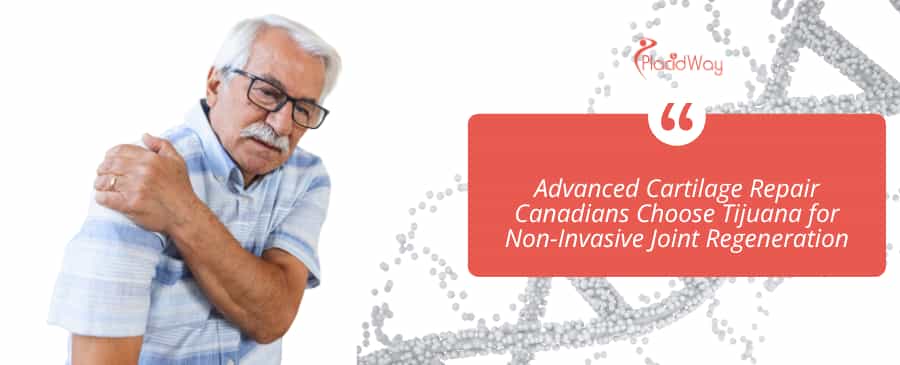
For many Canadians living with chronic joint pain, the quest for relief often leads to long waiting lists and limited options within the public healthcare system. Advanced cartilage repair in Tijuana has emerged as a compelling alternative, offering cutting-edge non-invasive joint regeneration techniques that focus on restoring mobility without the trauma of major surgery. These therapies are designed to address the underlying degradation of joint tissue, providing a bridge for those who are not yet candidates for total joint replacement but require significant intervention.
The medical landscape in Tijuana has evolved rapidly, with specialized centers now focusing on regenerative medicine for osteoarthritis. Most patients experience a personalized approach that utilizes their body's own healing mechanisms to repair damaged cartilage. This transition toward biological solutions reflects a global trend in orthopedics, where the goal is preservation rather than replacement. As international standards of care continue to rise in Mexico, more Canadian medical tourists are finding high-quality solutions just south of the border.
Why Canadians Seek Affordable Cartilage Repair in Tijuana
The Canadian healthcare system, while robust, often prioritizes critical surgeries, leaving many osteoarthritis sufferers in a cycle of pain management and physical therapy. The affordable cartilage repair in Tijuana provides a timely solution for those who cannot wait 12 to 24 months for a specialist consultation or surgical procedure. By traveling to Tijuana, patients can access joint regeneration treatments within weeks, preventing further joint degradation that occurs while waiting in the public queue.
Beyond speed, the financial aspect is a significant driver. Even with travel costs factored in, the cost of cartilage repair in Tijuana remains substantially lower than private clinic options in provinces like Ontario or British Columbia. This allows patients to invest in their health without the prohibitive price tags often found in private North American healthcare. The combination of proximity, cost-efficiency, and high-tech medical infrastructure makes Tijuana a primary hub for Canadian orthopedic travelers.
The Science of Non-Invasive Joint Regeneration in Tijuana
Modern non-invasive joint regeneration in Tijuana utilizes advanced biological scaffolds and cellular therapies to stimulate the regrowth of chondrocytes—the cells responsible for healthy cartilage. These procedures typically involve localized injections or minimally invasive applications that target the specific site of wear and tear. Generally, the aim is to reduce inflammation and provide the necessary environment for the body to initiate its own repair protocols, which most patients find significantly less taxing than traditional arthroscopy.
Techniques such as stem cell therapy for joints and PRP (Platelet-Rich Plasma) are frequently utilized as primary components of the repair process. These treatments are generally administered in an outpatient setting, allowing for a faster return to daily activities. While results typically vary based on the patient's age and the stage of their condition, the biological approach offers a promising path for those seeking to avoid the risks associated with synthetic implants and general anesthesia.
Cartilage Repair Cost in Tijuana vs. Canada
When analyzing the cartilage repair cost in Tijuana, Canadians often find that they can save thousands of dollars compared to private alternatives back home. The pricing in Mexico is typically transparent and often includes all necessary medical fees, facility costs, and follow-up care instructions. This transparency helps international patients plan their medical journey without the fear of hidden expenses that can sometimes arise in complex healthcare systems.
While the public system in Canada covers standard surgeries, it rarely covers newer, regenerative cartilage therapies, forcing many to look toward private clinics. The table below illustrates the significant cost variations between Tijuana and North American private healthcare averages, highlighting why the medical tourism in Tijuana sector continues to grow among Canadian residents.
| Procedure Name | Average Cost in Tijuana (USD) | Private Cost in Canada (USD) |
|---|---|---|
| Autologous Chondrocyte Implantation (ACI) | $8,000 - $12,000 | $25,000+ |
| Bone Marrow Aspirate Concentrate (BMAC) | $3,500 - $5,500 | $9,000 - $12,000 |
| Advanced PRP Joint Therapy | $800 - $1,500 | $2,500 - $4,000 |
Eligibility and Contraindications for Joint Regeneration
Not every patient is an ideal candidate for non-surgical cartilage repair in Mexico. Generally, these therapies are most effective for individuals with Grade 1 to Grade 3 osteoarthritis, where some healthy tissue still remains to be stimulated. For those with Stage 4 "bone-on-bone" conditions, joint regeneration may typically offer less dramatic results, and traditional surgical options might be more appropriate to consider.
Strict contraindications include active systemic infections, certain types of blood cancers, or severe inflammatory conditions that have not been stabilized. Patients must also demonstrate a commitment to post-procedure rehabilitation. It is important to note that cartilage repair clinics in Tijuana conduct thorough screenings to ensure patient safety and to maximize the probability of a successful outcome, although no medical result can ever be guaranteed.
Patients with unmanaged autoimmune disorders or active joint infections should not undergo regenerative joint therapies until their condition is fully stabilized by a specialist.
The Patient Experience: Medical Tourism in Tijuana
Entering the world of medical tourism in Tijuana is a seamless experience for most Canadians. Many clinics are located in the "Medical Zone," just minutes from the San Diego border, offering a sophisticated environment that mirrors top-tier North American hospitals. The staff at these cartilage repair facilities are often bilingual and well-versed in the specific needs and expectations of international patients, ensuring that communication remains clear throughout the journey.
From the initial consultation to the final check-up, the focus is on patient comfort and transparency. Most patients appreciate the high nurse-to-patient ratio and the time doctors spend explaining the nuances of orthopedic regenerative medicine. This high level of attention often contrasts sharply with the hurried nature of overstretched public systems, providing a sense of reassurance and authority to those seeking care abroad.
Robert from Calgary: A New Lease on Life
After years of knee pain that halted my hiking trips in the Rockies, I traveled to Tijuana for cartilage repair. The process was professional, and while I followed a strict 3-month rehab, I'm now back on the trails with minimal discomfort.
State-of-the-Art Cartilage Repair Clinics in Tijuana
The best cartilage repair clinics in Tijuana are equipped with the latest diagnostic imaging and laboratory technology necessary for advanced biological processing. These facilities often operate under international accreditation, ensuring that the protocols used for joint regeneration meet global safety standards. For Canadians, knowing that their treatment is being performed in a clean, regulated environment is paramount to establishing trust.
These clinics typically specialize in a multidisciplinary approach, combining orthopedics with physical therapy and nutritional guidance to support the regenerative process. By housing all these services under one roof, Tijuana medical centers provide a holistic experience that addresses the various factors contributing to joint health. This comprehensive infrastructure is a key reason why Tijuana has become a world leader in orthopedic medical tourism.
Safety and Standards for Orthopedic Care in Mexico
Safety is the number one priority for any Canadian considering medical travel to Tijuana. Generally, reputable clinics follow COFEPRIS (Mexico's health regulatory agency) guidelines, which are becoming increasingly aligned with FDA and Health Canada standards. Most patients find that the level of hygiene and procedural rigor in top-tier Tijuana orthopedic centers meets or exceeds their expectations, providing a safe environment for advanced medical interventions.
While risks are present in any medical procedure, non-invasive joint therapies typically have a lower risk profile than open surgery. Most patients experience only minor localized swelling or bruising. It is vital for patients to conduct thorough research, ask for clinic certifications, and ensure that their chosen physician has a verifiable track record in cartilage repair and regeneration before proceeding with treatment.
Post-Procedure Recovery and Rehabilitation Support
The success of cartilage repair in Tijuana is often dependent on the patient's commitment to the post-treatment protocol. Generally, the first few weeks involve protected weight-bearing and specific movements designed to stimulate the newly applied biological agents without causing mechanical stress. Most patients receive a detailed orthopedic rehabilitation plan that they can share with their local physical therapist in Canada to ensure continuity of care.
Regeneration is a gradual process, and while some patients report feeling "better" within weeks, the actual structural repair of the cartilage typically takes six to twelve months. During this time, maintaining a healthy weight and avoiding high-impact activities is generally recommended. Tijuana joint clinics often provide digital follow-up portals, allowing Canadian patients to send updates and receive guidance from their Mexican specialists from the comfort of their homes.
Comparing Regenerative Medicine Techniques in Tijuana
When exploring advanced cartilage repair, patients will encounter several different modalities. Each technique, whether it's Autologous Chondrocyte Implantation or placental tissue therapies, has specific indications based on the size and location of the cartilage defect. Generally, the goal is to choose the least invasive option that provides the highest biological potential for the specific patient's joint environment.
Understanding the difference between these treatments is crucial for making an informed decision. While one patient might thrive with a simple PRP series, another may require a more complex scaffold-based cartilage repair. Most leading specialists in Tijuana will use a combination of these techniques to maximize the chances of tissue regeneration, tailoring the approach to the unique biological signature of each individual's osteoarthritis.
Travel Logistics for Canadians Visiting Tijuana
Traveling for cartilage repair in Tijuana is remarkably straightforward for Canadians. Most patients fly into San Diego International Airport (SAN) and utilize clinic-provided transportation or a secure shuttle service to cross the border. The "Fast Lane" or Medical Pass program often allows for a much quicker return crossing into the USA, significantly reducing the physical strain on patients who have just undergone a joint procedure in Mexico.
It is important to ensure that all travel documents are up to date, including a valid Canadian passport and a printed copy of the medical appointment confirmation. Generally, the ease of access from major Canadian hubs like Vancouver, Toronto, and Calgary makes Tijuana one of the most accessible international medical destinations for orthopedic care. Planning for a 3 to 5-day stay is typically sufficient for most regenerative treatments.
Sarah from Vancouver: Seamless Logistics
I was worried about the border crossing, but the clinic's driver met me right at the airport. The medical pass saved us hours on the way back, and I felt safe and well-cared for the entire time.
Long-Term Outcomes of Cartilage Regeneration
While joint regeneration results are not immediate, the long-term outcomes for many patients can be life-changing. Studies generally indicate that when cartilage repair is successful, patients experience a significant reduction in pain scores and a marked improvement in joint function within the first year. These improvements typically allow patients to return to recreational activities like golf, swimming, or cycling, which were previously impossible due to osteoarthritis pain.
It is crucial to have realistic expectations; regenerative medicine is a tool to improve quality of life and delay or avoid the need for metal and plastic replacements. Most patients find that with regular maintenance and a joint-friendly lifestyle, the benefits of their Tijuana cartilage repair can last for several years. Continued communication with your medical team and regular low-impact exercise are generally the keys to preserving these biological gains.
The Role of PlacidWay in Your Medical Journey
Navigating medical tourism in Mexico can be complex, but PlacidWay serves as a vital resource for Canadians seeking advanced cartilage repair in Tijuana. By providing a platform that connects patients with vetted providers, we help bridge the gap between initial research and actual treatment. Our goal is to empower patients with the information they need to make confident, safe, and informed decisions about their orthopedic health.
- Access to a curated network of orthopedic specialists in Tijuana.
- Detailed profiles and patient reviews to help verify clinic authority.
- Assistance with obtaining transparent, itemized quotes for cartilage repair procedures.
- Educational resources to help patients understand joint regeneration technology.
- Support in coordinating initial virtual consultations with Mexican doctors.
James from Toronto: Finding the Right Expert
PlacidWay helped me compare different clinics in Tijuana. I was able to see doctor credentials and read reviews from other Canadians, which made me feel much more confident about my choice.
Frequently Asked Questions About Cartilage Repair
The lower cost is primarily due to lower overhead expenses, medical malpractice insurance rates, and administrative costs in Mexico, not a reduction in the quality of care or materials used.
Most patients are advised to stay for 3-5 days to ensure the initial recovery phase is monitored and they are fit for travel back to Canada.
While some doctors may be cautious about medical tourism, many are becoming supportive of patients seeking advanced therapies that are not yet widely available in the public system.
Most non-invasive joint procedures are performed under local anesthesia or light sedation; patients generally report mild pressure during the injection and temporary soreness afterward.
Canadians do not usually need a medical visa for short stays, but having a letter of appointment from the clinic can help smooth any questions at the border.
It is important to have a local primary care physician or physical therapist briefed on your procedure, and most Tijuana clinics offer remote support for non-emergency follow-ups.
While there is no strict age limit, the biological "potency" of regenerative treatments is generally higher in younger or middle-aged patients, though seniors still see significant benefit.
Most orthopedic specialists in Tijuana's top clinics are fluent in English, specifically to cater to the large volume of patients from Canada and the US.
Initial PT sessions are often included or available on-site, but patients are typically responsible for continuing their long-term rehabilitation with a provider in their home city.
Look for clinics with international accreditations, verified patient testimonials, and doctors who are members of global orthopedic or regenerative medicine societies.
Medical Disclaimer: This article is for informational purposes only and is not medical advice. Always consult a qualified healthcare provider before any medical decisions. Results may vary. Read Full Disclaimer here.
References:
- Mayo Clinic. (2026). Cartilage repair: Is it right for you? https://www.mayoclinic.org/
- PubMed. (2025). Trends in Regenerative Medicine for Osteoarthritis. https://pubmed.ncbi.nlm.nih.gov/
- FDA. (2026). Regulatory status of cellular therapies in orthopedics. https://www.fda.gov/
- World Health Organization. (2026). Global standards for medical tourism safety. https://www.who.int/



.png)

.png)




.jpg)
.jpg)








Share this listing