
Breaking Barriers: A Journey of Hope with Stem Cell Therapy for Autism in Mexico
For parents of children diagnosed with Autism Spectrum Disorder (ASD), the world can often feel like a series of closed doors and unanswered questions. Traditional therapies like ABA, speech therapy, and occupational therapy provide essential foundations, but many families find themselves searching for something that addresses the underlying biological factors of the condition. This search for answers led Maribel and her son Marcelo from Utah all the way to Stem Health in Mexico.
Today, we are witnessing a paradigm shift in how we approach neurodevelopmental challenges. By utilizing advanced regenerative medicine, specifically Mesenchymal Stem Cells (MSCs), clinics are offering a new horizon of hope. In this video, you will see the firsthand account of a family who saw their child move from a state of constant eloping and behavioral distress to a life of connection, understanding, and joy. This isn't just a medical success story; it is a testament to a mother's intuition and the power of scientific innovation.
Video Chapters & Quick Navigation
Selecting the Right Clinic: Why Maribel Chose Stem Health
When searching for stem cell therapy for autism, the sheer volume of options can be overwhelming for any parent. Maribel, traveling from Utah, USA, conducted extensive research before deciding on Stem Health. One of the primary factors that set this clinic apart was their internal laboratory infrastructure. At [00:15], Maribel explains that the ability of the clinic to process their own cells in-house provided a level of transparency and quality control that is often missing in other facilities.
Having a laboratory on-site means that the Mesenchymal Stem Cells (MSCs) are handled with the highest standards of care, from extraction to culturing and eventual infusion. This proximity minimizes the risk of cell degradation during transport and ensures that the patient receives the most potent therapeutic dose possible. For Marcelo’s family, knowing exactly where the cells were coming from and how they were being managed was the deciding factor in their journey to Mexico.
The Daily Struggles: Life Before Stem Cell Treatment
Before undergoing Mesenchymal Stem Cell treatment, Marcelo faced significant behavioral and safety challenges that are common in many children with severe ASD. At [00:42], Maribel shares that "eloping" was one of their biggest concerns. Eloping, or the tendency to wander away from safe environments, is a high-risk behavior that creates constant anxiety for parents. Marcelo would run away without warning, often unaware of the dangers around him.
Beyond the safety concerns, Marcelo struggled with communication and cognitive processing. He would experience "big episodes"—intense tantrums that felt uncontrollable for both him and his parents. These episodes were often triggered by a lack of understanding; when his parents would try to explain why they couldn't go outside or why a certain activity was ending, Marcelo seemed unable to process the information, leading to frustration and emotional outbursts. This "lack of listening" was not a matter of defiance, but a neurological barrier that made daily life a battle for the entire family.
The Biological Foundation: How Mesenchymal Stem Cells Work for Autism
To understand why families like Marcelo’s are seeking stem cell therapy for children with autism, it is helpful to look at the science of Mesenchymal Stem Cells. While ASD is a multi-faceted condition, current research suggests that neuroinflammation and immune system dysregulation play major roles. MSCs are known for their powerful immunomodulatory and anti-inflammatory properties.
| Function of MSCs | Impact on Autism Symptoms |
|---|---|
| Immunomodulation | Reduces the hyper-active immune response often found in the gut and brain of ASD patients. |
| Anti-inflammatory Action | Lowers cytokines levels in the brain, potentially improving neural connectivity. |
| Trophic Support | Releases growth factors that support the repair and health of existing neural tissues. |
When these cells are administered, they act as "biological smart bombs," migrating to areas of inflammation. In the case of autism, this often involves the gastrointestinal tract and the brain. By calming the inflammatory response, MSCs may help "clear the fog," allowing the child's brain to better process sensory information and social cues.
A New Child: Marcelo’s Breakthroughs Post-Treatment
The transformation in Marcelo following his treatment at Stem Health was both immediate and profound. As Maribel notes at [01:44], one of the most heartwarming changes was his responsiveness. For the first time, when they called his name, he would stop and look. This increase in eye contact and social responsiveness is a major milestone in autism development, as it forms the basis for all future social learning.
Perhaps even more impactful for the family's quality of life was the drastic reduction in dangerous behaviors and emotional dysregulation. Maribel explains that Marcelo stopped eloping; he now understands boundaries and stays with his parents when they are outside. Furthermore, his "tantrums" have vanished. He can now listen to explanations and follow directions, showing a significant improvement in receptive language and cognitive processing. This shift from a state of constant reaction to a state of understanding has brought a sense of peace to their home that Maribel describes as a "huge relief."
The Patient Experience at Stem Health
Traveling to another country for medical care can be daunting, but the experience at Stem Health was designed to put the family at ease. At [02:33], Maribel highlights the kindness and patience of the staff. From the moment they arrived, the medical team demonstrated a deep understanding of the unique needs of a child with autism, ensuring that the environment was calm and supportive.
The procedure itself is typically non-invasive, involving an IV infusion of the cells. During this time, the staff at Stem Health works closely with the parents to ensure the child is comfortable. For Maribel, the professional and compassionate approach of the doctors and nurses made the entire process "much smoother" than they had anticipated. This level of personalized care is a hallmark of high-quality regenerative medicine centers in Mexico, which often prioritize patient experience as much as clinical outcomes.
The Role of the "Gut-Brain Axis" in Autism Recovery
A fascinating aspect of stem cell therapy for autism is how it interacts with the gut-brain axis. Many children with ASD suffer from chronic gastrointestinal issues, often referred to as "leaky gut." This condition allows toxins and inflammatory markers to enter the bloodstream and eventually cross the blood-brain barrier, contributing to the neuroinflammation that drives many autism symptoms.
Mesenchymal Stem Cells have a unique ability to homing to the gut lining, helping to repair tissue and reduce localized inflammation. By healing the gut, the systemic load of inflammation is reduced, which in turn can lead to improvements in behavior, sleep, and cognitive function. This holistic approach is why many parents report that their children seem "more present" and "less agitated" following MSC infusions.
Why Mexico is Leading the Way in Regenerative Medicine
Mexico has emerged as a global leader in regenerative medicine due to its progressive regulatory environment and world-class medical facilities. Unlike many other countries where stem cell research is heavily restricted, Mexico allows for the clinical application of expanded MSCs under strict health protocols. This allows clinics like Stem Health to offer treatments that are not yet widely available in the United States or Canada.
Furthermore, the cost-effectiveness of care in Mexico makes these life-changing treatments accessible to a broader range of families. Patients can receive high-potency, lab-certified stem cell treatments for a fraction of the cost of similar experimental procedures in the US. When combined with the high standards of medical training found in leading Mexican cities, it’s clear why thousands of families are looking across the border for effective autism treatments.
The Future of Autism Care: A Personalized Approach
Marcelo’s story is a powerful reminder that every child with autism is an individual with a unique biological makeup. The future of ASD care lies in moving away from a "one-size-fits-all" approach and toward personalized, regenerative protocols. Stem cell therapy represents a critical tool in this new arsenal, providing a way to address the physiological components of the disorder that behavioral therapy alone cannot reach.
As more success stories like Marcelo's emerge, the medical community is paying closer attention to the potential of MSCs. For families currently navigating the challenges of an autism diagnosis, the path forward is becoming clearer. It is a path that combines traditional support with the cutting-edge possibilities of regenerative science, offering a chance for children to reach their full potential and for families to rediscover a life of harmony and hope.
Ready to Explore Stem Cell Therapy for Autism?
PlacidWay Medical Tourism connects you with top-rated regenerative medicine clinics in Mexico, offering life-changing stem cell treatments for autism and other conditions. Let us help you navigate your journey to a better future.
GET A FREE QUOTE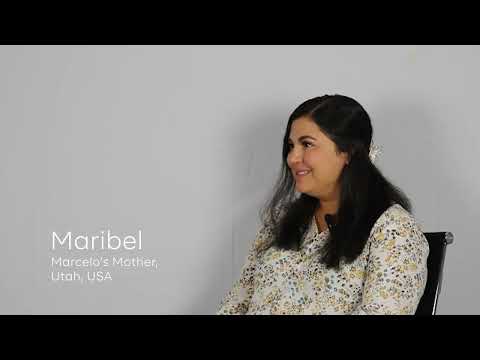




.png)
.png)
.png)
.png)
.jpg)

.jpg)








Share this listing