
Contents
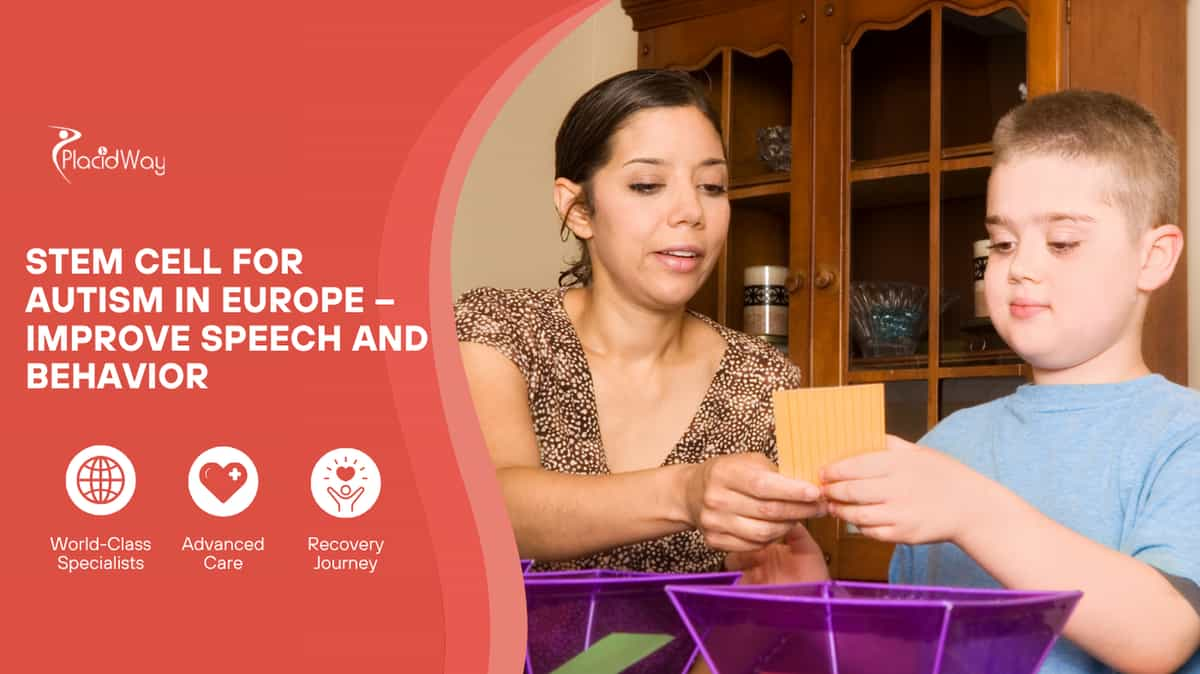
Parenting a neurodivergent child often means exhausting every local resource speech therapy, occupational therapy, behavioral interventions only to hit a plateau. If you are frustrated by these limitations and seeking therapies that address underlying neuro-inflammation rather than just managing behaviors, Europe has become a primary destination. Families from the US, UK, and the Middle East are quietly traveling across the Atlantic, prioritizing access to advanced regenerative medicine unavailable at home.
When evaluating these options, transparency and safety must come first. You can expect the starting cost for stem cell therapy for autism in Europe to be around $5,400. However, the most crucial factor isn't just the price; it's the clinical standard. You must verify that a clinic holds strict local accreditations, such as approval from the European Medicines Agency (EMA) or rigorous national health ministries like those in Germany or Austria. These certifications are your baseline for biological safety. Review the specific European clinic options and treatment details listed below to begin your research.
Stem cell packages in Europe often look identical at first glance, but the details dictate the clinical value. A robust program should clearly outline the number of intravenous infusions, specialist consultations, and specific post-treatment therapies included. Be wary of packages that bundle hotel stays but lack clarity on pre-treatment diagnostic testing or the exact cell cultivation process. More days in a clinic do not automatically equate to better outcomes. Focus your attention on the medical protocol itself. Take a close look at the carefully curated European packages below to see which combination of therapies aligns with your child's specific developmental needs.
Price starting from $14,500
Stem Cell Therapy for Autism Package in Izmir, Turkey by You Clinic
You Clinic
- Stem Cell Therapy
Izmir, Turkey

Price starting from $5,400
Stem Cell Therapy for Autism Package in Bratislava, Malacky, Slovakia by CellCenter
CellCenter - Stem Cell Therapy in Bratislava and Malacky, Slovakia
- Stem Cell Therapy
Bratislava,Malacky, Slovakia

Price starting from $8,300
Stem Cell Therapy for Autism in Slovakia: CellCenter Package in Bratislava & Malacky with IV & Nasal Injection
CellCenter - Stem Cell Therapy in Bratislava and Malacky, Slovakia
- Stem Cell Therapy
Bratislava,Malacky, Slovakia

Price starting from $11,000
Stem Cell Therapy for Autism Package in Istanbul, Turkey for Patients from Abroad Exploring Regenerative Medicine
International Multispecialty Hospital in Istanbul, Turkey
- Stem Cell Therapy
Istanbul, Turkey
Understanding the financial commitment upfront is essential for medical travel. The starting cost for stem cell therapy for autism in Europe is $5,400. Comprehensive protocols, which may include multiple infusion sessions and advanced neuro-diagnostics, generally cap around $18,000. While significant, this remains highly competitive compared to the $25,000+ estimates often seen in the US or UK for similar regenerative care. Your final expense will depend entirely on the specific country, the quantity of cells required, and any bundled rehabilitative therapies. Compare the transparent cost breakdowns listed below to evaluate which option fits your family's budget.
Stem Cell Treatment for Autism Centers Cost Comparison in Europe
| Provider | Procedure | Price |
|---|---|---|
| CellCenter - Stem Cell Therapy in Bratislava and Malacky, Slovakia | Stem Cell Treatment for Autism, Stem Cell Therapy | $8300 |
Stem Cell Treatment for Autism Cost Comparison in Europe
| Country | Procedure | Price |
|---|---|---|
| United States | Stem Cell Treatment for Autism, Stem Cell Therapy | $25000 |
| Canada | Stem Cell Treatment for Autism, Stem Cell Therapy | $15000 |
Selecting a European clinic requires looking far past a polished waiting room. You must actively investigate their clinical framework and regulatory standing. Elite regenerative centers operate under strict European Union medical directives. It is imperative that you verify their laboratory licenses and ensure they are accredited by their specific national health ministry. Ask direct questions about how their cells are ethically sourced, cultivated, and processed on-site before you commit. Review the accredited European clinics listed below to evaluate their medical credentials and ensure you are choosing a facility that prioritizes stringent biological safety.
Geneis Genetik Hastalıklar Merkezi
Mugla, Turkey

International Multispecialty Hospital in Istanbul, Turkey
Istanbul, Turkey
CellCenter - Stem Cell Therapy in Bratislava and Malacky, Slovakia
Bratislava,Malacky, Slovakia
You Clinic
Izmir, Turkey
Committing to medical care in a foreign country is daunting, and reading text rarely provides complete peace of mind, especially when your child's comfort is involved. Watching actual clinic footage bridges the gap between a clinical brochure and reality. Observing the European facilities, listening to neurologists explain their specific protocols, and seeing how staff interact with neurodivergent patients helps you gauge the environment's sensory-friendliness. Take a moment to watch the facility tours and doctor interviews below to get a clear, visual understanding of the experience before you book a flight.
While medical data is vital, another parent's honest experience is often the most valuable insight you can find. Reading first-hand accounts from families who have traveled to Europe for this specific therapy reveals the practical realities of the journey. These stories highlight how clinics handle language barriers, accommodate severe sensory sensitivities, and the actual, noticeable changes in speech or behavior post-treatment. Dive into the authentic patient stories and family reviews below to see how others navigated this medical journey and what outcomes they observed.

Is stem cell therapy for autism strictly regulated in European countries?
Yes. European clinics operate under highly stringent medical frameworks. They must adhere to European Medicines Agency (EMA) guidelines and obtain specific approvals from their national health ministries, ensuring therapies meet rigorous safety and ethical standards.
What is the exact starting cost for autism stem cell therapy in Europe?
The starting cost for stem cell therapy for autism in Europe is $10,000. Comprehensive packages, which may include multiple infusions and specialized neurological testing, typically cap around $18,000, depending on the clinic and protocol.
What specific types of stem cells do top European clinics use for autism?
Accredited European facilities predominantly use highly purified Mesenchymal Stem Cells (MSCs). These are ethically sourced, typically from donated umbilical cord tissue following healthy births, and are heavily screened for safety and immunomodulatory properties.
Will this treatment completely cure my child's autism?
No, stem cell therapy is not a cure for autism. The medical goal is to reduce neuro-inflammation and promote brain tissue repair, which can lead to functional improvements in speech, eye contact, and behavioral regulation, but it does not "cure" the neurodivergence.
How long do families typically need to stay in Europe for the procedure?
Most families plan to stay in Europe for 5 to 7 days. This timeframe comfortably allows for the initial neurological consultation, the intravenous stem cell administration, a brief period of clinical observation, and necessary rest before flying home.
How do European clinics manage a child with severe sensory sensitivities during treatment?
European pediatric regenerative clinics are specifically designed to be low-stress and sensory-friendly. Medical teams are highly trained in handling neurodivergent patients, and mild, safe sedation is frequently utilized to ensure the child experiences no distress during the infusion.
Will there be a language barrier with the medical staff in countries like Germany or Slovakia?
No. Facilities in major medical hubs that cater to international medical tourists employ fluent English-speaking neurologists and support staff. You will be able to clearly discuss your child's complex medical needs without a language barrier.
What specific improvements in behavior or speech might we expect?
While individual clinical results vary, many parents report noticeable enhancements within a few months. Common improvements documented include an expanded vocabulary, increased spontaneous communication, reduced hyperactivity, and a decrease in repetitive behaviors.
Do I need a special medical visa for my child's treatment in the Schengen area?
For citizens of the US, UK, and Canada, a standard tourist entry is generally sufficient for short medical trips under the 90-day Schengen visa-free agreement. Always verify current travel regulations with the specific European country's consulate before booking.
Is it safe to fly immediately after my child receives the stem cell infusion?
While it is an outpatient procedure, neurologists strongly advise staying in your European destination for at least 24 to 48 hours post-treatment. This allows the clinical team to monitor your child's immediate response and ensures they are rested before a long flight.
Which Are the Best Stem Cell Therapy Hospitals in Europe?
For patients seeking advanced regenerative medicine, Europe has become a global hub for stem cell therapy. With world-class hospitals, strict medical regulations, and highly skilled specialists, the continent offers some of the best stem cell therapy hospitals in Europe combining safety, innovation, and exceptional patient care. From treating complex neurological conditions to repairing orthopedic injuries, European hospitals are redefining what’s possible through regenerative science. This guide explores the top stem cell therapy hospitals in Europe, the leading countries for treatment, common conditions addressed, and expert tips to help you choose the right facility for your medical journey. Why Choose Europe for Stem Cell Therapy? Europe has earned its global reputation for excellence in regenerative medicine thanks to a unique combination of quality, innovation, and patient safety. Here’s why so many patients travel here for care: Advanced Medical Infrastructure European countries offer some of the most advanced healthcare systems in the world, featuring modern hospitals, cutting-edge laboratories, and state-of-the-art research centers. Strict Regulatory Standards Most European stem cell clinics operate under European Medicines Agency (EMA) and Good Manufacturing Practice (GMP) standards ensuring safety, purity, and traceability of all stem cell treatments. Leadership in Research and Innovation Europe is home to leading clinical research institutions and ongoing stem cell trials, giving patients access to the latest medical advancements and therapies not widely available elsewhere. Highly Experienced Specialists European doctors and researchers are internationally recognized experts in regenerative and cellular medicine, many with decades of clinical experience and global training backgrounds. Top Countries for Stem Cell Therapy in Europe While many nations offer excellent medical care, a few stand out as global leaders for stem cell treatment based on innovation, reputation, and patient satisfaction. Germany Germany is renowned for its precision medicine, advanced clinical standards, and regulatory excellence. Hospitals here offer treatments for orthopedic, neurological, and autoimmune conditions, using state-of-the-art cell processing technologies. Popular hospitals: Dr. Gerald Zimmerman Switzerland Switzerland combines medical innovation with luxury healthcare. It’s a top destination for anti-aging, orthopedic, and personalized regenerative treatments, focusing on cellular rejuvenation and longevity therapies. Popular hospitals: LaCLINIQUE of Switzerland Spain Spain’s progressive approach to stem cell research and therapy has made it a European hotspot for regenerative treatments. Clinics in Barcelona and Madrid specialize in neurological, orthopedic, and wellness therapies. Popular hospitals: DR. ZACARIAS GALO SANCHEZ SANCHEZ Eastern Europe (Bulgaria, Serbia, Slovakia) Eastern European nations have emerged as affordable alternatives for stem cell therapy in Europe. They offer advanced treatments with experienced specialists at lower costs than Western Europe. Popular hospitals: CellCenter (Slovakia) Common Conditions Treated at the Best Stem Cell Therapy Hospitals in Europe European hospitals use stem cell therapy to target a wide range of chronic and degenerative conditions by repairing, replacing, and regenerating damaged tissues. Orthopedic & Joint Disorders: Osteoarthritis, sports injuries, knee and shoulder degeneration, and back pain. Neurological Disorders: Multiple sclerosis (MS), Parkinson’s disease, stroke recovery, ALS, and spinal cord injuries. Autoimmune Diseases: Lupus, Crohn’s disease, and rheumatoid arthritis, where the therapy helps regulate immune response and promote tissue repair. Developmental & Pediatric Conditions: Autism Spectrum Disorder (ASD) and cerebral palsy, with therapies designed to improve neural and behavioral function. Anti-Aging & Wellness: Facial rejuvenation, energy enhancement, and longevity-focused regenerative programs. Ready to Explore Your Options? Get a FREE, no-obligation quote from a top-rated stem cell therapy hospital in Europe. Request a Free Quote Cost of Stem Cell Therapy in Europe The cost of treatment depends on the country, medical condition, and therapy complexity. Below are general price ranges across the best stem cell therapy hospitals in Europe: Type of Treatment Estimated Cost (EUR) Localized Orthopedic Treatment €3,000 – €8,000 Neurological / Autoimmune Therapy €10,000 – €20,000 Full-Body Anti-Aging Program €12,000 – €25,000 Hematopoietic Stem Cell Transplant (HSC) €20,000 – €35,000+ Tip: Always request a personalized quote based on your diagnosis, number of sessions, and treatment protocol. How to Choose the Best Stem Cell Therapy Hospital in Europe Selecting the right facility can make all the difference in your treatment success. Here’s what to look for: 1. Accreditations and Certifications Prioritize hospitals with JCI, ISO, or GMP accreditation. These confirm that the clinic adheres to global medical and laboratory standards. 2. Expert Physicians Check the credentials and specialization of the doctors. Reputable specialists in regenerative medicine often have published research or clinical trial experience. 3. Transparent Treatment Details The hospital should clearly explain: The type of stem cells used (e.g., mesenchymal, hematopoietic) Their source (e.g., bone marrow, adipose tissue, umbilical cord) The treatment protocol and expected outcomes 4. Evidence-Based Practice The best stem cell therapy hospitals in Europe actively participate in clinical trials, publish data, and maintain a record of patient outcomes demonstrating scientific credibility. Frequently Asked Questions (FAQs) What types of stem cells are used in European hospitals? Most hospitals use Mesenchymal Stem Cells (MSCs) from bone marrow, adipose tissue, or umbilical cords. For blood-related disorders, Hematopoietic Stem Cells (HSCs) are commonly used. Is stem cell therapy a cure? No. Stem cell therapy promotes tissue regeneration and symptom improvement, but it’s not considered a permanent cure. Reliable hospitals never guarantee results. How safe is stem cell therapy in Europe? Extremely safe when conducted in regulated facilities using sterile, accredited laboratories. European regulations are among the strictest in the world. Do European hospitals treat international patients? Yes. Most of the best hospitals have international patient departments that assist with travel arrangements, language interpretation, and accommodation. Start Your Regenerative Health Journey Today Choosing one of the best stem cell therapy hospitals in Europe gives you access to world-class medical expertise, advanced technology, and proven regenerative treatments. Whether you’re seeking relief from a chronic condition or looking to rejuvenate your health, Europe offers safe, effective, and innovative options. Contact PlacidWay today to connect with accredited hospitals and specialists offering personalized stem cell therapy in Europe. Take the next step toward a healthier, more vibrant life.
What is the Cost of Stem Cell Therapy for Autism in Slovakia?
The estimated cost of stem cell therapy for autism in Slovakia generally ranges from $8,000 to $15,000 per treatment cycle. Pricing varies significantly depending on the type of stem cells utilized, the clinic's specific protocols, and the patient's individual medical requirements. Exploring alternative options for Autism Spectrum Disorder (ASD) often leads families to research international medical treatments. Understanding the complexities of stem cell therapy for autism in Slovakia requires careful consideration of both the financial commitment and the experimental nature of the procedure. While standard therapies focus on behavioral and educational interventions, some families look toward regenerative medicine with the hope of addressing underlying neuroinflammation. This comprehensive guide explains the variables that affect the stem cell therapy for autism cost in Slovakia, what a typical protocol entails, and important safety considerations for patients exploring these investigational options abroad. Key Takeaways Estimated procedure costs range between $8,000 and $15,000 per session, excluding travel. Stem cell administration for ASD remains strictly investigational and is not a recognized cure. Treatment prices fluctuate based on the source of cells (e.g., autologous vs. allogeneic umbilical cord tissue). Slovakia complies with European Medicines Agency (EMA) safety standards for medical procedures. Patients must undergo thorough pre-evaluation and consult their primary neurologist before considering therapy abroad. What factors influence the stem cell therapy for autism cost in Slovakia? The primary variables affecting the stem cell therapy for autism cost in Slovakia include the source and quantity of the cells, pre-treatment neurological diagnostics, and the duration of the clinical monitoring period. Pricing is rarely a flat rate because regenerative medicine requires individualized protocols. The most significant cost driver is the laboratory processing involved in preparing the stem cells. Clinics utilizing allogeneic Mesenchymal Stem Cells (MSCs) derived from ethically donated umbilical cord tissue typically have higher upfront laboratory costs compared to clinics using autologous cells (cells taken from the patient's own body). Additionally, the total fee usually encompasses comprehensive pre-procedure diagnostics. Because autism is a complex spectrum disorder, medical teams must perform extensive blood work, metabolic testing, and sometimes advanced neurological imaging to determine if a patient is a suitable candidate for investigational treatments. Facility fees and the specialized medical personnel required to safely administer and monitor the therapy also contribute to the final estimate. Clinics that maintain strict adherence to Good Manufacturing Practice (GMP) standards for cell processing often charge more, reflecting their investment in high-level laboratory safety and quality control. Cost Component Estimated Impact on Total Price Description Stem Cell Processing High (40% - 60%) Laboratory cultivation, quality testing, and cell viability verification. Medical Diagnostics Medium (15% - 25%) Pre-treatment bloodwork, neurological assessments, and immune system screening. Clinical Administration Medium (15% - 25%) Physician fees, nursing care, IV materials, and facility usage. Is stem cell therapy a recognized cure for autism? No. Stem cell therapy is currently an experimental, investigational procedure and is not recognized by major global health organizations as a cure for Autism Spectrum Disorder. It is vital for families to approach this topic with realistic expectations. Autism is a neurodevelopmental disorder with diverse genetic and environmental origins. There is currently no known cure. The scientific rationale behind researching stem cells for ASD lies in the unique properties of Mesenchymal Stem Cells (MSCs), which are known for their immunomodulatory capabilities. Some researchers hypothesize that a subset of children with autism experience chronic neuroinflammation or immune system dysregulation. Experimental treatments aim to introduce MSCs to potentially reduce this inflammation, which might, in theory, alleviate certain behavioral or physical symptoms associated with the disorder. However, clinical trials are still ongoing, and evidence remains inconclusive. Patients exploring an international stem cell therapy for autism clinic in Slovakia should be highly skeptical of any facility that guarantees outcomes, promises a "cure," or dismisses the necessity of ongoing traditional therapies such as Applied Behavior Analysis (ABA), speech therapy, and occupational therapy. Important Medical Consideration Investigational treatments should never replace the foundational care provided by your child's developmental pediatrician. Always discuss plans for international therapies with your home healthcare team to understand potential contraindications based on your child's specific medical history. How do clinics source stem cells for autism treatments? Clinics typically use either autologous cells extracted from the patient’s own bone marrow or fat, or allogeneic mesenchymal stem cells sourced from donated, screened umbilical cord tissue. The source of the stem cells plays a significant role in both the treatment protocol and the overall cost. In the context of neurodevelopmental research, many modern clinical trials lean toward using allogeneic (donor) umbilical cord-derived MSCs. These cells are considered "immunologically privileged," meaning they typically have a lower risk of being rejected by the patient's immune system. Umbilical cord tissue is collected from healthy mothers after full-term, uncomplicated cesarean section deliveries, following strict ethical and medical guidelines. The tissue is then processed in highly regulated laboratories, where the cells are cultivated, expanded, and rigorously tested for infectious diseases, chromosomal abnormalities, and viability. Conversely, autologous treatments require an invasive procedure to harvest cells from the patient's own body—usually a bone marrow aspiration or a minor liposuction procedure. For children with ASD, undergoing these extraction procedures often requires general anesthesia, which introduces additional medical risks and complexities that families must weigh carefully. What does a typical investigational treatment program include? A standard protocol spans several days and includes extensive pre-treatment testing, the controlled administration of stem cells via intravenous (IV) infusion, and a brief period of clinical observation. Initial Consultation: The medical team reviews the patient's neurological history, current medications, and past diagnostic reports to ensure they meet the specific criteria for the procedure. Laboratory Diagnostics: Comprehensive blood tests check for active infections, metabolic function, and immune system stability to clear the patient for treatment. Administration: Stem cells are most commonly administered through a slow intravenous (IV) drip. In some highly specific neurological trials, cells may be delivered via intrathecal injection (into the spinal canal), though this carries significantly higher risks. Monitoring: Post-administration, the patient remains under clinical observation for several hours to monitor for immediate adverse reactions, such as fever or allergic responses. Discharge Planning: Families are provided with detailed aftercare instructions and a schedule for follow-up communication to track the patient's health upon returning home. Are there additional travel and accommodation expenses to consider? Yes, families must budget for flights, local transportation, accommodations, and daily living expenses, which are usually not included in the medical clinic's treatment estimate. When planning a medical journey to Europe, logistical costs can add thousands of dollars to the total financial commitment. Slovakia is centrally located in Europe, with major treatment centers often situated in or near Bratislava or Košice. Families usually fly into Vienna International Airport (in neighboring Austria), which is just a short drive from Bratislava, or directly into Slovakian airports depending on their origin. The required length of stay generally spans 5 to 10 days. Because children with autism often thrive on routine and struggle with environmental changes, parents frequently opt for comfortable, quiet accommodations—such as private apartment rentals rather than busy hotels—to help minimize sensory overload during the trip. Families should also consider travel insurance that specifically covers medical complications abroad, as standard domestic health insurance will not cover emergency care related to an elective, experimental treatment in a foreign country. Why do families choose medical tourism in Slovakia for this procedure? Families often seek medical tourism in Slovakia because the country offers advanced medical infrastructure and operates under European Union safety directives, often at a lower cost than clinics in Western Europe or the Americas. In the United States and many other Western nations, stem cell therapy for autism is heavily restricted by health authorities (such as the FDA) and is generally only available to a very small number of patients enrolled in strict, randomized clinical trials. Consequently, parents seeking these therapies frequently look internationally. As an EU member state, Slovakia is bound by the European Medicines Agency (EMA) regulations regarding Advanced Therapy Medicinal Products (ATMPs). While experimental treatments are still strictly controlled, some EU countries permit compassionate use exemptions or have specific national frameworks that allow authorized private facilities to offer these therapies safely, provided they meet rigorous GMP laboratory standards. Furthermore, the cost of living and general medical overhead in Central Europe is lower than in the US or UK. This economic difference allows specialized clinics to offer complex cellular therapies at a price point that, while still significant, is often more accessible than alternative international destinations. What are the potential risks and complications of stem cell therapy? Potential risks include injection site infections, mild to severe immune reactions, transient fevers, and the unknown long-term consequences of introducing cultured cells into the body. Safety is the paramount concern when dealing with any investigational treatment. While studies on umbilical cord-derived MSCs often report a favorable short-term safety profile, the procedure is not entirely without risk. The most common immediate side effects include low-grade fever, fatigue, and temporary soreness or bruising at the IV insertion site. More serious, though less common, complications can involve bacterial infections if the cells were improperly processed or handled. There is also a theoretical risk of an adverse immune response, even with cells considered immunologically privileged. If the clinic utilizes intrathecal administration (spinal tap), the risks escalate to include severe headaches, spinal fluid leaks, and neurological damage. Furthermore, because this field of regenerative medicine is relatively new, the long-term effects of systemic stem cell administration in pediatric patients remain unknown. Families must discuss these risks thoroughly with independent medical professionals who are not affiliated with the treating clinic. Who is an appropriate candidate for investigational stem cell treatment? Appropriate candidates are typically medically stable patients who have been diagnosed with ASD, do not have active infectious diseases, and meet the specific screening criteria set by the clinic’s ethics board. Confirmed Diagnosis: Patients must have an official ASD diagnosis documented by a qualified pediatric neurologist or psychiatrist. Absence of Severe Co-morbidities: Children with active viral or bacterial infections, severe uncontrolled epilepsy, or specific genetic syndromes (unless explicitly included in the trial) are usually excluded. Age Considerations: Many clinics focus on the early intervention window, typically accepting patients between the ages of 3 and 12, though some evaluate older teenagers and adults case-by-case. Medical Stability: Routine blood panels must show normal liver, kidney, and immune function to ensure the patient can safely process the treatment. Informed Consent: Parents or legal guardians must demonstrate a clear understanding that the treatment is experimental and sign comprehensive informed consent documentation. How can you evaluate a stem cell therapy for autism clinic in Slovakia? Evaluating a facility involves checking their regulatory compliance, laboratory certifications, transparency regarding risks, and the credentials of their attending medical staff. Choosing a facility for experimental medical procedures requires immense diligence. First, verify that the clinic utilizes a laboratory certified under Good Manufacturing Practice (GMP) standards. This certification is crucial as it dictates the strict sterility and quality control measures necessary for processing human cells. Examine the clinic's marketing language. Reputable medical providers do not promise cures or guarantee behavioral improvements. They present realistic, medically balanced information that highlights both potential benefits and documented risks. Any facility pressuring families for immediate financial deposits should be approached with extreme caution. Additionally, families should request to see the medical credentials of the physicians overseeing the treatment. Ideal facilities will have specialized neurologists, immunologists, and pediatric care experts on staff, rather than just general practitioners. Transparency about their clinical data, cell viability reports, and ethical board approvals is a hallmark of a responsible medical provider. Why Choose PlacidWay for Medical Tourism Research? Navigating international healthcare options can be overwhelming. PlacidWay serves as an educational resource to help patients gather information about medical facilities worldwide. Global Network: Provides access to information on medical centers across dozens of countries, including Central Europe. Facility Profiles: Offers detailed descriptions of clinics, including their specialties and available technology. Direct Connection: Allows patients to request information directly from healthcare providers to facilitate personal consultations. Educational Resources: Supplies articles and guides focused on understanding various international medical procedures. Transparent Comparisons: Helps patients compare estimated treatment costs and facility accreditations in different regions. Frequently Asked Questions Is stem cell therapy for autism legal in Slovakia? Yes, but it is strictly regulated. Slovakia adheres to European Medicines Agency (EMA) regulations. Advanced therapy medicinal products (ATMPs) like stem cells may be offered under specific hospital exemptions, compassionate use, or approved clinical trials, rather than as standard, routine care. How long does a patient need to stay in Slovakia for treatment? A typical treatment protocol requires patients and their families to stay in Slovakia for 5 to 10 days. This allows time for initial medical consultations, laboratory testing, the administration of the cells, and a brief observation period before traveling home. Are the results of stem cell therapy permanent? Because this treatment is investigational, there is no guarantee of permanent results. Some studies suggest that any observed behavioral or cognitive improvements may fluctuate over time, and ongoing traditional therapies are still required. Can adults with autism receive stem cell therapy? Eligibility depends entirely on the clinic’s protocols and the specific clinical trial or exemption under which they operate. While many trials focus on young children due to early brain plasticity, some facilities evaluate adult patients on a case-by-case basis. Does insurance cover stem cell therapy for autism in Slovakia? No. Because stem cell therapy for Autism Spectrum Disorder is currently considered experimental and is not a standard approved medical treatment, health insurance companies generally do not cover the procedure or associated travel costs. What is the difference between autologous and allogeneic stem cells? Autologous stem cells are harvested from the patient's own body (such as bone marrow or fat tissue). Allogeneic stem cells are sourced from a healthy donor, most commonly ethically derived umbilical cord tissue (Mesenchymal Stem Cells). How soon might potential improvements be noticed? If any changes occur, parents and caregivers typically report noticing subtle differences within three to six months following treatment. However, responses vary widely, and some patients may experience no observable changes at all. Are there age restrictions for this investigational treatment? Many protocols prefer patients between the ages of 3 and 12, as early intervention is often the focus of developmental therapies. Clinics will have strict age guidelines established by their regulatory or ethics boards. What kind of follow-up care is required after returning home? Families must continue working with their local pediatrician, neurologist, and behavioral therapists. Clinics typically request periodic updates, blood tests, or behavioral assessments at 3, 6, and 12-month intervals to monitor safety and progress. Do medical professionals in Slovak clinics speak English? Yes, facilities that cater to international patients usually have fluent English-speaking doctors and nurses. They often provide dedicated patient coordinators to assist with communication, medical record translation, and logistical support. Explore Your Treatment Options Today Request detailed facility information, compare estimated treatment protocols, and connect with medical providers to make an informed decision for your family. Request Treatment Information References Patient Guide to Stem Cell Treatments – International Society for Stem Cell Research (ISSCR) FDA Warns About Stem Cell Therapies – U.S. Food and Drug Administration Advanced Therapy Medicinal Products Overview – European Medicines Agency (EMA) Clinical Trials for Autism and Stem Cells – ClinicalTrials.gov (National Institutes of Health) Treatment and Intervention Services for Autism Spectrum Disorder – Centers for Disease Control and Prevention (CDC) Safety and Efficacy of Stem Cell Therapy in Autism Spectrum Disorder – National Library of Medicine Medical Disclaimer: The information provided in this article is for educational and informational purposes only and does not constitute medical advice. Stem cell therapy for Autism Spectrum Disorder is considered investigational and experimental. It is not approved as a standard treatment or cure by regulatory bodies such as the FDA or EMA. Outcomes vary significantly, and the treatment carries inherent medical risks. Always consult with a qualified pediatric neurologist, pediatrician, or primary healthcare provider to discuss the safety, suitability, and potential risks before seeking any experimental medical treatment or participating in medical tourism.
Is Turkey the Best Destination for Spanish Families Seeking Stem Cell Therapy for Autism?
Turkey is a popular medical tourism destination for Spanish families exploring investigational stem cell therapy for autism due to lower costs and clinic availability. However, outcomes vary, and treatments are not a medically proven cure. For many parents in Spain, a diagnosis of Autism Spectrum Disorder (ASD) marks the beginning of a lifelong journey to support their child's development. While standard behavioral and occupational therapies remain the cornerstone of autism care globally, some parents find themselves researching experimental alternatives when conventional methods yield slow progress. In recent times, exploring stem cell therapy for autism in Turkey has become a prominent topic among Spanish families looking abroad for care. Because the European Medicines Agency (EMA) tightly regulates unproven advanced therapies, these treatments are not widely available in Spain outside of highly specific, controlled clinical trials. Consequently, parents frequently look toward international options. This comprehensive guide explores why families consider making this journey, what the current medical evidence suggests, the associated costs, and the critical safety considerations you must understand before pursuing investigational procedures abroad. Key Takeaways Stem cell therapy for autism is an investigational procedure, not a recognized cure. Treatments aim to potentially reduce neuroinflammation, though clinical results vary widely among patients. Traveling abroad requires rigorous vetting of medical facilities, laboratory standards, and medical team credentials. Families must budget for treatment estimates, travel expenses, and ongoing conventional therapies back in Spain. Consulting with your child's primary pediatric neurologist in Spain is essential before considering any experimental medical travel. Why Do Spanish Families Travel to Turkey for Autism Treatments? Families from Spain travel to Turkey primarily due to strict EU regulations that limit investigational therapies at home, combined with Turkey's advanced healthcare infrastructure and specialized international clinics. The regulatory landscape in the European Union classifies most stem cell procedures as Advanced Therapy Medicinal Products (ATMPs). In Spain, these therapies are strictly limited to authorized clinical trials or specific compassionate use cases, which rarely include autism. As a result, parents seeking these therapies are required to look beyond EU borders. Turkey has positioned itself as a global healthcare hub, investing heavily in modern private hospitals and medical research facilities. The Turkish Ministry of Health oversees these institutions, permitting certain experimental procedures under specific guidelines. For Spanish families, Turkey offers a geographically closer and often more affordable alternative compared to destinations like the United States, Mexico, or Panama. The presence of direct flights from Madrid and Barcelona further simplifies the logistical challenges of traveling with a neurodivergent child. How Does Stem Cell Therapy for Autism Work? The therapy hypothesizes that stem cells may help reduce inflammation in the brain and modulate the immune system, potentially improving some behavioral symptoms of autism. It is vital to understand that autism is a complex, multifactorial neurodevelopmental condition. There is no biological cure. However, researchers are investigating the role of neuroinflammation and immune system dysfunction in individuals with ASD. The theory behind administering stem cells—specifically mesenchymal stem cells (MSCs)—is rooted in their paracrine effects. This means the cells release anti-inflammatory cytokines and growth factors rather than replacing damaged brain tissue directly. Some parents and ongoing preliminary studies report anecdotal improvements in areas such as: Eye contact and social interaction Reduction in hyperactivity or repetitive behaviors Improved sleep patterns Enhancements in speech or non-verbal communication Despite these reports, the international medical community, including bodies like the International Society for Stem Cell Research (ISSCR), emphasizes that large-scale, peer-reviewed clinical trials are still required to prove efficacy and long-term safety. Expert Insight: Medical professionals caution parents against facilities that promise dramatic, guaranteed improvements. Any experimental treatment should be approached with realistic expectations and clear understanding of the medical uncertainties. What is the Estimated Stem Cell Therapy for Autism Cost in Turkey? The estimated stem cell therapy for autism cost in Turkey typically ranges from €7,000 to €15,000 per session, depending on the specific protocol and cell dosage required. Financial planning is a significant aspect of medical travel. While the stem cell therapy for autism cost in Turkey is generally lower than similar experimental treatments in the United States or the Caribbean, it still represents a substantial out-of-pocket investment. Because this is an elective, investigational procedure, it is not covered by the Spanish public health system or standard private health insurance policies in Spain. When reviewing price estimates, families should ask what the quoted cost includes. A comprehensive treatment package usually covers the medical consultations, the stem cells, laboratory fees, and hospital stays. However, families must additionally budget for: Round-trip airfare from Spain to Turkey Hotel accommodations for 5 to 10 days Local transportation and daily meals Potential follow-up sessions, as some protocols suggest multiple treatments over several years What Types of Stem Cells Are Used for Autism Treatments? Protocols primarily utilize allogeneic Mesenchymal Stem Cells (MSCs), which are most frequently ethically sourced from donated human umbilical cord tissue. In the context of autism treatment, umbilical cord-derived MSCs (often from Wharton’s Jelly) are the preferred choice in many international clinics. These cells are termed "allogeneic," meaning they come from a healthy, screened donor rather than the patient themselves. The advantage of umbilical cord MSCs is that they are young, highly proliferative, and possess immunomodulatory properties that make immune rejection extremely rare. Less commonly, some facilities might offer autologous treatments—using stem cells harvested from the child's own bone marrow or fat tissue. However, this requires a mildly invasive harvesting procedure (like a bone marrow aspiration) which can be traumatic for a child with ASD, making allogeneic cord cells the more common, non-invasive alternative for the patient. Are There Risks or Side Effects Involved in This Procedure? While generally reported to be well-tolerated, potential risks include mild fever, headache, site infection, and unpredictable long-term immune responses. Patient safety must always be the priority when considering any medical procedure, especially for pediatric patients. Intravenous (IV) administration of stem cells is generally considered to have a low profile of acute complications. Short-term side effects may include temporary fever, lethargy, or minor swelling at the injection site, which usually resolve within 24 to 48 hours. However, because the treatment is experimental, the long-term effects of introducing allogeneic cells into a pediatric patient's body are not fully understood. Serious complications are rare but can include infection, allergic reactions, or theoretically, the unintended growth of cells. Intrathecal administration (spinal injection) carries additional risks, such as spinal headaches or meningitis. Always consult your local pediatrician regarding the risk profile for your specific child. How Do I Evaluate a Stem Cell Therapy Clinic in Turkey? Evaluating a stem cell therapy clinic in Turkey requires checking for Ministry of Health accreditation, GMP-certified laboratories, and transparent communication from pediatric specialists. Choosing the right medical facility is a critical step that requires diligent research. Not all clinics maintain the same standards of care or laboratory rigor. When assessing a facility, families should request documented proof of the clinic's accreditations and verify that the stem cells are cultured and processed in a Good Manufacturing Practice (GMP) certified laboratory. Furthermore, a reputable clinic will have a multidisciplinary team that includes pediatric neurologists, immunologists, and specialized nursing staff. They should provide clear, realistic information about the limitations of the treatment and never pressure families into immediate booking. Requesting to speak directly with the lead physician via video consultation before traveling is a crucial step in the vetting process. Is Stem Cell Therapy Legally Approved for Autism in Turkey? Stem cell applications are regulated by the Turkish Ministry of Health, which permits certain facilities to administer experimental treatments under stringent oversight, though it is not standard medical care. Unlike some regions with virtually no regulatory oversight, Turkey has a structured legal framework regarding cellular therapies. Hospitals and clinics must apply to the Ministry of Health for permission to perform stem cell treatments. This regulation ensures that basic safety, hygiene, and ethical sourcing standards are met. However, "permitted under experimental guidelines" does not mean "approved as a standard cure." The therapy remains investigational. Parents must sign informed consent documents acknowledging that the treatment is experimental and that outcomes cannot be guaranteed. Understanding this legal and medical distinction is vital for families traveling from highly regulated environments like Spain. What Should Families Expect During the Treatment and Recovery Process? The process generally involves a 3 to 7-day stay encompassing pre-treatment blood work, neurological evaluation, cell administration, and a short observation period. The journey typically begins with a thorough medical evaluation upon arrival at the hospital. Physicians will review the child's medical history, perform blood tests, and assess current neurological status to ensure the child is fit for the procedure. If cleared, the actual administration of the stem cells is usually performed the following day. For children receiving the cells intravenously, the process resembles receiving a standard IV drip and takes roughly a few hours. Following the administration, the child will be monitored for adverse reactions. Most clinics require patients to remain in the city for an additional day or two for follow-up observation before they are given medical clearance to board a flight back to Spain. Recovery from the immediate procedure is generally quick, allowing families to return to their normal routines shortly after traveling home. How Does Medical Tourism in Turkey Cater to International Patients? Medical tourism in Turkey provides robust support for foreign families, often including dedicated case managers, airport transfers, and professional Spanish interpreters. Traveling with a child who has autism can be highly stressful, as disruptions to routine and unfamiliar environments often trigger anxiety. Recognizing this, leading hospitals engaged in medical tourism in Turkey have developed specialized international patient departments designed to streamline the experience. These departments typically offer end-to-end assistance. From coordinating medical records and organizing pre-travel video consultations to providing dedicated Spanish-speaking translators who accompany the family during all medical appointments. This linguistic support is critical to ensure that parents fully understand the medical terminology, consent forms, and aftercare instructions without any language barriers. Important Consideration: While clinics offer excellent logistical support, parents should bring their child's favorite comforting items, snacks, and sensory tools to help manage the stress of international travel and clinical environments. What Are the Long-Term Follow-up Requirements After Returning to Spain? Continuous monitoring by Spanish pediatricians and adherence to ongoing behavioral, speech, and occupational therapies are essential for long-term management. The medical journey does not end when the family returns to Spain. Any potential benefits from investigational cellular therapies are believed to work in conjunction with, not as a replacement for, standard interventions. It is absolutely crucial that children continue their established behavioral therapies, occupational therapy, and specialized educational programs. Parents should provide a complete medical report of the procedure to their local pediatric neurologist or general practitioner in Spain. If any delayed adverse reactions occur—such as unexplained fevers or neurological changes—parents must seek immediate care at their local health facility. Reliable international clinics will also maintain contact via telehealth to track the child's progress over the following 6 to 12 months, asking parents to complete standardized autism evaluation questionnaires to monitor any shifts in behavior. Why Choose PlacidWay for Medical Tourism in Turkey? Navigating the complex landscape of international healthcare can be overwhelming, especially when seeking options for specialized pediatric conditions. PlacidWay serves as an educational and discovery platform for patients exploring medical travel. Extensive Global Network: PlacidWay provides access to a database of medical facilities across Turkey, allowing families to research various institutional options. Educational Resources: The platform offers articles, patient guides, and detailed facility profiles to help parents make informed, objective decisions. Direct Communication: Families can use the platform to request direct consultations with international medical teams to ask specific clinical questions. Transparent Information: PlacidWay facilitates the sharing of estimated cost structures and treatment protocols directly from the providing clinics. Non-Pressuring Environment: The service focuses on connecting patients with information, encouraging families to consult their local doctors before making any commitments. Frequently Asked Questions Is stem cell therapy a guaranteed cure for autism? No, stem cell therapy is not a cure for autism. Autism Spectrum Disorder is a complex neurodevelopmental condition. Stem cell treatments are currently investigational and aim to potentially reduce neuroinflammation, but results vary widely and are not guaranteed. How long does the treatment process take in Turkey? The typical treatment protocol in Turkey lasts between 3 to 7 days. This timeline usually includes initial consultations, pre-treatment blood tests, the actual administration of stem cells, and a brief observation period before patients are cleared to travel home. Will the Spanish public health system cover this procedure? No. Because stem cell therapy for autism is considered an investigational and unproven treatment by the European Medicines Agency (EMA), it is not covered by the Spanish public health system (Sistema Nacional de Salud) or standard private insurance. What age is considered appropriate for this investigational treatment? There is no universally established ideal age, as protocols vary by clinic and the child's specific medical history. Most clinical trials and medical facilities assess patients individually, often focusing on early childhood through adolescence. A pediatric neurologist must evaluate the child first. Do treatment facilities in Turkey provide Spanish-speaking staff? Many international medical facilities in Turkey employ multilingual patient coordinators and offer professional Spanish translation services to ensure clear communication between families and medical teams regarding medical histories, risks, and consent. How are the stem cells administered to pediatric patients? Administration methods vary depending on the clinic's specific protocol. The most common delivery methods for investigational autism treatments are intravenous (IV) drips or, in some cases, intrathecal injections (into the spinal canal), usually performed under mild sedation. When might parents notice changes in their child's behavior? If any changes occur, parents typically report observing them anywhere from a few weeks to several months after treatment. However, it is crucial to understand that many children show no improvement, as the therapy's efficacy remains unproven. What should we do if our child develops complications after returning to Spain? If complications such as fever, infection, or unusual neurological symptoms arise after returning home, you should immediately seek care at your local pediatric emergency department in Spain and inform the attending physicians about the recent procedure. Where do the stem cells used in these treatments come from? Most international protocols for autism utilize allogeneic mesenchymal stem cells (MSCs) derived from donated human umbilical cord tissue (Wharton’s Jelly), which are processed and screened in regulated laboratories before administration. Can children with severe autism or other medical conditions receive this therapy? Eligibility is determined strictly on a case-by-case basis. Children with severe co-occurring medical conditions, active infections, or specific genetic disorders may be contraindicated for treatment. A thorough medical review is mandatory before approval. Research Your Options Abroad Gather educational materials, compare international facility protocols, and request detailed treatment information to share with your local healthcare provider. Request Treatment Information References FDA Warns About Stem Cell Therapies – U.S. Food and Drug Administration Patient Guide to Stem Cell Treatments – International Society for Stem Cell Research (ISSCR) Advanced Therapy Medicinal Products Overview – European Medicines Agency (EMA) Treatment and Intervention Services for Autism Spectrum Disorder – Centers for Disease Control and Prevention (CDC) Mesenchymal Stem Cells for the Treatment of Autism Spectrum Disorder (Clinical Perspective) – National Library of Medicine / PubMed Autism Spectrum Disorders Fact Sheet – World Health Organization (WHO) Medical Disclaimer: The content provided in this article is for informational and educational purposes only and does not constitute medical advice, diagnosis, or treatment recommendations. Stem cell therapy for Autism Spectrum Disorder is considered investigational and is not recognized as a standard medical cure. Outcomes, safety, and risks vary significantly among patients. Always consult with a qualified pediatric neurologist or your primary healthcare provider in your home country before making any decisions regarding experimental medical procedures or medical travel.
The efficacy of regenerative medicine relies heavily on the expertise of the medical team guiding it. In Europe, the physicians leading these protocols are typically highly specialized neurologists and regenerative scientists. When evaluating doctors, you need to see a documented history of treating pediatric autism and a deep clinical understanding of neuro-inflammation, not just a general medical degree. You are looking for a specialist who treats your family as partners in care. Compare the profiles and clinical credentials of the leading European stem cell specialists below to find the right expert.
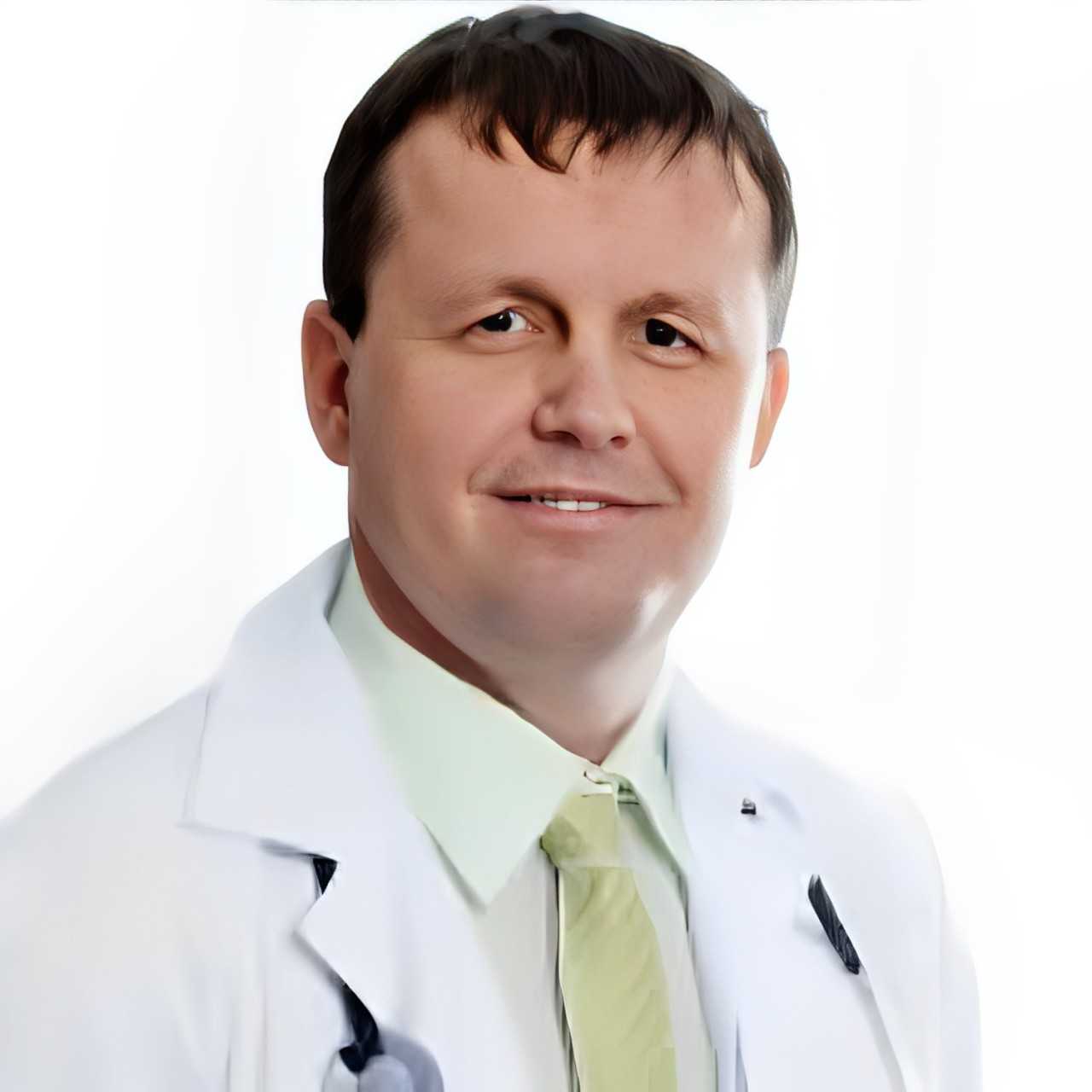
MUDr. Milan Hric
CellCenter - Stem Cell Therapy in Malacky, Bratislava, Slovakia
- Regenerative Medicine Specialist
Bratislava, Slovakia
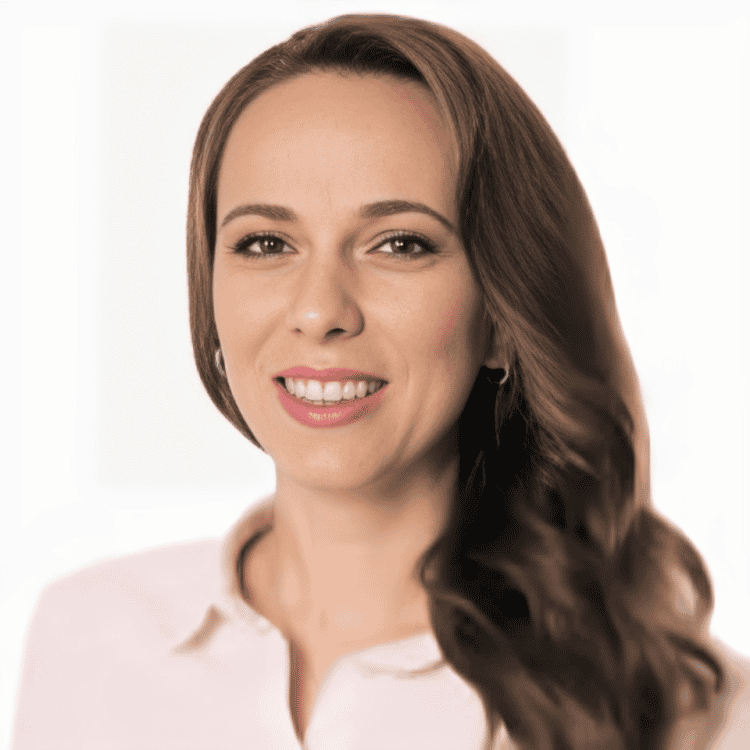
Dr. Emilia Vlcek
CellCenter - Stem Cell Therapy in Malacky, Bratislava, Slovakia
- Regenerative Medicine Specialist
Bratislava, Slovakia
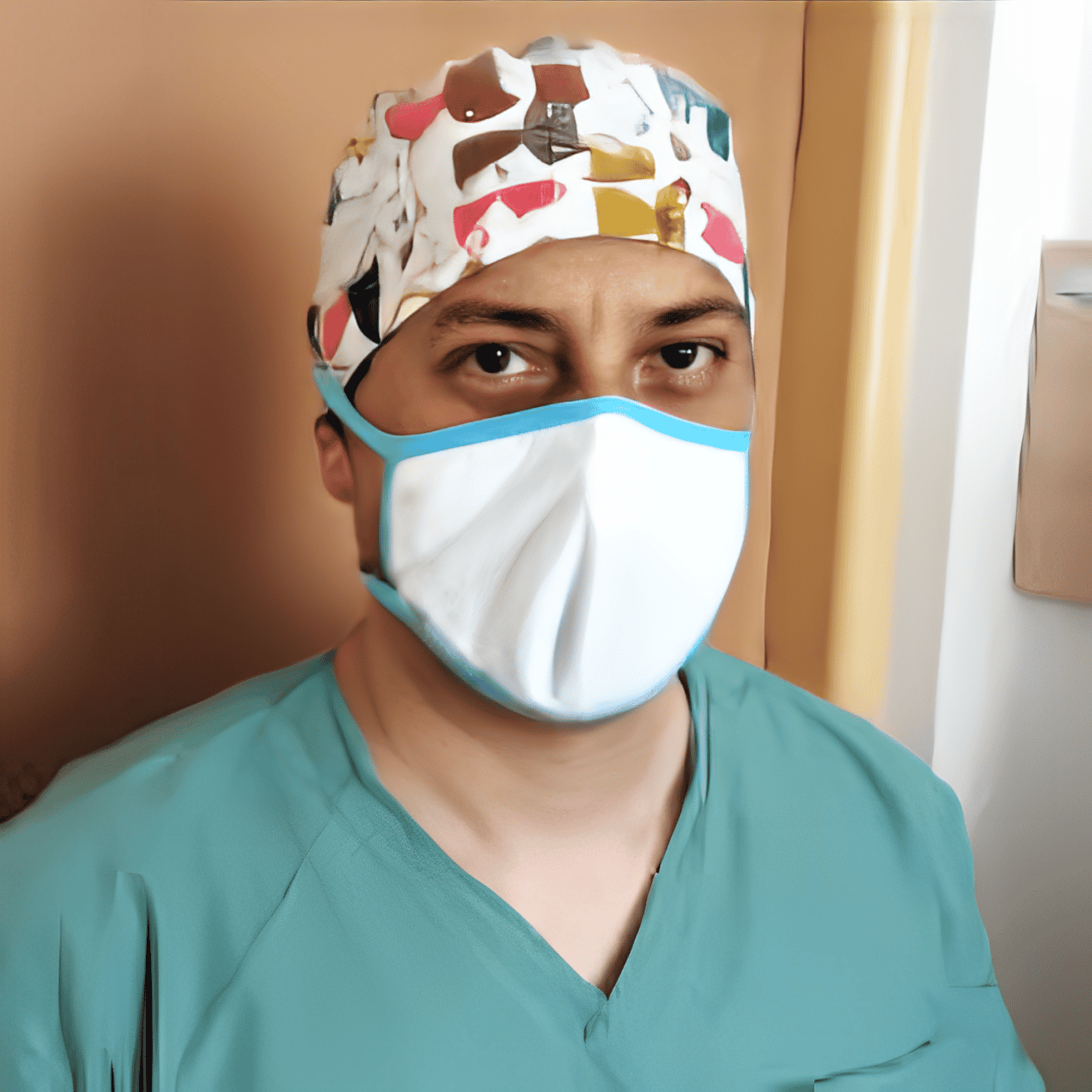
Dr. Mgr. Karim Dakkak, MPH, MBA
CellCenter - Stem Cell Therapy in Malacky, Bratislava, Slovakia
- Regenerative Medicine Specialist
Bratislava, Slovakia
Traveling to Europe for your child's medical care combines access to cutting-edge biological science with incredibly high standards of patient safety. Families from the United States, the United Kingdom, Canada, and the Middle East frequently travel to advanced medical hubs like Austria, Germany, and Slovakia. They make this transatlantic journey because they are seeking therapies to address neuro-inflammation and support developmental progress—options that are often restricted or prohibitively expensive in their home countries.
Europe’s healthcare infrastructure is globally respected for its rigorous ethical standards and highly regulated clinical environments. Navigating the continent is also surprisingly manageable for international patients. Major airports in cities like Vienna (VIE), Frankfurt (FRA), and Bratislava (BTS) offer direct global connections. Once you arrive, the efficient public transportation and availability of private medical transfers make commuting between your accommodation and the clinic seamless.
Quick Travel Facts for Medical Tourists
- Top Medical Hubs: Vienna (Austria), Frankfurt and Munich (Germany), and Bratislava (Slovakia) lead the region in pediatric regenerative care.
- Visa Requirements: The Schengen Area allows visa-free entry for up to 90 days for US, UK, and Canadian citizens (always verify current regulations before booking).
- Language Support: Top regenerative clinics provide dedicated English-speaking medical staff and translators to ensure clear, precise communication.
- Sensory-Friendly Environments: European pediatric clinics are highly attuned to creating low-stress, quiet, and structured environments tailored specifically for children on the spectrum.
While the primary focus is your child's treatment, the structured and safe environments of these European cities provide a peaceful backdrop for post-procedure rest. Review the location specifics and dedicated family travel support options provided by the clinics below to plan your trip effectively.
Take the Next Step in Evaluating Your Options
Making decisions about your child's developmental care requires accurate information, not sales pressure. If you want to understand exactly how European stem cell protocols might address neuro-inflammation and support your child's specific needs, the best next step is to gather the facts. Reach out to review the clinical options, verify accreditations, and ask your specific medical questions to determine if this path is right for your family.
Request Free QuoteMedical Disclaimer
The content provided on this page is for informational and educational purposes only and is not intended as a substitute for professional medical advice, diagnosis, or treatment. Stem cell therapy and advanced cellular protocols can be experimental or unproven for various developmental and neurological conditions. Always seek the direct advice of a qualified pediatrician, pediatric neurologist, or licensed medical specialist before making any decisions regarding your child's medical care, altering treatment plans, or traveling abroad for specialized procedures.
References
- European Medicines Agency (EMA) — Advanced Therapy Medicinal Products Overview
- International Society for Stem Cell Research (ISSCR) — Patient Handbook on Stem Cell Treatments
- National Institutes of Health (NIH) — ClinicalTrials.gov Database
- EuroGCT — European Guidelines for Cell and Gene Therapy Manufacturing and Controls

















Share this listing