
How Can Italian Patients Verify the Safety of Stem Cell Clinics in Slovakia?
Italian patients considering Stem Cell Therapy for Heart Disease in Slovakia should carefully assess clinic credentials, treatment authorization, scientific evidence, and patient safety standards before making a medical decision. This involves confirming whether the specific cellular product and procedure are authorized for the intended cardiac condition, reviewing available clinical research, and asking qualified specialists to explain potential benefits, limitations, and risks. Patients should also request transparent treatment costs, written consent documents, details about medical supervision, and a clear follow-up plan after returning to Italy. Although European cross-border healthcare rules can help patients access care in another EU country, they do not automatically establish that every stem cell treatment offered by a clinic is approved, effective, or eligible for insurance reimbursement.
Quick Summary & Key Points
- Evolving Cardiovascular Options: Patients investigating cardiac cell therapy seek to understand how investigational cellular protocols complement standard guideline-directed medical care.
- Targeting Myocardial Damage: Research focuses on repairing ischemia-damaged heart muscle, chronic heart failure tissue, and impaired left ventricular function.
- Regulatory Verification: EU approval of a biological product for one indication does not constitute approval for cardiovascular treatment; verification of specific regulatory status is essential.
- Evidence-Based Evaluation: Clinical claims must be weighed against objective parameters like ejection fraction changes, functional capacity (NYHA class), and reduced hospitalization rates.
- Continuity of Care: Cross-border medical travel requires structured communication between Slovak treatment facilities and primary cardiologists in the patient's home country.
Featured Medical Provider in Slovakia
CellCenter
Located in Bratislava and Malacky, Slovakia
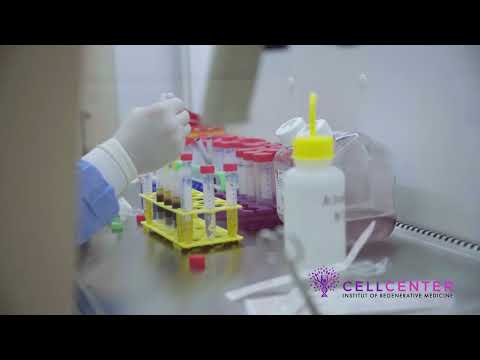
CellCenter provides regenerative medicine protocols and biological assessments, serving international patients across Central Europe with facilities licensed under local health authority standards.
The Search for New Options After a Heart Disease Diagnosis
Receiving a diagnosis of ischemic heart disease, dilated cardiomyopathy, or chronic heart failure often marks the beginning of a complex medical journey. While standard cardiology provides life-saving pharmaceutical management, surgical revascularization, and medical device implantation, some patients experience persistent symptoms such as reduced exercise tolerance, chronic fatigue, and shortness of breath.
This ongoing burden leads patients and their families to investigate emerging medical fields, including regenerative medicine and stem cell therapy. Online medical portals, scientific publications, and clinic marketing materials make international options visible to patients across Europe.
For patients originating from Italy, neighboring countries, or broader European regions, Slovakia has emerged as a destination under study. However, investigating treatments in Slovakia should be approached with objective scientific scrutiny rather than assuming that cross-border interventions inherently offer superior outcomes compared to established domestic care.
Inside the Heart: What Damage Are Researchers Trying to Address?
To evaluate regenerative cardiology, one must understand the biological changes that occur when blood flow to the heart muscle (myocardium) is compromised:
Coronary Artery Disease
Progressive atherosclerotic plaque buildup narrows arteries, leading to chronic low-grade tissue ischemia and gradual loss of contractility.
Acute Myocardial Infarction
Sudden arterial occlusion causes rapid cardiomyocyte necrosis, replacing functional muscular tissue with non-contractile fibrotic scar tissue.
Chronic Heart Failure
Progressive ventricular remodeling dilates heart chambers, lowering left ventricular ejection fraction and impairing systemic circulation.
The central scientific question behind cardiac cell therapy is whether introducing bone marrow-derived stem cells, mesenchymal stromal cells (MSCs), or lineage-committed progenitor cells can stimulate angiogenesis, modulate inflammatory remodeling, reduce fibrotic scarring, or improve cardiac contractility.
From Laboratory Research to Cardiac Treatment: How the Science Has Evolved
Over the past two decades, cardiovascular cell therapy has progressed through distinct research phases. Early preclinical trials demonstrated paracrine signaling effects, immunomodulation, and localized vessel formation. However, translating these laboratory discoveries into consistent clinical benefits in large-scale human trials has proven complex.
Researchers evaluate clinical efficacy using standardized parameters such as Left Ventricular Ejection Fraction (LVEF), 6-Minute Walk Test distance (6MWT), New York Heart Association (NYHA) functional classification, major adverse cardiac events (MACE), and cardiovascular hospitalization rates.
Global Cardiovascular Stem Cell Research Phase Distribution
Source: ClinicalTrials / European Medicines Agency (EMA) Database Review. Figures represent comparative trial activity percentages.
Crucially, investigational cellular protocols should never be confused with established cardiac care. Guideline-directed medical therapy (such as ACE inhibitors, beta-blockers, SGLT2 inhibitors, and ARNIs), coronary angioplasty, bypass surgery, and structured cardiac rehabilitation remain the validated foundation of cardiovascular medicine.
Slovakia's Medical Landscape Through the Eyes of an International Patient
Slovakia’s healthcare sector operates within the European Union framework, governed by national healthcare legislation and European regulatory directives. For foreign patients researching treatment options, understanding the medical infrastructure is essential.
When evaluating medical facilities in Slovakia, patients should focus on several verifiable institutional parameters:
- Hospital Licensing: Confirm that the center holds an active healthcare provider license issued by the Ministry of Health of the Slovak Republic.
- Cardiology Expertise: Verify that treating physicians hold specialty board certifications in cardiology, internal medicine, or vascular surgery.
- Laboratory Compliance: Ensure that cell processing laboratories operate under certified Good Manufacturing Practice (GMP) standards.
- Documentation Review: Request written treatment descriptions, formal informed consent documentation, and itemized clinical protocols before scheduling travel.
Decoding the Claim: Is a Stem Cell Protocol Really EU-Approved?
One of the most frequent areas of confusion for patients involves marketing terminology such as “EU-Approved,” “Certified,” or “Clinically Validated.” Regulatory clarity requires distinguishing between three separate concepts:
| Regulatory Category | Legal Meaning in the EU | What Patients Must Verify? |
|---|---|---|
| Approved Medicinal Product | The cell product has received EMA or national market authorization for a specific indication following Phase III trials. | Confirm if approval specifically covers heart disease or a different medical condition. |
| Authorized Clinical Trial | The protocol is an authorized, supervised research study evaluating safety or efficacy. | Verify EudraCT study number and trial ethics committee approval. |
| General Facility License | The clinic is legally authorized to operate as a general medical facility in Slovakia. | Operating a clinic does not mean specific cell treatments are approved market products. |
Approval of an Advanced Therapy Medicinal Product (ATMP) for one specific disease (e.g., a cartilage repair product or hematologic therapy) does not constitute regulatory authorization for cardiac administration. Patients should request the specific product name, manufacturer, and official EMA or State Institute for Drug Control (ŠÚKL) registry number.
The Evidence Patients Should Look for Before Believing Success Claims
Rather than relying on general percentages or patient testimonials, patients evaluating cardiac therapies should analyze objective clinical outcome metrics:
Hemodynamic Measures
Look for published, peer-reviewed data reporting changes in Left Ventricular Ejection Fraction (LVEF), end-systolic volume, and scar tissue mass measured by cardiac MRI or echocardiography.
Functional Capacity
Evaluate whether studies demonstrate measurable improvements in NYHA functional class, peak oxygen consumption (Vo2 max), or 6-Minute Walk Test distances.
Clinical Event Reduction
Confirm whether the intervention demonstrates statistically significant reductions in heart failure rehospitalizations, arrhythmia incidence, or long-term mortality.
Important Scientific Distinction: A minor surrogate measurement change (e.g., a 2% shift in ejection fraction) does not automatically translate into improved survival or symptom relief unless validated in randomized, double-blind, placebo-controlled trials.
What Might the Financial Decision Look Like for an International Family?
When budgeting for medical care abroad, headline procedure quotes often represent only a fraction of total out-of-pocket expenditures. All financial planning should account for comprehensive travel and medical variables in USD ($):
| Cost Component | Details to Confirm | Planning Consideration (USD $) |
|---|---|---|
| Medical Procedure Fee | Includes cell processing, harvesting, and physician fees. | $6,000 – $18,000 depending on protocol complexity |
| Pre-Treatment Diagnostics | Echocardiogram, blood work, cardiac MRI, and consultations. | $800 – $2,500 |
| Hospital Stay & Facility Fees | Inpatient monitoring, cardiac telemetry, nursing care. | $1,000 &ndash $3,500 |
| Travel & Logistics | Flights, local transport, hotel stays for patient and companion. | $1,500 – $4,000 |
| Follow-Up & Contingencies | Postoperative evaluations, emergency buffer, local care. | $1,000 – $3,000 |
Elective investigational cell treatments abroad are typically self-funded out-of-pocket, as national health systems (such as Italy’s SSN) and standard private health insurers rarely cover unapproved or experimental cross-border procedures. Patients must request written estimates detailing cancellation, delay, or complication policies prior to paying deposits.
A Patient's Decision Timeline: From Initial Inquiry to Returning Home
Navigating medical travel requires a structured chronological approach to protect health, financial investment, and treatment continuity:
Step 1: Initial Medical Research
The patient defines their exact cardiac diagnosis and formulates specific clinical questions regarding cell therapy.
Step 2: Records Review
Complete cardiology reports, angiograms, echocardiograms, and medication lists are transmitted to the Slovak provider.
Step 3: Primary Cardiologist Consultation
The proposal is independently reviewed with the patient's existing cardiologist in their home country.
Step 4: Protocol & Regulatory Verification
The patient verifies whether the procedure is an approved therapy or an investigational research trial.
Step 5: Budget & Logistics Planning
The family receives an itemized written quote, arranges accommodation, and establishes travel safeguards.
Step 6: Informed Consent & Treatment
The patient thoroughly reviews potential risks, alternatives, and uncertainties before granting written consent.
When Conventional Cardiac Care Remains the Priority
Investigational treatments should never substitute for or delay time-sensitive conventional cardiac interventions. Patients suffering from unstable angina, acute coronary syndromes, severe valvular stenosis, or decompensated heart failure require immediate emergency medical care or validated surgical interventions.
Guideline-directed medical treatments have decades of clinical trial data proving their ability to reduce mortality, prevent secondary cardiac events, and improve quality of life. Any proposed change, interruption, or discontinuation of prescribed cardiovascular medications (e.g., antiplatelets, anticoagulants, heart failure drugs) must be explicitly authorized by a cardiologist.
The Hidden Questions Behind a Stem Cell Treatment Offer
When assessing clinic proposals or marketing brochures, patients should seek clear written answers to fundamental clinical questions:
- Cell Source & Processing: What exact cell type is administered (autologous vs. allogeneic)? Where is the laboratory, and how is sterility and viability tested?
- Biological Mechanism: What is the scientific rationale for how these cells affect cardiac tissue?
- Clinical Evidence: What specific peer-reviewed trial data support this precise protocol for heart disease?
- Safety & Adverse Events: What are the known procedure-related risks, arrhythmia concerns, or systemic complications?
- Emergency Protocols: What hospital facilities are directly linked if acute complications develop during the procedure?
- Post-Treatment Care: Who assumes clinical responsibility for monitoring the patient after returning home?
Crossing the Border Without Losing Continuity of Care
Medical travel within the European Union requires careful planning to prevent gaps in patient care. Essential steps include:
Medical Translation
Ensure all treatment summaries, laboratory values, and discharge reports are translated into Italian or English.
Prior Local Consultation
Schedule a follow-up appointment with your domestic cardiologist prior to traveling abroad.
Insurance Authorization
Clarify cross-border reimbursement rules directly with your health authority or insurer prior to departure.
What Would Make a Slovak Cardiac Program Worth Further Investigation?
Patients should assess international cardiac programs using objective, evidence-based criteria:
- Documented, board-certified cardiology expertise and fully equipped intensive care facilities.
- Complete transparency regarding the regulatory status of the cell protocol.
- Published research data in recognized peer-reviewed medical journals.
- Honest disclosure of trial limitations, safety risks, and alternative conventional options.
- Clear, written, itemized pricing structures without unexpected fees.
- Formalized coordination protocols for post-treatment monitoring with foreign cardiologists.
Frequently Asked Questions (FAQs)
1. Is stem cell therapy an established treatment for heart disease?
In most jurisdictions worldwide, cardiac cell therapy remains investigational or restricted to specific clinical trials. Standard care includes medications, revascularization, and medical devices.
2. How does stem cell therapy aim to help heart disease?
Researchers study whether cell therapies can stimulate blood vessel growth (angiogenesis), reduce inflammation, reduce fibrotic scarring, or support heart muscle function through paracrine signaling.
3. Does EU regulatory approval of a cell product cover all conditions?
No. An Advanced Therapy Medicinal Product (ATMP) approved in the EU is authorized only for its specific indicated disease. Indication for heart disease must be separately verified.
4. What is the difference between autologous and allogeneic stem cells?
Autologous cells are collected from the patient's own body (e.g., bone marrow or fat). Allogeneic cells originate from screened donor tissues.
5. What key clinical measurements indicate heart function improvements?
Key metrics include Left Ventricular Ejection Fraction (LVEF), end-systolic volume, 6-Minute Walk Test distance, and New York Heart Association (NYHA) functional class.
6. Are stem cell treatments in Slovakia covered by national health insurance?
Elective, investigational cell procedures are generally not covered by public health systems or standard health insurance, requiring private out-of-pocket payment.
7. Should a patient stop taking conventional cardiac medications during cell therapy?
No. Patients should never stop or alter prescribed heart failure or cardiac medications without direct instruction from their treating cardiologist.
8. What credentials should a Slovak cell therapy facility possess?
Look for official healthcare licensing from the Slovak Ministry of Health, certified GMP cell laboratories, and board-certified cardiologists overseeing care.
9. How long do international medical trips to Slovakia usually require?
Travel duration depends on the protocol, ranging from a few days for minor outpatient harvesting to 1-2 weeks if inpatient cardiac monitoring is required.
10. How can patients maintain continuity of care after returning home?
By obtaining translated medical records, discharge summaries, and medication lists, and scheduling a follow-up evaluation with their local cardiologist prior to travel.
Compare International Medical & Cardiac Options With PlacidWay
PlacidWay assists international patients in researching verified healthcare providers, reviewing Stem Cell Treatment for Heart Disease in Slovakia options, and requesting itemized medical quotations worldwide. Consult with medical specialists, review credentials, and verify regulatory details before making treatment decisions.
Request Medical InformationDisclaimer: The contents of this article are intended strictly for educational and informational purposes and do not constitute professional medical advice, diagnosis, or treatment. Patients must always consult a qualified cardiologist or licensed healthcare professional regarding heart conditions and discuss any investigational therapies before making treatment decisions.
References:
- European Medicines Agency (EMA) — Official European Union Regulatory Authority
- World Health Organization (WHO) — Global Health Guidelines & Cardiovascular Resources
- European Society of Cardiology (ESC) — Cardiovascular Treatment Guidelines & Science
- State Institute for Drug Control (ŠÚKL) — Slovak Drug & Biological Regulator
- International Society for Stem Cell Research (ISSCR) — Patient Guidelines & Clinical Standards
- American Heart Association (AHA) — Cardiovascular Research & Patient Education





















Share this listing