
Why Some Patients Seek Tijuana Care When Lyme Symptoms Persist
Lyme disease treatment in Mexico typically lasts between 14 and 28 days for US patients. These 2 to 4-week intensive inpatient programs utilize integrative therapies, including targeted intravenous antibiotics and hyperthermia, designed to address chronic symptoms and support long-term disease management.
Key Takeaways: Integrative Medical Approaches
- Treatment Duration: Inpatient programs range from 14 to 28 days, allowing for continuous medical monitoring and therapy application.
- Integrative Protocols: Treatments combine pharmaceutical interventions with holistic immune support to address complex systemic symptoms.
- Cost Comparison: Patients often experience cost reductions compared to long-term out-of-pocket expenses in the US healthcare system.
- Advanced Modalities: Clinics offer therapies such as Whole Body Hyperthermia, aimed at reaching bacteria in deep joint tissues.
- Comprehensive Care: Programs typically include diagnostics, daily medical therapies, tailored nutrition, and post-discharge planning.
What are the main methods utilized for Lyme disease treatment in Mexico?
Lyme disease treatment in Mexico relies on integrative approaches that combine conventional medicine with supportive therapies. Standard protocols include targeted intravenous antibiotics, whole body hyperthermia, and immune modulation techniques.
Chronic Lyme disease often involves Borrelia bacteria that have penetrated deep into joint tissues and the central nervous system. Because standard oral antibiotics may have limited reach in these areas over time, specialized international clinics utilize a multi-disciplinary approach to manage persistent symptoms. The primary objective is to address the infection systemically while simultaneously supporting the body's natural immune response.
A frequent component of these programs is Whole Body Hyperthermia. Under strict medical supervision, the patient's core body temperature is safely elevated to specific, controlled levels. Clinical studies suggest that Borrelia bacteria have a low tolerance for heat. This controlled hyperthermia aims to create an environment hostile to the pathogens, potentially increasing their susceptibility to concurrent antibiotic therapies. Following hyperthermia, patients typically receive intravenous antibiotics, which are delivered directly into the bloodstream to bypass the digestive tract and improve absorption rates.
Additionally, daily protocols focus on immune system support. Therapies such as ozone therapy and high-dose intravenous Vitamin C are utilized with the goal of reoxygenating the blood and supporting cellular defense mechanisms. This combination of controlled heat, direct medication delivery, and immune modulation forms the basis of many international chronic illness programs.
How does the Lyme disease treatment cost in Mexico compare to the United States?
Lyme disease cost in Mexico generally ranges from $15,000 to $30,000 for a comprehensive program. This can represent a savings of up to 50-70% when compared to extended out-of-pocket consultations and therapies in the US.
- Transparent Pricing Structures: International facilities generally provide comprehensive quotes that cover the majority of inpatient needs, reducing unexpected medical bills.
- Inclusive Medical Care: The quoted cost typically covers daily physician monitoring, nursing care, and private clinic accommodations.
- Bundled Modalities: Specialized therapies like hyperthermia and ozone are often bundled into the core package rather than being billed as individual line items.
- Dietary Support: Prices usually encompass specialized, anti-inflammatory meals formulated by clinical nutritionists.
- Discharge Supplies: Packages frequently include a starting supply of necessary oral medications and supplements for the patient's transition home.
How do I select the most reliable Lyme disease clinic in Mexico?
Selecting a reliable Lyme disease clinic in Mexico requires evaluating facility accreditations, the specific medical credentials of the staff, and their willingness to provide transparent data on their treatment methodologies.
Thorough research is essential when seeking medical care abroad. Patients should verify the facility's accreditation with recognized international healthcare organizations. It is important to confirm that the medical staff includes board-certified physicians with specific experience in integrative medicine and infectious diseases. Reputable clinics will readily provide documentation of their licensing and medical credentials upon request.
Furthermore, standard medical practice dictates that ethical facilities will avoid making absolute guarantees regarding chronic illness outcomes. Reputable centers will mandate an extensive review of the patient's medical history and current lab work. They should require a comprehensive pre-admission consultation—often via video call—to determine if the patient is an appropriate candidate for their specific treatment protocols.
Finally, consider the structural support of the clinic. Managing chronic infections requires consistent monitoring and a structured environment. Look for facilities that detail their daily nursing ratios, their protocols for handling adverse treatment reactions, and the thoroughness of their post-discharge follow-up plans.
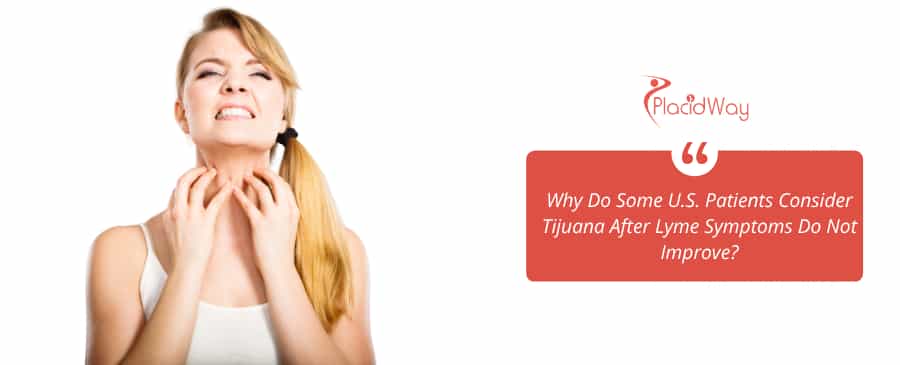
Why Do Some U.S. Patients Consider Tijuana After Lyme Symptoms Do Not Improve?
When standard protocols fail to relieve chronic symptoms, U.S. patients often consider Lyme disease treatment in Tijuana due to its immediate proximity to the border and its concentration of integrative clinics offering alternative modalities not widely covered by U.S. insurance.
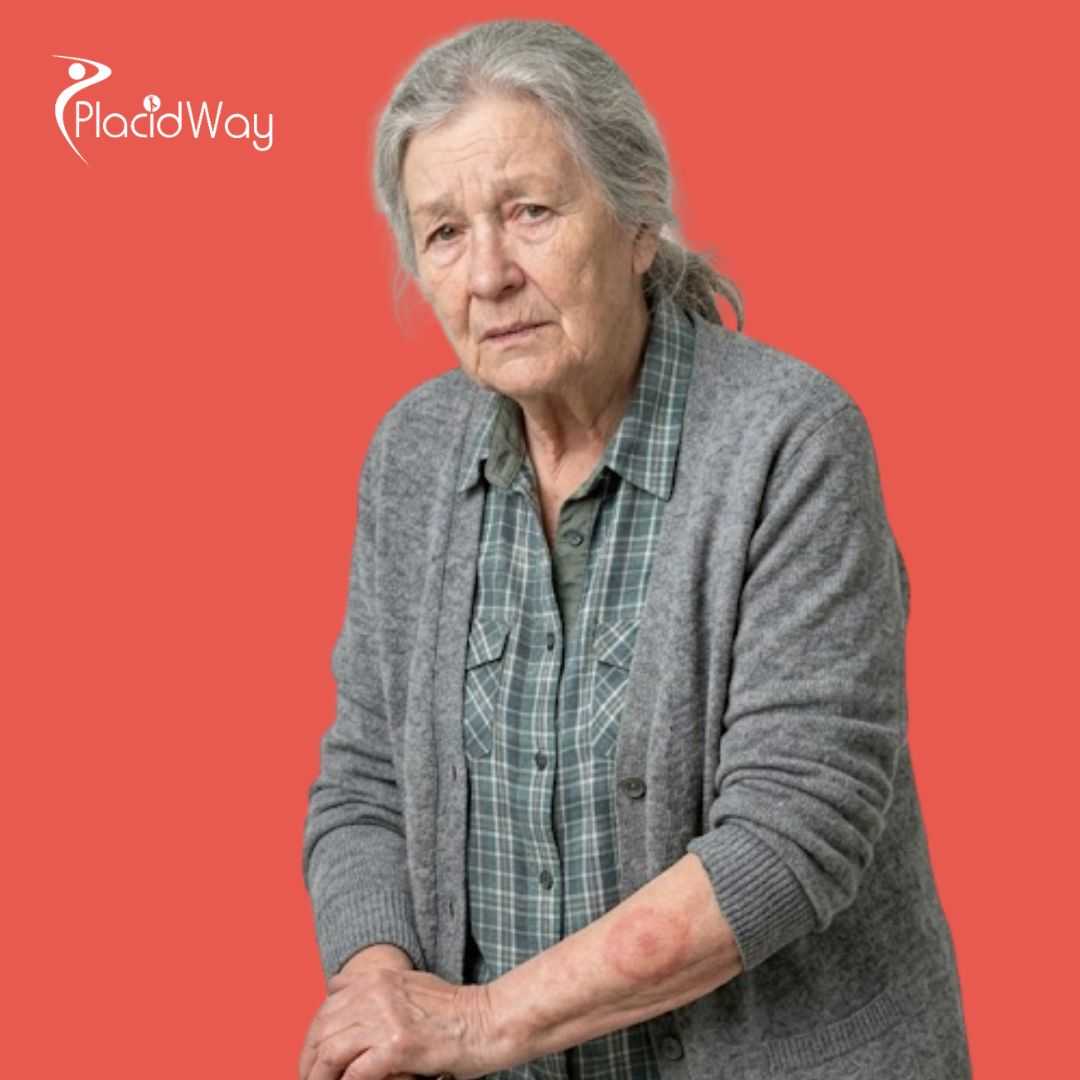
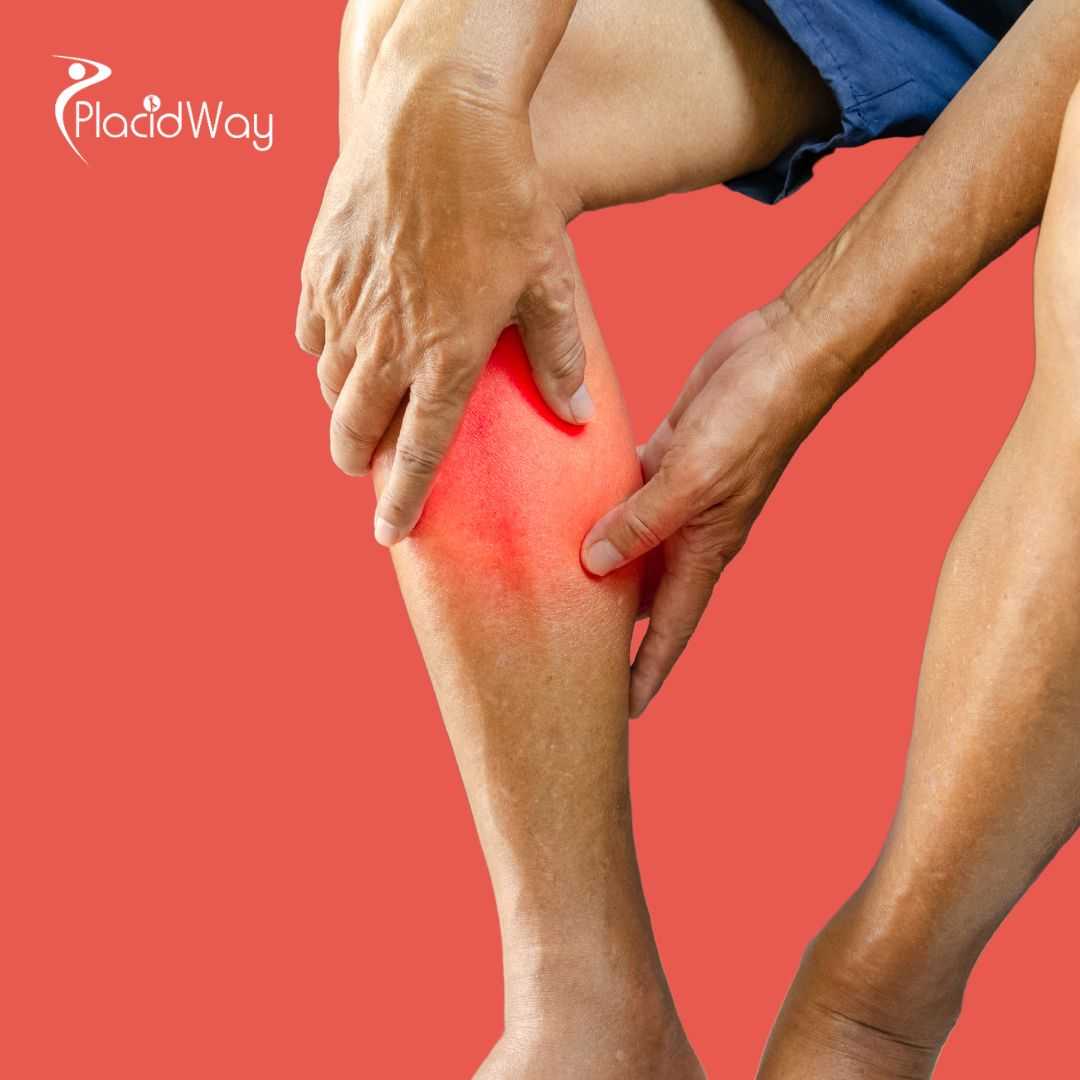
Patients who experience persistent symptoms—often categorized as Post-Treatment Lyme Disease Syndrome (PTLDS)—may find that standard, short-term antibiotic courses do not fully resolve their joint pain, fatigue, or neurological issues. As a result, Tijuana has emerged as a frequent destination for medical tourism because it hosts numerous accredited facilities specializing in functional and integrative medicine tailored for complex, treatment-resistant cases.
A primary driver for this cross-border travel is the accessibility of diverse treatment modalities. Clinics in Tijuana frequently utilize a multi-disciplinary approach, offering therapies like intravenous nutrient infusions, advanced detoxification protocols, and hyperthermia. While some of these therapies can be accessed in the US through private functional medicine practitioners, they are often prohibitively expensive and are rarely covered by domestic health insurance providers.
Additionally, Tijuana's geographic location provides a distinct logistical advantage. Situated just across the border from San Diego, California, it allows patients dealing with severe fatigue and chronic pain to access international care without the physical toll of a long-haul overseas flight. Many major clinics provide direct medical shuttle services from the San Diego airport to the hospital facility, streamlining the travel process for incoming patients.
What factors make medical tourism in Mexico ideal for chronic illness patients?
Medical tourism in Mexico offers proximity to the US, cost-effectiveness, and access to a broader range of integrative medical therapies that may not be standard practice within domestic healthcare systems.
- Geographic Accessibility: Short flight times or straightforward border crossings minimize the physical strain of travel for patients dealing with significant fatigue.
- Integrative Options: Physicians in these clinics frequently utilize globally recognized complementary therapies alongside conventional antibiotics.
- Reduced Wait Times: International medical centers often allow patients to schedule treatments more rapidly than the specialist waiting lists commonly found in the US.
- Focused Environments: Inpatient models ensure that patients remain in a dedicated medical environment, allowing for concentrated focus on daily treatments.
- Favorable Exchange Rates: Lower administrative costs and currency exchange rates contribute to the overall affordability of premium inpatient care.
Are stem cell therapies included in these international protocols?
Some facilities incorporate mesenchymal stem cell therapies as an adjunct treatment. The clinical goal of this therapy is to address systemic inflammation and support tissue repair following periods of chronic bacterial infection.
Long-term infections can result in significant cellular damage, persistent joint inflammation, and neurological symptoms. While antimicrobial therapies target the active bacteria, supportive regenerative therapies are sometimes introduced during the later stages of a clinical stay to assist with the body's recovery phase.
Mesenchymal stem cells are utilized for their immunomodulatory properties. Once administered intravenously, they are believed to respond to inflammatory signals in the body, potentially helping to regulate an overactive immune response. This aims to reduce the autoimmune-like symptoms frequently experienced by patients with late-stage chronic conditions.
It is vital to note that legitimate international clinics must source their biological materials from highly regulated and licensed laboratories. These cells undergo stringent screening processes for viability and purity prior to patient administration to ensure safety and adherence to medical standards.
Do international health centers treat tick borne coinfections simultaneously?
Yes, comprehensive medical programs typically test for and address common coinfections such as Babesia, Bartonella, and Ehrlichia. Managing these overlapping infections is considered standard practice for addressing complex, chronic presentations.
- Diagnostic Profiling: Clinics utilize specialized laboratory panels designed to identify a range of secondary tick-borne pathogens.
- Targeted Pharmacology: Medical staff customize intravenous and oral medication protocols based on the specific pathogens identified in the patient's lab results.
- Anti-Parasitic Protocols: Specific pharmaceutical agents are deployed to target parasitic infections like Babesia, which do not respond to standard antibiotics.
- Biofilm Management: Protocols may include specialized enzymes intended to disrupt biofilms, which are protective matrices that bacteria use to resist medication.
- Ongoing Monitoring: Medical teams track symptom progression daily to determine how specific coinfections are responding to the treatments and adjust accordingly.
What detox therapies support recovery during these intensive clinical stays?
Detoxification protocols are utilized to manage Herxheimer reactions (die-off symptoms). Centers employ supportive therapies such as intravenous glutathione and lymphatic drainage to assist the liver and pathways of elimination.
As antimicrobial treatments take effect, the resulting breakdown of bacterial cells can release endotoxins into the bloodstream. This process often triggers a Herxheimer reaction, which may temporarily exacerbate symptoms like fatigue, joint pain, and cognitive issues. Inpatient facilities are equipped to manage these acute physiological responses.
To assist the body in processing these toxins, medical teams frequently administer intravenous glutathione. As an antioxidant, glutathione is utilized to support hepatic (liver) function and facilitate the neutralization of metabolic waste. Patients may also receive manual lymphatic drainage therapies to encourage fluid circulation and aid in the physical removal of cellular byproducts.
Additionally, Far Infrared Sauna sessions are commonly prescribed. Infrared heat is designed to penetrate tissues safely, promoting perspiration and increasing circulation, which supports the body's natural excretory functions without causing undue physical stress.
How do patients maintain their progress after returning home?
Medical teams provide a structured discharge plan to help patients maintain clinical momentum. This typically includes a customized oral supplement regimen, dietary guidelines, and scheduled telemedicine follow-ups.
- Telemedicine Support: Physicians schedule regular remote consultations to monitor ongoing recovery and adjust medications based on current symptoms.
- Continuing Medications: Patients are provided with a structured regimen of herbal antimicrobials and probiotics to continue therapy and support gut health.
- Nutritional Guidelines: Clinical dietitians supply comprehensive meal plans to minimize dietary inflammation and support immune function at home.
- Primary Care Coordination: The treating facility can share medical records and protocol summaries with the patient’s local primary care physician to facilitate continuity of care.
- Lifestyle Directives: Discharge instructions generally include protocols for managing daily stress levels and maintaining proper sleep hygiene to support ongoing recovery.
Why choose PlacidWay to coordinate your international healthcare journey?
PlacidWay acts as an informational facilitator, connecting patients with vetted, accredited medical centers worldwide. We assist with logistical coordination, pricing transparency, and securing initial consultations with specialized medical teams.
- Clinic Verification: We collaborate with medical facilities that hold recognized international accreditations and specialize in complex chronic conditions.
- Cost Transparency: We provide structured, upfront estimates to clarify the financial aspects of care and help patients understand their package inclusions.
- Logistical Assistance: Our coordinators help organize the transfer of medical records and assist in scheduling the required preliminary video consultations with physicians.
- Global Medical Access: We provide a platform for patients to explore diverse, integrative treatment modalities offered by international specialists.
- Patient-Centric Process: Our goal is to streamline the initial stages of medical tourism, providing resources and communication support to help patients make informed healthcare decisions.
Frequently Asked Questions About Integrative Care Abroad
Can I use my US health insurance to pay for Lyme disease therapies across the border?
Most major US health insurance providers do not cover international medical treatments. Patients typically pay out of pocket for these services. However, the overall cost is often lower than extended out-of-pocket treatments in the United States. Certain facilities provide itemized bills that patients can attempt to submit to their insurance for potential partial out-of-network reimbursement, though this is not guaranteed.
Do Mexican medical centers treat advanced neurological Lyme disease?
Yes, specialized international facilities offer protocols designed to address neurological symptoms associated with Lyme disease. These treatments often utilize specialized intravenous antibiotics and targeted immune support aimed at managing cognitive symptoms and reducing systemic inflammation.
What specific blood tests are required before starting a protocol abroad?
Facilities typically require prior testing, such as comprehensive Western Blot or CD57 panels, often from specialized laboratories. Upon arrival, medical staff usually conduct fresh diagnostic blood tests and metabolic panels to establish a current baseline and tailor the treatment plan accordingly.
Is it necessary to bring a companion when traveling for chronic illness therapies?
While not mandatory, bringing a companion is often recommended. The intensive treatment process can be physically demanding. Having a companion assists with daily tasks, provides logistical support, and helps facilitate communication with medical staff during periods of fatigue.
Are the antibiotics used in Mexican medical facilities safe and FDA approved?
Medications used in accredited Mexican hospitals are required to meet international safety standards. Many of the pharmaceuticals and intravenous antibiotics utilized are identical to those approved by the US FDA and are produced by major global pharmaceutical manufacturers.
How soon can I expect to feel symptom relief after finishing the clinical program?
Symptom relief timelines vary significantly by individual and disease severity. Some patients report improvements in energy and joint pain shortly after treatment. However, standard recovery protocols suggest that structural healing and immune stabilization generally occur gradually over a period of three to six months.
Do facilities across the border provide customized diets for severe autoimmune flare ups?
Yes, clinical nutrition is a standard component of these inpatient programs. Facilities typically employ nutritionists who design customized, anti-inflammatory diets free from common allergens like gluten, dairy, and refined sugars to support gut health and complement the medical therapies.
Can I bring my own daily supplements while undergoing medical therapies internationally?
Patients may bring personal supplements, but they must present them to the attending physician during the initial consultation. The medical team will review all external supplements to ensure they do not contraindicate or interfere with the prescribed clinical treatments and intravenous therapies.
What happens if I experience a severe Herxheimer reaction during my stay?
Herxheimer (die-off) reactions are closely monitored by the inpatient medical staff. If symptoms intensify, the care team can adjust the treatment protocol and utilize detoxification support therapies, such as intravenous glutathione or lymphatic drainage, to help manage the patient's physical response.
Are English speaking medical staff available to understand my complex symptoms?
Major medical centers catering to international patients typically employ bilingual doctors, nurses, and patient coordinators. Consultations, medical explanations, and post-care instructions are generally provided in English to ensure clear communication regarding the treatment plan.
Explore Your Medical Options with PlacidWay
* All consultations are secure, strictly confidential, and intended for informational purposes.
.png)

.png)






.png)
.png)
.png)
.png)








Share this listing