
Explore the Cost of Dental Veneers in Nogales, Mexico
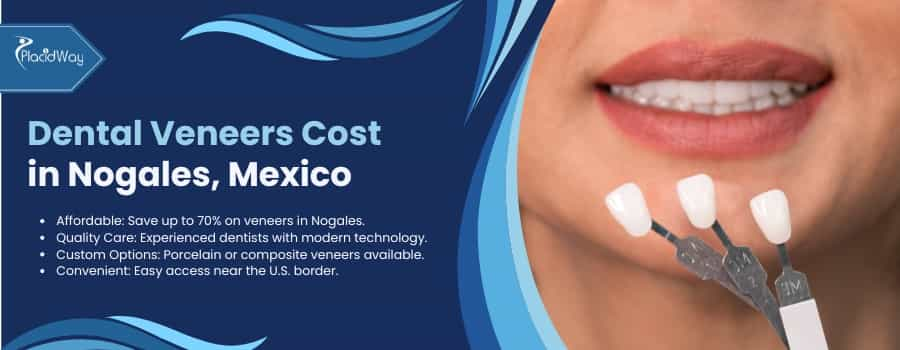
Many patients seeking cosmetic dental enhancements are drawn to options just across the U.S. border. If you are exploring the possibility of getting dental veneers in Nogales, understanding the financial investment, the procedure, and the logistics of cross-border care is essential. Dental veneers are custom-made shells designed to cover the front surface of your teeth, improving their appearance by changing their color, shape, size, or length. While the procedure can offer significant aesthetic benefits, it requires careful consideration of the costs, materials, and clinical processes involved.
Key Takeaways
- The estimated price range for a single veneer in Nogales is between $350 and $500.
- Porcelain veneers are generally more expensive but offer greater durability compared to composite resin.
- The procedure typically requires irreversible removal of tooth enamel.
- Nogales is a popular border destination due to its proximity to Arizona and walkable clinic access.
- Patients should factor travel expenses, potential multiple visits, and aftercare into their total budget.
Why Do Patients Travel to Nogales for Dental Veneers?
The rise of medical tourism in Mexico has transformed border towns like Nogales into active hubs for dental care. For many individuals, the primary motivation for crossing the border is economic. The overhead costs for dental practices in Mexico, including administrative expenses and facility operations, are generally lower than those in the U.S. or Canada. These reduced operational costs are often reflected in the prices offered to patients.
Additionally, Nogales is located immediately adjacent to Nogales, Arizona. This geographic proximity allows many patients to drive to the border, park on the U.S. side, and walk to their appointments. This eliminates the need for expensive flights or extended hotel stays, making the logistics of receiving dental care much more straightforward for residents of the American Southwest.
While the potential for lower costs is appealing, it is important to remember that cosmetic dentistry requires precision and skill. Traveling for care means you must carefully research facilities, understand the limitations of cross-border treatments, and prepare for the fact that you are operating outside your home country's healthcare regulations.
What Factors Influence the Dental Veneers Cost in Nogales?
Although the average price often falls between $350 and $500 per tooth, this is only an estimate. Your final bill will depend on several variables. The most significant factor is the material. High-quality porcelain or zirconia veneers are more expensive to manufacture in a dental laboratory than composite resin veneers, which are often shaped directly onto the tooth by the dentist.
Another major factor is the scale of the treatment. A single veneer to repair a chipped tooth will cost significantly less than a full "smile makeover" requiring six to eight veneers on the upper teeth. Furthermore, some patients require preparatory dental work before veneers can be applied. If you need treatment for gum inflammation, cavity fillings, or root canals, these procedures will add to your overall expenses.
Finally, fees can vary from one facility to another. A clinic with in-house laboratory equipment, such as CAD/CAM milling machines for same-day restorations, may have different pricing models than a clinic that sends impressions to an off-site lab.
How Do Porcelain and Composite Veneers Compare?
When discussing treatment with a dentist, you will likely choose between porcelain and composite resin. Porcelain veneers are thin ceramic shells custom-crafted in a laboratory. They closely mimic the light-reflecting properties of natural teeth and are highly resistant to stains from coffee, tea, and smoking. However, they usually require the removal of a small amount of healthy tooth enamel to ensure a proper fit.
Composite veneers are made from a tooth-colored resin material similar to what is used for dental fillings. The dentist applies the resin directly to the tooth, shapes it, and cures it with a special light. This process can often be completed in a single visit and is generally less expensive. The trade-off is that composite resin is more prone to chipping and staining over time.
| Feature | Porcelain Veneers | Composite Veneers |
|---|---|---|
| Estimated Cost (Nogales) | $350 - $500+ per tooth | $150 - $250+ per tooth |
| Durability | High (Typically 10-15 years) | Moderate (Typically 5-7 years) |
| Stain Resistance | Excellent | Moderate |
| Tooth Preparation | Requires enamel removal | Minimal to no enamel removal |
What is the Typical Process for Getting Dental Veneers?
The journey to receiving veneers usually spans two to three appointments, depending on the technology available at the clinic. During the first visit, the dentist will evaluate your oral health, discuss your aesthetic goals, and take x-rays to ensure your teeth and gums are healthy enough for the procedure.
If you proceed with porcelain veneers, the next step is preparation. The dentist will administer local anesthesia and gently reshape the tooth surface by removing a fraction of a millimeter of enamel. This step is irreversible. Next, the dentist takes physical impressions or digital scans of your teeth, which are sent to a dental laboratory where your custom veneers are crafted. You may receive temporary veneers to protect your teeth while you wait.
During the final visit, the dentist will remove the temporaries and temporarily place the new veneers to check their fit, shape, and color. Once any necessary adjustments are made, your teeth are cleaned, polished, and etched to create a strong bonding surface. A special cement is applied, and the veneers are permanently bonded to your teeth using a curing light.
Are There Hidden Fees When Visiting a Dental Clinic in Nogales?
When evaluating quotes from a dental clinic in Nogales, it is crucial to ask what is specifically included in the quoted price per tooth. A seemingly low price might only cover the cost of the veneer itself, leaving you to pay extra for essential parts of the procedure.
Common additional costs that patients sometimes overlook include initial consultation fees, panoramic x-rays or 3D scans, local anesthesia, and the cost of temporary veneers worn between appointments. You should also ask if adjustments or follow-up visits are included in the primary fee.
Beyond clinical costs, you must account for logistical expenses. This includes gas, tolls, border parking fees, potential hotel stays if your treatment requires multiple consecutive days, and meals. Requesting a comprehensive, itemized treatment plan in writing before committing to the procedure can help you avoid unexpected financial surprises.
How Long Do Dental Veneers Typically Last?
Dental veneers are long-lasting, but they are not permanent. The lifespan of your restorations depends heavily on the material used, the skill of the dentist placing them, and how well you care for them after returning home. Porcelain is a highly resilient material that can withstand normal biting forces, but it is not indestructible.
Factors that can shorten the lifespan of your veneers include teeth grinding (bruxism), using your teeth as tools (such as opening packaging or biting nails), and chewing on hard objects like ice or hard candies. If a veneer chips, cracks, or debonds from the tooth, it usually cannot be repaired and must be entirely replaced.
Gum health also plays a vital role. If your gums recede due to periodontal disease or aggressive brushing, the edge of the veneer may become visible, compromising the aesthetic result and potentially leaving the underlying tooth vulnerable to decay.
What Are the Potential Risks and Complications?
As with any medical or dental procedure, receiving veneers carries inherent risks. Because the procedure involves stripping away a layer of protective enamel, some patients experience increased tooth sensitivity to hot and cold temperatures. This sensitivity is often temporary, resolving within a few weeks, but in some cases, it can be persistent.
Another risk is poor bonding. If the veneer is not sealed perfectly against the tooth surface, bacteria can enter the microscopic gap, leading to decay underneath the veneer. This can be difficult to detect and may require the removal of the veneer and significant restorative work, such as a root canal or a dental crown, to fix.
Aesthetic complications can also occur. The color of a porcelain veneer cannot be altered once it is cemented in place. If the shade does not perfectly match your surrounding teeth, or if your natural teeth discolor over time while the veneer remains the same shade, you may be left with a mismatched smile.
Who is Considered a Suitable Candidate for Veneer Placement?
Veneers are an excellent option for many people, but they are not suitable for everyone. A qualified dentist must evaluate your oral health before approving you for the procedure. You must be free of active gum disease, tooth decay, and root canal infections. If these conditions are present, they must be resolved before cosmetic work can begin.
Patients who clench or grind their teeth (a condition known as bruxism) may not be ideal candidates for veneers, as the immense pressure can cause the thin porcelain to fracture or detach. If a dentist determines you have mild bruxism, they may require you to wear a protective nightguard while sleeping to protect your investment.
Additionally, if your teeth are severely misaligned or if you have large gaps, orthodontic treatments like braces or clear aligners might be medically preferable to placing thick veneers to mask the spacing issues.
How Should Patients Care for Their New Dental Veneers?
Aftercare is critical for maximizing the longevity of your dental work. You should treat your veneered teeth much like your natural teeth. This means brushing at least twice a day with a non-abrasive fluoride toothpaste and flossing daily to prevent gum disease and decay around the margins of the veneers.
While porcelain is highly stain-resistant, the cement used to bond them can sometimes discolor over time. Minimizing your intake of highly pigmented foods and beverages, such as red wine, coffee, and dark berries, can help maintain a bright smile. Smoking is also discouraged, as it can stain both natural teeth and composite materials.
Importantly, traveling for dental care means your local dentist back home will be responsible for your long-term maintenance. You should be transparent with your local provider about the treatments you received abroad so they can properly monitor the integrity of the restorations during your routine, biannual cleanings.
How Does Medical Tourism Work for Border Towns Like Nogales?
The dynamic of border dental tourism is somewhat different from traveling deep into a foreign country. Many patients seeking care in Nogales choose to stay on the U.S. side of the border. They park in designated lots in Nogales, Arizona, and walk through the pedestrian border crossing. A large concentration of dental clinics is located within just a few blocks of the port of entry, catering specifically to international patients.
While the convenience is high, patients must still prepare appropriately. You need proper documentation to return to your home country, typically a valid passport. It is also wise to understand that regulatory standards for dental clinics in Mexico differ from those in the U.S. or Canada.
Before planning a trip, patients should consult with a healthcare professional at home to determine if they are physically suitable for the planned procedure and the associated travel. Furthermore, prospective patients should verify the credentials, hygiene standards, and emergency protocols of any clinic they intend to visit.
Why Choose PlacidWay for Medical Tourism in Mexico
Navigating international healthcare options requires thorough research and organized information. PlacidWay is a medical tourism platform designed to help patients explore healthcare possibilities around the world. Here are factual ways PlacidWay can assist you:
- Extensive Directory: PlacidWay provides a comprehensive directory of medical and dental facilities across numerous global destinations, including Mexico.
- Cost Comparisons: The platform allows users to view estimated pricing for various treatments, helping patients compare options across different regions.
- Provider Profiles: Patients can access detailed profiles that list clinic accreditations, available technologies, and dentist credentials to aid in their research.
- Communication Tools: PlacidWay facilitates direct communication and inquiries between prospective patients and international healthcare providers.
- Educational Resources: The site offers articles, guides, and resources designed to educate patients on the logistics and considerations of seeking care abroad.
Frequently Asked Questions (FAQs)
Do I need a passport to visit a dentist in Nogales?
Yes. While you may occasionally cross the land border with other identification, U.S. and Canadian citizens generally need a valid passport or passport card to re-enter their home country after visiting Mexico.
Can I drive across the border into Nogales for my dental appointment?
Many patients choose to park their vehicles on the U.S. side of the border in Nogales, Arizona, and walk across to the dental clinics, which are often located within walking distance of the pedestrian crossing.
Are dental veneer consultations available in Nogales?
Yes, most dental clinics in Nogales offer initial consultations. During this visit, the dentist will examine your teeth, take x-rays or digital scans, and determine if you are a suitable candidate for veneers.
How many visits does it take to get porcelain veneers in Nogales?
Getting porcelain veneers typically requires two to three visits. The first is for consultation and tooth preparation, while subsequent visits are for fitting and bonding the custom-made veneers.
Does dental insurance cover veneers in Mexico?
Because veneers are generally considered a cosmetic procedure, most dental insurance plans do not cover them, regardless of whether the treatment is done domestically or internationally. You should check your specific policy details.
Can I get veneers if I have existing gum disease?
No, active gum disease (periodontitis) or tooth decay must be fully treated and resolved before any cosmetic procedures like veneers can be safely placed. Healthy gums are required to support the restorations.
Do veneers require shaving down my natural teeth?
Yes. Traditional porcelain veneers usually require removing a thin layer of enamel from the front of your teeth so the veneer fits properly and looks natural. This process is irreversible.
Is it safe to travel to Nogales for dental care?
Tens of thousands of patients visit border towns like Nogales for dental care annually. However, travelers should always review current government travel advisories, stay in well-lit tourist areas, and exercise standard situational awareness.
What happens if a veneer chips after I return home?
If a complication occurs after you return home, you will need to either travel back to your treating clinic in Mexico or visit a local dentist for repairs, which would likely incur out-of-pocket costs locally.
How soon after getting veneers can I eat normally?
You can usually eat normally once the numbness from any local anesthesia wears off. However, dentists often recommend sticking to softer foods for the first few days while you adjust to your new bite.
Compare Treatment Options Worldwide
Explore global healthcare facilities, review estimated costs, and gather the information you need to make an informed decision about your dental care.
Request Treatment InformationReferences
- Veneers – American Dental Association (ADA)
- Dental Veneers: Benefits, Procedure, Costs & Results – Cleveland Clinic
- Medical Tourism – Centers for Disease Control and Prevention (CDC)
- Mexico Travel Advisory – U.S. Department of State
- Tooth Decay – National Institute of Dental and Craniofacial Research (NIDCR)
- Oral health: A window to your overall health – Mayo Clinic





























Share this listing