
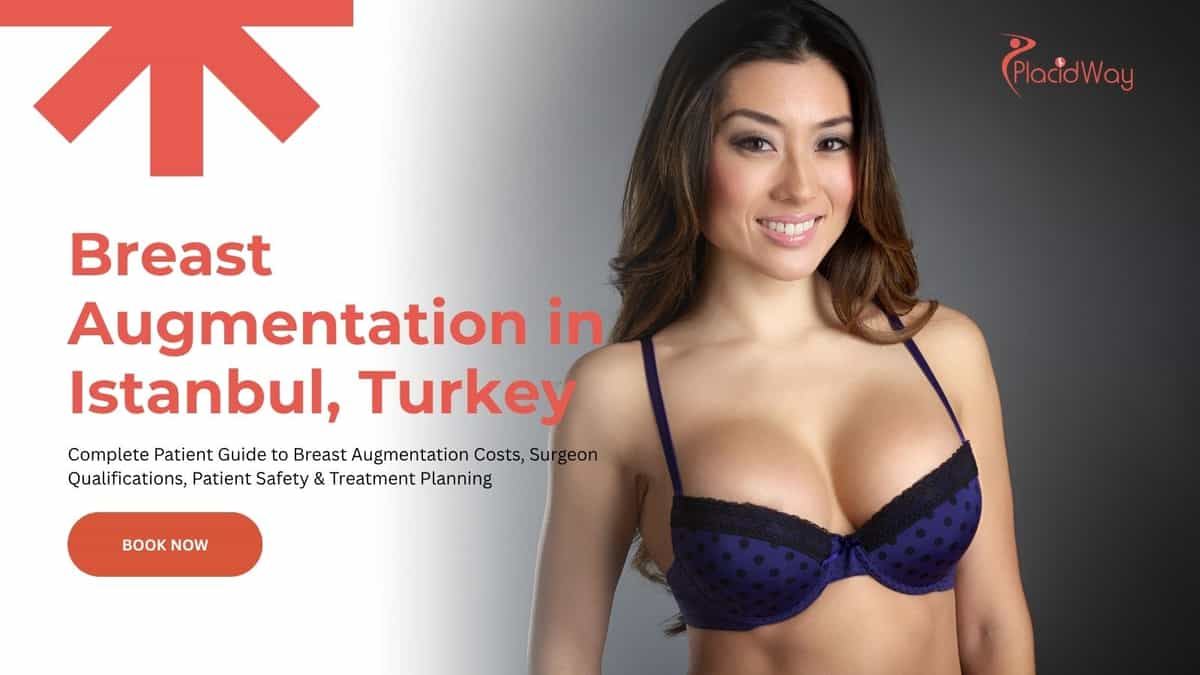
Making the decision to travel for breast enhancement is deeply personal, and navigating the vast amount of information about costs and safety can feel incredibly stressful. You are likely wondering how to find a genuinely qualified surgeon abroad, what local certifications actually matter, and whether the financial savings justify the journey. This guide will help you understand the essential Turkish Ministry of Health credentials to look for, realistically compare international treatment costs, and carefully evaluate your safety at every step so you can make an informed, confident choice about your care.
Quick Answer Summary
- Estimated Cost: Typically ranges from $2,800 to $4,500 USD, often including the surgery, implant devices, anesthesia, and basic medical travel packages.
- Safety Overview: Generally safe when performed in facilities licensed by the Turkish Ministry of Health and conducted by board-certified plastic surgeons.
- Ideal Candidate: Healthy individuals seeking breast volume enhancement who have realistic expectations, stable weight, and no active medical conditions that impair healing.
- Recovery Time: Most patients return to light activities within 1 to 2 weeks, with full restriction clearance and tissue settling taking 6 to 12 weeks.
- Why Istanbul, Turkey: Patients primarily travel here to access modern surgical facilities and experienced surgeons at a lower cost compared to North America and Western Europe.
- Important Caution: Always verify that your chosen surgeon is registered with the Turkish Medical Association (TTB) and the Turkish Society of Plastic Reconstructive and Aesthetic Surgeons (TSPRAS) before booking.
Understanding Why Patients Choose Istanbul, Turkey for Breast Augmentation
Deciding to undergo breast augmentation requires careful research, and choosing to have the procedure abroad adds another layer of complexity. Many patients look beyond their home borders for medical care due to high domestic healthcare costs, long waiting lists, or a desire for specialized surgical expertise. Istanbul has emerged as a frequent destination for elective cosmetic surgery, drawing individuals who want to combine quality medical care with travel.
When you research options in Istanbul, you will find a large ecosystem of clinics, hospitals, and medical tourism agencies. It is crucial to understand the driving factors behind this trend so you can navigate the landscape objectively and safely. Patients travel for various reasons, but their primary motivations usually revolve around affordability without sacrificing medical standards.
Primary reasons international patients travel for this procedure:
- Significant cost differences compared to the USA, UK, Canada, and Western Europe.
- Availability of comprehensive medical packages that often include hospital stays, local transfers, and surgical garments.
- Access to private hospitals equipped with modern technology and intensive care units (ICUs).
- Surgeons who manage high volumes of breast augmentation cases annually, contributing to their technical experience.
- Shorter wait times for elective cosmetic consultations and surgical dates.
The majority of patients traveling for this procedure originate from the United Kingdom, the United States, Germany, and the Middle East. These individuals often face prohibitive out-of-pocket costs at home, prompting them to explore highly regulated international hubs where currency exchange rates work in their favor.
What is Breast Augmentation?
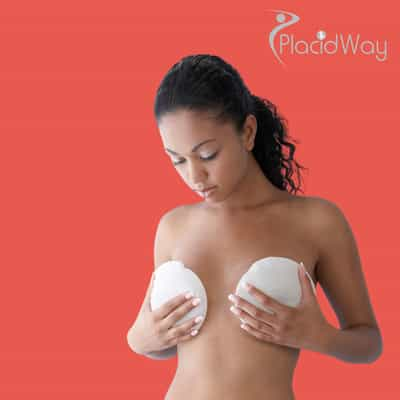
Breast augmentation, clinically known as augmentation mammoplasty, is a surgical procedure designed to increase the size, improve the shape, or restore the volume of the breasts. The surgery involves placing medical-grade implants either under the breast tissue or beneath the chest muscle. Your surgeon will evaluate your chest anatomy, existing breast tissue, and aesthetic goals to recommend the most appropriate surgical approach.
This treatment is highly customized. During your consultation, your healthcare provider will measure your chest width, evaluate your skin elasticity, and discuss how different implant profiles will affect your final appearance. The goal is to achieve a balanced, proportionate result that aligns with your natural body structure.
It is important to remember that breast augmentation is a major surgery requiring general anesthesia. The biological process involves creating a surgical pocket within the body tissues to house a foreign medical device. Understanding this anatomical change is vital for setting realistic expectations regarding your recovery and long-term care.
Types of Breast Implants Used in Clinics
When planning your procedure, you will need to choose the type of implant that best suits your body. Licensed clinics in Istanbul typically offer the same globally recognized implant brands used in the US and Europe. These devices are strictly regulated and must meet international safety standards, such as CE marking in Europe or FDA approval in the United States.
The two primary materials available are silicone and saline. Silicone implants are pre-filled with a cohesive gel that closely mimics the feel of natural human fat tissue. They are highly popular because they maintain their shape well and carry a lower risk of visible wrinkling under the skin. Saline implants, on the other hand, are filled with sterile saltwater during the surgery. If a saline implant ruptures, the body safely absorbs and naturally expels the fluid.
| Implant Type | Biological Characteristics | Common Patient Considerations |
|---|---|---|
| Cohesive Silicone (Gummy Bear) | Maintains shape even if the shell is compromised. Firm, form-stable gel. | Requires a slightly larger incision. Offers a highly natural texture. |
| Traditional Silicone | Softer gel formulation. Moves naturally with body positioning. | Routine MRI screenings may be recommended by doctors to check for silent ruptures. |
| Saline | Inserted empty and filled with sterile saltwater. Uniform shape. | Requires a smaller incision. May feel firmer or ripple if the patient has very little natural breast tissue. |
Your surgeon will also discuss implant shape, offering round or anatomical (teardrop) profiles. Round implants provide more upper pole fullness, while teardrop implants slope gently for a more natural silhouette. Your existing breast anatomy usually dictates which shape will perform best within your tissue envelope.
Surgical Incisions and Implant Placement Options
The success of your breast augmentation relies heavily on the surgical technique used. Your surgeon must determine the optimal location for the incision to minimize visible scarring, as well as the best internal placement for the implant based on your tissue thickness. These decisions impact both your aesthetic outcome and your physical recovery.
There are three common incision sites. The inframammary incision is made in the natural crease beneath the breast, providing the surgeon with excellent visibility and control. The periareolar incision is made along the border of the areola, which conceals the scar well but carries a slightly higher risk of affecting milk ducts. The transaxillary incision is placed in the armpit, leaving the breast completely free of scars, though it can make precise implant positioning more challenging.
Subglandular Placement
The implant is placed over the pectoral muscle but underneath the natural breast tissue. This method typically results in a shorter recovery time and less postoperative pain. However, it requires a sufficient amount of natural breast tissue to cover the implant and prevent visible rippling.
Submuscular Placement
The implant is positioned partially or completely beneath the pectoral muscle. This approach provides extra tissue coverage, reducing the likelihood of feeling the implant edges. Recovery is generally longer and more uncomfortable, as the muscle tissue must heal and stretch.
Your doctor will recommend the placement that best mitigates your personal risk of complications, such as capsular contracture, and supports the longevity of your surgical outcome.
Patient Demographics and Global Travel Trends
Medical tourism data from 2024 to 2026 highlights a significant shift in patient demographics traveling for aesthetic surgery. Understanding who travels and why can help you contextualize your own decision-making process. Recent demographic surveys from international aesthetic societies indicate that the age and origin of patients seeking cross-border breast augmentation follow distinct patterns.
The majority of individuals traveling for this procedure fall within the 18 to 34 and 35 to 50 age brackets. Younger patients often seek volume enhancement, while patients in their late thirties and forties frequently combine augmentation with a breast lift to restore changes caused by pregnancy, breastfeeding, or weight fluctuations.
Age Distribution of Breast Augmentation Patients (Verified 2024 Global Clinical Data)
Furthermore, documented clinical trends show a steady increase in patient volume traveling to medical hubs with established aesthetic surgery infrastructures. Data compiled between early 2024 and projections into 2026 illustrate consistent cross-border movement, largely driven by patients researching quality-regulated international facilities.
Projected Cross-Border Patient Volume Index for Plastic Surgery (2024-2026)
Determining Your Patient Suitability
Not everyone who desires breast augmentation is an ideal candidate for surgery, and undergoing this procedure abroad requires even stricter medical evaluation. Your chosen clinic will request your medical history, current medications, and potentially blood tests to ensure you are fit for general anesthesia. Traveling for surgery demands physical resilience, so assessing your eligibility before booking flights is critical.
Good candidates are generally in good physical health, maintain a stable weight, and are non-smokers. Nicotine severely constricts blood vessels, depriving healing tissues of necessary oxygen, which dramatically increases the risk of delayed wound healing and tissue necrosis. Reputable surgeons will refuse to operate on active smokers unless they commit to a strict cessation period before and after surgery.
You should also possess realistic expectations regarding your physical outcomes. Surgery can enhance proportion and volume, but it cannot achieve perfection or resolve deep-seated body image psychological issues. A qualified healthcare provider will discuss your motivations and ensure you are pursuing the surgery for yourself, not due to external pressures.
Evaluating Safety and Healthcare Regulations
Patient safety must be your primary focus when traveling for surgery. The regulatory landscape in Istanbul is overseen by the Turkish Ministry of Health (Sa?l?k Bakanl???), which mandates strict operational, hygiene, and emergency response standards for all private hospitals and clinics treating international patients. Understanding these regulations helps you differentiate between standard facilities and those authorized for medical tourism.
Clinics operating legally in this sector must hold an International Health Tourism Authorization Certificate. This government-issued credential verifies that the facility meets language competency requirements, maintains transparent patient consent protocols, and possesses the necessary emergency infrastructure. You should independently verify this certificate rather than relying solely on marketing materials.
Warning: Never agree to surgery in a facility that cannot produce its Ministry of Health registration. Ensure the clinic has direct access to an Intensive Care Unit (ICU) either on-site or through an immediate, formalized hospital transfer agreement.
Medical complications, while rare, can happen. Reputable providers will clearly explain their revision policy and complication management protocol in writing before you pay any deposits. Discuss how emergencies are handled, who covers the cost of unexpected extended hospital stays, and how follow-up care is managed once you return to your home country.
How to Verify Surgeon Credentials and Qualifications
Your surgeon's skill directly dictates your safety and aesthetic outcome. Finding a highly qualified doctor requires looking past social media followers and focusing strictly on verifiable medical credentials. In Turkey, aesthetic procedures should only be performed by specialists who have completed rigorous surgical training in plastic and reconstructive surgery.
First, confirm that your surgeon is registered with the Turkish Medical Association (TTB), which is the national medical council. Secondly, verify their membership in the Turkish Society of Plastic Reconstructive and Aesthetic Surgeons (TSPRAS). Membership in TSPRAS indicates that the surgeon has passed national board examinations specific to plastic surgery, rather than general surgery or dermatology.
During your consultation, ask specific questions about the surgeon’s experience. Inquire about their annual case volume for breast augmentation specifically. Request to see a diverse portfolio of before-and-after photos of patients with natural body types similar to yours, paying close attention to scar placement and symmetry. A trustworthy surgeon will communicate the limitations of the procedure as clearly as the benefits.
Selecting a Licensed Clinic or Hospital
Choosing the right facility is just as important as selecting the right surgeon. Breast augmentation is typically performed in private hospitals or specialized surgical centers. The environment where your surgery takes place must adhere to strict sterilization, anesthesia, and emergency protocols to protect you from hospital-acquired infections and surgical complications.
When evaluating hospitals, prioritize those licensed by the Ministry of Health. While some prestigious private hospitals in Istanbul also hold international accreditations such as JCI (Joint Commission International) or Temos, these are not strictly mandatory for safe care. The national licensing framework is robust, and many highly reputable clinics operate safely under national regulation alone.
| Facility Feature | Why It Matters for Your Safety |
|---|---|
| On-site Anesthesiologist | Ensures your vitals are monitored continuously by a dedicated specialist during surgery. |
| ICU Availability | Provides immediate, life-saving intervention capabilities in the rare event of severe surgical complications. |
| Multilingual Patient Coordinators | Prevents dangerous miscommunications regarding your medical history, allergies, and post-operative instructions. |
| Transparent Consent Forms | Ensures you fully understand the medical risks in your native language before agreeing to treatment. |
Always ask the clinic to outline their patient journey from arrival to departure. Knowing who will transport you, where you will spend your first post-operative night, and how often the nursing staff will check your surgical drains provides peace of mind and indicates a well-structured medical operation.
Estimated Cost of Treatment Packages
One of the primary reasons patients research this destination is the transparent, package-based pricing structure. While domestic healthcare systems often bill the surgeon’s fee, anesthesia, facility use, and medical garments separately, clinics in Istanbul frequently combine these into an all-inclusive price. However, prices vary widely depending on the surgeon's expertise, the implant brand selected, and the hospital's infrastructure.
Generally, estimated costs range from $2,800 to $4,500 USD. This estimate typically covers the medical consultation, pre-operative blood tests, FDA-approved or CE-marked implants, general anesthesia, the surgical procedure, one night of hospital admission, and basic post-operative medications. Higher-end packages may include VIP hotel accommodations and private airport transfers.
It is vital to obtain a fully itemized written quote. Hidden costs can arise if you do not clarify what happens in specific scenarios. Ask your coordinator if the quoted price covers the management of immediate surgical complications, extended hotel stays if you are not cleared to fly, or specialized supportive garments required during recovery.
Cost Comparison With Other Countries
To understand the financial viability of traveling, you must compare the comprehensive cost of the procedure abroad with the domestic average in your home country. In the United States, the United Kingdom, and Canada, the quoted price for cosmetic surgery rarely includes the facility fee or the cost of the implant device itself, making the final bill significantly higher than initially advertised.
The lower cost in Turkey is not indicative of lower medical standards; rather, it reflects the lower cost of living, reduced administrative overhead, and favorable currency exchange rates for international patients. When evaluating these numbers, always factor in the cost of round-trip flights, travel insurance, and daily food expenses.
| Country | Estimated Procedure Cost (USD) | What is Typically Included |
|---|---|---|
| United States | $6,500 - $9,500+ | Surgeon fee only. Implants, anesthesia, and facility fees are often billed extra. |
| United Kingdom | $6,000 - $8,500+ | Standard clinic fees. Consultations and revisions may cost extra. |
| Canada | $7,000 - $10,000+ | Procedure and implants. Wait times can be extensive. |
| Istanbul, Turkey | $2,800 - $4,500 | Comprehensive package: Surgery, implants, anesthesia, transfers, and hospital stay. |
Remember that traveling for surgery means you will not have immediate geographical access to your surgeon for late-stage complications. You should budget for potential out-of-pocket costs in your home country if you need a routine follow-up ultrasound or prescription refills weeks after returning home.
Preparing for Your Medical Travel
Effective planning minimizes stress and supports a smoother recovery. Traveling for a major surgical procedure involves coordinating your clinical schedule with your logistical travel needs. Start by reviewing the visa requirements for entering Turkey based on your nationality. Most North American and European citizens can easily obtain an e-Visa online prior to departure.
Medical travel insurance is a critical component of your preparation. Standard travel insurance policies explicitly exclude coverage for complications arising from elective cosmetic surgery. You must purchase a specialized medical complications insurance policy that will cover emergency medical interventions, extended accommodations, and flight rebooking if your recovery takes longer than expected.
Pack thoughtfully for your physical comfort. Bring clothing that opens entirely in the front, such as button-down shirts and zip-up hoodies, because you will not be able to lift your arms above your head for several days. Pack slip-on shoes, dry shampoo, and a travel neck pillow to help you sleep comfortably in an elevated position on your back.
Step-by-Step Recovery Timeline
Understanding the biological recovery process helps you recognize normal healing versus potential complications. After breast augmentation, your body must heal the internal muscle or glandular tissue, integrate the implant into the surgical pocket, and recover from the systemic effects of general anesthesia. Patience and strict adherence to your doctor's post-operative instructions are required.
In the first few days, you will experience tightness, swelling, and muscle soreness, particularly if the implants were placed beneath the muscle. You will be required to wear a specialized surgical bra 24/7 to provide compression, reduce edema, and support the implants as they begin to settle into their final position.
| Timeframe | Biological Process | Patient Sensation | Action Required |
|---|---|---|---|
| Days 1-3 | Acute inflammation and anesthesia clearance. | Significant tightness, soreness, and fatigue. | Rest continuously, sleep elevated, take prescribed pain medication. |
| Days 4-7 | Initial tissue healing and fluid reabsorption. | Swelling peaks then begins to subside. Bruising appears. | Engage in very light walking to promote circulation. Avoid lifting. |
| Weeks 2-4 | Incision sealing and muscle relaxation. | Implants begin to feel softer and "drop" naturally. | Return to non-strenuous work. Continue wearing the surgical bra. |
| Weeks 6-12 | Deep tissue remodeling and scar maturation. | Normal sensation returns; nerve zaps may occur as nerves heal. | Gradually resume upper body exercise only after doctor clearance. |
Most surgeons require you to stay in Istanbul for at least 5 to 7 days post-surgery. This mandatory stay allows the medical team to monitor your initial healing, remove any surgical drains, and conduct a final clinical assessment before clearing you to endure the air pressure changes of a commercial flight.
Understanding the Risks and Complications
All surgical procedures carry inherent risks, and it is crucial to make your decision fully aware of the potential medical complications. While breast augmentation has high satisfaction rates, it is not without hazards. Immediate surgical risks include reactions to anesthesia, hematoma (blood pooling in the surgical pocket), seroma (fluid accumulation), and surgical site infection.
Capsular contracture is one of the most common long-term complications. The body naturally forms a scar tissue capsule around any foreign object. In some cases, this capsule tightens and squeezes the implant, causing the breast to feel abnormally hard or painful. Depending on the severity, your doctor may recommend medications, massage, or a secondary revision surgery to remove the hardened tissue.
You must also monitor for changes in nipple sensation, which can be temporary or permanent due to nerve stretching during surgery. Additionally, implant rupture is a possibility over the lifespan of the device. If you experience sudden unilateral swelling, persistent redness, a high fever, or severe localized pain, you must seek immediate medical attention, as these are warning signs of serious complications.
Long-Term Aftercare and Implant Maintenance
Breast implants are not lifetime devices. While many patients enjoy their results for ten to fifteen years without issue, you should anticipate needing a replacement or removal surgery at some point in your life. The biological aging process, weight fluctuations, and gravity will continue to affect the appearance of your breasts over time.
Routine medical monitoring is an essential part of long-term aftercare. If you have silicone implants, many health authorities recommend periodic ultrasound or MRI screenings starting five years after surgery, and every two to three years thereafter, to detect silent ruptures. Because silicone gel is cohesive, you may not notice any physical changes if the shell tears.
Maintain an open line of communication with a local gynecologist or general practitioner in your home country. Inform them of your implants so they can adapt routine breast cancer screenings, such as mammograms. Specialized techniques must be used during a mammogram to ensure the breast tissue is adequately viewed without damaging the implant device.
Frequently Asked Questions
How long do I need to stay in Istanbul after breast augmentation?
Most surgeons mandate a stay of at least 5 to 7 days following the procedure. This period allows the medical team to monitor your early recovery, remove surgical drains, manage acute pain, and ensure you are medically cleared to safely fly home without complications.
Are the breast implants used in Turkey safe and approved?
Yes, licensed clinics use high-quality, internationally recognized implant brands that hold CE marks or FDA approvals. During your consultation, your clinic should provide you with the exact brand name and an authenticity warranty card for the implants used.
Will traveling by airplane affect my new breast implants?
Commercial airplane cabin pressure does not damage or rupture medical-grade breast implants. However, flying too soon after surgery increases the risk of deep vein thrombosis (DVT) and exacerbates swelling, which is why your surgeon must medically clear you before departure.
What happens if I experience a complication after returning home?
Before traveling, ask your clinic about their complication protocol. Many reputable clinics offer a revision policy for surgical faults. However, for immediate acute care back home, you must consult a local doctor or emergency room, which is why securing medical complications insurance prior to travel is highly recommended.
Can I undergo breast augmentation if I plan to breastfeed in the future?
Many women successfully breastfeed after augmentation. However, incisions made around the areola (periareolar) carry a higher risk of severing milk ducts or nerves compared to incisions made in the breast crease. Discuss your future lactation plans with your surgeon to optimize the technique.
What does a typical all-inclusive medical package cover?
An all-inclusive package typically covers the surgeon’s fee, anesthesiologist, hospital facility costs, the implant devices, one night of hospital admission, airport-to-hotel transfers, and pre-operative blood tests. Always request a detailed, itemized list of inclusions before paying.
When can I resume lifting heavy objects or exercising?
You must avoid strenuous exercise, heavy lifting, and raising your arms above your head for at least 4 to 6 weeks. Engaging in vigorous upper body activity too soon can displace the implants, increase bleeding risk, or disrupt internal muscle healing.
How do I verify that my surgeon is board-certified in Turkey?
You can verify their credentials by ensuring they are registered with the Turkish Medical Association (TTB) and are recognized members of the Turkish Society of Plastic Reconstructive and Aesthetic Surgeons (TSPRAS). Do not rely solely on clinic marketing claims.
Will my scars be highly visible after the procedure?
Surgeons strategically place incisions in natural skin folds, such as the breast crease, to minimize visibility. Scars will initially appear red and raised but typically fade to faint white lines over 12 to 18 months. Following scar care instructions precisely is essential for optimal fading.
Are silicone or saline implants better for a natural look?
Silicone implants are generally preferred for a natural look and feel because the cohesive gel closely mimics human breast tissue. Saline implants can sometimes feel firmer or display visible rippling under the skin, especially in patients with very little natural breast tissue.
Take the Next Step in Your Medical Journey
Navigating international healthcare options can be overwhelming. PlacidWay can help you compare licensed providers, understand detailed treatment costs, review verified surgeon credentials, and ask the right medical questions before you travel.
Request Information
Disclaimer: This information is for educational purposes only and does not replace professional medical advice. Always consult a qualified healthcare provider before making medical decisions.
References
- ISAPS Global Survey 2024 Demographic Trends – International Society of Aesthetic Plastic Surgery
- Breast Augmentation Safety and Risks – American Society of Plastic Surgeons
- Healthcare Regulations and Licensing – Turkish Ministry of Health
- Breast Augmentation Clinical Overview – MedlinePlus Medical Encyclopedia
- Risks and Complications of Breast Implants – U.S. Food and Drug Administration
- Patient Safety in Medical Tourism – Centers for Disease Control and Prevention (CDC)

















Share this listing