
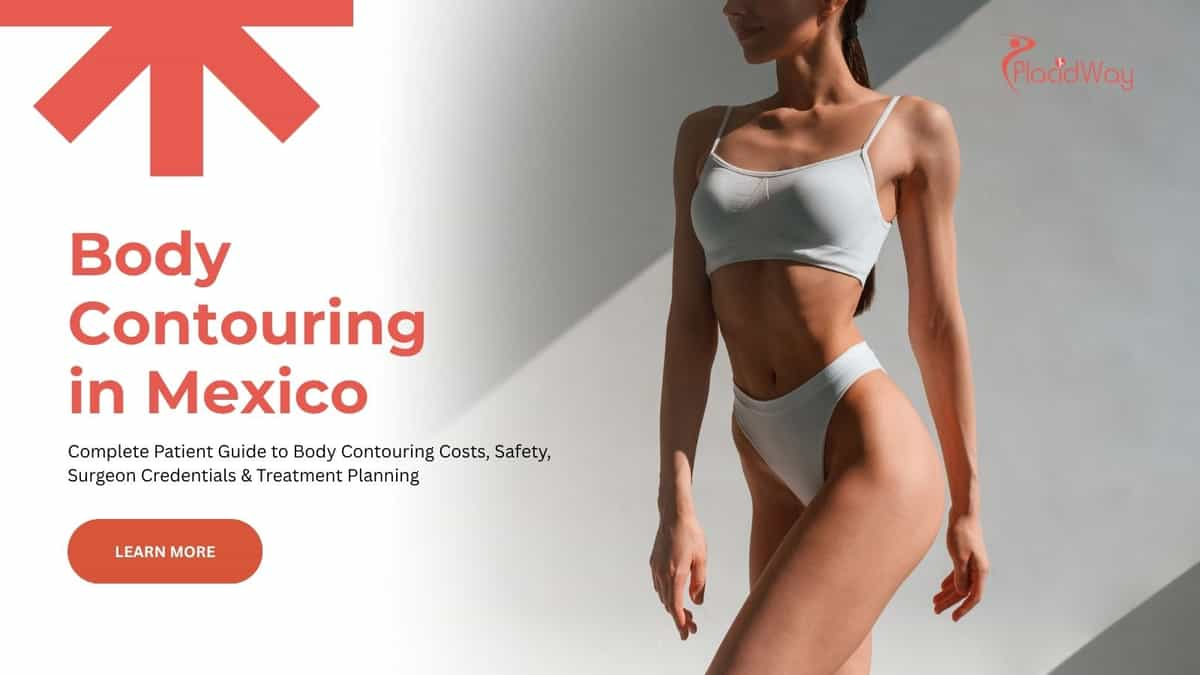
Deciding to travel across borders for extensive cosmetic surgery requires careful research into patient safety, board-certified surgeons, and realistic financial expectations. Many international patients explore body contouring in Mexico to address loose skin after significant weight loss or pregnancy, seeking affordable care without compromising medical standards. This guide helps you navigate local healthcare regulations, identify proper credentials like CMCPER certification, evaluate specialized clinics, and understand the true cost of comprehensive surgical packages.
Quick Answer Summary
- Estimated Cost: Comprehensive body contouring packages typically range between $6,000 and $12,000 USD, depending on the combination of procedures and facility type.
- Safety Overview: Treatment is generally safe when performed in COFEPRIS-licensed hospitals by surgeons actively board-certified by the Mexican Council of Plastic, Aesthetic and Reconstructive Surgery (CMCPER).
- Ideal Candidate: You may be a suitable candidate if you have reached a stable target weight for at least six months, maintain good overall health, and have realistic aesthetic expectations.
- Recovery Time: Most patients need 10 to 14 days of local recovery before flying home, with a full return to strenuous daily activities taking six to eight weeks.
- Primary Reason for Travel: North American patients travel primarily for significant savings on multiple combined procedures, shorter specialist wait times, and all-inclusive recovery retreat options.
- Important Caution: Never select a clinic based on price alone; always verify the primary surgeon’s active standing with the national medical council and ensure the facility has an on-site ICU or emergency transfer protocol.
Why Patients Consider Body Contouring in Mexico
Extensive skin removal and reshaping surgeries often require multiple combined operations, making them financially inaccessible for many patients in their home countries. Because these procedures are rarely covered by standard medical insurance, individuals frequently look abroad for viable alternatives. Healthcare facilities in cities like Tijuana, Cancun, and Guadalajara have adapted to this demand by establishing specialized departments dedicated entirely to post-bariatric and cosmetic contouring.
Medical travel requires understanding the host country's specific healthcare environment. Patients choose this destination for a combination of financial, logistical, and clinical reasons. Before booking a consultation, it is helpful to recognize the primary motivators driving cross-border healthcare for this specialty.
- Significant financial savings: Complex multi-stage surgeries can cost up to sixty percent less than similar procedures in the United States or Canada.
- Highly experienced surgeons: Local specialists often handle high volumes of post-weight-loss contouring cases, building substantial technical expertise.
- Geographic proximity: Direct, short-haul flights from major North American cities reduce travel fatigue and lower the risk of deep vein thrombosis (DVT) during the journey.
- All-inclusive recovery options: Many surgical packages integrate specialized aftercare nursing facilities, commonly called recovery houses, tailored specifically for plastic surgery patients.
- Bilingual healthcare teams: Clinics catering to international medical travelers typically employ fluent English-speaking coordinators, nurses, and primary surgeons to ensure clear communication.
Tip for Medical Travelers: Always request an initial video consultation with the operating surgeon before paying a deposit. This allows you to assess their communication style, confirm their understanding of your aesthetic goals, and verify their professional setup.
Understanding the Core Procedures
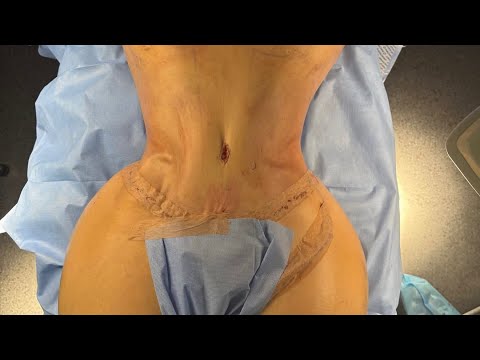
This medical discipline encompasses several distinct surgical interventions designed to excise redundant skin, tighten underlying musculature, and reposition localized fat deposits. Following significant bariatric weight loss or multiple pregnancies, the skin's elasticity often diminishes, leaving folds that cannot be resolved through diet and exercise alone. Surgical intervention remains the only definitive method to address these anatomical changes.
Because every human body distributes and loses weight differently, surgical plans are highly individualized. Your medical provider may recommend a single operation or a staged approach involving multiple procedures performed over several months to prioritize patient safety and optimize healing.
| Procedure Name | Target Anatomy | Primary Clinical Goal |
|---|---|---|
| Abdominoplasty (Tummy Tuck) | Abdomen and flanks | Removes excess abdominal skin and tightens the rectus abdominis muscle fascia. |
| Panniculectomy | Lower abdomen (below navel) | Excises a hanging skin apron (pannus) strictly for hygiene and mobility improvement. |
| Brachioplasty (Arm Lift) | Upper arms (axilla to elbow) | Reduces redundant skin commonly referred to as "bat wings" to restore arm contour. |
| Thighplasty (Thigh Lift) | Inner and outer thighs | Lifts sagging tissue to reduce chafing and improve lower body proportion. |
| Lower Body Lift (Belt Lipectomy) | Abdomen, lower back, buttocks | A circumferential excision treating the entire lower torso in a single extensive operation. |
Evaluating the Cost of Treatment
Transparent pricing is a critical factor for international patients planning complex medical travel. The total financial commitment involves more than just the surgical fee; it encompasses facility charges, anesthesia, preoperative diagnostics, medical garments, and mandatory local recovery accommodations. Clinics generally present pricing as an all-inclusive bundle, but you must carefully review the itemized breakdown to avoid unexpected expenses.
Cost variations depend heavily on the surgeon's reputation, the geographic location of the clinic, the complexity of your specific anatomical needs, and the duration of the required operating time. While the financial advantage is clear, extreme discounts should serve as a warning sign regarding facility standards or provider qualifications.
| Procedure Combination | Estimated Cost in Mexico (USD) | Estimated Cost in US/Canada (USD) |
|---|---|---|
| Standard Abdominoplasty | $4,000 - $5,500 | $8,000 - $12,000 |
| Lower Body Lift (Circumferential) | $6,500 - $8,500 | $15,000 - $25,000 |
| Mommy Makeover (Tummy + Breast) | $7,000 - $9,500 | $18,000 - $28,000 |
| Arm Lift + Thigh Lift | $6,000 - $8,000 | $14,000 - $22,000 |
Hidden costs can easily derail a medical travel budget. When communicating with international coordinators, explicitly ask if the quoted price covers post-operative complication insurance, multiple lymphatic drainage massages, extended overnight hospital stays, and required prescription medications like antibiotics and anticoagulants.
Patient Demographics and Treatment Trends
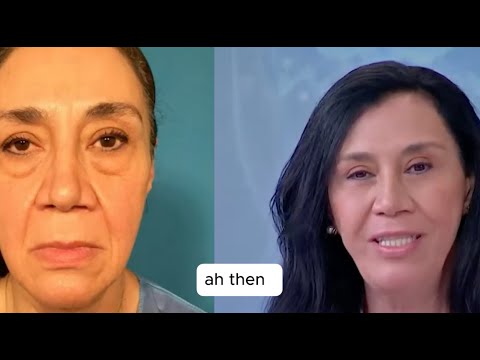
The profile of international medical travelers seeking aesthetic reconstruction has evolved. Based on 2024 healthcare travel registry data, the vast majority of cross-border patients arrive from the United States and Canada, primarily motivated by the high cost of local healthcare. These patients often seek comprehensive surgical interventions following massive weight loss achieved through bariatric surgery or medical weight loss therapies.
Understanding these demographics provides insight into how local clinics have structured their services. High-volume centers have adapted to treat older patient groups and those with specific post-bariatric anatomical challenges, resulting in specialized care protocols that focus heavily on metabolic stability and nutritional optimization prior to surgery.
2024 Demographics: Age Distribution of Post-Bariatric Contouring Patients
Women currently represent the majority of this patient demographic, driven by post-maternity reconstruction and weight stabilization. However, recent clinical data indicates a steady increase in male patients traveling for trunk contouring and chest reduction following significant metabolic weight loss.
Medical Tourism Volume and Clinical Trends
The cross-border healthcare infrastructure has expanded significantly to accommodate increasing international demand. Following global shifts in cosmetic surgical practices, specialized clinics have recorded consistent year-over-year growth in complex excisional surgeries. Patients are increasingly opting for these procedures abroad due to the availability of specialized surgical teams operating in multidisciplinary hospitals.
Recent verified data reflects a steady upward trajectory in inbound international patients seeking plastic surgery. This volume growth has encouraged local regulators to enforce stricter compliance standards, ultimately benefiting patient safety and elevating the overall quality of available care.
2024-2026 Projected Cross-Border Patient Volume Growth (%)
Selecting a Licensed Hospital or Clinic
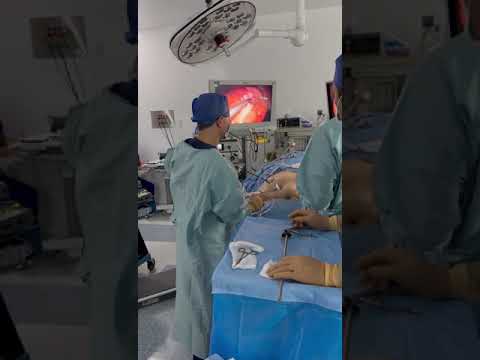
The facility where your operation takes place is just as important as the surgeon holding the scalpel. Major surgical procedures involving significant tissue removal and general anesthesia require robust medical infrastructure. You must prioritize clinics and hospitals that comply with national health and safety regulations over facilities offering luxury amenities without proper medical backing.
When evaluating clinical environments, you should request the facility's official license numbers. The most critical national regulatory body is COFEPRIS (Federal Commission for the Protection against Sanitary Risk), which issues operational licenses to healthcare facilities ensuring they meet strict sanitary and emergency protocols.
Warning: Never agree to undergo complex surgeries in a standard clinic or office setting. These procedures require a fully equipped surgical center or hospital with an on-site Intensive Care Unit (ICU), a dedicated blood bank, and continuous emergency power generation systems.
Additionally, some elite facilities hold certification from the Consejo de Salubridad General (CSG), the highest national hospital accreditation. While international certifications like Joint Commission International (JCI) exist, national COFEPRIS licensing and CSG accreditation are the definitive primary trust signals for domestic medical safety.
How to Verify Surgeon Credentials
Ensuring your chosen doctor has the appropriate legal and medical qualifications is your most vital responsibility as a patient. A standard medical degree is not sufficient for performing advanced aesthetic and reconstructive surgery. The surgeon must have completed rigorous postgraduate residency training specifically in plastic surgery.
In this healthcare system, valid specialists hold a distinct regulatory footprint. You should systematically verify the provider’s qualifications through official national medical boards before committing to any treatment plan.
| Credential to Verify | Issuing Body | Why It Matters |
|---|---|---|
| Cédula Profesional (Medical License) | Secretaría de Educación Pública (SEP) | Legally permits the doctor to practice general medicine. |
| Cédula de Especialidad (Specialist License) | Secretaría de Educación Pública (SEP) | Legally permits the doctor to practice as a specialist. |
| CMCPER Board Certification | Consejo Mexicano de Cirugía Plástica, Estética y Reconstructiva | The definitive national board confirming up-to-date aesthetic and reconstructive expertise. |
| AMCPER Membership | Asociación Mexicana de Cirugía Plástica, Estética y Reconstructiva | Professional society ensuring adherence to ongoing medical education and ethical standards. |
Assessing Your Medical Eligibility
Extensive surgical reshaping places significant stress on your cardiovascular and respiratory systems. Consequently, responsible providers maintain strict eligibility criteria to minimize perioperative risks. International patients must undergo rigorous remote evaluation before traveling and comprehensive on-site diagnostics prior to medical clearance.
The ideal candidate has maintained a stable weight for a minimum of six months. Fluctuating weight can compromise surgical results and stretch freshly tightened tissues. Furthermore, candidates must be non-smokers, as nicotine causes severe vasoconstriction, drastically increasing the risk of tissue necrosis and poor wound healing.
Favorable Indicators
- BMI under 30 (or surgeon-specific threshold)
- Stable target weight for 6+ months
- Nutritional deficiencies corrected (post-bariatric)
- Commitment to long-term healthy habits
Medical Contraindications
- Active nicotine or tobacco use
- Uncontrolled diabetes or hypertension
- Severe cardiovascular or pulmonary disease
- Ongoing significant weight loss
Understanding Medical Risks and Complications
No surgical intervention is entirely free of risk. When combining multiple major procedures like a tummy tuck and a breast lift, the body undergoes prolonged anesthesia and extensive trauma. Acknowledging and preparing for these risks is a fundamental part of informed consent and responsible medical travel.
Common clinical complications include seroma (fluid accumulation), hematoma (blood pooling), surgical site infections, and delayed wound healing. More severe, life-threatening risks include Deep Vein Thrombosis (DVT) and pulmonary embolism. Traveling by air shortly after surgery exacerbates these blood clot risks, which is why surgeons mandate an extended local recovery period before you fly home.
Takeaway: Mitigation starts with transparency. Fully disclose your entire medical history, including all supplements and previous surgeries, to your Mexican provider. Follow their preoperative fasting and medication cessation protocols meticulously to ensure anesthesia safety.
The Recovery Timeline and Local Aftercare
Immediate postoperative care is critical for achieving optimal aesthetic results and preventing severe complications. After hospital discharge, international patients typically transition to a specialized recovery house or a medically partnered hotel. Here, skilled nurses monitor vital signs, manage surgical drains, administer prescribed pain control, and facilitate essential early ambulation.
You should plan to remain in the country for at least 10 to 14 days following major contouring surgery. This mandatory window allows your surgeon to remove drains, assess initial wound closure, and clear you medically for commercial air travel.
| Timeframe | Clinical Process | Patient Sensation | Required Action |
|---|---|---|---|
| Days 1-3 | Acute inflammatory response and tissue swelling. | Significant soreness, tightness, and fatigue. | Rest heavily, manage drains, and take short, assisted walks to prevent DVT. |
| Days 4-7 | Initial wound adherence and fluid drainage. | Itching at incision sites; peak bruising. | Attend follow-up for potential drain removal and lymphatic massage. |
| Days 10-14 | Primary suture stabilization. | Improved mobility, decreasing acute pain. | Final surgeon clearance required before boarding a flight home. |
| Weeks 4-6 | Deep tissue remodeling and scar maturation. | Occasional nerve zing, reduced swelling. | Gradual return to non-strenuous work; continue wearing compression garments. |
Planning Your Patient Journey
Organizing a cross-border medical procedure requires systematic planning to ensure a stress-free experience. The journey begins long before you board an airplane. Patients must initiate contact with verified clinics to supply medical records, comprehensive blood work, and clear photographs for preliminary surgical assessment.
Once a surgical plan is agreed upon, logistics take priority. You must coordinate your flight arrivals with the clinic's dedicated transport team. Ensure your passport is valid for at least six months and check local visa requirements. Packing requires specific attention; include loose, front-buttoning clothing, slip-on shoes, and necessary medical supplies like compression socks for the flight.
A well-structured itinerary leaves no room for guesswork. Reputable medical facilitators and dedicated clinic coordinators typically provide a written, day-by-day schedule detailing fasting times, diagnostic appointments, surgery hour, and daily follow-up visits. Having a travel companion to assist with luggage and provide emotional support during the early recovery phase is highly recommended.
Frequently Asked Questions
Is body contouring safe in Mexico?
Treatment is generally safe when performed in a COFEPRIS-licensed hospital by a CMCPER-certified plastic surgeon. Safety relies heavily on rigorous patient selection, comprehensive preoperative diagnostics, and strict adherence to postoperative recovery guidelines before flying.
How long do I need to stay in Mexico after skin removal surgery?
Surgeons typically require international patients to remain locally for 10 to 14 days after major excisional surgery. This period is crucial for monitoring drain output, managing potential early infections, and obtaining medical clearance for air travel.
What is included in a typical medical tourism package?
A comprehensive package often includes the surgeon’s fee, operating room costs, anesthesia, specialized recovery house accommodation, ground transportation, basic medications, and post-operative garments. Always request an itemized quote to confirm inclusions.
Can I combine multiple contouring procedures?
Yes, but combinations are strictly limited by safe operating timeframes. Surgeons carefully evaluate your overall health to determine if combining a tummy tuck with an arm or thigh lift is safe, or if procedures must be staged months apart.
How do I check if my Mexican surgeon is board-certified?
You can verify their active credentials by searching their name in the official directory of the Consejo Mexicano de Cirugía Plástica, Estética y Reconstructiva (CMCPER), the primary national certifying board.
Will I have visible scars after the operation?
Yes, extensive skin removal inherently creates significant surgical scars. However, experienced plastic surgeons strategically place incisions in natural body folds or below the bikini line so they can be concealed by standard clothing.
What happens if I experience a complication after returning home?
Before traveling, you should secure medical complication insurance. Discuss a clear follow-up plan with your Mexican surgeon and establish a relationship with a local primary care physician who can manage minor wound care upon your return.
Is a recovery house mandatory?
While not legally required, surgeons highly recommend specialized recovery houses. These facilities provide necessary 24/7 nursing care, specialized meals, and lymphatic massages that standard hotel rooms cannot accommodate.
Do Mexican clinics accept standard US health insurance?
Standard US or Canadian health insurance typically does not cover elective cross-border cosmetic surgery. However, clinics usually accept major credit cards, wire transfers, and partnered medical financing options.
When can I start exercising after body contouring?
Light walking is encouraged immediately to prevent blood clots. However, strenuous cardiovascular exercise and heavy lifting must be avoided for at least six to eight weeks, depending on your surgeon's specific clearance.
Ready to Plan Your Treatment Journey?
Navigating international healthcare options can be complex. PlacidWay can help you compare vetted providers, understand detailed treatment costs, ask essential safety questions, and request direct information from certified clinics.
Request Free InformationDisclaimer
Disclaimer: This information is for educational purposes only and does not replace professional medical advice. Always consult a qualified healthcare provider before making medical decisions.
References
- ISAPS Global Survey on Aesthetic/Cosmetic Procedures (2024 Data) – International Society of Aesthetic Plastic Surgery
- Directorio de Cirujanos Plásticos Certificados – Consejo Mexicano de Cirugía Plástica, Estética y Reconstructiva
- Regulaciones de Establecimientos de Atención Médica – Comisión Federal para la Protección contra Riesgos Sanitarios (COFEPRIS)
- Medical Tourism Patient Safety Guidelines – Centers for Disease Control and Prevention (CDC)
- Safety in Body Contouring After Major Weight Loss – American Society of Plastic Surgeons
- Certificación de Establecimientos de Atención Médica – Consejo de Salubridad General México























Share this listing