
If you are exploring a neck lift to address sagging skin or submental fat, the high costs of facial rejuvenation in the United States or Canada may be a significant hurdle. Many patients travel to Tijuana, Mexico, to access highly experienced plastic surgeons at a lower price point, but navigating cross-border healthcare requires careful research. This guide explains how to verify critical credentials like CMCPER board certification, understand average medical tourism costs, and safely plan your procedure to ensure peace of mind and realistic aesthetic outcomes.
Quick Answer Summary: Neck Lift in Tijuana
- Estimated Procedure Cost: Typically ranges from $3,500 to $5,500 USD (compared to $8,000–$15,000 in the US).
- Primary Certifications to Look For: Always verify your surgeon is certified by CMCPER (Consejo Mexicano de Cirugía Plástica, Estética y Reconstructiva) and the clinic is licensed by COFEPRIS.
- Ideal Candidate: Non-smokers in good overall health with noticeable neck skin laxity, muscle banding, or excess submental fat who hold realistic expectations.
- Typical Recovery Time: Most patients need 10 to 14 days of downtime before returning to non-strenuous work, with full swelling resolution taking several months.
- Main Reason Patients Choose Tijuana: Proximity to the US (San Diego border), substantial cost savings, and access to internationally trained aesthetic specialists.
- Important Caution: Never choose a clinic based solely on the lowest price. Prioritize facility accreditation, emergency protocols, and the surgeon's specific volume of facial surgeries.
Understanding the Neck Lift Procedure (Platysmaplasty)
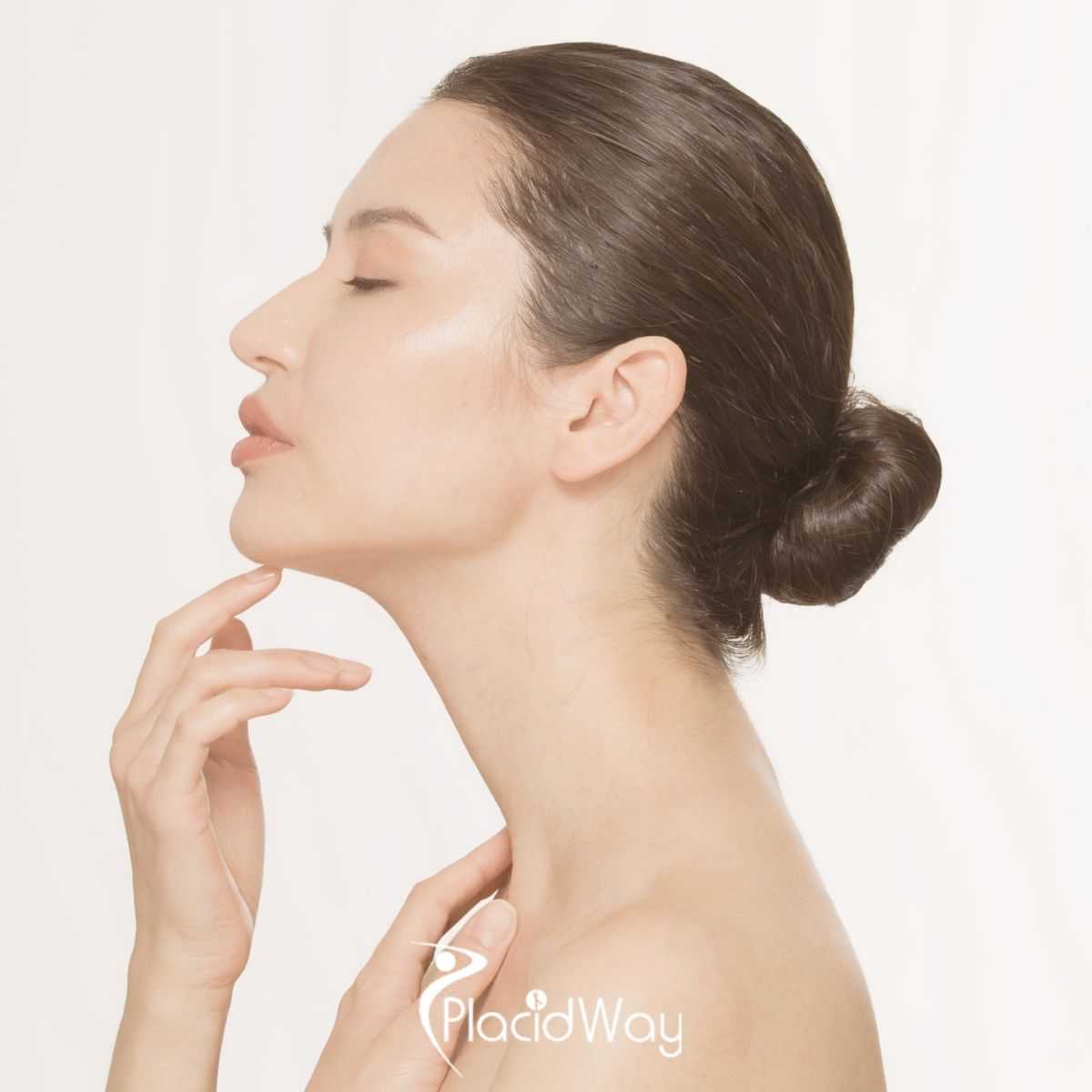
A neck lift, medically known as a lower rhytidectomy or platysmaplasty, is a surgical procedure designed to improve visible signs of aging in the jawline and neck. As you age, the skin on your neck can lose elasticity, and the underlying platysma muscle may separate, creating vertical bands or a "turkey wattle" appearance.
During the procedure, a board-certified plastic surgeon makes small incisions, typically behind the ears and under the chin. The surgeon then tightens the underlying neck muscles, removes or repositions excess fat, and trims away redundant sagging skin.
This anatomical repositioning restores a smoother, more defined contour to the cervical area. Depending on your diagnosis, your surgeon may recommend combining platysmaplasty with cervical liposuction to remove stubborn fat pockets beneath the chin.
Why Do Patients Travel to Tijuana for Facial Rejuvenation?
Every year, thousands of patients from the United States, Canada, and Europe travel to Mexico for elective medical procedures. Tijuana has emerged as one of the busiest medical tourism hubs globally, particularly for aesthetic plastic surgery.
The primary driver for this travel is economic. Healthcare systems in North America often categorize neck lifts as purely cosmetic, meaning medical insurance will not cover the cost. In Tijuana, overhead costs, facility fees, and malpractice insurance premiums for doctors are significantly lower, allowing clinics to pass these savings directly to the patient.
Furthermore, Tijuana's geographical proximity to the San Ysidro border crossing in San Diego makes travel logistics remarkably straightforward. Many certified clinics offer complimentary shuttle services from the San Diego airport directly to their medical facilities, minimizing patient stress.
Patient Travel Tip
If you are traveling from the US, you will need a valid passport to re-enter the country. Medical lanes (Fast Passes) are often provided by Tijuana clinics to significantly reduce wait times at the border during your return trip.
Ideal Candidates for a Neck Lift in Mexico
Patient selection is critical for safety and achieving satisfactory surgical outcomes. A neck lift is not a one-size-fits-all solution, and a responsible Mexican plastic surgeon will carefully evaluate your medical history during your initial consultation.
You may be considered a good candidate if you experience loose neck skin, excess fat under the chin, or visible muscle banding that does not improve with diet or non-surgical treatments. Biologically, patients with a healthy underlying bone structure and moderate skin elasticity tend to see the most natural-looking results.
Conversely, patients with uncontrolled high blood pressure, bleeding disorders, or severe cardiovascular conditions are typically contraindicated for elective cosmetic surgery abroad. Smoking also severely impairs blood circulation and increases the risk of tissue necrosis; surgeons require patients to stop smoking weeks before and after the procedure.
Patient Demographics: Who is Traveling for Facial Aesthetics?
Understanding who travels for medical tourism can help validate your own decision-making process. According to the International Society of Aesthetic Plastic Surgery (ISAPS) and regional cross-border health reports from 2024, the demographic profile of patients seeking facial rejuvenation in Mexico is highly specific.
The vast majority of outbound patients to Tijuana originate from California, Texas, Arizona, and western Canadian provinces. These patients are predominantly seeking age-reversing procedures. In 2024, facial plastic surgery demographics in Mexican border cities showed a heavy concentration in middle-to-older age brackets.
Patients in these age groups often combine procedures—such as a neck lift with a lower facelift—to maximize the value of their travel and recovery time.
2024 Age Distribution of Medical Tourists for Facial Rejuvenation in Mexico
How Much Does a Neck Lift Cost in Tijuana, Mexico?
Cost is the primary motivator for medical travel, but accurate financial planning requires understanding exactly what you are paying for. A neck lift in Tijuana is typically priced as an all-inclusive medical package or an a la carte surgical fee.
On average, the surgical fee for a neck lift in Tijuana ranges from $3,500 to $5,500 USD. This variance depends heavily on the complexity of the surgery, whether liposuction is required, the type of anesthesia used, and the surgeon's expertise level.
When reviewing quotes from international providers, always ask for an itemized written breakdown. Ensure that anesthesia fees, operating room use, pre-surgical bloodwork, and immediate post-operative medications are included to avoid surprise bills upon arrival.
| Treatment Destination | Estimated Low Cost | Estimated High Cost |
|---|---|---|
| Tijuana, Mexico | $3,500 | $5,500 |
| United States (National Avg) | $8,000 | $15,000+ |
| Canada | $7,500 | $12,000+ |
Financial Warning
Be cautious of clinics offering prices significantly below the Tijuana market average (e.g., under $2,500). Extremely low prices often indicate a lack of board-certified anesthesiologists, substandard surgical facilities, or hidden fees not disclosed upfront.
Choosing the Right Hospital or Clinic in Tijuana
Safety should be your foremost priority when evaluating medical facilities in Mexico. The healthcare infrastructure in Tijuana varies, ranging from world-class hospitals to smaller, unregulated day clinics. You must vet the facility's legal standing before booking.
The most important regulatory body in Mexico is COFEPRIS (Comisión Federal para la Protección contra Riesgos Sanitarios). This federal agency acts similarly to the FDA and Department of Health in the US. A reputable clinic must hold an active COFEPRIS license to operate an operating room.
Additionally, look for clinics that have on-site emergency capabilities or formalized transfer agreements with major local hospitals. While rare during a neck lift, anesthesia complications require immediate access to advanced life support equipment. Ask your coordinator if the facility has a designated recovery ward and continuous monitoring protocols.
How to Verify Your Tijuana Plastic Surgeon's Credentials
In Mexico, medical licensing requires completing medical school to obtain a Cédula Profesional (medical license). However, a general medical license does not qualify a doctor to perform plastic surgery.
To safely choose a surgeon for a neck lift, you must verify their specialization credentials. The ultimate standard for plastic surgery in Mexico is board certification by the CMCPER (Consejo Mexicano de Cirugía Plástica, Estética y Reconstructiva). This board requires surgeons to complete rigorous residency training and pass continuous examinations.
Many highly qualified surgeons also hold membership in AMCPER (Asociación Mexicana de Cirugía Plástica, Estética y Reconstructiva). When consulting with a potential doctor, explicitly ask for their CMCPER certification number and verify it on the official council website. Never compromise on this credential.
Risks, Safety, and Complication Management
No surgical procedure is entirely free of risk, regardless of where it is performed. Understanding potential complications allows you to make an informed decision and follow pre-operative instructions diligently.
Common biological risks associated with a neck lift include hematoma (a collection of blood under the skin), infection, adverse reactions to anesthesia, and delayed wound healing. There is also a small risk of injury to the marginal mandibular nerve, which controls facial movements around the lower lip. In experienced hands, this risk is minimized.
Before leaving Tijuana, ensure you have a clear complication management plan. Ask your surgeon: Who do I contact if I experience excessive bleeding at my hotel? What is the protocol if I develop an infection after returning to the United States? Reputable clinics provide 24/7 post-operative communication channels.
The Neck Lift Recovery Timeline in Tijuana and Beyond
Recovery from a platysmaplasty requires patience and strict adherence to your surgeon's aftercare protocols. Because you are traveling for surgery, your timeline involves both clinical healing and travel logistics.
Immediately after surgery, you will experience tightness, swelling, and bruising around the neck and jawline. Most surgeons require patients to stay in Tijuana or San Diego for at least 5 to 7 days for post-operative monitoring and suture removal before flying or driving long distances.
You will likely be instructed to wear a special compression garment around your head and neck to minimize swelling and support the newly contoured tissues. Keeping your head elevated, even while sleeping, is crucial during the first two weeks.
| Timeframe | Clinical Process & Patient Sensation | Activity Level & Action Required |
|---|---|---|
| Days 1–3 | Maximum swelling and bruising; tightness in the neck. | Rest strictly. Keep head elevated. Stay near the clinic. |
| Days 4–7 | Swelling begins to subside. Sutures are typically removed. | Light walking. Medical clearance needed for air travel. |
| Weeks 2–3 | Bruising fades. Incisions start to heal and mature. | Can usually return to desk work and light daily activities. |
| Months 3–6 | Residual deep tissue swelling resolves. Scars flatten and fade. | Full activity resumed. Final aesthetic results become visible. |
Preparing for Your Cross-Border Journey
Thorough preparation minimizes anxiety and ensures a smoother medical tourism experience. Start by organizing your medical records. Your Tijuana surgeon will need recent blood work (CBC, coagulation panel, metabolic panel) and potentially an EKG if you are over a certain age.
Plan your accommodation carefully. Many patients opt for specialized medical recovery houses in Tijuana. These facilities provide nursing care, customized meals, and transportation to follow-up appointments, creating a controlled environment ideal for early surgical healing.
Communicate openly with your primary care physician at home about your plans. While they may not provide direct referrals for international surgery, keeping them informed ensures they can assist with routine post-operative care or suture removal if needed once you return home.
Combined Procedures: Trends in Facial Rejuvenation
From a clinical perspective, the aging process rarely affects only the neck. Patients often exhibit simultaneous mid-face sagging, deep nasolabial folds, or drooping eyelids. Because of the cost efficiency of Mexican healthcare, many patients choose to combine procedures into a single surgical event.
The most common combination is a neck lift with a lower facelift (rhytidectomy). Performing these together ensures a harmonious aesthetic result, as tightening only the neck while leaving the jawline sagging can look unnatural. Other popular additions include blepharoplasty (eyelid surgery) or fat grafting.
Recent 2024 healthcare travel data shows a rising trend of patients opting for comprehensive facial rejuvenation packages in Tijuana rather than isolated single procedures. Combining surgeries means undergoing general anesthesia only once, though it does slightly extend the initial recovery phase.
2024–2025 Trend: Combined Facial Procedures in Cross-Border Care
Frequently Asked Questions
Is it safe to have a neck lift in Tijuana?
Yes, it can be safe if you undergo thorough research. Safety depends entirely on choosing a CMCPER board-certified plastic surgeon and a clinic licensed by COFEPRIS. When these strict criteria are met, the medical standards parallel those found in North America.
How long do the results of a neck lift last?
A neck lift can set the clock back, but it does not stop the aging process. Typically, results last between 10 to 15 years. Maintaining a stable weight, protecting your skin from sun damage, and a healthy lifestyle will help prolong your surgical outcome.
Will I have visible scars after platysmaplasty?
Incisions are strategically placed behind the ears and under the chin in natural skin creases to minimize visibility. While scars are permanent, they typically fade significantly over the first year and become very difficult to notice once fully matured.
Do surgeons in Mexico speak English?
Yes, the vast majority of board-certified plastic surgeons in Tijuana catering to medical tourists are fluent in English. Reputable clinics also employ bilingual patient coordinators to assist you throughout the consultation, surgery, and recovery phases.
Can I travel alone for my surgery?
While it is possible if you stay in a dedicated medical recovery house with 24-hour nursing care, it is generally recommended to bring a companion. You will be drowsy and restricted in your movements during the first 48 hours after general anesthesia.
When can I fly home after a neck lift in Mexico?
Surgeons typically require you to stay in the Tijuana or San Diego area for 5 to 7 days post-surgery. This allows them to monitor your early healing, ensure there are no hematomas, and remove sutures before you are cleared for the changes in cabin pressure associated with flying.
Are hidden costs common with Mexican cosmetic surgery?
Hidden costs can occur if you do not request a comprehensive quote. Always ask if the quoted price includes the surgeon's fee, anesthesiologist, facility fee, pre-op labs, compression garments, and post-op medications to ensure accurate budgeting.
Is a neck lift performed under general or local anesthesia?
A full neck lift involving muscle tightening (platysmaplasty) is most commonly performed under general anesthesia or deep intravenous sedation. The specific method will be determined by your surgeon and the board-certified anesthesiologist based on your health profile.
What happens if I need revision surgery?
Reputable clinics often have a revision policy built into their surgical agreements. If a genuine medical complication arises or a surgical touch-up is needed, the surgeon's fee may be waived, though you may still need to cover facility or anesthesia costs. Always verify this policy beforehand.
Can I use my US health insurance in Tijuana?
No, traditional US or Canadian health insurance will not cover an elective cosmetic procedure like a neck lift, whether performed at home or abroad. You will need to pay out-of-pocket, though some third-party medical financing companies do offer loans for international procedures.
Ready to Explore Your Neck Lift Options in Tijuana?
PlacidWay can help you connect with top-rated, board-certified plastic surgeons in Mexico. Compare transparent costs, review real patient testimonials, and request free consultations to plan a safe medical journey.
Request Your Free Information Quote TodayDisclaimer: This information is for educational purposes only and does not replace professional medical advice. Always consult a qualified healthcare provider before making medical decisions.
References
- Global Statistics on Aesthetic Surgery 2024 – International Society of Aesthetic Plastic Surgery (ISAPS)
- Official Directory of Certified Plastic Surgeons – Consejo Mexicano de Cirugía Plástica, Estética y Reconstructiva (CMCPER)
- Neck Lift Safety and Risks – American Society of Plastic Surgeons (ASPS)
- Federal Commission for Protection against Health Risks – COFEPRIS Mexico
- Medical Tourism Travel Health Guidelines – Centers for Disease Control and Prevention (CDC)
- Patient Resources and Standards – Asociación Mexicana de Cirugía Plástica, Estética y Reconstructiva (AMCPER)






















Share this listing