
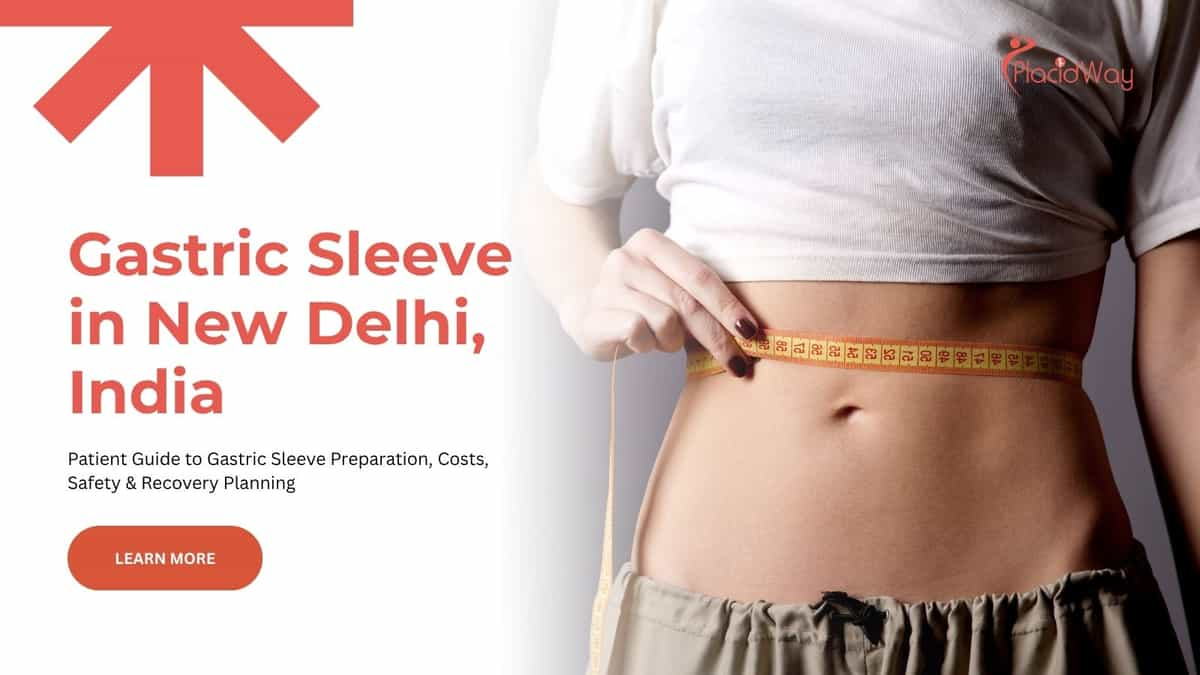
When exploring bariatric surgery abroad you want a destination that offers both exceptional medical expertise and transparent pricing. Many international patients look toward New Delhi for gastric sleeve surgery because it combines highly experienced surgeons with affordable treatment packages compared to Western healthcare systems. To ensure a safe and successful outcome you should always verify that your chosen clinic holds accreditation from the National Accreditation Board for Hospitals and Healthcare Providers or international bodies like the Joint Commission International.
Quick Summary
- Estimated Cost: Typically ranges between $4,500 and $6,500 USD depending on the hospital and case complexity.
- Safety Overview: Generally safe when performed by surgeons registered with the National Medical Commission of India at accredited facilities.
- Ideal Candidate: Adults with a Body Mass Index over 35 who have not achieved long term weight loss through diet and exercise alone.
- Recovery Time: Most patients stay in New Delhi for 10 to 14 days before flying home with a total initial recovery time of two to four weeks.
- Main Reason Patients Choose New Delhi: Access to globally trained bariatric specialists and comprehensive care at a fraction of North American or European prices.
- Important Certifications: Look for hospitals certified by NABH or JCI and surgeons affiliated with the Obesity Surgery Society of India.
- Important Caution: Flying too soon after abdominal surgery carries a risk of blood clots so strict adherence to your surgeon travel clearance timeline is mandatory.
Why International Patients Choose Gastric Sleeve Surgery in New Delhi India
Making the decision to undergo bariatric surgery is a life changing moment that requires careful consideration. When looking at options around the world many individuals find themselves drawn to New Delhi for its rapidly advancing medical infrastructure. The city hosts some of the most technologically equipped hospitals in South Asia offering minimally invasive surgical techniques that rival those found in the United States and the United Kingdom.
Patients traveling from abroad are often seeking relief from the heavy financial burden of private healthcare or lengthy public waitlists in their home countries. You may find that pursuing your procedure in India allows you to take control of your health timeline without sacrificing clinical quality.
Primary Reasons International Patients Travel to New Delhi for Bariatric Care
- Significant cost savings on high quality comprehensive surgery packages
- Immediate access to treatment without facing multi year public healthcare waitlists
- Highly proficient English speaking medical staff and patient coordinators
- Surgeons who frequently hold international fellowships and memberships in global bariatric societies
- All inclusive medical tourism packages that handle airport transfers lodging and post operative nursing care
Most bariatric medical tourists arriving in New Delhi travel from the United States Canada the United Kingdom Australia and various nations across Africa and the Middle East. They are motivated by the desire for a healthier future and the reassurance of being treated in nationally regulated healthcare institutions.
Understanding How the Gastric Sleeve Procedure Achieves Weight Loss
The gastric sleeve procedure clinically known as a laparoscopic sleeve gastrectomy is a surgical operation designed to help you lose significant amounts of weight. During the surgery your bariatric surgeon removes approximately eighty percent of your stomach leaving behind a narrow tube or sleeve roughly the size and shape of a banana. This structural change physically restricts the amount of food your stomach can hold helping you feel full after eating much smaller portions.
Beyond the physical restriction the surgery also induces crucial hormonal changes. The portion of the stomach that is removed is responsible for producing ghrelin which is commonly known as the hunger hormone. By significantly reducing ghrelin production you typically experience a natural decrease in appetite which supports your long term weight management goals.
| Procedure Phase | Clinical Action | Patient Experience |
|---|---|---|
| Anesthesia | Administration of general anesthesia by a certified anesthesiologist. | You will be completely asleep and feel no pain. |
| Incision | Surgeon makes several small keyhole incisions in the abdomen. | Minimally invasive approach reduces external scarring. |
| Stomach Resection | The outer curve of the stomach is separated and removed using surgical staples. | Creates the new restrictive sleeve anatomy. |
| Closure and Testing | Incisions are closed and a leak test is performed using a colored dye or gas. | Ensures the staple line is secure before you wake up. |
Because the procedure is typically performed laparoscopically it is considered minimally invasive. This approach generally leads to less post operative pain a shorter hospital stay and a faster return to daily activities compared to open abdominal surgeries.
Determining Your Eligibility for Bariatric Surgery in India
Not everyone who wishes to lose weight is a suitable candidate for a gastric sleeve. Your surgeon in New Delhi will evaluate your medical history current health status and previous weight loss attempts to ensure this procedure is the safest and most effective option for you. The evaluation process is thorough and designed strictly with your safety in mind.
Generally medical guidelines require patients to meet specific Body Mass Index criteria. You may be considered an ideal candidate if your Body Mass Index is 40 or higher indicating severe obesity. Alternatively if your Body Mass Index is between 35 and 39.9 but you suffer from obesity related health conditions such as type 2 diabetes severe sleep apnea or high blood pressure you may also qualify.
Signs You May Be a Good Candidate
- You have a Body Mass Index over 35 with obesity related comorbidities.
- You have unsuccessfully tried supervised diet and exercise programs.
- You are committed to lifelong dietary and lifestyle changes.
- You do not have untreated psychological conditions related to eating.
Signs You May Need an Alternative
- You suffer from severe untreated gastroesophageal reflux disease.
- You are currently pregnant or planning pregnancy within a year.
- You have an active substance abuse dependency.
- You are unable to commit to daily vitamin supplementation.
Your surgical team will likely require blood tests an electrocardiogram and potentially a psychological evaluation before granting final surgical clearance. This comprehensive screening ensures you are physically capable of undergoing general anesthesia and mentally prepared for the post operative lifestyle changes.
Global Patient Demographics Traveling to India for Bariatric Care
Understanding who travels for medical care can provide reassurance that you are joining a well established pathway. Recent data collected from international patient registries highlights a growing trend of medical tourists choosing India for metabolic and bariatric surgeries. This influx is driven by the countrys robust private healthcare sector which continuously adapts to meet international standards of patient care and comfort.
The majority of these patients fall between the ages of thirty and fifty five seeking surgical intervention during a phase of life where obesity related comorbidities begin to severely impact daily functioning. Both men and women travel for this procedure though clinical records consistently show a higher percentage of female patients seeking gastric sleeve surgeries abroad.
Primary Origin Regions for Bariatric Medical Tourists in India (Verified 2024 Demographic Data)
Data reflects outbound patient origins for major Indian metropolitan hospital networks specializing in bariatric care (Published Medical Tourism Registry Data 2024).
This demographic data highlights how New Delhi has positioned itself as a central hub for medical excellence drawing patients from across the globe who are looking for specialized care that is both accessible and highly regulated.
Analyzing the Cost of Gastric Sleeve Treatment in New Delhi India
One of the most pressing questions you likely have is regarding the financial investment required for this procedure. The affordability of healthcare in India compared to Western nations is a major driving factor for medical tourism. However it is vital to understand that lower costs do not equate to a compromise in surgical safety or clinical hygiene when you select properly accredited facilities.
The total price you pay will depend on several variables including the specific hospital you choose the length of your inpatient stay the brand of surgical staples used and whether your treatment is bundled into an all inclusive package. All inclusive packages typically cover airport transfers preoperative diagnostics the surgery itself hospital accommodation and initial post operative medications.
| Country | Estimated Procedure Cost in USD | Primary Cost Driver |
|---|---|---|
| United States | $15,000 to $25,000 | High administrative overhead and private insurance billing systems. |
| United Kingdom | $10,000 to $14,000 | High labor costs and private facility fees outside the NHS. |
| Australia | $12,000 to $18,000 | Premium surgical facility fees and mandatory private health gaps. |
| New Delhi, India | $4,500 to $6,500 | Favorable exchange rates and lower operational overhead for hospitals. |
When requesting a quote always ask for a transparent itemized written breakdown. Ensure you understand what is included in the base price and what might incur additional fees such as specialized nutritional supplements extended hospital stays due to unforeseen issues or companion accommodation.
How to Select an Accredited Bariatric Hospital in New Delhi
Your safety and the success of your surgery depend heavily on the facility where the procedure is performed. New Delhi boasts numerous large scale private hospitals but as an international patient you must know how to filter the exceptional institutions from the average ones. Relying solely on a clinics marketing materials is never recommended for making medical decisions.
The most important credential to look for is accreditation by the National Accreditation Board for Hospitals and Healthcare Providers. This is the primary national regulatory benchmark in India ensuring the hospital adheres to strict protocols for infection control patient safety and clinical governance.
Hospital Vetting Checklist
- Does the facility hold active NABH accreditation?
- Is the hospital accredited by Joint Commission International for added international assurance?
- Does the facility have an advanced on site Intensive Care Unit dedicated to post surgical care?
- Are they equipped with specialized bariatric furniture beds and diagnostic machines?
- Do they provide an in house multidisciplinary team including dietitians and psychologists?
Furthermore hospitals that frequently cater to international patients will usually feature a dedicated international patient department. This department provides crucial support including language interpretation visa assistance and communication with your healthcare providers back home.
Verifying Your Bariatric Surgeon Credentials in India
Just as important as the hospital is the surgeon who will be performing your stomach reduction. Bariatric surgery is a highly specialized subfield of general surgery requiring extensive additional training and precision. You have the right to thoroughly verify the qualifications and track record of any doctor you are considering.
In India all practicing doctors must be registered with the National Medical Commission which recently replaced the Medical Council of India. You should confirm that your surgeon holds a valid registration number. Beyond basic licensing look for surgeons who are board certified in general surgery and have completed fellowships specifically in laparoscopic or bariatric surgery.
Key Surgeon Affiliations to Look For
- Registration with the National Medical Commission of India
- Membership in the Obesity Surgery Society of India
- Membership in the Association of Surgeons of India
- Fellowship with the International Federation for the Surgery of Obesity and Metabolic Disorders
During your initial virtual consultation ask the surgeon about their specific experience with the gastric sleeve. Inquire about their annual case volume their personal complication rates and their protocol for managing surgical emergencies. A trustworthy doctor will answer these questions clearly and without defensiveness.
Important Safety Considerations and Potential Surgical Risks
While gastric sleeve surgery is generally safe and routinely performed it is still a major medical operation that alters your internal anatomy. All surgeries carry inherent risks and traveling abroad for medical care introduces additional variables that you must carefully manage. It is crucial to have a realistic understanding of what could go wrong and how your medical team works to prevent it.
General surgical risks include reactions to anesthesia internal bleeding and wound infections. Specific to the gastric sleeve the most serious potential complication is a staple line leak. This occurs when stomach fluid escapes through the newly created surgical seam leading to severe abdominal infection. Though rare strict adherence to the post operative liquid diet is your best defense against this complication.
| Potential Complication | Clinical Explanation | Prevention Strategy |
|---|---|---|
| Staple Line Leak | Fluid leaking from the resected stomach seam into the abdominal cavity. | Surgeon leak testing during the operation; patient adhering strictly to the liquid diet phase. |
| Deep Vein Thrombosis | Blood clots forming in the legs due to surgery and prolonged immobility. | Early walking after surgery wearing compression stockings and taking prescribed blood thinners. |
| Nutritional Deficiencies | Lack of vitamins due to reduced food intake and altered absorption. | Committing to daily lifelong bariatric vitamin and mineral supplementation. |
| Dumping Syndrome | Food moving too rapidly into the small intestine causing nausea and dizziness. | Avoiding high sugar meals and drinking liquids separately from solid foods. |
When traveling for surgery the risk of blood clots deep vein thrombosis is elevated due to long flights. Your surgeon in New Delhi will typically require you to stay in the city for a minimum of ten to fourteen days post surgery before you are medically cleared to fly back to your home country.
Expected Recovery Timeline After Gastric Sleeve Surgery
Understanding the recovery process helps you plan your travel arrangements and set realistic expectations for your return to work and daily life. Healing from a stomach reduction happens in phases starting from the moment you wake up in the recovery room in New Delhi to the months of adjusting to your new anatomy back home.
Immediately after surgery you will spend two to three days recovering inside the hospital. During this time the nursing staff will monitor your vital signs manage your pain and ensure you can tolerate sipping small amounts of water without nausea. Once discharged you will typically recover in a nearby hotel partnered with your clinic.
| Timeframe | Biological Process | Patient Sensation | Required Action |
|---|---|---|---|
| Days 1 to 3 | Initial tissue inflammation and healing of internal staple line. | Abdominal soreness fatigue and gas pains in the shoulders. | Resting in the hospital taking short guided walks and sipping clear liquids. |
| Days 4 to 14 | Reduction of internal swelling and stabilization of hydration levels. | Gradually decreasing pain feeling weak due to low caloric intake. | Recovering in your hotel attending follow up appointments and preparing to fly home. |
| Weeks 3 to 6 | Stomach tissues begin to strengthen forming durable scar tissue. | Increasing energy levels adapting to pureed and soft foods. | Returning to light work activities avoiding heavy lifting and focusing on protein intake. |
| Months 2 to 6 | Significant metabolic adaptation and rapid fat loss phase. | Feeling full very quickly noticeable changes in clothing size. | Transitioning to normal solid foods starting regular exercise and taking vitamins daily. |
It is entirely normal to feel emotional or fatigued during the first few weeks as your body adjusts to a drastically reduced caloric intake. Staying hydrated and maintaining open communication with your medical team are vital steps during this early recovery period.
Post Surgery Dietary Guidelines for Gastric Sleeve Patients
The way you eat will permanently change after this procedure. Because your new stomach is a fraction of its original size it must be treated with immense care especially during the initial healing phases. The post operative diet is structured in strict progressive stages to prevent the new staple line from stretching or tearing.
For the first two weeks you will consume only clear and full liquids. This typically includes water clear broths and specialized protein shakes. Attempting to eat solid food during this phase is extremely dangerous and can cause a medical emergency.
Dietary Progression Timeline
- Phase 1 (Weeks 1-2): Liquid diet focusing on hydration and liquid protein.
- Phase 2 (Weeks 3-4): Pureed foods that have the consistency of baby food without any solid chunks.
- Phase 3 (Weeks 5-6): Soft foods like scrambled eggs flaky fish and well cooked vegetables.
- Phase 4 (Week 7 onward): Gradual reintroduction of solid foods emphasizing protein first chewing thoroughly and eating slowly.
Long term success requires you to prioritize protein at every meal avoid drinking liquids thirty minutes before or after eating to prevent washing food out of your stomach too quickly and take daily bariatric specific multivitamins calcium and iron as prescribed by your medical team.
Expected Long Term Weight Loss Results and Lifestyle Changes
The gastric sleeve is a highly effective tool but it is not a magic cure. The procedure physically restricts food intake but sustained weight loss relies heavily on your dedication to a healthy lifestyle. Most patients experience a rapid weight loss phase during the first six to nine months following surgery.
On average patients can expect to lose between fifty and seventy percent of their excess body weight within the first eighteen to twenty four months. In addition to weight loss many patients see dramatic improvements or even complete remission in obesity related conditions such as type 2 diabetes sleep apnea and joint pain.
Average Excess Weight Loss Trajectory Following Gastric Sleeve (2024 Clinical Averages)
Curve illustrates the cumulative percentage of excess weight loss over a 24-month postoperative period (Based on recent 2024 global bariatric registry consensus data).
To maintain these results you must integrate regular physical activity into your daily routine and manage emotional eating triggers. Weight regain is possible if the stomach stretches over time due to consistently overeating or consuming high calorie liquids.
Alternative Weight Loss Procedures Available in New Delhi
While the gastric sleeve is incredibly popular it is not the only bariatric option provided by hospitals in New Delhi. Depending on your medical history specifically if you have severe acid reflux or an extremely high Body Mass Index your surgeon may recommend a different approach to ensure the best possible clinical outcome.
The Roux en Y Gastric Bypass is considered the gold standard for patients with severe type 2 diabetes or gastroesophageal reflux disease. It involves creating a small stomach pouch and rerouting the intestines to limit both food intake and calorie absorption. For patients looking for a non surgical temporary option the intragastric balloon is sometimes recommended.
| Procedure Type | Mechanism of Action | Best Suited For |
|---|---|---|
| Gastric Sleeve | Restriction and hormonal changes by removing 80% of the stomach. | Patients wanting significant weight loss without intestinal rerouting. |
| Roux-en-Y Gastric Bypass | Restriction and malabsorption by creating a pouch and rerouting intestines. | Patients with severe acid reflux or uncontrolled type 2 diabetes. |
| Intragastric Balloon | Temporary space occupation inside the stomach using a saline filled balloon. | Patients with a lower BMI needing mild weight loss without permanent surgery. |
During your consultation your medical provider will discuss the pros and cons of each method. It is important to be completely transparent about your eating habits medications and health history so they can recommend the safest tailored treatment plan.
Preparing for Your Medical Travel Journey to India
Traveling for a major medical procedure requires meticulous planning to ensure a stress free experience. The weeks leading up to your departure should be focused on organizing your medical records optimizing your health for surgery and securing your travel logistics.
Your surgeon in New Delhi will likely put you on a preoperative liver shrinking diet one to two weeks before your flight. This high protein low carbohydrate diet reduces fat around your liver making the surgical area easier to navigate and significantly lowering the risk of complications during the laparoscopic procedure.
Pre Travel Preparation Checklist
- Scan and email all required medical clearances and blood tests to your Indian surgeon.
- Follow the prescribed liver shrinking diet exactly as directed.
- Pack comfortable loose fitting clothing that will not press against your abdominal incisions.
- Bring chewable gas relief medication and an approved travel pillow for the long flight.
- Notify your local primary care physician about your upcoming surgery abroad.
Ensure you have a clear understanding of your itinerary including who will pick you up from the Indira Gandhi International Airport and where you will be staying before and after your hospital admission.
Navigating Indian Medical Visa Requirements for International Patients
Entering India for a surgical procedure requires specific travel documentation. You cannot legally undergo bariatric surgery in India on a standard tourist visa. The Indian government has established a streamlined e-Medical Visa process specifically designed for international patients seeking healthcare in the country.
To apply for the medical visa you will need an official letter of invitation from a recognized and NABH accredited hospital in New Delhi. This letter confirms your appointment and outlines the nature of your treatment. The application is typically processed online and you must carry printed copies of the approval when you travel.
If you are traveling with a companion to assist with your post operative care they must apply for an e-Medical Attendant Visa. This visa is linked to your primary medical visa and allows your support person to stay in the country for the duration of your recovery. Always verify the latest visa validity rules and processing times through official government portals well in advance of your surgery date.
Structuring Your Medical Tourism Aftercare and Follow Up
The success of your gastric sleeve surgery heavily depends on the care you receive after returning home. Continuity of care is one of the most critical aspects of medical tourism that patients often overlook. Before you leave New Delhi you must have a solid plan in place for how you will handle long term monitoring and any unexpected medical issues.
Your Indian surgical team will typically offer virtual follow up consultations via video call to monitor your weight loss progress and review post operative blood work. However you also need a local healthcare provider in your home country who is willing to support your ongoing bariatric needs monitor nutritional deficiencies and assist if complications arise.
Essential Aftercare Steps
- Secure an agreement with a local general practitioner before you travel.
- Request a comprehensive medical discharge summary in English from your Indian hospital.
- Schedule blood tests at 3, 6, and 12 months post surgery to check vitamin levels.
- Join a local or online bariatric support group to manage the emotional changes of rapid weight loss.
Remember to request copies of your operative reports surgical notes and any imaging done in India before you check out of the hospital. Having these documents readily available ensures your local doctor has the full context of your procedure.
Frequently Asked Questions About Gastric Sleeve in New Delhi
Is it safe to travel to New Delhi for gastric sleeve surgery?
Yes it can be safe if you select an accredited hospital and a board certified bariatric surgeon. Ensure the facility is regulated by the National Accreditation Board for Hospitals and Healthcare Providers and follow all travel clearance protocols before flying home.
How much weight can I expect to lose with a gastric sleeve?
Patients typically lose between fifty and seventy percent of their excess body weight within the first two years. Your exact results depend on your adherence to the post operative diet and your commitment to regular exercise.
Will I have loose skin after bariatric surgery?
Because the weight loss is rapid many patients do experience loose or sagging skin especially if they are older or have a high starting BMI. In many cases patients opt for body contouring surgery once their weight stabilizes after eighteen months.
How long do I need to stay in India after my procedure?
You should plan to stay in New Delhi for a minimum of ten to fourteen days. This allows your surgeon to monitor your early healing perform a leak test and clear you medically to handle the pressurization of a long return flight.
Can my stomach stretch back out after a sleeve gastrectomy?
Yes the remaining stomach tissue can stretch over time if you consistently overeat or ignore your body's fullness signals. Maintaining portion control is essential to preserve the restrictive benefits of the surgery permanently.
Do Indian hospitals have English speaking medical staff?
Yes major private hospitals in New Delhi that cater to international medical tourists are staffed by fluent English speaking doctors nurses and patient coordinators to ensure clear and accurate communication regarding your care.
What happens if I experience a complication after returning home?
You must establish a relationship with a local primary care physician before traveling. If a complication occurs your local doctor can communicate with your Indian surgical team via your detailed medical discharge summary to manage your treatment safely.
Will I need to take vitamins forever after this surgery?
Yes because your food intake is severely restricted you will need to take daily specialized bariatric multivitamins calcium and potentially B12 and iron supplements for the rest of your life to prevent severe nutritional deficiencies.
Is a medical visa required for treatment in India?
Yes international patients must apply for an e-Medical Visa. You cannot use a standard tourist visa for hospital admissions. Your chosen accredited hospital will provide an official invitation letter to facilitate this application process.
What are the common hidden costs to look out for?
Always review your quote carefully. Hidden costs can include extended hospital stays due to unexpected medical needs specialized medications post operative nutritional supplements and accommodation upgrades for your travel companion.
Take the Next Step With PlacidWay
Planning a medical trip abroad involves many important decisions. PlacidWay can help you compare highly qualified bariatric providers in New Delhi understand your treatment costs and coordinate your consultations so you can focus entirely on your health journey.
Request Information TodayDisclaimer: This information is for educational purposes only and does not replace professional medical advice. Always consult a qualified healthcare provider before making medical decisions.
References
- Guidelines for International Patient Care – National Accreditation Board for Hospitals and Healthcare Providers (NABH)
- Indian Medical Register Professional Search – National Medical Commission (NMC)
- Clinical Guidelines for Bariatric Surgery in India – Obesity Surgery Society of India (OSSI)
- Bariatric Surgery Procedures and Medical Standards – American Society for Metabolic and Bariatric Surgery (ASMBS)
- Official e-Medical Visa Requirements for International Patients – Government of India Ministry of Home Affairs
- Global Patient Guidelines for Safe Bariatric Travel – International Federation for the Surgery of Obesity and Metabolic Disorders (IFSO)
- Health and Safety Guidelines for Medical Tourism – Centers for Disease Control and Prevention (CDC)























Share this listing