Many patients researching Anti-Aging Stem Cell Treatment in Vienna Austria immediately start by asking "How much does it cost?" or "Which clinic is best?". However, evaluating stem cell therapy for anti-aging in Vienna requires looking deeper into clinical evidence, cell processing standards, regulatory status, and realistic biological outcomes before making a financial or medical commitment. This comprehensive patient checklist empowers you to evaluate regenerative medicine in Vienna, understand regulatory frameworks established by the European Medicines Agency (EMA) and Austrian authorities (BASG), and distinguish evidence-based care from promotional claims.
Quick Summary
Medical Positioning: Stem cell therapy for Anti-Aging in Vienna Austria is being investigated within regenerative medicine, but current scientific evidence does not establish it as a proven method to reverse normal biological aging or extend lifespan.
Regulatory Context: In Austria and the wider EU, advanced therapies are regulated by the European Medicines Agency (EMA) and the Federal Office for Safety in Health Care (BASG). Stem-cell products fall under Advanced Therapy Medicinal Product (ATMP) regulations based on cell manipulation and intended use.
Core Evidence Rule: According to the International Society for Stem Cell Research (ISSCR), a clinic's own marketing claims or patient testimonials are not equivalent to published, peer-reviewed human clinical trial data.
Key Patient Priority: Always verify whether a proposed procedure is an officially authorized treatment, part of a registered clinical trial, or an experimental/unproven intervention before paying deposits.
Cost & Inclusions: Anti-aging stem cell therapy cost in Vienna varies substantially based on cell source, laboratory expansion under Good Manufacturing Practice (GMP), diagnostic workups, and structured follow-up monitoring.
Essential Advice: Anti-aging regenerative medicine should complement—never replace—established healthy-aging foundations like cardiovascular management, nutrition, exercise, and preventive healthcare.
Before You Ask "How Much?", Ask "Why?"
Many patients actively searching for Anti-Aging Stem Cell Treatment in Vienna Austria start their journey with commercial questions: "How much does it cost?", "Which stem cell clinic in Vienna is best?", "How many injections do I need?", or "How fast will I see rejuvenation?"
However, from a clinical and safety perspective, medical decision-making requires addressing foundational clinical questions first. Positioned as an objective patient decision-support checklist, this guide helps you evaluate whether stem cell therapy for healthy aging in Vienna aligns with your medical reality.
Medical Appropriateness
Determining if your specific baseline health and age-associated concerns justify cellular intervention over established medical care.
Specific Evidence
Evaluating peer-reviewed human trials for the precise cell type, dosage, and delivery method proposed by the clinic.
Cell Origin & Processing
Verifying how stem cells are sourced, isolated, characterized, expanded, and quality-controlled in certified laboratories.
Regulatory Framework
Confirming authorization under applicable EU ATMP requirements and Austrian BASG regulations.
Treatment Risks
Understanding potential complications, including infection, immune reactions, abnormal tissue growth, and procedure-related risks.
Long-Term Planning
Considering follow-up requirements, ongoing preventive healthcare, lifestyle measures, and realistic expectations for treatment outcomes.
Important Medical Positioning: While cell-based therapies represent an innovative frontier in regenerative medicine, patients should recognize that marketed anti-aging stem cell procedures are not proven to reverse human aging, restore youth, stop biological aging, or extend lifespan. Cell-based therapies may be subject to strict regulatory requirements depending on their processing methods and therapeutic applications.
What Should Patients Know About Stem Cell Therapy for Anti-Aging?
What Does "Anti-Aging Stem Cell Therapy" Actually Mean?
The phrase "anti-aging stem cell therapy" does not describe a single standardized treatment. It encompasses a vast spectrum of experimental approaches, cell lines (autologous vs. donor-derived), processing methodologies, and administration routes (intravenous infusions, localized micro-injections, or secretome/exosome derivatives). Protocols vary widely between providers in Europe.
Is Anti-Aging the Same as Treating a Medical Condition?
Patients must maintain a clear distinction between formal medical treatments and wellness-oriented claims:
Addressing Age-Associated Health Concerns: Investigational regenerative approaches targeting localized tissue degeneration (e.g., osteoarthritis or frailty).
Wellness & Rejuvenation Claims: Broad commercial offerings claiming general vitality enhancement, systemic anti-aging stem cell therapy in Europe, or "youth restoration"—which often lack rigorous trial validation.
Can Stem Cells Reverse Biological Aging?
Direct Clinical Answer: Current scientific consensus and peer-reviewed human research do not establish stem cell therapy as a proven method for reversing normal biological aging in humans or guaranteeing extended life expectancy. While laboratory models show promise, therapeutic translation to human longevity remains experimental.
Why Marketing Language Requires Careful Evaluation
Aggressive marketing language should trigger increased scrutiny rather than confidence. Beware of promotional claims including:
"Reverse biological aging completely"
Biological aging involves complex multi-factorial cellular mechanisms that single treatments cannot reset.
Stem cells do not automatically seek out and repair every aging organ or reverse all age-related changes.
"Guaranteed rejuvenation with zero risk"
All biological interventions can carry medical risks, making guaranteed outcomes or zero-risk claims misleading.
"Scientifically proven to extend lifespan"
Current evidence does not establish stem cell therapy as a proven method for extending human lifespan.
"One treatment works for everyone"
Cell therapies can differ by cell source, preparation, dose, delivery method, patient factors, and clinical protocol.
Global Research Trends in Stem Cell Studies
An examination of global clinical research databases demonstrates a steady expansion in registered stem cell trials worldwide. However, the vast majority focus on specific pathological conditions (such as cardiovascular, neurological, or orthopedic diseases) rather than general anti-aging or health extension.
Global Registered Stem Cell Clinical Trials Growth (2018-2025)
Source: ClinicalTrials (U.S. National Library of Medicine) Aggregate Stem Cell Research Registry Database.
The 10 Vital Questions to Ask Before Treatment
Use this core patient-decision checklist when evaluating any stem cell clinic in Vienna offering regenerative therapy for anti-aging.
Question 1: What Is the Specific Goal of My Treatment?
Patients must understand precisely what the attending physician intends to address. Broad goals like "feeling younger" cannot be clinically evaluated or measured.
Possible Clinical Goals May Include:
Improving joint mobility or recovery from a localized degenerative condition
Supporting specific physical function or exercise tolerance
What exact physiological parameter or problem are you targeting?
What measurable objective outcome will determine treatment success?
Why is stem cell treatment superior to established medical options for my case?
How will my baseline health metrics be documented prior to procedure?
Key Takeaway: A vague goal produces a vague, unmeasurable outcome. Insist on defined clinical metrics.
Question 2: What Scientific Evidence Supports This Specific Treatment?
General scientific literature about stem cell research does not validate a clinic's unique commercial protocol. You must differentiate between preclinical promise and proven clinical efficacy.
General Evidence vs. Protocol Evidence
Broader scientific consensus on stem cells does not automatically establish safety or efficacy for:
A particular cell lineage or harvesting source
A specific cell dosage or concentration level
An injection route, such as IV systemic or targeted local injection
An unproven anti-aging indication
What Should Patients Request?
Ask the clinic to provide peer-reviewed human clinical studies published in recognized medical journals, controlled clinical trial identifiers, and clear safety endpoints rather than promotional patient video testimonials.
Expert Evidence Box (ISSCR Patient Guidelines)
A clinic's promotional success stories, influencer endorsements, and marketing testimonials are not equivalent to high-quality clinical evidence. Ask whether preclinical and controlled human clinical trials have been formally published.
Question 3: What Type and Source of Stem Cells Will Be Used?
Technical clarity regarding cell origin is essential for safety, efficacy, and legal compliance. Biological behavior varies drastically based on source.
Possible Cell Sources
Autologous Cells: Harvested from the patient's own tissue, such as bone marrow or adipose tissue.
Allogeneic/Donor Cells: Sourced from human donor tissue, such as umbilical cord tissue or placenta.
How are they isolated, characterized, and verified?
Are cells expanded over multiple passages before injection?
What biological markers confirm cell identity and purity?
Key Consideration: The cell source, preparation, dose, and delivery method can all influence the biological characteristics and risk profile of a cell-based intervention.
Question 4: How Are the Cells Processed and Quality-Controlled?
The safety profile of any cell-based product depends heavily on laboratory processing standards and contamination controls.
Why Laboratory Quality Matters
Improperly processed biological materials can create risks including contamination, unwanted cellular changes, or inadequate product quality. Ask detailed laboratory questions:
Where are the cells processed?
Is the processing facility appropriately authorized or accredited?
What Good Manufacturing Practice (GMP) standards apply?
How are sterility and endotoxin levels tested?
How is cell viability verified before release?
Understanding GMP: Good Manufacturing Practice helps ensure that biological products are consistently produced and controlled according to defined quality standards. GMP compliance alone, however, does not automatically prove clinical effectiveness.
Question 5: Is This Treatment Authorized, Part of a Clinical Trial, or Experimental?
Understanding legal and regulatory status in Austria and Europe is critical before proceeding with stem cell treatment in Vienna.
Category
Clinical & Regulatory Meaning
Patient Implications
Authorized Treatment
Has received formal authorization for a specific medical indication.
Established regulatory requirements for quality, safety, and efficacy.
Clinical Trial
A formally registered research protocol subject to applicable oversight.
Investigational treatment with defined research and patient-protection parameters.
Experimental / Unproven
Offered outside an established authorization or recognized clinical-trial pathway.
Evidence and safety may be insufficient or uncertain.
Regulatory Insight: Austria operates within the European Union regulatory framework for Advanced Therapy Medicinal Products (ATMPs). Patients should verify the regulatory status of any proposed cell-based intervention before treatment.
Question 6: What Benefits Can I Realistically Expect?
Patients should replace broad promises such as "turn back the clock" with specific, measurable treatment objectives. Anti-aging stem cell therapy remains an area of ongoing research, so expected benefits should be discussed carefully.
Focus on Measurable Outcomes
Which specific physical or biological parameter is expected to change?
How will the outcome be measured before and after treatment?
What percentage of patients achieved similar outcomes in published studies?
How long were patients monitored after treatment?
Questions to Ask the Provider
What benefits have been demonstrated in human clinical studies?
Are those outcomes relevant to my age and health profile?
What happens if I do not experience the expected response?
Are the expected benefits clinically measurable?
Red Flag: Be cautious of providers guaranteeing rejuvenation, reversing biological age, or promising identical results for every patient.
Question 7: What Are the Known and Unknown Risks?
Understanding both established risks and areas of uncertainty is essential before undergoing any investigational cell-based intervention. Risk can vary according to the cell source, preparation, dosage, administration route, and patient health.
Potential Areas of Concern
Risk Area
What Patients Should Understand
Procedure-Related
Possible pain, bleeding, infection, or administration-related complications.
Immune Response
Potential reactions may depend on whether cells are autologous or donor-derived.
Cell-Related
Cell-based interventions may carry risks related to unwanted cellular behavior or tissue growth.
Long-Term Uncertainty
Long-term effects may remain uncertain when extended human follow-up is limited.
Ask the Provider:
What complications have been reported with this exact protocol?
How are adverse events monitored and documented?
Who provides emergency medical support if complications occur?
What follow-up is available if a problem develops after returning home?
Key Takeaway: A trustworthy provider should explain risks openly rather than presenting stem cell treatment as risk-free.
Question 8: What Alternatives Should I Consider First?
Before considering an experimental cellular intervention for healthy aging, patients should discuss established approaches that may address their individual health risks and goals.
Established Health Strategies to Discuss
Physical Activity: Strength, cardiovascular fitness, mobility, and maintaining functional capacity.
Nutrition: Balanced nutrition and management of individual dietary needs.
Preventive Care: Age-appropriate screening and monitoring of important health indicators.
Risk Management: Addressing cardiovascular, metabolic, and other modifiable health risks.
Questions to Discuss With Your Physician
Could established medical care address my current goals?
Which lifestyle interventions should I prioritize first?
Are there medical conditions or risk factors that should be treated before considering cellular therapy?
Would participation in a legitimate clinical trial be more appropriate?
Patient Decision Point
Ask whether established medical or lifestyle interventions could reasonably address your goals before proceeding with an investigational cell-based treatment.
Question 9: What Is the Total Cost - Including Follow-Up?
The advertised treatment price may not represent the full financial commitment. Patients should request an itemized quotation covering the complete treatment pathway in USD.
Costs to Clarify Before Treatment
Initial medical consultation and eligibility assessment
Diagnostic testing and laboratory investigations
Cell harvesting, processing, preparation, or expansion
Cell administration and procedure-related fees
Medications, observation, and immediate post-treatment care
Follow-up consultations and long-term monitoring
Financial Questions to Ask
Is the quotation fully itemized?
Are consultations and diagnostic tests included?
Are follow-up appointments included?
What happens financially if complications require additional care?
Are travel-related medical requirements included or separate?
Warning: Be cautious of high-pressure sales tactics, limited-time discounts, guaranteed results, or requests for large upfront payments without clear documentation.
Question 10: Who Will Monitor Me Before, During and After Treatment?
A responsible treatment pathway should identify the medical professionals involved at every stage, from initial evaluation through post-treatment monitoring.
Clarify Each Stage of Medical Supervision
Treatment Stage
What to Confirm
Before Treatment
Who performs medical screening, baseline testing, and treatment eligibility assessment?
During Treatment
Which qualified physician and clinical team administer and monitor the procedure?
Immediately After
How is recovery monitored, and what symptoms require urgent medical attention?
Long-Term Follow-Up
Who tracks outcomes, adverse events, and longer-term safety after the patient returns home?
Questions to Ask the Clinic:
Which physician is responsible for my treatment?
What specialist will conduct my follow-up assessments?
How long will I remain under clinical monitoring?
Who should I contact if symptoms develop after returning home?
Will my medical records and treatment details be provided for continuity of care?
Key Takeaway: International patients should have a clearly defined follow-up pathway before traveling for treatment, including emergency contacts and documentation for their local healthcare provider.
Bonus Question: What Happens If I Change My Mind?
Inquire about cancellation policies, deposit refunds, participant rights in clinical research, ownership of biological materials, and how your medical records are transmitted to your local primary physician.
Red Flags: When Should You Walk Away?
Use this rapid-scanning red flag checklist published in alignment with ISSCR safety recommendations to identify unproven or predatory practices in commercial regenerative medicine.
Guaranteed Results
Claims that 100% of patients benefit or that rejuvenation is guaranteed.
Claims of "Zero Risk"
Provider asserts that biological stem cell treatments carry no potential side effects.
Absence of Published Data
Inability to provide peer-reviewed human trial publications for the protocol.
Secret / Vague Cell Sources
Clinic refuses to explain exact cell origin, harvesting, or processing methods.
Unclear Regulatory Status
Cannot state whether the procedure is authorized by BASG or EMA ATMP frameworks.
Financial Pressure & Rush Tactics
Pushing immediate down-payments or offering time-limited discount packages.
Celebrity Marketing Over Science
Relying on influencer videos rather than documented clinical data.
"Panacea" Claims
Asserting that one cell type cures multiple unrelated medical conditions simultaneously.
Responsible Treatment Journey & Decision Pathway
A responsible treatment journey for international patients considering stem cell therapy in Europe should follow a structured sequence where thorough medical evaluation precedes any financial transaction.
Responsible Stem Cell Treatment Timeline
The bars represent the sequential stages of a responsible treatment pathway, not treatment effectiveness, success rates, or clinical outcomes.
Stem Cell Approach vs. Established Healthy-Aging Foundations
Evaluation Area
Established Healthy-Aging Strategy
Stem Cell Therapeutic Approach
Scientific Evidence
Extensive, multi-decade population trials proving healthspan expansion.
Investigational; varies heavily by indication, cell line, and protocol.
Primary Goal
Maintain organ function, prevent disease, optimize cardiovascular health.
Targeted tissue repair or experimental cellular modulation.
Accessibility & Cost
Widely accessible; low cost through lifestyle and conventional care.
Highly specialized; significant out-of-pocket costs (in USD).
Regulatory Clearance
Standardized healthcare pathways governed by medical guidelines.
Strict ATMP / BASG regulations depending on manipulation level.
Note: Stem cell procedures should never be presented as a direct substitute for proven healthy-aging foundations.
Cost Factors for Stem Cell Therapy in Vienna, Austria
Responsible medical publishers avoid quoting misleading "average" prices because stem cell costs vary drastically based on patient health status, cell sourcing, laboratory expansion needs, and hospitalization requirements. All costs must be evaluated in USD.
Cost Component
Indicative Cost in Vienna, Austria
What Patients Should Ask?
Financial Considerations
Initial Consultation & Evaluation
$500–$1,500+
Are specialist consultations, medical history review, and baseline assessments included?
May be charged separately from the cellular treatment package.
Diagnostic Testing
$500–$2,000+
Are blood tests, imaging, metabolic assessments, or other diagnostics included?
Testing requirements vary according to the patient and proposed protocol.
Cell Processing & Preparation
$5,000–$12,000+
What cell source is used, and what laboratory processing and quality controls are included?
Cell source, processing requirements, laboratory standards, and protocol complexity can affect the price.
Administration & Procedure
$2,000–$6,000+
Does the price include physician fees, administration, monitoring, and facility charges?
The delivery method and level of clinical supervision may affect the total cost.
Follow-Up & Monitoring
$500–$2,000+
How many follow-up consultations and monitoring assessments are included?
Long-term monitoring may create additional costs after the initial procedure.
Estimated Treatment Range
$12,000–$22,000+
What exactly is included in the quoted package price?
Actual pricing varies by clinic, protocol, patient evaluation, and services included.
Cost Rule: Indicative prices in Vienna can vary significantly by clinic and treatment protocol. Do not equate a higher price with superior efficacy. Always request a fully itemized written quotation in USD before traveling to Vienna.
Printable Consultation Checklist for Patients
Take this printable checklist to your first consultation with a stem cell specialist in Vienna:
Patient Verification Checklist
What exact condition or objective health goal are you treating?
What published, peer-reviewed human studies support this exact protocol?
What cell type is used, and where do the cells originate?
How are the cells characterized, processed, and quality-tested in the laboratory?
What is the formal regulatory status of this procedure under BASG and EMA guidelines?
What specific functional outcomes can be realistically expected, and how are they measured?
What acute and long-term risks are associated with this specific cell delivery?
What conventional medical alternatives should I evaluate before deciding?
What is the total itemized cost in USD, including diagnostics and follow-up care?
Who will provide ongoing medical monitoring after I return home?
Featured Provider for Stem Cell Therapy in Europe
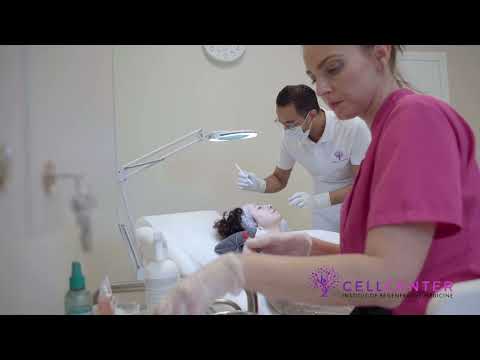
CellCenter - Stem Cell Therapy in Bratislava and Malacky, Slovakia
Located near the Austrian border, offering specialized regenerative protocols in compliance with European quality standards.
Is stem cell therapy proven to reverse human aging?
No. Current scientific evidence does not establish stem cell therapy as a proven clinical method for reversing human aging or extending lifespan. Longevity applications remain experimental.
Is stem cell therapy for anti-aging approved in Austria?
Austria follows the European Union regulatory framework for advanced therapy medicinal products. Cell-based therapies may require authorization, clinical-trial approval, or another recognized regulatory pathway.
How safe is stem cell therapy for healthy aging?
Safety depends on the cell source, manufacturing process, product quality, and method of administration. Potential risks can include infection, immune reactions, abnormal tissue growth, and other complications.
What types of stem cells are explored for anti-aging?
Research may explore mesenchymal stromal or stem cells from sources such as bone marrow, adipose tissue, or umbilical tissue. The appropriate cell source depends on the research protocol and regulatory framework.
How much does stem cell therapy cost in Vienna?
Costs vary depending on the clinical program, evaluation, cell processing, administration, monitoring, and follow-up requirements. Patients should request an itemized quotation in USD before treatment.
How can I verify a stem cell clinic in Vienna?
Check physician credentials, facility authorization, laboratory standards, treatment documentation, and clinical-trial registration when applicable. Patients should also verify the regulatory status of the proposed cell therapy.
Can stem cell therapy replace exercise and preventive healthcare?
No. Stem cell therapy should not replace established healthy-aging measures such as regular physical activity, balanced nutrition, preventive screenings, cardiovascular risk management, and adequate sleep.
Can stem cell therapy improve skin or physical appearance?
Some regenerative medicine research investigates potential effects on tissue repair and skin-related changes, but evidence is not sufficient to confirm stem cell therapy as a proven anti-aging cosmetic treatment.
What should I ask before choosing an anti-aging stem cell program in Vienna?
Ask about the cell source, manufacturing standards, regulatory authorization, clinical evidence, potential risks, expected monitoring, total cost, and whether the treatment is part of an authorized clinical trial.
Are anti-aging stem cell treatments available in the US and UK?
Availability varies by country, therapy, and regulatory status. Patients should distinguish between authorized medical treatments, legitimate clinical trials, and commercially marketed interventions that may lack sufficient evidence.
The Best Question Is Not "Will Stem Cells Make Me Younger?"
The most crucial question is whether a specific stem cell protocol has sufficient scientific evidence, laboratory quality, regulatory oversight, and clinical justification to make sense for your unique medical circumstances.
Considering Stem Cell Therapy for Anti-Aging in Vienna?
PlacidWay helps international patients evaluate qualified providers, review Stem Cell Therapy for Anti Aging in Vienna Austria options in Europe, compare transparent itemized quotes, and connect with medical specialists.
Disclaimer: This content is provided strictly for educational and patient decision-support purposes and does not constitute formal medical advice, diagnosis, or treatment recommendation. Stem cell protocols for anti-aging remain investigational in many jurisdictions. Always consult a licensed primary physician or qualified medical specialist before undergoing cell-based therapies or traveling abroad for medical procedures.
OverviewConsidering anti-aging stem cell therapy in Vienna? Discover 10 important questions about treatment, safety, providers, costs, and expected outcomes.
Request your Free Quote
×
Trusted Medical Tourism Platform Since 2007
60+
Countries
2k+
Clinics
19.5k+
Reviews
2.5k+
Qualified Doctors
1.1M+
Patients Served Since 2007
Unlock the Best Stem Cell Therapy for Longevity Packages Just for You
Discover the ultimate Stem Cell Therapy for Longevity packages designed to meet your health and wellness goals. Choose the perfect fit for your journey.
Stem Cell Therapy for Longevity Solutions Near You: Explore Top Medical Centers
Discover how Stem Cell Therapy for Longevity is transforming lives at leading medical centers in , Austria. Dive into center profile, specialties, doctors, reviews, etc. and explore the best options tailored to your needs in this region.
Transformative Stem Cell Therapy for Longevity Experiences: Dive into Procedure Insights
Discover the power of Stem Cell Therapy for Longevity through compelling patient experiences. Uncover detailed insights into procedures, recovery journeys, and life-changing results.
Stem Cell Treatment for Erectile Dysfunction,stem cell therapy for longevity
Jamaica
Explore Stem Cell Therapy for Longevity: Stories, Testimonials, and Procedures
Watch in-depth videos covering everything from Stem Cell Therapy for Longevity success stories to detailed procedure explanations. Learn what to expect and hear from real patients.
Hi, this is Alice 😊, your PlacidWay Virtual Assistant.
Thanks for visiting PlacidWay. Before we get started, I'd like to gather a few details so we can stay connected and better assist you throughout your healthcare journey.




























Share this listing