
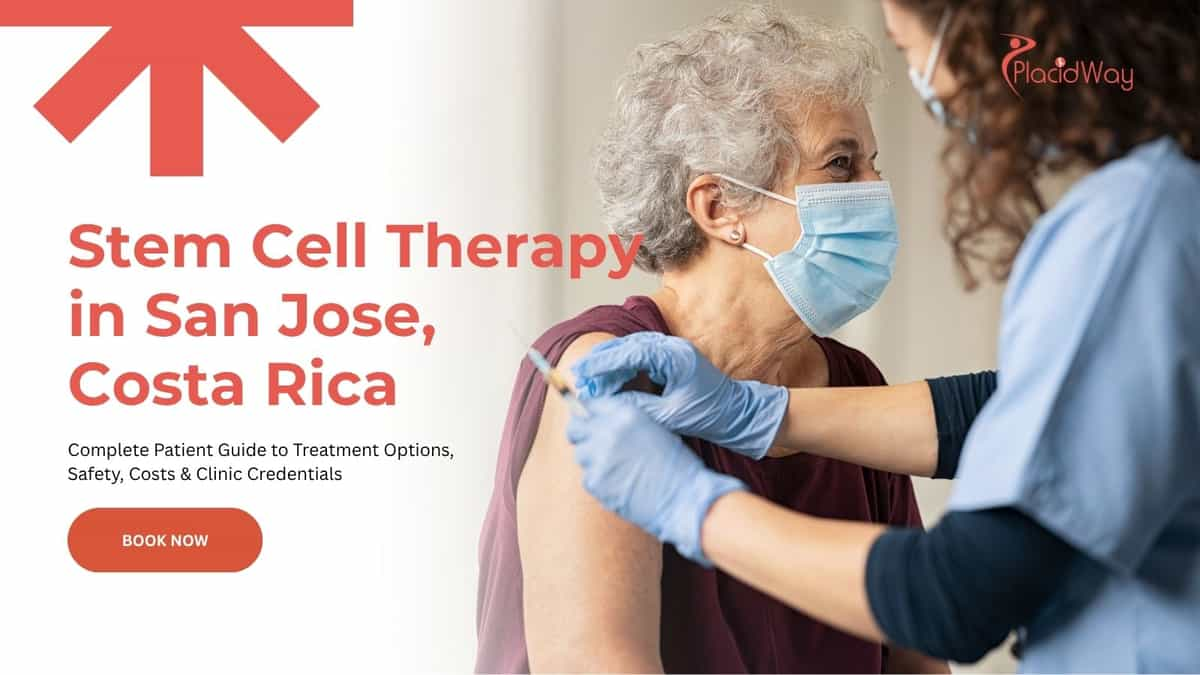
Living with chronic joint pain or a degenerative condition can feel isolating, often driving you to explore regenerative options when conventional approaches fall short. Many international patients actively research stem cell therapy clinics in Costa Rica to access these specialized treatments in a highly regulated, accessible destination. Before making travel arrangements, you must carefully review the estimated treatment costs and confirm that your prospective clinic holds valid operational permits from the Ministerio de Salud (Ministry of Health). Understanding these fundamental safety standards protects your health and ensures you make a fully informed healthcare decision.
Quick Treatment Summary
- Estimated Cost: Typically ranges from $5,000 to $25,000 USD, depending on the specific protocol and cell source.
- Safety Overview: Costa Rica requires strict biological handling protocols, but outcomes vary; always verify the clinic uses regulated, sterile laboratories.
- Ideal Candidate: Individuals with specific degenerative joint issues, mild to moderate osteoarthritis, or select autoimmune conditions who have not responded to standard therapies.
- Recovery Time: Initial physical recovery usually takes 2 to 7 days, though internal tissue remodeling may take several months to evaluate.
- Main Destination Appeal: Proximity to North America, an established medical tourism infrastructure, and strict oversight by the national health ministry.
- Important Certifications: Look for current licensing from the Ministerio de Salud and physician registration with the Colegio de Médicos y Cirujanos de Costa Rica.
- Crucial Caution: Regenerative medicine is not a guaranteed cure; thoroughly discuss realistic expectations and clinical evidence with an independent specialist before traveling.
Introduction to Regenerative Medicine in San Jose
Traveling across borders for medical care requires careful consideration and thorough research. Patients exploring alternative treatments often look toward San Jose, Costa Rica due to its modern hospital infrastructure and established medical travel sector. The country maintains an active regulatory environment for healthcare, meaning medical facilities must adhere to strict biological waste and patient safety protocols. Finding accurate information helps you balance potential benefits with realistic travel expectations.
Individuals typically seek regenerative care in San Jose for several practical and medical reasons. These motivations often stem from a desire to improve daily mobility or manage chronic symptoms. Here are the primary reasons patients choose this destination:
- Access to specialized cell culturing techniques not widely available in their home countries.
- Geographical proximity, with short, direct flights from major US and Canadian hubs.
- Lower overall clinical and administrative fees compared to North American hospital systems.
- Availability of bilingual medical teams trained in international patient coordination.
- Strong oversight by local health authorities regarding laboratory sterility and patient ethics.
Projected Inbound Medical Travelers for Regenerative Care in San Jose (2024-2026)
The following graph illustrates the projected growth of international patients traveling to Costa Rica for specialized medical procedures, including regenerative medicine, based on current industry growth patterns.
Understanding the Science of Cell Regeneration
Regenerative therapies utilize the body’s fundamental biological materials to encourage healing in damaged tissues. The procedure typically involves harvesting mesenchymal cells from bone marrow, adipose (fat) tissue, or umbilical cord derivatives. Once collected, laboratory technicians isolate and concentrate these cells before a specialist re-administers them into the target area, such as a damaged knee joint.
The clinical theory behind this treatment rests on the anti-inflammatory and immunomodulatory properties of these biological components. When introduced into an area experiencing chronic inflammation, these cells may release proteins and growth factors. These elements can help modulate the local immune response and potentially support cellular repair mechanisms.
Treatment Tip: Always ask your provider specifically what type of cells will be used (autologous vs. allogeneic) and where they are processed. In Costa Rica, ethical guidelines require stringent testing for all externally sourced biological materials to prevent infectious disease transmission.
Common Conditions Addressed by Specialists
Medical providers in San Jose primarily evaluate patients suffering from orthopedic deterioration and specific autoimmune challenges. The exact application depends entirely on your diagnosis, age, and overall health status. Treatment protocols are highly individualized, and you should undergo a comprehensive evaluation before being accepted as a candidate.
Specialists frequently consult with patients managing osteoarthritis, tendon injuries, and inflammatory joint disorders. In many cases, the goal is to manage symptoms, reduce localized pain, and delay the need for invasive surgeries, rather than providing an absolute cure. It is crucial to manage expectations realistically with your healthcare provider.
Potential Advantages
- May reduce chronic joint inflammation.
- Uses minimally invasive injection techniques.
- May postpone the need for joint replacement surgery.
- Relatively short outpatient recovery period.
Realistic Limitations
- Outcomes are not permanently guaranteed.
- Does not reverse severe bone-on-bone arthritis.
- Varies significantly based on patient physiology.
- May require multiple treatment sessions over time.
Evaluating the Cost of Treatment in San Jose
The financial investment required for regenerative care varies widely based on the complexity of your procedure. When evaluating quotes from San Jose clinics, you must understand exactly what the price includes. Comprehensive packages often bundle pre-treatment blood work, specialized laboratory processing, the clinical injections, and initial follow-up consultations.
When you compare destination options, San Jose frequently offers lower clinical fees due to different healthcare economic structures, not necessarily a reduction in biological quality. However, you should account for hidden expenses such as flights, extended hotel stays for recovery, medical complications insurance, and ongoing physical therapy back home.
| Procedure Category | Estimated Cost in US/Canada | Estimated Cost in San Jose, Costa Rica |
|---|---|---|
| Localized Joint Injection (Autologous) | $8,000 - $12,000 | $5,000 - $8,000 |
| Intravenous Protocol (Systemic) | $15,000 - $30,000 | $8,000 - $15,000 |
| Expanded Cord Tissue Applications | $20,000 - $40,000+ | $12,000 - $25,000 |
*Note: The prices listed above are general estimates based on 2024 regional market data. Your exact medical quote will depend on the treating physician, the cellular volume required, and your specific physiological needs. Always request a written, itemized estimate.
Patient Demographics and Travel Trends (2024-2026 Data)
Current medical travel registries indicate a specific demographic pattern for individuals seeking regenerative medicine internationally. The majority of inbound patients traveling to San Jose originate from the United States and Canada, driven by regulatory restrictions and high out-of-pocket costs in their native healthcare systems. Understanding these trends helps contextualize the typical patient experience.
Recent data from 2024 global regenerative medicine registries highlights that older adults looking for mobility preservation make up the largest segment of travelers. These individuals frequently seek alternative pain management strategies to maintain an active lifestyle as they age. The clinical motivations heavily influence the types of protocols clinics prioritize.
2024 International Regenerative Medicine Patient Age Distribution
This chart represents recent 2024 patient registry data detailing the age brackets of individuals pursuing cell therapies abroad.
Choosing a Safe Hospital or Clinic in San Jose
Selecting an appropriate clinical facility is the most critical step in your medical journey. Costa Rica maintains a robust public and private healthcare sector, heavily regulated by national authorities. For regenerative procedures, the facility must possess specialized permits for biological handling and clean-room laboratory standards to prevent sample contamination.
Do not rely solely on internet marketing or glossy clinic photos. Instead, verify the facility's official status with the Costa Rican government. A legitimate provider will transparently share their license numbers and undergo regular inspections by national health officials. Below is a checklist of credentials to verify during your research phase.
| Credential Type | Issuing Authority | Why It Matters |
|---|---|---|
| National Operating License | Ministerio de Salud (Ministry of Health) | Legally required for any facility to operate in Costa Rica; ensures baseline structural and health safety. |
| Biological Handling Permit | National Council of Health Research (CONIS) | Ensures ethical sourcing, sterile processing, and safe administration of human cellular products. |
| Medical Tourism Certification | PROMED Costa Rica | Indicates the clinic has specific protocols established for international patient care and communication. |
Verifying Doctor and Surgeon Credentials
Just as the facility must be regulated, the individual physician performing your procedure must possess the appropriate national medical licensing. The doctor overseeing your care should ideally be a specialist in the area of your complaint, such as an orthopedic surgeon for joint issues, rather than a general practitioner.
In Costa Rica, all practicing physicians must be registered with the national medical board. You can independently verify a doctor's standing and recognized specialties to ensure they have the proper anatomical and surgical training to administer complex biological injections safely.
Verification Takeaway: Always ask for the doctor’s official medical license number (código médico). You can use this number to verify their active registration and specialty status directly with the Colegio de Médicos y Cirujanos de Costa Rica online database.
Safety Standards, Risks, and Complications
All medical procedures involve inherent risks, and cell-based therapies are no exception. While minimally invasive, introducing biological materials into your body can lead to adverse reactions. You must have a candid conversation with your provider about how they manage medical emergencies and what safety protocols they follow in the event of an unexpected complication.
Standard risks associated with joint injections include localized swelling, temporary pain, bleeding at the injection site, and infection. In rare cases, improper cell handling can lead to severe immunological reactions or tumor formation. Ensuring the clinic utilizes an ISO-certified laboratory drastically minimizes the risk of bacterial contamination during cell expansion.
Important Medical Warning
If a clinic guarantees a 100% success rate, promises to cure incurable diseases, or pressures you into making a large financial deposit without a thorough medical screening, consider these major red flags. Reputable doctors in Costa Rica will always discuss the potential for treatment failure.
Eligibility and Patient Evaluation Process
Not every patient is an appropriate candidate for regenerative applications. Legitimate clinics will mandate a strict pre-qualification process before approving you for travel. This evaluation protects you from spending money on a procedure that is medically unlikely to yield positive results based on your specific pathology.
The evaluation typically begins remotely. You will be required to submit recent imaging, blood panels, and comprehensive medical records. A specialist will review these documents to assess the severity of your tissue damage and ensure you do not have contraindications, such as active infections or certain types of cancer.
| Step | Action Required by Patient | Clinical Purpose |
|---|---|---|
| 1. Initial Inquiry | Submit detailed medical history form. | Establishes baseline health status and chief complaints. |
| 2. Record Submission | Provide MRI/X-Rays (under 6 months old) and recent blood work. | Allows the physician to view actual tissue damage and inflammation markers. |
| 3. Virtual Consultation | Attend a video call with the treating specialist. | Discuss expectations, potential risks, and receive a customized protocol proposal. |
| 4. Final Approval | Review and sign informed consent documents. | Ensures you fully understand the experimental nature of the care. |
Travel Planning and Logistics for San Jose
San Jose is served by the Juan Santamaría International Airport (SJO), which accommodates numerous daily direct flights from major North American cities. The city features a well-developed tourism infrastructure, offering a range of accommodations from budget-friendly extended-stay apartments to luxury hotels with on-site medical recovery amenities.
When booking your trip, coordinate closely with your clinic’s international patient department. Many facilities offer concierge services that include airport transfers and ground transportation to all medical appointments. Having these logistics pre-arranged drastically reduces stress and allows you to focus entirely on your health and recovery.
Travel Tip: San Jose rests at an elevation of approximately 3,800 feet (1,170 meters). While the climate is temperate year-round, you should stay hydrated upon arrival to adjust to the altitude before your medical appointments begin.
Treatment Timeline and Clinical Schedule
A typical regenerative medical trip requires you to stay in Costa Rica for approximately four to eight days. The exact duration depends on whether your cells are harvested locally from your own body (autologous) or sourced from verified donor tissue (allogeneic). Autologous procedures often require extra days for laboratory processing between extraction and reinjection.
You should expect the schedule to include pre-operative blood tests upon arrival, the main procedure day, and at least one follow-up appointment before you are cleared to fly home. During the treatment day, most joint applications are performed as outpatient procedures under local anesthesia, allowing you to return to your hotel the same afternoon.
| Timeframe | Clinical Process | Patient Sensation | Activity Level |
|---|---|---|---|
| Days 1-2 | In-person evaluation and blood draws. | Normal; slight travel fatigue. | Light walking, settling into accommodation. |
| Day 3 | Cell administration (injection/IV). | Mild discomfort at injection site. | Strict rest; stay in the hotel room. |
| Days 4-6 | Initial biological response; follow-up check. | Possible localized swelling and stiffness. | Minimal weight-bearing; light stretching. |
| Weeks 4-12 | Cellular signaling and tissue remodeling. | Gradual reduction in baseline pain. | Return to normal daily activities; guided physical therapy. |
Post-Treatment Care and Long-Term Follow-up
The actual injection is only the beginning of the regenerative process. Your body requires time, proper nutrition, and guided rehabilitation to maximize the potential biological benefits. Clinics in San Jose typically provide a detailed post-treatment manual that outlines prohibited activities, such as heavy lifting or high-impact sports, during the initial weeks.
Because you will be recovering primarily in your home country, establish a relationship with a local physical therapist before you travel. Your Costa Rican medical team should offer virtual follow-up appointments at regular intervals (typically at 1, 3, and 6 months) to track your progress and adjust your home rehabilitation protocol as needed.
Ethical Considerations and Regulatory Framework
The global landscape of regenerative treatments is complex, and ethical considerations remain paramount. Costa Rica’s healthcare system requires providers to operate within strict bio-ethical guidelines, particularly concerning the sourcing and expansion of umbilical cord derivatives. It is crucial to respect these national regulations and understand the legal frameworks that protect patient safety.
The Costa Rican Ministry of Health prohibits the unproven marketing of cellular treatments for terminal illnesses where clinical evidence is entirely lacking. By choosing a destination with established national medical councils, you align yourself with providers who are legally accountable for the biological products they administer and the medical claims they make.
Frequently Asked Questions
Is stem cell therapy legally approved in Costa Rica?
Yes, specific regenerative therapies are legally permitted when the clinic holds explicit authorization from the Ministerio de Salud. The treatments must comply with national bio-ethical guidelines regarding human tissue handling and laboratory sterility.
How much does stem cell therapy cost in San Jose?
Prices generally range between $5,000 and $25,000 USD. The final cost depends heavily on the cellular source (autologous vs. allogeneic), the required dosage, and whether the treatment targets a single joint or requires systemic administration.
Do Costa Rican doctors speak English?
Many specialists in San Jose who cater to international patients are fully bilingual. Furthermore, clinics accredited for medical tourism generally employ dedicated English-speaking patient coordinators to assist with communication.
How soon can I fly home after a joint injection?
Most patients are medically cleared to fly within 48 to 72 hours after a localized joint procedure. However, you may experience stiffness during the flight, so requesting wheelchair assistance at the airport is highly recommended.
What is the difference between autologous and allogeneic cells?
Autologous cells are harvested from your own body, typically from fat or bone marrow. Allogeneic cells are sourced from a rigorously screened, healthy donor, most commonly derived from ethically donated umbilical cord tissue.
Will my health insurance cover this treatment abroad?
Standard health insurance policies in the US and Canada typically do not cover regenerative therapies performed internationally, as many of these protocols remain classified as experimental. You should expect to pay entirely out of pocket.
How do I verify a Costa Rican clinic's license?
You can request the clinic's operating permit number and verify it directly through the official portal of the Costa Rican Ministerio de Salud. Always ask the clinic for a scanned copy of their current government authorization.
Can stem cells cure severe bone-on-bone arthritis?
No. Regenerative medicine cannot regrow cartilage that is completely gone. In cases of severe bone-on-bone osteoarthritis, doctors typically recommend traditional joint replacement surgery rather than cellular injections.
How long does it take to notice improvements?
Initial reductions in inflammation may be felt within a few weeks, but actual biological remodeling takes much longer. Most physicians advise that peak clinical evaluation occurs between three to six months post-treatment.
Are there age limits for receiving this treatment?
While there is no strict upper age limit, a patient's overall health and physiological condition matter most. However, older patients using autologous (their own) cells may experience diminished cellular vitality compared to younger patients.
Ready to Explore Your Options?
Navigating international healthcare choices requires reliable support. PlacidWay can help you compare licensed providers in San Jose, understand precise treatment costs, and connect directly with vetted medical specialists to assess your eligibility.
Request Free InformationDisclaimer: This information is for educational purposes only and does not replace professional medical advice. Always consult a qualified healthcare provider before making medical decisions.
References
- Patient Guide to Stem Cell Treatments – International Society for Stem Cell Research (ISSCR)
- Registry of Cellular Therapy Trials – ClinicalTrials.gov
- Authorizations and Medical Certifications – Ministerio de Salud de Costa Rica
- National Medical Directory – Colegio de Médicos y Cirujanos de Costa Rica
- Mesenchymal Stem Cells: Clinical Applications and Biological Mechanisms – National Institutes of Health (NIH)
- Consumer Warnings on Unapproved Cellular Therapies – U.S. Food and Drug Administration (FDA)
- Inbound Patient Tourism Statistics 2024 – Instituto Costarricense de Turismo (ICT)
- Global Patient Demographic Trends 2024-2025 – Medical Tourism Association






















Share this listing