
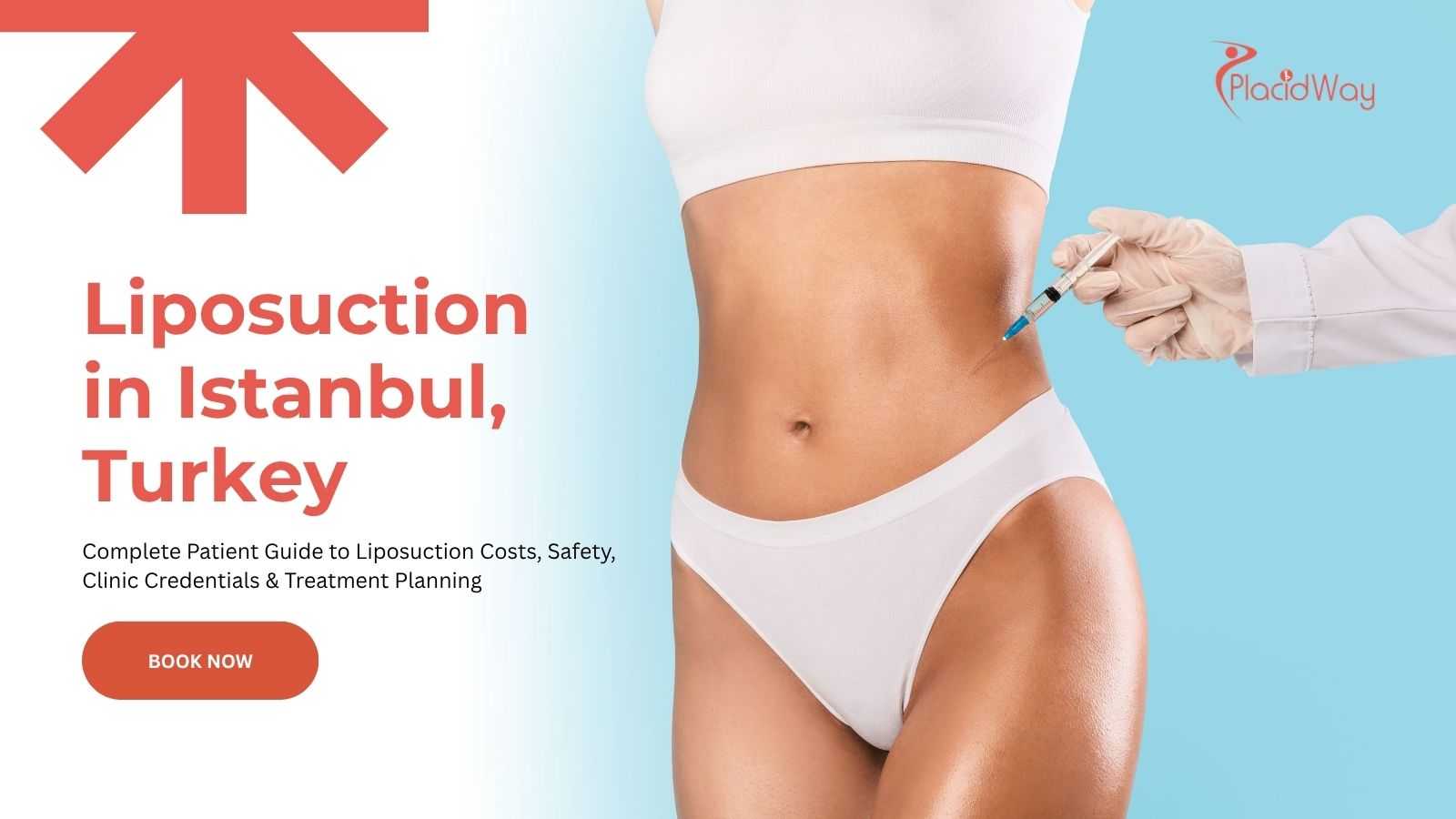
If you are considering liposuction in Istanbul, Turkey, you likely have questions about patient safety, actual treatment costs, and how to identify reputable clinics abroad. Many international patients choose this destination for advanced body contouring procedures, but finding a trusted facility requires careful research into surgeon qualifications and specific healthcare certifications like the Turkish Ministry of Health license. This guide helps you navigate affordable fat removal surgery while prioritizing your health, understanding comprehensive package prices, and verifying the critical credentials needed for a secure and successful outcome.
Quick Summary: Liposuction in Istanbul, Turkey
- Estimated Cost: Typically ranges from $2,000 to $4,500 USD, depending on the number of areas treated and the surgical technique used.
- Safety Overview: Generally safe when performed by board-certified plastic surgeons in hospitals licensed by the Turkish Ministry of Health.
- Ideal Candidate: Individuals at or near their ideal body weight with stubborn fat deposits and good skin elasticity; this is not a weight-loss treatment.
- Recovery Time: Most patients return to light activities within 7 to 10 days, though full swelling resolution can take 3 to 6 months.
- Main Reason Patients Choose Istanbul, Turkey: Access to highly experienced aesthetic surgeons and modern healthcare facilities at a lower cost compared to the US and UK.
- Important Caution: Always verify that your surgeon holds active registration with the Turkish Society of Plastic Reconstructive and Aesthetic Surgeons (TSPRAS).
Understanding the Demand for Liposuction in Istanbul, Turkey
Medical tourism for aesthetic procedures continues to grow, and many patients actively seek liposuction in Istanbul, Turkey. When standard diet and exercise fail to remove localized fat, body contouring surgery offers a clinical solution. However, pursuing this treatment abroad requires careful planning.
Patients traveling from the United Kingdom, the United States, and Western Europe often seek medical care in Istanbul due to long wait times or prohibitive costs in their home healthcare systems. The city has developed a robust medical infrastructure tailored to international visitors.
Why International Patients Choose Istanbul, Turkey
- Significant cost savings compared to private healthcare in Western Europe and North America.
- High volume of experienced, specialized body contouring surgeons.
- Comprehensive care packages that typically include hospital fees, hotel stays, and airport transfers.
- Strict regulatory oversight by the Turkish Ministry of Health for facilities treating international patients.
- Access to modern medical technology, including VASER and laser-assisted liposuction devices.
- The ability to recover in a private, discreet environment away from home.
Patient Demographics and Treatment Trends for Istanbul, Turkey
Analyzing patient demographics helps you understand who typically travels for liposuction in Istanbul, Turkey. Recent clinical and demographic data from 2024 highlights the evolving profile of international aesthetic patients.
According to recent healthcare travel registries, patients from over 80 countries visit Turkey annually for medical treatments. For body contouring specifically, the majority of patients fall into middle-adulthood, seeking to address fat deposits that become more resistant to non-surgical intervention as metabolism slows.
Age Distribution of Aesthetic Surgery Patients in Turkey (2024 Verified Demographic Data)
Data reflects compiled aesthetic patient travel demographics for 2024.
Beyond age, tracking the growth of medical arrivals provides insight into the infrastructure's capacity. The Turkish Ministry of Health closely monitors inbound patient volumes to ensure hospital resources meet international safety standards.
Projected Growth of Inbound Aesthetic Patients to Turkey (2024–2026 Trends)
Volume estimates based on recognized 2024 healthcare travel reports.
What is Liposuction?
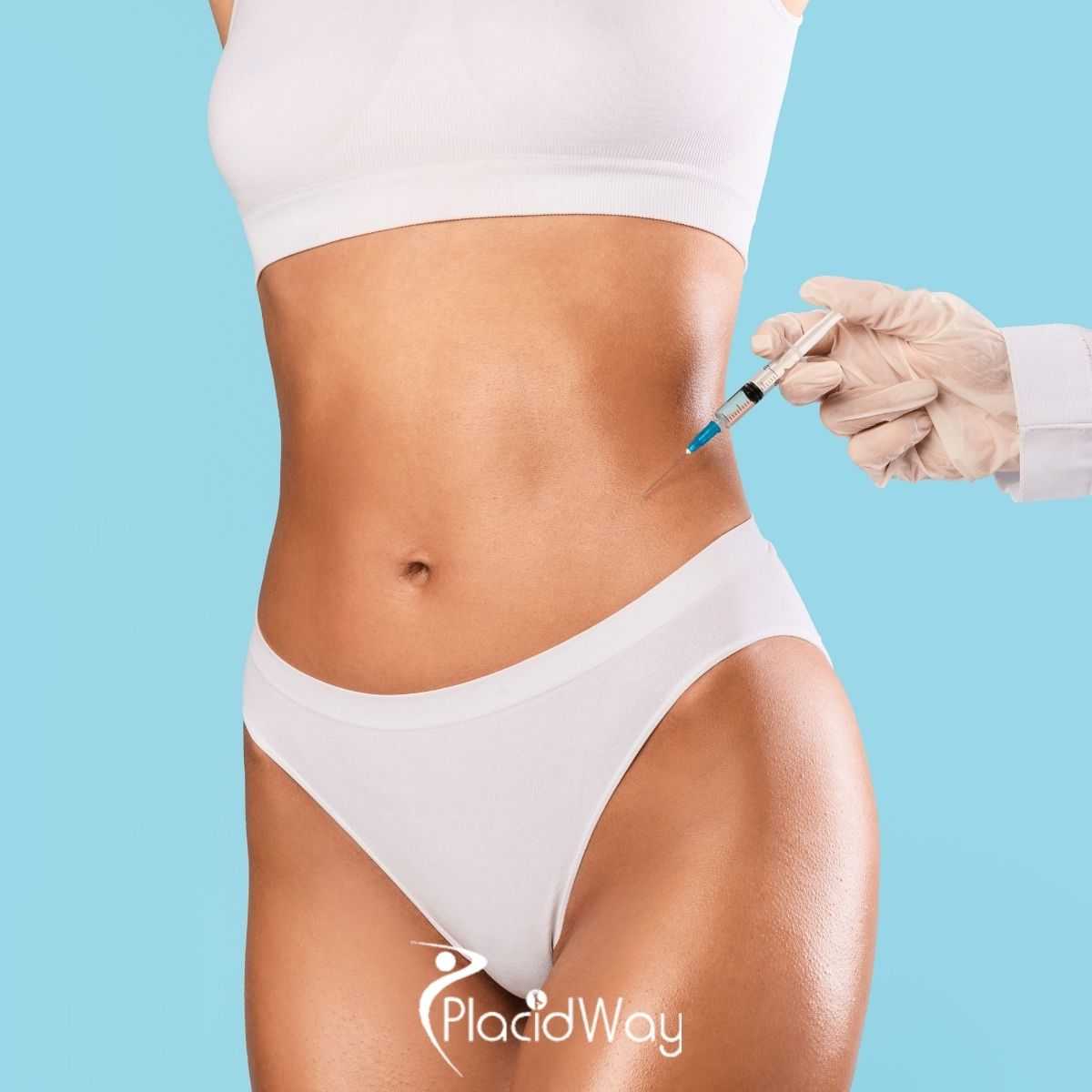
Liposuction is a surgical procedure designed to remove localized subcutaneous fat deposits that do not respond to diet and exercise. Your surgeon uses a hollow stainless-steel tube, known as a cannula, connected to a powerful medical vacuum to aspirate fat cells from specific areas of the body.
This procedure alters your physical contour and proportions permanently, provided you maintain a stable weight following the surgery. It is critical to understand that liposuction is a body-shaping tool, not a treatment for clinical obesity.
Medical Warning: Liposuction does not remove cellulite, dimples, or stretch marks. If you have poor skin elasticity, removing the underlying fat may result in loose, sagging skin, which may require a secondary skin-tightening procedure.
The Clinical Anatomy of Fat Removal
To understand how liposuction in Istanbul, Turkey is performed, it helps to know how fat is structured within your body. The human body stores fat in two main layers: subcutaneous fat and visceral fat.
Subcutaneous fat lies directly beneath the skin and above the muscle fascia. This is the only type of fat that can be safely removed using liposuction. Visceral fat, which surrounds your internal organs, cannot be treated with this procedure.
Common Target Areas for Liposuction
- Abdomen and Flanks: Targeting the upper and lower stomach, and the sides (love handles).
- Thighs and Hips: Addressing inner thigh friction or outer thigh bulges (saddlebags).
- Back: Removing bra roll fat or lower back deposits.
- Arms: Contouring the upper arms to reduce sagging weight.
- Submental Region: Removing localized fat beneath the chin and along the jawline.
Types of Liposuction Procedures in Istanbul, Turkey
Medical technology has advanced significantly, offering several variations of the traditional procedure. Reputable clinics providing liposuction in Istanbul, Turkey typically offer multiple modalities based on your specific tissue characteristics and aesthetic goals.
Your surgeon will recommend a technique during your physical evaluation. Selecting the right method depends on the density of the fat, your skin elasticity, and whether the extracted fat will be grafted to another area, such as in a Brazilian Butt Lift (BBL).
| Procedure Type | Mechanism of Action | Clinical Benefit |
|---|---|---|
| Tumescent Liposuction | Injects a large volume of saline, lidocaine, and epinephrine into the fat before removal. | Reduces blood loss, minimizes bruising, and provides local anesthesia. |
| Ultrasound-Assisted (VASER) | Uses ultrasound energy to liquefy fat cells before aspiration. | Easier removal of dense fat; may promote slight skin retraction. |
| Laser-Assisted (SmartLipo) | Delivers laser energy through a micro-cannula to melt fat. | Stimulates collagen production, which can improve skin tightening. |
| Power-Assisted (PAL) | Uses a vibrating cannula to break up fat mechanically. | Allows for faster, more precise fat removal with less trauma to surrounding tissues. |
Assessing Your Eligibility for Liposuction
Not everyone is a suitable candidate for this surgical intervention. Proper patient selection is the most critical factor in preventing complications and ensuring satisfactory aesthetic outcomes.
Before traveling for liposuction in Istanbul, Turkey, you should undergo a thorough medical evaluation in your home country. You must be in good overall health and maintain realistic expectations about the surgical outcome.
Ideal Candidate Checklist
- You are within 30% of your ideal body weight (BMI under 30 in most cases).
- You have firm, elastic skin with good muscle tone.
- You do not smoke, or you can commit to quitting weeks before and after surgery.
- You do not have life-threatening medical conditions or conditions that impair healing.
- You have specific, localized fat deposits resistant to diet and exercise.
Choosing the Right Hospital for Liposuction in Istanbul, Turkey
The safety of your procedure heavily depends on the facility where it is performed. While Turkey boasts many state-of-the-art hospitals, you must actively verify their credentials rather than relying solely on marketing materials.
When researching where to have your liposuction in Istanbul, Turkey, prioritize facilities that operate under strict regulatory frameworks. Clinics must hold specific licenses to legally treat international patients.
Required Local Certifications
Every legitimate facility must hold an active license from the Turkish Ministry of Health (Sa?l?k Bakanl???). Furthermore, clinics targeting foreign patients should hold an International Health Tourism Authorization Certificate.
International Accreditations
While not legally mandated, accreditations from Joint Commission International (JCI) or Temos serve as strong trust signals. They indicate the hospital adheres to global standards for infection control, anesthesia safety, and emergency protocols.
Verifying Your Surgeon's Credentials
The surgical skill of your doctor dictates the symmetry, smoothness, and safety of your results. In Turkey, aesthetic surgery should only be performed by fully qualified specialists.
Never assume a doctor is qualified simply because they work at a well-known clinic. You have the right to request their medical license number and review their specific training in body contouring.
How to Vet Your Surgeon in Turkey
- Board Certification: Ensure the doctor is certified by the Turkish Board of Plastic, Reconstructive, and Aesthetic Surgery.
- Professional Societies: Look for active membership in the Turkish Society of Plastic Reconstructive and Aesthetic Surgeons (TSPRAS).
- European Credentials: Many top surgeons in Istanbul also hold certification from the European Board of Plastic Reconstructive and Aesthetic Surgery (EBOPRAS).
- Case Volume: Ask how many times they have performed your specific type of liposuction in the past year.
Cost of Liposuction in Istanbul, Turkey vs. Global Averages
Financial savings are a primary motivator for medical travel. The cost of liposuction in Istanbul, Turkey is generally lower than in Western nations due to favorable exchange rates, lower operational overhead, and government incentives for medical tourism.
However, you must look beyond the initial price tag. Prices vary significantly based on the number of areas treated, the volume of fat removed, the technology used (such as VASER), and the surgeon’s expertise.
| Country | Estimated Cost (USD) | Typical Inclusions |
|---|---|---|
| United States | $4,000 - $8,000+ | Procedure only; anesthesia and facility fees often extra. |
| United Kingdom | $4,500 - $7,500+ | Procedure and facility fees. |
| Istanbul, Turkey | $2,000 - $4,500 | Often includes hotel, transfers, and post-op garments. |
Note: Costs are estimates and fluctuate based on individual patient needs and clinical evaluation.
Understanding All-Inclusive Medical Packages
Many clinics provide comprehensive packages to simplify the logistics of medical travel. When booking liposuction in Istanbul, Turkey, understanding exactly what your quote covers will prevent unexpected out-of-pocket expenses upon arrival.
Always request an itemized, written quotation before transferring any deposits. A legitimate provider will transparently list all medical and non-medical inclusions.
Typically Included
- Surgeon and anesthesiologist fees.
- Pre-operative blood tests and EKG.
- One night hospital stay (if general anesthesia is used).
- Post-operative compression garments.
- VIP airport transfers and hotel accommodation.
- In-house translation services.
Rarely Included (Extra Costs)
- International airfare to Turkey.
- Travel medical complications insurance.
- Additional compression garments (spares).
- Post-operative lymphatic drainage massages.
- Extended hotel stays for prolonged recovery.
- Prescription medications beyond the initial supply.
The Consultation and Preparation Phase
Your surgical journey begins long before you arrive for liposuction in Istanbul, Turkey. Reputable clinics mandate a thorough online consultation involving a review of your medical history and photographs of the target areas.
Once you arrive in Istanbul, you will undergo an in-person physical examination. The surgeon will mark your body, evaluate your skin elasticity, and finalize the surgical plan. Pre-operative blood tests ensure you are medically fit for anesthesia.
Pre-Surgery Guidelines
Your medical team will typically instruct you to:
- Stop taking aspirin, ibuprofen, and certain herbal supplements two weeks prior to reduce bleeding risks.
- Cease smoking and nicotine consumption at least four weeks before surgery to ensure proper tissue oxygenation.
- Fast from food and water for 8 hours before your scheduled anesthesia time.
- Arrange for comfortable, loose-fitting clothing to wear post-surgery.
Step-by-Step Surgical Process
Knowing what happens in the operating room can alleviate anxiety. Liposuction in Istanbul, Turkey is performed under strict sterile conditions in a licensed hospital setting.
Depending on the extent of the fat removal, the procedure can take anywhere from one to four hours. Your anesthesiologist will monitor your vital signs continuously throughout the operation.
- Anesthesia Administration: You will receive either general anesthesia or intravenous sedation with local anesthesia, ensuring you feel no pain.
- Incision Placement: The surgeon makes small, inconspicuous incisions (usually 3 to 5 millimeters) hidden in natural body creases.
- Tumescent Fluid Injection: A sterile solution containing local anesthetic and epinephrine is injected into the fat layer to numb the area and constrict blood vessels.
- Fat Aspiration: A cannula is inserted and moved in a controlled back-and-forth motion to loosen fat, which is suctioned out via a surgical vacuum.
- Wound Closure: The incisions are closed with sutures, and a compression garment is immediately applied to control swelling.
Recovery Timeline and Biological Healing
The success of your body contouring depends heavily on your adherence to post-operative instructions. Recovery from liposuction in Istanbul, Turkey requires patience, as your body needs time to resolve inflammation and for the skin to retract to its new contours.
While you may notice a difference immediately, post-surgical swelling will obscure your final results for several weeks. Consistent use of your compression garment is clinically proven to reduce fluid buildup and support skin adaptation.
| Timeframe | Biological Process | Patient Sensation | Action Required |
|---|---|---|---|
| Days 1-3 | Acute inflammatory response; tumescent fluid drainage. | Soreness, bruising, and heavy swelling. Leakage from incisions. | Rest; wear compression garment 24/7; take prescribed medications. |
| Weeks 1-2 | Initial cellular repair; reduction of acute edema. | Decreasing pain; bruising begins to fade to yellow/green. | Begin light walking; start lymphatic drainage massages. |
| Weeks 3-6 | Tissue remodeling; skin begins retracting over new contours. | Tingling or numbness; feeling of tissue firmness or lumps. | Continue compression as advised; resume moderate exercise. |
| Months 3-6 | Final resolution of deep tissue inflammation. | Normal sensation returns; contours finalize. | Maintain stable body weight to preserve aesthetic results. |
Risks, Complications, and Safety Protocols
Like any surgical procedure, liposuction carries inherent medical risks. While severe complications are rare when performed by qualified professionals, you must be fully informed before consenting to surgery.
Safety during liposuction in Istanbul, Turkey relies on accurate pre-operative assessment and adherence to safe fat removal limits. Extracting too much fat in a single session significantly increases the risk of complications.
Potential Surgical Risks
- Contour Irregularities: Skin may appear bumpy, wavy, or withered due to uneven fat removal or poor skin elasticity.
- Fluid Accumulation: Seromas (pockets of fluid) can form under the skin, requiring needle drainage.
- Infection: Though rare in sterile environments, bacterial infections can occur and require antibiotic intervention.
- Numbness: Temporary or permanent changes in skin sensation due to nerve irritation.
- Fat Embolism: A rare but medical emergency where loosened fat enters a blood vessel and travels to the lungs or brain.
- Deep Vein Thrombosis (DVT): Blood clots forming in the legs due to prolonged immobility.
Post-Operative Care and Lymphatic Drainage
Your commitment to aftercare directly impacts your aesthetic result. Following your liposuction in Istanbul, Turkey, the clinic will provide detailed discharge instructions outlining wound care, hygiene, and mobility.
Many surgeons strongly recommend Manual Lymphatic Drainage (MLD) massages starting a few days after surgery. This specialized, gentle massage technique helps move stagnant fluid through the lymphatic system, significantly reducing swelling, preventing fibrosis (hard lumps), and accelerating the healing process.
Travel Planning and Visa Requirements for Turkey
Organizing a medical trip involves distinct logistical steps compared to a standard vacation. Patients traveling for liposuction in Istanbul, Turkey should plan for adequate recovery time before flying home.
Your surgeon will likely require you to stay in Istanbul for 5 to 7 days post-surgery to monitor your early healing phase and remove any drains or sutures safely. Flying too soon after surgery increases the risk of blood clots due to cabin pressure and immobility.
Essential Travel Tips
- Visa Requirements: Check the Turkish e-Visa portal. Citizens of the US, UK, and many EU nations can easily obtain an electronic visa online prior to arrival.
- Flight Booking: Book a flexible or refundable ticket in case your surgeon recommends extending your stay for medical reasons.
- Packing: Bring button-down shirts, slip-on shoes, and dark-colored, loose-fitting trousers to accommodate surgical garments and swelling.
- Medical Insurance: Standard travel insurance does not cover elective surgery complications. Purchase specialized medical tourism insurance before your trip.
Frequently Asked Questions
Below are common questions patients ask when researching body contouring options abroad.
Is liposuction in Istanbul, Turkey safe for international patients?
Yes, it is generally safe when performed by a board-certified plastic surgeon within a hospital licensed by the Turkish Ministry of Health. Proper patient screening and adherence to safety protocols minimize risks.
How many liters of fat can be safely removed?
Medical guidelines generally recommend removing no more than 4 to 5 liters of fat and fluid combined during a single outpatient procedure to prevent complications and fluid imbalances.
Are the results of liposuction permanent?
The fat cells removed are permanently gone. However, if you gain weight after surgery, the remaining fat cells in your body can expand, altering your new body contours.
Can liposuction tighten loose skin?
Traditional liposuction does not tighten skin. Technologies like laser-assisted (SmartLipo) or ultrasound (VASER) may offer mild skin retraction, but significant loose skin typically requires excisional surgery like a tummy tuck.
How soon can I fly home after the procedure?
Surgeons typically advise staying in Istanbul for 5 to 7 days post-surgery. Flying too soon increases the risk of deep vein thrombosis (DVT) and complicates immediate follow-up care.
Will I have noticeable scars after fat removal surgery?
Incisions are small (usually 3-5mm) and strategically placed in natural skin folds or discreet areas. Over time, these scars typically fade and become very difficult to notice.
What is a compression garment and why is it necessary?
A compression garment is a tight, elastic medical bodysuit. It is vital because it reduces post-operative swelling, helps the skin contract to new contours, and minimizes the risk of fluid buildup (seromas).
Does liposuction treat cellulite?
No, it is not an effective treatment for cellulite. In some cases, removing the underlying fat can actually make cellulite dimpling appear more pronounced if skin elasticity is poor.
What happens during the initial consultation?
The surgeon reviews your medical history, examines the fat deposits, assesses skin elasticity, discusses your aesthetic goals, and determines the most appropriate surgical technique for your body type.
Are hidden costs common in medical tourism packages?
They can be if you do not use a reputable provider. Always request a written, itemized quotation that clearly outlines if anesthesia, hospital stays, garments, and post-op medications are included in the price.
Plan Your Medical Journey Safely
Navigating international healthcare options can be complex. PlacidWay Medical Tourism can help you compare vetted providers, understand transparent treatment costs, and request specific clinic credentials so you can make an informed, confident decision.
Request Clinic InformationDisclaimer
Disclaimer: This information is for educational purposes only and does not replace professional medical advice. Always consult a qualified healthcare provider before making medical decisions.
References
- ISAPS Global Statistics on Aesthetic Procedures – International Society of Aesthetic Plastic Surgery
- Liposuction Patient Safety Guidelines – American Society of Plastic Surgeons
- International Health Tourism Authorization Requirements – Republic of Turkey Ministry of Health
- Patient Safety Guidelines and Framework – World Health Organization
- Surgeon Accreditation and Registration – Turkish Society of Plastic Reconstructive and Aesthetic Surgeons (TSPRAS)
- Annual Global Survey on Aesthetic/Cosmetic Procedures (Published 2024) – ISAPS






















Share this listing