


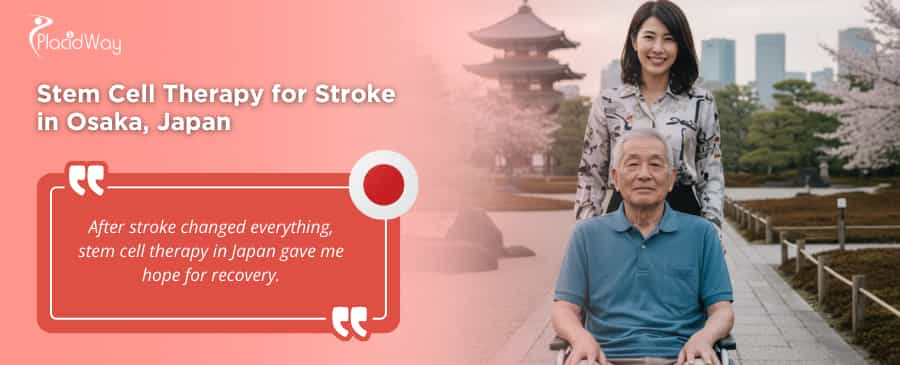
Defuse the Time Bomb: Regenerative Therapy for Atherosclerosis and Stroke Recovery in Japan
Introduction: The Silent Killer Living in Your Arteries
You feel fine. You look healthy. But how old are your blood vessels?
Atherosclerosis (hardening of the arteries) is often called the "Silent Killer." It develops quietly over decades, fueled by stress, high blood pressure, and aging. It gives no warning—until the day a plaque ruptures, causing a Cerebral Infarction (Stroke).
For those who survive, the aftermath is often a life altered by Sequelae: paralysis, speech impediments, and a loss of independence.
Modern medicine relies on statins to lower cholesterol or surgery to bypass blockages. But these are defensive measures. They do not repair the damaged vessel walls.
At Cell Grand Clinic in Osaka, Japan, we offer an offensive strategy. Using high-potency Autologous Stem Cells, we aim to biologically repair the endothelial lining of your blood vessels and regenerate damaged brain tissue, offering a dual solution for both Prevention and Recovery.
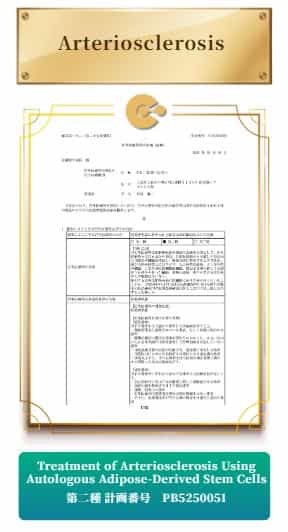
The Root Cause: Why Arteries Clog and Brains Die
To treat the problem, we must look beyond cholesterol numbers.
1. The Vessel Wall Damage
Imagine a garden hose. Over time, the inner lining cracks and becomes rough. In your body, this rough lining traps cholesterol, forming plaque.
The Risk: As the plaque grows, the vessel narrows. If the plaque ruptures, it forms a clot that blocks blood flow to the brain -> Stroke.
2. The Brain Damage (Sequelae)
When a stroke occurs, neurons die from lack of oxygen. The resulting disability—whether it's an inability to move your arm (hemiplegia) or speak (aphasia)—is caused by broken neural networks.
The Trap: Traditional rehabilitation assumes these dead zones are permanent. Regenerative medicine challenges this assumption.
The Solution: "Vascular & Neural" Regeneration
We utilize a systemic approach using Mesenchymal Stem Cells (MSCs). When administered, these cells act as "medicinal signaling agents" that target both the vascular system and the nervous system.
Mechanism 1: Repairing the "Pipes" (Atherosclerosis)
How do stem cells treat hardened arteries?
-
Endothelial Repair: Stem cells migrate to damaged areas of the blood vessel lining. They release VEGF (Vascular Endothelial Growth Factor) to repair the cracks, making the vessel wall smooth again. A smooth wall prevents new plaque from sticking.
-
Plaque Stabilization: Inflammation makes plaque unstable and likely to burst. Stem cells have a powerful anti-inflammatory effect, stabilizing existing plaque and reducing the risk of sudden rupture (1).
-
Angiogenesis: In areas where arteries are blocked, stem cells stimulate the growth of new collateral capillaries (natural bypasses), restoring blood flow.
Mechanism 2: Rewiring the Brain (Stroke Sequelae)
For patients already suffering from stroke after-effects:
-
Neurogenesis: Stem cells can secrete neurotrophic factors (BDNF, NGF) that protect surviving neurons and stimulate the growth of new neural connections.
-
Synaptic Plasticity: The therapy enhances the brain's ability to "rewire" itself, making rehabilitation significantly more effective.
Comparison: Stem Cell Therapy vs. Conventional Care
| Feature | Stem Cell Therapy | Medication (Statins) | Surgery (Stent/Bypass) |
|---|---|---|---|
| Primary Goal | Biological Repair | Symptom Management | Mechanical Opening |
| Mechanism | Repairs vessel lining | Lowers cholesterol | Forces artery open |
| Stroke Sequelae | Promotes recovery | No effect | No effect |
| Sustainability | Long-term improvement | Must take daily | Hardware may fail |
Table 1: Comparison of Treatment Modalities
Why Japan — and Why Cell Grand Clinic?
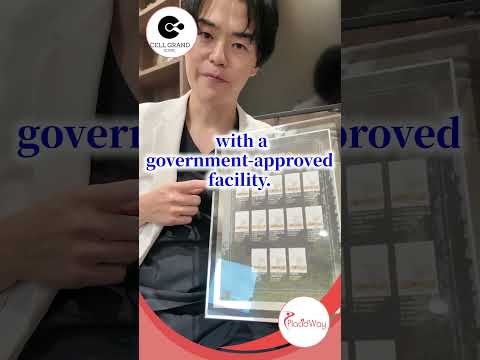
Japan is the only major country with a dedicated law governing regenerative medicine. Under the Act on the Safety of Regenerative Medicine (2014), every stem cell treatment must be government-approved, processed in licensed pharmaceutical-grade facilities, and reported to a national safety database. This isn't optional — it's the law.
Many popular stem cell tourism destinations have no such framework. The lower price you see elsewhere often reflects the absence of these safeguards — not better value.
The Clinic: Where World-Class Science Meets Patient Care
Your stem cells are cultured at a government-certified Cell Processing Center (FA5250001) linked to Professor Takahiro Ochiya of Tokyo Medical University — a Web of Science Top 0.1% Highly Cited Researcher for 6 consecutive years, with 800+ publications and 57,000+ citations. His cutting-edge exosome research directly informs the cultivation protocols used on your cells.
Our cell quality standard — "Fresh, Pure, Young":
Result: Up to 200 million verified, high-potency stem cells per treatment.
Meet the Experts
Your Doctor: A Physician-Scientist, Not a Salesperson
Dr. Yuichi Wakabayashi, M.D., Ph.D. brings credentials that bridge East and West:
-
NIH Research Fellow with 3+ years of U.S. clinical experience
-
First author on a Pfizer-collaborated world-first PET tracer study (Journal of Nuclear Medicine, 2022)
-
ABRM Diplomate (American Board of Regenerative Medicine)
-
Featured in The Wall Street Journal as a "Next Era Leader"
-
Fluent in English — direct communication, no interpreters needed
The clinic holds 10 Type II Government Licenses — the highest outpatient classification — issued by Japan's Ministry of Health.
Treatment Process: The "Double-Boost" Protocol
We have optimized our flow to provide immediate vascular protection while preparing for long-term regeneration.
Note: Repeat treatments may be recommended depending on severity.
Candidate Assessment: Is this for me?
A) For Prevention (Atherosclerosis)
-
You have high blood pressure, high cholesterol, or diabetes.
-
You have a family history of stroke or heart attack.
-
You want to "rejuvenate" your vascular age.
B) For Recovery (Stroke Sequelae)
-
You are suffering from paralysis, numbness, or speech difficulties after a stroke.
-
You feel your rehabilitation has reached a "plateau."
-
Note: Improvements are possible even in the chronic phase (years after the event), though earlier treatment is ideal.
Frequently Asked Questions (FAQ)
1. Can this clean out the plaque completely?
We must be scientifically accurate: Stem cells are not "pipe cleaners" that scrub away calcified rock. However, they stabilize soft plaque (preventing rupture) and repair the endothelial wall to prevent new plaque from forming.
2. I had a stroke 5 years ago. Can I still recover?
Yes. While acute patients often see faster results, "chronic" does not mean "hopeless." Our neural stem cell therapy aims to awaken dormant neurons and build new bypass pathways (neuroplasticity).
3. Can I stop taking my statins or blood thinners?
Not immediately. Stem cell therapy improves biological function, but stopping medication is a decision to be made with your doctor based on improved blood test results over time.
4. Is the procedure safe for elderly patients?
Yes. Since we use autologous cells (your own), there is no rejection risk. The procedure places minimal stress on the body compared to surgery. We have successfully treated patients in their 80s.
5. How many stem cells are used in a single drip?
We provide up to 200 million high-potency, verified stem cells per treatment, ensuring a high therapeutic threshold for systemic repair.
6. What is the success rate of this treatment?
Success varies based on individual health factors, but the majority of our patients report improvements in vascular markers or significant functional gains in post-stroke recovery.
7. Is there any downtime after the IV administration?
No. The IV drip is a standard procedure and patients can typically return to their hotel or resume normal light activities immediately after leaving the clinic.
8. Are the cells tested for safety before administration?
Yes, every batch undergoes multi-marker testing to ensure purity and high viability (98%+) at our government-certified facility.
9. Why does the culture process take 7 weeks?
To reach the target of 200 million cells without compromising quality, we use a careful expansion protocol that maintains the "young" and potent state of the cells.
10. Can I combine this with my existing physical therapy?
Absolutely. We encourage continuing rehabilitation, as stem cell therapy creates a biological environment that makes physical and occupational therapy more effective.
Turn Back the Clock on Your Blood Vessels!
Your vascular health determines your lifespan. Whether you are preventing a future crisis or fighting to recover from one, Regenerative Medicine offers a new path.
Cleanse your vessels, repair your brain, and reclaim your future with Cell Grand Clinic.
References
-
Ichihashi M, Tanaka M, Iizuka T, Nagoe N, Sato Y, Takahashi H, et al. Therapeutic Effect of Intravenously Administered Autologous Adipocyte-Derived Stem Cells on Chronic Stage Stroke Patients. Int J Stem Cell Res Ther. 2020;7:070.
-
Xiao W, Shi J. Application of adipose-derived stem cells in ischemic heart disease: theory, potency, and advantage. Front Cardiovasc Med. 2024;11:1324447.
Ready to Defuse the Time Bomb?
Take the first step toward vascular and neural rejuvenation. Stem Cell Therapy for Stroke Recovery in Japan represents a frontier in medical science, combining Japan's rigorous safety standards with cutting-edge biotechnology. Whether you are seeking prevention or recovery, our team at Cell Grand Clinic is ready to guide you. Contact us via PlacidWay Medical Tourism to schedule your online consultation and learn more about how autologous stem cells can help you reclaim your health.
Contact Us for a Consultation
















Share this listing