
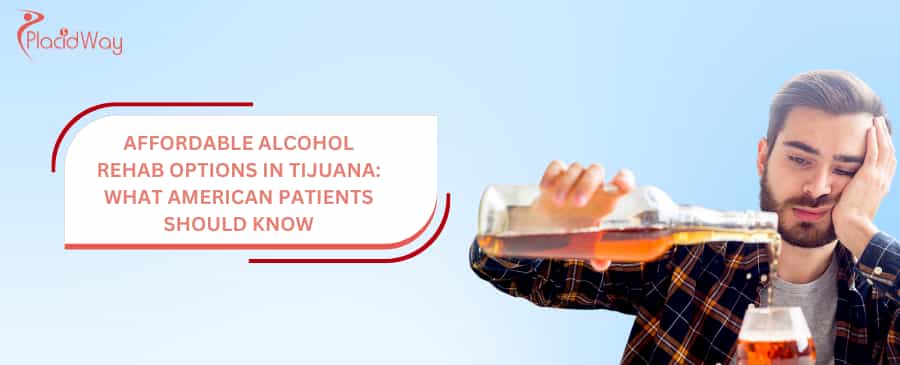
For many Americans struggling with substance abuse, the search for accessible, high-quality care can feel overwhelming, particularly when facing the high costs of domestic healthcare. Affordable alcohol rehab in Tijuana has emerged as a viable and practical alternative for individuals seeking professional addiction treatment without the staggering financial burden. Located just across the southern border, this destination offers an accessible route to recovery, combining modern therapeutic environments with experienced medical professionals. The proximity to major U.S. hubs like San Diego makes it a highly convenient option for those looking to begin their healing journey immediately.
Stepping outside one’s familiar environment is often considered highly beneficial for individuals battling addiction, as it removes them from localized triggers and negative social circles. Opting for cross-border care typically allows patients to focus entirely on their recovery in a private, supportive, and completely new setting. Furthermore, many of these international facilities prioritize a compassionate, culturally sensitive approach, ensuring that American patients feel understood and comfortable throughout their stay. By bridging the gap between quality and affordability, this pathway is reshaping how individuals approach long-term sobriety.
Choosing an international destination for rehabilitation can significantly enhance privacy. Many patients find that seeking treatment across borders helps them protect their professional reputations while focusing deeply on personal healing.
- Proximity: Just a short drive from Southern California, making travel logistics manageable.
- Privacy: International borders provide a natural barrier from local stressors and public scrutiny.
- Immediate Admission: Waitlists are generally shorter compared to overloaded U.S. domestic programs.
- Bilingual Care: A large majority of medical and therapeutic staff are fluent in both English and Spanish.
Why Medical Tourism in Tijuana is Growing for Addiction Treatment
The global healthcare landscape is shifting, and medical tourism in Tijuana is experiencing rapid growth, specifically within the behavioral health and addiction treatment sectors. This surge is largely driven by a combination of escalating healthcare costs in the United States and the simultaneous enhancement of medical infrastructure south of the border. International patients are increasingly recognizing that traveling for care no longer means compromising on quality or safety. Instead, it often grants access to multidisciplinary teams of specialized therapists, doctors, and nurses at a fraction of the expected price.
Furthermore, the Mexican healthcare sector has invested heavily in creating environments tailored specifically to the needs of foreign visitors. This includes adopting international healthcare protocols, fostering serene recovery environments, and integrating modern medical technologies. As word-of-mouth success stories multiply, the stigma once associated with medical travel is rapidly dissolving. Patients are generally finding that these border-city programs offer comprehensive, compassionate care that rivals, and sometimes exceeds, standard domestic options.
According to recent industry analyses, medical tourism to Mexico has been growing at an annual rate of nearly 15%, with behavioral health and substance abuse treatment making up a rapidly expanding segment of this demographic.
- Significant reduction in out-of-pocket healthcare expenses.
- Access to modern, specialized behavioral health facilities.
- Integration of international treatment standards and protocols.
- Growing networks of accredited professionals serving cross-border populations.
Evaluating Affordable Alcohol Rehab Facilities in Tijuana
Choosing the right clinical environment is a critical step in the journey toward sobriety. When researching alcohol rehab clinics in Tijuana, prospective patients must look beyond mere price tags and deeply evaluate the clinical credentials and specific treatment modalities offered. Reputable centers typically employ licensed psychiatrists, certified addiction counselors, and experienced nursing staff who work collaboratively to design individualized treatment plans. It is crucial to verify that the facility utilizes evidence-based therapies, such as Cognitive Behavioral Therapy (CBT), rather than relying solely on unproven holistic methods.
Transparency is another key factor when selecting a healthcare provider abroad. Quality facilities will gladly share their safety records, daily schedules, and the specific qualifications of their attending physicians. Patients should seek out clinics that conduct comprehensive pre-admission assessments to ensure that the medical team can safely handle the individual’s specific level of physical dependence. A thorough evaluation process generally indicates a facility's commitment to patient safety and long-term recovery success.
Always ask potential centers about their staff-to-patient ratio. A lower ratio typically ensures more personalized attention, better monitoring during medical detox, and more frequent one-on-one therapy sessions.
- Verify the licensing and credentials of the medical director and counseling staff.
- Inquire about the facility’s emergency protocols and proximity to full-service hospitals.
- Review the daily structured schedules to ensure a balance of therapy, medical care, and rest.
- Seek facilities that mandate comprehensive pre-admission medical screenings.
Alcohol Rehab Cost in Tijuana Compared to the United States
The financial aspect of addiction treatment is often the greatest barrier for individuals seeking help. The alcohol rehab cost in Tijuana typically represents a savings of 50% to 70% when compared directly to equivalent inpatient programs in the United States. In America, standard 30-day inpatient programs can easily exhaust personal savings, often costing tens of thousands of dollars even with partial insurance coverage. The competitive pricing across the border does not generally stem from inferior care, but rather from the significantly lower cost of living, reduced administrative overhead, and different malpractice insurance structures prevalent in Mexico.
It is important for patients to understand the breakdown of these costs to make informed decisions. Comprehensive packages abroad usually encompass medical detoxification, room and board, daily psychotherapy, psychiatric evaluations, and medication management. By eliminating the financial stress associated with recovery, patients are often better equipped to focus emotionally and mentally on their therapeutic journey. Below is an estimated cost comparison to illustrate typical market ranges.
| Treatment/Procedure Name | Average Cost in Tijuana (USD) | Estimated Cost in USA (USD) |
|---|---|---|
| Medical Detoxification (5-7 Days) | $1,500 - $3,000 | $3,000 - $8,000+ |
| Standard 30-Day Inpatient Rehab | $4,000 - $8,000 | $15,000 - $30,000+ |
| Intensive Outpatient Program (IOP) | $1,000 - $2,500/month | $3,000 - $10,000/month |
| Dual Diagnosis Program (30 Days) | $5,000 - $9,500 | $20,000 - $40,000+ |
Note: The prices listed above are estimated ranges based on current market data. Actual costs will vary depending on the facility, length of stay, and individual medical needs. Always request a personalized quote for accurate pricing.
Comprehensive Treatment Programs at Tijuana Addiction Centers
Achieving sustainable sobriety requires more than simply abstaining from alcohol; it demands a structured, multi-faceted approach to addressing the root causes of addiction. The comprehensive treatment programs found in alcohol rehab clinics in Tijuana typically utilize a biopsychosocial model, which treats the physical, psychological, and social dimensions of substance use disorders. Patients generally engage in a rigorous daily routine that includes individual psychoanalysis, group therapy sessions, educational workshops on addiction science, and skill-building activities aimed at relapse prevention.
Furthermore, these centers recognize that addiction affects everyone differently, necessitating highly personalized care plans. Upon arrival, individuals typically undergo a thorough assessment to determine the most effective therapeutic interventions for their unique circumstances. Cognitive Behavioral Therapy (CBT), Dialectical Behavior Therapy (DBT), and Motivational Interviewing (MI) are commonly integrated to help patients reframe negative thought patterns and develop healthier coping mechanisms. This immersive, full-time commitment to recovery is often the catalyst required for lasting life changes.
Testimonial Summary: Mark's Journey
After struggling with severe dependency for five years, Mark found standard outpatient care ineffective. He traveled to an inpatient facility in Mexico, where the intensive, structured daily therapy provided the breakthrough he needed. He credits the 30-day comprehensive program with helping him rebuild his coping skills.
Testimonial Summary: Sarah's Experience
Sarah was initially hesitant about seeking treatment abroad. However, the personalized attention and rigorous schedule at her chosen clinic helped her uncover the deep-seated emotional trauma driving her substance use. She found the integration of cognitive therapy to be life-changing.
The Medical Detoxification Process Across the Border
The initial phase of recovery is often the most physically demanding, making supervised medical detoxification an absolute necessity for severe alcohol use disorders. Undergoing detox unassisted can be dangerous and potentially life-threatening due to severe withdrawal symptoms like delirium tremens (DTs), seizures, and severe cardiac fluctuations. When seeking affordable alcohol rehab in Tijuana, patients typically begin their journey in specialized detox units staffed by physicians and nurses trained to manage complex withdrawal syndromes safely.
During this critical phase, medications are often administered to ease physical discomfort, stabilize the central nervous system, and reduce the risk of critical complications. The clinical team generally provides round-the-clock monitoring of vital signs, hydration levels, and psychological distress. Completing a medically supervised detox clears the physical dependence from the body, providing a safe and stable foundation for the patient to engage actively in the psychological aspects of the rehabilitation program.
Alcohol withdrawal can be fatal if not managed properly by medical professionals. Never attempt to "detox cold turkey" at home or during travel if you have a history of heavy, prolonged alcohol use. Always secure admission into a certified medical detox program prior to ceasing consumption.
- 24/7 medical supervision to monitor vital signs and neurological status.
- Administration of tapering medications (such as benzodiazepines) to prevent seizures.
- Intravenous fluids and nutritional support to correct severe dehydration and vitamin deficiencies.
- Continuous psychological support to manage anxiety and confusion during withdrawal.
Holistic and Alternative Therapies in Mexican Rehab Centers
Modern addiction treatment recognizes the profound connection between the mind, body, and spirit. Many centers participating in medical tourism in Tijuana actively supplement their clinical, evidence-based therapies with holistic and alternative healing practices. These therapies are generally designed to reduce physiological stress, improve emotional regulation, and provide patients with healthy, constructive outlets for their energy and emotions. By treating the whole person rather than just the symptoms of addiction, clinics aim to foster a deeper, more sustainable recovery process.
Holistic offerings typically vary by facility but frequently include mindfulness meditation, yoga, physical fitness training, acupuncture, and art therapy. Nutritional counseling also plays a critical role, as prolonged substance abuse severely depletes the body of essential nutrients. Rebuilding physical health through a balanced, restorative diet is often prioritized alongside mental health therapy. Many patients find that discovering a passion for these alternative practices provides them with valuable tools to manage stress long after they leave the facility.
Studies suggest that incorporating mindfulness and yoga into addiction treatment can significantly lower cortisol levels (the stress hormone), which in turn helps reduce the intensity of cravings during early recovery.
- Mindfulness & Meditation: Helps patients stay grounded and manage impulsive urges.
- Nutritional Rehabilitation: Focuses on restoring organ health and balancing brain chemistry through diet.
- Equine or Art Therapy: Provides non-verbal avenues for processing deep trauma and complex emotions.
- Fitness Programs: Encourages the natural production of endorphins to improve mood and sleep quality.
Dual Diagnosis Treatment for Substance Abuse in Mexico
It is incredibly common for alcohol use disorders to co-occur with mental health conditions such as severe anxiety, major depressive disorder, PTSD, or bipolar disorder. Addressing the addiction without treating the underlying psychiatric condition typically results in high relapse rates, as the patient continues to self-medicate their untreated mental distress. High-quality alcohol rehab clinics in Tijuana frequently offer specialized dual diagnosis programs designed to tackle both issues concurrently through an integrated medical approach.
In a dual diagnosis program, patients generally undergo comprehensive psychiatric evaluations upon admission. A multidisciplinary team of psychiatrists and addiction counselors collaborate to formulate a medication and therapy plan that addresses both conditions safely. This might involve prescribing non-addictive psychiatric medications alongside trauma-informed therapy. Patients are typically taught how their mental health symptoms trigger their desire to drink, empowering them with strategies to disrupt this destructive cycle effectively.
According to major mental health organizations, nearly half of all individuals experiencing a severe substance use disorder also suffer from a co-occurring mental illness.
- Simultaneous treatment of addiction and psychiatric disorders prevents fragmented care.
- Careful psychiatric medication management to ensure safety in recovering individuals.
- Utilization of trauma-informed therapies like EMDR (Eye Movement Desensitization and Reprocessing).
- Targeted psychoeducation to help patients understand the link between their mood and substance use.
Inpatient vs Outpatient Alcohol Rehab Clinics in Tijuana
When selecting a treatment path, patients must understand the fundamental differences between inpatient and outpatient care, as each serves distinct stages of the recovery journey. Inpatient (residential) rehab requires the individual to live at the facility full-time, typically for 30 to 90 days. This level of care generally provides a highly structured, controlled environment free from outside temptations, making it highly recommended for individuals with severe dependency, a history of relapse, or those requiring medical detoxification. The immersive nature of inpatient care maximizes therapeutic focus.
Conversely, outpatient programs allow patients to live off-campus—perhaps in a sober living home or a local hotel—while attending treatment sessions for several hours a day. While this option further reduces the alcohol rehab cost in Tijuana and offers greater flexibility, it requires a robust level of self-discipline. Outpatient care is generally best suited as a step-down transition after completing an inpatient program, or for individuals with mild use disorders who have a highly supportive and safe living environment.
Residential inpatient treatment typically yields higher initial success rates for severe addiction because it completely removes the individual from their environmental triggers and supply sources.
- Inpatient Care: 24/7 monitoring, intensive daily therapy, room and board included, ideal for severe dependency.
- Outpatient Care: Part-time treatment schedule, requires off-site housing, better for mild cases or transitional care.
- Intensive Outpatient (IOP): A middle-ground offering 10-20 hours of therapy per week.
- Partial Hospitalization (PHP): Day-long clinical care with patients returning to secure housing at night.
Safety and Quality Standards for International Patients
A primary concern for any individual seeking medical care abroad revolves around safety, hygiene, and the quality of clinical practices. Fortunately, top-tier centers facilitating medical tourism in Tijuana adhere to rigorous, internationally recognized safety standards. Many facilities actively seek accreditation from domestic and international health organizations, ensuring that their operational protocols match those found in U.S. hospitals. These standards cover everything from medication dispensing protocols to facility sanitation and emergency preparedness.
To further guarantee patient safety, established rehabs are typically located in secure, gated environments with 24-hour security personnel. This ensures that the recovery space remains a safe, trigger-free sanctuary. Additionally, prospective patients are advised to review the specific credentials of the medical staff. Ensuring that physicians hold valid medical licenses and that therapists are certified in addiction medicine generally provides peace of mind that the patient is receiving competent, professional care.
When evaluating a facility's safety, request information on their specific medical emergency protocols. A reputable clinic will have established partnerships with nearby acute-care hospitals to handle any unexpected medical complications swiftly.
- Look for facilities with clear, documented safety and health accreditations.
- Ensure the premises utilize secure, controlled access to protect patient privacy and safety.
- Verify the presence of fully equipped, on-site medical wings for the detox phase.
- Confirm that the nursing staff is available 24/7 to manage sudden medical or psychological needs.
Planning Your Medical Travel for Addiction Recovery
Organizing a trip for medical reasons requires careful logistical planning, particularly when dealing with the physical and emotional vulnerabilities of addiction. The first step typically involves securing a comprehensive medical consultation with the chosen facility to confirm candidacy and outline the specific treatment plan. Once admitted, patients must ensure their U.S. passports are valid, as this is required for re-entry into the United States. While a standard medical stay under 180 days rarely requires a specialized visa, having all personal identification securely organized is crucial.
Traveling while struggling with substance abuse can present unique challenges; therefore, coordination is vital. Many established facilities offer dedicated transport services, picking patients up directly from the San Diego International Airport or designated border crossings. This secure, point-to-point transportation generally minimizes travel anxiety and prevents the patient from accessing alcohol during transit. Proper planning significantly reduces pre-treatment stress, allowing the individual to enter the program with a calmer mindset.
More than 1 million Americans cross the border into Mexico annually for various medical treatments, demonstrating the established and streamlined nature of cross-border healthcare logistics.
- Obtain pre-travel medical clearance from your current healthcare provider if necessary.
- Ensure passport validity extends for at least six months beyond your planned return date.
- Coordinate facility-provided border transportation to ensure a safe, sober arrival.
- Pack comfortably, adhering strictly to the clinic’s list of prohibited and allowed items.
Post-Rehab Aftercare and Continuous Support Systems
Completing a residential program is a monumental achievement, but it marks the beginning of lifelong recovery rather than the end of the journey. To ensure the durability of treatment, high-quality centers offering affordable alcohol rehab in Tijuana generally place immense focus on comprehensive aftercare planning. Transitioning back into everyday life exposes individuals to old stressors and triggers, making a structured relapse prevention strategy vital. Clinical teams typically work with patients during their final weeks of treatment to develop a detailed, customized aftercare blueprint.
Modern aftercare has adapted beautifully to international medical travel. Many clinics now offer extensive virtual follow-up programs, allowing alumni to engage in telehealth counseling sessions and online support groups from their homes in the U.S. Furthermore, discharge planners frequently assist patients in connecting with local resources, such as intensive outpatient programs (IOPs), local therapists, and Alcoholics Anonymous (AA) or SMART Recovery meetings in their hometowns. Continuous engagement in these support systems typically correlates with significantly higher long-term success rates.
Patients who actively participate in a structured aftercare program for at least one year post-rehab are up to 50% more likely to maintain their sobriety long-term compared to those who do not.
Testimonial Summary: David's Recovery
David successfully completed a 60-day program but worried about returning to his stressful corporate job. The telehealth aftercare provided by his Mexican clinic allowed him to maintain weekly contact with his primary therapist, which he found instrumental in navigating early sobriety.
Testimonial Summary: Emily's Success
For Emily, the transition back home was daunting. However, the comprehensive discharge plan set up by her clinical team successfully connected her with a specialized local support group. This continuous network of accountability helped her celebrate her first year of sobriety.
How PlacidWay Assists Your Alcohol Rehab Medical Tourism Journey in Tijuana
Navigating the complexities of international healthcare can be a daunting process, particularly when dealing with the sensitive nature of addiction treatment. Securing the right clinical environment requires extensive research, vetted medical information, and direct communication with international healthcare providers. Utilizing a trusted medical tourism platform can significantly streamline this process, removing the administrative burden from the patient and their family.
By offering organized access to comprehensive facility details and verified healthcare networks, prospective patients can make confident, informed decisions regarding their care. Here is how engaging with a structured medical tourism platform provides value-based assistance for your recovery journey:
- Providing transparent access to verified clinic profiles and medical team credentials.
- Facilitating direct, confidential communication between patients and international rehabilitation centers.
- Offering detailed comparative information regarding various treatment programs and therapeutic approaches.
- Supplying comprehensive educational resources to help patients understand cross-border medical protocols.
- Assisting in the collection and transmission of preliminary medical questionnaires to respective clinics.
- Delivering prompt, structured responses to inquiries regarding specific therapies and facility amenities.
Frequently Asked Questions About Alcohol Rehab in Tijuana
Entering rehabilitation abroad is a significant decision that naturally brings up a multitude of questions regarding logistics, safety, and care protocols. Below are concise answers to some of the most common inquiries prospective patients have when considering treatment options across the border.
Understanding the fundamental aspects of international behavioral health care can help alleviate pre-travel anxiety and set realistic expectations for the therapeutic journey ahead.
Is it safe to travel to Tijuana for alcohol rehabilitation?
Yes, traveling for medical care is generally safe when patients choose certified and established facilities. Reputable clinics typically provide secure, monitored environments dedicated entirely to patient recovery. Medical tourists are advised to follow standard travel precautions and work with recognized health platforms.
Do treatment centers in Tijuana have English-speaking medical staff?
Most international rehabilitation facilities in this region employ bilingual medical professionals to accommodate American patients. This generally ensures clear communication during therapies, medical evaluations, and daily care routines. Effective communication is a cornerstone of recovery programs catering to cross-border travelers.
How long do alcohol rehab programs usually last in Mexico?
Treatment lengths typically range from 30 to 90 days, depending on the individual's specific medical and psychological needs. A standard inpatient program usually requires at least a 30-day commitment to allow for comprehensive detoxification and therapy. Extended stays are often recommended for severe dependency cases.
What documents do American citizens need to enter Mexico for medical treatment?
American citizens generally need a valid U.S. passport to cross the border and return home. While short medical stays usually do not require a special visa, patients staying longer than 180 days may need to apply for a temporary resident visa. It is advisable to consult border guidelines before planning your trip.
Will my U.S. health insurance cover treatment at a Mexican rehab facility?
Most domestic U.S. insurance plans do not cover healthcare services rendered outside the country, including addiction treatment. However, some specialized global policies or private plans may offer partial reimbursement for out-of-network international care. Patients should directly contact their insurance provider to clarify coverage details.
What happens during the medical detoxification process?
Medical detoxification involves closely monitored withdrawal from alcohol, utilizing specific medications to manage uncomfortable or dangerous symptoms. Medical staff generally monitor vital signs 24/7 to mitigate risks such as seizures or severe dehydration. This crucial first step typically lays a stable foundation for ongoing therapeutic work.
Can patients receive dual diagnosis treatment in Tijuana?
Yes, many advanced clinics specialize in dual diagnosis, meaning they treat both the substance use disorder and co-occurring mental health conditions simultaneously. This approach generally incorporates psychiatric evaluations alongside standard addiction therapies. Addressing underlying mental health issues is often essential for long-term recovery.
Are alternative therapies available alongside traditional rehab?
Many facilities integrate holistic approaches such as yoga, meditation, art therapy, and nutritional counseling into their traditional recovery models. These alternative therapies generally aim to heal the patient holistically, reducing stress and improving overall well-being. The combination of conventional and alternative methods often enhances the recovery experience.
How do clinics ensure patient privacy and confidentiality?
Established facilities strictly adhere to privacy protocols similar to international standards, protecting patient identities and medical records. Staff are typically trained to maintain discretion, and many clinics are secluded to prevent outside interference. This level of confidentiality is a major reason why many seek treatment abroad.
What type of aftercare is provided once the program is completed?
Reputable centers typically provide structured discharge plans, which may include virtual counseling sessions, local support group referrals, and relapse prevention strategies. Continuous support is often facilitated through telehealth follow-ups for international patients. A robust aftercare plan generally plays a critical role in maintaining long-term sobriety.
Ready to explore your options for affordable alcohol rehab in Tijuana? PlacidWay can connect you with accredited international facilities. Request more information to start your recovery journey today.
References
- National Institute on Drug Abuse (NIDA). Treatment Approaches for Drug Addiction. https://nida.nih.gov/publications/drugfacts/treatment-approaches-drug-addiction
- Centers for Disease Control and Prevention (CDC). Medical Tourism: Travel for Medical Care. https://wwwnc.cdc.gov/travel/page/medical-tourism
- World Health Organization (WHO). Alcohol. https://www.who.int/news-room/fact-sheets/detail/alcohol
- American Psychiatric Association (APA). What is a Substance Use Disorder? https://www.psychiatry.org/patients-families/addiction-substance-use-disorders/what-is-a-substance-use-disorder







.png)
.png)
.png)



.jpg)
.jpg)
.jpg)
.jpg)









Share this listing