



The global healthcare landscape is currently witnessing a significant shift as the opioid epidemic continues to devastate communities across North America and Europe. Families and individuals impacted by substance abuse are increasingly looking beyond their borders to find effective, accessible care. This rising demand has firmly positioned opioid rehab in Mexico as a highly sought-after solution for those requiring immediate and discreet medical intervention. Patients are discovering that international medical tourism provides viable pathways to recovery when domestic options fall short.
As the crisis deepens, the pressure on domestic healthcare systems has resulted in prolonged waitlists and skyrocketing treatment costs, leaving many vulnerable patients without the timely care they desperately need. Consequently, medical tourism in Mexico has expanded its focus to include comprehensive addiction recovery services. The country’s proximity to the United States, combined with a growing infrastructure of accredited healthcare facilities, allows international patients to access critical rehabilitative care without the prohibitive financial burden often experienced at home.
According to recent public health data, millions of individuals in North America suffer from opioid use disorder, yet less than 20% receive adequate, timely addiction treatment due to systemic barriers and high out-of-pocket costs.
- Immediate admission availability, bypassing lengthy domestic waitlists.
- Highly secluded, private environments that promote focused healing.
- Access to multidisciplinary medical teams specializing in addiction medicine.
- Substantial reduction in out-of-pocket expenses for long-term residential care.
How the Opioid Crisis Drives Patients to Seek Addiction Treatment Abroad
The severity of the opioid crisis has exposed significant gaps in domestic addiction treatment infrastructure, particularly regarding the availability of long-term inpatient care. Many patients find that their insurance coverage only supports short-term detox programs, which generally do not provide the sustained psychological therapy necessary to prevent relapse. Driven by the urgent need to save lives, families are increasingly researching affordable drug rehab in Mexico to secure comprehensive, continuous care. The motivation to travel is deeply rooted in the necessity for immersive treatment that addresses both physical dependency and psychological triggers.
Furthermore, the stigma surrounding opioid addiction often compels individuals to seek treatment far from their professional and social circles. Choosing to undergo addiction treatment abroad affords patients a high level of confidentiality and a complete break from their daily environmental stressors. By stepping into a new cultural and geographic setting, individuals are often better equipped to focus entirely on their recovery without the immediate presence of familiar triggers or societal judgment.
Many international patients choose medical travel not just for the cost savings, but to completely disconnect from negative social networks and geographical triggers that contribute to substance abuse cycles.
- Lack of comprehensive insurance coverage for 60-to-90-day domestic programs.
- Desire for absolute anonymity and privacy during the recovery process.
- Need to escape geographic proximity to substance availability.
- Search for more personalized, low patient-to-staff ratio treatment models.
Comprehensive Medical Detox and Opioid Addiction Therapies in Mexico
The foundation of any successful recovery journey begins with safely managing the physical withdrawal from opioids, a process that requires strict medical supervision. High-quality opioid rehab clinics in Mexico prioritize medically assisted detoxification, utilizing contemporary medical protocols to minimize severe withdrawal symptoms. Board-certified physicians and specialized nursing staff typically monitor patients continuously, ensuring that vital signs remain stable and the transition out of physical dependency is as comfortable as possible. This phase is critical, as unmanaged withdrawal is a primary cause of early relapse.
Following detox, the focus shifts toward intensive behavioral therapies designed to unearth the root causes of addiction. Facilities generally employ evidence-based psychological modalities alongside medication-assisted treatment (MAT) when clinically appropriate. International patients can expect comprehensive care plans that integrate individual counseling, group therapy, and trauma-informed care, ensuring a well-rounded approach to mental health and substance abuse treatment.
Opioid withdrawal can pose severe, sometimes life-threatening medical complications. Patients should never attempt to detox independently. It is critical to ensure that the chosen international facility has a fully equipped medical unit and 24/7 physician oversight.
- 24/7 medically supervised detoxification to ensure patient safety.
- Cognitive Behavioral Therapy (CBT) and Dialectical Behavior Therapy (DBT).
- Dual diagnosis treatment for co-occurring mental health disorders.
- Trauma-informed counseling to address underlying emotional distress.
Opioid Rehab Cost in Mexico Versus the United States and Canada
One of the most compelling reasons for the surge in medical travel for addiction recovery is the stark contrast in treatment expenses. The opioid rehab cost in Mexico is typically a fraction of the price charged by comparable private facilities in the United States and Canada. This profound cost discrepancy is largely due to lower administrative expenses, reduced medical liability insurance costs, and differences in the cost of living, rather than any compromise in the quality of medical care. International patients can frequently access luxury-level amenities and highly personalized care for less than the cost of a basic domestic program.
When evaluating affordable opioid rehab in Mexico, it is crucial to understand exactly what is included in the quoted price. Most international treatment packages offer an all-inclusive model covering medical detox, daily therapeutic sessions, room and board, and specialized holistic treatments. This transparent pricing structure allows families to plan their finances without the fear of hidden fees or unexpected medical billing commonly associated with complex healthcare systems.
Always request an itemized breakdown of treatment costs before committing. Ensure that medically assisted detox, psychiatric evaluations, and aftercare planning are explicitly included in your chosen residential package.
| Treatment Phase / Procedure | Average Cost in Mexico (USD) | Estimated Cost in US/Canada (USD) |
|---|---|---|
| Medical Detox (Inpatient, 5-10 Days) | $3,000 - $5,000 | $7,000 - $12,000+ |
| 30-Day Residential Rehab Program | $6,000 - $15,000 | $15,000 - $40,000+ |
| 90-Day Comprehensive Rehab | $15,000 - $35,000 | $40,000 - $90,000+ |
| Intensive Outpatient Program (Monthly) | $2,000 - $4,000 | $5,000 - $10,000+ |
Exploring Holistic and Evidence-Based Drug Rehab Programs in Mexico
Modern addiction treatment requires more than just clinical intervention; it necessitates a whole-person approach that repairs physical health, emotional well-being, and spiritual balance. Many drug rehab centers in Mexico excel in blending conventional, evidence-based psychotherapy with holistic wellness practices. This integrative model is designed to help patients rebuild their physical strength while simultaneously developing healthy coping mechanisms to manage anxiety, depression, and drug cravings. By addressing the multifaceted nature of opioid dependence, patients are generally better prepared for long-term sobriety.
In addition to standard behavioral therapies, international medical tourists often benefit from complementary treatments that may be cost-prohibitive in their home countries. Programs routinely incorporate mindfulness meditation, nutritional therapy, equine-assisted therapy, and fitness regimens into the daily schedule. This comprehensive focus on holistic recovery in Mexico ensures that individuals are healing dynamically, transforming their lifestyle habits to support a sustainable, substance-free future.
Nutritional therapy is highly emphasized in holistic rehabs because chronic opioid abuse severely depletes the body of essential vitamins and negatively impacts the digestive system and brain chemistry.
- Integration of yoga and meditation for stress and craving management.
- Customized nutritional plans to restore organ health and energy levels.
- Art and music therapy to facilitate emotional expression.
- Physical fitness programs to rebuild strength and stimulate natural endorphins.
Top Medical Tourism Hubs for Addiction Recovery in Mexico
When selecting a destination for treatment, location plays a pivotal role in safety, accessibility, and overall therapeutic ambiance. Certain regions have established themselves as premier hubs for medical tourism in Mexico, characterized by stringent healthcare standards, English-speaking staff, and excellent international connectivity. Destinations such as Baja California, particularly areas near the US border, and the serene coastal regions of the Riviera Maya are highly favored by international patients. These areas boast specialized infrastructures tailored explicitly to the needs of foreign medical travelers.
Choosing a reputable medical tourism destination ensures that patients are treated in secure, heavily monitored, and often luxurious environments. These specialized hubs understand the nuances of international patient care, from offering seamless airport transfers to providing dedicated international patient coordinators. The tranquil settings, whether overlooking the ocean or nestled in peaceful mountains, significantly contribute to reducing anxiety and promoting a calm, restorative mindset.
Facilities in regions like Baja California offer the advantage of proximity for North American patients, allowing for easier travel logistics, while Riviera Maya provides deeply secluded, resort-like environments ideal for highly private, extended recoveries.
- Baja California (Tijuana/Ensenada): Proximity to the US border and top-tier medical facilities.
- Riviera Maya (Cancun/Tulum): Secluded, resort-style environments for holistic healing.
- Puerto Vallarta: Known for specialized luxury addiction care and expatriate-friendly services.
- Monterrey: Recognized for advanced, hospital-based medical interventions and dual diagnosis care.
What to Expect During Residential Opioid Rehab in Mexico
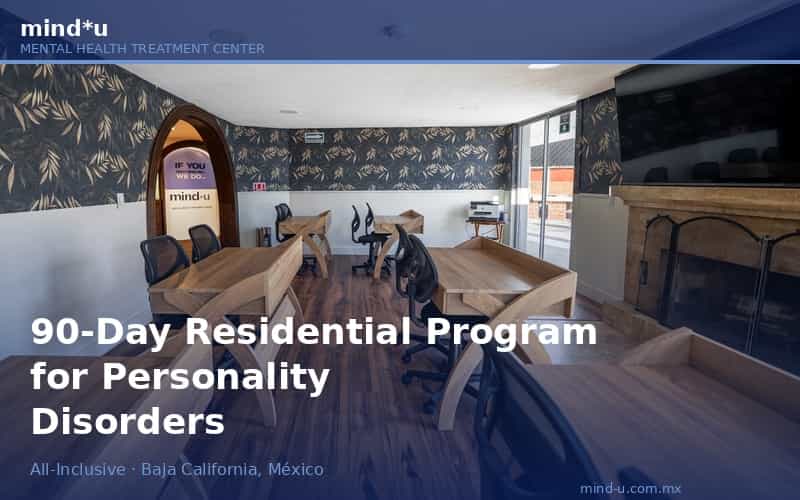
Transitioning into a residential treatment program can be intimidating, but understanding the highly structured nature of the daily routine can help alleviate anxiety. Upon arrival at a residential rehab in Mexico, patients typically undergo an exhaustive medical and psychological evaluation to formulate a customized recovery roadmap. The environment is purposefully designed to minimize external distractions and eliminate stressors, allowing the patient to focus entirely on their clinical and holistic therapies. A structured routine is vital in early recovery to help individuals establish healthy habits and predictability.
A typical day in an international substance abuse treatment center is rigorous yet restorative. Patients generally engage in a mix of morning wellness activities, multiple intensive therapy sessions throughout the day, and dedicated times for reflection and recreation. The immersive nature of residential care ensures that individuals are continuously supported by medical staff and peers, creating a strong community foundation that fosters accountability and emotional healing.
- Comprehensive intake assessment and personalized treatment planning.
- Highly structured daily schedules integrating clinical therapy and wellness.
- Nutritionally balanced meals prepared by onsite chefs and dietitians.
- Scheduled peer support group meetings and evening reflective activities.
Ensuring Safety and Quality at Medical Tourism Rehab Centers in Mexico
For international patients, prioritizing safety and clinical excellence is paramount when choosing a healthcare facility abroad. Reputable opioid rehab clinics in Mexico adhere to rigorous international medical standards and are often accredited by recognized bodies such as the Joint Commission International (JCI) or the Mexican General Health Council (CSG). These accreditations signify that the facility undergoes regular inspections and maintains strict protocols regarding patient safety, medication management, and clinical care quality. Patients must thoroughly verify these credentials to ensure they receive a high standard of medical intervention.
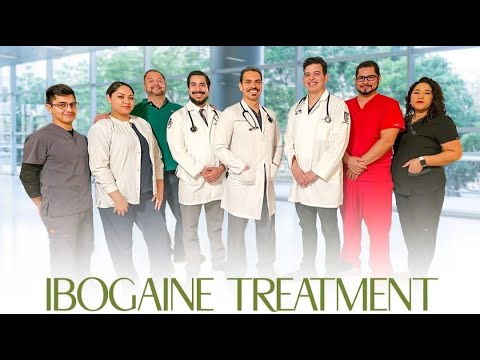
In addition to institutional accreditations, it is crucial to evaluate the qualifications of the medical and therapeutic staff. High-quality centers dedicated to addiction treatment abroad employ multidisciplinary teams consisting of board-certified psychiatrists, licensed clinical psychologists, and certified addiction specialists. A transparent facility will readily provide information regarding their staff’s credentials, the ratio of patients to medical professionals, and their specific protocols for handling medical emergencies during detoxification.
Prior to enrollment, conduct a virtual tour or consultation with the clinic's medical director. Ask specific questions about their emergency response capabilities, medical staff availability during night shifts, and international licensing.
- Verify international accreditations such as JCI or local CSG certification.
- Ensure the presence of an onsite, fully equipped medical clinic for emergencies.
- Confirm that therapists and medical doctors hold valid, verifiable licenses.
- Look for facilities offering comprehensive security and gated privacy.
Examining Alternative Therapies for Opioid Addiction in Mexico
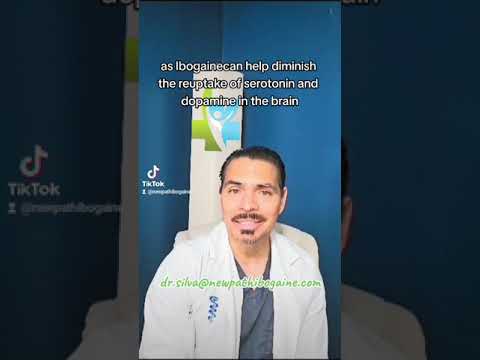
In their search for effective recovery, some patients explore alternative, innovative therapies that are heavily regulated or unavailable in their home countries. Medical tourism in Mexico has garnered attention for providing access to unconventional therapeutic approaches administered under clinical supervision. While traditional medication-assisted treatments (MAT) like buprenorphine remain the gold standard globally, some specialized clinics in Mexico incorporate alternative plant-based therapies aimed at mitigating severe withdrawal symptoms and disrupting chemical dependencies. These approaches are often sought by individuals who have experienced repeated relapses with conventional domestic programs.
It is vital to approach alternative addiction therapies with extreme caution and comprehensive medical oversight. Reputable providers of alternative opioid rehab in Mexico typically integrate these distinct therapies strictly within a broader framework of psychiatric care, ongoing medical monitoring, and robust psychological support. Prospective patients must consult extensively with qualified healthcare professionals to weigh the medical risks, understand the lack of widespread clinical consensus, and ensure the chosen facility maintains the highest safety standards for acute medical care.
Clinical studies indicate that addiction recovery programs that combine pharmacological management with intensive psychological therapy generally yield higher long-term success rates than detox-only approaches.
- Availability of standard MAT protocols under strict physician supervision.
- Exploration of experimental and alternative therapies for chronic relapse cases.
- Integration of neurofeedback and specialized brain-mapping techniques.
- Strict necessity for continuous cardiac and psychological monitoring during alternative treatments.
Preparing for International Medical Travel for Substance Abuse Treatment
Embarking on international travel for addiction treatment requires careful logistical and psychological preparation. Patients and their families must first ensure that all necessary travel documents, including a valid passport, are secured well in advance. Coordinating medical travel to Mexico also involves communicating thoroughly with the selected treatment facility to arrange secure airport transfers directly to the clinic. Many top-tier rehab centers specialize in international patient logistics, offering door-to-door concierge services that minimize travel anxiety and ensure the patient arrives safely without facing triggers.
Mental preparation is equally critical when opting for international opioid rehab. Patients are generally advised to approach the journey with an open mind and a strong commitment to the rehabilitation process. Pre-admission counseling, often conducted via telehealth, can help establish expectations and prepare the individual for cultural differences and the structured nature of residential care. Clearing up personal and professional obligations before departure ensures the patient can focus entirely on their recovery without external distractions.
Gather all relevant medical records, secure an up-to-date passport, assign a trusted family member as an emergency contact, and clarify what specific personal items (clothing, electronics, literature) are permitted at the facility.
- Verify passport validity and current Mexican entry visa requirements.
- Compile complete medical history, including current medications, for the intake team.
- Arrange secure, medically assisted transport if the patient is currently unstable.
- Review and comply with the facility’s strict packing guidelines to ensure a safe environment.
Success Rates and Long-Term Aftercare for Opioid Rehab Patients
The true measure of any addiction treatment program lies not just in the initial detoxification, but in sustained, long-term sobriety. Achieving lasting success after opioid rehab in Mexico relies heavily on the quality and execution of a comprehensive aftercare plan. Without continued psychological support, the risk of relapse remains high when patients return to their familiar environments. Therefore, premier international facilities dedicate a significant portion of the treatment timeline to preparing the patient for life after discharge, focusing on relapse prevention strategies and emotional resilience.
Modern medical tourism facilities understand the geographic challenges of addiction treatment abroad and have adapted by offering robust remote aftercare services. Patients are typically provided with structured transition plans that include ongoing telehealth counseling sessions, connections to local support groups in their home country, and regular check-ins with their primary therapist. This continuous continuum of care is vital for navigating post-rehab triggers and maintaining the coping skills developed during residential treatment.
Research indicates that patients who actively participate in structured aftercare programs for at least 12 months post-rehab experience significantly lower relapse rates compared to those who do not engage in follow-up care.
- Development of a personalized, long-term relapse prevention plan before discharge.
- Scheduled telehealth therapy sessions with the original international clinical team.
- Coordination with local psychiatrists and outpatient programs in the patient's home city.
- Alumni support networks that foster ongoing peer accountability and encouragement.
Real Patient Experiences With Affordable Drug Rehab in Mexico
Reading about the journeys of those who have successfully navigated international medical travel provides invaluable comfort and insight to prospective patients. Real patient experiences often highlight the compassionate care, lack of judgment, and highly personalized attention received at drug rehab centers in Mexico. Individuals frequently report that stepping away from their native environments was the catalyst they needed to fully commit to the therapeutic process. These testimonials underscore the human element of addiction recovery abroad.
While every recovery journey is inherently unique, recurring themes in patient feedback include appreciation for the holistic therapies, the affordability of extended 90-day stays, and the profound impact of dedicated, empathetic medical professionals. By reviewing these summarized case experiences, individuals seeking affordable opioid rehab in Mexico can gain realistic perspectives on what to expect, helping them make informed and confident medical decisions.
Overcoming Domestic Waitlists
A patient from Canada, facing a six-month wait for provincial detox, traveled to Baja California. They reported immediate admission, a comfortable medically assisted detox, and successfully completed a 60-day dual diagnosis program at a fraction of private domestic costs.
The Value of Holistic Healing
An individual from the US struggling with chronic pain and opioid dependence highlighted their Mexican rehab experience. They praised the integration of yoga, acupuncture, and traditional CBT, stating the holistic approach rebuilt their physical strength alongside their mental health.
Privacy and Professionalism
A business professional seeking strict confidentiality utilized a luxury facility in the Riviera Maya. The patient emphasized the highly discreet environment, low patient-to-staff ratio, and the executive-level amenities that allowed them to heal without career repercussions.
Lifesaving Aftercare Support
A family shared their experience sending their loved one for a 90-day residential stay. They credited the facility's robust telehealth aftercare program and continuous family therapy sessions for maintaining their loved one's sobriety long after returning home.
How PlacidWay Assists Your Opioid Rehab Medical Tourism Journey in Mexico
Navigating the complex landscape of international healthcare can be overwhelming, especially when facing the immediate stress of addiction. PlacidWay serves as an authoritative and compassionate partner, guiding patients and their families through the intricacies of global medical travel. By focusing strictly on identifying reputable, high-quality medical providers, PlacidWay ensures that individuals seeking opioid rehab in Mexico are connected with facilities that meet rigorous standards of clinical excellence.
The goal is to empower patients with transparent information, enabling confident, well-informed healthcare decisions. PlacidWay simplifies the discovery phase of medical tourism in Mexico, ensuring patients understand their clinical options, facility credentials, and treatment methodologies before taking the critical step toward international recovery.
- Providing access to an extensively vetted network of internationally accredited addiction treatment centers.
- Facilitating direct communication and virtual consultations with board-certified addiction specialists abroad.
- Offering detailed, transparent comparisons of comprehensive treatment programs and medical methodologies.
- Assisting families in obtaining comprehensive medical estimates and clarifying the scope of clinical care provided.
- Empowering patients with objective data, patient reviews, and clinical credential verifications.
Frequently Asked Questions About International Rehab Travel to Mexico
When considering medical travel for substance abuse, prospective patients and their families naturally have numerous questions regarding safety, logistics, and care quality. Addressing these concerns clearly is essential for reducing anxiety and ensuring informed decision-making. The following frequently asked questions provide expert insights into the realities of pursuing addiction treatment abroad.
From understanding medical detoxification to clarifying international travel requirements, these answers are designed to cover the most critical aspects of opioid rehab in Mexico. Reviewing these details helps patients prepare comprehensively for a secure and transformative recovery journey.
Is it safe to travel to Mexico for opioid rehab?
Traveling to Mexico for opioid rehab is generally considered safe when utilizing accredited and internationally recognized medical facilities. Established medical tourism hubs cater specifically to international patients, offering secure transportation and heavily monitored recovery environments. Always ensure you are working with certified healthcare providers.
How much does opioid rehab cost in Mexico?
The cost of opioid rehab in Mexico typically ranges from $6,000 to $15,000 for a standard 30-day residential program. This represents a significant savings compared to the United States and Canada, where similar comprehensive treatments can easily exceed $30,000. Prices vary based on the level of luxury, required medical detox, and length of stay.
Will I receive a medically supervised detox in Mexico?
Yes, reputable addiction treatment centers in Mexico provide comprehensive, medically supervised detox programs. Board-certified medical professionals typically monitor patients around the clock to manage withdrawal symptoms safely. This initial phase is crucial for ensuring a comfortable and secure transition into therapeutic care.
Do rehab centers in Mexico have English-speaking staff?
Most high-quality international medical travel clinics in Mexico employ fully bilingual medical staff and therapists. They are accustomed to treating international patients from the United States, Canada, and Europe. This ensures clear communication regarding medical needs, therapeutic sessions, and daily care.
What type of therapies are used for opioid addiction in Mexico?
Facilities generally utilize a combination of evidence-based psychological treatments and holistic care. This typically includes Cognitive Behavioral Therapy (CBT), individual counseling, and group therapy, combined with wellness practices like yoga and nutritional support. The goal is to address both the physical and mental aspects of substance abuse.
Do I need a passport or special visa for medical rehab in Mexico?
International patients traveling from the United States or Canada will need a valid passport to enter Mexico. A standard tourist visa, usually granted upon arrival, is typically sufficient for stays up to 180 days, which covers most residential rehab programs. Always verify current entry requirements before planning your medical travel.
How do I ensure the quality of a rehab clinic in Mexico?
To ensure quality, patients should look for international accreditations, such as Joint Commission International (JCI), or certifications from the Mexican General Health Council. It is also beneficial to review the credentials of the medical staff and seek transparent treatment protocols. Reliable medical tourism platforms can help verify these quality markers.
What happens after I complete my residential rehab in Mexico?
Completing a residential program is followed by a structured aftercare plan designed to prevent relapse. Reputable centers typically coordinate ongoing telehealth counseling, connect patients with local support groups in their home country, and provide continuous remote support. Long-term recovery relies heavily on this transitional care phase.
Can my family visit me while I am in rehab in Mexico?
Family visitation policies vary depending on the specific center and the patient's stage of recovery. Generally, visitation is permitted and even encouraged during designated family therapy weeks, provided it supports the patient's healing process. It is advisable to clarify visitation rules with the facility prior to enrollment.
Is dual diagnosis treatment available in Mexico?
Yes, many advanced addiction treatment centers in Mexico specialize in dual diagnosis, addressing substance abuse alongside co-occurring mental health disorders like anxiety or depression. Psychiatrists and psychologists collaborate to create integrated treatment plans. This comprehensive approach typically yields better long-term outcomes for patients.
Ready to explore affordable and high-quality opioid rehab options in Mexico? Let PlacidWay guide you toward reputable, internationally accredited facilities for your recovery journey.
References
- Centers for Disease Control and Prevention (CDC). Opioid Overdose Epidemic. https://www.cdc.gov/overdose-prevention/about/understanding-the-opioid-overdose-epidemic.html#:~:text=CDC%20is%20committed%20to%20addressing,to%20those%20in%20their%20communities.&text=On%20average%2C%20217%20people%20died,an%20opioid%20overdose%20in%202023.
- National Institute on Drug Abuse (NIDA). Medications to Treat Opioid Use Disorder Research Report. https://nida.nih.gov/publications/research-reports/medications-to-treat-opioid-addiction/overview
- World Health Organization (WHO). Opioid Overdose Fact Sheet. https://www.who.int/news-room/fact-sheets/detail/opioid-overdose





.png)
.png)
.png)








Share this listing