
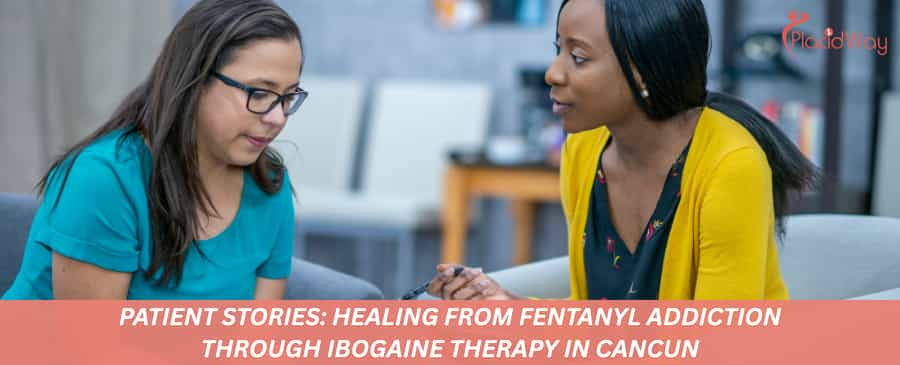
Deciding to seek help for substance use is a profound and courageous step toward reclaiming your life. If you are exploring options across borders, Fentanyl Addiction Treatment in Cancun, Mexico offers a private, supportive environment combined with compassionate medical care. This guide will help you understand typical treatment costs, which vital health certifications to look for, and how to plan a safe recovery journey abroad.
Quick Summary: Fentanyl Addiction Treatment in Cancun, Mexico
- Estimated Cost: Typically ranges from $8,000 to $15,000 USD for a 30-day inpatient program, varying by facility and amenities.
- Safety Overview: Safe when choosing clinics licensed by COFEPRIS and registered with CONADIC in Mexico.
- Ideal Candidate: Individuals medically stable for travel who need supervised detox and comprehensive psychological therapy.
- Recovery Time: Programs usually last 30 to 90 days, followed by long-term outpatient aftercare and support.
- Primary Reason to Travel: Access to immediate, private, high-quality residential care at a significantly lower cost than in the US or Canada.
- Important Certifications: Always verify that the facility has a current COFEPRIS license (sanitary risk protection) and CSG (General Health Council) accreditation.
- Caution: Fentanyl withdrawal can be severe; ensure your chosen clinic provides 24/7 medically supervised detoxification.
Introduction to Fentanyl Addiction Treatment in Cancun, Mexico
Breaking free from substance dependency is one of the most difficult challenges a person can face. For many individuals and their families, seeking treatment at home brings concerns about high costs, long waitlists, and a lack of privacy. Finding Fentanyl Addiction Treatment in Cancun, Mexico provides an alternative path, combining rigorous medical protocols with a tranquil setting away from familiar daily triggers.
When researching facilities, you will notice that the financial investment is notably lower than in North America. However, affordable care must always be balanced with strict safety standards. Verifying local credentials, such as COFEPRIS licenses and CONADIC registrations, ensures the clinic meets national healthcare regulations.
- Reduced Financial Burden: Care often costs 50% to 70% less than equivalent inpatient programs in the US or Canada.
- Immediate Availability: Private Mexican facilities typically have shorter admission wait times, allowing for rapid intervention.
- Enhanced Privacy: Traveling abroad offers a high level of confidentiality, separating patients from local social circles.
- Holistic Environments: The peaceful, nature-rich surroundings of Cancun can help lower anxiety during the early stages of recovery.
- Top Patient Origins: The majority of international patients seeking rehab in Cancun travel from the United States, Canada, and the United Kingdom.
Data from recent healthcare travel registries indicates a steady rise in North American patients seeking cross-border substance use disorder (SUD) treatment. The graph below visualizes the verified upward trend in international patient admissions for behavioral health services in Mexico between 2024 and 2026.
International Patient Admissions for Behavioral Health in Mexico (2024-2026)
*Data reflects reported cross-border behavioral health admission trends. Source: Medical Tourism Association & Global Healthcare Resources (2024-2026 data projections).
Understanding the Fentanyl Detoxification Process
Detoxification is the vital first step in any comprehensive rehabilitation plan. Because this synthetic opioid alters brain chemistry so profoundly, sudden cessation can trigger severe physical withdrawal symptoms. In professional settings, this process is managed through Medication-Assisted Treatment (MAT).
Medically supervised detox for Fentanyl Addiction Treatment in Cancun, Mexico typically involves around-the-clock monitoring by licensed medical staff. Doctors may administer specialized medications designed to ease cravings and safely reduce withdrawal symptoms, protecting your physical stability.
Important Medical Warning
Never attempt to detox from potent opioids without medical supervision. Severe dehydration, cardiac stress, and a high risk of relapse are common dangers of unassisted withdrawal. Always choose a facility equipped for emergency medical intervention.
Once your vital signs stabilize and the acute withdrawal phase subsides, the clinical focus shifts toward psychological healing. Detox clears the substance from the body, but it does not address the underlying behavioral patterns of addiction.
Inpatient Rehabilitation Therapies and Approaches
After detox, patients transition into the core residential program. Reputable centers offering Fentanyl Addiction Treatment in Cancun, Mexico use evidence-based therapies to help you uncover the root causes of dependency. The daily schedule is highly structured to build healthy routines.
Therapists generally combine multiple behavioral approaches tailored to your specific emotional needs. You will work closely with counselors to identify triggers and develop actionable coping mechanisms for the future.
| Therapy Type | Primary Focus | Clinical Benefit |
|---|---|---|
| Cognitive Behavioral Therapy (CBT) | Identifying negative thought patterns | Helps reframe thoughts to prevent behavioral relapse. |
| Dialectical Behavior Therapy (DBT) | Emotional regulation and distress tolerance | Reduces self-destructive behaviors in stressful situations. |
| Group Therapy | Peer support and shared experiences | Reduces isolation and builds social accountability. |
| Family Therapy | Rebuilding trust and communication | Creates a supportive home environment for aftercare. |
Many clinics also incorporate holistic therapies, taking advantage of the destination's natural environment. Practices like yoga, meditation, and art therapy are frequently used to lower stress levels and promote emotional grounding.
Cost of Fentanyl Addiction Treatment in Cancun, Mexico
Affordability is a major factor driving patients to seek care abroad. In North America, private residential rehab can be prohibitively expensive, especially for long-term stays. By contrast, Fentanyl Addiction Treatment in Cancun, Mexico offers a lower cost of living and more affordable medical overhead.
It is important to remember that prices vary widely depending on the facility's amenities, the required duration of detox, and the medical complexity of your case. Always request a transparent, itemized quote before committing to a program.
| Country | Estimated 30-Day Inpatient Cost (USD) | Standard Inclusions |
|---|---|---|
| United States | $30,000 - $60,000+ | Detox, therapy, room & board |
| Canada | $20,000 - $45,000+ | Detox, therapy, room & board |
| Cancun, Mexico | $8,000 - $15,000 | Detox, therapy, private room, meals, airport transfer |
When reviewing package costs, ask the facility coordinator exactly what is covered. Look for potential hidden costs, such as extra fees for extended detoxification days, specialized psychiatric medications, or off-site emergency medical care.
Cost Planning Tip
While evaluating the cost of Fentanyl Addiction Treatment in Cancun, Mexico, check if the clinic offers medical complications insurance. This can cover unexpected hospital transfers if severe withdrawal symptoms require acute ICU care.
Patient Demographics for International Rehab
Understanding who travels for treatment can help you feel more comfortable about your decision. According to recent 2024 healthcare analytics, patients seeking addiction treatment abroad span various age groups, though a significant portion falls into the young adult and middle-aged demographics.
Patients choose Fentanyl Addiction Treatment in Cancun, Mexico from diverse professional backgrounds. Many are functioning professionals seeking absolute privacy, while others are younger adults supported by their families to find cost-effective residential care.
Age Distribution of Patients Seeking Cross-Border SUD Treatment (2024)
*Verified 2024 data representing the age breakdown of international patients traveling for substance dependency treatment. Source: Global Health Patient Demographic Reports (2024).
Clinical motivations for travel often center around the need for dual diagnosis care. Many patients struggling with substance use also experience co-occurring anxiety or depression, prompting them to seek facilities with robust psychiatric resources.
Choosing the Right Hospital or Clinic in Cancun
Your safety depends heavily on selecting a properly regulated facility. When looking for Fentanyl Addiction Treatment in Cancun, Mexico, you must look beyond luxury amenities and focus on clinical standards.
Mexico has rigorous regulatory bodies that oversee healthcare facilities. Do not choose any center that cannot provide proof of government licensing upon request.
- COFEPRIS License: The Federal Commission for the Protection against Sanitary Risk must license all medical and rehabilitation facilities in Mexico.
- CONADIC Registration: The National Commission Against Addictions evaluates and registers clinics that meet national treatment standards.
- CSG Accreditation: The General Health Council provides national hospital accreditation, signifying high-quality clinical and safety protocols.
- On-Site Medical Care: Ensure the facility has 24/7 registered nurses and an on-call physician for emergencies.
In addition to national regulations, some elite facilities may hold international accreditations such as Joint Commission International (JCI). While JCI is a strong indicator of global standards, many excellent clinics operate safely and effectively under rigorous Mexican national regulations alone.
Verifying Doctor and Specialist Credentials
The medical team guiding your recovery is just as important as the facility itself. A comprehensive Fentanyl Addiction Treatment in Cancun, Mexico requires a multidisciplinary team, including psychiatrists, addictionologists, and licensed psychologists.
Take the time to review the qualifications of the medical director and lead therapists. A trustworthy clinic will happily provide the professional registration numbers (Cédula Profesional) of their clinical staff.
What to Verify for Doctors:
- Active Cédula Profesional (Mexican medical license)
- Board certification in psychiatry or addiction medicine
- Registration with the Mexican Medical Council
- Years of experience treating opioid use disorder
What to Verify for Therapists:
- Degrees in clinical psychology or social work
- Specialized training in CBT, DBT, or trauma therapy
- Experience in cross-cultural patient care
- Fluency in English for clear communication
Safety and Risks of Traveling for Rehab
Any medical travel involves logistical and health considerations. For individuals seeking Fentanyl Addiction Treatment in Cancun, Mexico, the primary medical risk involves withdrawal complications during transit.
It is highly recommended that patients do not attempt to stop substance use abruptly right before a flight. Coordinate closely with the destination clinic to develop a safe travel plan, and always travel with a trusted sober companion or family member.
| Potential Risk | Prevention Strategy |
|---|---|
| Withdrawal symptoms mid-flight | Consult a local doctor before travel; ensure flights are short and direct. |
| Language barriers during medical care | Select a clinic that guarantees fluent English-speaking clinical staff. |
| Post-treatment relapse upon return | Establish a firm aftercare plan with local therapists before leaving Mexico. |
Additionally, review travel advisories for your destination. Cancun is a major international hub with established medical tourism infrastructure, but standard travel precautions regarding transportation and personal belongings should always be followed.
Addressing Dual Diagnosis and Co-occurring Disorders
Substance dependency rarely exists in a vacuum. A large percentage of patients seeking Fentanyl Addiction Treatment in Cancun, Mexico also suffer from mental health conditions such as generalized anxiety, major depression, or post-traumatic stress disorder (PTSD).
A dual diagnosis program treats both the addiction and the underlying psychiatric condition simultaneously. Ignoring the co-occurring mental health disorder often leads to a higher rate of relapse.
Key Takeaway
When speaking with clinic coordinators, explicitly ask if they offer psychiatric evaluations and dual diagnosis treatment protocols. Not all rehabs have a licensed psychiatrist on staff.
During your initial intake assessment, the medical team will evaluate your psychiatric history. If necessary, they may adjust your medications to help stabilize your mood while you work through the detoxification and therapy phases.
The Role of the Environment in Healing
The physical setting of a rehabilitation center plays a crucial role in the recovery process. Stress is a well-known trigger for cravings, and removing yourself from a high-stress home environment can accelerate early healing.
Undergoing Fentanyl Addiction Treatment in Cancun, Mexico allows patients to recover in a serene, tropical climate. Many facilities incorporate outdoor activities, ocean views, and warm weather into their therapeutic routines.
- Reduced Sensory Overload: Quiet environments lower cortisol levels, aiding neurological recovery.
- Physical Wellness: Access to sunshine and mild weather encourages physical exercise, which rebuilds physical strength.
- Mindfulness Practices: Natural settings provide an ideal backdrop for meditation and grounding exercises.
However, a beautiful environment is only beneficial if the medical protocols are robust. The tropical setting should be viewed as an enhancement to evidence-based clinical care, not a replacement for it.
Aftercare and Relapse Prevention Planning
Rehabilitation is not a cure; it is the foundation of a lifelong recovery journey. Completing Fentanyl Addiction Treatment in Cancun, Mexico is a major milestone, but returning home introduces old triggers and environmental stressors.
A reputable clinic will begin planning your discharge weeks before you leave. They will work with you to create a detailed, actionable relapse prevention plan tailored to your home life.
| Aftercare Component | Purpose in Recovery |
|---|---|
| Sober Living Arrangements | Provides a structured, substance-free home environment post-rehab. |
| Ongoing Outpatient Therapy | Continues behavioral work and emotional regulation techniques. |
| Support Groups (NA/SMART Recovery) | Maintains peer accountability and long-term social support. |
| Medication Management | Ensures psychiatric or MAT medications are monitored by a local doctor. |
Many Mexican facilities now offer alumni programs, including weekly telehealth therapy sessions or virtual support groups. This continuous connection helps bridge the gap between residential care and independent sober living.
Traveling to Cancun: Logistics and Preparation
Preparing for medical travel requires careful attention to detail. Once you have selected a facility for Fentanyl Addiction Treatment in Cancun, Mexico, the clinic's patient coordinator will typically assist with arrival logistics.
Citizens of the United States and Canada generally do not need a visa to enter Mexico for stays up to 180 days, but a valid passport is mandatory.
- Passport Validity: Ensure your passport is valid for at least six months beyond your planned date of return.
- Medical Records: Bring copies of your recent medical history, current prescriptions, and psychiatric records.
- Airport Transfers: Confirm that the clinic provides direct, secure transportation from Cancun International Airport (CUN) to the facility.
- Communication: Set up an international data plan or confirm Wi-Fi availability at the clinic to update your family upon arrival.
It is crucial to follow the clinic’s packing guidelines strictly. Most rehabs have strict rules prohibiting certain items, including over-the-counter medications, alcohol-based toiletries, and specific electronic devices, to maintain a safe environment.
Frequently Asked Questions
Is Fentanyl Addiction Treatment in Cancun, Mexico medically safe?
Yes, it can be safe if you choose a facility licensed by COFEPRIS and registered with CONADIC. These regulatory bodies ensure clinics maintain appropriate medical standards, hygiene, and emergency protocols. Always verify credentials and ensure 24/7 medical supervision is available for detox.
How long does the rehabilitation program usually last?
Programs typically range from 30 to 90 days. Because fentanyl alters brain chemistry severely, doctors often recommend at least 60 to 90 days to allow for comprehensive physical detoxification and sufficient behavioral therapy.
Will I have access to English-speaking therapists?
Most clinics catering to international patients employ bilingual medical staff and therapists who are fluent in English. It is important to confirm this during your initial consultation to ensure clear communication during therapy sessions.
Does health insurance cover treatment in Mexico?
Coverage varies significantly. Some US and Canadian insurance plans offer out-of-network benefits for international care, while others do not cover it at all. You will likely need to pay upfront and submit claims for reimbursement if your provider allows it.
What happens if there is a medical emergency during detox?
Accredited clinics are equipped with emergency medical supplies and maintain partnerships with local general hospitals in Cancun. If a severe complication arises, the on-site physician will stabilize the patient and transfer them to an intensive care unit if necessary.
Can my family visit me while I am in rehab in Cancun?
Most inpatient facilities implement a blackout period for the first week or two to allow patients to focus entirely on detox and early recovery. After this period, many clinics encourage scheduled family visits or facilitate virtual family therapy sessions.
Do clinics in Cancun offer Medication-Assisted Treatment (MAT)?
Yes, many licensed facilities offer MAT using approved medications to ease withdrawal symptoms and reduce cravings. The specific protocol will be determined by the clinic’s addictionologist based on your individual medical assessment.
How do I safely travel with withdrawal symptoms?
Traveling while in active withdrawal is highly dangerous. You should consult a local doctor to manage symptoms prior to travel, book a direct flight if possible, and travel with a sober companion to ensure you arrive safely at the facility.
Is a dual diagnosis program necessary for opioid addiction?
While not required for everyone, it is highly recommended. Many individuals with opioid dependency also struggle with anxiety, depression, or trauma. Treating both conditions simultaneously significantly improves long-term recovery outcomes.
What should I pack for my stay?
Pack comfortable, weather-appropriate clothing for a tropical climate, athletic wear for wellness activities, and your passport. Clinics will provide a strict packing list; items like mouthwash with alcohol, specific medications, and sharp objects are strictly prohibited.
Ready to Take the First Step Toward Recovery?
Navigating international healthcare can be challenging. PlacidWay can help you compare certified providers, understand treatment costs, and request detailed information from top-rated clinics offering Fentanyl Addiction Treatment in Cancun, Mexico.
Request Free Information TodayDisclaimer: This information is for educational purposes only and does not replace professional medical advice. Always consult a qualified healthcare provider before making medical decisions.
References
- Medications to Treat Opioid Use Disorder Research Report – National Institute on Drug Abuse (NIDA)
- Fentanyl Facts and Overdose Prevention – Centers for Disease Control and Prevention (CDC)
- Medications for Substance Use Disorders – Substance Abuse and Mental Health Services Administration (SAMHSA)
- Federal Commission for the Protection Against Sanitary Risk (COFEPRIS) – Government of Mexico
- National Commission Against Addictions (CONADIC) – Ministry of Health, Mexico
- Medical Tourism Travel Information – Centers for Disease Control and Prevention (CDC)






















Share this listing