
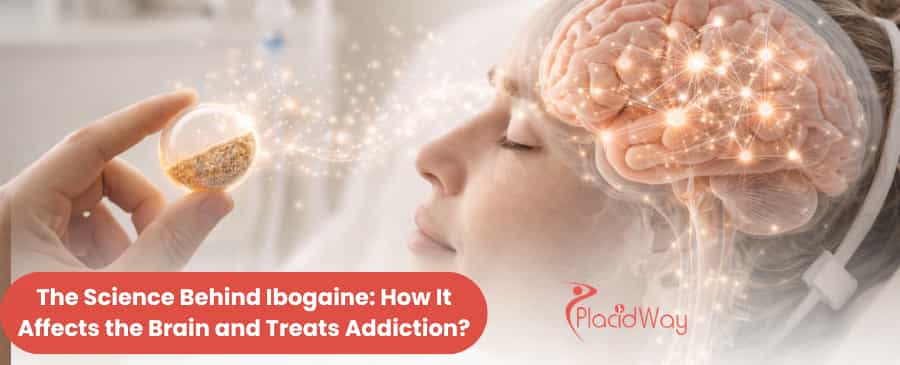
The global struggle against substance abuse has historically relied on a cycle of conventional rehabilitation, replacement therapies, and abstinence models. Yet, for many battling severe chemical dependencies—especially to opioids, alcohol, and stimulants—traditional methods yield frustratingly low long-term success rates. In recent years, a powerful plant-derived alkaloid has emerged at the forefront of alternative addiction medicine. Ibogaine therapy has transitioned from an underground psychedelic secret to a heavily researched, medically supervised procedure sought by thousands worldwide.
Because Ibogaine remains strictly regulated or classified as a Schedule I substance in nations like the United States, a robust medical tourism industry has developed around it. Patients seeking innovative addiction treatment abroad are now traveling to top-tier, clinically supervised facilities in Mexico to experience this neurological reset. But what exactly is the science behind this compound, and how does it successfully rewire an addicted brain?
Key Takeaways:
- Massive Cost Savings & Value: Medical tourists save significantly while receiving luxury, VIP medical care. Packages in Mexico are highly comprehensive compared to traditional US rehabs.
- Comprehensive Packages: Typical packages include pre-treatment medical screening (EKG, blood work), the Ibogaine procedure, continuous cardiac monitoring, psychological integration therapy, and resort-style accommodation.
- High Success for Opiates: Ibogaine is scientifically proven to drastically reduce or eliminate opioid withdrawal symptoms within hours.
- Top Mexican Medical Hubs: Cities like Cancun, Tijuana, and Playas de Rosarito host state-of-the-art, internationally accredited clinics specializing in this treatment.
- Average Treatment Costs in Mexico: Complete medically supervised Ibogaine detox packages range from $5,000 to $9,000.
What is Ibogaine and How Does it Work?
Ibogaine is a naturally occurring psychoactive alkaloid that uniquely interrupts the cycle of addiction by targeting multiple neurotransmitter systems simultaneously. It essentially acts as a chemical reset button for the brain, alleviating withdrawal symptoms and significantly reducing cravings.
Derived from the root bark of the Tabernanthe iboga plant, native to Central West Africa, Ibogaine has been used for centuries in traditional Bwiti spiritual ceremonies. However, its application in modern addiction medicine is grounded in complex pharmacokinetics. Unlike substitution therapies such as Methadone or Suboxone, which replace one opioid with another, Ibogaine addresses addiction at its neurological root.
When ingested, the body metabolizes the alkaloid in the liver, converting it into its potent, longer-lasting metabolite: Noribogaine. This process interacts with the central nervous system, creating an oneirophrenic (dream-generating) state. During this psychotropic phase, patients often review past traumas, confronting the psychological underpinnings of their substance abuse from a detached, objective perspective. Simultaneously, the compound begins its profound physiological work on the brain's neuroreceptors.
Noribogaine, the active metabolite created when the liver processes Ibogaine, is highly lipophilic (fat-soluble). It stores itself in the body's fat tissues and is slowly released over weeks or even months. This extended release acts as a built-in, natural anti-depressant that continually fends off drug cravings long after the patient has returned home from their treatment clinic in Cancun or Tijuana.
How Ibogaine Rewires the Addicted Brain?
The therapeutic power of Ibogaine lies in its ability to bind to multiple receptor sites and stimulate the production of brain-healing proteins. It restores pre-addiction brain chemistry by repairing damaged neural pathways through enhanced neuroplasticity.
Prolonged substance abuse fundamentally alters the brain's structure. Drugs like heroin, cocaine, and alcohol hijack the brain's reward center, desensitizing receptors and demanding ever-increasing amounts of the substance just to feel "normal." Ibogaine therapy combats this through a multi-faceted neurological assault on the mechanics of addiction.
Resetting Dopamine and Serotonin Receptors
Ibogaine has a unique affinity for a wide array of neuroreceptors. It gently interacts with the serotonin (5-HT) receptors, which are crucial for mood regulation and emotional stability. By stabilizing these pathways, it instantly alleviates the severe depression and anxiety commonly associated with acute withdrawal. Furthermore, it modulates the dopamine pathway—the primary driver of the addiction reward loop—returning dopamine production and sensitivity back to a baseline, pre-addicted state. It also binds to NMDA receptors and Sigma receptors, blocking the signals that trigger intense physical cravings.
The Role of GDNF in Brain Healing
Perhaps the most groundbreaking discovery in the science behind Ibogaine is its relationship with Glial cell line-derived neurotrophic factor (GDNF). GDNF is a highly specialized protein that promotes the survival and regeneration of neurons. Studies have shown that a single dose of Ibogaine vastly increases the expression of GDNF in the brain. This sudden surge of neurotrophic factors induces a state of hyper-neuroplasticity, allowing the brain to physically repair the neural circuitry that was damaged by years of chronic drug toxicity.
"The expression of GDNF triggered by Ibogaine is what makes it a true disruptor in addiction medicine. We are not just masking symptoms; we are witnessing actual neurological regeneration. In our top-rated, ISO-certified facilities in Mexico, we see patients arrive with severely compromised dopamine systems, only to leave days later with restored neurochemistry that would take years to achieve through traditional abstinence alone."
Why Patients Travel Abroad For Ibogaine Treatment in Mexico?
Due to regulatory restrictions in many Western nations, patients are seeking out world-class, medically supervised Ibogaine clinics abroad. Mexico offers a blend of legal access, specialized medical expertise, and serene healing environments.
The prohibition of Ibogaine in the US and parts of Europe has fueled a massive surge in medical tourism just across the border. Patients are no longer looking for shady, underground treatments; they are demanding clinical excellence. Ibogaine treatment in Mexico (specifically in medical hubs like Baja California, Tijuana, Rosarito, and Cancun) has evolved into a highly professional healthcare sector. These clinics often operate out of private hospitals or luxury ocean-front retreats equipped with ICU-level monitoring technology.
International patients choose Mexico because it provides access to highly trained medical teams—often ACLS (Advanced Cardiovascular Life Support) certified—at a fraction of what traditional luxury rehab costs in the US. By traveling to Mexico, individuals receive an advanced neuro-restorative treatment that actually works at a biological level, complete with holistic aftercare like yoga, meditation, and intensive psychotherapy, all set against beautiful coastal backdrops.
What to Expect During Ibogaine Detox?
A safe and successful Ibogaine journey is highly structured, involving rigorous pre-screening, a medically monitored acute psychedelic phase, and crucial post-treatment psychological integration.
Traveling to Mexico for an alternative addiction therapy requires understanding the clinical protocols involved. The best JCI-accredited or locally certified centers follow a strict, phased approach to ensure maximum safety and efficacy.
Pre-Treatment Medical Screening and Psychological Prep
Because Ibogaine can lower the heart rate and affect the QT interval, comprehensive medical screening is non-negotiable. Upon arrival at the clinic, patients undergo extensive blood panels, liver function tests, and an Electrocardiogram (EKG). Medical teams must ensure the body is strong enough to process the alkaloid. Simultaneously, patients work with psychotherapists to set intentions and prepare for the intense psychological journey ahead.
The Administration and Acute Phase (The "Trip")
The treatment is administered under the constant supervision of a medical doctor and registered nurses. Connected to a cardiac monitor, the patient consumes the calculated dose. Within an hour, the acute phase begins. This is characterized by a "waking dream" state where the patient may vividly revisit past memories, childhood traumas, and the root causes of their substance abuse. During this 12 to 24-hour window, the physical withdrawal symptoms of drugs like heroin or fentanyl are completely neutralized.
The Gray Day and Post-Treatment Integration
Following the intense acute phase, patients enter what is colloquially known as the "Gray Day." This is a 24-hour period of physical exhaustion and deep introspection. The brain is actively rewiring itself. After this rest period, the most critical phase begins: Integration. Top Mexican facilities provide daily psychotherapy, coaching, and holistic therapies to help the patient process their visions and implement behavioral changes to sustain their newly gained sobriety.
Traditional opiate detox can cause agonizing physical symptoms for weeks, leading to an extremely high relapse rate within the first 7 days. Ibogaine, however, completely binds to the opioid receptors during the treatment, meaning patients awake from their acute phase with zero physical withdrawal symptoms and a complete absence of the agonizing "dope sickness."
Comparing Traditional Rehab vs. Ibogaine Therapy for Substance Abuse
While traditional rehab relies heavily on behavioral modification and group therapy over 30 to 90 days, Ibogaine offers a rapid, biological interruption of addiction, treating both the physical dependency and the psychological trauma in a matter of days.
The standard Western model of rehabilitation typically utilizes the 12-step program, cognitive behavioral therapy, and often, long-term maintenance medications (like Methadone). While effective for some, many patients experience a "revolving door" of rehab and relapse. This is because traditional methods require immense willpower from a brain that is still chemically damaged and screaming for dopamine.
Ibogaine therapy flips this paradigm. By inducing a state of neuroplasticity and resetting the neurotransmitters, it heals the hardware of the brain first. This biological reset eliminates the physical cravings, giving the patient a clean slate. Once the neurological noise is quieted, the psychological therapies and behavioral modifications have a much higher chance of long-term success. It is not a magic bullet, but it provides a critical window of opportunity that traditional rehab simply cannot offer.
Ibogaine Treatment Costs in Mexico
Understanding the financial investment of Ibogaine therapy is crucial. While prices vary by city and the level of luxury, traveling to Mexico for this specialized care offers immense value, inclusive of medical monitoring, therapy, and accommodation.
When researching Ibogaine therapy costs in Mexico, patients must look closely at what the package includes. The safest and most effective centers do not cut corners on medical staffing. A comprehensive package should always include pre-screening, the medicine, 24/7 medical supervision, holistic therapies, private accommodations, and meals. Below is a detailed comparison of average costs across top Mexican medical tourism destinations.
| Treatment Focus | Destination | Estimated Cost Range | What's Typically Included | Average Stay |
|---|---|---|---|---|
| Opiate/Heroin Detox | Baja California, Mexico | $6,500 - $8,500 | EKG, Bloodwork, Medical Detox, 24/7 Nursing, Psychotherapy | 7 - 10 Days |
| Alcohol / Stimulants | Cancun, Mexico | $5,000 - $7,500 | Full Screening, Ibogaine Admin, Resort Accommodation, Meals | 7 Days |
| Poly-Substance / PTSD | Tijuana, Mexico | $6,000 - $9,000 | VIP Suite, Extensive Integration Therapy, Specialized Med Team | 10 - 14 Days |
Safety, Efficacy, and Medical Supervision in Top-Tier Facilities
Patient safety is the absolute cornerstone of legitimate Ibogaine treatment. Because the compound can induce cardiovascular stress, seeking treatment only at accredited, medically equipped centers is vital to a successful recovery.
It is impossible to discuss the science of Ibogaine without addressing its risk profile. The compound is known to cause bradycardia (slowing of the heart rate) and can prolong the QT interval on an EKG, which, in severe cases without medical oversight, can lead to dangerous arrhythmias. This is why undergoing treatment in an unmonitored, underground setting is highly dangerous.
However, the medical tourism industry has elevated the standard of care. The most reputable, top-rated facilities in Mexico operate under strict medical guidelines. They utilize hospital-grade telemetry equipment to monitor the heart continuously during the procedure. Furthermore, these centers employ multi-disciplinary teams including emergency medicine physicians, ACLS-certified nurses, and clinical psychologists. By rigorously screening out patients with pre-existing heart conditions or specific liver anomalies, the complication rate at premium international clinics is exceptionally low.
"The difference between a dangerous underground experience and a life-saving medical procedure is entirely dependent on the facility's clinical protocols. When a patient travels to a top-tier center in Cancun or Tijuana, they are not just getting a psychedelic plant; they are receiving a highly calculated, medically supervised detox supported by state-of-the-art cardiovascular monitoring."
Frequently Asked Questions (FAQ)
Find quick, evidence-based answers to the most common questions patients ask when considering traveling to Mexico for Ibogaine therapy.
How does Ibogaine affect the brain?
Ibogaine affects the brain by interacting with multiple neurotransmitter systems, including dopamine, serotonin, and opioid receptors. It promotes neuroplasticity by stimulating the release of GDNF, which helps repair damaged neural pathways and reset the brain's reward circuitry.
Is Ibogaine treatment legal in the United States?
No, Ibogaine is currently classified as a Schedule I substance in the United States. Due to this, many patients seek medically supervised Ibogaine treatment in countries where it is legal and regulated, such as Mexico.
Does Ibogaine stop opioid withdrawal symptoms?
Yes, one of the most remarkable properties of Ibogaine is its ability to almost entirely eliminate physical withdrawal symptoms from opioids within hours of administration, providing a massive advantage over traditional detox methods.
How much does Ibogaine treatment cost in Mexico?
Ibogaine treatment in Mexico generally ranges from $5,000 to $9,000. This cost typically includes medical screening, the medically supervised acute phase, luxurious accommodations, and post-treatment integration therapies.
What is the success rate of Ibogaine therapy?
While long-term success depends heavily on aftercare and lifestyle changes, clinical observations suggest that up to 70-80% of patients experience a complete interruption of their addiction and a massive reduction in cravings immediately following treatment.
Is Ibogaine safe?
Ibogaine can pose cardiovascular risks, particularly QT interval prolongation. However, when administered in top-rated, accredited Mexican facilities with rigorous pre-screening (EKGs, blood work) and continuous medical monitoring, the risks are significantly mitigated.
How long does the Ibogaine trip last?
The acute psychedelic phase of an Ibogaine experience typically lasts between 12 to 24 hours. This is often followed by a 24-hour introspective "gray day" where the body rests and processes the psychological insights.
What addictions can Ibogaine treat?
Ibogaine is most famous for treating opiate addiction (heroin, fentanyl, oxycodone), but it is also highly effective for alcohol dependence, cocaine, methamphetamine, and even severe behavioral addictions.
What is Noribogaine?
Noribogaine is the primary active metabolite produced by the liver after Ibogaine is ingested. It stays in the bloodstream for weeks to months, acting as a natural anti-depressant and helping to stave off cravings long after the initial treatment.
Why do people travel to Mexico for Ibogaine?
Mexico offers legally regulated, world-class clinical environments for Ibogaine therapy. Facilities in hubs like Cancun, Tijuana, and Baja California combine strict medical protocols with luxury accommodations, providing comprehensive addiction treatment abroad at a fraction of standard US rehab costs.
Ready to Reset Your Life and Overcome Addiction?
Don't let addiction dictate your future or drain your finances. PlacidWay partners with the top accredited, medically supervised Ibogaine clinics across Mexico to bring you safe, transformative recovery packages.
Get a free, no-obligation quote today and speak directly with our medical care team to plan your confidential journey to lasting sobriety and neuro-restoration.
Get a Free Quote for Treatment in Mexico






.png)
.png)
.png)
.png)


.jpg)
.jpg)
.jpg)
.jpg)








Share this listing