



Multiple myeloma is a complex blood cancer that originates in the plasma cells, which are a vital part of the immune system. When these cells become malignant, they crowd out healthy blood cells in the bone marrow, leading to complications like bone fractures, kidney damage, and frequent infections. Advanced Multiple Myeloma Treatment focuses on controlling the disease, managing symptoms, and extending the patient's quality of life through a combination of traditional and innovative therapies.
For many patients, seeking options through medical tourism for cancer care has become a viable path to access cutting-edge technologies and specialized expertise. Navigating the landscape of global oncology requires a deep understanding of the available protocols and the standards of care maintained by international medical centers. This guide explores the diverse treatment avenues available to patients seeking the best outcomes for this condition.
The Essential Steps in Multiple Myeloma Diagnosis
An accurate diagnosis is the cornerstone of effective therapy, and international diagnostic centers utilize high-resolution imaging and molecular testing. Multiple myeloma diagnostic tests typically begin with blood and urine analysis to detect "M proteins" or "Bence-Jones proteins," which are markers of the disease. These initial screenings help oncologists determine the severity of the condition and the extent of organ involvement.
To confirm the diagnosis and stage the disease, a bone marrow biopsy and aspiration are generally performed. These procedures allow specialists to examine the genetic mutations within the plasma cells, enabling a more personalized approach to affordable myeloma therapy. Modern facilities often employ advanced imaging like PET-CT scans to identify bone lesions that traditional X-rays might miss.
- Serum Protein Electrophoresis (SPEP): Measures the levels of various proteins in the blood.
- Bone Marrow Aspiration: Collecting a small sample of bone marrow tissue.
- Fluorescence In Situ Hybridization (FISH): Analyzing genetic changes in the cancer cells.
- Imaging Studies: Utilizing MRI or PET scans to locate plasmacytomas.
Navigating Affordable Multiple Myeloma Treatment Options
The financial burden of cancer care can be overwhelming, leading many to search for cost-effective multiple myeloma treatment without compromising on quality. Global medical hubs offer a range of therapies that are accessible to international patients, often featuring shorter waiting times for consultations and procedures. These centers integrate multi-disciplinary teams including hematologists, oncologists, and radiologists.
Patients seeking high-quality multiple myeloma care abroad can find comprehensive packages that include everything from initial diagnostics to post-treatment monitoring. This holistic approach ensures that every aspect of the patient's health is addressed, including nutritional support and pain management. By exploring global options, patients can often access medications and clinical protocols that might be restricted or more expensive in their home countries.
Comprehensive Multiple Myeloma Treatment Cost Comparison
Understanding the financial commitment is crucial for patients planning their medical journey. The cost of multiple myeloma treatment varies significantly depending on the complexity of the case, the specific drugs required, and the length of hospital stays. International centers often provide transparent pricing for major procedures like stem cell transplants, which are frequently the most significant expense in the treatment plan.
Below is a comparative look at the average market ranges for common myeloma procedures. These figures represent the base costs for the procedures and may vary based on individual health needs and the technology used. Affordable cancer treatment options abroad can significantly reduce the out-of-pocket expenses for self-paying patients or those with limited insurance coverage.
| Procedure Name | Global Average Cost (USD) | High-Cost Market Comparison (USD) |
|---|---|---|
| Autologous Stem Cell Transplant | $35,000 - $65,000 | $150,000 - $300,000+ |
| Targeted Therapy (Per Cycle) | $4,000 - $8,000 | $15,000 - $25,000 |
| Chemotherapy Maintenance (Monthly) | $1,500 - $3,500 | $5,000 - $10,000 |
| Diagnostic PET-CT & Biopsy | $2,000 - $4,500 | $8,000 - $12,000 |
Advanced Targeted Therapy for Plasma Cell Cancer
Targeted therapy represents a major shift in how myeloma is managed, focusing on specific proteins and genes that contribute to cancer growth. Targeted treatment for multiple myeloma involves drugs like proteasome inhibitors and monoclonal antibodies that specifically attack cancer cells while sparing healthy tissue. This precision medicine approach typically results in fewer side effects compared to traditional chemotherapy.
International specialists often use a combination of these agents to achieve deeper remissions. By targeting the "microenvironment" of the bone marrow, these therapies make it difficult for malignant plasma cells to survive. For patients seeking advanced myeloma care, accessing the latest generation of targeted drugs is a primary motivation for exploring international medical options.
Immunotherapy and CAR T-Cell Innovations
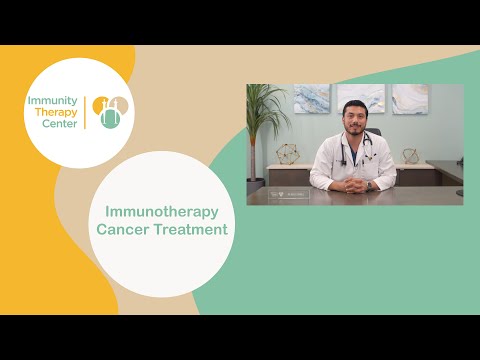
Immunotherapy harnesses the power of the patient's own immune system to fight the cancer. Multiple myeloma immunotherapy includes treatments like CAR T-cell therapy, where T-cells are genetically engineered to recognize and kill myeloma cells. This revolutionary treatment is generally reserved for patients who have not responded to other therapies, offering hope in challenging cases.
Accessing innovative myeloma treatments like CAR T-cell or bispecific antibodies often requires travel to specialized tertiary care centers. These facilities must have advanced laboratory capabilities to process cellular therapies safely. While still evolving, immunotherapy is rapidly becoming a standard component of late-stage myeloma management across top-tier international oncology networks.
Patient Case Summary: CAR T-Cell Success
A 58-year-old patient from Canada with relapsed myeloma traveled abroad for CAR T-cell therapy after failing three lines of treatment. Following the infusion and a four-week monitored recovery period, the patient achieved a complete molecular remission that has lasted over 18 months.
Stem Cell Transplant Procedures for International Patients
For many eligible patients, a stem cell transplant for multiple myeloma remains the most effective way to achieve long-term remission. The process usually involves an autologous transplant, where the patient's own healthy stem cells are collected, followed by high-dose chemotherapy to eliminate the cancer, and then the re-infusion of the saved cells. This "resets" the bone marrow and allows for the recovery of blood cell production.
Medical tourism centers specializing in hematology offer affordable bone marrow transplants with success rates comparable to those in the West. These centers provide specialized isolation rooms and advanced infection control protocols to protect patients during the vulnerable recovery phase. The comprehensive nature of these programs includes extensive pre-transplant workups and rigorous post-transplant follow-up care.
Common Chemotherapy Protocols and Side Effect Management
While targeted therapies have taken center stage, multiple myeloma chemotherapy remains a foundational element of treatment. Chemotherapy drugs are often administered in cycles, allowing the body time to recover between sessions. Modern protocols often combine chemotherapy with steroids and targeted agents to maximize the destruction of cancer cells while minimizing toxicity.
Managing the side effects is a critical component of international myeloma care. Patients most experience fatigue, nausea, and an increased risk of infection. Expert oncology teams utilize supportive medications, such as growth factors to boost white blood cell counts and anti-emetics to control nausea, ensuring that patients can complete their treatment cycles comfortably and safely.
Patient Case Summary: Combination Therapy
A 65-year-old patient from the UK sought combination chemotherapy and targeted therapy abroad. By utilizing a "triplet" regimen of Bortezomib, Lenalidomide, and Dexamethasone, the patient achieved a partial response within three cycles, allowing for a transition to maintenance therapy.
Radiation Therapy and Surgical Interventions
Radiation and surgery are typically used as supportive measures rather than primary treatments for systemic myeloma. Radiation therapy for myeloma is highly effective at shrinking localized tumors (plasmacytomas) that may be causing severe pain or pressing on the spinal cord. It is generally a quick procedure that can provide significant relief from bone-related symptoms.
Surgical intervention is most commonly used to stabilize bones at risk of fracturing. Orthopedic surgery for myeloma patients might include the placement of metal rods or pins to support weakened long bones. Additionally, kyphoplasty or vertebroplasty can be used to repair vertebral compression fractures, significantly improving the patient's mobility and comfort during their overall cancer treatment.
Clinical Trials and Emerging Myeloma Therapies
For patients who have exhausted standard options, myeloma clinical trials abroad can provide access to the next generation of cancer-fighting agents. These trials often investigate new drug combinations, novel immunotherapy targets, or refined transplant techniques. Many world-class international centers participate in global research networks, bringing cutting-edge science to the bedside.
Participating in a trial requires a thorough evaluation of the patient's current health status and previous treatment history. Emerging myeloma treatments offer a glimpse into the future of oncology, with researchers working toward transforming myeloma from a terminal illness into a manageable chronic condition. Patients interested in these options should discuss the potential benefits and risks with their oncology team.
Patient Case Summary: Trial Participation
An Australian patient with refractory myeloma joined a clinical trial for a new bispecific antibody at a European oncology center. The patient experienced a significant reduction in M-protein levels after six months, providing a bridge to a second stem cell transplant.
Assessing Risks and Strict Contraindications
Every medical procedure carries inherent risks, and multiple myeloma treatment risks must be carefully balanced against the benefits. Patients typically experience some degree of immunosuppression, which increases the likelihood of viral, bacterial, and fungal infections. Cardiovascular stress and potential kidney toxicity are also concerns that require constant monitoring by the medical staff.
Strict contraindications exist for certain therapies. For instance, high-dose chemotherapy and stem cell transplants are generally not recommended for patients with advanced heart failure, severe pulmonary disease, or uncontrolled active infections. Candidacy for myeloma therapy is determined through rigorous pre-screening to ensure that the patient's body can withstand the rigors of the chosen treatment protocol.
Selecting High-Quality Multiple Myeloma Treatment Centers Abroad
Choosing the right facility is the most critical decision in a medical tourism journey. Accredited oncology centers abroad should demonstrate a high volume of myeloma cases, as experience directly correlates with better patient outcomes. Look for hospitals that have dedicated hematology-oncology departments and modern laboratory services for real-time monitoring of blood counts and protein levels.
Transparency and communication are hallmarks of top myeloma clinics for international patients. The ability to communicate with the medical team in a shared language and receive detailed medical reports is essential for continuity of care. Furthermore, checking for affiliations with international cancer organizations can provide an extra layer of assurance regarding the facility's commitment to evidence-based protocols.
Holistic Care and Supportive Services During Recovery
Treatment for myeloma is often a marathon, not a sprint, making supportive care for myeloma patients an essential part of the recovery process. This includes nutritional counseling to help the body heal, physical therapy to maintain bone density and mobility, and psychological support to navigate the emotional challenges of a cancer diagnosis. Many international centers incorporate these services directly into their patient care plans.
Long-term monitoring is vital for maintaining remission. Patients generally require regular blood work and occasional bone marrow checks to ensure the disease remains stable. Post-treatment myeloma monitoring can often be coordinated between the international center and the patient's local physician, ensuring that any signs of relapse are caught early and addressed promptly.
Patient Case Summary: Integrative Recovery
A patient from the United States opted for a holistic recovery program in an Asian oncology center following chemotherapy. The program included specialized anti-inflammatory diets and gentle yoga, which the patient credited for a faster return to daily activities and improved mental well-being.
How PlacidWay Assists Your Multiple Myeloma Journey
- Connecting patients with globally recognized and accredited oncology centers specialized in plasma cell disorders.
- Providing transparent information regarding treatment options and comprehensive cost estimates for various medical procedures.
- Facilitating direct communication with international medical teams for preliminary case reviews and consultations.
- Assisting in the gathering and translation of medical records to ensure accurate diagnostic assessments.
- Offering a wide range of destination choices to match the patient's specific medical needs and budget requirements.
- Guiding patients through the logistical process of medical travel to ensure a focus on health and healing.
- Ensuring access to multidisciplinary care teams that follow international standards for cancer treatment.
Frequently Asked Questions (FAQ)
Success rates vary based on the stage of the disease and therapy; modern treatments aim for long-term remission, with many patients living 5-10+ years. Success is often measured by the depth of remission achieved after primary therapy.
Intensive procedures like stem cell transplants typically require 4 to 8 weeks in the destination. Maintenance therapies or periodic drug cycles may allow for shorter stays or remote monitoring after initial stabilization.
Most reputable centers for international patients hold JCI (Joint Commission International) accreditation. This ensures they follow global protocols for patient safety, medication management, and clinical outcomes.
Yes, many international clinics coordinate with your local oncologist for long-term monitoring. It is essential to have a complete set of medical records and treatment summaries translated into your native language.
International medical tourism can offer treatments at 40% to 70% lower costs than in the USA or UK. This includes access to advanced medications and high-dose chemotherapy at significantly reduced price points.
Depending on your nationality, a medical visa may be necessary. International clinics often provide an official invitation letter to help facilitate the visa process through the relevant embassy or consulate.
CAR T-cell therapy is increasingly available in specialized international centers, though it is often reserved for relapsed cases. Availability is subject to the specific regional regulatory approvals for cellular therapies.
Common side effects include fatigue, nausea, and increased infection risk. Medical teams use supportive therapies like growth factors and anti-emetics to manage these symptoms effectively during treatment.
Leading oncology centers source FDA or EMA-approved drugs from international pharmaceutical providers. Patients should confirm the hospital's pharmacy certifications during their initial consultation.
Travel is generally safe if the disease is stable and your oncologist provides clearance. Precautions such as wearing masks in crowded areas and staying hydrated are essential for immunocompromised patients.
- National Cancer Institute. Plasma Cell Neoplasms (Including Multiple Myeloma) Treatment. https://www.cancer.gov/types/myeloma/patient/myeloma-treatment-pdq
- American Cancer Society. Treating Multiple Myeloma. https://www.cancer.org/cancer/types/multiple-myeloma/treating.html
- Mayo Clinic. Multiple Myeloma - Diagnosis and Treatment. https://www.mayoclinic.org/diseases-conditions/multiple-myeloma/diagnosis-treatment/drc-20353383
- World Health Organization. Cancer Fact Sheets - Multiple Myeloma. https://gco.iarc.fr/today/data/factsheets/cancers/35-Multiple-myeloma-fact-sheet.pdf




















Share this listing