


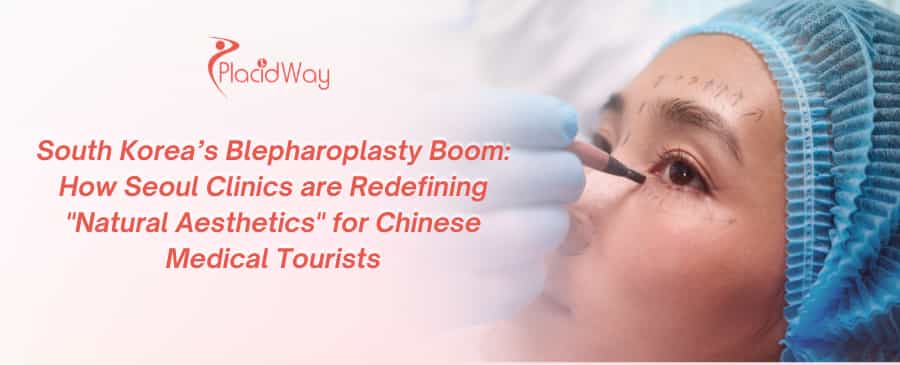
The global healthcare landscape has witnessed a dramatic shift, with blepharoplasty in South Korea emerging as a premier choice for aesthetic enhancement. Over the past decade, Seoul has solidified its reputation as the epicenter of advanced facial surgeries, attracting tens of thousands of international patients annually. The demand is heavily driven by Chinese medical tourists who cross the Yellow Sea in pursuit of elite surgical expertise and highly refined medical protocols. This phenomenon is deeply rooted in the continuous evolution of surgical techniques that prioritize harmony and balance.
A driving factor behind this surge is the meticulous approach that local healthcare providers apply to Asian facial anatomy. Patients are no longer seeking Westernized features; instead, they generally desire to enhance their natural beauty through specialized, minimally invasive techniques. High standards of medical infrastructure, combined with rigorous safety protocols, have made medical tourism in South Korea a highly trusted avenue. Consequently, the country remains at the forefront of the global aesthetic surgery market, continually setting new benchmarks for quality care.
- Extensive training and board certification of local medical professionals.
- Implementation of ultra-precise surgical tools that minimize tissue damage.
- A shift toward preserving ethnic identity while achieving aesthetic goals.
- Comprehensive pre-operative medical screening to ensure patient safety.
Why Chinese Medical Tourists Prefer Eyelid Surgery Clinics in Seoul
Geographic proximity and cultural synergies play a monumental role in the steady influx of Chinese patients seeking aesthetic medical care. A short flight connects major Chinese cities directly to Seoul, minimizing the physical stress typically associated with long-haul medical travel. Furthermore, eyelid surgery clinics in Seoul have meticulously adapted their services to cater to Mandarin-speaking patients. By removing communication barriers, these facilities ensure that complex medical terminologies and surgical expectations are perfectly understood.
Beyond convenience, Chinese medical tourists are drawn by the unparalleled precision and specialized experience of South Korean surgeons. The high volume of localized procedures means that these professionals possess deep, specialized knowledge of diverse Asian eyelid structures. Patients generally feel more confident knowing their chosen surgeon performs these specific, delicate procedures multiple times a day. This extensive hands-on experience typically translates into refined outcomes that closely align with the patient's aesthetic aspirations.
- In-house Mandarin translators available during all medical consultations.
- Seamless integration of culturally familiar care protocols.
- High-density clinical districts offering multiple specialized evaluations.
- Robust post-operative support tailored for short-term international visitors.
The Philosophy of Natural Aesthetics in South Korean Blepharoplasty
The contemporary philosophy of aesthetic enhancement in East Asia has pivoted sharply away from exaggerated, dramatic transformations. Today, the core objective of blepharoplasty clinics in South Korea is to achieve a subtle, "in-born" look that harmonizes with the patient's existing facial proportions. Surgeons focus on preserving the unique characteristics of the patient’s eyes rather than applying a universal template. This bespoke approach generally results in a refreshed appearance that rarely leaves obvious visual evidence of surgical intervention.
Achieving this natural aesthetic requires an intricate understanding of the skin thickness, fat distribution, and muscular structure of the eyelids. Medical professionals utilize complex mathematical ratios and artistic judgment to design a crease that looks entirely organic. They understand that symmetry is crucial, yet absolute perfection is rarely found in nature; thus, the goal is balanced harmony. Most patients experience a profound boost in self-confidence when their results reflect an enhanced version of their natural selves.
Patient Case Summary: Mei's Experience
Mei, a 28-year-old from Shanghai, sought a subtle enhancement for her monolids. After detailed digital mapping at a Seoul clinic, she underwent a minimally invasive procedure. She reported that her friends noticed she looked more refreshed, but none could guess she had undergone surgery, perfectly capturing the "natural aesthetic" philosophy.
- Detailed analysis of the levator muscle function prior to surgery.
- Customized crease heights designed to match the natural facial framing.
- Preservation of essential orbital fat to prevent a hollowed appearance.
- Strategic incision placements hidden within the eye's natural folds.
Affordable Blepharoplasty Cost in South Korea Compared to Global Averages
Financial considerations are a significant component of the medical tourism decision-making process for international patients. While Seoul is celebrated for its premium medical services, the blepharoplasty cost in South Korea remains highly competitive on the global stage. Due to the high concentration of specialized clinics, the market naturally regulates pricing, preventing exorbitant inflation of medical fees. This dynamic allows patients to access world-class surgical expertise and cutting-edge technology at a fraction of the cost seen in North America or parts of Europe.
It is important to understand that cost efficiency does not equate to a compromise in medical standards or patient safety. The transparent pricing structures offered by most reputable facilities usually include comprehensive care packages, encompassing pre-op diagnostics, the surgery itself, and essential post-op follow-ups. Chinese patients often find that combining their procedure with a short vacation in Seoul provides exceptional value. Ultimately, patients secure top-tier surgical artistry without facing the heavy financial burdens common in their local premium healthcare sectors.
| Procedure Name | Average Cost in South Korea (USD) | Cost Comparison (China/US Averages) |
|---|---|---|
| Non-Incisional Double Eyelid | $1,200 - $2,000 | China: $2,500 | US: $3,500+ |
| Full Incisional Double Eyelid | $1,800 - $3,000 | China: $3,200 | US: $4,500+ |
| Epicanthoplasty (Inner Corner) | $800 - $1,500 | China: $1,800 | US: $2,500+ |
| Revision Blepharoplasty | $3,000 - $5,500 | China: $4,500 | US: $6,500+ |
Types of Double Eyelid Procedures Offered by Blepharoplasty Clinics in South Korea
Not all eyes are created equal, and clinical approaches must vary significantly to address different anatomical presentations. Blepharoplasty clinics in South Korea typically offer a wide spectrum of techniques, broadly categorized into non-incisional and incisional methods. The non-incisional, or suture method, is highly favored by younger patients with thin eyelid skin and minimal fat deposits. This technique involves creating micro-punctures to thread sutures that form the desired crease, generally resulting in minimal downtime and subtle changes.
Conversely, patients with thicker skin or excess orbital fat typically require a partial or full incisional approach. During this procedure, the surgeon makes a precise cut along the intended crease to remove redundant tissue and secure the skin to the levator muscle. While recovery takes slightly longer, this method generally offers a more permanent and defined result. A thorough clinical assessment is always required to determine which specific technique aligns best with the patient’s anatomical reality.
- Buried Suture Method: Ideal for thin skin, offering rapid recovery.
- Full Incision Method: Addresses excess fat and drooping skin for lasting results.
- Partial Incision Method: Uses a micro-incision to remove fat while minimizing scarring.
- Ptosis Correction: Often combined with blepharoplasty to strengthen weak eyelid muscles.
The Medical Tourism in South Korea Experience for Chinese Patients
The entire ecosystem surrounding medical tourism in South Korea has been finely tuned to ensure international patients feel secure, respected, and comfortable. From the moment a Chinese medical tourist arrives at Incheon International Airport, they are often welcomed into a structured, patient-centric environment. Specialized medical coordinators assist with everything from hospital navigation to clarifying pre-surgical instructions in fluent Mandarin. This level of dedicated support significantly reduces the anxiety typically associated with undergoing surgery in a foreign country.
Moreover, the integration of advanced digital communication ensures that the patient journey begins long before the actual flight. Telemedicine consultations and digital file sharing allow patients to have meaningful dialogues with their surgeons remotely. Once in Seoul, patients experience streamlined admission processes, modern VIP recovery lounges, and culturally attuned hospitality. This holistic approach ensures that the medical journey is as therapeutic and stress-free as possible.
- Pre-arrival virtual consultations for preliminary surgical planning.
- Bilingual staff facilitating clear, transparent medical communication.
- Access to international patient lounges designed for privacy and rest.
- Clear, written post-operative instructions translated into Mandarin.
Pre-Consultation and Advanced Diagnostics for Eyelid Surgery in Seoul
The foundation of any successful aesthetic procedure lies in the rigor of the pre-operative evaluation. Before any physical intervention occurs, eyelid surgery in Seoul requires a multi-layered diagnostic phase utilizing state-of-the-art technology. Surgeons employ high-resolution 3D facial scanning and digital imaging to analyze the structural symmetry of the patient's face. This data-driven approach allows the medical team to map out the exact millimeter placement of incisions, ensuring an outcome tailored to the individual's facial geometry.
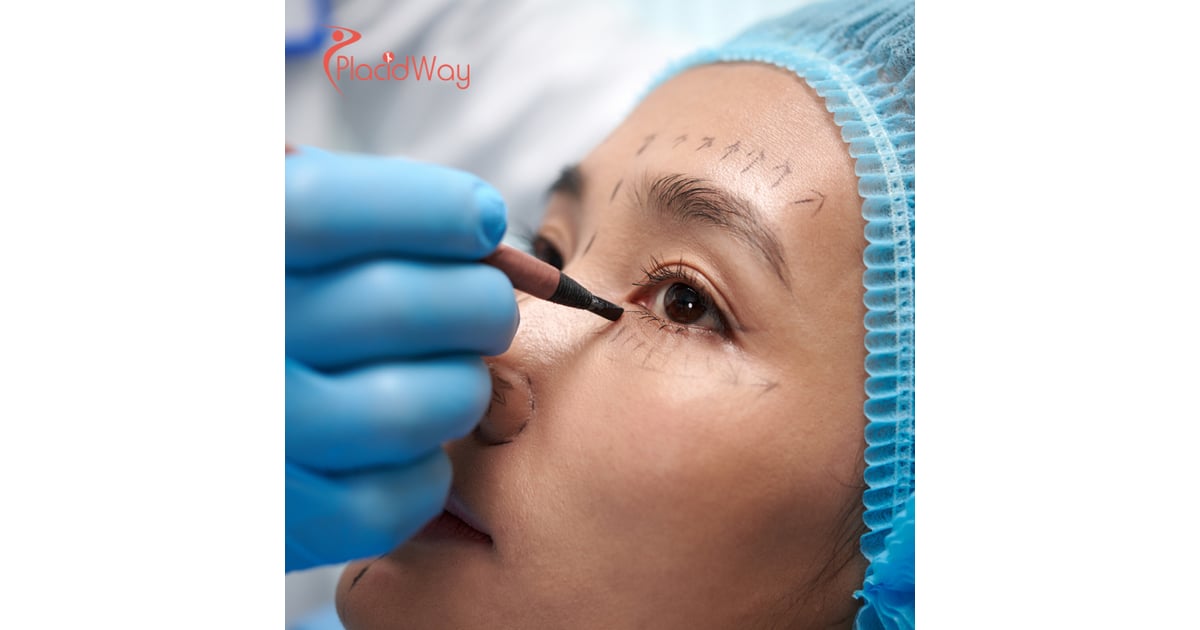
During the consultation, medical professionals prioritize transparent dialogue over aggressive aesthetic promises. They use specialized tools, such as thin wire probes, to physically demonstrate potential crease heights on the patient’s eyelids in real-time. This interactive process sets realistic expectations and aligns the patient’s desires with surgical feasibility. By establishing a clear, mutual understanding of the achievable outcomes, clinics minimize post-surgical dissatisfaction and build immense trust.
Patient Case Summary: Wei's Diagnostic Journey
Wei traveled from Beijing seeking revision surgery for a previous, asymmetrical blepharoplasty. Her Seoul clinic utilized advanced 3D topographical scanning to identify the exact scar tissue buildup causing the issue. The precise diagnostic mapping allowed her surgeon to meticulously plan the revision, resulting in the symmetry she had originally hoped for.
- Comprehensive ocular health checks to rule out contraindications like severe dry eye.
- Photographic documentation from multiple angles for baseline comparison.
- Detailed discussions on the limitations of surgical interventions.
- Allergy testing for local anesthetics and post-operative medications.
What to Expect During Blepharoplasty Recovery in South Korea
Understanding the postoperative healing timeline is crucial for international patients planning their itinerary. The immediate recovery phase for blepharoplasty in South Korea typically involves mild to moderate swelling, localized bruising, and a feeling of tightness around the eyes. Most clinics implement aggressive, non-invasive deswelling therapies immediately following the procedure to accelerate the healing process. Patients are generally advised to keep their heads elevated and apply prescribed cold compresses diligently during the first 48 hours.
While the initial acute swelling usually subsides within seven to ten days, the settling of the final eyelid contour is a gradual process. Stitches are typically removed between day five and day seven, after which patients can usually return to light, non-strenuous activities. Full maturation of the surgical site and the fading of incision lines can take several months. It is imperative that patients strictly adhere to the provided post-care guidelines to mitigate risks and ensure optimal aesthetic maturation.
- Use of specialized LED light therapy to reduce postoperative inflammation.
- Application of prescribed ophthalmic ointments to prevent infection.
- Avoidance of contact lenses and eye makeup for at least two weeks.
- Regular follow-up appointments to monitor tissue healing and suture removal.
Potential Risks and Transparent Safety Protocols in South Korean Healthcare
While aesthetic enhancement can yield highly satisfying results, it remains a surgical procedure carrying inherent medical risks. Reputable clinics offering medical tourism in South Korea strictly adhere to international safety guidelines and emphasize transparent risk disclosure. Most patients experience a smooth recovery; however, complications such as infection, adverse reactions to anesthesia, noticeable asymmetry, or lagophthalmos (inability to close the eyes completely) can occur. No ethical medical professional can or will guarantee a flawless outcome.
To mitigate these risks, leading facilities employ rigorous safety protocols ranging from advanced sterilization techniques to comprehensive pre-surgical blood work. Operating theaters are equipped with backup power systems, emergency resuscitation equipment, and continuous patient monitoring technology. Additionally, patients with certain medical histories, such as uncontrolled diabetes or severe cardiovascular conditions, are typically contraindicated for elective surgeries. Openly discussing your complete medical history with your surgeon is non-negotiable for your safety.
If you experience sudden, severe eye pain, rapid changes in vision, or excessive bleeding post-surgery, contact your medical provider immediately. These are not typical side effects and require urgent clinical evaluation.
- Thorough screening for keloid scarring tendencies and bleeding disorders.
- Utilization of board-certified anesthesiologists during procedures.
- Strict adherence to localized infection control and sterilization mandates.
- Mandatory postoperative monitoring before patient discharge.
Combining Epicanthoplasty with Double Eyelid Surgery in South Korea
A significant portion of Asian patients possess an epicanthal fold, commonly referred to as the Mongolian fold, which covers the inner corner of the eye. To achieve a brighter, more open appearance, blepharoplasty clinics in South Korea frequently recommend combining double eyelid surgery with an epicanthoplasty. This synergistic approach allows the surgeon to release the tension of the inner eye tissue, seamlessly connecting the new eyelid crease to the inner corner. The result generally yields eyes that appear horizontally wider and more proportionate.
Executing an epicanthoplasty requires an exceptionally delicate touch, as the inner corner of the eye is prone to visible scarring. Advanced techniques utilized by Seoul surgeons involve microscopic incisions strategically hidden within the natural conjunctival margins. By addressing both the vertical height (via blepharoplasty) and the horizontal width (via epicanthoplasty) simultaneously, patients often experience a highly cohesive aesthetic enhancement. Healing for the combined procedures typically follows the same timeline as an isolated eyelid surgery.
- Elimination of the webbing that obscures the inner caruncle.
- Creation of a smoother transition for parallel or out-fold eyelid creases.
- Techniques aimed at minimizing tension to prevent hypertrophic scarring.
- Comprehensive pre-measurement of intercanthal distance to ensure facial balance.
How High-Tech Advancements Shape Blepharoplasty Clinics in South Korea
The integration of cutting-edge technology is a defining characteristic of the modern surgical experience in Seoul. Blepharoplasty clinics in South Korea invest heavily in advanced surgical instruments that elevate precision and patient safety. For instance, the use of radiofrequency cautery devices allows surgeons to make incisions while simultaneously coagulating blood vessels. This technology drastically reduces intraoperative bleeding, which in turn minimizes postoperative bruising and expedites the patient's recovery timeline.
Furthermore, surgical microscopes and high-definition endoscopes are increasingly utilized in complex revision surgeries and delicate tissue manipulations. These tools provide the surgical team with unparalleled visualization of the intricate micro-anatomy of the eyelid. By leveraging these high-tech advancements, medical professionals can execute maneuvers that are virtually impossible with the naked eye. This commitment to technological innovation continually reinforces South Korea's status as a global leader in medical tourism.
- Laser-assisted incisions for ultra-clean tissue separation.
- High-frequency ultrasound devices for precise fat layer mapping.
- Advanced digital anesthesia delivery systems for pain-free localized numbing.
- Use of biocompatible, rapid-dissolving sutures in specific techniques.
Evaluating Success Rates and Long-Term Outcomes of Blepharoplasty
Defining success in aesthetic surgery involves evaluating both clinical safety and patient satisfaction over the long term. For those undergoing eyelid surgery in Seoul, successful outcomes are generally characterized by symmetrical creases, undetectable scarring, and the preservation of natural eye function. While the immediate results are visible within weeks, the true longevity and success of the procedure are assessed after the tissues have completely settled, typically around the six-month mark. Most patients report enduring satisfaction with their natural-looking enhancements.
It is crucial to acknowledge that the durability of the results largely depends on the specific technique employed and the patient's natural aging process. Non-incisional suture methods may loosen over several years, potentially requiring a minor touch-up. Conversely, full incisional methods generally provide a permanent structural change, though the overlying skin will continue to age naturally over decades. Continuous communication with your healthcare provider ensures that long-term expectations remain realistic and grounded in medical science.
Patient Case Summary: Lin's Long-Term Result
Lin underwent a partial-incision blepharoplasty three years ago. Today, she notes that the crease has maintained its exact shape, and the micro-scar is entirely invisible, even without makeup. Her long-term satisfaction highlights the efficacy of the customized surgical approaches used in Seoul.
Patient Case Summary: Hao's Non-Incisional Journey
Opting for the suture method for minimal downtime, Hao, a 24-year-old student, experienced almost immediate recovery. Two years post-surgery, his double eyelid remains defined but subtle, perfectly suiting his preference for a low-intervention, temporary-to-medium-term enhancement.
- Assessment of scar maturation and fading over a 12-month period.
- Monitoring for functional preservation, including normal blink reflexes.
- Evaluating the stability of the crease height against skin laxity over time.
- Reviewing patient psychological satisfaction and self-esteem improvements.
How PlacidWay Assists Your Blepharoplasty Medical Tourism Journey in South Korea
Navigating an international healthcare landscape requires extensive research, careful planning, and reliable medical connections. Choosing to pursue medical tourism in South Korea is a significant decision, and finding a trustworthy, certified facility is paramount to ensuring patient safety. Engaging with a global medical platform streamlines the process of evaluating healthcare providers based on their clinical expertise, safety records, and international accreditation.
PlacidWay serves as an essential bridge between international patients and top-tier medical institutions worldwide. By providing structured information and facilitating direct communication with vetted clinics, patients are empowered to make highly informed healthcare decisions. Our focus is strictly on empowering your medical journey through transparent access to global healthcare solutions.
- Providing detailed profiles of internationally accredited clinics and board-certified surgeons.
- Facilitating the collection and comparison of transparent, customized medical quotes.
- Assisting with the transmission of pre-operative medical records and imaging.
- Connecting patients with facilities that offer dedicated international patient coordinators.
- Offering access to verified patient reviews and extensive procedural information.
Frequently Asked Questions About Blepharoplasty in South Korea
Embarking on a medical journey abroad naturally prompts numerous questions regarding logistics, safety, and clinical protocols. International patients evaluating blepharoplasty in South Korea must gather accurate, evidence-based information to prepare adequately for their procedure. A well-informed patient is generally more relaxed, which can positively influence the overall medical experience.
Below, we address the most common inquiries related to traveling to Seoul for aesthetic eyelid surgery. These answers are designed to provide clear, concise guidance, ensuring that prospective medical tourists have realistic expectations regarding their treatment and recovery.
Why is blepharoplasty in South Korea so popular among Chinese medical tourists?
South Korea is renowned for its advanced aesthetic techniques and highly specialized surgeons. Chinese tourists typically seek out Seoul clinics for their reputation in achieving harmonious, natural-looking results that complement Asian facial features.
How much does blepharoplasty cost in South Korea?
The cost of double eyelid surgery generally ranges from $1,500 to $3,500 depending on the complexity of the procedure. This is often more affordable than in Western countries while offering state-of-the-art medical technology.
What is the difference between incisional and non-incisional blepharoplasty?
Non-incisional methods use sutures to create a crease, offering quicker recovery but may be less permanent. Incisional methods involve removing excess fat and skin, generally providing a more durable, long-term crease.
How long is the typical recovery period for eyelid surgery in Seoul?
Most patients experience initial swelling and bruising for the first one to two weeks. However, complete healing and the final settling of the eyelid crease typically take several months.
Are there language barriers for Chinese patients seeking medical tourism in South Korea?
Most top-tier clinics in Seoul provide dedicated in-house translators and medical coordinators fluent in Mandarin. This generally ensures clear communication during pre-surgical consultations and post-operative care.
Can epicanthoplasty be performed at the same time as blepharoplasty?
Yes, surgeons commonly combine these procedures to address the Mongolian fold and widen the eyes simultaneously. This combination typically enhances the overall symmetry and openness of the eye area.
What are the common risks associated with eyelid surgery?
Potential risks include temporary dry eyes, asymmetry, visible scarring, and infection. It is vital to consult with a certified medical professional, as individual healing processes vary greatly.
How long should I stay in South Korea after my blepharoplasty?
Surgeons generally recommend staying for at least 7 to 10 days post-surgery. This allows time for suture removal, initial follow-up evaluations, and professional monitoring of the early healing phase.
Is a medical visa required for Chinese citizens traveling to South Korea for surgery?
Many Chinese medical tourists enter on standard tourist visas if the stay is short, though specialized medical visas (C-3-3 or G-1-10) are available. Patients should always verify current immigration requirements before planning their trip.
How does PlacidWay help with my medical journey?
PlacidWay assists by connecting patients with accredited, highly-rated clinics internationally. We help you gather clinic profiles, compare procedural options, and secure transparent quotes to make an informed medical decision.
Ready to explore your options for natural aesthetics? Let PlacidWay connect you with top-rated medical providers today.
References
- National Center for Biotechnology Information (NCBI). Asian Blepharoplasty: Anatomy and Surgical Techniques. https://pmc.ncbi.nlm.nih.gov/articles/PMC2884917/
- International Society of Aesthetic Plastic Surgery (ISAPS). Global Survey on Aesthetic/Cosmetic Procedures. https://www.isaps.org/discover/about-isaps/global-statistics/
- Mayo Clinic. Blepharoplasty (Eyelid Surgery) - Risks and Procedures. https://www.mayoclinic.org/tests-procedures/blepharoplasty/about/pac-20385174
- Cleveland Clinic. Eyelid Surgery (Blepharoplasty) Recovery and Details. https://my.clevelandclinic.org/health/treatments/8409-eyelid-surgery-blepharoplasty
.jpg)




.jpg)








Share this listing