
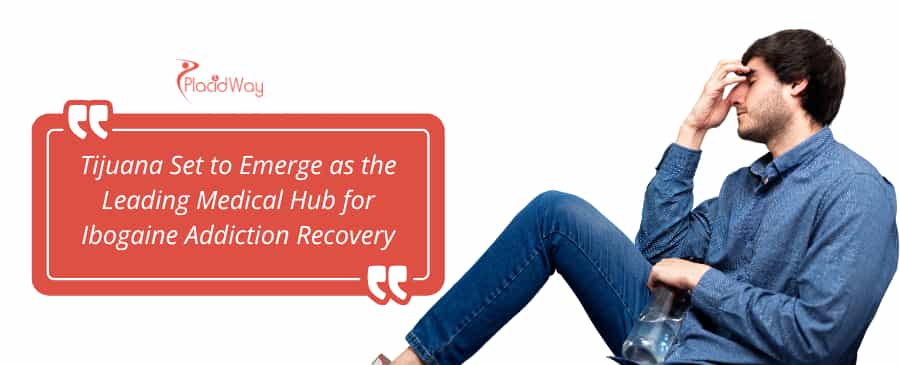
Ibogaine Addiction Recovery in Tijuana Explained
Individuals seeking alternative paths to break the cycle of substance dependency are increasingly looking beyond traditional rehabilitation models. The region has rapidly emerged as a prominent destination for those exploring specialized, clinically supervised plant-based therapies. Exploring ibogaine addiction recovery in Tijuana offers access to unique medical protocols that are generally unavailable in many western healthcare systems. These innovative therapeutic approaches typically aim to address both the profound physical and psychological roots of chemical dependency.
Undergoing this intense physiological process requires stringent medical supervision to ensure patient safety and effectively manage biological responses. The clinical environment in Mexico generally provides a structured setting where licensed medical professionals continuously monitor the entire detoxification phase. Most patients experience a profound shift in their psychological perspective during these carefully guided and highly structured clinical sessions. A comprehensive medical approach typically maximizes the potential behavioral benefits of this powerful and complex therapeutic tool.
Testimonial Summary: Overcoming Opiate Dependency
A former executive struggling with a long-term prescription opiate dependency sought alternative treatments after multiple traditional rehabs failed. He reported that the strictly monitored clinical experience abroad typically bypassed his severe withdrawal symptoms and provided a crucial mental reset.
The primary alkaloid utilized in these specialized detoxification protocols is derived from the root bark of the Tabernanthe iboga shrub, native to West Africa.
Why Tijuana is the Leading Hub for Psychedelic Therapy
Geographic proximity and favorable clinical regulations have positioned the border region as a central hub for alternative neurological therapies. The legal framework surrounding medical tourism in Mexico for addiction allows for the supervised administration of psychoactive compounds that remain highly restricted elsewhere. This specific regulatory environment has typically encouraged the development of specialized clinical infrastructure dedicated entirely to psychedelic-assisted detoxification. Consequently, patients can generally access these advanced medical protocols without facing insurmountable travel or legal barriers.
The city hosts a significant concentration of experienced physicians who specialize exclusively in alternative substance abuse treatments. Searching for reliable ibogaine treatment centers in Tijuana generally reveals facilities equipped with modern medical technology and bilingual staff. These specialized clinics typically adopt a holistic approach, integrating advanced medical monitoring with deep psychological integration therapies. This comprehensive clinical model is generally recognized as essential for supporting long-term, sustainable behavioral changes.
Medical tourism in the northern border regions of Mexico has grown exponentially, driven primarily by North American patients seeking specialized, cost-effective healthcare alternatives.
Always verify that the international clinic you choose maintains explicit licensing from the Mexican Ministry of Health (COFEPRIS) for inpatient medical detoxification.
Understanding the Science Behind Ibogaine Treatment in Mexico
The complex pharmacological action of this plant medicine is what typically distinguishes it from standard chemical taper detoxification methods. During an opiate detox in Tijuana, the active alkaloids interact directly with multiple neurotransmitter systems, primarily the serotonin and dopamine pathways. This unique biochemical interaction generally initiates a temporary remodeling of the neural circuitry associated with habitual reward-seeking behaviors. The process is often described by neuroscientists as a biological reset that typically interrupts active addiction cycles.
Beyond the immediate neurochemical reset, the treatment frequently induces a deeply introspective, dream-like cognitive state in the patient. Psychedelic therapy for substance abuse in Mexico typically leverages this oneirogenic phase to help individuals process deeply repressed emotional traumas. By addressing both the physical cravings and the underlying psychological triggers simultaneously, the therapeutic outcomes are generally enhanced. Most clinical researchers agree that this dual-action mechanism is fundamentally crucial for long-term sobriety success.
Observational studies suggest that a significant majority of opiate-dependent individuals report a massive reduction in acute withdrawal symptoms within the first 24 to 48 hours of supervised administration.
- Receptor Reset: Typically normalizes elevated dopamine levels linked to chronic substance abuse.
- Neuroplasticity: Generally promotes the growth of new neural connections, aiding in cognitive behavioral changes.
- Withdrawal Mitigation: Actively binds to opioid receptors to generally eliminate severe physical detoxification symptoms.
- Psychological Processing: Induces a visionary state that typically allows objective evaluation of past traumatic events.
Cost of Ibogaine Treatment in Tijuana Compared to Alternatives
Financial transparency is a highly vital component when planning an international medical journey for complex addiction recovery. The cost of ibogaine therapy in Mexico is generally more affordable when compared to extended inpatient rehabilitation programs in the United States. Many international patients find that the competitive pricing allows them to allocate resources toward crucial post-treatment psychological aftercare. Accessible pricing typically does not mean a compromise in the strict quality of medical supervision provided.
It is highly recommended to request detailed, itemized treatment plans that clearly outline specific medical inclusions and facility charges. Comprehensive packages generally cover pre-treatment medical diagnostics, the primary therapeutic administration, and continuous clinical monitoring throughout the stay. Variations in pricing typically depend on the required length of stay and the complexity of the patient's individual medical detox needs. A clear financial overview helps individuals make fully informed decisions regarding their vital healthcare investments.
| Procedure Name | Average Cost in Tijuana | Average Cost in USA/UK |
|---|---|---|
| Standard Opiate Detox Package (7 Days) | $5,500 - $8,000 | $15,000 - $30,000 (Traditional Rehab) |
| Complex Polysubstance Detox (10-14 Days) | $7,000 - $10,000 | $25,000 - $45,000 (Traditional Rehab) |
| Psycho-Spiritual Reset Therapy (Non-Addiction) | $4,500 - $6,500 | N/A (Treatment Not Legally Available) |
Treatment prices are generalized estimates and can fluctuate based on specific clinical needs and individual medication protocols. Always secure a direct, personalized medical quotation prior to finalizing any international travel arrangements.
The Comprehensive Medical Screening Process for Ibogaine
Because the psychoactive compound places a temporary but significant load on the cardiovascular system, pre-treatment screening is absolutely critical. Identifying a safe candidate for affordable ibogaine therapy in Mexico requires comprehensive physiological testing to rule out preexisting health conditions. Clinics generally mandate extensive blood panels, liver function tests, and thorough electrocardiograms (EKG) prior to officially admitting any patient. This meticulous evaluation phase typically prevents dangerous cardiac arrhythmias and ensures overall patient safety.
In addition to physical health assessments, psychological evaluations are generally required to determine mental readiness for the intense experience. Individuals exploring alternative addiction therapy in Tijuana must exhibit a baseline of psychiatric stability to safely navigate the visionary state. The rigorous screening process is specifically designed to filter out contraindications that could typically complicate the therapeutic detoxification. Patients must honestly disclose their complete medical histories to allow physicians to make accurate safety determinations.
Obtain your preliminary bloodwork and EKG results from your primary care physician at home to send to the international clinic for an initial safety pre-qualification.
- Detailed metabolic and comprehensive electrolyte blood panels.
- 12-lead Electrocardiogram (EKG) to monitor QT interval lengths.
- Extensive psychological history review to rule out severe psychiatric disorders.
- Toxicology screening to determine current active chemical dependencies.
What to Expect During the Ibogaine Detox Phase
Entering a clinical facility for intensive alternative detox can induce anxiety, making clear expectations vital for patient comfort. The initial phase of ibogaine addiction recovery in Tijuana generally involves a stabilization period where patients transition off long-acting substances. Medical staff typically utilize short-acting medications to keep the patient comfortable until the plant medicine can be safely administered. This preparatory stage is generally considered essential for preventing severe physiological complications during the main therapeutic event.
On the designated administration day, the patient is generally moved to a quiet, darkened, and continuously monitored clinical room. During the peak experience of medical tourism in Mexico for addiction, patients typically enter a deep, introspective state lasting up to 12 hours. Continuous cardiac monitoring and highly trained medical personnel are generally present to ensure physiological parameters remain stable throughout. Following the acute phase, patients typically require a dedicated "gray day" for profound rest and initial cognitive recovery.
Testimonial Summary: Navigating the Process
A patient dealing with severe alcohol dependency noted that knowing exactly what the medical protocol entailed significantly reduced his pre-treatment anxiety. He generally felt profound reassurance knowing a cardiologist was actively monitoring his vital signs throughout the peak visionary phase.
The peak visionary state is often described as an "awake REM sleep," where patients typically review significant life memories while remaining consciously aware of their surroundings.
Managing Withdrawal Symptoms at Ibogaine Clinics in Tijuana
Traditional rehabilitation efforts frequently fail because the intense physical agony of acute withdrawal often forces individuals back into active usage. The primary clinical advantage of an opiate detox in Tijuana is the medicine's unique ability to generally mitigate these severe physical symptoms. The active alkaloids typically flood the brain's receptor sites, rapidly effectively eliminating the physical dependence on the abused substance. Most patients experience a transition from active dependency to a stable, withdrawal-free state within an incredibly condensed timeframe.
While the physical withdrawal is typically bypassed, patients must still prepare for a period of profound physiological exhaustion. Finding highly rated ibogaine treatment centers in Tijuana ensures that post-administration care focuses heavily on intravenous hydration and nutritional support. The immediate cessation of chemical cravings generally allows the patient to focus entirely on their psychological recovery without physical distress. This rapid stabilization is generally considered the most revolutionary aspect of this specific alternative medical therapy.
Unlike methadone or suboxone protocols, this specific plant therapy does not generally replace one opiate dependency with another long-term pharmaceutical maintenance requirement.
Clinical observations consistently indicate that over 90% of appropriately screened opiate users report a complete absence of physical withdrawal symptoms 48 hours post-treatment.
The Psychological Journey of Plant Medicine Therapy
Healing the physical body is merely the first step; sustainable recovery requires deep exploration of the underlying causes of addiction. Psychedelic therapy for substance abuse in Mexico typically facilitates a powerful introspective journey that bypasses normal psychological defense mechanisms. Patients generally report experiencing a fast-paced, objective review of their past traumas, behavioral patterns, and interpersonal relationships. This profound psychological confrontation is typically necessary to sever the emotional attachments tied to chronic substance abuse.
Navigating this intense emotional landscape requires the professional guidance of experienced clinical integration therapists. During ibogaine addiction recovery in Tijuana, specialized counselors generally assist patients in processing and understanding their complex visionary insights. Transforming these abstract psychological revelations into actionable, daily behavioral changes is typically the primary goal of the integration phase. Most individuals find that this guided introspection generally fosters a renewed sense of self-worth and emotional clarity.
Testimonial Summary: Emotional Clarity
A patient seeking recovery from chronic stimulant abuse described her treatment as ten years of intense psychotherapy condensed into a single night. She generally felt that the experience finally allowed her to forgive herself for past transgressions and focus on a sober future.
The neuroplastic window created by the treatment typically leaves the brain highly receptive to forming new, healthier habits for up to three months post-administration.
Post-Treatment Integration and Aftercare Protocols
The clinical procedure itself is generally viewed as an incredibly powerful catalyst for change rather than a standalone, magical cure. Patients pursuing affordable ibogaine therapy in Mexico must understand that long-term success relies heavily on highly structured, continuous aftercare. Returning home to the same chaotic environment without a robust support system typically dramatically increases the overall risk of relapse. Implementing the insights gained during the clinical stay into daily sober living is generally the most challenging phase of recovery.
Reputable clinics strongly emphasize the absolute necessity of ongoing psychological counseling and active participation in sober support communities. Following alternative addiction therapy in Tijuana, patients are generally encouraged to utilize continuous virtual integration coaching services. Developing strict new daily routines, engaging in holistic health practices, and avoiding former social triggers are typically required for sustained sobriety. The medicine generally opens the door to recovery, but the patient must actively choose to walk through it every day.
Establish a comprehensive, professional aftercare plan, including a local therapist and a structured sober living arrangement, before you even depart for your international treatment.
- Commit to ongoing Cognitive Behavioral Therapy (CBT) or specialized integration counseling.
- Engage actively in peer support networks or alternative recovery communities.
- Adopt holistic lifestyle practices, including regular exercise and proper nutrition.
- Completely remove all environmental triggers and sever ties with active users.
Safety Standards at Medical Tourism Destinations in Mexico
Ensuring patient safety is the absolute highest priority when navigating international options for complex physiological treatments. High-quality ibogaine treatment centers in Tijuana operate with strict adherence to advanced clinical safety protocols and emergency preparedness. These specialized facilities generally function more like intensive care units than traditional holistic wellness retreats. Access to immediate emergency medications and advanced life support technology is typically a non-negotiable requirement for reputable clinics.
The presence of highly qualified, licensed medical professionals is what typically separates safe clinical procedures from high-risk underground administrations. When exploring medical tourism in Mexico for addiction, individuals must generally seek out facilities staffed by experienced cardiologists, emergency physicians, and registered nurses. Continuous staff training on international patient safety standards generally ensures that any adverse physiological reactions are managed swiftly and effectively. Transparent safety records typically provide international patients with the confidence needed to undergo these intense therapies abroad.
Reputable international clinics generally maintain a strict 1-to-1 or 2-to-1 medical staff to patient ratio during the critical peak hours of the therapeutic administration.
Facilities accredited for medical tourism typically must adhere to rigorous international bio-safety and clinical hygiene standards that frequently mirror those required in North America.
Identifying Ideal Candidates for Ibogaine Therapy in Tijuana
While this powerful protocol offers remarkable potential, it is generally not a universal solution suitable for every individual struggling with addiction. Ideal candidates for an opiate detox in Tijuana are typically those who have repeatedly failed traditional, chemical-taper rehabilitation programs. It is generally highly effective for individuals suffering from severe physical dependencies on heroin, fentanyl, or prescription opioid pain medications. Furthermore, patients struggling with deep-seated psychological trauma tied to their substance abuse typically benefit greatly from the visionary aspect.
A genuine, profound desire to achieve lasting sobriety is absolutely essential for a successful therapeutic outcome. Patients exploring psychedelic therapy for substance abuse in Mexico must generally possess the mental resilience to face uncomfortable psychological truths during treatment. The medical team typically evaluates the patient's intrinsic motivation to ensure they are fully prepared for the demanding integration work required afterward. Ultimately, the ideal candidate generally views the clinical procedure as a powerful tool to aid recovery, not an effortless cure.
Testimonial Summary: The Right Mindset
A patient successfully treated for chronic painkiller dependency noted that the medicine only worked because he was finally, truly ready to quit. He generally advises others that the therapy shows you the path to sobriety, but you still have to actively walk it.
Engage in honest self-reflection regarding your true readiness to remain sober before committing significant financial resources to this highly intense international therapy.
Potential Risks and Strict Contraindications to Consider
Because of its complex pharmacology, this alternative treatment carries inherent physiological risks that must be carefully managed by medical professionals. Individuals seeking affordable ibogaine therapy in Mexico must understand that specific health conditions act as absolute, strict contraindications. Severe cardiovascular issues, including prolonged QT intervals, heart failure, or a history of significant arrhythmias, generally completely disqualify a patient. Additionally, severe liver or kidney dysfunction typically prevents the body from safely metabolizing and excreting the active psychoactive compounds.
Psychiatric contraindications are equally vital to ensure the psychological safety and stability of the international patient. Engaging in alternative addiction therapy in Tijuana is generally strictly forbidden for individuals with a diagnosed history of schizophrenia or active psychosis. The intensely psychoactive nature of the medicine typically exacerbates these specific mental health disorders, leading to highly dangerous psychological outcomes. Absolute transparency during the medical intake process is generally the most effective way to mitigate these serious clinical risks.
Combining the plant medicine with certain psychiatric medications, particularly SSRIs or MAOIs, generally leads to potentially fatal interactions like severe serotonin syndrome.
- Severe preexisting cardiovascular disease or prolonged QT intervals.
- History of severe psychiatric disorders, including schizophrenia or bipolar disorder.
- Compromised liver or kidney function impacting bodily metabolism.
- Active use of incompatible pharmaceutical medications that cannot be safely tapered.
How PlacidWay Supports Your Medical Tourism Journey
Navigating the complex landscape of international healthcare requires trusted guidance, especially when seeking highly specialized addiction therapies. Finding safe, vetted ibogaine treatment centers in Tijuana can be overwhelming for patients already dealing with the heavy burden of substance dependency. A dedicated medical facilitation platform typically bridges the gap between international patients and internationally accredited, highly reputable clinical providers. This structured guidance generally ensures that individuals can access vital medical therapies without falling victim to unregulated, unsafe operators.
Securing reliable medical care abroad involves careful coordination of clinical records, initial virtual consultations, and transparent financial planning. Facilitating medical tourism in Mexico for addiction requires a strict focus on patient safety and comprehensive medical advocacy. Dedicated coordinators generally streamline the complex intake processes, allowing patients to focus entirely on their psychological preparation and imminent recovery. Professional assistance typically removes the logistical anxiety generally associated with traveling internationally for highly complex medical procedures.
- Providing direct access to rigorously vetted and medically certified international addiction clinics.
- Assisting patients in securing transparent, fully itemized medical quotes prior to commitment.
- Facilitating crucial initial virtual consultations between patients and specialized foreign medical directors.
- Offering ongoing, dedicated advocacy to ensure international healthcare standards are consistently met.
Utilize patient coordinators to clearly translate complex medical jargon and ensure you fully understand the clinical protocols before signing any international consent forms.
Using a reputable medical facilitation service typically ensures that your sensitive medical records are transferred abroad securely and in strict compliance with international privacy laws.
Frequently Asked Questions About Ibogaine Addiction Recovery in Tijuana
Preparing for an intense alternative addiction therapy typically generates numerous important questions from prospective international patients. Gathering clear, highly accurate information helps individuals make confident, well-informed decisions regarding their vital healthcare investments. Understanding the clinical requirements for the cost of ibogaine therapy in Mexico generally reduces the anxiety associated with seeking treatment abroad. Clear communication regarding medical expectations is absolutely essential for a smooth and highly organized clinical experience.
Medical travel involves careful, meticulous planning, from understanding strict clinical protocols to navigating specialized post-treatment aftercare systems. Individuals seeking ibogaine addiction recovery in Tijuana often need immediate clarity on safety guidelines and precise medical timelines. The following answers cover essential, common topics that frequently arise when considering this profound therapeutic intervention. Consulting with your primary physician is always strongly recommended to receive personalized answers tailored to your specific medical profile.
The region provides a regulatory environment where specialized plant-based treatments are clinically permitted under strict medical supervision. Additionally, its proximity to the border makes it highly accessible for North American patients seeking immediate care.
The medicine generally interacts with multiple neurotransmitter systems, including serotonin and dopamine pathways, to temporarily reset neural circuitry. Most patients experience a rapid reduction in acute withdrawal symptoms and a significant decrease in chemical cravings.
Yes, comprehensive cardiac evaluations, including an EKG, are absolutely required due to the medicine's known effects on heart rhythms. Severe cardiovascular conditions are typically strict contraindications for receiving this specific clinical therapy.
Comprehensive treatment packages generally range between $5,500 and $10,000, depending on the complexity of the required medical detoxification. This pricing usually covers pre-treatment diagnostics, the primary administration, and clinical monitoring.
Most clinical programs require a stay ranging from 7 to 14 days to ensure proper physiological stabilization and therapeutic integration. Shorter stays are generally discouraged as patients require adequate time to recover from the intense visionary experience.
Yes, individuals with a history of schizophrenia, severe bipolar disorder, or active psychosis are generally excluded from this specific protocol. The intense psychoactive nature of the treatment typically exacerbates these preexisting psychiatric conditions.
Reputable facilities typically mandate continuous cardiac and respiratory monitoring throughout the duration of the peak physiological experience. Advanced life support equipment and experienced medical personnel are generally present on-site at all times.
Aftercare is generally considered the most critical component for maintaining the initial behavioral reset achieved during the clinical stay. Patients are strongly advised to engage in continuous therapy, support groups, and structured lifestyle changes upon returning home.
While most highly recognized for opiate detoxification, the therapy is also typically utilized for stimulant, alcohol, and behavioral use disorders. A thorough medical evaluation is generally required to determine if the protocol is appropriate for your specific dependency.
Major medical tourism facilities in the region typically employ bilingual doctors, nurses, and integration therapists to assist international patients. Clear communication is absolutely vital for ensuring patient safety and maximizing psychological therapeutic outcomes.
Research data frequently highlights that patients who actively engage in structured, professional aftercare protocols generally exhibit significantly higher long-term sobriety rates than those who do not.
The clinical application of this specific alternative therapy is continually being researched by global neurological institutes aiming to better understand its profound impact on human neural plasticity.
References
- WebMD. (2026). Alternative Treatments for Substance Abuse. https://www.webmd.com/
- U.S. Food and Drug Administration (FDA). (2026). Information on Unapproved Drugs and Addiction. https://www.fda.gov/
- PubMed. (2026). Clinical outcomes of plant-based detoxification therapies. https://pubmed.ncbi.nlm.nih.gov/
- World Health Organization (WHO). (2026). Global strategies for addressing chemical dependencies. https://www.who.int/
.png)






.png)
.png)
.png)
.png)



.jpg)
.jpg)
.jpg)
.jpg)









Share this listing