



For individuals struggling with chronic joint discomfort, finding an effective and lasting solution often feels like an impossible challenge. Stem cell therapy in Guadalajara has emerged as a compelling alternative for those seeking modern regenerative medicine without the prohibitive price tags found north of the border. By utilizing the body's natural healing mechanisms, this treatment aims to address the root causes of tissue degradation. Many patients are turning to this vibrant Mexican city to explore minimally invasive options that generally bypass the need for extensive surgeries.
The core concept of regenerative medicine revolves around introducing concentrated, healthy cells into damaged areas, such as knees, hips, or shoulders. Once injected, these cells typically work to reduce inflammation and promote the repair of deteriorated cartilage and tissue. While it is important to understand that results cannot be guaranteed and individual experiences vary, a significant number of U.S. patients are reporting positive outcomes. Navigating the world of global healthcare requires careful consideration, but the potential for restored mobility is making this journey worthwhile for many.
Guadalajara is widely known as the "Silicon Valley of Mexico" due to its booming technology sector, but it has equally advanced in the medical field, housing state-of-the-art laboratories and internationally trained specialists.
Why U.S. Patients Choose Regenerative Medicine in Mexico
The rising tide of medical tourism in Mexico is not a coincidence, as proximity and accessibility play major roles in attracting cross-border patients. For Americans, reaching Guadalajara involves only a short, direct flight from many major U.S. airports, eliminating the exhaustion of long-haul international travel. Furthermore, the cultural warmth and highly personalized care found in Mexican clinics often stand in stark contrast to the rushed environments patients might experience domestically. This combination of convenience and attentive medical service creates a highly appealing environment for healing.
Another major driving factor is the regulatory environment surrounding biological treatments. Regenerative medicine in Mexico allows for the safe, regulated expansion of stem cells in controlled laboratory environments, a process that is heavily restricted in the U.S. This means patients have access to higher concentrations of therapeutic cells, which specialists believe may enhance the efficacy of the treatment. By crossing the border, patients unlock access to advanced protocols that are meticulously regulated by local health authorities.
Over 1.2 million international patients travel to Mexico annually for medical procedures, making it the second most popular medical tourism destination globally.
How Stem Cell Treatments Relieve Chronic Joint Pain
The human body possesses a remarkable ability to heal itself, but conditions like severe osteoarthritis often overwhelm this natural capacity. Stem cells for joint pain relief function by delivering a concentrated dose of regenerative building blocks directly into the affected joint capsule. These cells typically act as powerful anti-inflammatory agents while simultaneously signaling the body's local cells to begin repairing damaged cartilage, tendons, and ligaments. Over time, this process is designed to improve joint lubrication and reduce the bone-on-bone friction that causes severe aching.
Most clinical protocols involve precise targeting mechanisms, often utilizing ultrasound or fluoroscopic guidance to ensure the injection reaches the exact site of tissue damage. This level of precision maximizes the biological impact of the treatment. While the therapy is generally well-tolerated, specialists emphasize that it is not a magic cure-all and relies heavily on the patient's biological response. The ultimate goal is to delay or completely prevent the need for invasive joint replacement surgeries.
- Osteoarthritis: Helps mitigate cartilage degradation and intense joint friction.
- Rheumatoid Arthritis: Typically works to calm autoimmune-driven inflammation in the joints.
- Rotator Cuff Injuries: Promotes the regeneration of torn or severely strained shoulder tendons.
- Meniscus Tears: Often applied to encourage the natural mending of knee cartilage.
- Plantar Fasciitis: Assists in resolving chronic inflammation in the tissues of the foot.
Affordable Stem Cell Therapy Cost in Guadalajara
One of the most significant barriers to accessing modern biological treatments in the United States is the astronomical out-of-pocket expense. Because insurance companies generally classify these treatments as experimental, patients are left to shoulder the entire financial burden. The stem cell therapy cost in Guadalajara provides a dramatic contrast, allowing patients to access premium medical care at a fraction of the northern cost. This price difference is strictly due to the lower cost of living, reduced administrative overhead, and different malpractice insurance structures in Mexico, rather than any compromise in medical quality.
When evaluating affordable stem cell options in Mexico, patients must consider the specific type of protocol recommended for their unique condition. Pricing varies based on whether the treatment is localized to a single joint, applied to multiple joints, or administered systemically via an IV drip. Even when factoring in the cost of flights and a short stay, the overall economic advantage remains substantial for medical travelers. Below is a comparative breakdown of typical market prices.
| Procedure Name | Average Cost in Guadalajara | Estimated Cost in USA |
|---|---|---|
| Single Joint Injection (e.g., Knee or Shoulder) | $2,500 - $3,500 | $5,000 - $8,000 |
| Bilateral Joint Injections (e.g., Both Knees) | $4,000 - $5,500 | $8,000 - $14,000 |
| Systemic IV Stem Cell Infusion | $4,500 - $6,500 | $10,000 - $25,000+ |
| Combination (IV + Localized Injections) | $6,000 - $8,500 | $15,000 - $30,000+ |
Top Medical Tourism Clinics for Stem Cells in Guadalajara
Selecting the right facility is the most critical step in ensuring a safe and effective medical journey abroad. The most reputable stem cell clinics in Guadalajara maintain rigorous international accreditations and staff board-certified specialists who are experts in regenerative medicine. These top-tier facilities focus heavily on transparent patient education, ensuring that individuals understand both the potential benefits and the limitations of the therapies offered. One highly regarded facility in the region is CellsTime Clinique Guadalajara, known for its commitment to patient safety and advanced biological protocols.
When consulting with international clinics, U.S. patients should prioritize centers that boast in-house laboratories or strict partnerships with certified biotech labs. This ensures that the cellular products used are viable, uncontaminated, and optimally expanded for therapeutic use. A hallmark of a trustworthy clinic is its willingness to conduct thorough preliminary evaluations via telemedicine before ever asking a patient to board a flight. Quality healthcare in Mexico is highly advanced, provided patients align themselves with verified and transparent medical teams.
Always ask prospective clinics about the source of their stem cells, the cell count you will be receiving, and whether they use image-guidance (like ultrasound) during the injection process to ensure pinpoint accuracy.
The Step-by-Step Procedure for Stem Cell Injections
Understanding the clinical process helps alleviate the anxiety associated with traveling for a medical procedure. The journey for stem cell treatments in Mexico generally begins with a comprehensive physical exam and a review of recent imaging, such as MRIs or X-rays. The medical team uses this data to map out the precise location of tissue damage and customize the biological dosage required for optimal impact. This preparation phase is crucial for ensuring the subsequent steps are strictly tailored to the patient's anatomical needs.
The actual application of the therapy is typically straightforward and minimally invasive, usually completed within a few hours on an outpatient basis. Patients are comfortably positioned, and the treatment area is sterilized and numbed with a local anesthetic to minimize discomfort. Using real-time imaging technology, the physician carefully guides the needle to deposit the regenerative serum directly into the damaged joint capsule. Most patients experience only mild pressure during the injection and are able to walk out of the clinic shortly afterward.
- Initial Consultation: Comprehensive review of medical history and diagnostic imaging.
- Preparation: The treatment site is cleaned, sterilized, and prepped with local anesthesia.
- Cell Preparation: The laboratory prepares the exact dosage and concentration of the biological material.
- Guided Injection: The specialist administers the cells using ultrasound or fluoroscopy for precision.
- Observation: A brief 30 to 60-minute monitoring period ensures there are no immediate adverse reactions.
Candidacy and Who Benefits from Stem Cells in Mexico
It is crucial to recognize that regenerative medicine is not suitable for every individual or every medical condition. Ideal regenerative medicine candidates in Guadalajara are typically those suffering from mild to moderate osteoarthritis or partial tendon tears, where there is still some existing tissue structure to repair. Patients with complete bone-on-bone joint collapse, active cancers, or severe active systemic infections are generally strictly contraindicated for these procedures. Thorough vetting by a qualified medical professional is non-negotiable to determine if you are a safe candidate.
During the evaluation phase, physicians will assess your overall health, current medications, and specific treatment goals. Setting realistic expectations is a fundamental part of the candidacy process. While many patients experience significant pain reduction and improved mobility, stem cell therapy typically serves to manage conditions and delay surgical interventions rather than offering a permanent reversal of aging. Transparent clinics will honestly inform you if standard orthopedic surgery might be a better route for your specific case.
Stem cell therapy is not a substitute for emergency medical care or necessary orthopedic surgeries in cases of total joint destruction. Always disclose your complete medical history, including any history of malignancies or blood disorders, to your international medical team.
Comparing Stem Cell Options: Autologous vs. Allogeneic
When planning your procedure, you will likely encounter two primary categories of cellular therapies. Autologous stem cell therapy involves harvesting biological material directly from the patient's own body, usually from abdominal fat or bone marrow in the pelvis. These cells are then processed, concentrated, and re-injected during the same visit. While this eliminates any risk of immune rejection, the vitality and number of these cells naturally decrease as a patient ages, which may influence the treatment's overall effectiveness.
Conversely, allogeneic stem cell therapy utilizes ethically sourced donor cells, predominantly mesenchymal stem cells (MSCs) derived from donated umbilical cord tissue. These day-zero cells are highly robust, unaged, and possess potent anti-inflammatory properties. Mexican regulations allow these robust cells to be carefully multiplied in certified laboratories to achieve therapeutic doses numbering in the millions. Many specialists recommend allogeneic options for older patients, as these cells typically offer a stronger regenerative signal without the discomfort of a harvesting procedure.
Umbilical cord-derived mesenchymal stem cells are considered "immune privileged," meaning they typically do not trigger a rejection response from the patient's immune system, making them highly safe for allogeneic use.
What to Expect During Your Recovery Journey
The appeal of regenerative injections lies heavily in the minimal downtime required compared to traditional orthopedic surgeries. The stem cell recovery timeline in Guadalajara generally involves resting the treated joint for the first 48 to 72 hours, as mild swelling and localized stiffness are common, expected reactions. Patients are usually advised to avoid anti-inflammatory medications like ibuprofen during this initial phase, as the body's natural inflammatory response is a necessary trigger for the healing cascade to begin.
While the procedure is fast, biological healing is a marathon, not a sprint. Patients typically begin noticing a gradual reduction in pain within four to six weeks, with continuous tissue remodeling occurring over the following three to six months. To maximize the longevity of the results, specialists heavily emphasize the importance of structured physical therapy once the initial soreness subsides. Proper rehabilitation helps strengthen the surrounding muscles, providing better support for the newly treated joint.
Arrange for physical therapy sessions in your hometown prior to leaving for Mexico. Having a rehabilitation plan ready upon your return will help you safely regain range of motion and maximize the benefits of your procedure.
Safety Protocols and Medical Standards in Mexican Healthcare
Patient safety is the cornerstone of any successful medical tourism experience. Facilities offering safe stem cell therapy in Mexico are strictly regulated by COFEPRIS, the Mexican equivalent of the U.S. Food and Drug Administration. This governmental body enforces stringent protocols regarding the collection, processing, expansion, and application of biological materials. Clinics that operate legally must maintain specific licensing that dictates rigorous hygiene, bio-safety, and ethical sourcing standards, ensuring patients receive uncontaminated, high-quality treatments.
Furthermore, leading specialists in Guadalajara often undergo extensive international training, frequently attending global medical conferences to stay updated on the latest biological protocols. The laboratories partnered with these clinics typically adhere to Good Manufacturing Practice (GMP) standards, utilizing sterile cleanrooms to culture cells. By adhering to these internationally recognized medical standards, Mexican healthcare providers are able to offer cutting-edge treatments while prioritizing the overall health and safety of their international clientele.
According to industry surveys, over 80% of patients traveling for regenerative medicine report satisfaction with the safety, cleanliness, and professionalism of accredited international medical facilities.
Preparing for Your Medical Travel to Guadalajara
Proper logistical preparation ensures a stress-free experience, allowing you to focus entirely on your health. When traveling to Guadalajara for medical care, your primary step is ensuring your passport is valid for at least six months beyond your planned date of entry. Because the procedures are typically performed on an outpatient basis, most medical tourists plan a brief stay of three to five days. This timeline comfortably accommodates the initial consultation, the procedure itself, and a follow-up assessment before receiving clearance to fly home.
Communication is key when coordinating care across borders. Ensure you have transferred all necessary medical records, imaging files, and medication lists to your Mexican specialist well in advance. Additionally, packing comfortable, loose-fitting clothing will make accessing the injection sites easier and keep you comfortable during the initial recovery days. Many clinics offer dedicated international patient coordinators who will seamlessly guide you through airport transfers and daily clinic logistics.
The Miguel Hidalgo y Costilla Guadalajara International Airport (GDL) offers direct, daily flights from over two dozen major U.S. cities, including Los Angeles, Dallas, Chicago, and Houston.
Real Patient Experiences with Joint Pain Relief in Mexico
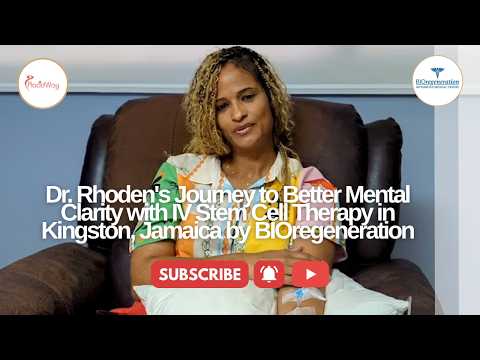
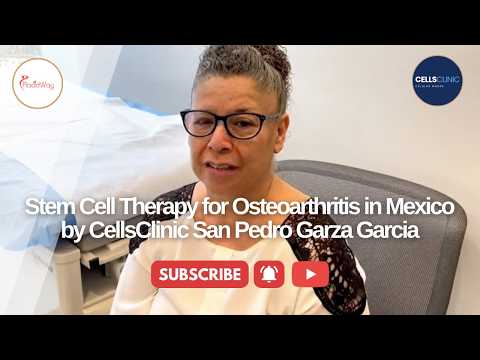
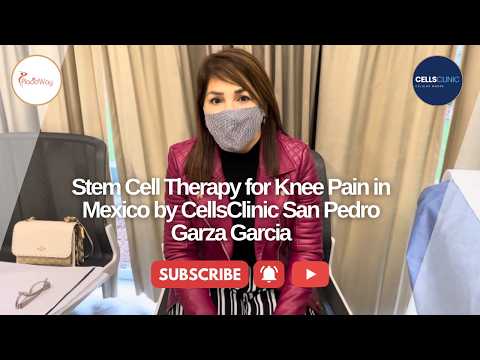
There is nothing quite as reassuring as hearing the success stories of those who have navigated the same path. U.S. patient reviews for stem cells in Mexico often highlight the stark difference in pain levels before and after treatment, as well as the compassionate care received. While clinical data is essential, these personal narratives provide a human perspective on how returning to a pain-free lifestyle impacts daily joy and mental well-being.
It is important to remember that these summaries reflect individual outcomes, and results can vary significantly from person to person. However, they consistently demonstrate the potential of regenerative therapies to transform lives when applied correctly by expert hands. Below are examples of how patients have benefited from seeking biological relief in Guadalajara.
Michael T., 58 (Texas)
Struggling with severe osteoarthritis in both knees, Michael faced the prospect of bilateral knee replacements. After receiving umbilical cord stem cell injections in Guadalajara, he reported a 70% reduction in pain within three months, allowing him to return to playing recreational golf without daily painkillers.
Sarah L., 45 (California)
A chronic rotator cuff injury severely limited Sarah's mobility and caused sleepless nights. She opted for an autologous treatment abroad. Eight weeks post-injection, she experienced restored range of motion and was finally able to sleep on her side again comfortably.
David R., 62 (Florida)
Suffering from generalized joint degradation and chronic fatigue, David received a systemic IV infusion of stem cells. He noted significant improvements not only in his joint flexibility but also in his overall energy levels and reduced systemic inflammation.
Elena M., 50 (Arizona)
Elena traveled to Mexico to address early-stage hip arthritis that hindered her hiking hobby. The localized injections provided her with progressive relief. Six months later, she reported being completely off her anti-inflammatory medications and enjoying weekend hikes once more.
How PlacidWay Assists Your Stem Cell Medical Tourism Journey in Guadalajara
Organizing healthcare in a foreign country can feel overwhelming, but you do not have to manage the details alone. Seeking medical tourism facilitation with PlacidWay connects you with a robust network of vetted global healthcare providers. Our platform is designed to empower patients by providing the tools and connections necessary to make highly informed decisions regarding their medical care.
We prioritize connecting you directly with accredited facilities, ensuring clear lines of communication between you and the leading medical professionals. By utilizing our comprehensive platform, you gain access to vital resources that simplify the initial steps of your health journey.
- Connecting you with internationally accredited and rigorously vetted regenerative medicine clinics.
- Facilitating direct communication and virtual consultations with board-certified specialists.
- Providing transparent, detailed cost estimates for various medical procedures.
- Offering access to extensive patient reviews and verified clinical credentials.
- Supplying educational resources to help you understand candidacy and treatment protocols.
Frequently Asked Questions About Stem Cell Therapy in Guadalajara
When considering crossing borders for healthcare, it is natural to have a multitude of questions regarding safety, logistics, and expectations. This Guadalajara stem cell FAQ section is designed to address the most common inquiries U.S. patients have when researching their options. Gaining clarity on these essential points is the first step toward a confident decision.
While these answers provide a broad overview, they are not a substitute for professional medical advice. We heavily encourage you to schedule a comprehensive evaluation with a certified specialist to address the unique variables of your specific condition.
Is stem cell therapy in Guadalajara safe for U.S. patients?
Yes, stem cell therapy is generally safe when performed in certified facilities. Mexican health authorities strictly regulate these treatments to ensure international protocols are followed. Patients should always undergo a thorough medical evaluation prior to treatment.
How much does stem cell therapy cost in Guadalajara?
The cost of stem cell therapy in Guadalajara typically ranges from $2,500 to $6,500 depending on the specific procedure. This usually represents a savings of 50% to 70% compared to similar treatments in the United States. Prices vary based on the number of cells and injection sites required.
What conditions are typically treated with stem cells in Mexico?
Clinics generally focus on orthopedic conditions such as osteoarthritis, rheumatoid arthritis, and chronic joint pain in the knees, shoulders, and hips. Some facilities also offer protocols for autoimmune and degenerative conditions. However, candidacy depends entirely on individual medical evaluations.
How long does it take to see results from regenerative medicine?
Most patients experience initial improvements within four to six weeks following their procedure. Maximum regenerative benefits typically unfold over three to six months as the cells continue to promote tissue repair. Individual recovery timelines vary based on age, health, and the severity of the condition.
Do I need a special visa to travel to Guadalajara for medical care?
U.S. and Canadian citizens generally do not need a special medical visa for stays under 180 days. A valid passport and a standard tourist entry permit provided at the airport are typically sufficient. It is recommended to carry a letter from your clinic confirming your appointment.
What is the difference between autologous and allogeneic stem cells?
Autologous treatments use stem cells harvested from your own body, typically from bone marrow or adipose fat tissue. Allogeneic treatments use ethically sourced donor cells, often from umbilical cord tissue, which are expanded in a laboratory. Your specialist will recommend the best option based on your specific health needs.
Is hospitalization required for stem cell injections?
Hospitalization is rarely required for joint-specific stem cell injections. The procedures are minimally invasive and are typically performed on an outpatient basis within a few hours. Patients can generally return to their accommodations the same day to rest.
Will my U.S. health insurance cover treatment in Mexico?
U.S. health insurance providers generally do not cover experimental regenerative medicine or treatments performed internationally. Medical tourists typically pay out-of-pocket for these procedures. However, the significantly lower cost in Mexico makes it a viable financial option for many.
Can I fly home immediately after my stem cell procedure?
While the procedure is outpatient, specialists typically recommend waiting 24 to 48 hours before flying home. This allows the medical team to conduct a follow-up check and ensures you are comfortable. Extended sitting on a flight right after joint injections may cause stiffness.
How does PlacidWay help with my medical journey?
PlacidWay assists by connecting you with accredited, pre-screened medical centers that meet international standards. We facilitate the communication between you and the healthcare providers to secure transparent quotes and initial consultations. Our goal is to streamline the planning phase of your medical journey.
References
- U.S. Food and Drug Administration (FDA). Important Patient and Consumer Information About Regenerative Medicine Therapies. https://www.fda.gov/vaccines-blood-biologics/consumers-biologics/important-patient-and-consumer-information-about-regenerative-medicine-therapies
- Mayo Clinic. Stem cells: What they are and what they do. https://www.mayoclinic.org/tests-procedures/bone-marrow-transplant/in-depth/stem-cells/art-20048117
- Centers for Disease Control and Prevention (CDC). Medical Tourism: Travel to Another Country for Medical Care. https://wwwnc.cdc.gov/travel/page/medical-tourism
















Share this listing