


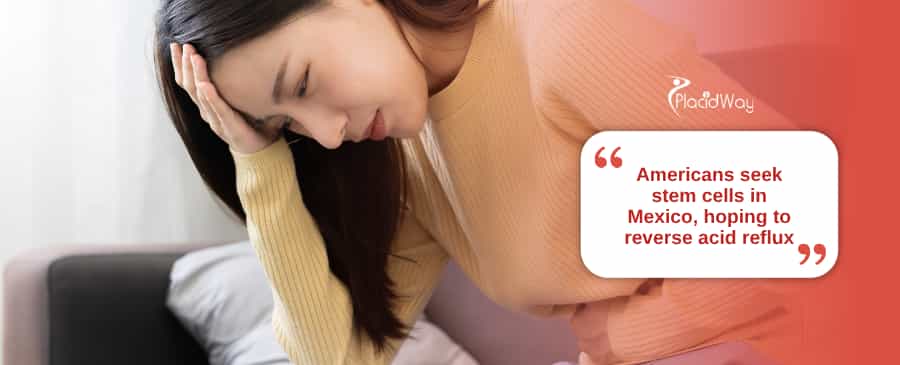
Gastroesophageal reflux disease, or GERD, affects millions of individuals seeking long-term relief from chronic discomfort. Standard treatments often rely heavily on daily medications that merely manage the painful symptoms without addressing the root cause. For those experiencing severe and persistent symptoms, conventional therapies may no longer provide the necessary quality of life. As a result, many patients are now actively exploring regenerative medicine options across international borders.
In recent years, regenerative medicine for acid reflux in Mexico has emerged as an innovative alternative for frustrated patients. Medical tourists from the United States and Canada frequently travel south to access these advanced, cellular-based therapies. The appeal lies in the potential of stem cells to promote natural healing within the damaged esophageal tissues. Patients are increasingly looking toward international clinics that specialize in these modern, regenerative protocols.
Mexico has become one of the top destinations globally for medical tourism, attracting over one million foreign patients annually seeking specialized care.
Why Americans Seek Stem Cell Treatment for GERD in Mexico
The rising cost of healthcare in the United States continues to drive patients toward accessible international alternatives. Managing chronic conditions like acid reflux can become incredibly expensive over a lifetime of prescription medications and specialist visits. Consequently, affordable stem cell therapy for acid reflux in Mexico presents a highly compelling economic option. Patients are finding that they can receive innovative therapies at a fraction of domestic healthcare prices.
Beyond financial considerations, the speed of access to cutting-edge medical treatments plays a significant role in patient decision-making. International medical centers often integrate emerging regenerative protocols much faster than standard clinics back home. Travelers benefit from an expedited process, allowing them to undergo treatment without enduring prolonged waiting lists. This combination of efficiency, affordability, and advanced medical care creates a powerful draw for medical tourists.
- Significantly lower operational costs translate to accessible patient pricing.
- Proximity to the U.S. border makes travel convenient and relatively stress-free.
- Access to progressive therapies that may be heavily restricted or unavailable domestically.
- Shorter waiting times for initial consultations and subsequent medical procedures.
The Science Behind Stem Cell Therapy for Acid Reflux in Mexico
Regenerative therapies focus on the body’s innate ability to repair damaged or inflamed tissues at a cellular level. When applied to chronic acid reflux, stem cells are typically introduced to target the lower esophageal sphincter. The goal is to naturally strengthen the weakened mucosal lining and reduce the persistent inflammation caused by stomach acid. Over time, these cellular treatments generally aim to restore normal tissue function and improve overall digestive health.
Clinics offering stem cell treatment for GERD in Mexico utilize sophisticated protocols to process and administer these healing cells. Mesenchymal stem cells, often sourced ethically from umbilical cord tissue, are frequently favored for their potent anti-inflammatory properties. Most patients experience a straightforward, minimally invasive administration process overseen by skilled medical teams. While individual results vary, this scientific approach represents a promising frontier in gastroenterological care.
Mesenchymal stem cells have a unique ability known as "homing," where they naturally migrate to areas of inflammation and tissue injury in the body.
Cost Comparison of Stem Cell Therapy for Acid Reflux in Mexico
Understanding the financial aspects of medical travel is crucial for patients considering international regenerative therapies. The comprehensive stem cell therapy for acid reflux cost in Mexico is generally significantly lower than comparable experimental treatments stateside. This price discrepancy does not reflect a lower standard of care, but rather the lower operational costs within the Mexican healthcare system. Prospective patients should thoroughly evaluate these expenses to make well-informed financial decisions regarding their health.
A detailed breakdown of the associated costs reveals substantial savings for international medical tourists seeking relief. Packages typically include the cellular products, medical consultations, and clinical facility fees in one transparent price. When comparing these figures to North American estimates, the economic advantage becomes immediately apparent. Below is a realistic market estimate comparing the financial requirements across different regions.
| Procedure Name | Average Cost in Mexico | Estimated Cost in US/Canada |
|---|---|---|
| Stem Cell Therapy for Acid Reflux | $4,500 - $7,000 | $15,000 - $25,000+ |
| Pre-Procedure Diagnostic Testing | $300 - $600 | $1,500 - $3,000 |
| Specialist Consultation Fee | $100 - $200 | $400 - $800 |
Leading Clinics for Stem Cell Therapy for Acid Reflux in Mexico
Selecting a reputable medical facility is the most critical step in organizing a successful medical tourism journey. The neighboring country boasts a growing number of modern, highly accredited regenerative medicine centers catering to international visitors. One notable destination often selected by patients is the Immunity Therapy Center in Tijuana, Mexico. Facilities like this are highly regarded for their comprehensive approach to alternative and restorative patient care.
Prospective visitors must carefully research and select clinics that adhere strictly to international safety and hygiene standards. Facilities offering stem cell treatment for severe acid reflux in Tijuana often feature state-of-the-art medical technology. Board-certified physicians and specialized medical staff generally oversee all aspects of the regenerative protocols to ensure patient safety. By thoroughly evaluating their options, medical tourists can find trustworthy environments dedicated to innovative healing.
Always ask potential clinics for verifiable documentation of their international medical accreditations and details regarding their stem cell sourcing methods.
Ideal Candidates for Stem Cell Therapy for Acid Reflux in Mexico
Not every patient suffering from gastroesophageal issues will be an appropriate match for regenerative medical interventions. A thorough medical evaluation is generally required to determine if cellular therapies can safely address specific patient symptoms. Physicians look for individuals whose conditions have not adequately responded to traditional antacids or proton pump inhibitors. The evaluation process helps ensure that only suitable individuals undergo these specialized procedures.
Medical professionals conducting stem cell procedures for acid reflux in Mexico carefully review comprehensive medical histories before proceeding. Patients with active cancers, certain autoimmune conditions, or severe organ failure are typically excluded from these protocols. The ideal candidate is generally in stable overall health but seeking alternative relief from chronic tissue inflammation. Transparent consultations are essential to verify if the treatment aligns with the patient's unique medical profile.
- Individuals experiencing persistent GERD symptoms despite long-term medication use.
- Patients seeking to avoid invasive surgical procedures like fundoplication.
- Those capable of traveling safely and adhering to post-treatment guidelines.
- Patients without severe underlying immunosuppressive or infectious diseases.
Potential Results of Stem Cell Treatment for GERD in Mexico
Setting realistic expectations is a fundamental aspect of exploring any advanced regenerative medical therapy. While many patients seek a complete cure, the primary objective is typically to achieve a significant reduction in symptom severity. Most patients experience a gradual improvement in their condition over several weeks as the cellular healing process activates. It is important to acknowledge that outcomes are highly individualized and cannot be universally guaranteed.
Following advanced regenerative therapy for acid reflux in Mexico, individuals often report a decreased reliance on daily antacid medications. Improvements in sleep quality and a reduction in esophageal burning sensations are commonly cited among responsive patients. The therapeutic benefits generally depend on the patient's biological response and their adherence to post-procedure lifestyle modifications. Ongoing communication with healthcare providers ensures that patients understand their unique recovery trajectory.
Studies on regenerative medicine suggest that cellular therapies can significantly decrease mucosal inflammation, which is a leading contributor to severe GERD symptoms.
Medical Safety of Stem Cell Therapy for Acid Reflux in Mexico
Patient safety remains the paramount concern for accredited medical facilities catering to the international medical tourism market. Reputable clinics implement stringent quality control measures when harvesting, processing, and administering biological materials. The medical protocols align closely with global safety standards to minimize the risk of adverse physiological reactions. Patients must prioritize clinics that maintain transparent safety records and rigorous facility certifications.
Despite the advanced precautions, anyone seeking safe stem cell therapy for acid reflux in Mexico must understand the inherent risks. All medical procedures carry potential complications, including minor site infections or temporary localized inflammation. Because regenerative medicine remains an evolving scientific field, long-term efficacy studies are still actively being researched. Patients should maintain open dialogue with their physicians regarding any concerns prior to treatment.
Stem cell therapy for GERD is considered an advanced, experimental medical procedure. Results vary widely, and no responsible medical facility can provide a 100% guarantee of success or a complete cure.
Pre-Procedure Steps for Stem Cell Therapy for Acid Reflux in Mexico
Adequate preparation is necessary to maximize the potential benefits of any regenerative cellular intervention. Prior to traveling, patients typically participate in detailed virtual consultations to discuss their medical records and diagnostic imaging. Medical teams will often provide specific dietary and lifestyle guidelines to follow in the weeks leading up to the procedure. This preparatory phase helps to optimize the body's internal environment for receiving the healing cells.
Upon arriving for medical tourism in Mexico for acid reflux therapy, individuals undergo comprehensive, in-person diagnostic testing. Blood work and physical examinations are routinely performed to verify that the patient remains healthy enough for treatment. Patients are advised to abstain from certain anti-inflammatory medications that might interfere with the cellular integration process. Following these specialized pre-procedure instructions is vital for ensuring a smooth and safe medical experience.
Doctors often request patients to stop taking NSAIDs (like ibuprofen) before stem cell procedures, as these medications can suppress the body's natural healing response.
Recovery Timeline for Stem Cell Treatment for GERD in Mexico
The recuperation period following regenerative cellular therapy is generally praised for being straightforward and relatively brief. Because the procedure is typically minimally invasive, patients rarely require extended hospitalization or intensive post-operative care. Most individuals are permitted to return to their comfortable accommodations shortly after the cellular administration is complete. A restful environment is strongly encouraged to support the body’s initial healing response.
Patients returning home after regenerative GERD treatments in Mexico are advised to ease back into their normal routines gradually. Mild fatigue or temporary localized soreness may occur, but these minor symptoms generally subside within a few days. Healthcare providers typically schedule follow-up virtual appointments to monitor the long-term progress of the tissue regeneration. Adhering closely to customized post-care instructions significantly supports the ongoing therapeutic benefits.
Maintain a gentle, acid-friendly diet during the first few weeks of recovery to avoid placing unnecessary stress on your healing esophageal tissues.
Traditional Care Versus Stem Cell Therapy for Acid Reflux in Mexico
Standard medical approaches to gastroesophageal discomfort primarily involve prescription medications that suppress natural stomach acid production. While effective for temporary symptom management, long-term use of these drugs can lead to unwanted systemic side effects. Furthermore, surgical interventions like fundoplication carry significant recovery times and potential surgical complications. Patients seeking alternatives are increasingly evaluating how cellular therapies compare to these conventional, lifelong management strategies.
The core difference lies in the fundamental objective of modern stem cell clinics for GERD in Mexico. Rather than simply masking the painful symptoms, regenerative medicine actively attempts to repair the damaged esophageal sphincter tissues. This cellular approach aims for a more natural restoration of function without permanently altering the digestive anatomy. Understanding this contrast helps patients choose a medical path that aligns best with their long-term wellness goals.
- Traditional medications require daily adherence, whereas stem cell therapy is usually a structured, finite procedure.
- Regenerative medicine targets tissue repair, unlike antacids that only alter stomach pH levels.
- Stem cell procedures are typically far less invasive than conventional anti-reflux surgeries.
- Cellular therapies avoid the anatomical modifications associated with traditional surgical interventions.
Success Stories of Stem Cell Therapy for Acid Reflux in Mexico
Reading about the real-world experiences of previous medical tourists can provide invaluable insights for prospective patients. Patient testimonials frequently highlight not only the medical outcomes but also the quality of compassionate care received abroad. Discovering how others have navigated their healing journeys helps to alleviate common anxieties associated with international travel. These personal narratives often reflect the profound impact that regenerative treatments can have on daily life.
Individuals seeking top-rated stem cell therapy for acid reflux in Mexico often report transformative shifts in their chronic conditions. While respecting that medical outcomes are deeply personal, these stories illustrate the promising potential of modern cellular medicine. From restored dietary freedom to improved nocturnal comfort, the reported benefits span various aspects of overall well-being. Below are a few summarized accounts from individuals who pursued this innovative medical avenue.
Improved Quality of Sleep
After struggling with nighttime acid reflux for over a decade, Michael from Texas decided to explore regenerative options across the border. He reported that within a few months post-treatment, his sleep quality dramatically improved without the need for elevated pillows.
Reduced Medication Dependency
Sarah, a Canadian patient, was frustrated by the side effects of her daily proton pump inhibitors. Following her cellular therapy journey, she noted a significant decrease in her reliance on daily medications to get through her routine.
A Compassionate Medical Environment
David from California praised the high level of personalized attention he received at his chosen international clinic. He highlighted how the medical staff made him feel secure and well-informed throughout the entire regenerative procedure.
Restored Dietary Freedom
For years, Emily avoided her favorite foods due to severe GERD flare-ups. A year after her stem cell treatments, she enthusiastically shared that she could enjoy a wider variety of meals with minimal discomfort.
Planning Medical Tourism for Stem Cell Therapy for Acid Reflux in Mexico
Organizing a seamless medical journey across international borders requires meticulous planning and attention to detail. Prospective tourists must ensure their travel documents, such as passports, are completely up-to-date well before their departure date. It is highly recommended to secure comprehensive medical travel insurance to cover any unforeseen circumstances during the trip. Coordinating travel logistics effectively allows the patient to focus entirely on their health and upcoming medical procedure.
Many patients pursuing medical travel for acid reflux stem cell treatment in Mexico choose destinations close to the border. Cities like Tijuana offer the distinct advantage of geographical proximity, making travel less physically taxing for the patient. Specialized medical facilitation platforms frequently assist patients in navigating the complex logistics of international healthcare access. A well-organized itinerary ultimately contributes to a stress-free and highly positive medical tourism experience.
Tijuana features a dedicated medical lane at the border crossing, specifically designed to expedite the return trip for patients seeking healthcare services in the city.
How PlacidWay Assists Your Stem Cell Therapy for Acid Reflux Medical Tourism Journey in Mexico
Navigating the complexities of international healthcare options can initially feel overwhelming for individuals seeking specialized treatments. Partnering with an experienced medical tourism facilitator significantly streamlines the entire process of accessing regenerative therapies. PlacidWay serves as a crucial bridge, connecting international patients with thoroughly vetted, globally accredited medical facilities. This dedicated support ensures that patients can make confident, highly informed decisions regarding their healthcare journey.
For those actively researching expert stem cell treatments for acid reflux in Mexico, professional guidance is indispensable. PlacidWay prioritizes delivering transparent, value-based assistance tailored specifically to the unique needs of the medical tourist. By offering comprehensive clinic profiles and verifiable patient reviews, the platform empowers individuals to take control of their health. The comprehensive services provided focus entirely on enhancing patient education and direct medical access.
- Providing direct access to top-tier, internationally accredited regenerative medicine clinics.
- Facilitating the secure transfer of medical records between you and overseas specialists.
- Assisting with acquiring comprehensive, customized medical quotes for your procedure.
- Connecting you with board-certified physicians for detailed virtual consultations.
- Offering extensive patient reviews and clinic profiles to aid in your research.
Frequently Asked Questions
Is stem cell therapy for acid reflux safe in Mexico?
Accredited clinics in Mexico adhere to rigorous international medical standards to ensure patient safety during regenerative treatments. However, all medical procedures carry inherent risks, and stem cell therapy remains an evolving scientific field.
How much does stem cell treatment for GERD cost in Mexico?
The procedure generally ranges from $4,500 to $7,000, depending on the specific protocols and individual patient requirements. This is typically significantly more affordable than comparable experimental treatments in the United States.
Do I need a visa to travel to Mexico for medical treatment?
Citizens of the United States and Canada generally do not require a visa for short medical visits to Mexico. A valid passport is necessary to cross the border and return home securely.
How long does the stem cell procedure take?
The actual administration of the stem cells is typically completed within a few hours on an outpatient basis. Most patients spend just a few days in the country for initial consultations, the procedure, and brief observation.
Are the results of stem cell therapy for acid reflux guaranteed?
No medical outcomes can be definitively guaranteed, as patient responses to cellular therapies vary widely based on individual biology. The primary goal is typically symptom reduction and tissue repair, rather than an absolute cure.
What type of stem cells are used for treating GERD?
Clinics frequently utilize mesenchymal stem cells, often sourced from ethically donated umbilical cord tissue. These specific cells are favored for their notable anti-inflammatory and tissue-regenerating properties.
When can I expect to see results after treatment?
Most patients typically begin to notice a gradual reduction in their symptoms over a period of several weeks. The cellular healing process is ongoing, with peak improvements often reported a few months post-procedure.
Is the recovery process painful?
Because the procedure is minimally invasive, most patients report very little discomfort during the recovery phase. Any minor localized soreness generally subsides within a few days of the treatment.
Can I combine stem cell therapy with other GERD treatments?
It is generally advised to follow the specific medical protocols outlined by your attending physician regarding overlapping treatments. Doctors often recommend temporarily adjusting certain medications to allow the stem cells to integrate effectively.
How do I schedule follow-up care after returning home?
International clinics frequently offer virtual telehealth appointments to monitor your recovery progress from afar. Patients are also encouraged to maintain ongoing communication with their local gastroenterologist for comprehensive long-term care.
Medical Disclaimer: This article is for informational purposes only and is not medical advice. Always consult a qualified healthcare provider before any medical decisions. Results may vary. Read Full Disclaimer here.
References
- National Institutes of Health (NIH). Gastroesophageal Reflux (GER) and Gastroesophageal Reflux Disease (GERD) in Adults. https://www.niddk.nih.gov/health-information/digestive-diseases/acid-reflux-ger-gerd-adults
- Mayo Clinic. Stem cells: What they are and what they do. https://www.mayoclinic.org/tests-procedures/bone-marrow-transplant/in-depth/stem-cells/art-20048117
- World Health Organization (WHO). Medical Product Alerts and Patient Safety. https://www.who.int/health-topics/patient-safety
- American College of Gastroenterology. Guidelines for the Diagnosis and Management of Gastroesophageal Reflux Disease. https://gi.org/topics/acid-reflux/
.png)















Share this listing