



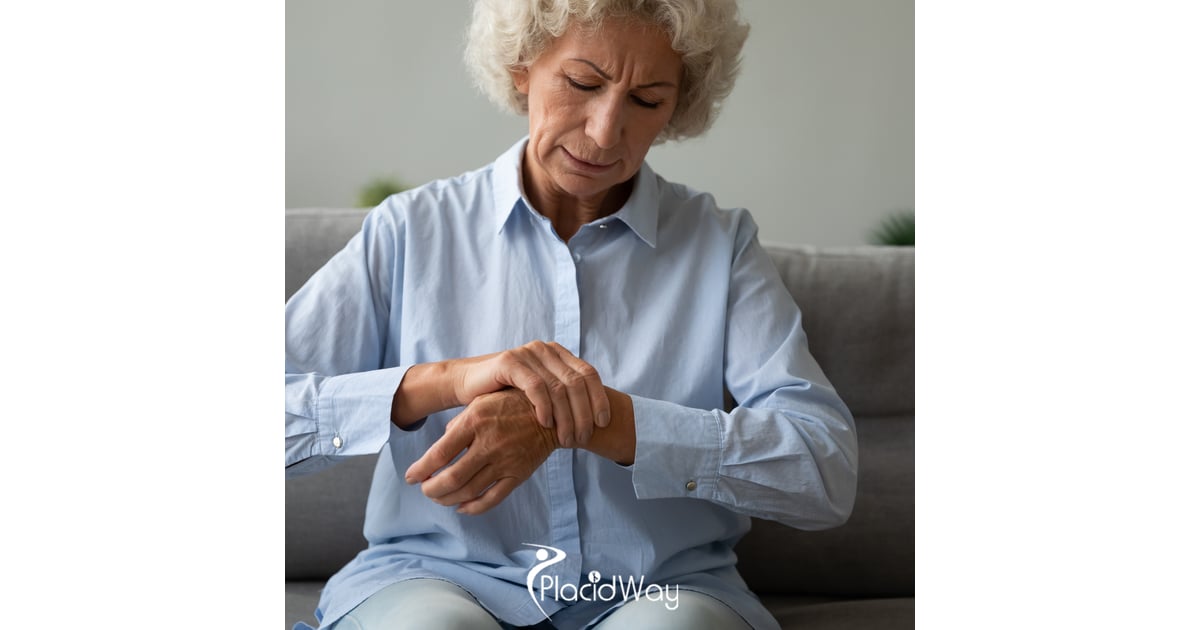
Chronic wrist pain can severely limit daily activities, affecting both personal well-being and professional productivity. For individuals suffering from conditions like osteoarthritis or tendinopathy, finding an effective, long-lasting treatment is paramount. Recently, a growing number of patients are seeking modern alternatives to invasive orthopedic surgeries. This continuous search has led many to cross borders and explore advanced regenerative medicine options abroad.
Among the top international destinations, Tokyo has consistently emerged as a global leader in regenerative therapies and medical innovation. Medical tourists are deeply drawn to the stringent safety protocols and innovative techniques available in the country. Specifically, stem cell therapy for wrist pain in Japan offers a scientifically backed approach to non-surgical healing. By utilizing the body’s own biological mechanisms, these specialized treatments focus on cellular restoration rather than simple symptom masking.
- Autologous Treatments: Procedures typically utilize the patient's own biological material, minimizing rejection risks.
- Cellular Regeneration: The therapy focuses on repairing damaged cartilage and soft tissues at a microscopic level.
- Minimally Invasive: Most protocols are outpatient injection-based therapies, avoiding large surgical incisions.
- Inflammation Reduction: Stem cells generally release anti-inflammatory properties that help manage chronic joint pain.
Japan enacted the "Act on the Safety of Regenerative Medicine" in 2014, making it one of the first countries to legally define and strictly regulate stem cell therapies for maximum patient safety.
Why Malaysians Choose Stem Cell Treatment in Tokyo
In recent years, an increasing demographic of Malaysian patients has been looking beyond their local healthcare systems for specialized orthopedic care. While local medical facilities offer excellent standard care, cutting-edge cellular therapies are often more accessible in highly specialized international hubs. Tokyo stands out due to its geographical proximity to Southeast Asia, offering direct and relatively short flights. Furthermore, the cultural emphasis on precision and meticulous patient care strongly resonates with international health seekers.
The decision to pursue medical tourism in Japan is heavily influenced by the advanced technological infrastructure present in Japanese clinics. Facilities in Tokyo generally employ superior cell cultivation laboratories that can expand stem cells to highly therapeutic volumes. Additionally, the transparent regulatory environment gives Malaysian patients confidence that their procedures adhere to world-class safety standards. Ultimately, the combination of advanced medical science and renowned hospitality makes Tokyo a premier choice.
- Regulatory Confidence: Japanese clinics must pass rigorous government inspections to offer regenerative therapies.
- Advanced Cultivation: Cell expansion techniques in Tokyo can yield millions of potent cells for targeted injection.
- Accessibility: Direct flights from Kuala Lumpur to Tokyo make medical travel highly convenient.
- Holistic Care: Clinics typically offer comprehensive pre-treatment evaluations and detailed post-care instructions.
According to regional medical tourism reports, the number of Southeast Asian patients traveling to East Asia for regenerative medicine has grown by over 15% annually in the post-pandemic era.
The Science Behind Non-Surgical Wrist Healing in Japan
The foundational concept of regenerative medicine revolves around harnessing the human body's intrinsic ability to heal itself. When isolated and concentrated, adult stem cells can communicate with damaged tissues to stimulate repair. In the context of wrist pain, these cells are typically harvested from a patient's own adipose (fat) tissue or bone marrow. Once processed, they are carefully injected directly into the affected joint or inflamed tendon.
Japanese medical professionals utilize high-resolution ultrasound guidance to ensure precise delivery of the cellular material into the wrist. Upon injection, these multipotent cells generally work to modulate the local immune system and decrease chronic inflammation. They also release growth factors that encourage native cells to repair micro-tears in ligaments and cartilage. This sophisticated scientific approach provides a realistic alternative for those looking to avoid joint fusion or invasive reconstructions.
- Harvesting Phase: A small biological sample is painlessly extracted under local anesthesia.
- Isolation and Culturing: State-of-the-art Japanese laboratories isolate the specific cells and multiply them over several weeks.
- Precision Injection: Ultrasound imaging allows specialists to deposit cells exactly where tissue damage is located.
- Healing Cascade: The introduced cells typically trigger a localized biological healing response over the ensuing months.
Mesenchymal stem cells (MSCs) are preferred in joint therapies because they have a unique ability to differentiate into bone, cartilage, and fat cells, while also secreting essential regenerative proteins.
Stem Cell Therapy for Wrist Pain Cost in Japan Versus Malaysia
Understanding the financial commitment required for regenerative medicine is crucial for anyone planning an international medical journey. The stem cell therapy cost in Japan is generally higher than standard orthopedic treatments, reflecting the advanced laboratory processes involved. However, when evaluating the long-term benefits of avoiding surgery, many patients find the investment to be highly worthwhile. Cost structures typically include the initial consultation, harvesting, laboratory cultivation, and the final injection phase.
While local options in Malaysia might appear more budget-friendly initially, they often do not include the same level of advanced cell expansion. Japanese facilities provide highly cultivated cell volumes, which can potentially lead to more robust healing responses in the affected wrist. It is important for medical tourists to request comprehensive quotes that transparently outline all procedural components. Comparing these expenses helps patients make an informed, value-driven healthcare decision.
| Procedure Name | Average Cost in Japan (USD) | Estimated Cost in Malaysia (USD) |
|---|---|---|
| Adipose-Derived Stem Cell Harvesting & Culturing | $7,000 - $12,000 | $5,000 - $8,000 (often without extended culturing) |
| Platelet-Rich Plasma (PRP) Therapy | $800 - $1,500 | $500 - $1,000 |
| Bone Marrow Aspirate Concentrate (BMAC) | $5,500 - $9,000 | $4,000 - $6,500 |
Top Stem Cell Clinics in Japan for Joint and Wrist Care
Selecting the right medical facility is perhaps the most critical step in ensuring a safe and satisfactory regenerative treatment experience. Tokyo is home to numerous internationally accredited clinics that specialize deeply in orthopedic and cellular sciences. These facilities boast multidisciplinary teams comprising joint specialists, molecular biologists, and patient care coordinators. A standout facility often chosen by international patients is HELENE - Stem Cell Clinic in Tokyo, Japan, renowned for its regulatory compliance and advanced methodologies.
When evaluating stem cell clinics in Japan, prospective patients must verify the institution's certifications with the Japanese Ministry of Health, Labour and Welfare. The most reputable clinics maintain their own in-house cell processing centers or partner with leading certified laboratories. Furthermore, top-tier centers provide dedicated translation services to ensure clear communication with international clients. This seamless integration of high-level science and patient-centric care defines Tokyo's medical landscape.
- Government Accreditation: Only engage with clinics that possess official permits for specific regenerative medicine classes.
- Specialized Expertise: Look for medical teams that focus explicitly on joint preservation and sports medicine.
- Transparent Protocols: High-quality clinics provide clear, documented pathways from harvesting to the final injection.
- International Support: Top facilities accommodate foreign patients with dedicated concierges and medical interpreters.
Many advanced clinics in Tokyo utilize computerized tracking systems for cell cultivation, ensuring complete traceability and preventing any cross-contamination of biological samples.
Types of Regenerative Medicine for Wrist Injuries in Tokyo
Not all wrist pain originates from the same underlying pathology, which means treatment must be carefully tailored to the individual. In Tokyo, specialists offer a variety of regenerative approaches depending on the severity of cartilage loss or tendon damage. The most sophisticated option involves extracting adipose-derived mesenchymal stem cells, which yield robust regenerative properties for severe joint wear. Alternatively, for minor sprains or tendonitis, less complex cellular therapies might be recommended.
Doctors will typically conduct a comprehensive MRI and physical assessment before suggesting a specific protocol. Some patients benefit highly from Platelet-Rich Plasma (PRP) combined with stem cells, as the platelets act as an activating catalyst. Others might be ideal candidates for bone marrow-derived cell treatments, which are rich in hematopoietic elements. Exploring these varied regenerative medicine options in Tokyo ensures patients receive the most scientifically appropriate care for their specific injury.
- Adipose-Derived MSCs: Extracted from body fat, these are widely used due to their high concentration of viable regenerative cells.
- Bone Marrow Aspirate: Harvested from the hip bone, this method is traditional and highly effective for certain bone-related joint issues.
- Platelet-Rich Plasma (PRP): While not stem cells, concentrated platelets are frequently used to stimulate localized healing in soft tissues.
- Exosome Therapy: An emerging adjunctive therapy utilizing the communicative vesicles of stem cells to enhance tissue repair signals.
Always ask your consulting specialist to explain why a particular cell source (fat vs. bone marrow) is recommended for your specific wrist diagnosis.
Patient Eligibility for Stem Cell Therapy in Japan
Regenerative medicine offers incredible potential, but it is not a universal cure suitable for every single individual. Reputable Japanese medical professionals conduct strict evaluations to determine if a patient is genuinely a viable candidate. Patients with mild to moderate wrist osteoarthritis or chronic, unhealed ligament sprains generally see the most significant benefits. Conversely, those with complete joint destruction or bone-on-bone friction typically require traditional surgical intervention.
Eligibility also heavily depends on a patient's overall systemic health and medical history. Individuals with active infections, certain autoimmune disorders, or recent histories of cancer are usually contraindicated for these procedures. Doctors prioritize patient safety and will transparently advise against the treatment if the biological environment is not conducive to healing. Understanding the strict patient eligibility criteria for cell therapy is vital to setting realistic expectations.
- Ideal Candidates: Patients experiencing chronic pain from partial tendon tears, mild cartilage degradation, or repetitive strain injuries.
- Contraindications: Those suffering from active malignancies, severe blood disorders, or advanced systemic infections.
- Age Considerations: While older adults can be treated, younger patients typically yield faster-growing cellular samples in the lab.
- Commitment to Recovery: Eligible patients must be willing to adhere strictly to post-treatment rehabilitation protocols.
If a clinic promises a guaranteed 100% cure for severe wrist arthritis without a thorough medical screening, it is highly advisable to seek a second opinion from a certified institution.
Step-by-Step Medical Tourism in Japan for Wrist Treatments
Embarking on a medical journey to another country requires meticulous planning and an understanding of the clinical timeline. The process usually begins well before leaving Malaysia, involving virtual consultations and the secure sharing of medical imaging. Once approved, the patient travels to Tokyo for the initial in-person assessment and the minimally invasive cell harvesting procedure. This first phase is generally brief, allowing the patient to return home or enjoy a short vacation while the laboratory takes over.
The cultivation of stem cells is a highly controlled scientific process that typically takes three to five weeks to complete. During this period, the laboratory environment mimics the human body to encourage rapid cellular multiplication. The final step involves a return trip to the clinic for the targeted ultrasound-guided injection into the wrist joint. This structured medical tourism journey in Japan ensures the biological materials are perfectly primed for maximum therapeutic effect.
- Step 1 - Virtual Consultation: Review of MRI scans and medical history via secure video conferencing.
- Step 2 - Cell Harvesting: A brief outpatient visit in Tokyo to extract fat or marrow under local anesthesia.
- Step 3 - Laboratory Cultivation: A 3 to 5-week period where cells are isolated, multiplied, and rigorously tested for safety.
- Step 4 - Joint Injection: The final outpatient procedure where the concentrated cells are precisely delivered into the damaged wrist.
Some advanced clinics offer cryopreservation services, allowing patients to freeze their remaining cultivated stem cells for potential future treatments without needing another harvesting procedure.
Recovery Expectations After Stem Cell Procedures in Tokyo
Managing post-procedure expectations is essential, as regenerative healing is a biological process that takes time to unfold. Immediately following the injection, most patients experience mild stiffness, swelling, or localized discomfort around the wrist joint. These initial reactions are normal biological responses and generally subside within a few days with rest and prescribed icing protocols. It is highly recommended to wear a supportive brace to immobilize the joint temporarily during this vulnerable phase.
Unlike surgical interventions that require extensive downtime, the recovery from stem cell injections is comparatively swift but gradual in outcome. Patients typically begin noticing a reduction in chronic pain and improvements in wrist mobility within four to eight weeks. Full tissue remodeling and structural benefits can continue to develop for up to six months post-injection. A vital component of achieving the best recovery after stem cell therapy involves engaging in guided, gentle physical rehabilitation.
- First 48 Hours: Expect mild swelling and localized soreness; rest and joint immobilization are critical.
- Weeks 1 to 4: Gradual return to light daily activities, avoiding heavy lifting or repetitive wrist strains.
- Months 1 to 3: Most patients generally report significant decreases in chronic inflammation and pain levels.
- Months 3 to 6: Continued joint strengthening and tissue remodeling typically reach their peak therapeutic effects.
Clinical observations suggest that approximately 70% to 80% of appropriately screened patients experience meaningful pain reduction and functional improvement within 3 to 6 months post-treatment.
Potential Risks of Stem Cell Injections in Japan
While considered highly safe when performed under strict regulatory frameworks, no medical procedure is entirely devoid of risk. Because these treatments utilize autologous cells—meaning they come from the patient’s own body—the risk of allergic reaction or tissue rejection is virtually eliminated. However, patients must still be aware of the standard risks associated with any injection-based procedure. Medical teams in Japan take extensive precautions, maintaining sterile environments to mitigate any chance of infection.
Most patients experience only temporary side effects, such as minor bruising at the harvesting or injection sites. In rare instances, there may be prolonged swelling or localized nerve irritation due to the needle placement. It is crucial to acknowledge that while many achieve excellent outcomes, regenerative medicine does not guarantee a cure for everyone. Having a transparent discussion about the potential risks of cellular therapies ensures patients make fully educated decisions.
- Injection Site Reactions: Mild pain, redness, or temporary swelling are common and generally resolve quickly.
- Infection Risk: Although extremely rare in certified Japanese clinics, any skin puncture carries a slight risk of bacterial infection.
- Nerve Irritation: The physical injection into a tight joint space can occasionally cause temporary nerve sensitivity.
- Variable Outcomes: Biological healing is unpredictable; some patients may not achieve the desired level of pain relief.
Real Experiences with Stem Cell Therapy for Wrist Pain in Japan
Hearing about the real-life journeys of others can provide immense comfort and clarity for those considering overseas medical treatments. Many Malaysians who have traveled to Tokyo for wrist procedures report highly positive experiences regarding both the medical care and the hospitality. These personal stories often highlight the stark contrast between conventional pain management and the progressive approach of regenerative medicine. While individual results inevitably vary, the overarching theme is one of renewed mobility and enhanced quality of life.
Patient testimonials offer a glimpse into the comprehensive care models practiced in Japanese medical facilities. They underscore the importance of precision, from the initial consultation to the meticulous follow-up care provided. By reading about these patient experiences in Japan, prospective medical tourists can better visualize their own potential path to healing.
IT Professional from Penang
After years of repetitive strain, my wrist pain was unbearable. The clinic in Tokyo was incredibly professional. Six months post-injection, I am typing comfortably and generally experiencing no daily pain.
Avid Golfer from Kuala Lumpur
Cartilage wear threatened to end my golfing days. I opted for cultivated stem cells in Japan to avoid surgery. The procedure was smooth, and my joint mobility has significantly improved over the last year.
Musician from Selangor
Wrist tendonitis was destroying my career. The targeted regenerative injections I received in Tokyo provided the biological boost my body needed. Most days, I practice for hours without the severe swelling I used to suffer from.
Business Executive from Johor Bahru
I chose Tokyo for its strict medical regulations. The entire process, from harvesting to the final wrist injection, was handled with utmost precision. It was worth the trip for the peace of mind and the successful outcome.
Preparing for Your Regenerative Medical Trip to Tokyo
Proper preparation is the key to ensuring a stress-free and successful medical tourism experience. Traveling abroad for healthcare requires careful coordination of medical records, travel documents, and post-treatment recovery plans. Before booking flights, patients must ensure they have high-quality digital copies of recent MRI scans and detailed medical reports. These documents allow the Japanese medical team to accurately assess the wrist condition and finalize a tailored treatment protocol.
Additionally, while short-term visitors from Malaysia often enter Japan without complex visas, it is important to confirm immigration requirements based on the intended length of stay. Patients should also prepare financially, ensuring their payment methods are accepted internationally and clearly understanding the treatment schedule. By meticulously preparing for medical travel to Japan, patients can focus entirely on their recovery and well-being.
- Medical Records: Compile recent MRI scans, blood test results, and a summary of previous treatments.
- Travel Documentation: Ensure your passport is valid for at least six months and check current visa requirements.
- Companion Support: Consider traveling with a companion to assist you, especially immediately after the injection phase.
- Post-Care Planning: Arrange for a local physical therapist in Malaysia to guide your rehabilitation upon returning home.
Download a reliable translation app on your smartphone before arriving in Tokyo. While clinics provide medical interpreters, basic translation tools are invaluable for navigating the city and reading signs.
Navigating Regulations for Stem Cell Clinics in Japan
Japan is widely recognized globally for having one of the most comprehensive and secure legal frameworks concerning regenerative medicine. The government proactively regulates all cellular therapies to protect both domestic citizens and international medical tourists from unproven treatments. Clinics operating within this space must undergo rigorous inspections and submit detailed treatment plans to certified review boards. This strict oversight guarantees that facilities adhere to the highest ethical and scientific standards available.
For a clinic to legally cultivate and administer stem cells, they must be registered under the Ministry of Health, Labour and Welfare. The treatments are categorized by risk level, ensuring that cellular expansion procedures are handled in immaculate, heavily monitored laboratory conditions. Understanding these Japanese stem cell regulations provides tremendous reassurance to patients, proving that their safety is the highest priority throughout the medical process.
- Strict Oversight: Clinics must be explicitly licensed by the Japanese Ministry of Health to offer specific therapies.
- Ethical Committees: Every new regenerative treatment protocol must be reviewed and approved by independent medical boards.
- Lab Standards: Cell Processing Centers (CPCs) must maintain extreme sterility and traceability standards.
- Transparent Reporting: Clinics are required to document and report patient outcomes and any adverse events to regulatory bodies.
Because of these stringent national laws, Japan is one of the few countries where the commercial cultivation and expansion of autologous stem cells is legally standardized and highly monitored.
How PlacidWay Assists Your Stem Cell Therapy Medical Tourism Journey in Japan
Navigating international healthcare systems can be complex, especially when seeking highly specialized treatments like regenerative medicine. Securing reliable clinic information, understanding accurate pricing, and verifying facility credentials require significant research and time. Having a dedicated medical tourism facilitator simplifies this process, ensuring that every medical decision is informed and confident. Our goal is to connect you seamlessly with top-tier healthcare providers.
PlacidWay is committed to empowering international patients by providing transparent, value-driven assistance tailored to your specific medical needs. We act as your liaison, bridging the gap between you and world-renowned specialists in Tokyo. Our structured approach ensures you have all the necessary information to evaluate your affordable stem cell therapy in Japan.
- Connecting you directly with internationally accredited and government-certified medical clinics.
- Facilitating the secure transfer of your medical records and MRI scans for initial specialist evaluation.
- Providing transparent, comprehensive cost estimates and treatment outlines directly from the healthcare providers.
- Assisting with the coordination of virtual consultations so you can speak with specialized doctors prior to travel.
- Offering a comprehensive patient profile creation to streamline your medical intake process abroad.
Frequently Asked Questions
Is stem cell therapy for wrist pain painful?
Most patients generally experience only mild discomfort during the extraction and injection processes. Local anesthesia is typically utilized to ensure the procedure remains as comfortable as possible.
How long does the regenerative treatment take in Japan?
The initial harvesting and consultation generally take a single day, but the cultivation of cells may take several weeks. Patients typically return for a brief outpatient appointment to receive the final injection.
Do I need a special medical visa for Japan?
Many international visitors, including Malaysians, can enter Japan for short-term stays on a standard tourist visa. However, for extended treatments, you may need to apply for a specific Medical Stay Visa.
Are the results of stem cell therapy guaranteed?
No medical procedure can guarantee results, and outcomes vary significantly between individuals. While many patients report improvement, success depends on the severity of the condition and individual biology.
When can I resume normal activities after wrist treatment?
Patients are typically advised to rest the joint for a few days to a week following the injection. Gradual return to light activities is generally permitted after two to four weeks under medical guidance.
Why is Japan preferred over local options in Malaysia?
Japan is recognized for its strict governmental regulations and advanced cell culturing technologies. This high standard of quality control provides patients with elevated confidence in the safety and efficacy of the treatments.
Are there age limits for receiving stem cells for wrist joints?
There is no strict universal age limit; however, older patients may yield fewer viable stem cells. Eligibility is generally determined through a comprehensive medical evaluation rather than age alone.
Can stem cells cure severe wrist osteoarthritis?
Stem cells focus on symptom management, reducing inflammation, and promoting tissue repair, but they are not a definitive cure. Advanced, bone-on-bone osteoarthritis typically requires surgical intervention rather than cellular therapy.
Is post-procedure physical therapy necessary?
Yes, incorporating customized physical therapy is generally recommended to support the healing process. Structured rehabilitation helps restore mobility and strengthen the wrist as the joint recovers.
How does PlacidWay help with my medical trip?
PlacidWay assists by connecting you with accredited international clinics and facilitating initial medical consultations. We help streamline document sharing and provide valuable information to support your healthcare decisions.
Contact PlacidWay today to connect with accredited regenerative clinics in Japan and discover if you are a candidate for advanced stem cell therapy.
References
- National Institutes of Health (NIH). Stem Cell Basics and Application in Orthopedics. https://pmc.ncbi.nlm.nih.gov/articles/PMC3328166/
- Mayo Clinic. Stem Cell Therapy . https://www.mayoclinic.org/tests-procedures/bone-marrow-transplant/in-depth/stem-cells/art-20048117
- PubMed Central. Efficacy of Mesenchymal Stem Cells in the Treatment of wrist Osteoarthritis. https://pmc.ncbi.nlm.nih.gov/articles/PMC3826241/
















Share this listing