



Parkinson’s disease remains a formidable neurological challenge, traditionally managed through medications that eventually lose their efficacy over time. In recent years, a growing number of patients have turned their attention toward regenerative medicine as an alternative strategy to combat neurodegeneration. Stem cell therapy for Parkinson's in Mexico City has emerged as a compelling option for those seeking advanced interventions. This modern medical approach focuses on utilizing the body's natural healing mechanisms to target cellular damage in the brain.
The primary objective of these regenerative protocols is not to provide an immediate cure, but rather to modulate the immune system, reduce chronic neuroinflammation, and support the survival of existing dopaminergic neurons. Patients exploring stem cells for brain regeneration in Mexico City are often drawn by the combination of accessible pricing, high-quality medical infrastructure, and specialized expertise. While results vary, many individuals report improvements in their daily quality of life following comprehensive treatment plans.
How Stem Cells for Brain Regeneration Target Parkinson's Disease
The underlying pathology of Parkinson's involves the progressive loss of dopamine-producing cells in a specific region of the brain called the substantia nigra. Traditional pharmaceuticals attempt to replace this lost dopamine, but they do not halt the ongoing cellular degradation. By utilizing affordable Parkinson's treatment in Mexico City, medical professionals aim to introduce stem cells that can migrate to areas of injury and release protective substances. These cells generally work by creating a favorable microenvironment that supports neurological repair.
When administered correctly, stem cells possess a unique property known as immunomodulation, which allows them to calm the overactive immune responses that contribute to neurodegeneration. Most patients experience this therapy as a systemic approach to wellness, where the stem cells act as biological factories secreting growth factors. The goal is to stimulate angiogenesis—the creation of new blood vessels—and encourage the brain's inherent regenerative capabilities. This multifaceted approach is what makes medical tourism in Mexico City so appealing for neurological patients.
Why US Patients Choose Medical Tourism in Mexico City for Neurology
The United States boasts some of the world's most advanced healthcare, but regulatory bottlenecks and prohibitive costs often restrict patient access to innovative therapies. As a result, thousands of individuals look beyond their borders to find viable, safe alternatives for chronic conditions. Medical tourism in Mexico City has witnessed exponential growth due to its strategic geographical proximity, making it a short flight from most major US hubs. Furthermore, the city is home to modern, internationally accredited hospitals that cater specifically to the needs of foreign visitors.
Another driving factor is the personalized, patient-centric care that international medical travelers typically receive in Latin America. Instead of facing long waitlists, patients can quickly consult with highly qualified specialists who dedicate ample time to understanding their unique neurological profiles. The leading Parkinson's clinics in Mexico City utilize state-of-the-art laboratories to process and culture stem cells according to rigorous global standards. This combination of accessibility, compassionate care, and cutting-edge science continues to drive the outward migration of healthcare consumers.
Stem Cell Therapy Cost in Mexico City Versus the United States
One of the most critical considerations for families facing chronic neurological diseases is the overwhelming financial burden of ongoing care. The stem cell therapy cost in Mexico City is a primary reason why patients decide to travel, as treatments there are offered at a fraction of the price found in domestic markets. In the US, experimental regenerative treatments are rarely covered by standard insurance policies, leaving patients to bear the entire out-of-pocket expense. By crossing the border, patients can access identical, and sometimes more advanced, cellular technologies without depleting their life savings.
It is important to understand that the lower cost does not equate to a reduction in medical quality or safety standards. The affordability is primarily driven by lower administrative overhead, favorable exchange rates, and differences in the general cost of living. When comparing an affordable Parkinson's treatment in Mexico City to its US counterpart, the financial relief becomes immediately apparent. Below is a detailed cost comparison reflecting typical market ranges for various regenerative procedures.
| Procedure Name | Average Cost in Mexico City | Average Cost in the US |
|---|---|---|
| Standard MSC IV Infusion | $4,500 - $6,500 | $15,000 - $25,000 |
| Intrathecal Stem Cell Administration | $6,500 - $8,500 | $20,000 - $35,000 |
| Comprehensive Multi-Day Protocol | $9,000 - $12,000 | $30,000 - $50,000 |
| Pre-Therapy Neurological Evaluation | $300 - $600 | $1,500 - $3,000 |
Top Parkinson's Clinics in Mexico City and Quality of Care
Navigating the landscape of international healthcare requires careful research to identify legitimate, highly rated institutions. The finest Parkinson's clinics in Mexico City operate under strict federal guidelines and often collaborate with international researchers to refine their clinical protocols. Facilities like the MexStemCells Clinic in Mexico City, Mexico are renowned for their transparent patient screening processes and dedication to ethical regenerative medicine. These specialized centers invest heavily in clean-room laboratories and sophisticated medical technology to ensure maximum cell viability.
Quality of care in these destinations extends far beyond the operating room, emphasizing holistic patient well-being and comfortable recovery. Medical staff are typically fully bilingual, bridging the communication gap that often concerns international travelers. When evaluating options for stem cell therapy for Parkinson's in Mexico City, prospective patients should look for clinics that provide comprehensive pre-treatment consultations and transparent medical histories. Exceptional clinics will always prioritize patient safety over volume, ensuring each protocol is tailored specifically to the individual's disease progression.
- Accredited Laboratories: Top facilities utilize ISO-certified clean rooms to cultivate and expand stem cells safely.
- Multidisciplinary Teams: Care is usually directed by board-certified neurologists alongside specialized regenerative biologists.
- Ethical Sourcing: Reputable clinics maintain strict ethical guidelines regarding the donation and processing of cellular tissues.
- Transparent Reporting: High-quality centers provide patients with a "Certificate of Analysis" detailing the cell count and viability.
The Procedure Process for Parkinson's Treatment in Mexico City
The journey toward cellular therapy begins long before the patient boards a plane, typically starting with an extensive virtual consultation. During this initial phase, specialists review medical records, MRI scans, and current medication lists to determine if stem cells for brain regeneration in Mexico City are a viable option. Once approved and arrived at the clinic, the patient undergoes physical examinations and baseline neurological assessments. This meticulous preparation ensures the body is adequately prepared to receive the regenerative biological agents.
The actual administration of the cells is generally minimally invasive and performed on an outpatient basis. Depending on the customized protocol, cells may be delivered intravenously (IV) to provide systemic anti-inflammatory benefits, or intrathecally (into the spinal canal) to bypass the blood-brain barrier. The entire procedure typically lasts only a few hours, during which the patient is closely monitored by the medical team. Following the affordable Parkinson's treatment in Mexico City, patients are usually cleared to return to their hotel for rest and observation.
Eligibility and Patient Screening for Brain Regeneration Therapies
While regenerative medicine offers significant promise, it is crucial to recognize that not every individual is a suitable candidate for these advanced interventions. Rigorous screening is a hallmark of the best Parkinson's clinics in Mexico City, ensuring that treatments are only administered to those who can safely benefit. Eligibility generally depends on the stage of the disease, the patient's overall cardiovascular health, and the absence of specific contraindicated conditions. Medical teams carefully evaluate these factors to set realistic expectations for the patient and their family.
Contraindications typically include active systemic infections, a recent history of cancer, or advanced-stage neurodegeneration where regenerative capacity is severely compromised. If a patient is deemed ineligible, reputable clinics will ethically decline to perform the procedure rather than risk patient safety. By maintaining these strict protocols, specialists providing stem cell therapy for Parkinson's in Mexico City protect both the patient's health and the scientific integrity of the medical field. It is this commitment to safety that builds profound trust with international medical tourists.
Stem cell therapy is not a definitive cure for Parkinson's disease, and clinical outcomes can vary widely among patients. Individuals with active malignancies, severe bleeding disorders, or certain autoimmune conditions are typically strictly contraindicated for this procedure.
Safety Standards and Regulations in Mexico City Medical Facilities
Safety is understandably the primary concern for any patient contemplating traveling abroad for complex medical procedures. Mexico's healthcare system is regulated by COFEPRIS (Federal Commission for the Protection against Sanitary Risk), which acts similarly to the FDA in the United States. Clinics providing stem cells for brain regeneration in Mexico City must adhere to stringent sanitary and operational guidelines to maintain their licenses. This regulatory oversight ensures that cellular processing, storage, and administration meet high clinical standards.
In addition to local government regulations, many top-tier facilities voluntarily pursue international accreditations to demonstrate their commitment to excellence. These certifications verify that the clinic follows global best practices regarding infection control, patient privacy, and emergency preparedness. Therefore, choosing medical tourism in Mexico City does not mean compromising on clinical safety or procedural hygiene. Patients are encouraged to verify a clinic's regulatory standing as part of their comprehensive due diligence.
What to Expect During Recovery from Stem Cell Therapy
The recovery phase following regenerative treatments is notably different from the recovery associated with major neurological surgeries. Because the administration is typically minimally invasive, most patients experience a relatively smooth and straightforward post-procedure period. Following an affordable Parkinson's treatment in Mexico City, individuals might encounter mild, temporary side effects such as fatigue, a slight headache, or localized soreness at the injection site. These reactions are generally considered normal immune responses and tend to subside within 24 to 48 hours.
Patients are usually advised to engage in light, restful activities for the first week, avoiding strenuous exercise or high-stress environments. The regenerative process initiated by the stem cells is a gradual one; the cells take time to integrate, secrete healing factors, and modulate neuroinflammation. Therefore, those undergoing stem cell therapy for Parkinson's in Mexico City should expect subtle, progressive changes over several months rather than immediate overnight transformations. Maintaining a positive, patient mindset is a critical component of the healing journey.
Long-Term Management Following Affordable Parkinson's Treatment in Mexico City
Regenerative medicine is most effective when integrated into a broader, comprehensive approach to chronic disease management. Stem cell therapy should be viewed as a powerful adjunct to traditional care, not a complete replacement for it. After returning from receiving stem cells for brain regeneration in Mexico City, patients must continue working closely with their primary neurologists back home. Medication schedules should never be altered without strict medical supervision, as sudden changes can cause severe symptom exacerbation.
Long-term success relies heavily on lifestyle modifications designed to support neuroplasticity and overall brain health. Engaging in regular, targeted physical therapy—such as specialized Parkinson's movement programs—can synergize with the biological effects of the stem cells. Furthermore, patients benefiting from medical tourism in Mexico City are often guided to adopt anti-inflammatory diets and targeted nutritional supplements. This holistic continuum of care maximizes the potential longevity of the regenerative benefits.
- Physical Therapy: Consistent movement exercises help maintain balance, flexibility, and motor function.
- Neurological Follow-ups: Regular check-ins with your local doctor ensure your medication remains optimized as symptoms potentially shift.
- Nutritional Support: Diets rich in antioxidants, omega-3 fatty acids, and low in processed sugars support a healthy neuro-environment.
- Mental Wellness: Managing stress through mindfulness or counseling can significantly reduce symptom flare-ups.
Comparing Autologous and Allogeneic Stem Cells for Brain Regeneration
A fundamental decision in regenerative neurology involves selecting the appropriate biological source for the cellular material. The two primary categories utilized in advanced Parkinson's clinics in Mexico City are autologous (patient-derived) and allogeneic (donor-derived) stem cells. Autologous cells are typically harvested from the patient's own bone marrow or adipose (fat) tissue, processed, and reintroduced. While this eliminates any risk of immune rejection, the cells are subject to the same aging and environmental factors as the patient.
Conversely, allogeneic stem cells are usually sourced from ethically donated, healthy umbilical cord tissue following full-term, healthy pregnancies. These young cells are highly robust, replicate rapidly, and possess powerful immunomodulatory capabilities ideal for neurological conditions. When exploring stem cell therapy cost in Mexico City, it is important to note that the chosen cell type will influence the overall pricing and clinical protocol. Medical professionals carefully evaluate each patient's specific physiological needs to recommend the most optimal cellular source.
- Autologous (Self-Derived): Zero risk of rejection, requires an extraction procedure (like liposuction or marrow draw), cellular vitality matches patient's age.
- Allogeneic (Umbilical Cord): Highly robust "day zero" cells, no extraction procedure required for the patient, strong anti-inflammatory properties.
- Expansion Capabilities: Allogeneic cells can generally be cultivated in laboratories to achieve much higher therapeutic doses.
Real Patient Experiences with Stem Cells for Parkinson's in Mexico
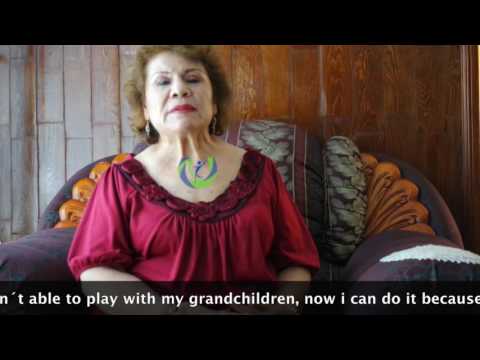
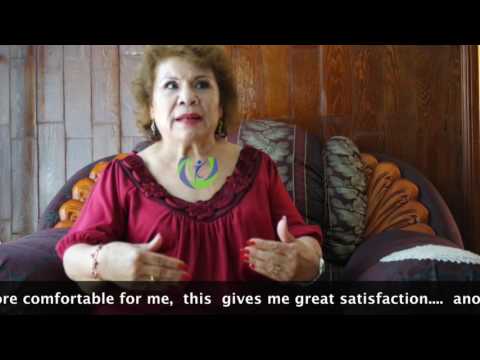
Statistics and scientific explanations are vital, but hearing the personal journeys of those who have navigated similar paths often provides the most profound insight. Countless US citizens have shared their narratives regarding stem cell therapy for Parkinson's in Mexico City, highlighting both their initial skepticism and subsequent clinical experiences. These testimonials frequently emphasize the compassionate care they received and the improvements in their daily autonomy. While outcomes are deeply individual, the recurring theme is a renewed sense of hope.
Patients often report subtle but meaningful changes, such as reduced tremors, enhanced energy levels, and longer periods of medication efficacy (reduced "off" times). By choosing affordable Parkinson's treatment in Mexico City, many families express relief at finding a proactive way to combat a notoriously relentless disease. Below are brief summaries reflecting common patient experiences following regenerative intervention.
Robert's Journey to Better Mobility
After struggling with severe rigidity for five years, Robert traveled from Texas for treatment. He typically experienced intense "freezing" episodes, but three months post-procedure, he reported a noticeable improvement in gait fluidity and a reduction in morning stiffness.
Susan's Experience with Energy Levels
Susan, a former teacher, found the chronic fatigue of Parkinson's debilitating. Following her protocol in Mexico City, she noted that her daily energy crashes were significantly less frequent, allowing her to comfortably resume gardening and mild aerobic activities.
David's Reduction in Tremors
Tremors had made eating and writing nearly impossible for David. Although the therapy did not cure him, he experienced a moderate reduction in resting tremors within four months, giving him back a degree of independence he thought was lost.
Maria's Enhanced Medication Response
Maria found that her traditional levodopa was wearing off too quickly. Post-stem cell treatment, her local neurologist observed that her standard medication doses seemed to last longer, smoothing out the difficult transitions between functional periods.
Preparing for Your Medical Tourism Trip to Mexico City
Thorough preparation is the key to ensuring a stress-free and clinically successful international healthcare experience. If you have decided to pursue stem cells for brain regeneration in Mexico City, organizing your medical records should be your first priority. Compiling a comprehensive dossier of your MRI reports, blood work, specialist notes, and current prescriptions allows the international team to accurately tailor your protocol. It is also wise to inform your local physician of your plans, fostering open communication between your home and away medical teams.
Logistically, medical travelers must ensure their passports are valid for at least six months beyond their planned travel dates. When arranging medical tourism in Mexico City, packing comfortable, loose-fitting clothing is recommended for procedure days and the recovery period. Additionally, bringing a trusted family member or companion can provide crucial emotional support and practical assistance as you navigate a foreign city and focus entirely on healing.
- Organize Records: Digitize all recent neurological assessments and lab results for easy sharing.
- Manage Medications: Pack enough of your current Parkinson's medications in your carry-on luggage to last the entire trip, plus a few extra days.
- Financial Preparation: Notify your bank of your international travel plans to avoid any issues with credit card transactions abroad.
- Travel Light: Bring comfortable walking shoes and clothing that is easy to put on and take off for medical examinations.
How PlacidWay Assists Your Stem Cell Therapy Medical Tourism Journey in Mexico City
Coordinating complex healthcare treatments in a foreign country can feel overwhelming without the right guidance and support networks. Choosing the optimal stem cell therapy for Parkinson's in Mexico City requires sifting through numerous medical profiles, evaluating clinical credentials, and understanding international healthcare protocols. Partnering with a dedicated medical tourism platform ensures you are making informed, safe, and strategic decisions.
PlacidWay serves as a crucial bridge connecting international patients with top-tier, vetted medical institutions specializing in regenerative neurology. By leveraging our extensive network and industry expertise, we empower patients to confidently pursue an affordable Parkinson's treatment in Mexico City. Here is how PlacidWay facilitates your healthcare journey:
- Connecting you directly with internationally accredited regenerative medicine specialists.
- Providing comprehensive clinic profiles, including doctor credentials and facility certifications.
- Facilitating initial virtual consultations to determine clinical eligibility.
- Offering transparent access to detailed procedure descriptions and expected timelines.
- Assisting in obtaining detailed, customized medical quotes directly from the providers.
- Delivering unbiased patient reviews and testimonials to aid in your decision-making process.
Frequently Asked Questions (FAQ)
Is stem cell therapy a guaranteed cure for Parkinson's disease?
No, stem cell therapy is not a guaranteed cure for Parkinson's disease. It is an advanced regenerative approach generally aimed at managing symptoms, reducing neuroinflammation, and potentially slowing disease progression.
Why do patients travel to Mexico City for Parkinson's treatment?
Many US patients choose medical tourism in Mexico City because it offers access to innovative regenerative therapies at significantly lower costs compared to the United States. Additionally, the city is home to modern clinics following international safety standards.
Are stem cell treatments in Mexico City safe?
Treatments are typically safe when performed by certified specialists in regulated facilities. Top Parkinson's clinics in Mexico City adhere to strict sanitary and medical protocols established by federal health authorities.
What type of stem cells are used for brain regeneration?
Clinics generally utilize mesenchymal stem cells (MSCs) derived from umbilical cord tissue, bone marrow, or adipose tissue. These cells are preferred for their strong immunomodulatory properties and ability to secrete neurotrophic factors.
How long does the stem cell procedure take?
The administration of stem cells is typically an outpatient procedure that takes a few hours to complete. However, patients are generally advised to stay in the country for several days for proper pre-screening and post-treatment monitoring.
Do I need a special visa for medical tourism in Mexico City?
US and Canadian citizens generally do not require a special medical visa for stays under 180 days. A valid passport and a standard tourist entry permit are typically sufficient for your medical travel.
How much does stem cell therapy cost in Mexico City?
The cost of stem cell therapy for Parkinson's in Mexico City typically ranges from $5,000 to $12,000, depending on the number of cells and the specific treatment protocol. This is substantially less than the $20,000 to $35,000 often quoted in the United States.
When will I see results after the procedure?
Results vary significantly among individuals, but some patients report noticing improvements in energy and mobility within a few weeks. The most substantial regenerative effects typically develop over three to six months following the therapy.
What is the follow-up care process like?
Follow-up care generally involves virtual consultations with your medical team to monitor your progress and adjust ongoing management plans. Patients are usually advised to continue their standard neurological care with their local specialists in the US.
Can anyone with Parkinson's receive stem cell therapy?
Not every patient is a candidate for this treatment. Comprehensive medical screening is required to ensure eligibility, and patients with certain active infections or severe late-stage complications may be contraindicated.
Ready to explore advanced regenerative therapies? Discover top-rated clinics and specialized neurologists for Parkinson's treatment in Mexico City with PlacidWay.
References
- National Institutes of Health. Stem Cells and Parkinson's Disease. https://www.ncbi.nlm.nih.gov/books/NBK536728/
- Mayo Clinic. Parkinson's disease - Diagnosis and treatment. https://www.mayoclinic.org/diseases-conditions/parkinsons-disease/diagnosis-treatment/drc-20376061
- World Health Organization. Neurological Disorders: Public Health Challenges. https://www.who.int/news-room/fact-sheets/detail/parkinson-disease

















Share this listing