
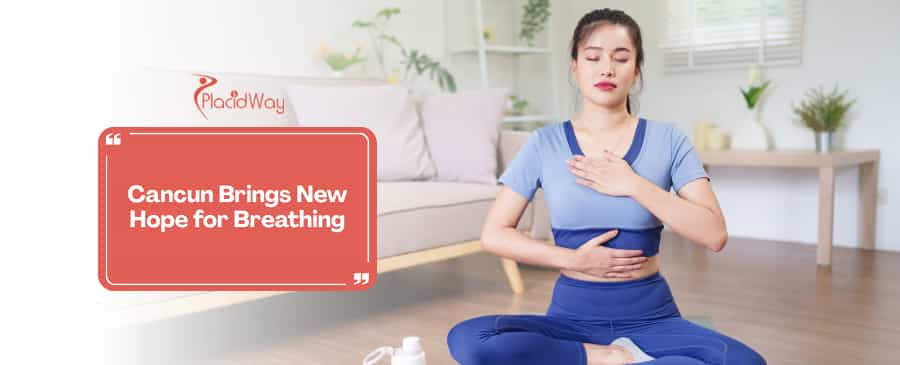
The global landscape of regenerative medicine has rapidly expanded, positioning innovative treatments at the forefront of chronic disease management. For individuals navigating the daily challenges of Chronic Obstructive Pulmonary Disease (COPD), standard therapies often focus solely on symptom mitigation rather than addressing underlying tissue inflammation. However, the introduction of the lung restoration protocol utilizing Stem Cell Therapy for COPD in Cancun is presenting a distinct, scientifically grounded alternative for comprehensive respiratory care. By combining advanced cellular science with accessible healthcare infrastructures, patients are exploring new avenues to potentially manage their respiratory decline.
This protocol primarily leverages the immunomodulatory properties of mesenchymal stem cells (MSCs) to target chronic lung inflammation. Medical professionals aim to introduce these cells systemically, allowing them to circulate and home in on damaged alveolar tissue within the lungs. While this is not a definitive cure, most patients experience a noticeable shift in their quality of life as the therapy works to modulate the immune response. By understanding the foundational principles of medical tourism in Cancun, international patients can make highly informed decisions regarding their long-term respiratory health.
- Primary Mechanism: Utilizes mesenchymal stem cells to target and reduce systemic and localized lung inflammation.
- Disease Management: Acts as an adjunctive therapy to potentially slow disease progression and improve respiratory function over time.
- Cellular Delivery: Generally administered through intravenous (IV) infusions, allowing cells to naturally migrate to the pulmonary capillary beds.
- Target Audience: Designed for patients who have plateaued on conventional inhalers and bronchodilators and seek advanced supportive care.
Mesenchymal stem cells (MSCs) possess a unique ability called "homing," where chemical signals from damaged tissues actually attract the stem cells directly to areas of inflammation, such as the lungs in COPD patients.
The Science Behind Systemic Stem Cell Infusions in Mexico
The foundation of the lung restoration protocol rests on the extensive biological capabilities of ethically sourced human umbilical cord tissue. Once these cells are introduced into the patient's bloodstream, they typically travel directly to the lungs due to the natural filtration mechanism of the pulmonary system. In this environment, the stem cells begin releasing paracrine factors—essential proteins and growth factors that communicate with the patient's own cellular structures. This localized communication is generally believed to stimulate the body's intrinsic repair mechanisms while suppressing overactive inflammatory responses.
Leading Stem Cell clinics in Cancun utilize strict laboratory protocols to ensure the viability and purity of these cellular products. The science does not focus on the stem cells transforming into new lung tissue, but rather on their role as cellular managers that calm the hostile, inflamed environment of a COPD-afflicted lung. Researchers globally are documenting how these infusions can potentially decrease scarring and promote the generation of new blood vessels. While individual results inevitably vary, the biological rationale for utilizing systemic infusions continues to gain traction in the global medical community.
- Paracrine Signaling: Stem cells release cytokines and growth factors that encourage surrounding lung tissues to initiate self-repair.
- Anti-Inflammatory Action: The cells actively work to downregulate pro-inflammatory markers that cause chronic lung deterioration.
- Angiogenesis Promotion: The therapy may help in forming new micro-blood vessels, improving oxygen exchange in the alveolar regions.
- First-Pass Effect: When administered intravenously, stem cells naturally pass through the lungs first, making IV therapy particularly strategic for respiratory conditions.
Research indicates that umbilical cord-derived MSCs are considered immune-privileged, meaning they lack the specific surface markers that would typically trigger an immune rejection in a recipient's body.
Why Medical Tourism in Cancun is Ideal for Respiratory Care
Choosing a destination for complex medical procedures involves evaluating the quality of care, accessibility, and the therapeutic environment. The rise of medical tourism in Cancun is heavily driven by its proximity to North America, offering short, direct flights that are crucial for patients with compromised respiratory systems. Extended travel times at high altitudes can be physically taxing for COPD patients, making a geographically close destination a distinct medical advantage. Furthermore, the modern medical infrastructure in this coastal city has been specifically developed to cater to the stringent expectations of international travelers.
Beyond logistics, the tropical, sea-level environment provides an ideal backdrop for initial respiratory recovery. The humid, oxygen-rich sea air is generally less irritating to sensitive airways compared to cold, dry climates often found in northern regions during winter months. Specialized facilities in this region employ bilingual medical teams who adhere to rigorous international safety standards. This combination of top-tier medical expertise, environmental benefits, and reduced travel stress makes the city a premier hub for regenerative respiratory protocols.
- Geographic Proximity: Short flight durations minimize the risk of hypoxia and travel-induced fatigue for patients with breathing difficulties.
- Sea-Level Recovery: Lower altitudes provide higher ambient oxygen concentrations, naturally supporting easier breathing during the recovery phase.
- World-Class Facilities: Clinics are equipped with state-of-the-art diagnostic and laboratory equipment specifically designed for international patients.
- Comprehensive Care Teams: Patients are attended by multidisciplinary teams, including pulmonologists, hematologists, and regenerative medicine specialists.
According to recent industry reports, over 1.2 million international patients travel to Mexico annually for medical care, with regenerative medicine becoming one of the fastest-growing sectors.
Affordable Stem Cell Therapy for COPD Cost in Cancun
Navigating the financial aspects of regenerative medicine is a crucial step for patients looking beyond their domestic healthcare systems. The affordable Stem Cell Therapy for COPD in Cancun offers a highly transparent pricing model that contrasts sharply with the restrictive or non-existent insurance coverage for these procedures in the US and Canada. By operating in an environment with lower administrative overhead and different medical liability frameworks, top-tier clinics can provide extensive cellular therapies at a fraction of the cost. This financial accessibility does not equate to compromised quality; rather, it reflects the economic efficiencies of the region.
Patients evaluating the Stem Cell Therapy for COPD cost in Cancun must look beyond the base price and understand what the protocol includes. Comprehensive packages generally cover pre-procedure pulmonary testing, the specific dosage of millions of MSCs, physician consultations, and immediate post-infusion monitoring. Below is a detailed cost comparison illustrating the typical market ranges for various components of a comprehensive lung restoration protocol.
| Procedure / Treatment Component | Average Cost in Cancun (USD) | Estimated Cost in US/Canada (USD) |
|---|---|---|
| Systemic IV Stem Cell Infusion (Standard Dose) | $4,500 - $6,500 | $12,000 - $20,000+ |
| High-Dose Multi-Day Protocol (Severe COPD) | $7,000 - $10,500 | $25,000 - $40,000+ |
| Nebulized Exosome Therapy (Add-on) | $1,200 - $2,500 | $4,000 - $8,000 |
| Pre-Therapy Diagnostic Lung Screening | $300 - $600 | $1,500 - $3,000 |
When reviewing treatment quotes, always ask the clinic to specify the exact cell count (dosage) being provided, as the number of millions of cells directly impacts both the price and the potential efficacy of the therapy.
Candidacy for Lung Restoration Protocols in Mexico
Not every individual diagnosed with a chronic respiratory condition is an appropriate candidate for systemic cellular therapy. Thorough pre-screening is an absolute necessity to ensure patient safety and to identify those who hold the highest potential for a positive biological response. Medical professionals meticulously evaluate a patient's current pulmonary function tests (PFTs), cardiac health, and recent exacerbation history. The goal is to determine if the patient has enough stable baseline health to safely undergo international travel and metabolize the systemic infusion.
There are strict contraindications that reputable Stem Cell clinics in Cancun uphold to maintain international safety standards. Patients with active cancers, uncontrolled severe infections, or advanced heart failure are generally disqualified from receiving these protocols. Transparent risk disclosures are provided to every candidate, ensuring they understand that while most patients experience no severe adverse events, the treatment is a medical procedure requiring baseline physiological stability.
- Ideal Candidates: Individuals with moderate to severe COPD who are stable on current medications but continue to experience quality-of-life declines.
- Required Diagnostics: Recent chest CT scans, comprehensive blood panels, and up-to-date pulmonary function tests are mandatory.
- Medical Disqualifiers: Active malignancy, chronic systemic infections (like active Tuberculosis), and severe pulmonary hypertension generally rule out candidacy.
- Commitment to Follow-Up: Candidates must be willing to maintain their standard COPD care routines and participate in post-treatment monitoring.
Stem cell therapy is not an emergency treatment for acute COPD exacerbations. Patients must be in a stable medical condition prior to traveling and undergoing the cellular infusion protocol.
The Evaluation Process at Stem Cell Clinics in Cancun
The journey toward regenerative respiratory care begins long before a patient ever boards a flight. The initial evaluation process is a comprehensive, multi-step dialogue between the patient’s domestic healthcare records and the international medical team. This remote assessment is critical for creating a personalized lung restoration protocol. Medical specialists carefully analyze spirometry results and imaging to accurately stage the disease and determine the precise cellular dosage required.
Once the patient arrives at the destination, a secondary, in-person clinical evaluation takes place to verify baseline health. This ensures that no hidden respiratory infections or sudden changes in cardiac rhythm have occurred during travel. By strictly adhering to these dual-layered assessment protocols, the top clinics ensure that safety remains the cornerstone of medical tourism in Cancun.
- Remote Telehealth Review: A secure exchange of medical records allows doctors to assess preliminary candidacy without travel commitments.
- Specialized Imaging Analysis: High-resolution CT scans are reviewed to assess the exact degree of emphysema or chronic bronchitis present.
- In-Person Vitals Check: Upon arrival, resting oxygen saturation, blood pressure, and heart rate are measured to clear the patient for the procedure.
- Protocol Customization: The medical team finalizes whether the patient will receive a single infusion or a multi-day cellular therapy protocol.
Patient Experience Summary
A 68-year-old male from Canada reported that the pre-trip evaluation was incredibly thorough. He stated, "The medical team reviewed my PFTs via video call and explained exactly why my specific stage of COPD made me a candidate. I felt completely medically cleared before I even booked my ticket."
Step-by-Step Procedure for Systemic Stem Cell Infusions
The actual administration of the Stem Cell Therapy for COPD in Cancun is designed to be a straightforward, minimally invasive outpatient experience. Patients are brought into a sterile, comfortable clinical environment where specialized nursing staff prepares the intravenous access. The biologic material, stored under strict cryogenic conditions, is carefully thawed and prepared in the laboratory immediately prior to infusion to ensure maximum cellular viability.
During the procedure, the patient simply rests while the cellular solution, suspended in a sterile saline drip, slowly enters the bloodstream. This process generally takes between one to three hours, depending on the specific protocol and dosage. Throughout the infusion, the medical team continuously monitors oxygen saturation and vital signs to ensure the patient remains entirely comfortable and physiologically stable.
- Preparation: The patient is seated in a comfortable recline, and a standard IV line is gently inserted into an arm vein.
- Cellular Thawing: Laboratory technicians carefully prepare the MSCs, ensuring the highest possible live-cell count at the time of delivery.
- Slow Infusion: The stem cells are delivered systemically via a slow IV drip, passing directly through the right side of the heart and into the pulmonary circulation.
- Observation: Following the completion of the drip, the patient remains in the clinic for roughly an hour of medical observation before being discharged to their hotel.
Some clinics incorporate nebulized exosome therapy alongside the IV infusion. This involves inhaling cellular byproducts directly into the airways, attempting to deliver anti-inflammatory signals to the bronchial surfaces instantly.
Safety Protocols and Regulations for Regenerative Medicine in Mexico
Safety and regulatory compliance are valid concerns for any patient seeking healthcare abroad. The framework governing regenerative medicine in Mexico is overseen by COFEPRIS (Federal Commission for the Protection against Sanitary Risk), which acts similarly to the FDA in the United States. Reputable clinics operating within this regulatory environment must pass stringent inspections regarding their laboratory conditions, cellular sourcing, and overall facility sterility.
Ethical cellular sourcing is a major pillar of these safety protocols. The umbilical cord tissue utilized for MSC extraction is exclusively sourced from healthy, full-term pregnancies via elective cesarean sections, with extensive infectious disease screening performed on both the mother and the donor tissue. By adhering to these internationally recognized biosafety standards, providers ensure that affordable Stem Cell Therapy for COPD in Cancun is delivered with minimal risk of adverse reactions or contamination.
- COFEPRIS Certification: All legitimate facilities hold specific governmental licenses to legally handle and administer cellular therapies.
- Rigorous Donor Screening: Donor tissues are exhaustively tested for HIV, Hepatitis, Syphilis, and other communicable diseases prior to cell cultivation.
- Laboratory Sterility: Cells are expanded and prepared in ISO-certified cleanrooms to prevent any bacterial or fungal contamination.
- Adverse Event Monitoring: Clinics maintain strict emergency protocols and on-site resuscitation equipment, despite the historically low risk of allergic reactions.
Patient Experience Summary
A 71-year-old former smoker from the US noted the high level of professionalism: "I was initially worried about safety abroad. But seeing their sterile labs, reviewing the COFEPRIS certificates, and speaking with the head biologist completely put my mind at ease. It was cleaner than my local hospital."
What to Expect During Recovery and Follow-Up Care
The immediate recovery period following a systemic stem cell infusion is typically quite mild. Because the procedure is minimally invasive, most patients experience little to no downtime and can resume light, normal activities the following day. It is generally common for individuals to feel a mild sense of fatigue or a low-grade fever for 24 to 48 hours; this is typically interpreted as the body’s natural immune system interacting with the newly introduced cellular material.
Long-term follow-up care is where the true value of the lung restoration protocol is measured. Top Stem Cell clinics in Cancun maintain structured communication with their international patients for months after they return home. Patients are guided to continue their standard pulmonary rehabilitation and maintenance medications, as regenerative therapies are designed to work synergistically with traditional COPD management strategies over an extended timeline.
- Immediate Post-Care: Rest and adequate hydration are strongly recommended for the first 48 hours following the IV infusion.
- Transient Symptoms: Mild fatigue or a slight headache are common and usually resolve entirely without medical intervention within two days.
- Ongoing Communication: Clinics typically schedule follow-up telemedicine consultations at the 1-month, 3-month, and 6-month marks.
- Synergistic Approach: Patients must continue utilizing their prescribed bronchodilators and oxygen therapies as directed by their primary pulmonologist.
To maximize the potential benefits of your cellular therapy, strictly avoid lung irritants, particularly passive smoke and heavy air pollution, during the crucial three to six months following your treatment.
Managing Expectations for COPD Stem Cell Treatment in Cancun
Clear, realistic expectations are vital when approaching regenerative therapies for chronic, progressive diseases like COPD. It is imperative to understand that Stem Cell Therapy for COPD in Cancun cannot reverse severe emphysema or grow brand-new, healthy lungs. The therapy focuses heavily on immunomodulation—calming the chronic inflammation that exacerbates coughing, mucus production, and breathlessness. No ethical medical provider will ever guarantee specific clinical outcomes.
The timeline for observing potential improvements varies wildly among the patient population. While some individuals may report feeling less fatigued and breathing slightly easier within a few weeks, others may not notice subtle shifts in their daily stamina for up to six months. Success is often measured not by curing the disease, but by reducing the frequency of severe exacerbations, lowering dependence on supplemental oxygen, and achieving a more stabilized quality of daily life.
- No Guaranteed Cures: Stem cell therapy is an advanced management tool, not a definitive cure for irreversible lung damage.
- Variable Timelines: Biological healing is a slow process; results generally manifest gradually over a period of three to six months.
- Success Metrics: Improvements are usually tracked via increased walking distance, better sleep quality, and fewer respiratory infections.
- Individual Responses: Efficacy depends heavily on the patient's age, baseline lung function, and adherence to post-treatment health protocols.
The primary goal of systemic MSC infusions in respiratory care is to break the cycle of chronic inflammation, which is the main driver behind the continuous destruction of healthy lung tissue in COPD patients.
Comparing Cancun to Alternative Destinations for Lung Care
When investigating global options for regenerative medicine, patients frequently compare various regions spanning Latin America, Eastern Europe, and Asia. However, medical tourism in Cancun holds several distinct advantages that specifically cater to respiratory patients. Unlike destinations requiring 12-to-15-hour long-haul flights that can be medically perilous for someone with advanced COPD, this coastal city is a quick flight from major US and Canadian hubs. This reduces the logistical strain and lowers the risk of Deep Vein Thrombosis (DVT) during travel.
Additionally, the healthcare ecosystem in this region is uniquely attuned to the North American patient. English is widely spoken in medical facilities, ensuring clear communication regarding complex medical protocols. The combination of competitive Stem Cell Therapy for COPD cost in Cancun alongside modern, resort-like recovery environments makes it an optimal balance between high-end medical care and patient comfort.
- Travel Safety: Short flights significantly mitigate the risks associated with prolonged air travel for oxygen-dependent individuals.
- Cost-to-Quality Ratio: Offers highly advanced cellular technologies at prices vastly lower than experimental trials in the US or Europe.
- Cultural Accessibility: Strong English proficiency among medical staff ensures patients fully comprehend every step of their treatment.
- Favorable Climate: The warm, sea-level atmosphere naturally supports easier breathing compared to high-altitude or heavily polluted destinations.
Patient Experience Summary
A 62-year-old female patient from Texas shared her reasoning: "I looked at clinics in Asia, but the flight alone would have exhausted me. Flying down to the Mexican coast took just a couple of hours. The ease of travel made the entire medical process significantly less stressful on my lungs."
Many international medical facilities in Mexico maintain specific international accreditations, ensuring their laboratory and clinical standards match or exceed those expected in North American hospitals.
Preparing for Your Medical Journey to Cancun
Proper preparation is the cornerstone of a successful and stress-free medical travel experience, particularly for patients managing chronic respiratory conditions. Prior to departure, it is essential to collaborate with your local pulmonologist to ensure you are fit to fly and that you have sufficient supplies of your daily inhalers and medications. Organizing an oxygen concentrator for the flight, if required and permitted by the airline, must be handled well in advance.
Documentation also plays a critical role in medical tourism in Cancun. Patients should compile a comprehensive digital and physical folder of their most recent medical records, including high-resolution imaging and specialist notes. Arriving with complete medical history allows the international clinical team to immediately align their evaluations with your baseline health, ensuring a seamless transition into the regenerative protocol.
- Pre-Flight Medical Clearance: Always obtain explicit permission from your primary care physician or pulmonologist before booking air travel.
- Medication Management: Pack at least a two-week surplus of all standard COPD medications in your carry-on luggage.
- Organize Records: Bring recent (within 3 to 6 months) PFT results, CT scans, and a detailed list of current prescriptions.
- Hydration and Rest: Plan to arrive at least a day prior to your scheduled clinic evaluation to rest and acclimate to the local climate.
Patient Experience Summary
A 75-year-old male from New York emphasized the importance of preparation: "I brought all my lung scans on a USB drive and packed extra inhalers in my carry-on. Because I was organized, the clinic doctors were able to start my final evaluation immediately without waiting for records from home."
Data suggests that medical tourists who engage in thorough pre-travel telemedicine consultations report a 40% higher satisfaction rate with their overall clinical experience abroad.
How PlacidWay Assists Your Stem Cell Therapy Medical Tourism Journey in Cancun
Organizing advanced medical treatments across international borders can be a complex endeavor, particularly when balancing chronic health needs. Seeking reliable, transparent information is essential for making safe healthcare decisions. Utilizing a dedicated medical tourism platform ensures that you are connecting with vetted, globally recognized healthcare providers who specialize in regenerative respiratory protocols.
PlacidWay serves as a comprehensive facilitator for patients pursuing Stem Cell clinics in Cancun, streamlining the intricate process of global medical coordination. By focusing on provider matching and seamless communication, the platform empowers patients to navigate their healthcare journey with confidence and clarity.
- Provider Matching: Connecting patients with highly accredited, rigorously vetted regenerative medicine facilities that specialize in pulmonary conditions.
- Medical Record Coordination: Assisting in the secure transfer of your domestic medical files and imaging to international specialists for accurate pre-evaluations.
- Transparent Estimates: Providing clear, detailed cost comparisons to help patients understand the exact financial requirements of their chosen protocol.
- Direct Communication: Facilitating initial telemedicine consultations between you and the lead international medical professionals before any commitments are made.
- Treatment Itinerary Planning: Helping patients understand the clinical schedule, ensuring adequate time is allocated for pre-evaluations, infusions, and post-care monitoring.
Frequently Asked Questions About COPD Stem Cell Therapy in Cancun
When considering international regenerative treatments, having clear, concise answers to common logistical and medical questions is paramount. Patients naturally have concerns regarding safety, efficacy, and the practicalities of undergoing therapy away from home.
Below are ten frequently asked questions aimed at demystifying the lung restoration protocol and providing foundational knowledge for those exploring this innovative medical pathway.
Is stem cell therapy for COPD a definitive cure?
No, stem cell therapy is not a cure for Chronic Obstructive Pulmonary Disease. It is generally utilized to manage symptoms, reduce lung inflammation, and potentially slow disease progression. Most patients experience varying degrees of relief, but results depend heavily on individual health profiles.
How long does the stem cell procedure take in Cancun?
The actual systemic intravenous infusion typically takes a few hours, but the complete protocol usually requires a stay of five to seven days. This allows medical teams to conduct thorough pre-treatment evaluations and post-infusion monitoring.
Where do the stem cells used in these treatments come from?
Clinics in Mexico typically utilize mesenchymal stem cells (MSCs) derived from ethically sourced, heavily screened human umbilical cord tissue. These allogeneic cells are rigorously tested in specialized laboratories to meet strict safety and viability standards.
Are there age limits for receiving stem cell therapy in Mexico?
While there is no strict upper age limit, candidacy is generally determined by overall health, cardiac stability, and the severity of lung damage. Older patients with severe comorbidities may not be deemed suitable candidates for systemic infusions.
Will I need to stop my current COPD medications?
You should never stop your prescribed respiratory medications without explicit instructions from your healthcare provider. Stem cell therapy is typically administered as an adjunctive treatment alongside your existing medical regimen.
When will I notice improvements in my breathing?
The timeline for observing changes varies significantly; some individuals notice minor improvements within a few weeks, while others may take up to three to six months. Regenerative processes happen gradually, and outcomes are never guaranteed.
Is the treatment painful?
The systemic infusion itself is generally well-tolerated and is similar to receiving a standard IV drip. Some minor discomfort may occur at the injection site, but significant pain is uncommon during the protocol.
Are stem cell clinics in Cancun regulated?
Yes, legitimate medical facilities operating in the country are regulated by COFEPRIS, the national health regulatory agency. It is essential to ensure that the chosen clinic holds the necessary licenses for regenerative medicine and cellular handling.
Can I travel immediately after my stem cell infusion?
Physicians generally recommend staying locally for at least 48 to 72 hours following the final infusion to monitor for any rare adverse reactions. Short flights back to North America are typically safe once cleared by the attending medical team.
Are there side effects associated with systemic stem cell infusions?
Most patients experience only mild, transient side effects such as fatigue, mild headache, or a low-grade fever for a day or two following the procedure. Serious adverse reactions are rare but emphasize the importance of thorough medical pre-screening.
Ready to explore advanced lung restoration protocols? Contact PlacidWay today to connect with top-rated regenerative clinics and begin planning your medical journey.
References
- National Heart, Lung, and Blood Institute (NHLBI). COPD (Chronic Obstructive Pulmonary Disease). https://www.nhlbi.nih.gov/health/copd
- World Health Organization (WHO). Chronic obstructive pulmonary disease (COPD). https://www.who.int/news-room/fact-sheets/detail/chronic-obstructive-pulmonary-disease-(copd)
- National Institutes of Health (NIH). Stem Cell Therapy for Chronic Obstructive Pulmonary Disease. https://pmc.ncbi.nlm.nih.gov/articles/PMC11414322/
- Centers for Disease Control and Prevention (CDC). Medical Tourism: Getting Medical Care in Another Country. https://wwwnc.cdc.gov/travel/page/medical-tourism
- Wikipedia. Mesenchymal stem cell. https://en.wikipedia.org/wiki/Mesenchymal_stem_cell



.png)
.png)

.png)

.jpg)











Share this listing