

Over the past decade, the landscape of restorative dentistry has transformed dramatically for international patients. Among the most significant advancements is the shift toward highly durable materials that offer both strength and visual appeal. International medical tourists are increasingly seeking solutions that provide long-lasting functionality without sacrificing their natural smile. This growing demand has positioned specific South American destinations as global leaders in advanced dental care.
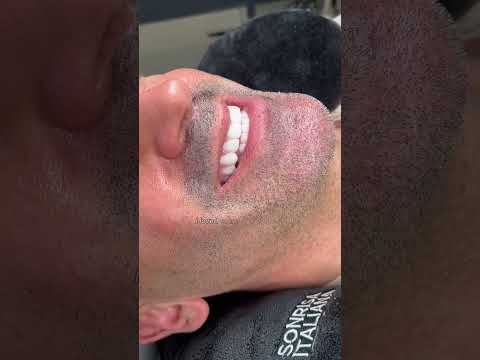
The emergence of specialized dental hubs has made high-quality restorations more accessible to a global audience. Cali, Colombia, has rapidly developed a reputation for excellence by employing cutting-edge dental technologies and clinical techniques. Patients traveling from North America and Europe consistently highlight the exceptional standard of care available in this vibrant city. Consequently, monolithic zirconia crowns in Cali are quickly becoming the restorative standard for the coming years.
- Technological Integration: Widespread adoption of CAD/CAM systems for precise crown milling.
- Material Evolution: Transition from layered porcelain to solid, chip-resistant zirconia blocks.
- Global Accessibility: Enhanced flight routes and international patient support infrastructure.
- Skill Advancement: High concentration of internationally trained prosthodontists.
Monolithic zirconia is milled from a single block of crystal, meaning there are no weak points or layers that can delaminate over time, making it one of the toughest materials used in modern dentistry.
Understanding Monolithic Zirconia Dental Restorations
To grasp why these restorations are gaining international acclaim, it is essential to understand their structural composition. The term "monolithic" refers to a crown milled entirely from a single, uniform block of zirconia dioxide. Unlike traditional crowns that feature a metal core covered by aesthetic porcelain, monolithic options eliminate the layering process entirely. This structural integrity minimizes the potential for surface chipping, which has historically been a common issue with older dental materials.
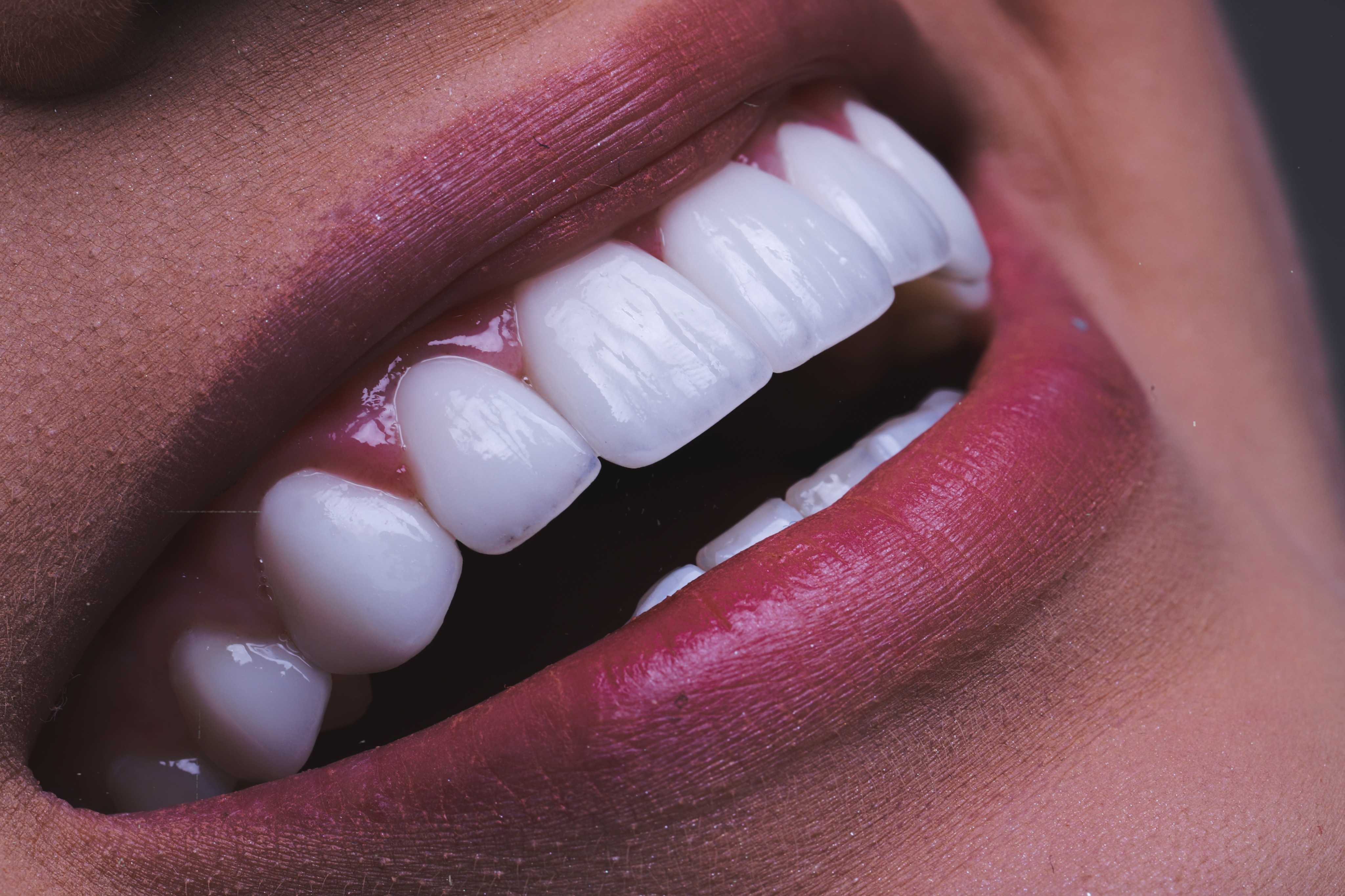
Modern dental manufacturing has also refined the aesthetic qualities of this incredibly strong material. Historically, solid zirconia was considered too opaque for front teeth, but the development of high-translucency zirconia has completely changed this narrative. Today, skilled technicians can stain and glaze these solid blocks to mimic the natural light-reflecting properties of human enamel. This ensures that patients seeking dental crowns in Cali Colombia receive restorations that are both functionally unbreakable and visually harmonious.
- Biocompatibility: Zirconia is metal-free and highly compatible with human tissue, reducing allergy risks.
- Fracture Resistance: It boasts a flexural strength significantly higher than traditional porcelain.
- Minimal Tooth Reduction: Requires less removal of natural tooth structure compared to other crowns.
- Thermal Protection: Low thermal conductivity helps protect the underlying tooth nerve from hot and cold sensitivity.
Clinical studies indicate that monolithic zirconia restorations exhibit a survival rate of over 98% after a five-year observation period, making them highly reliable for extensive dental rehabilitations.
Why International Patients Choose Cali for Dental Crowns
Choosing a destination for medical care abroad requires careful consideration of both clinical outcomes and patient experience. Cali has deliberately cultivated an environment that caters specifically to the unique needs of international medical tourists. Dental professionals in the region frequently complete specialized training programs in North America or Europe, ensuring their practices align with global standards. This commitment to continuous education creates a high-trust environment for patients traveling long distances for restorative work.
Beyond clinical expertise, the logistical benefits of selecting this South American hub are highly attractive to global citizens. The city offers modern medical infrastructure, multilingual healthcare staff, and a welcoming cultural atmosphere that eases the stress of medical travel. Many individuals combine their restorative procedures with an opportunity to recover in a warm, picturesque climate. For those researching medical tourism in Cali, the combination of advanced dental care and exceptional hospitality provides an unmatched value proposition.
- Internationally accredited dental facilities featuring state-of-the-art sterilization protocols.
- Comprehensive treatment planning utilizing 3D imaging and digital smile design.
- Concierge-level patient care, including dedicated international coordinators.
- Efficient treatment timelines tailored to accommodate strict travel schedules.
Patient Experience Summary
"Traveling abroad for dental care was initially daunting, but the professionalism I encountered in South America was outstanding. The precision of the 3D scanning and the final fit of my new monolithic restorations exceeded my expectations. I felt completely informed and supported throughout the entire clinical process."
Affordable Monolithic Zirconia Crowns Cost in Cali
Understanding the financial advantages of seeking dental care abroad is crucial for international patients budgeting for full restorations. By choosing South America, individuals can often access premium dental materials and advanced CAD/CAM technology at a fraction of domestic prices. The cost disparity is primarily driven by lower operational expenses and favorable regional economic factors, rather than a reduction in clinical quality. Therefore, analyzing the affordable monolithic zirconia crowns cost in Cali helps patients make informed healthcare investments.
Transparency in pricing allows medical tourists to budget effectively for their entire treatment journey without unexpected financial surprises. When evaluating estimates, it is important to consider all associated sub-treatments, such as initial consultations, diagnostic imaging, and the crowns themselves. While prices naturally vary depending on the complexity of the individual case, patients typically enjoy significant overall savings. The table below outlines general cost comparisons to illustrate the potential financial benefits for traveling patients.
| Procedure / Sub-Treatment | Average Cost in Cali (USD) | Average Cost in US/Canada (USD) |
|---|---|---|
| Specialist Consultation | $30 - $60 | $100 - $250 |
| 3D Panoramic X-Ray / CBCT Scan | $50 - $100 | $250 - $400 |
| Single Monolithic Zirconia Crown | $350 - $550 | $1,200 - $2,500 |
| 3-Unit Zirconia Bridge | $1,000 - $1,600 | $3,500 - $7,000 |
When comparing international dental quotes, always ask if the clinic uses authentic, brand-name zirconia blocks and inquire if the milling process is done in-house, as this can greatly speed up your treatment timeline.
Comparing Zirconia to Traditional Dental Crowns
Historically, Porcelain-Fused-to-Metal (PFM) crowns were the standard for durability, combining a strong metal core with an aesthetic porcelain exterior. However, these traditional crowns have inherent drawbacks, such as the potential for the porcelain to chip away from the metal base. Additionally, PFM crowns often develop a dark gray line at the gum line over time as the gum tissue naturally recedes. Modern patients seeking dental procedures abroad generally prefer materials that eliminate these aesthetic and structural compromises.
Monolithic zirconia presents a superior alternative by offering a homogenous structure that completely removes the risk of porcelain delamination. Because it is completely metal-free, the dark margin issue associated with PFM crowns is entirely eradicated, allowing for a more natural-looking gum line. Furthermore, zirconia is incredibly dense, making it highly resistant to the heavy grinding and chewing forces generated by the back teeth. This combination of seamless aesthetics and unyielding strength positions monolithic zirconia as a vastly superior restorative option.
- Aesthetics: Zirconia lacks a metal core, allowing light to pass through naturally.
- Durability: Solid zirconia is significantly less prone to fracturing than layered porcelain.
- Gum Health: Metal-free restorations reduce the likelihood of gum irritation and allergic reactions.
- Wear: Highly polished monolithic zirconia causes minimal wear on opposing natural teeth.
Zirconia is chemically inert, meaning it will not react with the environment in your mouth, completely preventing the metallic taste that some patients experience with older, traditional dental alloys.
The Dental Tourism Experience in Cali Colombia
Embarking on a medical journey to South America is a structured and highly organized experience designed to prioritize patient comfort. From the moment international patients arrive, they are typically greeted by clinic representatives who help navigate local logistics. The initial days are generally focused on comprehensive clinical evaluations, including 3D scanning and detailed consultations with specialized prosthodontists. This personalized attention ensures that patients feel secure and well-informed regarding every aspect of their Cali dental tourism journey.
While the dental laboratory expertly crafts the restorations, patients have the opportunity to experience the local environment at a relaxed pace. Many medical tourists use this downtime to explore safe, culturally rich neighborhoods, enjoying the renowned hospitality of the region. Clinics often schedule follow-up appointments efficiently, minimizing the overall time patients need to spend away from their home countries. Ultimately, the experience elegantly blends top-tier healthcare delivery with the restorative benefits of a peaceful international getaway.
- Pre-arrival digital consultations and treatment planning.
- Airport transfers and dedicated multilingual patient coordinators.
- Efficient clinical scheduling to maximize free time between appointments.
- Detailed post-treatment instructions and final fitting evaluations before departure.
Patient Experience Summary
"My entire trip was organized meticulously, from the airport pickup to the final clinical check. I was amazed at how modern the facilities were and how the staff made me feel like family. Getting my smile restored while enjoying the local culture was an unforgettable and highly positive experience."
Preparation and Procedure for Dental Crowns in Cali
The clinical protocol for placing a modern crown involves meticulous preparation and the utilization of advanced digital dentistry techniques. Initially, the dentist administers local anesthesia before carefully reshaping the affected tooth to create a stable foundation for the new restoration. Following the preparation, traditional messy impressions are largely replaced by rapid, highly accurate digital intraoral scanners. These digital impressions are then transmitted directly to CAD/CAM software to design the custom monolithic zirconia dental restorations.
Once the design is digitally perfected, the data is sent to a specialized milling machine that carves the crown from a solid zirconia block. The milled crown is then sintered in a high-heat furnace to achieve its final, unbreakable hardness before being custom-stained and glazed. Finally, the dentist conducts a rigorous try-in process to verify the fit, bite alignment, and aesthetic integration with the surrounding teeth. Only when the fit is deemed clinically perfect is the crown permanently cemented into place.
- Assessment: Comprehensive clinical exam and digital radiographic imaging.
- Preparation: Gentle reshaping of the tooth enamel under local anesthesia.
- Digital Scanning: Painless, highly accurate 3D mapping of the oral cavity.
- Fabrication & Placement: Precision milling, sintering, and final permanent bonding.
The use of digital intraoral scanners not only improves the accuracy of the final crown fit but also completely eliminates the gag reflex discomfort associated with traditional putty impression materials.
Recovery and Aftercare for Your Monolithic Zirconia Crowns
Post-operative recovery following the placement of permanent crowns is generally swift and straightforward for most international patients. It is common to experience mild sensitivity to temperature variations or slight tenderness in the gums immediately following the final cementation. These temporary symptoms typically subside within a few days and can be easily managed with standard over-the-counter anti-inflammatory medications. Proper adherence to the dentist's aftercare guidelines is crucial for ensuring the long-term success of your dental care in Colombia.
Maintaining the integrity of the new restorations relies heavily on consistent and rigorous oral hygiene practices at home. Patients must continue to brush twice daily and utilize non-abrasive toothpaste to preserve the polished surface of the zirconia. Daily flossing remains essential to prevent plaque accumulation around the gum line, which could otherwise compromise the underlying natural tooth structure. Additionally, individuals who suffer from bruxism (teeth grinding) are strongly advised to wear a custom night guard to protect their investment.
- Avoid excessively hard or sticky foods for the first 48 hours after placement.
- Use a soft-bristled toothbrush and non-abrasive dental hygiene products.
- Attend routine dental cleanings and check-ups in your home country.
- Wear a protective occlusal guard at night if you are prone to grinding your teeth.
While zirconia crowns are incredibly strong, the natural tooth underneath is still susceptible to decay. Neglecting daily oral hygiene can lead to cavities at the crown margin, which may ultimately result in crown failure or root canal infections.
Longevity and Durability of Cali Zirconia Dental Crowns
One of the primary motivations for selecting advanced materials is the exceptional longevity they offer to the patient. When placed correctly by an experienced prosthodontist, monolithic zirconia crowns generally demonstrate remarkable resistance to daily wear and tear. Most patients experience a functional lifespan of ten to fifteen years, though many restorations last significantly longer with diligent care. The durability of these dental crowns in Cali makes them a highly cost-effective solution for long-term oral rehabilitation.
The lifespan of any dental restoration is influenced by a combination of clinical execution and the patient's lifestyle habits. The sheer density of solid zirconia prevents micro-fractures that typically lead to the premature failure of weaker porcelain alternatives. However, the supporting gum tissue and underlying bone must remain healthy to keep the crown stable over the decades. Consequently, a commitment to excellent periodontal health is the ultimate determining factor in how long the restoration will truly endure.
- Material Density: Resists the heavy occlusal forces generated during chewing.
- Stain Resistance: Glazed zirconia repels discoloration from coffee, tea, and tobacco.
- Precision Fit: CAD/CAM technology ensures a tight seal, preventing bacterial leakage.
- Patient Habits: Longevity is heavily dependent on maintaining routine professional dental cleanings.
Dental research indicates that the flexural strength of monolithic zirconia ranges from 900 to 1200 MPa, making it roughly three to four times stronger than conventional lithium disilicate (glass-ceramic) crowns.
Potential Risks of Dental Crown Procedures Abroad
While seeking dental care internationally offers numerous benefits, it is vital to acknowledge and prepare for potential clinical risks. As with any medical procedure, placing crowns involves certain inherent complications, such as nerve sensitivity, minor gum inflammation, or the rare need for a subsequent root canal. Patients must understand that while success rates are generally very high, no medical intervention is completely immune to complications. Transparent risk disclosure is a hallmark of reputable clinics providing Cali dental treatments.
The unique challenge for medical tourists is managing complications should they arise after returning to their home country. To mitigate this risk, patients should select clinics that offer clear guarantees on their restorative work and maintain open lines of communication post-treatment. It is highly recommended to secure a copy of all digital dental records, x-rays, and treatment notes before departing the destination country. This documentation ensures that a local dentist can seamlessly take over routine care or manage any unexpected post-operative issues.
- Potential for temporary tooth sensitivity or mild occlusal (bite) discomfort.
- Risk of allergic reaction to local anesthetics or temporary cement.
- Logistical challenges if revision work requires a return trip abroad.
- Necessity of finding a local dentist willing to maintain international dental work.
Patient Experience Summary
"I did extensive research on the risks of traveling for dental work before making my decision. The clinic I chose was incredibly transparent about what could go wrong and provided me with all my 3D scans on a USB drive. Fortunately, my recovery was smooth, and my local dentist praised the quality of the zirconia margins."
Assessing Dental Clinics in Cali for Monolithic Zirconia
Selecting the right healthcare provider is the single most critical step in planning a successful medical tourism journey. International patients must rigorously vet prospective facilities to ensure they meet stringent international standards for clinical safety and technological capability. Evaluating a clinic involves looking beyond promotional marketing and focusing on verifiable credentials, such as the specialized training of the leading prosthodontists. An authoritative dental clinic in Cali will gladly provide detailed information regarding their sterilization protocols and laboratory partnerships.
Patient reviews and independent verification play a significant role in establishing the trustworthiness of an international dental practice. Prospective patients should request to see before-and-after portfolios specifically detailing monolithic zirconia cases completed by the treating physician. Additionally, confirming that the facility utilizes recognized, high-quality international brands for their zirconia blocks is essential for ensuring long-lasting results. Conducting thorough due diligence minimizes risks and empowers patients to make confident, well-informed healthcare decisions.
- Verify the prosthodontist's board certifications and international training credentials.
- Ensure the clinic utilizes advanced CAD/CAM technology and in-house or specialized milling.
- Review independent patient testimonials and request photographic case studies.
- Confirm transparency regarding material brands, comprehensive costs, and warranty terms.
Schedule a preliminary video consultation with the treating dentist before booking your flights. This allows you to assess their communication skills, ask clinical questions directly, and ensure you feel comfortable with their proposed treatment plan.
Medical Tourism and Healthcare Standards in Cali
Colombia has established itself as a premier destination for health and wellness by strictly enforcing rigorous national healthcare standards. The government, alongside regional health authorities, heavily regulates medical and dental facilities to ensure they maintain compliance with stringent safety and hygiene protocols. Many top-tier clinics take this a step further by voluntarily seeking accreditation from prestigious international healthcare organizations. This dedication to regulatory excellence provides immense peace of mind to individuals exploring medical tourism in Colombia.
The standard of care in Cali is characterized by a strong emphasis on continuous clinical education and technological investment. Dental professionals are required to adhere to comprehensive sterilization guidelines that mirror or exceed those found in North America and Europe. Furthermore, the integration of multidisciplinary teams ensures that complex restorative cases are handled with an exceptional level of precision. Ultimately, the city's commitment to prioritizing patient safety and clinical efficacy solidifies its status as a trusted global healthcare hub.
- Strict adherence to local Ministry of Health regulations and sterilization mandates.
- Prevalence of internationally accredited dental surgical centers.
- Utilization of universally recognized, FDA or CE-approved dental materials.
- Commitment to continuing medical education for all practicing clinical staff.
Patient Experience Summary
"I was initially concerned about the hygiene standards in a foreign clinic, but my worries vanished immediately upon arrival. The facility was pristine, and their sterilization processes were actually more rigorous and visible than what I am used to at my local dentist back home."
How PlacidWay Assists Your Dental Crowns Medical Tourism Journey in Cali
Navigating the global healthcare landscape can be overwhelming for patients seeking specialized dental procedures abroad. Partnering with a reliable medical tourism platform streamlines the process of connecting with internationally recognized dental professionals. PlacidWay serves as a crucial bridge between patients and top-tier healthcare providers around the world. By utilizing a comprehensive network, patients can explore options for affordable medical tourism in Cali with greater confidence.
A dedicated facilitation service ensures that patients receive accurate information to make educated medical decisions. Rather than spending hours verifying international credentials, patients can access curated profiles of accredited facilities and experienced specialists. This structured approach empowers individuals to focus entirely on their upcoming dental health journey. PlacidWay provides tailored value-based assistance designed to optimize every phase of the medical consultation process.
- Facilitates direct communication between patients and accredited international dental clinics.
- Offers comprehensive provider profiles highlighting specialist credentials and facility technologies.
- Assists in acquiring transparent, customized treatment quotes from multiple top-tier providers.
- Provides educational resources to help patients understand complex restorative procedures.
- Supports the secure transfer of medical records and digital imaging to chosen clinics.
PlacidWay connects thousands of patients annually with internationally vetted healthcare providers, ensuring that medical tourists have access to safe, high-quality, and transparently priced care globally.
Frequently Asked Questions About Monolithic Zirconia Crowns in Cali
Preparing for an international dental procedure naturally brings up several practical and clinical questions. We have compiled a list of the most common inquiries from medical tourists to provide clear, concise, and accurate information. Reviewing these details will help you better understand what to expect regarding the clinical process, logistics, and long-term care of your Cali zirconia crowns.
If you have specific clinical concerns regarding your unique dental anatomy or health history, it is always best to consult directly with a certified specialist. The answers provided below aim to address general scenarios and typical patient experiences encountered during medical travel.
What exactly is a monolithic zirconia crown?
A monolithic zirconia crown is milled from a single, solid block of zirconia dioxide without any layered porcelain. This structure provides exceptional strength and reduces the risk of the crown chipping or fracturing over time.
How long do monolithic zirconia crowns typically last?
With proper oral hygiene and regular professional check-ups, monolithic zirconia crowns generally last between 10 and 15 years. Many patients experience even longer lifespans depending on their biting force and dietary habits.
Are zirconia crowns in Cali, Colombia safe for international patients?
Yes, receiving dental care in Cali is generally safe when patients select properly accredited and vetted clinics. Top dental facilities in the city strictly adhere to international sterilization and clinical safety protocols.
Will a monolithic zirconia crown look natural?
Modern dental technology allows monolithic zirconia to be color-matched and shaded to blend seamlessly with your natural teeth. While historically opaque, newer high-translucency zirconia offers excellent aesthetic results.
How much does a monolithic zirconia crown cost in Cali?
The cost typically ranges from $350 to $600 per crown, depending on the complexity of the case and the technology used. This represents a significant saving compared to the $1,200 to $2,500 average in North America.
What is the typical recovery time after getting a zirconia crown?
Most patients experience a very short recovery period, often resuming normal activities the same day. Mild sensitivity to hot or cold may occur for a few days but typically subsides quickly.
Do I need a special visa for dental tourism in Colombia?
Citizens from the United States, Canada, and many European nations typically do not need a visa for short medical or tourist visits to Colombia. It is always advised to check current immigration rules before traveling.
Can monolithic zirconia crowns be used for front teeth?
Yes, highly translucent variations of monolithic zirconia are frequently used for anterior (front) teeth. They offer the necessary aesthetic appeal while maintaining the structural durability zirconia is known for.
What happens if I experience complications after returning home?
Reputable clinics typically provide transparent guarantees or warranties on their restorative work. Should a complication arise, you can usually coordinate with your local dentist and the international clinic to determine the best corrective action.
Is the dental procedure painful?
The crown preparation and placement are performed under local anesthesia, meaning most patients experience little to no pain during the procedure. Post-operative discomfort is generally mild and manageable with over-the-counter pain relievers.
Ready to restore your smile with durable, affordable monolithic zirconia crowns in Cali? Connect with world-class dental professionals today!
References
- National Center for Biotechnology Information (PubMed). Clinical Performance of Monolithic Zirconia Crowns. https://pubmed.ncbi.nlm.nih.gov/37668109/
- Cleveland Clinic. Dental Crowns: Purpose, Procedure, Complications, Care. https://my.clevelandclinic.org/health/treatments/10923-dental-crowns
- American Dental Association (ADA). Dental Materials: Zirconia and Ceramics. https://www.ada.org/resources/ada-library/oral-health-topics/materials-for-indirect-restorations
- Colgate Professional. Zirconia Dental Crowns: Benefits And Risks. https://www.colgate.com/en-us/oral-health/bridges-and-crowns/what-are-zirconia-crowns
- WebMD. What to Know About Dental Tourism. https://www.webmd.com/oral-health/guide-chapter-oral-health-dental-care-basics





.png)

.png)
.png)



.jpg)
.jpg)
.jpg)
.jpg)








Share this listing