


Ibogaine is a naturally occurring, deeply potent psychoactive alkaloid extracted from the root bark of the Tabernanthe iboga shrub, native to Central Africa. Over recent decades, it has garnered significant international attention within the medical and psychological communities for its unique capacity to interrupt severe substance dependencies and facilitate intense psychological introspection. Many individuals seeking profound alternative mental health solutions are now exploring Ibogaine clinics in Spain as a highly viable and safe option. International patients are increasingly drawn to specialized facilities that offer this robust treatment in closely monitored, serene environments.
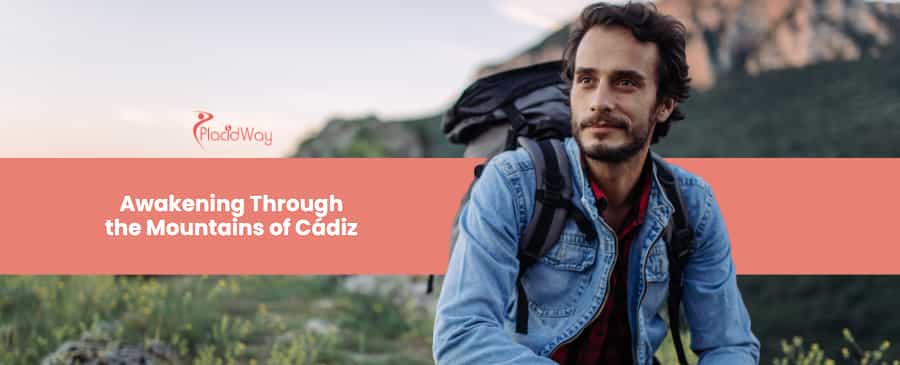
The breathtaking mountainous landscapes of the Sierra de Cádiz have emerged as a premier destination for these transformative therapeutic journeys. By combining high-altitude tranquility with advanced, continuous medical oversight, this region offers an ideal setting for deep personal healing. By participating in medical tourism in Spain, patients can access comprehensive holistic care protocols that prioritize both stringent physical safety and delicate psychological preparation. This distinct combination generally provides a robust and supportive foundation for those seeking to overcome deep-seated trauma, behavioral patterns, or dependency issues.
Ibogaine is unique among psychedelic substances because it metabolizes into noribogaine, which can remain in the body for weeks, typically helping to reduce post-treatment cravings and extending the period of neuroplasticity.
The Science Behind High-Altitude Ibogaine Flood Doses
A "flood dose" refers to a clinically calculated, high-milligram administration of Ibogaine designed to induce a prolonged, waking-dream state. During this state, the alkaloid interacts intricately with multiple neurotransmitter systems simultaneously, including serotonin, dopamine, and opioid receptors. This multifaceted pharmacological action is what generally allows the brain to essentially "reset," mitigating withdrawal symptoms for certain dependencies and bringing suppressed psychological material to the conscious surface for processing. The precision of this dosage is paramount, calculated strictly based on a patient’s body weight, medical history, and specific therapeutic goals.
Administering these flood doses in high-altitude environments like the Sierra de Cádiz introduces an added layer of physiological and psychological benefit. The crisp, clean mountain air and isolation from chaotic urban stimuli typically aid in lowering baseline cortisol (stress) levels before the treatment even begins. This profound environmental tranquility is considered a critical component of "set and setting"—a foundational concept in psychedelic medicine that dictates how deeply environmental factors influence the safety and efficacy of the patient's internal experience.
The mechanism of action for Ibogaine involves acting as a weak NMDA receptor antagonist and increasing the expression of glial cell line-derived neurotrophic factor (GDNF), which promotes the survival and regeneration of neurons.
Why Choose Medical Tourism for Ibogaine in Spain?
Navigating the complex landscape of psychedelic medicine requires finding a destination that balances progressive therapeutic models with rigorous medical standards. Spain stands out globally as a uniquely positioned hub for alternative healing modalities. The country's top-tier healthcare infrastructure ensures that emergency protocols, modern monitoring equipment, and highly trained medical personnel are always available. Choosing medical tourism in Spain allows international patients to step entirely out of their daily routines and triggering environments, dedicating themselves wholly to the rigorous process of recovery.
Furthermore, Spanish wellness centers are renowned for their holistic, integrative approach to healthcare. Rather than treating patients in sterile, hospital-like settings, Ibogaine clinics in Spain frequently utilize luxurious, secluded villas that blend medical safety with spa-like comfort. This compassionate approach to hospitality significantly enhances the patient experience, minimizing pre-treatment anxiety and maximizing the potential for a peaceful and deeply therapeutic journey.
When researching facilities, always verify that the clinic employs a board-certified cardiologist or an ACLS-certified (Advanced Cardiovascular Life Support) medical doctor on-site during the entire duration of the flood dose administration.
Affordable Ibogaine Therapy Cost in Spain
Cost is a significant factor for individuals seeking comprehensive healing, especially considering that these specialized alternative therapies are rarely covered by traditional health insurance. The affordable Ibogaine therapy cost in Spain presents a compelling advantage for international patients, particularly those traveling from North America or Northern Europe. While maintaining exceptional standards of medical care and luxurious accommodations, the financial investment required in the Iberian Peninsula is often highly competitive when compared to similar unregulated or high-end clinics globally.
A comprehensive treatment package typically includes not only the medicine itself but also rigorous pre-screening, continuous cardiac monitoring, psychological integration coaching, and holistic therapies such as massage or yoga. Understanding the breakdown of these costs helps patients evaluate the immense value provided by these specialized medical retreats. Below is a comparative overview of typical pricing structures for Ibogaine-assisted treatments.
| Treatment Component | Average Cost in Spain | Estimated Cost (USA/UK Alternative Markets) |
|---|---|---|
| Comprehensive 7-Day Retreat (Flood Dose included) | $5,500 - $8,500 | $8,000 - $15,000+ |
| Pre-Treatment Medical Screening (EKG, Bloodwork) | Included in package | $500 - $1,200 (Out of pocket) |
| Post-Treatment Integration Therapy (per month) | $300 - $600 | $800 - $1,500 |
Preparing for Your Ibogaine Flood Dose Treatment
The preparation phase is arguably as critical as the treatment itself. Preparing the physical body requires immense honesty and strict adherence to medical protocols. Because of the profound physiological impact of the medicine, patients must undergo extensive pre-screening, including comprehensive metabolic panels, liver function tests, and, most importantly, thorough cardiovascular evaluations. These non-negotiable steps ensure the body is resilient enough to handle the metabolic load of a flood dose.
Psychologically, preparation involves setting clear intentions and cultivating a mindset of surrender. Most reputable clinics will initiate psychological counseling weeks prior to arrival. During this time, patients are generally advised to practice mindfulness, journal their goals, and begin weaning off conflicting medications or substances under strict professional guidance. The cleaner the patient's physical and mental state upon arrival, the more fluid and beneficial the resulting experience typically tends to be.
Ibogaine carries severe cardiovascular risks, specifically the potential to cause QT interval prolongation, which can lead to fatal arrhythmias. It is strictly contraindicated for individuals with pre-existing heart conditions, severe liver impairments, or those currently taking certain psychiatric medications like SSRIs. Complete medical transparency is vital for your safety.
The Sierra de Cádiz: A Healing Environment
Located in the heart of Andalusia, the Sierra de Cádiz is defined by its sweeping valleys, ancient olive groves, and striking limestone peaks. For individuals undergoing profound psychological and physical transitions, this environment acts as a natural balm. The acoustic quietness and visual serenity of the mountains naturally facilitate the grounding required after an intense psychedelic experience. Patients frequently report that stepping out into the fresh mountain air post-treatment significantly aids in calming the nervous system.
This geographical isolation also guarantees an unparalleled level of privacy and discretion, a factor highly valued by international executives and public figures engaging in medical tourism in Spain. Protected from the invasive energy of bustling cities, individuals can walk the expansive private grounds of their retreat, allowing the deep insights gained during their flood dose to settle slowly and naturally into their conscious mind.
Studies suggest that up to 80% of an individual's stress response can be mitigated by spending time in natural, green environments—making the Sierra de Cádiz an optimal setting for cardiovascular stability during treatment.
Safety Protocols for Ibogaine Clinics in Spain
The hallmark of top-tier Ibogaine clinics in Spain is their unwavering commitment to patient safety and clinical excellence. Because the treatment involves significant cardiovascular stress, facilities must operate akin to intensive care monitoring units during the acute phase of administration. Patients are generally hooked up to continuous 12-lead EKG monitors, and their vital signs are recorded at precise intervals by trained nursing staff. Intravenous access is established prior to ingestion, ensuring immediate delivery routes for emergency medications if any irregularities arise.
Beyond physical safety, these clinics implement robust psychological safety nets. The experience can be incredibly disorienting, often bringing up intense emotional trauma or vivid visual projections. Therefore, experienced sitters or guides remain quietly present in the room for the entire duration—typically up to 24 hours—providing a grounding, reassuring presence. This dual approach to safety ensures that patients feel physically secure and emotionally held throughout the most vulnerable stages of the process.
To maximize safety, reputable centers utilize pure Ibogaine Hydrochloride (HCl) or standardized Total Alkaloid (TA) extracts to ensure precise dosage control, rather than using raw root bark which has unpredictable alkaloid concentrations.
What to Expect During the Ibogaine Flood Dose?
The journey of a flood dose is broadly categorized into three distinct phases. The first is the acute or "visionary" phase, occurring approximately one to three hours after ingestion. Most patients experience intense ataxia (inability to coordinate voluntary muscle movements), a buzzing sound in the ears, and rapid-fire, dream-like visions. This phase is highly introspective, often resembling a high-speed review of one's life, memories, and deeply ingrained behavioral patterns. Patients remain entirely bed-bound during this stage.
Following the visionary phase is the evaluative or "grey" phase. During these subsequent 8 to 24 hours, the intense visuals typically subside, leaving the patient in a highly reflective, emotionally open state. It is here that individuals often process the meaning of their visions, making profound cognitive connections regarding their past traumas or dependencies. This phase can be exhausting, accompanied by physical fatigue or insomnia, which is why a serene recovery environment is absolutely vital.
Unlike classical psychedelics like psilocybin or LSD, Ibogaine is classified as an "oneirogen" (a dream-generating substance). Patients are usually fully aware of their surroundings and know that the visions are a manifestation of their own subconscious mind.
Navigating Ibogaine Recovery and Integration
The final phase of the process is the residual phase, transitioning into long-term integration. Upon returning home, most patients experience an "afterglow" period marked by elevated mood, clarity, and an unprecedented absence of cravings or anxiety. However, the true work begins when navigating daily life again. Integration is the structured process of taking the profound insights gained during the flood dose and applying them to everyday behaviors, relationships, and habits.
Because Ibogaine promotes a temporary window of heightened neuroplasticity—where the brain is remarkably adaptable and capable of forming new neural pathways—it is the ideal time to implement positive life changes. Clinics highly encourage continuing therapy, adopting mindfulness practices, and joining support groups. Without dedicated integration efforts, the powerful interruption provided by the medicine can eventually fade, highlighting that the treatment is a catalyst for change, not a magic cure.
The neuroplasticity window initiated by Ibogaine is largely attributed to its metabolite, noribogaine, and its ability to stimulate neurotrophic factors. This optimal period for behavioral change generally lasts from three weeks to several months post-treatment.
Legal and Medical Regulations for Ibogaine in Spain
The legal status of this substance varies dramatically around the globe, prompting the rise of alternative healing hubs. In Spain, Ibogaine exists in a nuanced legal space; it is not formally regulated or registered as an approved pharmaceutical medication for widespread public clinical use, nor is it strictly scheduled or criminalized like it is in the United States. This "grey area" allows private, specialized facilities to operate, provided they strictly adhere to broader Spanish medical and safety standards regarding patient care.
Because the industry is somewhat self-regulated within the country, the burden falls largely on the patient to exercise extreme due diligence when selecting a facility. Leading Ibogaine clinics in Spain distinguish themselves by voluntarily operating under the highest international medical standards, employing licensed medical doctors, and maintaining complete transparency regarding their clinical protocols. Understanding this legal landscape empowers patients to make informed, safe choices.
Always ask potential clinics to provide detailed outlines of their emergency response plans. A reputable facility will proudly share their protocols regarding hospital transfer times, on-site defibrillators, and the credentials of their medical staff.
Psychological Support After Ibogaine Treatment
The intense unearthing of repressed memories or psychological blockages requires a robust framework of emotional support. Experiencing a flood dose can be highly destabilizing, tearing down defensive ego structures that individuals have relied upon for years. High-quality clinics recognize that discharging a patient immediately after the acute effects wear off is medically and psychologically irresponsible. Therefore, comprehensive aftercare is a mandatory pillar of successful therapy.
Reputable centers provide structured therapeutic support, which generally includes private psychotherapy sessions, group sharing circles, and holistic somatic therapies to help the nervous system recalibrate. Even after the patient departs the Sierra de Cádiz, continued remote coaching is often utilized. This ongoing bridge of support is vital for helping individuals translate their mystical or challenging experiences into grounded, actionable, and enduring lifestyle changes.
Clinical observational studies suggest that patients who engage in structured, weekly integration therapy for at least three months post-treatment show a significantly higher rate of sustained behavioral change compared to those who do not.
Patient Experiences with Ibogaine Therapy in Spain
Every individual’s journey with this powerful plant medicine is inherently unique, shaped intimately by their personal history, biology, and intention. However, common themes consistently emerge from those who have traveled for this therapy. Many describe the experience as a demanding yet deeply illuminating review of their life, providing a subjective perspective on their own behaviors without the usual emotional sting of guilt or shame. These patient experiences highlight the diverse ways healing manifests.
Reading about the varied outcomes and subjective journeys can help prospective patients set realistic expectations. It reinforces the reality that while the medicine is a powerful catalyst, it is not a passive cure. The following anonymized testimonials reflect typical experiences of individuals who sought treatment in the serene Spanish mountains.
A Journey to the Core
"I traveled to the Sierra de Cádiz feeling entirely disconnected from my life. The flood dose was the most intense 24 hours I've ever experienced. It showed me visual representations of my childhood traumas, allowing me to finally forgive myself. The medical team's presence made me feel incredibly safe during moments of deep fear."
Breaking the Cycle
"After years of cyclical dependency, I sought an alternative. The treatment physically reset my body—the withdrawal symptoms I feared were virtually non-existent. But the real work was the psychological clarity. The integration coaching provided by the clinic was vital in keeping me grounded when I returned home."
A Shift in Perspective
"The acute phase was difficult; I experienced heavy physical fatigue and intense visions. However, the subsequent days spent recovering in the mountains were magical. My anxiety was replaced by a profound sense of stillness. I finally understood the 'why' behind my destructive patterns."
Embracing the Work
"I thought the medicine would just 'fix' me. It didn't. Instead, it gave me a clean slate and showed me the path I needed to walk. Without the continuous heart monitoring and the comforting nurses by my side, I wouldn't have been able to let go completely. It was tough, but necessary."
How PlacidWay Assists Your Ibogaine Medical Tourism Journey in Spain?
Navigating the complex world of international medical tourism, especially for highly specialized alternative treatments, requires trusted guidance and rigorous vetting. PlacidWay serves as a premier facilitation platform, dedicated to connecting global patients with meticulously evaluated healthcare providers. Our goal is to empower you with comprehensive, transparent information so you can make confident medical decisions.
By partnering with PlacidWay, you gain access to an extensive network of specialized medical knowledge and patient-focused assistance. We streamline the initial stages of your research, ensuring you understand the necessary medical prerequisites, cost structures, and clinical standards. Here is how we support your journey:
- Extensive Clinic Vetting: We connect patients exclusively with facilities that meet strict criteria for safety, medical oversight, and clinical transparency.
- Comprehensive Medical Profiling: We assist in organizing your medical history, ensuring clinics have the necessary data for your pre-screening evaluations.
- Transparent Cost Comparisons: We provide detailed, realistic estimates of the affordable Ibogaine therapy cost in Spain, allowing you to budget effectively.
- Direct Clinical Communication: We facilitate secure, direct channels of communication between you and the lead medical teams to address clinical concerns directly.
- Patient Education Resources: We supply extensive literature regarding the risks, preparations, and medical realities of your chosen procedure.
Frequently Asked Questions
Making an informed decision about international medical treatments requires addressing common concerns regarding safety, efficacy, and logistics. Because this treatment is profound and medically complex, having clear answers is crucial for peace of mind. Below, we address some of the most frequently asked questions regarding this procedure in the Iberian Peninsula.
If you have highly specific medical conditions, always consult directly with a qualified healthcare provider or a specialized medical team, as these answers are intended for general educational purposes.
In Spain, Ibogaine exists in a legal grey area; it is not a registered pharmaceutical medication, but it is not explicitly scheduled as a highly restricted narcotic either. This allows specialized centers to administer it generally under private medical oversight.
The acute phase of an Ibogaine flood dose typically lasts between 12 to 24 hours. However, the subsequent evaluative and residual phases can extend the introspective experience for an additional 24 to 36 hours.
The primary risk is cardiovascular, specifically the prolongation of the QT interval, which can lead to severe arrhythmias. Strict medical screening, including EKG and liver function tests, is essential before treatment.
The Sierra de Cádiz offers a tranquil, high-altitude environment that isolates patients from urban stressors. This serene setting is considered highly beneficial for the psychological processing required during and after a flood dose.
A comprehensive Ibogaine retreat in Spain generally costs between $5,500 and $8,500. This is typically more affordable than similar clinical treatments offered in alternative international destinations.
Yes, many medications, particularly SSRIs, certain heart medications, and long-acting opioids, strongly contraindicate with Ibogaine. You must undergo a supervised tapering process guided by a medical professional.
A flood dose is a large, clinically calculated amount designed to induce a profound, one-time visionary experience to reset neurological pathways. Microdosing involves taking sub-perceptual amounts over a longer period for subtle mood enhancements.
Post-treatment integration is crucial for long-term success. Most patients experience a window of neuroplasticity after treatment, making psychological counseling essential to solidify new, healthier behavior patterns.
No, Ibogaine is not suitable for everyone. Individuals with pre-existing heart conditions, severe liver disease, or certain psychiatric disorders are typically disqualified during the medical screening process.
Patients are generally advised to stay at the facility or nearby for at least 5 to 7 days post-treatment. This allows medical staff to monitor recovery and ensures the patient is physically and emotionally stable for international travel.
Ready to explore your therapeutic options with safe, medically vetted clinics? Let PlacidWay guide your journey to profound healing and recovery.
References
- National Center for Biotechnology Information (NCBI). Clinical safety of Ibogaine and cardiovascular risk factors. https://www.ncbi.nlm.nih.gov/pmc/articles/PMC4382526/
- Frontiers in Pharmacology. Psychedelic-assisted therapies, neuroplasticity, and integration processes. https://www.frontiersin.org/articles/10.3389/fphar.2018.00256/full
- Multidisciplinary Association for Psychedelic Studies (MAPS). Ibogaine Therapy and Observational Research. https://maps.org/research/ibogaine-therapy/
- Wikipedia. Ibogaine - Pharmacology, uses, and legal status. https://en.wikipedia.org/wiki/Ibogaine
- World Health Organization (WHO). Mental Health and Substance Use Guidelines. https://www.who.int/teams/mental-health-and-substance-use
.png)







.png)
.png)





.png)
.png)

.png)








Share this listing