


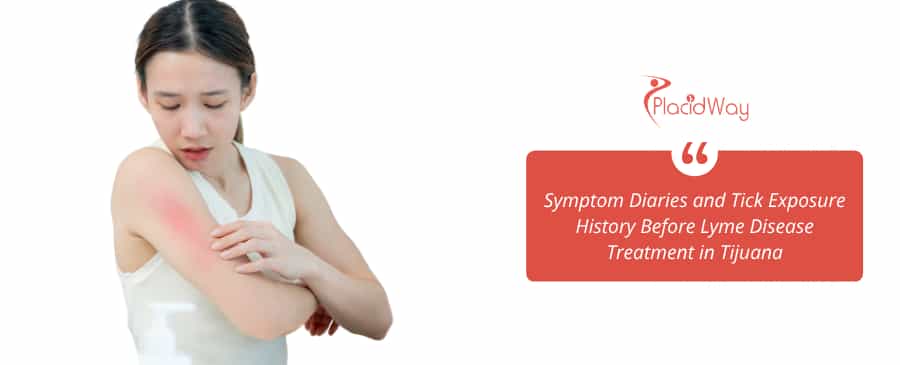
The Importance of a Symptom Diary Before Lyme Disease Treatment in Tijuana
Preparing for an international healthcare journey requires careful planning, especially when dealing with complex, multi-systemic conditions. For individuals seeking Lyme disease treatment in Tijuana, maintaining a detailed symptom diary is a fundamental first step. This chronological record helps bridge the communication gap between patients and their new international healthcare providers. By documenting daily physical and cognitive fluctuations, patients empower their medical teams to make highly informed, personalized clinical decisions.
A well-maintained symptom tracker does much more than just list complaints; it actively reveals hidden patterns that might otherwise go unnoticed. Healthcare professionals generally rely on these historical insights to tailor advanced protocols that target the root cause of the illness. Most patients experience greater clarity during their initial consultations when they arrive with a structured, written overview of their health journey. This proactive approach typically sets a positive foundation for a comprehensive and holistic therapeutic relationship.
- Records the frequency and intensity of joint pain and inflammation.
- Highlights patterns of cognitive difficulties, commonly known as brain fog.
- Tracks fluctuations in energy levels and chronic fatigue symptoms.
- Documents physical reactions to environmental changes or dietary shifts.
Always use a consistent rating scale (e.g., 1 to 10) when logging your daily pain and fatigue levels to ensure your data is easily readable for your medical team.
Tracking Your Tick Exposure History for Accurate Diagnosis
Recalling specific details about a past tick bite can be incredibly challenging, especially if years have passed since the initial incident. However, providing a thorough tick exposure history is generally considered vital for individuals exploring medical tourism in Tijuana for tick-borne ailments. Information regarding geographical locations visited, the duration the tick was attached, and any initial rash formations can provide essential clues. Providers typically use this timeline to differentiate between recent acute infections and long-standing chronic manifestations.
Many patients overlook the fact that co-infections are frequently transmitted alongside the primary bacteria during a single bite. Documenting your exposure history helps specialists determine which secondary pathogens might be contributing to your current symptom profile. Most patients experience relief when their doctors use this detailed background to formulate a targeted diagnostic testing strategy. A comprehensive review of your historical exposure generally leads to a much more focused and effective approach to care.
- Note the specific state, country, or park where the suspected bite occurred.
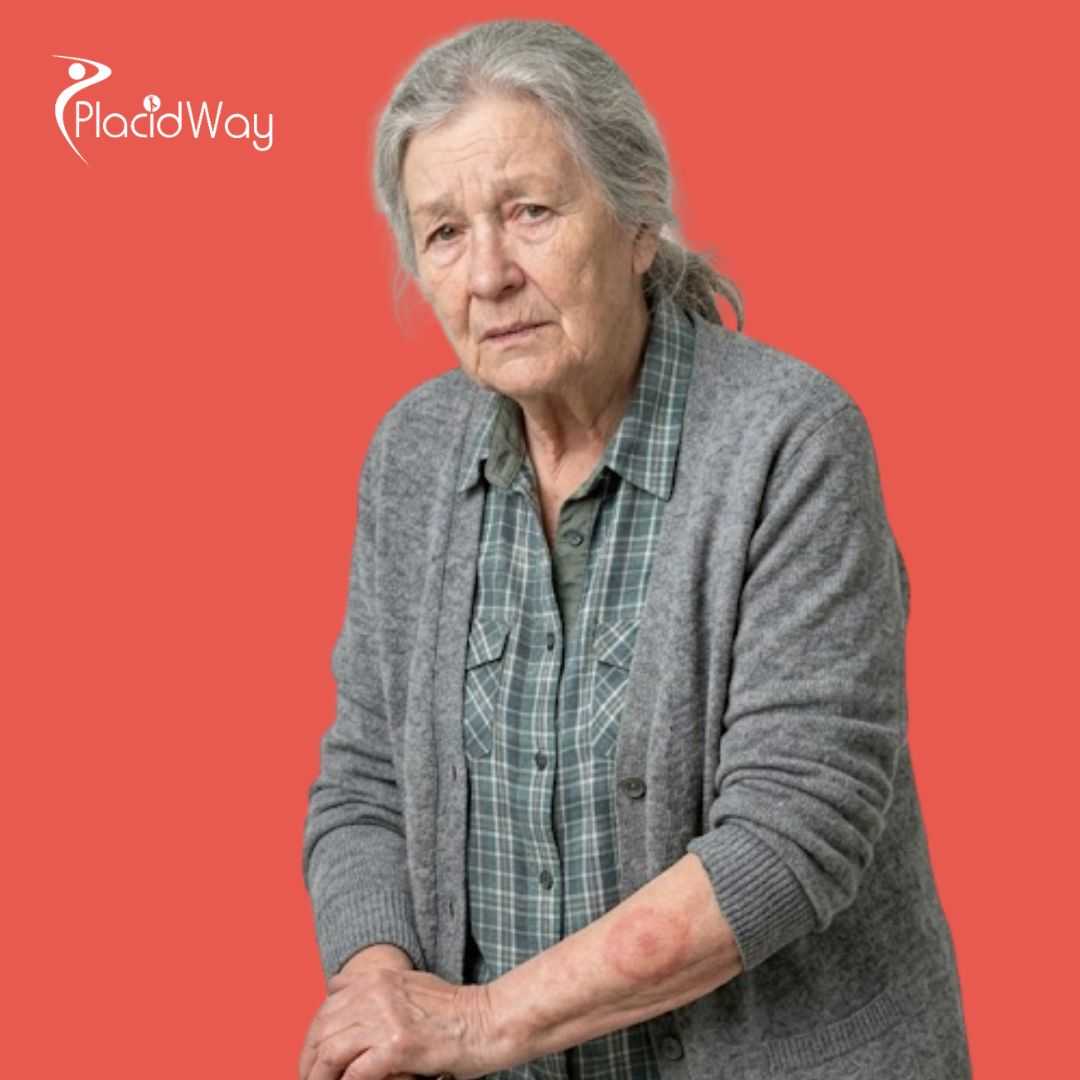
- Describe the appearance of any initial skin reactions, such as a bullseye rash.
- Record the approximate date or season the exposure likely happened.
- List any acute flu-like symptoms that developed immediately after the bite.
Only a distinct percentage of infected individuals ever develop the classic Erythema migrans (bullseye) rash, making symptom tracking even more critical for those who lacked visible early warning signs.
Why Patients Choose Tijuana for Chronic Lyme Disease Therapy
The global landscape of healthcare is shifting, and cross-border options are becoming increasingly attractive for complex medical challenges. Patients often seek chronic Lyme disease therapy in Mexico because of the region's adoption of progressive, integrative medical protocols. Facilities in this area generally offer a combination of conventional medicines and advanced holistic therapies that may not be widely available in their home countries. Most patients experience a highly personalized, multidisciplinary approach that aims to support the immune system while addressing systemic inflammation.
Furthermore, the geographical proximity of this destination to the United States border makes it a convenient option for North American patients. The accessibility of these specialized healthcare facilities reduces the logistical stress typically associated with international medical travel. Many individuals appreciate the compassionate, patient-centric care models that these specialized centers typically employ. This combination of advanced therapeutic options and accessible location generally makes the region a premier destination for healing.
- Access to innovative treatments not always available in domestic healthcare systems.
- Highly personalized care plans tailored to individual patient profiles.
- Convenient geographic location for individuals traveling from North America.
- Multidisciplinary teams that focus on both eradication and immune support.
Tijuana has grown into one of the world's leading hubs for medical tourism, attracting millions of patients annually who are seeking alternative and integrative therapies for chronic illnesses.
Comparing Lyme Disease Treatment Costs in Tijuana vs. The United States
Financial considerations frequently play a major role when patients navigate long-term, complex healthcare journeys. Seeking affordable Lyme disease treatment in Tijuana allows many individuals to access comprehensive care protocols that might otherwise be cost-prohibitive. The economic structure of the healthcare system in Mexico generally permits clinics to offer advanced, multi-week intensive therapies at a fraction of the cost seen in North America. Most patients experience significant financial relief while still receiving care that adheres to high international standards.
It is important to understand that the Lyme disease cost in Mexico varies depending on the specific combination of therapies required for your unique condition. Comprehensive programs typically bundle diagnostics, intravenous therapies, and specialized supportive care into cohesive packages. By comparing these potential expenses, prospective medical tourists can make well-informed, financially sound decisions for their health. Understanding these market ranges generally helps patients plan their medical budgets with greater confidence and accuracy.
| Procedure / Therapy Name | Average Cost in Tijuana (USD) | Average Cost in US (USD) |
|---|---|---|
| Comprehensive Diagnostic Panel | $800 - $1,500 | $2,500 - $5,000 |
| Intravenous (IV) Antibiotic/Vitamin Therapy (Per Week) | $1,200 - $2,500 | $4,000 - $8,000 |
| Whole Body Hyperthermia Session | $1,500 - $3,000 | $5,000 - $10,000 |
| Ozone Therapy (Per Session) | $150 - $300 | $500 - $1,200 |
| Multi-Week Intensive Protocol Program | $15,000 - $25,000 | $40,000 - $80,000+ |
Patients traveling internationally for specialized tick-borne disease protocols can generally save between 40% and 70% on overall medical expenses compared to domestic uninsured costs.
Essential Elements to Include in Your Lyme Disease Symptom Tracker
Creating an effective documentation system requires knowing exactly which data points will be most valuable to your future medical team. When preparing to visit Lyme disease clinics in Tijuana, your journal should go beyond basic pain descriptions and delve into lifestyle impacts. Tracking the correlation between the foods you eat, your sleep quality, and subsequent symptom flare-ups is generally highly recommended. Most patients experience better clinical consultations when they can present a comprehensive, multi-faceted view of their daily lives.
Digital apps and traditional paper journals both serve this purpose well, provided the patient remains consistent with their daily entries. Providers typically look for neurological, musculoskeletal, and gastrointestinal symptoms to understand the systemic spread of the infection. Ensuring that mental health metrics, such as mood swings or anxiety levels, are included is also fundamentally important. A thorough, holistic tracker generally empowers your physicians to adjust therapies precisely to your body's specific responses.
- Daily temperature readings and instances of night sweats.
- Neurological manifestations like tingling, numbness, or memory lapses.
- Gastrointestinal disturbances or specific food sensitivities.
- Hours of restorative sleep achieved each night.
Compile your daily notes into a one-page weekly summary before your consultation. This allows your specialist to quickly grasp broad trends without reading through every daily entry.
How Mexican Medical Teams Utilize Your Exposure History
International healthcare professionals place immense value on patient-provided historical data to shape their clinical investigations. By evaluating your detailed tick exposure history, physicians can better select the appropriate advanced serological tests required for an accurate diagnosis. Because tick-borne pathogens can evade standard testing, this historical context generally helps doctors justify more specialized, in-depth laboratory analyses. Most patients experience a more targeted diagnostic process when they provide a clear timeline of their potential exposures.
Your historical timeline also assists the medical staff in distinguishing between active, ongoing infections and lingering autoimmune responses triggered by past exposures. Teams typically use this data to determine whether to focus aggressively on pathogen eradication or shift toward immune modulation and repair. Understanding the duration of the illness generally allows for more realistic prognostic discussions and treatment planning. Ultimately, this transparency ensures that the therapeutic strategies deployed are strictly aligned with the patient's unique biological timeline.
- Guides the selection of specialized DNA and antibody testing panels.
- Helps differentiate between new acute infections and chronic relapse.
- Assists in mapping out realistic recovery timelines and milestones.
- Informs decisions regarding the balance of antimicrobial and supportive therapies.
Specialized facilities often utilize dark-field microscopy and advanced PCR testing, which are highly sensitive methods used to detect elusive pathogens indicated by your exposure history.
Integrative Approaches to Lyme Disease Treatment in Tijuana
The philosophy of care in many international centers revolves around treating the whole person rather than just fighting a localized infection. The chronic Lyme disease therapy offered at these facilities typically combines conventional antimicrobial protocols with powerful supportive holistic modalities. This dual approach generally aims to eradicate the underlying pathogens while simultaneously detoxifying the body and restoring cellular function. Most patients experience a restorative journey that emphasizes repairing the profound systemic damage caused by long-term illness.
Integrative protocols frequently include therapies designed to enhance the body's natural immune response and reduce severe systemic inflammation. Techniques such as therapeutic hyperthermia, high-dose intravenous vitamin C, and advanced ozone therapy are commonly integrated into personalized care plans. These supportive measures typically help patients tolerate the rigorous antimicrobial treatments more effectively. By focusing on overall biological harmony, these clinics generally strive to improve the patient's long-term quality of life.
- Implementation of whole-body hyperthermia to create an inhospitable environment for bacteria.
- Utilization of IV nutrient therapies to replenish depleted cellular energy.
- Incorporation of lymphatic drainage and detoxification protocols.
- Application of specialized ozone and oxygen therapies to stimulate immune function.
Integrative medicine focuses heavily on the gut microbiome, as repairing digestive health is generally considered essential for a robust immune response against chronic infections.
Preparing Your Medical Records for Cross-Border Healthcare
Transitioning your medical care across international borders requires meticulous organization of your existing health documentation. Before pursuing medical tourism in Tijuana, compiling a comprehensive dossier of previous laboratory results, doctor notes, and imaging scans is generally essential. This comprehensive file ensures that your new medical team does not duplicate tests unnecessarily and can build upon your previous care history. Most patients experience a much smoother intake process when their international providers have immediate access to a well-organized medical portfolio.
Translating crucial documents into Spanish is not always mandatory, as many specialized teams in this region are fully bilingual, but organizing them chronologically is highly advised. Patients are typically encouraged to scan all physical documents into a secure digital format to prevent loss during travel. Sharing these files through secure, encrypted communication channels before your arrival generally allows providers to preliminary review your case. This proactive preparation typically sets the stage for immediate, actionable medical interventions upon your arrival.
- Request physical and digital copies of all Western Blot and ELISA test results.
- Compile a complete list of all previously trialed medications and their outcomes.
- Include any relevant MRI, CT scan, or cardiovascular imaging reports.
- Organize your personal symptom diary and timeline chronologically.
Keep a backup USB drive with all your digitized medical records in your carry-on luggage to ensure you have immediate access to your history during your first consultation.
Never travel internationally with original, single-copy medical documents. Always retain the original hard copies securely at home and travel only with authenticated duplicates or digital files.
The Role of Co-Infections in Tick-Borne Illness Management
Addressing a tick-borne illness is rarely as straightforward as targeting a single bacterial strain, which complicates the healing journey. When researching Lyme disease clinics in Tijuana, it is crucial to understand that co-infections like Babesia, Bartonella, and Ehrlichia frequently accompany the primary infection. These secondary pathogens typically require entirely different medical protocols and can severely exacerbate the patient's symptom profile if left unaddressed. Most patients experience significant clinical breakthroughs only after their medical teams successfully identify and target these overlapping co-infections.
Advanced diagnostic facilities generally place a high priority on comprehensive co-infection screening upon a patient's arrival. The presence of these multiple pathogens generally suppresses the immune system, making traditional, singular treatments highly ineffective over the long term. Practitioners typically design multi-layered therapeutic strategies that address parasites, viruses, and bacteria concurrently to ensure a robust healing response. Understanding this complex microbiological landscape is generally vital for patients seeking lasting recovery and improved vitality.
- Babesia is a malaria-like parasite that generally causes severe night sweats and air hunger.
- Bartonella typically presents with neurological symptoms, bone pain, and distinctive skin streaks.
- Ehrlichia often targets white blood cells, leading to sudden fevers and muscle aches.
- Mycoplasma is a common opportunistic infection that typically exacerbates chronic fatigue.
Clinical data indicates that over 50% of individuals diagnosed with chronic tick-borne illnesses test positive for at least one major co-infection, complicating standard recovery trajectories.
Navigating the Recovery Process After Lyme Treatment in Mexico
The conclusion of an intensive medical protocol abroad marks the beginning of a vital, ongoing recovery phase back home. After receiving affordable Lyme disease treatment in Tijuana, patients must adhere to structured aftercare plans to maintain their clinical progress. Healing from complex chronic conditions is generally a marathon, requiring sustained lifestyle modifications, continued supplementation, and periodic medical monitoring. Most patients experience a gradual, non-linear improvement in their symptoms over several months following their return.
A continuous partnership with your international medical team is generally maintained through structured telehealth consultations and remote monitoring. Continuing to utilize your symptom diary during this post-treatment phase is typically recommended to track your long-term progress accurately. Setbacks or "Herxheimer reactions" are generally common as the body continues to clear toxins, requiring patience and consistent communication with providers. Committing strictly to the prescribed dietary and detox routines generally ensures the best possible environment for cellular regeneration and sustained wellness.
- Maintain regular virtual follow-up appointments with your international specialists.
- Continue strict adherence to anti-inflammatory diets and prescribed oral supplements.
- Pace your physical activities to avoid overwhelming a recovering immune system.
- Keep your daily symptom tracker active to monitor long-term clinical trends.
The Jarisch-Herxheimer reaction is a temporary worsening of symptoms that typically occurs when dying bacteria release endotoxins into the bloodstream faster than the body can eliminate them.
Real Patient Experiences: Journey to Healing in Tijuana
Connecting with the stories of those who have navigated similar health challenges can provide immense comfort and perspective. Individuals pursuing chronic Lyme disease therapy internationally often draw strength from the documented experiences of previous medical tourists. Reading about the diverse trajectories of different patients generally highlights the highly individualized nature of complex illness recovery. Most patients experience a sense of validation when they recognize their own struggles and symptoms mirrored in the successful journeys of others.
While every medical case is unique, these narratives frequently underscore the importance of comprehensive testing, dedicated medical teams, and thorough preparation. Patient testimonials typically emphasize the compassionate care and innovative protocols encountered during their stay. Reviewing these summaries generally provides a realistic view of the commitment required for intensive, cross-border health interventions. These shared experiences serve as valuable, real-world insights into the international medical tourism process.
Sarah's Diagnostic Breakthrough
After years of unexplained fatigue and joint pain, Sarah compiled a detailed timeline of her past camping trips. Presenting this to her team in Mexico generally helped them identify an overlapping Babesia infection, completely altering her therapeutic approach for the better.
Mark's Experience with Integrative Care
Struggling with severe cognitive fog, Mark traveled south seeking alternative options. He noted that the combination of ozone therapy and whole-body hyperthermia generally provided him with the supportive relief he needed to tolerate his aggressive antimicrobial treatments.
Elena's Journey to Affordability
Facing insurmountable domestic medical bills, Elena researched options abroad. She found that the comprehensive care packages generally allowed her to access advanced diagnostic testing and multi-week therapies that fit securely within her financial budget.
David's Post-Treatment Continuity
Returning home after a four-week protocol, David diligently maintained his symptom tracker. He shared that the ongoing telemedicine consultations with his international specialists generally kept his recovery on track and his anxiety well-managed during flare-ups.
Safety and Quality Standards for Medical Tourists in Mexico
Ensuring rigorous medical safety is naturally the primary concern for anyone considering healthcare across international borders. Facilities providing medical tourism in Tijuana frequently adhere to strict global accreditation standards to ensure patient safety and care efficacy. These specialized clinics generally employ board-certified physicians who undergo continuous medical education in both conventional and functional medicine disciplines. Most patients experience a highly professional clinical environment that rivals, and sometimes exceeds, the standards found in their home countries.
Furthermore, established medical facilities in this region typically implement stringent infection control protocols and utilize state-of-the-art medical technology. Prospective patients are generally encouraged to verify facility certifications and inquire about the medical team's specific experience with complex chronic illnesses. Transparency regarding safety procedures and emergency protocols is typically a hallmark of reputable, high-quality international healthcare providers. Conducting thorough due diligence generally empowers patients to embark on their healing journey with absolute confidence and peace of mind.
- Look for facilities that hold recognized international or national healthcare accreditations.
- Verify the specific board certifications and specialized training of the leading physicians.
- Ensure the clinic utilizes advanced, well-maintained medical and diagnostic equipment.
- Inquire about the clinic's dedicated protocols for managing medical emergencies.
Always request a detailed, written itinerary of your proposed clinical protocol before traveling, so you and your primary care doctor at home can review the safety and scope of the planned procedures.
Many specialized clinics in this border region are purposefully designed to cater exclusively to international patients, offering dedicated bilingual medical staff and cross-cultural patient coordinators.
How PlacidWay Facilitates Your Medical Journey to Tijuana
Coordinating complex healthcare logistics in a foreign country can be an overwhelming task for patients already struggling with chronic health conditions. Partnering with an experienced medical tourism facilitator generally streamlines the research, communication, and planning phases of your healthcare journey. Accessing specialized Lyme disease clinics in Tijuana becomes significantly more manageable when guided by professionals who understand the global medical landscape. Most patients experience reduced pre-travel anxiety when utilizing dedicated support services to navigate their options.
PlacidWay serves as a comprehensive bridge between international patients and certified, reputable medical centers worldwide. By providing objective information and direct connections to specialized providers, the platform generally empowers patients to make confident healthcare choices. The focus remains strictly on facilitating high-quality, value-based medical introductions that align with the patient's unique clinical needs. Utilizing this structured guidance typically ensures a more organized, transparent, and efficient pathway to specialized international care.
- Provides direct access to detailed profiles of internationally accredited medical facilities and certified specialists.
- Facilitates seamless communication and initial telemedicine consultations between patients and overseas medical teams.
- Assists in obtaining transparent, comprehensive medical quotes tailored to your specific diagnostic and therapeutic needs.
- Offers objective, value-based guidance to help patients compare different international healthcare options and specialties.
- Helps organize the secure transfer of your essential medical records and historical symptom diaries to your chosen providers.
Using a structured medical tourism platform generally helps patients bypass long wait times often experienced in domestic healthcare systems, allowing for faster access to necessary medical interventions.
Frequently Asked Questions About Lyme Disease Care in Mexico
When planning to seek specialized care across borders, having accurate, straightforward answers to common logistical and medical questions is essential. Patients evaluating the Lyme disease cost in Mexico and the quality of available care often share similar concerns regarding safety, continuity, and requirements. Clear communication regarding these aspects generally helps to demystify the international medical tourism process. Most patients experience greater confidence when they fully understand the practical framework of their upcoming health journey.
The following frequently asked questions have been compiled to address the most common inquiries from individuals seeking alternative therapies. These concise answers are generally designed to provide immediate clarity on fundamental topics related to cross-border healthcare. Reviewing these points typically helps patients and their families prepare adequately for their medical consultations and travel. Being well-informed generally remains the best strategy for a smooth and successful international medical experience.
Yes, international patients traveling to Mexico for medical care are required to have a valid passport. It is also generally recommended to check visa requirements based on your country of origin before planning your trip.
Recovery timelines typically vary based on the severity of the illness and the specific therapies utilized during your stay. Most patients experience gradual improvements over several months following their initial therapy.
Many international patients safely travel to this region every year for specialized healthcare services. It is generally advised to use established medical transport networks and follow standard travel safety guidelines.
You should typically log daily symptoms, pain levels, fatigue patterns, and any suspected triggers. Including details about sleep quality and dietary habits can also provide your medical team with valuable insights.
A detailed exposure history helps healthcare providers understand the potential onset and progression of your illness. This information is generally crucial for developing a comprehensive and targeted therapeutic strategy.
Yes, having a support system is highly encouraged for patients undergoing intensive medical protocols. A companion can help you manage your daily symptom tracking and provide emotional support throughout the process.
Patients are generally asked to provide digital copies of their previous blood work, physician notes, and lab results before arrival. These records are typically uploaded through secure, encrypted patient portals.
Most specialized facilities offer remote telemedicine follow-ups to monitor your progress after returning home. These virtual check-ins typically help providers adjust your ongoing maintenance protocols as needed.
The price variations are largely due to lower administrative overhead, reduced operational costs, and different healthcare economic structures. Despite these lower costs, many facilities maintain rigorous international medical standards.
Co-infections are additional pathogens, such as Babesia or Bartonella, that can be transmitted through a single tick bite. Identifying these is typically essential for creating an effective, multi-disciplinary treatment plan.
References
- Mayo Clinic. (2026). Lyme disease - Symptoms and causes. https://www.mayoclinic.org/diseases-conditions/lyme-disease/symptoms-causes/syc-20374651
- WebMD. (2026). Understanding Tick-Borne Illnesses and Co-Infections. https://www.webmd.com/rheumatoid-arthritis/arthritis-lyme-disease
- PubMed. (2026). Clinical manifestations and diagnostic challenges of chronic tick-borne diseases. https://pubmed.ncbi.nlm.nih.gov/
.png)



.png)
.png)
.png)
.png)








Share this listing