
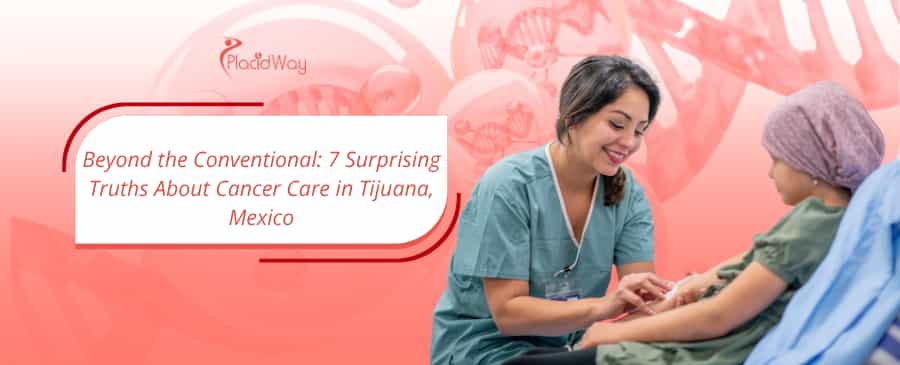
For those navigating a Stage 4 diagnosis, the phrase "make preparations" is more than medical advice; it is a profound psychological weight that conventional systems often fail to address. When standard chemotherapy reaches its toxic limit or a tumor becomes resistant to radiation, patients find themselves at a devastating medical crossroads. In this crisis, Tijuana has emerged as a global sanctuary for Functional Oncology, providing an investigative alternative for those seeking a future where the traditional path has ended.
The "Mecca" of Integrative Medicine
It is a counter-intuitive reality for many North Americans that Tijuana hosts the highest density of integrative cancer clinics in the Western Hemisphere. The city welcomes over 2 million medical tourists annually, many of whom are seeking biological therapies that remain stalled in clinical trials in the U.S. and Canada.
While critics often point to a lack of FDA oversight, the regulatory environment under COFEPRIS (Mexico’s health authority) actually serves a specific function for the terminal patient. This "Right to Try" environment has allowed Tijuana to remain a global leader in alternative care for over 40 years, prioritizing bedside innovation over the decades-long regulatory lag of the North American pharmaceutical model.
"Tijuana has been a global pioneer in alternative and integrative cancer therapies for over 40 years. Long before 'integrative oncology' became a popular buzzword, specialized clinics in this border city were already successfully combining advanced scientific treatments with holistic, immune-boosting therapies."
Over 2 million medical tourists visit Tijuana annually, seeking specialized care options that blend conventional and holistic methodologies.
Treating the Host, Not Just the Tumor
The core of the Tijuana model is a radical shift from "systemic toxicity" to Immune Stimulation. While conventional oncology often focuses on an "outside-in" approach poisoning the disease at the cost of the body. Functional Oncology utilizes an "inside-out" strategy. This method restores agency to the patient, moving them from a passive medical chart to an active participant in their biological recovery.
This philosophy is championed by practitioners like Dr. Carlos Bautista at the Immunity Therapy Center (ITC). His personal motivation for this work is rooted in watching his own father suffer through the "devastating side effects" of conventional care. This experience led to the development of the "Five Pillars" approach: Immune, Alternative, Intravenous, Oxygen/Ozone, and Nutrition.
When researching clinics, look for those that emphasize treating the entire body (the host) rather than just aggressively targeting the tumor, as immune support is crucial for long-term health.
The "inside-out" strategy aims to empower patients to be active participants in their healing, rather than passive recipients of toxic treatments.
The "Forbidden" Tech: Hyperthermia and Biological Response Modifiers
Tijuana clinics utilize advanced biological technologies designed to "train" the immune system rather than suppress it. These non-invasive treatments allow patients to maintain their quality of life, avoiding the hair loss and severe nausea typically associated with standard protocols.
Key technologies frequently used include localized hyperthermia and biological response modifiers, which aim to target cancer cells while preserving healthy tissue.
- Localized Hyperthermia: This therapy uses precise thermal energy to raise the temperature of the tumor site. According to investigative clinical observations, this weakens the protective layer around tumors, making them significantly more susceptible to the immune system.
- Sonodynamic Therapy: A specialized treatment that utilizes sound waves to target and destroy malignant cells while sparing healthy tissue.
- Dendritic Cell Vaccines: These are autologous vaccines created from the patient’s own blood to "teach" T-cells to recognize and attack specific cancer markers.
- NK (Natural Killer) Cell Therapy: Isolating and expanding the patient’s own immune cells to billions before re-infusion.
These non-invasive treatments are designed to help patients maintain a higher quality of life, generally avoiding common side effects like severe nausea and hair loss.
Dendritic cell vaccines are personalized; they are created using the patient's own biological material to train their specific immune system.
Financial Relief and Transparency in Cancer Care
The "Financial Toxicity" of cancer care in the U.S. is often as debilitating as the disease itself, with costs frequently exceeding $100,000. In contrast, Tijuana’s comprehensive programs represent a significant savings on out-of-pocket costs, offering a transparent financial landscape during a health crisis.
While base prices often start at $18,995, investigative data shows ranges vary by diagnosis; for example, complex Stage 4 breast cancer protocols typically range between $25,000 and $45,000. To eliminate hidden fees, these clinics offer all-inclusive packages that simplify the process.
| Treatment Phase / Procedure Name | Average Cost in Tijuana, Mexico (USD) | Cost Comparison (Standard US Care) |
|---|---|---|
| Base Integrative Program Starting Cost | $18,995 | $80,000+ |
| Complex Stage 4 Protocols (e.g., Breast Cancer) | $25,000 - $45,000 | $150,000+ |
A standard program typically includes:
- Daily consultations with lead oncologists to adjust protocols in real-time.
- Over 12 concurrent therapies (IVs, vaccines, and heat treatments).
- Organic, customized meals prepared by onsite chefs and nutritionists.
- All medical diagnostics and specialized lab work.
- The Home Program: A dedicated supply of medications and supplements for follow-up care.
Patients often report a 60–70% savings on total out-of-pocket expenses when choosing comprehensive programs in Tijuana compared to standard U.S. costs.
Always request an itemized, all-inclusive quote prior to traveling to ensure you understand exactly what therapies and accommodations are covered.
The "Inside" Experience: Daily Doctor Consultations
Contrast the rushed, ten-minute conventional hospital visit with the Tijuana model, where lead doctors meet with patients daily. This high degree of personalized attention is not just a luxury; it is a critical biological advantage.
Investigative health reports suggest that this human connection and the reduction of patient stress can lead to a 70–85% improvement in quality of life or disease stabilization. By treating the emotional and physical host, clinics foster a family-like environment that standard oncology units lack.
This supportive atmosphere, combined with 24/7 nursing care, allows the patient’s nervous system to move from a state of "fight or flight" into the "rest and repair" mode necessary for cellular healing.
Prioritize clinics that offer daily access to the lead oncology team, as real-time protocol adjustments are vital in functional oncology.
A Shift in Perspective
Many patients express profound relief when they realize they are no longer just a number in a waiting room, but active partners engaging daily with their physicians.
The San Diego Gateway: Logistics and Normalcy
The myth that traveling to Mexico for care is logistically difficult is easily debunked by the "Medical Lane" infrastructure. Most patients fly into San Diego International Airport (SAN) and are met by dedicated shuttles for a 25-minute transit.
Secure districts like Zona Río offer upscale stays at landmarks like the Hotel Lucerna or along the well-known "Hotel Row." Familiarity is part of the healing protocol. Patients are often driven by dedicated staff to local sites, fostering a sense of normalcy.
This sense of normalcy—staying in furnished apartments and exploring the city—reduces the "patient identity" and supports the immune system by keeping cortisol levels low.
Utilize the concierge services provided by the clinics; they are experts at navigating the border crossing and ensuring your travel is stress-free.
Refusing the "Preparations" Narrative
The most powerful takeaway from the Tijuana experience is the psychological defiance of the terminal timeline. Consider the case of Jack Conkey, who faced Stage 4 prostate cancer that had metastasized to the bone. Before seeking alternative care, Jack reached a biological "rock bottom," enduring five emergency room visits due to excruciating pain and a total intolerance for chemotherapy toxicity.
When his doctors told him to "make preparations," Jack chose to reclaim his timeline. His success in Tijuana reflects a growing movement of patients who refuse a fatalistic outlook, choosing instead to view their condition as a manageable chronic disease.
Jack Conkey's Resolve
"My days are not numbered, and I'm not going to listen to you guys. I'm going to seek alternative therapy." — Jack Conkey
While functional oncology offers hope and alternative pathways, it is vital to consult thoroughly with your medical team and understand that results vary significantly based on individual biological responses.
Many patients report that psychological empowerment and the refusal to accept a definitive terminal timeline play a crucial role in their overall well-being and treatment response.
A New Horizon for Oncology in Tijuana
The medical landscape in Tijuana represents a vital bridge between high-tech biological science and the foundational principles of natural healing. It offers a sophisticated environment where the goal is the complete restoration of immune health.
For the patient who has reached the limits of conventional medicine, this border city offers a dignified and scientifically progressive path forward.
Integrative clinics continue to evolve, rapidly adopting new biological therapies that support the body's innate ability to heal.
Final Thought
If the traditional path has reached its limit, is the next step of your journey waiting just across the border?
Stay informed and keep an open mind; the integration of advanced science and holistic care is creating new paradigms in recovery.
Understanding Patient Outcomes and Expectations
When considering alternative treatments, managing expectations is a crucial part of the journey. Clinics in Tijuana focus on improving quality of life, stabilizing the disease, and supporting immune function, but they are careful not to guarantee miraculous cures.
Patients generally experience varying degrees of success, heavily dependent on their overall health status upon arrival and their body's response to the intensive protocols.
Functional oncology measures success not just by tumor shrinkage, but by significant improvements in energy levels, pain reduction, and overall vitality.
A Focus on Quality of Life
Many families report that the most profound benefit of integrative care was giving their loved one months or years of comfortable, active life that conventional medicine could not offer.
How PlacidWay Can Guide Your Journey
Navigating the complex world of international medical care requires a trusted partner. PlacidWay offers expert guidance to help you find the right integrative oncology options.
By leveraging their extensive network, you can explore vetted clinics and make informed decisions about your health.
- Expert Clinic Matching: Connect with accredited facilities specializing in functional oncology.
- Direct Medical Coordination: Facilitate communication and secure transfer of medical records.
- Transparent Information: Access detailed treatment plans and cost estimates.
- Dedicated Support: Receive assistance navigating international healthcare options.
- Empowered Decisions: Utilize resources to understand your alternative care choices fully.
Frequently Asked Questions
Making the decision to seek care abroad involves many questions. It's vital to have clear information regarding logistics, safety, and treatments.
Below are some of the most common questions asked by patients exploring cancer care in Tijuana.
Many patients travel to Tijuana to access integrative and alternative therapies that are often unavailable or stalled in clinical trials in their home countries. The city is renowned for its focus on holistic, immune-boosting protocols.
Functional Oncology is an approach that aims to treat the root causes of the disease by supporting the body's natural immune functions. It often combines conventional diagnostics with advanced biological therapies.
Treatments are administered in clinical settings regulated by COFEPRIS, Mexico's health authority. While many therapies are alternative, reputable clinics utilize advanced medical protocols and maintain high safety standards.
While base prices often start at $18,995, investigative data shows ranges vary by diagnosis; for example, complex Stage 4 breast cancer protocols typically range between $25,000 and $45,000, which can represent a 60–70% savings compared to U.S. costs.
Localized Hyperthermia is a therapy that uses precise thermal energy to raise the temperature of the tumor site. This is believed to weaken the protective layer around tumors, making them more susceptible to the immune system.
Yes, many clinics facilitate safe travel by providing dedicated shuttles directly from San Diego International Airport. Patients often stay in secure, upscale districts like Zona Río, which are well-equipped for medical tourists.
Yes, leading integrative clinics in Tijuana cater heavily to international patients and feature bilingual medical teams. Clear communication regarding your health and treatment plan is a priority.
Standard packages often include daily doctor consultations, concurrent therapies (like IVs and hyperthermia), customized nutrition, medical diagnostics, and a supply of medications for follow-up home care.
These are autologous vaccines created from the patient's own blood. The goal is to 'teach' the patient's T-cells to recognize and attack specific cancer markers, thereby boosting the immune response.
Yes, many programs provide a dedicated 'Home Program' which includes a supply of medications, supplements, and nutritional guidelines to maintain progress after leaving the clinic.
- National Center for Biotechnology Information (NCBI). (2026). Integrative Oncology: Research and Clinical Implementations. https://pubmed.ncbi.nlm.nih.gov/
- Mayo Clinic. (2026). Integrative medicine for cancer care. https://www.mayoclinic.org/...
- WebMD. (2026). Alternative Cancer Treatments: What Are Your Options? https://www.webmd.com/...
.png)



.png)





.jpg)








Share this listing