

Medical Tourism in Danang, Vietnam: A Comprehensive Guide to Healing and Heritage
Sarah, a teacher from Sydney, sat on her private balcony overlooking the calm, morning waters of My Khe Beach, sipping a tepid cup of lotus tea. Just twenty-four hours earlier, she was sitting in a high-tech dental clinic receiving a full set of porcelain crowns—a procedure that would have cost her nearly four months' salary back in Australia. Now, with no lingering discomfort and a gentle tropical breeze wrapping around her, she unfolded a map of nearby Hoi An to plan a low-impact afternoon of sightseeing. Her journey represents a growing reality for patients navigating medical tourism in Danang, Vietnam. They arrive seeking high-quality, affordable care, but they stay for the restorative power of a city that seamlessly blends coastal tranquility with deep cultural heritage.
Key Takeaways
- Medical tourism in Danang, Vietnam typically offers cost savings of 40% to 70% on dental and elective procedures compared to Australian and US private healthcare markets.
- The city’s international airport is located just 15 minutes from major beachfront recovery hotels, minimizing transit stress for post-operative patients.
- Top-tier private clinics in Danang often employ internationally trained specialists who utilize English as the primary language for foreign patient consultations.
- Recovering patients can safely enjoy low-impact tourism activities like Han River cruises and visits to UNESCO-listed Hoi An without straining surgical sites.
- Vietnamese culinary staples, such as traditional Pho and rice porridges, naturally accommodate the soft-diet requirements of international dental tourists.
Why Are Australians Choosing Medical Tourism in Danang, Vietnam?
It is completely understandable to feel hesitant about flying across the world for a healthcare procedure. Many travelers from Australia, the United States, and neighboring nations like Cambodia and Singapore initially question the logistics of blending medical care with a holiday. However, Danang has emerged as a premier destination precisely because it answers these anxieties with robust infrastructure and a profoundly relaxing environment. You are not just booking a clinic appointment; you are securing a comprehensive healing experience in one of Southeast Asia's most livable cities.
The appeal lies in the flawless integration of modern medical facilities and world-class tourism infrastructure. While waiting for lab results or between dental fittings, patients are not confined to sterile hotel rooms in chaotic metropolises. Instead, they can stroll along the pristine sands of Non Nuoc Beach or enjoy a quiet, shaded coffee in the Hai Chau district. This unique combination transforms a stressful medical necessity into a restorative retreat.
Furthermore, direct flight routes from major hubs like Singapore and regional connectivity from Laos and Cambodia make arriving in central Vietnam highly convenient. The cost savings on the medical procedures often cover the entirety of the travel expenses, including luxury accommodation. Patients find that the financial relief, paired with the therapeutic ocean climate, significantly reduces the psychological burden of healthcare.
What Medical Procedures Are Most Popular in Danang?
When planning a trip for medical care, you want to know that the local specialists have extensive experience with your specific needs. Danang has strategically developed its healthcare sector to cater to elective and non-invasive procedures that require minimal hospitalization. This strategic focus ensures you can spend less time in a recovery ward and more time enjoying the cultural richness of central Vietnam.
The most common treatments sought by international visitors integrate perfectly with a relaxed travel itinerary. You can easily schedule these appointments around morning excursions to the Marble Mountains or evening walks near the Dragon Bridge.
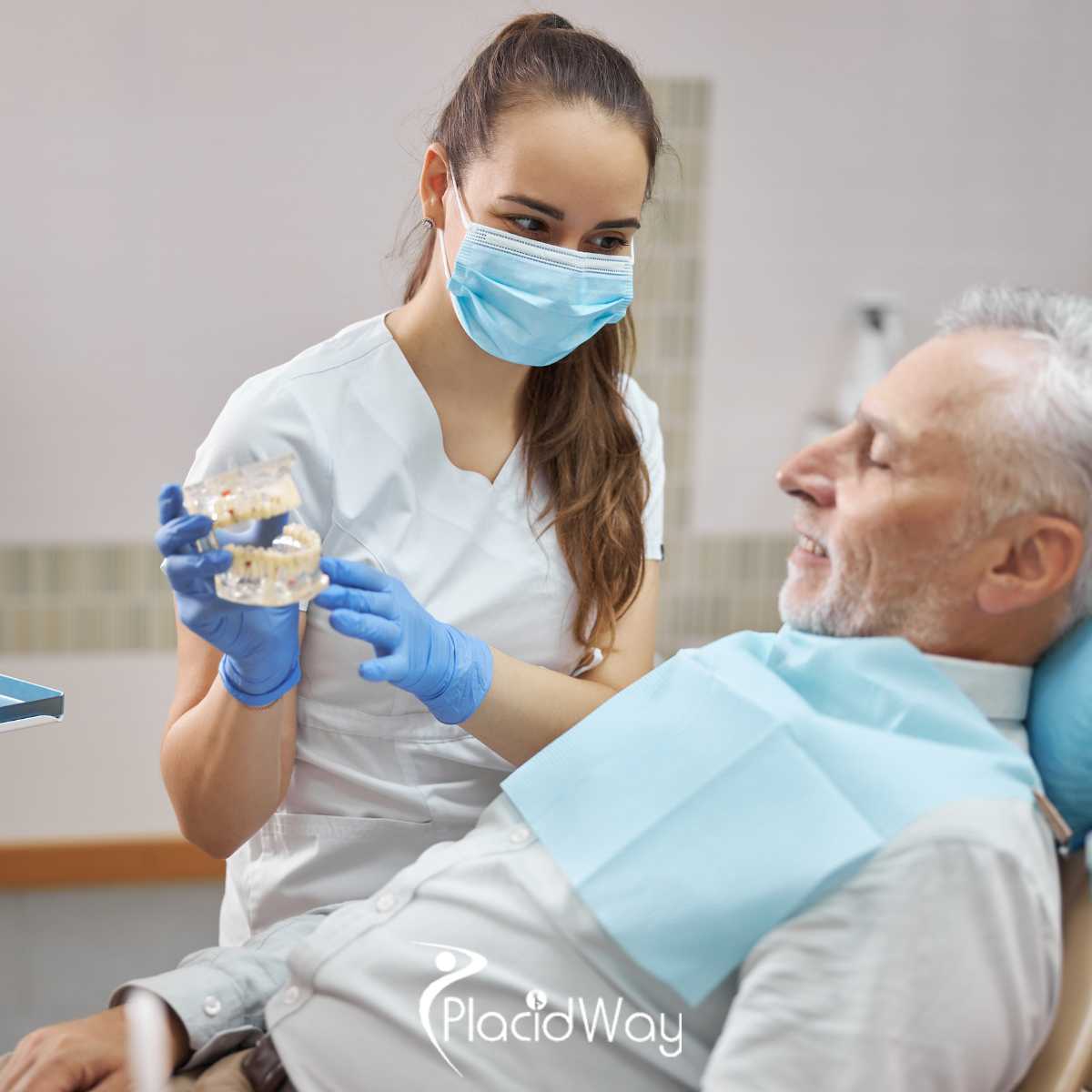
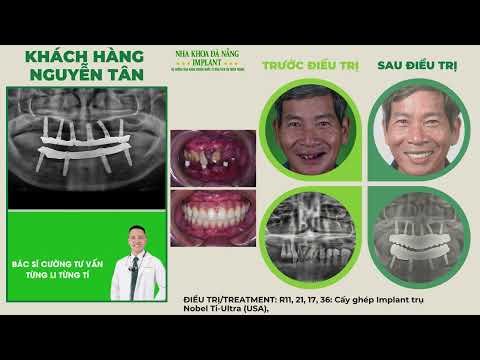
- Dental Implantology and Veneers: High-tech dental centers offer world-class restorative work, leaving you plenty of time to explore the city's cafes between custom fittings.
- Comprehensive Health Screenings: Executive wellness checks take only a single morning, freeing up the rest of your week for a beachside holiday in Son Tra.
- Non-Invasive Dermatology: Laser treatments and skin rejuvenation require minimal downtime, though patients must actively protect their skin from the strong Vietnamese sun.
- Ophthalmology and Vision Correction: Laser eye surgery is increasingly popular, allowing patients to appreciate the vibrant lanterns of Hoi An with perfect clarity just days later.
- Traditional Eastern Medicine: Acupuncture and holistic therapies are frequently combined with modern treatments, offering a culturally immersive approach to wellness.
How Does Danang Compare Clinically and Culturally to Other Asian Hubs?
Deciding on a destination often involves weighing the clinical reputation against the quality of the recovery environment. Many patients find themselves torn between established medical capitals like Bangkok or Singapore and emerging, tranquil hubs like central Vietnam. Danang offers a distinct value proposition by prioritizing a low-stress, highly accessible coastal environment over the sprawling, traffic-heavy reality of larger megacities.
To help you make an informed decision, we have outlined how Danang stacks up against other popular destinations. This comparison highlights both the healthcare dynamics and the day-to-day tourism reality you will experience during your stay.
| Destination | Average Cost Savings (vs AUS/US) | Tourism Environment | Ideal Patient Profile |
|---|---|---|---|
| Danang, Vietnam | 40% - 70% | Coastal, relaxed traffic, rich cultural heritage nearby (Hoi An, Hue). | Patients seeking quiet beach recovery and dental/elective wellness. |
| Bangkok, Thailand | 50% - 75% | Bustling metropolis, massive shopping districts, heavy urban traffic. | Those needing complex cardiac or major orthopedic surgeries. |
| Singapore | 10% - 20% | Highly modern, extremely clean, very expensive urban landscape. | Patients prioritizing absolute clinical luxury with high budgets. |
| Bali, Indonesia | 30% - 50% | Tropical island, highly tourist-dense, vibrant but sometimes chaotic. | Australians looking for minor aesthetics mixed with party/yoga culture. |
How to Navigate Danang International Airport as a Medical Traveler?
Stepping off a long flight can be deeply exhausting, especially if you are managing pre-procedure anxiety or underlying health concerns. Fortunately, Danang International Airport (DAD) is widely regarded as one of the most efficient and user-friendly transport hubs in Southeast Asia. The terminal is highly modernized, clearly signposted in English, and relatively compact, which means you will not have to walk endless miles to reach immigration.
Because the airport is located directly within the city limits, your transition from arrival to relaxation is remarkably swift. You can clear customs, collect your baggage, and be checking into your coastal resort in under thirty minutes.
- Visa Processing: Australian and US citizens must secure an e-Visa online prior to travel, avoiding the lengthy queues of the older visa-on-arrival system.
- Wheelchair Assistance: Airlines operating flights from Singapore and Cambodia offer complimentary mobility assistance from the gate directly to your waiting taxi.
- Clinic VIP Transfers: Many premium healthcare facilitators arrange private, air-conditioned airport pickups so you do not have to negotiate transport fares upon arrival.
- Currency Exchange: Secure ATMs and exchange counters are available immediately past customs to grab Vietnamese Dong for your first local meal.
- City Proximity: The airport is only a 10 to 15-minute drive to the famous My Khe Beach, minimizing transit fatigue significantly.
Where Should You Stay in Danang for Optimal Recovery and Sightseeing?
Choosing the right accommodation is just as critical to your healing journey as selecting the right medical specialist. You need a space that offers pristine hygiene, deep comfort, and easy access to both your clinic and gentle leisure activities. Danang’s geography is neatly divided by the Han River, offering distinct neighborhood vibes depending on your recovery requirements.
For patients requiring multiple clinic visits, staying in the city center ensures short taxi rides, while those with ample downtime often prefer the oceanfront. Consider how your energy levels will fluctuate when choosing your temporary Vietnamese home.
- Hai Chau District: Located in the bustling city center, this area puts you within walking distance of major private hospitals and authentic local markets.
- My Khe Beach (Eastside): Ideal for post-procedure relaxation, offering luxury resorts, flat paved promenades for gentle walking, and refreshing sea breezes.
- Son Tra Peninsula: For those seeking absolute quiet and privacy, the eco-resorts nestled in these hills provide secluded healing away from city noise.
- Hoi An Ancient Town: Located 45 minutes south, this is perfect for the tail-end of your trip when medical follow-ups are complete and you desire cultural immersion.
- An Thuong Tourist Area: A vibrant expat enclave near the beach that offers accessible western food options if you are craving a familiar meal during recovery.
Is the Medical Infrastructure in Danang Safe and Regulated?
Safety is naturally the foremost concern for any patient traveling outside their home country for care. It is a common misconception that choosing an affordable destination means compromising on clinical standards or hygiene protocols. In reality, Vietnam’s Ministry of Health tightly regulates private healthcare facilities that cater to international tourists, ensuring they meet stringent local safety accreditations.
Beyond clinical walls, Danang itself is renowned as one of Vietnam's safest and most orderly cities. The streets are well-lit, the local government prioritizes tourist security, and emergency infrastructure is highly accessible. This municipal focus on safety extends directly into the private hospital sector, creating a secure environment for both your body and your peace of mind.
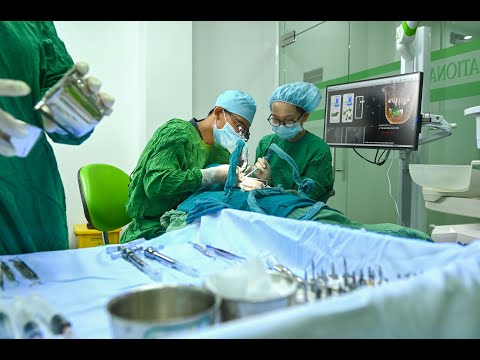
Top-tier clinics often seek international affiliations to demonstrate their commitment to global standards of care. They utilize imported diagnostic machinery, maintain strict sterilization protocols that mirror Australian standards, and employ specialists who have trained in the US, Europe, or Singapore. You can walk from your state-of-the-art dental suite to a pristine, safe local museum with absolute confidence.
What Does a Typical Dental Tourism Itinerary Look Like in Danang?
Balancing clinical obligations with the desire to explore a vibrant foreign country requires thoughtful scheduling. The beauty of choosing central Vietnam is that the geographic proximity of tourist attractions perfectly accommodates the scattered nature of medical appointments. You do not have to choose between getting your crowns fitted and experiencing the magic of Southeast Asia; you simply interweave them.
A well-planned itinerary respects your body's need for rest while maximizing the cultural offerings of the region. Most clinics are highly experienced in scheduling procedures around your travel plans, ensuring you never feel rushed.
| Day | Medical Focus | Tourism & Recovery Activity |
|---|---|---|
| Day 1 | Initial consultation, 3D panoramic X-rays, and treatment planning. | Gentle arrival day. Check into a beachfront hotel and enjoy an early seafood dinner. |
| Day 2 | Primary procedure (e.g., implant placement or tooth preparation for veneers). | Strict rest. Order room service, read a book on the balcony, apply ice packs as needed. |
| Day 3-4 | Downtime while local laboratories craft custom prosthetics. | Take a private car to Ba Na Hills or enjoy a relaxing evening cruise on the Han River. |
| Day 5 | Final fitting, bite adjustment, and final polishing of restorations. | Celebrate with a trip to Hoi An Ancient Town to view the lantern-lit streets. |
| Day 6 | Quick morning follow-up check to ensure total comfort. | Final souvenir shopping at Han Market before heading to the airport. |
How Much Does Medical Tourism in Danang, Vietnam Cost Compared to Home?
Financial transparency is essential when planning any form of overseas travel, especially when health is involved. Patients from Australia and the United States often experience sticker shock when navigating their domestic private healthcare systems. By contrast, the pricing structures in Vietnamese clinics are highly competitive, driven by lower local overhead and favorable exchange rates, not by a reduction in clinical quality.
When budgeting for your trip, it is vital to factor in both the clinical fees and the tourism expenses to understand your total outlay. Even when adding the cost of premium flights, upscale hotels, and daily excursions, the total package routinely falls below the cost of the medical procedure alone in Western countries.
- Dental Implants: A single titanium implant in Danang typically ranges from $900 to $1,400 AUD, compared to upwards of $4,500 AUD in Sydney.
- Porcelain Veneers: High-quality E-max veneers cost approximately $350 to $500 AUD per tooth locally, while US clinics may charge over $1,500 USD each.
- Health Screenings: Comprehensive executive wellness panels, including MRI and cardiac stress tests, average $300 to $600 AUD.
- Accommodation Impact: Luxury five-star beachfront rooms average $100 to $150 AUD per night, keeping long-stay recovery highly affordable.
- Daily Living: High-end restaurant meals and private transport (via apps like Grab) rarely exceed $40 AUD per day, making daily tourism highly economical.
What Dietary Options Exist for Post-Op Patients Exploring Vietnamese Cuisine?
Food is often the highlight of any trip to Southeast Asia, but navigating a foreign culinary landscape after a medical procedure requires careful thought. If you have undergone dental work or gastrointestinal screenings, you might be worried about missing out on the famous local flavors due to strict dietary restrictions. Thankfully, Vietnamese cuisine is uniquely suited to recovering patients, offering an abundance of soft, highly nutritious options that will not strain healing tissues.
Food hygiene in Danang is generally excellent, particularly in established restaurants and popular tourist cafes. While street food is a vibrant part of the culture, patients in active recovery are advised to stick to indoor dining venues to minimize the risk of minor stomach upsets during their healing phase.
- Traditional Pho: This deeply flavorful, long-simmered bone broth with soft rice noodles is incredibly easy to chew and highly comforting post-treatment.
- Chao (Rice Porridge): A local staple often flavored with minced chicken or mushrooms, perfect for the first 48 hours after dental surgery.
- Banh Cuon: Steamed, delicate rice rolls filled with soft pork and mushrooms provide a savory local experience without requiring heavy chewing.
- Tropical Smoothies: Fresh mango, dragonfruit, and avocado smoothies are available on every corner, though you should ask for them without ice if your teeth are sensitive.
- Foods to Avoid: Skip the crusty Banh Mi baguettes and tough, chewy meats until your specialist officially clears you for a normal diet.
Can You Combine Health Screenings with a Central Vietnam Beach Holiday?
Not all healthcare travel involves surgery; many savvy visitors utilize their vacations to proactively manage their long-term health. Preventive medical screenings are an incredibly popular reason visitors from neighboring countries like Laos and Cambodia book weekend flights to the coast. You can easily schedule an extensive battery of tests that would normally take weeks to coordinate at home into a single, highly efficient morning.
Once your blood is drawn and your ultrasounds are complete, the clinical portion of your trip is effectively over. You are then completely free to immerse yourself in the warm waters of the East Sea or hike the scenic trails of the Son Tra peninsula. The medical results are typically emailed to you in English within 48 hours, allowing you to review your health status while lounging by a resort pool.
How Do Language and Cultural Barriers Impact Care in Danang?
A primary source of anxiety for international patients is the fear of being misunderstood during a critical clinical consultation. You might worry that nuances regarding your pain levels, medical history, or aesthetic preferences will be lost in translation. In Danang's top medical tourism facilities, these concerns are directly addressed through the implementation of dedicated international patient departments.
Outside the clinic walls, the local hospitality is famously warm, and navigating the cultural landscape is highly manageable. English is widely spoken in the tourism sectors, meaning you will face very few hurdles when ordering food or asking for directions to the Cham Museum.
- English-Speaking Doctors: Major private clinics specifically recruit specialists who have trained overseas and possess high-level medical English proficiency.
- Dedicated Translators: If your chosen doctor is not fluent, reputable facilities provide on-site clinical translators free of charge to ensure absolute clarity.
- Digital Translation: In local markets like Han Market, simply using a smartphone translation app is universally accepted and often leads to friendly interactions.
- Clear Documentation: All treatment plans, consent forms, and final medical reports are provided in English, allowing your home doctor to seamlessly continue care.
- Cultural Empathy: Vietnamese medical staff are known for their gentle, highly attentive bedside manner, which deeply comforts anxious travelers.
What Are the Best Low-Impact Tourist Activities for Recovering Patients?
Staying active is often recommended during recovery to maintain good circulation, but heavy exertion in a tropical climate must be avoided. You do not want to spend your entire trip confined to a hotel bed, yet hiking steep jungle trails with fresh stitches is a terrible idea. Danang offers a wealth of serene, low-impact experiences that keep you entertained without jeopardizing your healing process.
These activities allow you to soak in the atmosphere of central Vietnam safely. Always consult your attending physician before embarking on any excursion, and remember to stay heavily hydrated in the regional humidity.
- Han River Evening Cruises: Enjoy the spectacular fire-breathing display of the Dragon Bridge from the comfortable, seated deck of a gentle riverboat.
- Hoi An Cyclo Tours: Hire a traditional pedal-powered cyclo to glide through the ancient town's pedestrian streets without taking a single step.
- Museum Visits: The fully air-conditioned Da Nang Fine Arts Museum offers a quiet, cool environment to appreciate local culture away from the midday heat.
- Cable Car to Ba Na Hills: Reach the famous Golden Bridge via a smooth, seated cable car ride, though you should limit walking once at the summit.
- Gentle Spa Therapies: While deep-tissue massages are strictly prohibited after surgery, gentle foot reflexology or herbal hair washing are wonderfully relaxing.
How Do You Handle Post-Treatment Follow-Ups While Exploring Central Vietnam?
The logistical challenge of traveling is ensuring you remain available for mandatory post-operative check-ups without feeling chained to the clinic waiting room. Excellent medical outcomes rely heavily on these final reviews, where doctors ensure there are no signs of infection and remove any necessary sutures. Most patients use Danang as a basecamp, taking short day trips to nearby historical sites while keeping their clinic within a one-hour radius.
If you plan to visit the imperial city of Hue, which is a two-hour drive north over the Hai Van Pass, you must coordinate this with your clinical coordinator. They will help you schedule this longer excursion squarely between your primary procedure and your final sign-off appointment. This careful balance ensures you experience the vast history of the region without ever being out of reach of your medical team.
What Travel Insurance Covers Both Healthcare Complications and Tropical Travel?
Standard holiday insurance policies are designed to cover lost luggage, canceled flights, and accidental scooter injuries, but they explicitly exclude elective medical procedures. It is a vital administrative step to secure specialized medical tourism insurance before you depart from your home country. This specific coverage protects you financially in the rare event that a procedure requires unexpected revision or a prolonged hospital stay.
Simultaneously, you still need standard coverage for the tourism aspect of your trip. Ensure your policy covers standard tropical travel issues, such as trip interruption due to regional typhoons, which occasionally affect the central coast during the autumn months. A dual-approach to insurance allows you to ride the cable cars and sit in the dentist's chair with equal peace of mind.
A Typical Patient’s Experience: Balancing Appointments and the Han River
(Note: The following is an illustrative composite of typical patient experiences to demonstrate the travel journey).
Consider the journey of Marcus, an experienced traveler from Melbourne who arrived in Danang for extensive dental restorations. On his first day, he attended a highly efficient two-hour clinical consultation, leaving the entire afternoon free to enjoy a gentle walk along the Han River promenade. Because he chose a hotel in the Hai Chau district, he never spent more than ten minutes in a taxi traveling between his appointments and local cafes.
Following his procedure on day two, Marcus opted for strict rest, utilizing food delivery apps to order soft, comforting bowls of local Pho directly to his room. By day four, feeling energized and largely pain-free, he took a private car down to Hoi An to commission a custom-tailored suit. His journey exemplifies the core rhythm of healthcare travel in this region: brief moments of clinical focus beautifully interwoven with deep cultural relaxation.
Frequently Asked Questions
Do doctors in Danang clinics speak English?
Yes, the majority of specialists in top-tier private clinics serving international tourists speak highly proficient medical English. Additionally, reputable facilities provide dedicated international patient coordinators and on-site translators to ensure zero miscommunication during your treatment.
Is it safe to drink tap water in Danang while recovering?
No, international travelers should never consume untreated tap water anywhere in Vietnam. Always drink bottled or strictly filtered water, and use bottled water when brushing your teeth, particularly after oral surgeries to prevent bacterial infections.
What is the best time of year to visit Danang for medical care?
The optimal months for a healthcare trip are between February and May. During this dry season, the weather is pleasantly warm with low humidity, creating an ideal climate for both post-operative recovery and outdoor sightseeing.
Can I swim at My Khe beach after dental implants?
You must avoid swimming in oceans or public pools immediately following oral surgery to prevent waterborne bacteria from entering the surgical site. Most specialists recommend waiting at least one to two weeks before resuming water-based tourist activities.
Do I need a special medical visa to receive treatment in Vietnam?
No, a standard tourist e-Visa is entirely sufficient for undergoing elective procedures, dental work, or health screenings. Ensure your tourist visa covers the entire duration of your planned recovery period and any follow-up appointments.
How do I travel between my hotel and the clinic safely?
The safest and most reliable transportation method is using the Grab rideshare application, which offers fixed, upfront pricing. Many premium dental and medical centers also provide complimentary shuttle services between major hotels and their facilities.
Will Australian clinics accept medical records from Vietnam?
Yes, reputable clinics in central Vietnam will provide you with comprehensive post-treatment reports, x-rays, and laboratory results fully translated into English. These digital files are easily transferred to your local GP or dentist for ongoing care.
Is the city wheelchair accessible for mobility-impaired patients?
While major private hospitals, the international airport, and high-end coastal resorts are highly accessible, navigating local street sidewalks can be challenging. Patients with strict mobility limits should rely on private taxis for point-to-point transportation.
Are there Western food options available during my recovery?
Absolutely. The An Thuong area and the city center host numerous international restaurants serving soft Western comfort foods like mashed potatoes, soups, and pastas, ensuring you have familiar dietary options while healing.
Can I undergo a health screening and fly out the same day?
While the physical testing for an executive health screening takes only a few hours, bloodwork and detailed imaging results typically take 24 to 48 hours to process. It is advisable to schedule at least a three-day stay.
Ready to plan your healing journey?
Navigating cross-border healthcare requires careful planning, but you do not have to organize it alone. Our team of experienced patient coordinators can help you compare verified clinics, arrange local transport, and build a stress-free itinerary. Reach out for a free, no-pressure consultation to discuss your specific needs regarding medical tourism in Danang, Vietnam.
References
- Travelers' Health: Vietnam – Centers for Disease Control and Prevention (CDC)
- Vietnam Travel Advice and Safety – Australian Government Smartraveller
- Vietnam Country Profile and Health Data – World Health Organization (WHO)
- Standards in Global Healthcare – International Society for Quality in Health Care (ISQua)
- Global Quality Standards and Patient Safety – Joint Commission International (JCI)
- Wellness and Travel Infrastructure in Vietnam – Vietnam National Authority of Tourism
Medical Disclaimer: The information provided in this article is for educational and informational purposes only and does not constitute medical advice, diagnosis, or treatment planning. All medical procedures carry inherent risks, and outcomes vary by individual. Readers must consult with a qualified, licensed healthcare professional in their home country and destination before making any decisions regarding cross-border healthcare or travel.

























Share this listing