

Contents
Facing a missing tooth is stressful enough without seeing a treatment estimate that looks like a down payment on a house. For many patients in Australia and the United States, getting a single dental implant locally can drain savings, leaving them stuck with uncomfortable gaps or ill-fitting dentures. It is a frustrating reality when the care you need is priced entirely out of reach.
That is exactly why thousands are combining a flight to Southeast Asia with their restorative dental work. Getting dental implants in Vietnam offers a practical way to bypass those staggering home-country fees, with single implants typically costing between $900 and $1,500. Just be sure to verify that your chosen clinic holds accreditation from the Vietnam Ministry of Health (MoH) or international bodies like the ISO to ensure safe, quality care.
Quick Facts at a Glance
Navigating medical travel becomes much simpler when your major logistics are bundled together. Dental implant packages often combine your oral surgery, 3D imaging, specialized consultations, and sometimes even local airport transfers into one transparent fee.
This approach helps prevent unexpected out-of-pocket expenses for separate x-rays or abutments once you arrive in the city. Before booking, always ask for an itemized list to confirm exactly which implant brand is used and what follow-up care is included. Take a look at the packages below to see which bundled options align with your treatment goals.

Price starting from $615
Best Package for Dental Implants Vietnam at Da Nang Implant Dental Clinic
Da Nang Implant Dental Clinic in Vietnam
- Dentistry
Danang, Vietnam

Price starting from $4,100
All-Inclusive Package for All on 4 Dental Implants Vietnam at Da Nang Clinic
Da Nang Implant Dental Clinic in Vietnam
- Dentistry
Danang, Vietnam

Price starting from $4,920
All on 6 Dental Implants Vietnam Package for Missing Teeth by Da Nang Implant Dental Clinic
Da Nang Implant Dental Clinic in Vietnam
- Dentistry
Danang, Vietnam
The cost of fixing your smile shouldn't keep you awake at night. In Vietnam, a single dental implant usually ranges from $900 to $1,500, which typically covers the titanium post, abutment, and standard crown. When you compare this to the $4,000 or more often charged in Western countries, the financial relief is immediate.
Even after factoring in flights and a hotel, the savings remain substantial, especially for full-mouth restorations. Prices will vary depending on the implant brand used and the complexity of your bone structure. Take a moment to compare the cost options listed below to see which estimate best fits your budget.
Dental Implants Centers Cost Comparison in Vietnam
| Provider | Procedure | Price |
|---|---|---|
| Da Nang Implant Dental Clinic in Vietnam | Dental Implants, Dentistry | $750 |
Dental Implants Cost Comparison in Vietnam
| Country | Procedure | Price |
|---|---|---|
| Canada | Dental Implants, Dentistry | $3000 |
| Greece | Dental Implants, Dentistry | $813 |
| United States | Dental Implants, Dentistry | $3500 |
A glossy waiting room is nice, but it tells you nothing about the surgical standards of a facility. When looking for a place to get dental implants, prioritize local licensing and hygiene protocols over aesthetic appeal.
You want to verify that the facility is registered with the local Department of Health and strictly follows international sterilization guidelines. Ask directly about their infection control measures and whether they use 3D CBCT scanners for precise implant placement. A trustworthy provider will gladly share their registration details. Compare the clinics listed below to evaluate their verified credentials and specialized facilities.
BeDental - Premium Clinic
Hanoi, Vietnam
Da Nang Implant Dental Clinic in Vietnam
Danang, Vietnam
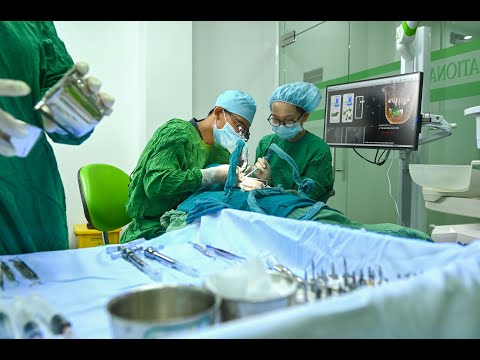
Reading about a surgical procedure only gives you half the picture. Watching detailed videos of the clinics and the dentists at work offers a much clearer sense of the environment you will be walking into.
You can observe the cleanliness of the treatment rooms, see the technology they use, and listen to the specialists explain their approach to implantology. These visual insights help remove the anxiety of traveling to a new country for restorative dental work. Browse through the videos below to get a better feel for the facilities and the teams providing care.

Nothing builds confidence quite like hearing from someone who has already sat in the dentist's chair you are considering. Reading unbiased feedback from international patients can reveal details you will not find on a clinic's brochure.
Pay attention to how past patients describe the communication barriers, the pain management during surgery, and the long-term comfort of their new teeth. Genuine reviews highlight both the smooth experiences and the potential logistical hurdles. Review the patient testimonials below to help you decide which provider has the most consistent track record.

It is entirely normal to have questions before committing to dental work overseas. Below, we have compiled the most common questions patients ask when planning to get dental implants in Vietnam.
Why do international patients choose Vietnam for dental implants?
Patients primarily travel to Vietnam due to the high quality of care combined with significantly lower costs compared to Australia or the US. Clinics in major cities are equipped with advanced 3D scanning technology, and many local dentists have received international training.
How many trips to Vietnam are required for a complete implant?
A traditional dental implant usually requires two separate trips. The first trip is to surgically place the titanium post into your jawbone. After a healing period of 3 to 6 months back home, you return for a second trip to attach the final permanent crown.
Are the implant materials used in Vietnam internationally recognized?
Yes, reputable clinics use globally recognized and FDA-approved implant brands such as Nobel Biocare, Straumann, and MIS. It is highly recommended to ask your chosen clinic exactly which brand they use before you book.
Do dentists in Vietnam speak fluent English?
Most dentists catering to medical tourists in major hubs like Ho Chi Minh City and Hanoi speak excellent English. Many clinics also employ dedicated international patient coordinators to ensure clear communication throughout your treatment.
What happens if I do not have enough jawbone for an implant?
If a 3D CBCT scan reveals insufficient bone density, your oral surgeon will likely recommend a bone graft or sinus lift. This procedure builds up the bone to safely support the implant, though it will add to your total treatment time and cost.
How long is the recovery period after the implant surgery?
Initial healing from the surgical placement of the post takes about a week, during which you may experience mild swelling and discomfort. However, the internal bone fusion process (osseointegration) takes several months to complete before the crown can be added.
Is the local tap water safe for rinsing after oral surgery?
No, the tap water in Vietnam is not safe for drinking or rinsing open surgical wounds. You should strictly use bottled water for brushing your teeth, rinsing your mouth, and taking your prescribed medications.
What diet should I follow while recovering in Vietnam?
You will need to stick to a soft food diet immediately following the surgery to protect the surgical site. Fortunately, local Vietnamese cuisine offers plenty of soft options, such as plain rice porridge (Chao) and soft noodle soups (Pho), just ensure they are not too hot or spicy.
How do I verify a Vietnamese dentist's qualifications?
You should ask for their license number registered with the Vietnam Ministry of Health. Additionally, look for memberships in international organizations like the International Congress of Oral Implantologists (ICOI) to ensure they adhere to global standards.
What happens if my implant fails after I return home?
Reputable clinics offer warranties on their implant posts, meaning they will replace a failed post for free. However, you will usually be responsible for the travel costs to return to Vietnam for the revision surgery.
The success of your new tooth depends entirely on the hands placing it. In Vietnam, many top oral surgeons have completed advanced fellowships internationally, bringing global standards back to their local practice.
You should look for a specialist focused specifically on implantology or maxillofacial surgery, rather than a general dentist. Check if they maintain active memberships in recognized organizations like the International Congress of Oral Implantologists (ICOI). Do not hesitate to ask about their specific success rates. Compare the surgeons below to find an expert whose qualifications give you peace of mind.

Navigating a medical trip to Southeast Asia requires a bit of logistical planning, but the vibrant culture and affordability make it highly rewarding. The majority of dental tourists arriving in Vietnam fly in from Australia, New Zealand, and the United States, drawn by the combination of accessible healthcare and an unforgettable travel destination.
Major hubs like Ho Chi Minh City and Hanoi are the primary centers for advanced dentistry. Both cities feature modern infrastructure, international airports, and a wide array of accommodations suited for recovery.
| Flight from Sydney (SYD) | Approximately 9 hours (Direct) |
| Flight from Los Angeles (LAX) | Approximately 17 hours (1 stop) |
| Visa Requirements | E-visa typically required for Western tourists |
| Best Time to Travel | November to April (Dry season) |
Getting around these bustling cities is surprisingly easy with ride-hailing apps like Grab, which provide safe, fixed-price transport directly from your hotel to the clinic. While the local street food is world-renowned, you will need to stick to soft, gentle options like Pho during your immediate recovery.
Be mindful of the tropical climate by staying hydrated, but always remember to use bottled water for drinking and brushing your teeth post-surgery, as tap water is not safe for consumption.
Deciding to travel abroad for restorative dentistry is a big step, but you do not have to figure out the logistics alone. Having the right guidance ensures you can focus entirely on your treatment and recovery without the stress of vetting clinics and translating medical jargon.
We can help connect you with fully accredited facilities and highly experienced implant specialists tailored to your specific needs. Take the next step toward restoring your smile with confidence.
References
- Dental Implants: What You Should Know – U.S. Food and Drug Administration (FDA)
- Travelers' Health: Vietnam – Centers for Disease Control and Prevention (CDC)
- Dental Implant Surgery Overview – Mayo Clinic
- Dental Implants Information – American College of Prosthodontists
- Clinical Outcomes of Dental Implants – National Center for Biotechnology Information




















Share this listing