A complete single dental implant in Vietnam typically costs between $700 and $1,500, including the post, abutment, and crown. Complex full mouth procedures like All-on-4 generally range from $4,000 to $8,125 per arch for suitable patients.
Key Takeaways for Dental Travel
Treatment prices are often fifty to seventy percent lower than those found in North America or Australia.
A total fee must encompass the surgical fixture, the connecting abutment, and the final prosthetic tooth.
Reputable centers utilize globally recognized, FDA-cleared, or CE-marked titanium and zirconia materials.
Biological bone integration usually requires patients to plan for two distinct trips separated by several months.
Success depends on verifying practitioner licenses and establishing a relationship with a local dentist for aftercare.
1. Why are international patients choosing dental implants in Vietnam?
Patients select dental implants in Vietnam primarily for the combination of affordable care, modern clinical environments, and the opportunity to access complex full mouth rehabilitations that are cost prohibitive at home.
The primary motivation for traveling across borders is the significant economic advantage. Individuals facing high out of pocket expenses in Western nations find that they can obtain necessary surgical interventions in Southeast Asia without depleting their life savings. The lower cost of living and reduced clinical overhead naturally translate into more competitive pricing for international visitors.
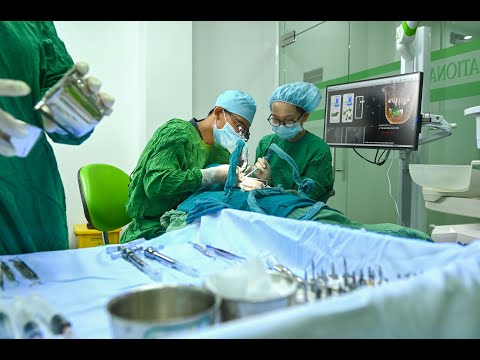
Beyond the financial aspect, the healthcare infrastructure in major urban centers has modernized rapidly. Facilities catering to foreign patients frequently invest in digital diagnostic tools, such as three dimensional cone beam computed tomography scanners, which allow practitioners to precisely map jawbone density before any surgical intervention takes place.
Furthermore, combining medical recovery with an international environment appeals to many individuals. While surgery demands proper rest, the supportive hospitality sector makes the required stay manageable. Patients can rest in comfortable accommodations while attending their scheduled clinical check ups throughout the healing process.
2. How much does a dental implants cost in Vietnam compared to other nations?
A dental implants cost in Vietnam generally ranges from $700 to $1,500 per complete tooth, representing a substantial fifty to seventy percent reduction compared to average North American or Australian surgical prices.
When calculating the total financial commitment, patients must understand that a prosthetic tooth consists of three distinct components. The estimated surgical fee usually covers the titanium post that is placed into the bone. Additional charges apply for the abutment, which serves as the connector, and the final visible crown, often made of highly aesthetic zirconia or porcelain.
For suitable individuals requiring full arch restorations, such as an All-on-4 system, the financial differences become even more pronounced. These extensive procedures involve extracting remaining compromised teeth, placing multiple posts, and attaching a fixed prosthetic bridge. Domestically, this can exceed twenty thousand dollars, whereas international options offer a far lower barrier to entry.
It is vital to note that these figures are baseline estimates. Individual case complexity, the need for surgical extractions, the choice of premium international material brands, and necessary diagnostic imaging will all influence the final itemized invoice provided by the clinician.
Treatment Type
Estimated Cost in Vietnam
Estimated Cost in US/AU
Single Implant (Complete)
$700 - $1,500
$3,500 - $5,500
Bone Grafting (Per Site)
$150 - $500
$500 - $1,200
All-on-4 System (Per Arch)
$4,000 - $8,125
$15,000 - $30,000
*Disclaimer: Prices are estimates and vary by city, clinic, case complexity, and material choice. Travel and accommodation expenses are not included.
3. Are the materials used at a dental implant clinic in Vietnam of high quality?
Yes, a reputable dental implant clinic in Vietnam utilizes internationally recognized, FDA-cleared, or CE-marked surgical fixtures and premium restorative materials, matching the physical standards found globally.
The physical components placed into the jawbone are typically manufactured by major global healthcare companies based in Switzerland, Germany, South Korea, or the United States. Reliable centers do not use obscure or unverified metal substitutes, as proper biological integration requires high grade, biocompatible titanium alloys.
For the visible restorations, modern facilities employ advanced ceramics and zirconia. These materials offer exceptional durability for chewing forces and can be precisely color matched to blend seamlessly with surrounding natural teeth, avoiding the dark gum lines sometimes associated with older metal based crowns.
Transparency regarding these materials is a hallmark of safe medical travel. Suitable candidates should always ask their chosen provider to specify the exact brand and model of the hardware being utilized prior to making any financial deposits or booking flights.
Did You Know? Traceability is crucial in global healthcare. Reputable facilities will provide you with an implant passport containing lot numbers and brand specifications. This document allows dentists in your home country to order compatible tools if adjustments are ever needed in the future.
4. What is the timeline for medical tourism in Vietnam when getting dental implants?
Medical tourism in Vietnam for surgical fixtures usually requires two separate journeys spaced three to six months apart, allowing the jawbone adequate time to biological fuse with the titanium post.
The initial phase of treatment involves diagnostic planning, any necessary tooth extractions, and the surgical placement of the titanium fixture into the bone. Patients typically stay for five to ten days during this phase to allow for initial soft tissue healing, suture removal, and observation before flying home with a temporary prosthetic.
Following this first visit, a critical healing period occurs known as osseointegration. During these subsequent months, the bone cells slowly grow and lock around the threaded post, creating a stable foundation capable of withstanding heavy bite forces. Attempting to rush this biological process significantly increases the risk of premature failure.
Once integration is confirmed via imaging, the patient returns for phase two. During this shorter trip, the top of the post is exposed, digital impressions are taken, and the final, custom milled ceramic crown is securely attached, completing the restorative process.
5. How do I verify a provider for dental implants in Vietnam?
Prior to booking, you must verify the facility operating license, the attending dentist active medical license, and their specific educational background in advanced oral surgery and implantology.
Thorough due diligence separates a safe medical journey from a hazardous one. Patients should request official documentation proving the facility is registered with local health ministries and adheres strictly to international cross infection control protocols for bloodborne pathogens.
It is equally important to scrutinize the individual clinician performing the surgery. General dentistry differs vastly from surgical implantology. Prospective patients should ask about the surgeon annual case volume, request anonymized portfolio images of similar complex cases, and check where they completed their postgraduate specialty training.
Do not rely solely on professional association memberships or marketing accolades as proof of clinical competence. A trustworthy provider will gladly share their verifiable credentials, explain their sterilization processes, and provide clear protocols for handling potential surgical complications.
6. What are the potential risks of getting dental implants in Vietnam?
Standard surgical risks like localized infection or bone integration failure exist, but international patients also face unique complications related to post surgical air travel and remote follow up care.
Like any invasive medical procedure, placing fixtures in the jaw carries inherent biological risks. These may include temporary nerve paresthesia, sinus cavity penetration, or the body failure to fuse with the metal post. These outcomes can happen anywhere in the world, regardless of the surgeon skill level.
The primary hazard specific to medical travel involves distance. If a temporary crown dislodges or a post surgical infection develops two weeks after returning home, the treating surgeon is thousands of miles away. Finding a domestic clinician willing to intervene on another professional work can be highly challenging and expensive.
Furthermore, the physical stress of long haul flying can exacerbate postoperative swelling and fatigue. Patients must strictly adhere to provided recovery guidelines, avoid strenuous tourist activities immediately after surgery, and wait for clinical clearance before boarding a pressurized aircraft.
Important Consideration Never assume a surgical procedure is free of risks. Success rates vary depending on individual biology, uncontrolled diabetes, and smoking habits. Thoroughly disclose your complete medical and prescription history to the foreign clinical team before finalizing your treatment plan.
7. Will a dental implant clinic in Vietnam communicate effectively with international patients?
Major facilities focused on international healthcare travelers typically employ bilingual staff and dentists who speak English fluently, ensuring that treatment plans and vital consent forms are clearly understood.
Effective communication is the cornerstone of patient safety. In prominent urban centers, many medical professionals have completed portions of their education or attended medical conferences in English speaking countries, granting them the vocabulary necessary to explain complex diagnoses.
Facilities often utilize dedicated international patient coordinators. These individuals act as a bridge between the clinical staff and the traveler, helping to explain scheduling, clarify medication instructions, and ensure that all questions are answered prior to sitting in the surgical chair.
Informed consent requires absolute comprehension. If there is any ambiguity regarding the risks, the required healing timeline, or the materials being utilized, patients must pause the process. Written treatment plans and postoperative guidelines should always be provided in a language the patient fully commands.
8. Can I get bone grafting alongside dental implants in Vietnam?
Yes, suitable patients can receive necessary preparatory procedures such as bone grafting and sinus elevations, which are frequently performed to establish a dense, stable foundation for the surgical fixture.
When a tooth has been missing for a prolonged period, the surrounding jawbone naturally begins to resorb and shrink. If the bone lacks sufficient height or width, a titanium post cannot be anchored securely. In these scenarios, the surgeon must rebuild the ridge using grafting materials.
Depending on the severity of the bone loss, grafting can sometimes be performed simultaneously with the placement of the post. However, in cases of severe atrophy, the graft must be placed and left to heal and consolidate for several months before the area is strong enough to accept a metal fixture.
Patients should be aware that these preparatory surgeries add to both the total financial cost and the overall treatment timeline. Advanced three dimensional imaging upon arrival will definitively determine if a graft is biologically required for a successful long term outcome.
9. Why choose PlacidWay for researching dental implants in Vietnam?
PlacidWay provides a comprehensive informational directory that helps patients explore facility profiles, compare estimated medical costs, and request specific details directly from global healthcare providers.
Delivers access to a broad database of international healthcare facilities, allowing patients to conduct independent comparisons of available services.
Provides upfront cost estimates and detailed descriptions of surgical packages to assist individuals in budgeting for their medical care.
Supplies educational resources detailing realistic procedure expectations, potential clinical risks, and necessary recovery timelines.
Facilitates direct communication channels, enabling patients to send inquiries and receive initial consultations from clinical teams abroad.
Maintains a structured platform that highlights facility medical credentials, available diagnostic technologies, and spoken languages.
Frequently Asked Questions About Dental Implants in Vietnam
Do I need a visa to enter for dental implants in Vietnam?
Visa requirements depend on your citizenship. Many Western nationalities require an electronic visa prior to arrival, which typically grants entry for up to thirty days. Patients should always verify the latest entry regulations with the official embassy before booking flights for their clinical care.
Can dental implants in Vietnam be finished in a single trip?
For the vast majority of patients, conventional titanium posts cannot be placed and loaded with final crowns in one visit. Biological bone integration typically demands a healing period of three to six months between the initial surgical placement and the final restorative attachment.
What is the typical success rate of dental implants in Vietnam?
When performed by qualified professionals on suitable patients with good jawbone density, success rates closely mirror global averages. However, individual outcomes vary significantly based on oral hygiene habits, smoking status, and adherence to postoperative maintenance protocols.
Is it safe to travel for dental implants in Vietnam?
Major urban centers like Ho Chi Minh City and Hanoi are generally very safe for international visitors. From a medical perspective, safety relies entirely on selecting properly licensed facilities, avoiding immediate long-haul flights post-surgery, and managing travel fatigue effectively.
Will my home insurance cover dental implants in Vietnam?
Standard domestic health and dental policies rarely cover elective cosmetic or restorative procedures performed across international borders. Patients must consult their specific insurance providers to inquire about out-of-network overseas benefits, though most pay entirely out of pocket.
What happens if my dental implants in Vietnam fail after I return home?
Managing a biological failure from afar is a primary risk of international care. Patients should proactively establish a relationship with a domestic dentist who agrees to provide emergency stabilization, as returning overseas for revision surgery is often logistically and financially difficult.
Are there hidden fees when booking dental implants in Vietnam?
Transparency varies by provider. To avoid unexpected charges, patients must insist on a comprehensive written estimate that explicitly details the costs for diagnostic imaging, surgical extraction, the titanium post, the connecting abutment, provisional teeth, and the final ceramic restoration.
Do clinics offer warranties for dental implants in Vietnam?
Some facilities offer limited replacement warranties on physical materials if they fracture within a specific timeframe. However, these agreements strictly require documented proof of regular local check-ups, and they almost never cover the cost of flights or accommodation for return visits.
Is language a barrier when getting dental implants in Vietnam?
In major facilities focused on international healthcare travelers, English is widely spoken among the clinical staff and coordination teams. Clear communication is vital for informed consent, so patients should ensure they fully understand all medical documents before proceeding.
What is the best time of year to visit for dental implants in Vietnam?
The dry season, spanning from December to April, offers the most comfortable weather for recovery and local transit in the southern regions. Avoiding heavy monsoon rains can make attending multiple clinical appointments and resting in your accommodation much more manageable.
Ready to Explore Your Healthcare Options?
Compare international treatment options, review facility credentials, and request detailed medical information to make an empowered decision.
Request Treatment Information
References
Medical Tourism Guidelines – Centers for Disease Control and Prevention (CDC)
Survival Rates of Dental Implants: Clinical Review – National Center for Biotechnology Information (NCBI)
Quality of Care in Health Services – World Health Organization (WHO)
Patient Safety in Dentistry – FDI World Dental Federation
Oral Health Fact Sheet – World Health Organization (WHO)
Guidelines for Infection Control in Dental Settings – Centers for Disease Control and Prevention (CDC)
Medical Disclaimer: This content is for informational purposes only and does not constitute medical advice, diagnosis, or treatment recommendations. Always consult with a qualified healthcare provider regarding your specific medical conditions and prior to undertaking international medical travel.

























Share this listing