



For thousands of Australians, the soaring costs of domestic dental care have transformed a simple toothache into a major financial crisis. With Medicare offering little to no coverage for major dental work and private health insurance often falling short with low annual limits, looking overseas for high-quality, affordable care is no longer just an alternative—it is a necessity. This has led to a massive surge in medical tourism in Vietnam, a country rapidly becoming a premier destination for world-class dental treatments.
Combining state-of-the-art facilities with highly skilled professionals, dental clinics in Vietnam offer everything from simple crowns to complex All-on-4 dental implants at a fraction of Australian prices. However, traveling abroad for medical care requires careful planning and due diligence. Your dental health is an investment, and ensuring you receive safe, effective, and long-lasting treatment depends entirely on choosing the right provider.
Before you book your flights to Hanoi or Ho Chi Minh City, it is imperative to thoroughly vet your potential healthcare provider. To help you navigate this process with confidence, here are the 10 crucial questions every Australian must ask their dental specialist in Vietnam before committing to treatment.
1. What are your international qualifications and dental accreditations?
When seeking dental procedures in Vietnam, the first and most critical step is to verify the credentials of the professional who will be working on your teeth. While Vietnam has excellent domestic dental schools, many of the top-tier dentists catering to international patients have undergone extensive postgraduate training abroad, often in the United States, Australia, or Europe.
Why This Matters for Your Safety
Dental surgery, particularly implantology and full-mouth rehabilitations, requires immense precision and advanced training. An accredited dentist in Vietnam who holds memberships with international organizations is held to a global standard of care. You should ask whether they are affiliated with respected bodies such as the International Congress of Oral Implantologists (ICOI) or the American Dental Association (ADA).
- Verify their primary degree: Where did they complete their foundational dental education?
- Check for specialized training: If you are getting implants, do they hold a Master's degree or specific certification in Implantology?
- Continuous education: Ask how often they update their skills through international seminars and workshops.
A globally recognized accreditation is an excellent indicator that a dentist stays current with evolving international protocols. Specialists who pursue continuous education in countries with stringent dental boards tend to adopt the safest and most advanced clinical practices available globally.
2. Can you provide a comprehensive, itemized treatment plan and cost estimate?
One of the primary drivers for Australians choosing medical tourism in Vietnam is the remarkable cost savings. However, transparency is vital. You must know exactly what you are paying for to avoid unexpected surprises once you are in the dentist's chair.
Avoiding Hidden Costs
When asking about the dental procedure cost in Vietnam, request a fully itemized treatment plan. This document should break down every single expense related to your procedure. Ensure that the quote includes consultations, X-rays, 3D scans, the specific materials being used, surgical fees, facility fees, anesthetics, and post-operative medications.
| Procedure | Average Cost in Australia (AUD) | Average Cost in Vietnam (AUD) | Estimated Savings |
|---|---|---|---|
| Single Dental Implant | $4,500 - $6,500 | $1,200 - $2,000 | Up to 70% |
| Porcelain Crown | $1,500 - $2,000 | $350 - $600 | Up to 75% |
| All-on-4 Implants (Per Arch) | $20,000 - $30,000 | $6,000 - $10,000 | Up to 65% |
Be sure to ask how long the cost estimate is valid for and if currency fluctuations might affect the final price. Understanding the full financial picture ensures your trip remains a cost-effective alternative.
3. What specific dental materials and brands do you use?
Not all dental materials are created equal. The longevity of your dental implants, crowns, or veneers relies heavily on the quality of the materials used. High-end dental clinics in Vietnam utilize the exact same globally recognized brands that your local Australian dentist uses.
The Importance of Global Brands
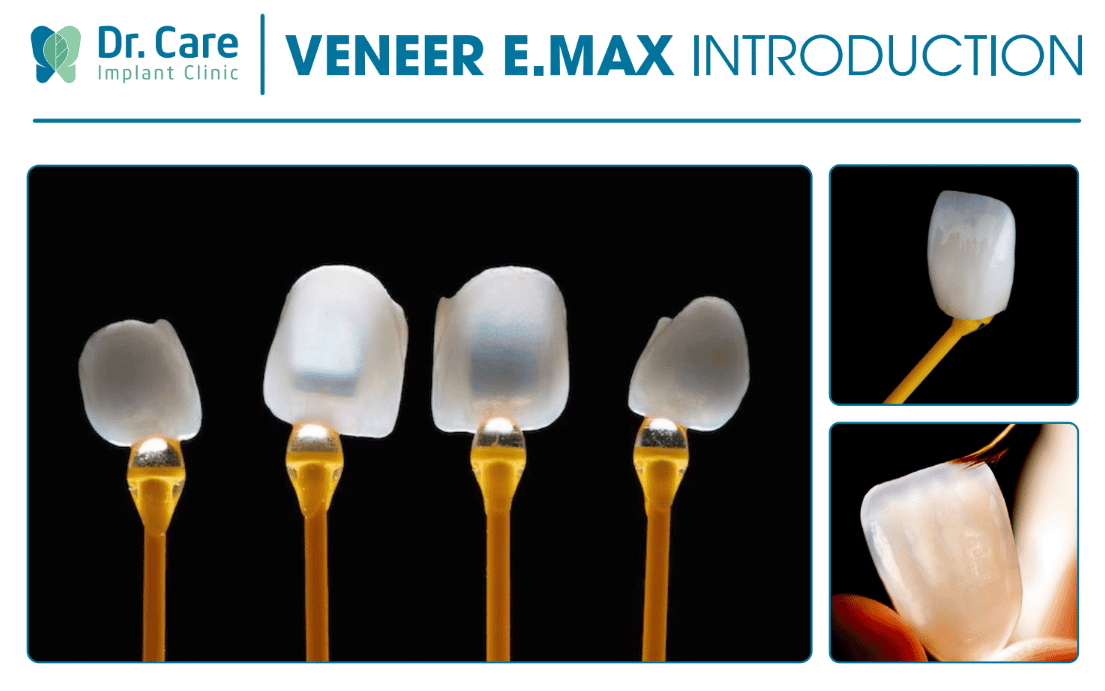
For dental implants, inquire if they use premium titanium implants from reputable companies like Straumann (Switzerland), Nobel Biocare (Sweden), or Osstem (South Korea). These brands have decades of clinical research backing their success rates and biocompatibility. If you need crowns or veneers, ask if they use high-grade E.max porcelain or Zirconia.
- Traceability: Ask if the clinic provides a "passport" or certificate of authenticity for the implants and materials used.
- International Servicing: If you use a globally recognized brand like Straumann, any dentist in Australia will have the specific tools required to adjust or service the implant in the future if needed.
Top-tier clinics will provide you with a material barcode or authenticity card post-surgery. This proves the origin of your dental hardware and is essential for claiming international warranties on the materials.
4. How do you ensure strict infection control and sterilization protocols?
Cross-contamination and infection are serious risks in any surgical environment. Australians are accustomed to the rigorous health and safety standards enforced by the Australian Dental Association (ADA), and you should demand nothing less from your dental specialist in Vietnam.
Understanding Sterilization Standards
Ask the clinic to detail their sterilization process. The gold standard for dental instrument sterilization is the use of a Class B Autoclave, which uses fractionated pre-vacuum technology to ensure steam penetrates even hollow instruments. Furthermore, inquire about their adherence to international standards.
A reputable clinic should easily be able to explain their protocols regarding:
- The use of disposable, single-use items (needles, suction tubes, gloves).
- Surface disinfection procedures between patients.
- Waterline purification systems within the dental chairs to prevent bacterial buildup.
- Whether they have a dedicated, glass-enclosed sterilization room visible to patients.
5. Do you have experience treating Australian patients, and can I see before-and-after cases?
Cultural nuances in aesthetic expectations exist. What is considered a "perfect smile" in one country might look unnatural or overly white in another. Australians generally prefer a natural, healthy-looking smile over the "Hollywood white" aesthetic often favored in other regions.
Reviewing the Portfolio
Asking if the clinic has experience with Australian patients helps ensure they understand your specific aesthetic preferences and expectations regarding patient care. You should request to see a comprehensive portfolio of before-and-after photos of patients who have undergone the exact dental procedures in Vietnam that you are considering.
When reviewing these cases, look for:
- Gum health: Are the gums pink and healthy-looking around the new crowns or implants, or do they look inflamed?
- Translucency: Do the porcelain crowns mimic the natural translucency of real teeth, or do they look flat and opaque?
- Symmetry: Does the dental work harmonize with the patient's facial structure?
6. What type of guarantees or warranties do you offer on dental work?
Even with the most skilled dentist and the highest quality materials, complications can occasionally arise. A key indicator of a clinic's confidence in their work is the warranty they provide to international patients.
Reading the Fine Print
Before agreeing to any treatment, ask for written documentation of their guarantee policy. Dental implants often come with a lifetime warranty on the titanium post itself (provided by the manufacturer), while the porcelain crown attached to it may have a 5 to 10-year warranty from the clinic.
Many premium international dental warranties remain valid only if the patient adheres to a strict maintenance schedule. This usually requires proof of annual check-ups and professional cleanings performed by a registered dentist in your home country.
Ensure you ask what specific events might void the warranty (such as poor oral hygiene, smoking, or accidents) and what costs are covered if a replacement is needed. Does the clinic cover the cost of the revision surgery, or just the replacement materials? Knowing this provides invaluable peace of mind.
7. Is the clinic equipped with advanced dental technology?
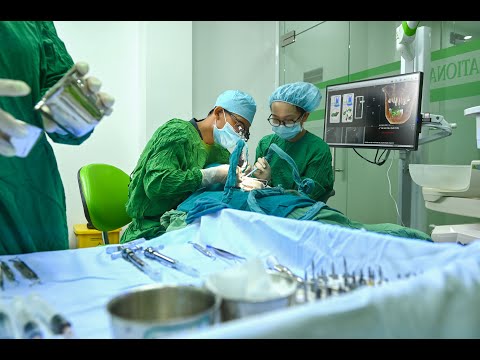
Modern dentistry relies heavily on advanced technology to improve diagnostic accuracy, minimize surgical invasiveness, and enhance patient comfort. When traveling for medical tourism in Vietnam, you want to ensure the clinic utilizes cutting-edge equipment rather than outdated methods.
Must-Have Technologies for Complex Procedures
If you are traveling for implants, root canals, or full mouth restorations, your clinic should be equipped with the following:
- 3D CBCT Scanners (Cone Beam Computed Tomography): Essential for implant placement. It provides a three-dimensional view of your jawbone, nerve pathways, and sinus cavities, ensuring the dentist places the implant safely and accurately without hitting vital structures.
- Intraoral Scanners: These replace the uncomfortable, messy putty impressions. They take high-resolution digital impressions of your teeth for a more accurate fit for crowns and veneers.
- CAD/CAM Technology: Computer-Aided Design and Computer-Aided Manufacturing allow clinics to design and mill custom porcelain crowns on-site, sometimes in a single day.
- Dental Lasers: Used for gum contouring, sterilizing root canals, and promoting faster healing with less bleeding.
8. How will we communicate, and is there dedicated English-speaking support?
Clear communication is non-negotiable in healthcare. You need to be able to express your concerns, understand your treatment options, and follow post-operative instructions without any ambiguity. While many professionals in Vietnam speak excellent English, medical terminology can sometimes get lost in translation.
Overcoming the Language Barrier
Ask if the dentist who will be performing the procedure speaks fluent English. If not, inquire if the clinic provides a dedicated, medically trained interpreter who will be by your side throughout consultations and surgeries. It is crucial that the interpreter understands dental terminology so that informed consent is truly informed.
Additionally, ask about the communication channels available before you arrive. Can you have a video consultation with the dentist? Having a preliminary virtual meeting is an excellent way to gauge their communication skills, bedside manner, and overall professionalism before making financial commitments.
9. What happens if I experience complications after returning to Australia?
The primary concern for any medical tourist is what happens if something goes wrong once they have flown back home. While complications from high-quality dental work are rare, they are a biological possibility. You must have a clear contingency plan.
Establishing Continuity of Care
Ask your dentist in Vietnam how they handle post-operative complications for international patients. Excellent clinics will have established protocols for continuity of care. Questions to ask include:
- Do you have a partner clinic or a network of recommended dentists in Australia who can assist in case of an emergency?
- Will you provide me with a comprehensive digital file containing all my treatment records, X-rays, CBCT scans, and material barcodes before I leave?
- Is there a 24/7 support line I can contact if I experience unexpected pain or swelling after returning home?
Never leave an international clinic without securing your full dental dossier on a USB drive or via a secure cloud link. If you require emergency care back in Australia, a local dentist will need your immediate surgical history to treat you safely without voiding your international warranties.
10. How many trips and how much time is required for my specific procedure?
When factoring in the overall dental procedure cost in Vietnam, you must account for flights, accommodation, and time off work. Different procedures require drastically different timelines, and some complex treatments cannot be rushed.
Understanding the Biological Timeline
While a set of veneers or a few crowns might be completed in a single trip of 5 to 7 days, dental implants are a different story entirely. An implant must fuse with your jawbone (a process called osseointegration) before a permanent crown can be attached.
Ask the clinic to provide a realistic timeline. For traditional implants, you typically need two trips:
- Trip 1 (Surgical Phase): 5 to 7 days for extractions, bone grafting (if necessary), and implant placement. You will return home with temporary teeth.
- Healing Period: A waiting period of 3 to 6 months in Australia while the bone heals around the implant.
- Trip 2 (Restorative Phase): 7 to 10 days to uncover the implant, take impressions, and fit the final permanent porcelain crowns.
Do not trust providers who promise to complete complex bone grafting and final implant restorations in a single short trip. Biological healing cannot be fast-tracked, and attempting to do so drastically increases the risk of implant failure.
Ready to Transform Your Smile with Confidence?
Navigating international healthcare can feel overwhelming, but you don't have to do it alone. At PlacidWay, we specialize in connecting patients with top-tier, internationally accredited healthcare providers worldwide. We eliminate the guesswork from medical tourism by ensuring our partner clinics meet rigorous global quality standards, offering you transparency, safety, and continuous support.
Whether you need complex implants, full-mouth restorations, or cosmetic dentistry, PlacidWay will help coordinate your treatment plan, assist with travel logistics, and ensure all your vital questions are answered before you travel. Take the first step towards a healthier, more affordable smile today.
.png)





.png)
.png)
.png)

.png)









Share this listing