



The landscape of global cosmetic dentistry is rapidly evolving, and the trend known as the "Hanoi Glow" is currently redefining what international patients expect from a smile makeover. At the heart of this movement is a strong shift toward anatomic veneers in Vietnam, a sophisticated dental solution designed to mimic the exact structural nuances of natural human enamel. Unlike generic, mass-produced dental covers, anatomic veneers are individually sculpted using advanced digital imaging to replicate the intricate ridges, translucency, and light refraction of healthy, youthful teeth.
This localized expertise has positioned the nation as a premier hub for high-end aesthetic dental care, drawing thousands of patients seeking premium results without the prohibitive costs of their home countries. By focusing on biomimetic design—which respects and replicates natural biology—specialists offering dental tourism in Vietnam are moving away from the unnaturally opaque "chiclet" teeth of the past. Patients are now prioritizing these ultra-thin, highly customized porcelain shells to achieve a permanent, vibrant aesthetic that feels seamlessly integrated with their unique facial architecture.
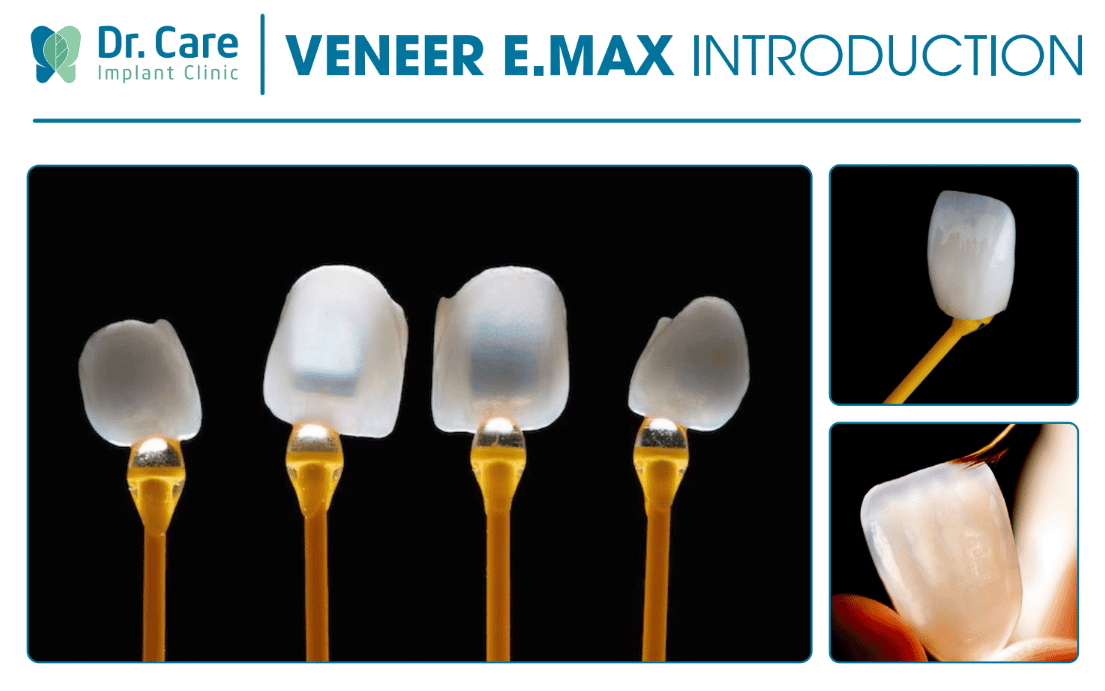
Anatomic veneers are often crafted to be as thin as 0.2 to 0.5 millimeters—roughly the thickness of a contact lens. This ultra-thin profile allows for minimal alteration of your natural tooth structure while delivering maximum aesthetic impact.
- Biomimetic precision: Designed to mimic the natural flex and light-scattering properties of real dental enamel.
- Minimal prep requirements: Modern techniques typically preserve the vast majority of the underlying healthy tooth structure.
- Custom facial harmony: Each veneer is digitally planned to complement the patient's lip line, skin tone, and jaw shape.
- Stain resistance: High-grade porcelain materials generally resist coffee, tea, and tobacco stains far better than natural teeth.
The Shift From Traditional Whitening to Anatomic Dental Veneers
For decades, chemical teeth whitening was considered the gold standard for achieving a brighter smile, but 2026 dental trends indicate a massive pivot away from this temporary fix. Traditional bleaching treatments only address surface-level staining, and the continuous application of peroxide-based gels can lead to severe enamel degradation and chronic tooth sensitivity. Furthermore, whitening treatments cannot correct structural imperfections such as chips, gaps, or micro-fractures, leaving patients with brighter but still inherently flawed smiles.
Consequently, discerning patients are increasingly opting for anatomic dental veneers as a holistic, one-step solution for comprehensive smile rejuvenation. The "Hanoi Glow" philosophy embraces the idea that a truly beautiful smile requires more than just aggressive bleaching; it requires anatomical perfection. By choosing high-quality veneers, patients secure a permanent, luminous white shade that will not fade over time, effectively bypassing the endless cycle of costly and uncomfortable whitening maintenance.
Market research indicates that the demand for permanent cosmetic dentistry, such as porcelain veneers, is expected to grow by over 8% annually leading into 2026, significantly outpacing the growth of traditional chemical whitening products.
- Permanent color stability: Veneers do not require repetitive bleaching sessions to maintain their brightness.
- Structural enhancement: Capable of correcting mild misalignments, closing gaps, and restoring worn edges simultaneously.
- Protection for sensitive teeth: Acts as a durable shield over natural enamel, often reducing temperature sensitivity.
- Predictable outcomes: Digital smile design allows patients to see their exact final results before any physical work begins.
Why International Patients Choose Hanoi for Cosmetic Dentistry
The meteoric rise of the "Hanoi Glow" is not a coincidence; it is the result of strategic investments in advanced dental technologies and rigorous international training by Southeast Asian specialists. When seeking cosmetic dentistry abroad, international patients are discovering that clinical facilities in Vietnam frequently utilize the exact same European and American CAD/CAM milling machines and 3D scanners found in Beverly Hills or London. The combination of state-of-the-art technology and the legendary precision of Vietnamese dental artisans creates an environment where world-class results are the standard.
Moreover, the overarching culture of patient care in this region emphasizes meticulous attention to detail and personalized treatment plans, which deeply resonates with medical tourists. Rather than treating smile makeovers as an assembly-line process, top-tier specialists take the time to understand the unique aesthetic goals of every individual. This dedication to hyper-customized artistry is what makes dental veneers in Vietnam highly sought after by those who demand perfection without compromise.
A Seamless Aesthetic Transition
"I spent years bleaching my teeth, but they always looked slightly transparent and fragile. Traveling for my smile makeover completely changed my perspective. The level of detail the ceramists put into crafting each individual tooth was astonishing. They don't look like crowns; they look like the perfect natural teeth I was meant to be born with." – Patient Summary
- Global standard technology: Facilities typically utilize advanced digital impression systems and in-house ceramic milling.
- Elite specialist training: Many practitioners hold advanced degrees and certifications from international dental boards.
- Artisanal craftsmanship: A strong cultural emphasis on precision ensures each veneer is a functional piece of art.
- Comprehensive care: English-speaking coordinators generally manage every clinical aspect of the patient's visit.
Cost of Anatomic Veneers in Vietnam Compared to Global Averages
One of the most compelling drivers behind the 2026 dental tourism boom is the profound economic advantage of undergoing complex cosmetic procedures overseas. The cost of anatomic veneers in Vietnam is generally a fraction of what patients would expect to pay in North America, Europe, or Australia, without any sacrifice in the quality of materials or clinical expertise. This stark price difference is primarily due to lower operational overhead, localized laboratory costs, and favorable currency exchange rates, rather than a reduction in healthcare standards.
For patients requiring a full smile makeover—which often involves placing 10 to 20 individual restorations—the financial savings can easily amount to tens of thousands of dollars. By choosing affordable dental veneers in Vietnam, medical tourists can access premium materials like E-max lithium disilicate or multilayered Zirconia that might otherwise be entirely out of their budget. Below is a realistic market comparison illustrating the incredible value of this destination.
| Procedure Name | Average Cost in Vietnam | Avg. Cost (USA / Australia) |
|---|---|---|
| Premium E-max Anatomic Veneer (per tooth) | $250 - $400 | $1,500 - $2,500 |
| High-Translucency Zirconia Veneer (per tooth) | $200 - $350 | $1,200 - $2,200 |
| Digital Smile Design & Consultation | $0 - $100 | $300 - $600 |
| Full Smile Makeover (16-20 Veneers) | $4,000 - $7,000 | $25,000 - $45,000+ |
When budgeting for your medical tourism journey, always ask if your quoted price includes the temporary veneers, local anesthesia, and digital panoramic X-rays, as these are sometimes billed separately in international clinics.
The Aesthetics of the Hanoi Glow: Customization and Natural Results
The hallmark of the "Hanoi Glow" is its absolute dedication to imperceptible cosmetic enhancements. While previous decades celebrated stark, opaque white smiles that immediately signaled artificial intervention, the 2026 aesthetic demands profound realism. Dental specialists achieving this look meticulously analyze a patient's facial geometry, skin undertones, and even the whites of their eyes to select a porcelain shade that illuminates the face naturally. Natural-looking veneers in Vietnam are celebrated for their dynamic light interplay, capturing the vitality of authentic human teeth.
To achieve this biomimetic perfection, master ceramists incorporate varying degrees of translucency near the incisal edges (the biting surface of the tooth) while maintaining a denser opacity near the gum line. They meticulously hand-paint micro-textures and subtle developmental grooves onto the porcelain surface before the final firing process. This complex layering technique ensures that under any lighting condition—whether harsh sunlight or dim indoor lighting—your smile looks vibrantly healthy and entirely your own.
Natural human teeth are not monolithic in color. They feature a complex gradient, typically appearing slightly darker and more yellow near the gumline and highly translucent near the biting edge. High-quality anatomic veneers are engineered to replicate this exact optical gradient.
- Incisal translucency: Replicates the natural clear edge of youthful, unworn enamel.
- Micro-surface texturing: Prevents the teeth from looking unnaturally flat and glassy under direct light.
- Customized shading: Blends perfectly with any surrounding natural teeth to avoid a jarring contrast.
- Age-appropriate design: The shape and length of the restorations are tailored to rejuvenate the lower third of the face organically.
Top Benefits of Getting Porcelain Veneers in Vietnam
Investing in your smile through international medical travel offers profound psychological and physical benefits that extend far beyond simple aesthetics. First and foremost, porcelain veneers in Vietnam provide a dramatic boost in self-confidence, empowering individuals who have spent years hiding their teeth due to intrinsic staining or minor structural flaws. Because the results are immediate upon final cementation, patients experience a rapid transformation that positively impacts their personal and professional interactions.
Furthermore, from a functional standpoint, anatomic veneers can effectively stabilize weakened teeth and correct minor occlusal (bite) issues without the need for extensive orthodontic interventions. The premium ceramics used in these restorations are biocompatible, meaning they are exceptionally well-tolerated by the surrounding gum tissues, which typically promotes superior periodontal health. When properly placed by an expert, these high-end restorations become a seamless, protective extension of your natural dental anatomy.
Unlike natural enamel, which is highly porous and susceptible to dark pigments, the glazed surface of dental porcelain is virtually impervious to stains from red wine, coffee, and berries.
- Instant orthodontic correction: Often referred to as "instant braces" for their ability to camouflage crooked teeth rapidly.
- Gum tissue compatibility: Smooth porcelain surfaces discourage plaque accumulation, promoting healthier gums.
- Restoration of facial volume: Slightly thicker veneers can provide subtle lip support, reducing the appearance of fine wrinkles around the mouth.
- Boosted self-esteem: Eliminates the anxiety associated with smiling, laughing, or speaking in public.
Ideal Candidates for Dental Veneers in Vietnam
While the allure of the "Hanoi Glow" is universal, it is crucial to understand that cosmetic restorations require a stable, healthy foundation to be successful. The ideal candidates for dental tourism in Vietnam are generally adults who possess good overall oral health, free from active periodontal (gum) disease or rampant tooth decay. Patients seeking to correct stubborn intrinsic stains—such as those caused by tetracycline antibiotics—or those wishing to repair worn, chipped, or slightly gapped teeth will find this procedure exceptionally beneficial.
However, an ethical specialist will rigorously evaluate your bite mechanics and jaw health before approving cosmetic treatments. Individuals with severe malocclusion (bite misalignment) might require traditional orthodontics first to prevent placing undue stress on the new ceramics. Open and honest communication with your international provider regarding your dental history is essential to ensure you are a safe and viable candidate for long-term restorative success.
Patients who suffer from severe, unmanaged bruxism (chronic teeth grinding or clenching) may be contraindicated for ultra-thin veneers, as the excessive force can cause the porcelain to fracture. A protective nightguard is typically mandatory for these patients post-procedure.
- Healthy enamel volume: Sufficient natural tooth structure must remain to ensure a strong, reliable bonding surface.
- Commitment to oral hygiene: Candidates must maintain excellent daily brushing and flossing habits.
- Realistic expectations: Understanding that while veneers transform a smile, they must function within the limits of one's natural anatomy.
- Absence of active infections: Any existing root canal issues or gum disease must be fully resolved prior to cosmetic enhancement.
Step-by-Step Process for Anatomic Veneers Abroad
Embarking on a journey for cosmetic dentistry abroad requires a clear understanding of the clinical timeline to ensure your travel itinerary aligns with your treatment needs. The process generally begins long before you board a plane, starting with a comprehensive virtual consultation where you submit panoramic X-rays and photographs to your chosen specialist. Once you arrive at the destination, the clinical phase kicks off with an in-depth, in-person evaluation, 3D digital scanning, and the collaborative design of your new smile architecture.
The physical transformation typically spans over a period of 5 to 7 days, encompassing two to three main clinical visits. During the first major appointment, the teeth are gently prepared, impressions are finalized, and temporary acrylic covers are placed to protect your smile. While you recover and explore the city, master ceramists work diligently in the laboratory to craft your final restorations, culminating in a meticulous fitting and bonding session just days later.
A Streamlined Clinical Experience
"I was initially nervous about having major dental work done over a 7-day trip. However, the efficiency was incredible. Day one was prep, day four was a trial fitting to ensure I loved the shape, and day six was final cementation. The temporary teeth they gave me in between were so good that nobody even noticed I was mid-treatment." – Patient Summary
- Day 1: Consultation & Prep: Finalizing the digital design, conservative enamel shaping, and placing temporary veneers.
- Days 2-3: Laboratory Fabrication: Ceramists construct the customized anatomic porcelain shells.
- Day 4: The Try-In: Temporary covers are removed to test the fit, color, and shape of the final restorations.
- Day 5-7: Bonding & Review: Final permanent cementation, bite adjustment, and a follow-up review before you travel home.
Materials Used in High-Quality Anatomic Veneers
The spectacular realism of the "Hanoi Glow" heavily relies on the advanced bio-ceramic materials utilized by leading international laboratories. The gold standard for modern anatomic dental veneers is typically lithium disilicate, globally recognized under the brand name E-max. This pressed ceramic material is highly prized because it offers an unparalleled combination of sheer strength and extraordinary light conductivity, making it virtually indistinguishable from organic human enamel.
For patients requiring additional structural support or masking of severely discolored underlying teeth, specialists may opt for high-translucency Zirconia. While traditionally known for being extremely tough but opaque, modern multi-layered Zirconia has evolved significantly, offering remarkable aesthetic properties alongside immense durability. Your clinical specialist will typically recommend the specific material that best balances your aesthetic desires with your functional bite requirements.
Lithium disilicate (E-max) boasts a flexural strength of approximately 400 to 500 MPa, making it significantly stronger than natural human enamel, which typically measures around 80 MPa in tensile strength.
- Lithium Disilicate (E-max): Offers the highest level of natural translucency and is ideal for highly visible front teeth.
- Multi-layered Zirconia: Provides maximum durability for patients with heavier bites while masking deep stains effectively.
- Feldspathic Porcelain: Traditional, highly aesthetic hand-layered glass-ceramic used for ultra-thin, low-prep scenarios.
- Biocompatible bonding agents: Premium light-cured resins ensure a permanent, micro-leakage-free integration with the tooth.
Longevity and Maintenance of Your New Dental Aesthetics
One of the primary reasons patients transition from traditional whitening to permanent restorations is the incredible longevity that modern materials provide. When meticulously crafted and properly bonded, high-quality dental veneers in Vietnam typically last anywhere from 10 to 15 years, and frequently much longer with impeccable home care. Because the porcelain is highly dense and non-porous, your new smile will maintain its radiant "Hanoi Glow" indefinitely without fading, yellowing, or requiring chemical touch-ups.
However, it is vital to remember that while the ceramic itself cannot decay, the underlying natural tooth structure and surrounding gum tissues are still vulnerable to bacterial disease. Maintaining your investment requires a steadfast commitment to standard oral hygiene practices. Treating your new smile with respect—avoiding using your teeth as tools and attending regular professional cleanings—is the best way to ensure your cosmetic restorations stand the test of time.
A Lasting Investment
"It’s been four years since I traveled for my smile makeover, and the porcelain looks as bright and flawless as the day it was bonded. I brush twice a day and wear my nightguard religiously. The peace of mind knowing I don’t have to sit through agonizing whitening sessions anymore is priceless." – Patient Summary
- Daily maintenance: Brush twice daily with a non-abrasive fluoride toothpaste and floss meticulously around the gum margins.
- Routine check-ups: Visit your local dentist every six months for professional cleanings and bite evaluations.
- Avoid excessive force: Do not bite directly into hard items like ice, nutshells, or raw carrots using your front teeth.
- Nighttime protection: Wear a custom-fitted occlusal guard if you have any history of subconscious teeth grinding.
Potential Risks and Considerations for Cosmetic Dental Tourism
As with any permanent medical procedure, electing to undergo cosmetic dentistry abroad involves certain inherent risks that must be carefully evaluated. The process of preparing teeth for veneers requires the irreversible removal of a microscopic layer of enamel, meaning the tooth will always require a protective cover going forward. Furthermore, patients generally experience temporary thermal sensitivity to hot and cold foods immediately following the preparation and bonding phases, though this usually subsides within a few weeks.
When traveling internationally, it is also crucial to consider the logistics of follow-up care and potential complications. While severe issues are uncommon when utilizing highly accredited specialists, rare instances of bonding failure, minor chipping, or bite misalignment may occur and would necessitate a revision. Establishing a transparent communication channel with your overseas provider and having a local dentist willing to perform routine maintenance are critical steps in mitigating these risks safely.
Before committing to treatment abroad, ask the clinical facility for a detailed outline of their guarantee or warranty policy regarding the structural integrity of their porcelain restorations, ensuring you understand exactly what is covered post-treatment.
- Irreversibility: Acknowledging that enamel removal is permanent and requires lifelong restorative maintenance.
- Temporary sensitivity: Mild nerve irritation is a common, manageable side effect of the bonding process.
- Risk of micro-fractures: Porcelain can chip if exposed to severe trauma or inappropriate biting forces.
- Post-travel adjustments: Understanding how minor bite adjustments will be handled once you return to your home country.
Preparing for Your Dental Trip to Vietnam
Thorough preparation is the absolute cornerstone of a successful, stress-free medical tourism experience. Months before you pack your bags for your dental tourism in Vietnam, you should compile comprehensive dental records, including recent full-mouth panoramic X-rays, to facilitate highly accurate virtual consultations. This proactive approach ensures that your chosen international specialists can identify any underlying issues—such as hidden decay or root canal infections—that must be addressed before cosmetic procedures can safely begin.
Beyond clinical preparation, organizing the logistical elements of your journey is equally vital. Ensure your passport has at least six months of validity remaining and verify the specific tourist visa requirements for your nationality. Because dental procedures can sometimes result in mild fatigue or soreness, plan an itinerary that allows for ample rest between clinical appointments, avoiding overly strenuous travel excursions during the core days of your treatment.
Many advanced digital laboratories now utilize "mock-up" technology, allowing your specialist to temporarily overlay resin on your teeth during the first visit. This lets you physically test-drive your new smile's length and shape before any permanent drilling occurs.
- Acquire fresh X-rays: Request digital copies of your recent radiographs from your local provider.
- Manage your timeline: Book your return flight with a buffer of at least one or two days after your final scheduled appointment.
- Medical history transparency: Disclose all current medications and systemic health conditions during your intake consultation.
- Financial planning: Confirm accepted payment methods, currency exchange rates, and international banking limits before traveling.
The Future of Global Dental Tourism in Southeast Asia
Looking ahead to 2026 and beyond, the prominence of the "Hanoi Glow" is indicative of a massive paradigm shift in global healthcare navigation. The integration of artificial intelligence in smile design algorithms and the rapid evolution of hyper-precise 3D ceramic printing are poised to make anatomic dental veneers even more accessible and lifelike. As international boundaries continue to blur in the pursuit of clinical excellence, Southeast Asia is aggressively expanding its medical infrastructure to cater exclusively to high-expectation international demographics.
This forward-thinking approach guarantees that patients traveling for cosmetic dentistry abroad will continually benefit from the absolute vanguard of dental science. The focus will firmly remain on minimally invasive, biologically respectful enhancements that elevate natural beauty rather than masking it. For the modern medical tourist, this represents an unprecedented opportunity to secure world-class healthcare, profound aesthetic transformations, and exceptional overall value in one seamless journey.
A Forward-Thinking Choice
"I did extensive research into 2026 cosmetic trends because I didn't want a smile that would look dated in five years. Choosing anatomic restorations overseas allowed me to access digital smile mapping technology that my local dentist didn't even offer yet. The result is so natural that even my family assumes I just had really effective orthodontics." – Patient Summary
- AI-driven smile mapping: Utilizing complex algorithms to predict ideal facial harmony and tooth proportions flawlessly.
- Same-day milling capabilities: Advancements in CAD/CAM technology are rapidly shortening necessary travel timelines.
- Enhanced bio-materials: The development of even stronger, ultra-translucent ceramics that require zero enamel preparation.
- Elevated patient concierge care: A continued industry shift toward holistic, luxury-level support for international medical travelers.
How PlacidWay Assists Your Anatomic Veneers Medical Tourism Journey in Vietnam
Navigating international healthcare options can seem complex, but partnering with an experienced global facilitator streamlines the process significantly. PlacidWay specializes in connecting patients with highly vetted, internationally recognized medical centers, ensuring your journey toward achieving the "Hanoi Glow" is secure, transparent, and professionally managed from start to finish. Our platform is dedicated to empowering your healthcare choices through rigorous clinical profiling and comprehensive informational support.
By utilizing our extensive global network, you gain immediate access to critical data needed to make an informed, confident decision regarding your smile makeover. We prioritize your safety and aesthetic goals by focusing strictly on quality, credentialing, and seamless patient communication. Here is how PlacidWay enhances your medical travel experience:
- Providing direct access to extensively verified, internationally accredited dental facilities and specialized ceramists.
- Facilitating secure, transparent communication channels for initial virtual consultations and treatment planning.
- Offering comprehensive provider profiles, including verified patient reviews, before-and-after galleries, and clinical certifications.
- Supplying detailed, multi-clinic cost comparisons to help you navigate your healthcare budget effectively.
- Assisting with the acquisition of personalized, transparent treatment quotes based on your specific digital X-rays and aesthetic goals.
Frequently Asked Questions
Why are anatomic veneers replacing traditional teeth whitening?
Anatomic veneers offer a permanent, stain-resistant solution that improves both the color and structural shape of the teeth. Unlike whitening, which requires frequent touch-ups and can cause enamel sensitivity, veneers provide a lasting, customized aesthetic.
What exactly is the Hanoi Glow?
The Hanoi Glow refers to a 2026 cosmetic dentistry trend originating in Vietnam that prioritizes hyper-realistic, translucent anatomic veneers over opaque, blindingly white dental work. It emphasizes biomimetic light reflection and natural facial harmony.
How much do anatomic veneers in Vietnam cost?
The cost of anatomic veneers in Vietnam typically ranges from $200 to $400 per tooth, depending on the premium materials used like E-max or Zirconia. This is significantly lower than the global average, saving international patients thousands on full smile makeovers.
Is dental tourism in Vietnam safe?
Yes, dental tourism in Vietnam is generally very safe when patients select internationally accredited facilities. Many top-tier dental centers in major Vietnamese cities employ specialists trained globally and utilize advanced digital dentistry equipment.
How long do porcelain anatomic veneers last?
With proper oral hygiene and regular dental check-ups, high-quality porcelain anatomic veneers typically last between 10 to 15 years, and sometimes even longer. They do not stain like natural enamel, making them highly durable.
Does getting veneers in Vietnam require grinding down my natural teeth?
Modern anatomic veneers usually require minimal tooth preparation, often less than 0.5 millimeters of enamel removal. In some optimal cases, ultra-thin veneers can be applied with almost no drilling, preserving the natural tooth structure.
How long do I need to stay in Vietnam for my dental procedure?
Most international patients are advised to plan a trip lasting between 7 to 10 days to complete a full veneer placement. This timeframe allows for the initial consultation, custom laboratory fabrication, fitting, and a final follow-up adjustment.
Can I get veneers if I grind my teeth at night?
Patients who suffer from severe bruxism (teeth grinding) may need special considerations before getting veneers, as the pressure can cause them to chip. Dentists typically recommend wearing a custom protective nightguard to preserve the veneers.
Will my new veneers look like fake 'chiclet' teeth?
No, the primary goal of anatomic veneers is to mimic the natural ridges, translucency, and light refraction of human enamel. Experienced dental artisans in Vietnam utilize digital smile design to ensure the results harmonize perfectly with your facial features.
Do I need a special visa for medical tourism in Vietnam?
Most international visitors can enter Vietnam using a standard tourist e-visa, which is generally sufficient for short-term dental treatments. It is always recommended to check current visa regulations based on your home country before booking your travel.
Ready to achieve your flawless "Hanoi Glow"? Let PlacidWay connect you with elite cosmetic dental specialists globally.
References
- WebMD. Dental Veneers: Cost, Procedure, vs. Crown, Implants. https://www.webmd.com/oral-health/veneers
- Cleveland Clinic. Dental Veneers: What They Are, Pros & Cons. https://my.clevelandclinic.org/health/treatments/23522-dental-veneers
- Healthline. Everything You Need to Know About Dental Veneers. https://www.healthline.com/health/dental-veneers
- American Dental Association (ADA). Veneers. https://www.mouthhealthy.org/all-topics-a-z/veneers





.png)





.png)

.png)








Share this listing