


Dental Crowns in Vietnam
Australians are increasingly traveling for dental crowns in Vietnam due to exceptional cost savings of up to 70% compared to local Australian prices. A premium Zirconia or Porcelain crown in Vietnam typically costs between $500 and $900 AUD, whereas the same procedure in Australia ranges from $1,500 to $2,500+ AUD per tooth. Vietnamese dental centers utilize world-class CAD/CAM technology, internationally trained specialists, and premium materials imported from Germany and the USA, allowing patients to safely restore their smiles, fix damaged teeth, and enjoy a vibrant holiday without compromising on medical quality.
Dental health is a critical component of your overall well-being, but the rising costs of dental care in Australia have made major treatments inaccessible for many. If you have a damaged, cracked, or severely decayed tooth, your local dentist has likely recommended a dental crown. However, when presented with treatment plans reaching thousands of dollars for just a few teeth, many Australians are left searching for better alternatives.
This search has led to a massive rise in dental tourism, with Vietnam emerging as one of the most trusted and popular destinations globally. Combining state-of-the-art medical technology, highly skilled practitioners, and a fraction of the cost, receiving dental care overseas is no longer a risky venture, but a smart consumer choice. This comprehensive guide will walk you through everything you need to know about getting a dental restoration overseas, the types of materials available, the step-by-step procedure, and how you can protect your dental health while saving significantly.
Quick Facts: Dental Crowns in Vietnam
Why Australians Are Traveling for Dental Work
The concept of medical tourism has evolved rapidly over the past decade. For Australians, Southeast Asia has always been a favored holiday destination. Now, it serves a dual purpose. Dental restorations, particularly those requiring prosthetic teeth like crowns and veneers, demand precision and high-quality materials.
Unmatched Cost Savings
In Australia, dental care is generally not covered by Medicare unless under highly specific, stringent conditions. Private health insurance extras often have low annual limits, meaning a single crown can exhaust your entire yearly allowance. By seeking treatment abroad, patients often find that the cost of return flights, luxury accommodation, a tropical holiday, and multiple dental crowns is still lower than the quoted price of the dental procedure alone in Sydney or Melbourne.
Access to World-Class Expertise
A common misconception is that lower prices equate to lower quality. In reality, the price difference is strictly tied to the lower cost of living, reduced overheads for clinic owners, and highly favorable currency exchange rates. Leading dental practitioners in major hubs like Ho Chi Minh City or Hanoi are frequently trained internationally in the United States, Europe, or Australia. They bring back global best practices and implement rigorous international sterilization and safety standards.
State-of-the-Art Technology
Because premium clinics in Southeast Asia cater to a high-volume international market, they invest heavily in the latest dental technology. You will find widespread use of 3D CBCT scanners, intraoral digital scanners (which eliminate the need for uncomfortable traditional putty impressions), and advanced CAD/CAM (Computer-Aided Design and Computer-Aided Manufacturing) milling machines. This technology allows for same-day or next-day crown fabrication with microscopic precision.
Understanding Dental Crowns: What Are They?
To understand why you might need this treatment, it helps to understand the anatomy of a tooth. Your tooth consists of a hard outer layer called enamel, a softer underlying layer called dentin, and an inner pulp containing nerves and blood vessels. When decay or trauma breaches the enamel and destroys a large portion of the tooth structure, a standard filling is no longer sufficient.
A dental crown is essentially a custom-made, tooth-shaped "cap" that is placed entirely over a damaged tooth. By covering the entire visible portion of the tooth at and above the gum line, it restores the tooth's shape, size, strength, and aesthetic appearance.
Common Reasons You Might Need a Crown
- To protect a weak tooth: If a tooth is cracked or heavily decayed, a crown holds the structure together and prevents it from breaking apart.
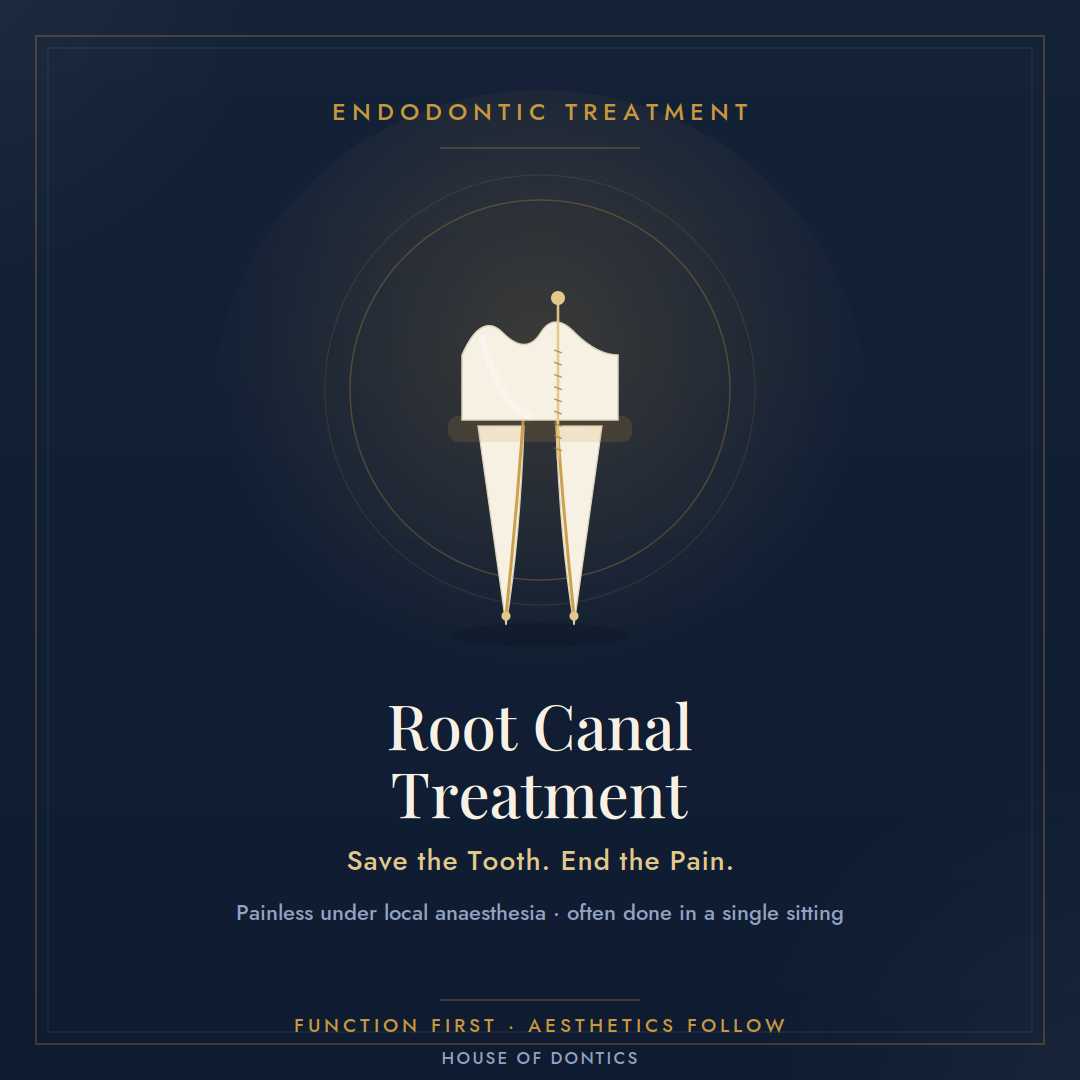
- Following a root canal: Root canal therapy removes the living pulp of a tooth, rendering it brittle over time. A crown is almost always required to protect the hollowed tooth.
- To support a dental bridge: If you are missing a tooth, crowns are placed on the adjacent teeth to serve as anchors for the bridge.
- To cover a dental implant: An implant replaces the root of a missing tooth, and the crown is attached to the top of the implant to function as the visible tooth.
- Cosmetic modifications: Crowns can dramatically improve the appearance of severely discolored or misshapen teeth.
Types of Dental Crown Materials
The material you choose will impact the cost, aesthetics, and longevity of your restoration. Top-tier clinics offer materials identical to those used in premium Australian dental labs.
1. Zirconia Crowns (The Premium Standard)
Zirconia (zirconium dioxide) is an incredibly strong type of ceramic. It is bio-compatible, meaning the human body accepts it without adverse allergic reactions. Zirconia is renowned for its immense fracture resistance and durability, making it ideal for molars (back teeth) that endure heavy chewing forces. Modern layered Zirconia also looks highly natural, allowing it to be used for front teeth as well.
2. All-Ceramic and E-Max Crowns
E-Max is made from lithium disilicate ceramic. It is widely considered the pinnacle of dental aesthetics. E-Max crowns possess a natural translucency that perfectly mimics human dental enamel. When light hits an E-Max crown, it passes through it just like a natural tooth. Because of this superior aesthetic quality, E-Max is highly recommended for restoring front teeth (incisors and canines) that are visible when you smile.
3. Porcelain-Fused-to-Metal (PFM) Crowns
PFM crowns represent a hybrid approach. They feature an underlying metal framework for robust strength, layered with a porcelain exterior to match your natural tooth color. While they are highly durable and generally the most affordable option, they have a slight aesthetic drawback. Over many years, as gum lines naturally recede, the underlying metal rim may become visible as a dark line near the gums.
4. Gold and Metal Alloy Crowns
Though less common today due to aesthetic demands, gold alloys are structurally excellent. They require the least amount of tooth structure to be removed and withstand the forces of biting perfectly. They are generally reserved for hidden back molars.
The Procedure: What to Expect Step-by-Step
Traveling for a medical procedure can seem daunting, but the process is highly streamlined for international patients. Here is a realistic timeline of what you will experience.
Step 1: Digital Consultation and X-Rays
Before you even board a flight, most reputable centers offer a free online consultation. You can email recent panoramic dental X-rays from your local Australian dentist. The overseas dental team will review these and provide a preliminary treatment plan and cost estimate.
Step 2: In-Person Examination and Tooth Preparation
Upon arrival, you will undergo a comprehensive physical examination. If a crown is confirmed as the best treatment, local anesthesia is administered to ensure you feel absolutely no pain. The dentist will gently reshape the damaged tooth, tapering it to create room for the crown to sit flush with your other teeth.
Step 3: Digital Scanning and Temporary Crowns
Instead of messy dental putty, a handheld 3D scanner takes thousands of microscopic pictures of your prepared tooth. This digital impression is sent instantly to the dental laboratory. While your permanent crown is being crafted (which takes anywhere from a few hours to 3 days), a temporary acrylic crown is placed to protect the prepared tooth.
Step 4: Custom Fabrication
Expert dental technicians use CAD software to design your crown. It is then milled from a solid block of Zirconia or Ceramic using precise robotic tools. Finally, it is hand-painted and baked in a specialized high-temperature dental oven to achieve the exact shade of your surrounding teeth.
Step 5: Final Placement and Adjustment
During your final visit, the temporary crown is removed. The new permanent crown is seated on the tooth. The dentist will check the margins, ensure your bite is perfectly aligned, and ask for your approval on the color and shape. Once you are completely satisfied, the crown is permanently bonded using strong dental cement.
Protecting Your Investment: Aftercare and Longevity
A high-quality dental crown is designed to be a long-term restoration, but it still requires dedicated care. The crown itself cannot decay, but the natural tooth structure underneath it is still vulnerable to plaque and bacteria at the gum line.
To maximize the lifespan of your crown (which can easily exceed 15 years), maintain an excellent oral hygiene routine. Brush twice a day with a fluoride toothpaste and floss daily. Pay special attention to flossing around the margin where the crown meets the gum. Furthermore, avoid extremely hard foods like chewing on ice cubes, hard candies, or opening packaging with your teeth, as this can chip the ceramic. If you suffer from bruxism (involuntary teeth grinding at night), ask your dentist to fabricate a custom night guard to protect your new restorations.
Planning Your Trip
For Australians, traveling to Southeast Asia is incredibly convenient. Direct flights from Sydney, Melbourne, Brisbane, and Perth to major hubs like Ho Chi Minh City take approximately 8 to 9 hours. Australian citizens require a tourist visa, which can easily be applied for online (e-Visa) prior to departure.
When planning your itinerary, factor in time for relaxation. The dental work itself will only take up a few hours of your time spread across two or three days. The rest of your trip can be spent enjoying the rich culture, world-renowned cuisine, and beautiful landscapes, making your medical journey feel like a true vacation.
Frequently Asked Questions
1. Are dental crowns in Vietnam of the same quality as in Australia?
Yes. Leading clinics strictly adhere to international medical standards and often hold global certifications such as ISO 9001. Furthermore, they do not manufacture their own materials from scratch; they import globally recognized, premium dental brands directly from Germany, Switzerland, and the USA (such as Ivoclar Vivadent and Straumann). This means the physical material placed in your mouth is functionally identical to what an Australian dentist would use.
2. How long does the dental crown procedure take?
The entire process is remarkably fast due to on-site dental laboratories. Most international patients complete their treatment in just 3 to 5 days. This generally involves an initial consultation and tooth preparation on day one, a short waiting period while the lab creates the custom crown, and a final fitting appointment on day four or five. Dental clinics in Vietnam utilizing advanced CEREC CAD/CAM technology can sometimes complete a single crown in just one day.
3. Will my artificial tooth look completely natural?
Absolutely. Modern cosmetic dentistry focuses heavily on biomimicry. If you choose an All-Ceramic or E-Max crown, the material mimics the light-reflecting properties of natural enamel. The dental technicians will use a detailed shade guide to match the precise color gradient of your adjacent teeth. Once placed, it is virtually impossible for the naked eye to distinguish the crown from your natural teeth.
4. Is it safe to get medical and dental work done overseas?
It is highly safe provided you choose a reputable, accredited clinic catering specifically to international patients. Top-tier facilities utilize advanced Class-B autoclaves for instrument sterilization, employ disposable tools where possible, and enforce strict cross-infection control protocols. To ensure safety, always research clinic reviews, check dentist credentials, and communicate with the clinic's international patient coordinators beforehand.
5. How much do Zirconia crowns specifically cost?
While prices fluctuate slightly based on the specific clinic and currency exchange rates, a premium full-contour Zirconia crown typically ranges between $300 and $500 USD per tooth (approximately $450 to $750 AUD). In comparison, a similar Zirconia restoration in Australia frequently costs between $1,600 and $2,200 AUD. This massive discrepancy is what makes the journey financially viable for most patients.
6. Does it hurt to get a dental restoration?
The procedure is completely painless. Dentists use highly effective local anesthetics to numb the tooth and surrounding gums prior to any preparation work. You will feel pressure and hear the sound of the dental instruments, but you will not feel sharp pain. Post-procedure, you may experience mild sensitivity to hot or cold for a few days, but this is easily managed with standard over-the-counter pain relief like Ibuprofen.
7. How long will my new dental crown last?
On average, a well-placed dental crown will last between 10 and 15 years. However, with meticulous oral hygiene, regular dental check-ups, and the avoidance of destructive habits like chewing ice or opening packages with your teeth, premium materials like Zirconia can last 20 years or even a lifetime. The lifespan is heavily dependent on the health of the underlying natural tooth and gums.
8. Can I claim my Australian health insurance for overseas dental work?
Generally, Australian private health insurance policies (Extras cover) do not cover treatments performed outside of Australia. However, a select few specialized providers do offer limited rebates for international care. You must contact your specific health fund provider prior to traveling, provide them with the overseas clinic details, and ask directly if they will accept an international invoice for major dental work.
9. What happens if there is an issue with my crown after I return to Australia?
Reputable international clinics provide extensive warranties on their prosthetic work, often guaranteeing crowns for 5 to 10 years against fractures or material defects. If an issue arises, you should contact the clinic immediately. While they will replace or repair the crown free of charge under warranty, you would typically need to cover your own travel expenses to return to the clinic. Therefore, thorough final checks before leaving are crucial.
10. Should I choose Zirconia or E-Max crowns for my front teeth?
For front teeth (incisors), aesthetics are the primary concern. E-Max (Lithium Disilicate) is generally the preferred choice by cosmetic dentists because of its unparalleled translucency that mimics natural enamel perfectly. Zirconia is stronger, making it ideal for molars that do heavy chewing, but older types of Zirconia can look slightly opaque. Modern layered Zirconia is an option, but E-Max remains the gold standard for front-facing cosmetic perfection.
Ready to Transform Your Smile?
Take the first step towards affordable, world-class dental care. Get a free, personalized quote and connect with top-rated, internationally accredited dental specialists today.
Get Your Free Quote NowMedical References & Authority Sources
- Mayo Clinic: "Cavities and Tooth Decay - Procedures and Risks." Mayo Foundation for Medical Education and Research.
- WebMD: "Dental Crowns: Purpose, Procedure, Complications, Care." WebMD Oral Care Guide.
- Wikipedia: "Crown (dentistry) - Anatomy, Materials, and Fabrication." Wikimedia Foundation.
- National Institute of Dental and Craniofacial Research (NIDCR): "Tooth Decay and Restoration Standards."
- PlacidWay: "What is the price for Dental Crowns in Vietnam? Medical Tourism Guide." PlacidWay International.
















Share this listing