
For many years, patients from neighboring countries have sought high-quality healthcare solutions across borders, leading to a significant rise in medical tourism in Vietnam. Cambodian patients, in particular, are discovering the exceptional benefits of traveling a short distance to receive advanced restorative dental care. The seamless connectivity between these two nations allows individuals to access top-tier medical facilities without the burden of long-haul travel. As a result, dental implants in Vietnam have become a preferred choice for those seeking to restore their smiles with professional, reliable care.
This cross-border movement is not just about proximity; it is deeply rooted in the pursuit of clinical excellence and patient-centered services. Dental professionals in this region are generally highly trained, often holding international certifications that reassure foreign patients. Furthermore, the supportive infrastructure designed to assist international visitors makes the entire journey smooth and stress-free. By choosing this destination, patients can typically expect comprehensive evaluations, personalized treatment plans, and an overall experience that prioritizes their long-term oral health.
The proximity between Phnom Penh and Ho Chi Minh City makes land border crossings or short flights incredibly convenient. This allows patients to easily make multiple trips required for phased implant treatments without excessive travel fatigue.
- Proximity allows for quick, affordable travel across the border.
- Access to highly specialized implantologists and modern facilities.
- Favorable currency exchange rates enhance overall affordability.
- Comprehensive support systems are in place for international patients.
Understanding the Appeal of Dental Tourism in Vietnam
The global healthcare landscape is constantly shifting, making dental tourism in Vietnam an increasingly attractive option for international patients seeking quality and value. Visitors are often pleasantly surprised by the standard of care, which frequently rivals or exceeds what is available in their home countries. Clinics catering to international visitors typically adhere to stringent sterilization protocols and invest heavily in modern diagnostic equipment. This commitment to maintaining high clinical standards is a major driving force behind the influx of patients crossing borders for complex procedures.
Beyond the clinical environment, the cultural familiarity and welcoming nature of the local healthcare staff play a vital role in patient comfort. Medical travelers often face anxiety when undergoing surgery abroad, but compassionate care generally helps alleviate these concerns. Patients typically find that communication is straightforward, as top clinics employ multilingual coordinators to bridge any language gaps. This holistic approach to patient care ensures that every aspect of the medical journey is handled with professionalism and empathy.
When planning your cross-border dental trip, schedule your initial consultation early in the week. This provides ample time for any immediate follow-up adjustments or necessary lab work before you return home for the healing phase.
- Clinics usually feature dedicated international patient departments.
- Many dental professionals have completed fellowships in Western countries.
- Patients can often combine their medical care with a restful recovery environment.
- Transparent treatment planning helps eliminate unexpected surprises.
Types of Dental Implants Available in Vietnam
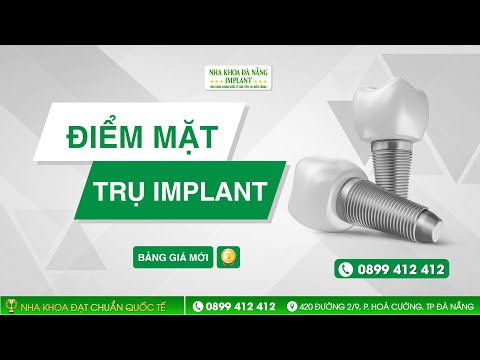
Patients exploring options for dental implants in Vietnam will find a wide array of restorative solutions tailored to different clinical needs. For individuals missing a single tooth, a standard titanium implant combined with a custom crown is usually the recommended approach. Those missing multiple teeth in a row might benefit from implant-supported bridges, which generally provide excellent stability without relying on adjacent healthy teeth. Leading facilities ensure they stock various reputable international implant brands to accommodate diverse anatomical requirements.
For more extensive tooth loss, full-mouth restorations such as All-on-4 or All-on-6 systems are increasingly popular among medical tourists. These advanced techniques typically allow a full arch of prosthetic teeth to be securely anchored using just four to six strategically placed implants. The choice of implant type is generally determined after a thorough 3D bone scan and consultation with the specialist. Offering these diverse modalities ensures that patients receive a customized approach that best fits their structural and financial realities.
Medical-grade titanium is the most commonly used material for implants because it possesses a unique property called osseointegration. This means the living jawbone actually fuses with the metal surface, creating a permanent, incredibly strong foundation.
- Single Tooth Implants: Ideal for isolated gaps, preserving surrounding teeth.
- Implant-Supported Bridges: A stable solution for multiple adjacent missing teeth.
- All-on-4 / All-on-6 Systems: Comprehensive restorations for complete arch replacement.
- Zygomatic Implants: Specialized longer implants occasionally used for patients with severe upper jaw bone loss.
Affordable Dental Implant Cost in Vietnam Compared to Cambodia
One of the primary motivators for cross-border care is the highly affordable dental implants in Vietnam compared to private alternatives in neighboring regions or Western nations. Patients can typically expect to save a significant percentage on their total treatment bill, even when factoring in travel and accommodation costs. The lower cost of dental implants in Vietnam is generally attributed to lower operational overheads rather than a compromise in the quality of materials used. High-end clinics use the exact same globally recognized implant brands found in the United States or Australia.
Understanding the pricing structure is crucial for patients planning their medical budget. Treatment costs are usually broken down into the surgical placement of the titanium post, the abutment, and the final prosthetic crown. Additionally, some patients may require preparatory procedures like bone grafting or sinus lifts, which will alter the final cost. Most reputable facilities provide detailed, itemized quotes after the initial virtual or in-person consultation, allowing patients to make informed financial decisions.
| Procedure Name | Average Cost in Vietnam | Average Cost in Cambodia | Average Cost in USA |
|---|---|---|---|
| Single Titanium Implant (Post Only) | $700 - $1,200 | $1,000 - $1,500 | $2,000 - $3,000 |
| Implant Crown (Zirconia/Porcelain) | $250 - $450 | $350 - $600 | $1,000 - $2,500 |
| Bone Grafting (Per Site) | $200 - $500 | $300 - $700 | $600 - $1,200 |
| All-on-4 System (Per Arch) | $4,500 - $7,000 | $6,000 - $9,000 | $15,000 - $24,000 |
The Step-by-Step Dental Implant Procedure in Vietnam
Embarking on a journey for restorative dentistry requires a clear understanding of the treatment timeline. The process usually begins with a comprehensive evaluation, including digital imaging, to assess bone density and plan the exact placement of the implant. During the first surgical visit, the dentist will place the titanium post directly into the jawbone under local anesthesia. Patients are typically provided with temporary teeth or healing caps to protect the surgical site while it heals.
Following the initial surgery, a crucial healing period known as osseointegration takes place, generally lasting between three to six months. During this time, the jawbone gradually fuses with the implant surface, creating a remarkably stable foundation. Once the healing is confirmed successful via X-rays during a subsequent visit, the dentist attaches an abutment and takes impressions for the final crown. The journey concludes when the custom-made permanent crown is securely affixed, usually resulting in a fully restored, functional smile.
- Initial Consultation: Comprehensive 3D imaging and treatment mapping.
- Preparatory Work: Extractions or bone grafting if naturally required.
- Surgical Placement: Insertion of the titanium implant into the jawbone.
- Healing Phase: Allowing several months for complete osseointegration.
- Final Restoration: Placement of the abutment and the permanent ceramic crown.
Advanced Technology Used at Dental Implant Clinics in Vietnam
The top dental clinics in Vietnam pride themselves on integrating the latest technological advancements to enhance patient outcomes. Cone Beam Computed Tomography (CBCT) scanners are standard in modern facilities, providing high-resolution 3D images of the patient's craniofacial structures. This level of detail allows implantologists to pinpoint critical nerves and evaluate bone volume with pinpoint accuracy, minimizing surgical risks. Furthermore, many clinics utilize sophisticated surgical guides created through 3D printing to ensure the implant is placed exactly as planned virtually.
In addition to imaging and surgical planning, the creation of prosthetic teeth has been revolutionized by CAD/CAM (Computer-Aided Design and Computer-Aided Manufacturing) technology. This generally allows for the rapid and precise milling of highly aesthetic crowns right in the clinic's associated laboratory. The integration of digital intraoral scanners also means patients typically no longer have to endure uncomfortable traditional putty impressions. These technological investments demonstrate the commitment of these clinics to providing world-class care to international medical travelers.
The integration of computer-guided implant surgery typically reduces total operative time by up to 30%, which generally leads to less tissue trauma and a smoother, faster post-operative recovery for the patient.
- 3D CBCT imaging for highly accurate bone assessment.
- Digital intraoral scanning for comfortable, putty-free impressions.
- Computer-guided surgical stents for precise implant placement.
- In-house CAD/CAM milling for rapid crown fabrication.
Preparing for Your Dental Journey and Cross-Border Travel
Careful preparation is essential for a smooth and successful medical journey across borders. Patients should generally start by compiling all relevant dental records, including recent X-rays and medical history, to share with their chosen facility during a preliminary online consultation. It is also important to communicate openly about any existing medical conditions or daily medications, as these can impact surgical suitability and healing. Planning out the logistical details, such as border crossing requirements and necessary documentation, helps reduce stress on the day of travel.
When packing for the trip, patients should focus on comfort and post-surgical care needs. Bringing soft, easy-to-chew snacks and any prescribed medications can make the initial recovery phase much more manageable in a new environment. Furthermore, understanding the estimated duration of the stay is vital; clinics usually recommend staying a few days post-surgery to ensure initial healing is progressing properly. Organizing local transportation and familiarizing oneself with the clinic's vicinity generally contributes to a much more relaxed medical tourism experience.
Always inform your local bank before traveling for medical care to ensure your debit or credit cards are not blocked for suspicious foreign transactions when paying for your clinical procedures.
- Share complete digital medical files before your first physical visit.
- Verify current visa regulations or border entry requirements.
- Arrange to stay in the country for 3 to 5 days post-surgery for observation.
- Prepare a soft-food diet plan for the immediate days following the procedure.
What to Expect During Dental Implant Recovery in Vietnam
The initial recovery period following implant surgery is generally straightforward, provided patients adhere closely to their dentist's post-operative instructions. Most patients experience mild to moderate swelling, minor bruising, and localized discomfort, which usually peaks within the first 48 hours. Dental professionals typically prescribe antibiotics and pain management medication to mitigate these symptoms and prevent infection. During these first few days, resting and avoiding strenuous physical activity is highly recommended to promote proper initial healing.
Long-term recovery relies heavily on patience as the bone integrates with the new implant. Patients are generally advised to maintain a soft diet for several weeks to prevent undue pressure on the surgical site. Rigorous oral hygiene is critical, though patients must be gentle around the implant area to avoid disrupting the healing tissues. Routine follow-up appointments, either in-person or via telehealth, are usually scheduled to monitor the osseointegration progress before proceeding to the final prosthetic phase.
Strict Contraindication: Patients who are heavy smokers or suffer from uncontrolled systemic diseases like diabetes generally face a significantly higher risk of implant failure and delayed healing. Full disclosure of your health habits to your clinician is absolutely vital.
- Expect minor swelling and discomfort for the first 3 to 5 days.
- Take all prescribed antibiotics exactly as directed by your implantologist.
- Stick strictly to a soft-food diet (soups, yogurt, mashed vegetables) initially.
- Avoid using straws, as the suction can disrupt blood clot formation.
Long-Term Success Rates for Dental Implants in Vietnam
When performed by experienced specialists, the procedure generally boasts an incredibly high long-term success rate, making it a reliable investment in oral health. Clinical studies consistently indicate that dental implants achieve survival rates of around 95% to 98% over a ten-year period. In Vietnam, accredited clinics follow international protocols to maintain these high standards, ensuring that cross-border patients receive durable and highly functional outcomes. The key to this longevity usually lies in thorough preoperative planning and flawless surgical execution.
However, the long-term viability of an implant is heavily dependent on the patient's commitment to ongoing care. Maintaining excellent daily oral hygiene and attending regular professional dental cleanings are generally required to prevent peri-implantitis, an inflammatory condition that can threaten the implant. Patients are also usually advised to wear a night guard if they suffer from bruxism (teeth grinding) to protect the ceramic crowns from excessive wear. By treating implants with the same care as natural teeth, patients typically enjoy their restored smiles for decades.
Research indicates that implants placed in the lower jaw typically have a slightly higher long-term success rate (up to 98%) compared to the upper jaw, primarily due to the natural differences in bone density.
- Overall survival rates typically exceed 95% under ideal conditions.
- Success depends highly on adequate bone volume and density.
- Excellent oral hygiene is mandatory to prevent tissue inflammation.
- Routine dental check-ups are required to monitor implant stability.
How to Evaluate Top Dental Clinics in Vietnam
Choosing the right facility is arguably the most critical step in planning a successful medical tourism journey. Prospective patients should generally prioritize clinics that hold recognized international accreditations, such as ISO certifications or affiliations with global dental boards. These credentials typically serve as a reliable indicator that the clinic adheres to rigorous hygiene, sterilization, and patient safety standards. Additionally, reviewing the professional profiles of the resident dentists helps ensure they have specialized training and substantial experience in implantology.
Another valuable method for evaluating a clinic is to scrutinize patient reviews and request before-and-after portfolios of previous implant cases. Authentic testimonials often provide insight into the clinic's bedside manner, transparency in pricing, and post-operative support. It is also wise to inquire about the specific brands of implants the clinic uses, as reputable centers generally utilize globally trusted manufacturers with proven clinical histories. A trustworthy clinic will always be willing to answer questions thoroughly and provide transparent information.
Many top-tier implantologists in Southeast Asia pursue advanced fellowships in countries like the USA, Germany, or South Korea, bringing global best practices and innovative surgical techniques back to their home clinics.
- Check for international health and safety accreditations.
- Verify the specialized qualifications and experience of the implantologist.
- Ask which international implant brands the clinic utilizes.
- Look for prompt, transparent, and professional communication from clinic staff.
Assessing the Risks and Safety of Dental Work Abroad
While cross-border dental care is generally safe, it is important for patients to objectively assess the inherent risks associated with any surgical procedure. Common surgical risks generally include temporary nerve irritation, localized infection, or sinus issues if implants are placed in the upper jaw. The risk of the implant failing to fuse with the bone is low but remains a possibility, particularly in patients with compromised immune systems or poor bone density. Choosing an accredited clinic with strict infection control protocols is the most effective way to minimize these risks.
Patients traveling for care must also consider the logistical risks associated with post-operative follow-ups. If a complication arises after returning home, accessing immediate care from the original surgeon can be difficult. To mitigate this, patients should typically ensure they have a local dentist willing to assist with routine maintenance or minor adjustments. Openly discussing warranty policies and the clinic's procedure for handling post-surgical complications before committing to treatment usually provides necessary peace of mind.
Most reputable international clinics provide a warranty on the titanium implant post itself. If the implant fails to integrate within the first year through no fault of the patient, the clinic will usually replace it at no additional surgical cost.
- Understand that all surgical procedures carry a small risk of infection.
- Nerve damage or sinus complications are rare but possible risks.
- Ensure you have a plan for local follow-up care in your home country.
- Always review the clinic’s warranty and complication-management policies.
Real Stories of Dental Implants in Vietnam
Hearing from individuals who have successfully navigated the medical tourism process can provide valuable reassurance and practical insight. Many patients from neighboring regions highlight not just the financial benefits, but the exceptional level of personalized care they received. These firsthand accounts often detail the seamless process of crossing the border, the modern aesthetic of the clinics, and the professionalism of the medical staff. Reading about others' experiences generally helps prospective patients set realistic expectations for their own journeys.
Below are summaries of experiences from international patients who chose to undergo restorative dental procedures abroad. While every medical outcome is unique and results can vary, these summaries reflect the typical quality of care and patient satisfaction associated with top-rated facilities in this destination. Their stories emphasize the life-changing impact of restoring dental function and aesthetics.
A Restored Smile and Renewed Confidence
A 52-year-old patient from Phnom Penh traveled for a single implant after losing a molar. They were highly impressed by the clinic's digital 3D planning, which made the surgery swift and virtually painless. The patient noted that the cost savings easily covered the short travel expenses.
Seamless Cross-Border Experience
Needing an implant-supported bridge, a patient appreciated the dedicated international coordinator who helped translate complex medical terms. The patient felt the care was deeply compassionate and the final ceramic teeth matched their natural teeth perfectly.
Complex Full-Mouth Restoration
A patient requiring an All-on-4 procedure reported excellent communication prior to travel. Despite initial anxiety about major surgery abroad, the professionalism of the highly trained surgical team provided great comfort, resulting in a generally smooth recovery.
High-Tech Precision Care
An international traveler opted for an implant in Ho Chi Minh City and was amazed by the advanced CAD/CAM technology used for their crown. The patient emphasized that the hygiene standards and high-tech environment exceeded their experiences at local clinics back home.
How PlacidWay Assists Your Dental Implants Medical Tourism Journey in Vietnam
Navigating the logistics of receiving medical care abroad can be overwhelming without professional guidance. This is where medical tourism facilitators step in to bridge the gap between patients and top-tier international healthcare providers. Utilizing a trusted platform generally ensures that patients have access to thoroughly vetted clinics that meet rigorous global standards. Expert assistance typically streamlines the decision-making process, allowing patients to focus entirely on their treatment and recovery.
PlacidWay is dedicated to empowering patients by providing comprehensive coordination services tailored to individual healthcare needs. By acting as a liaison between the patient and the medical facility, the platform helps facilitate clear communication, accurate medical evaluations, and organized treatment planning. The goal is to make cross-border healthcare accessible, transparent, and stress-free for every individual seeking restorative dental solutions.
PlacidWay has facilitated thousands of medical journeys worldwide, leveraging a vast network of accredited providers to help patients find specific, high-quality medical care tailored exactly to their budget and clinical requirements.
- Connecting patients directly with globally accredited and vetted dental facilities.
- Facilitating the secure transfer of digital X-rays and medical records for pre-evaluation.
- Assisting in scheduling virtual consultations between the patient and the implantologist.
- Providing transparent, itemized cost estimates prior to medical travel commitments.
Frequently Asked Questions About Dental Implants in Vietnam
When considering traveling abroad for complex dental procedures, it is natural to have numerous questions regarding logistics, safety, and clinical protocols. Patients often seek clarity on the nuances of cross-border travel, the specifics of the surgical timeline, and how to manage post-operative care once they return home. Gathering comprehensive answers is a crucial part of making an informed and confident healthcare decision.
Below is a curated list of frequently asked questions designed to address the most common concerns of international medical travelers. These answers provide general guidance on what to expect during your journey for restorative dentistry. Always consult directly with your chosen healthcare provider for advice specific to your unique medical situation.
Why do Cambodian patients travel to Vietnam for dental implants?
Many patients travel across the border to access advanced clinical technology and highly specialized dental professionals. This cross-border journey typically offers comprehensive restorative care at a highly competitive price compared to domestic options.
Are dental implants in Vietnam safe for international patients?
Yes, receiving dental care abroad is generally safe when selecting accredited and internationally certified facilities. Clinics catering to international patients usually follow strict sterilization protocols and employ highly trained implantologists.
How much do affordable dental implants in Vietnam typically cost?
The cost of dental implants in Vietnam is usually between $900 and $1,500 per tooth, depending on the materials and complexity. This often represents a significant saving when compared to Western countries or private clinics in neighboring nations.
How long does the dental implant procedure take?
The entire process is typically divided into two or three trips spread over a few months to allow for jawbone healing. The initial implant placement surgery generally takes about one to two hours per implant.
Do I need a visa to travel from Cambodia to Vietnam for medical tourism?
Citizens of Cambodia generally enjoy visa-free entry to Vietnam for short visits, usually up to 30 days. It is always recommended to check the most current immigration policies before planning your medical travel.
What materials are used for dental implants in Vietnam?
Reputable clinics primarily use medical-grade titanium for the implant posts due to its excellent biocompatibility. The visible crowns are typically crafted from highly durable zirconia or porcelain to ensure a natural appearance.
Can I get All-on-4 dental implants in Vietnam?
Yes, many modern dental centers in the country specialize in full-mouth restorations like the All-on-4 technique. This procedure typically provides patients with a fixed, full-arch prosthesis supported by four strategically placed implants.
What is the typical recovery time after implant surgery?
Most patients experience mild swelling and discomfort for the first few days following the initial placement. Complete osseointegration, where the bone heals around the implant, generally takes between three to six months.
What happens if my dental implant fails?
While implant failure is rare, it can happen due to infection or poor bone integration. Many established clinics offer limited warranties on the implant hardware, and revision surgeries can typically be performed once the area has healed.
How do I communicate with dentists in Vietnam if I don't speak the language?
Facilities that focus on medical tourism generally employ multilingual staff and dentists who are fluent in English. Additionally, many clinics provide dedicated translation services to ensure clear communication throughout your treatment.
Ready to transform your smile with expert, affordable dental implants abroad? PlacidWay can help connect you with internationally accredited clinics.
Medical Disclaimer: This article is for informational purposes only and is not medical advice. Always consult a qualified healthcare provider before any medical decisions. Results may vary. Read Full Disclaimer here.
References
- Mayo Clinic. Dental implant surgery. https://www.mayoclinic.org/tests-procedures/dental-implant-surgery/about/pac-20384622
- Cleveland Clinic. Dental Implants. https://my.clevelandclinic.org/health/treatments/10903-dental-implants
- WebMD. Dental Implants. https://www.webmd.com/oral-health/dental-implants
- Wikipedia. Dental implant. https://en.wikipedia.org/wiki/Dental_implant


-2-(5).png)

-2-(7).png)
.png)
.jpg)



.jpg)
.png)










Share this listing