Dental Implants in Bangkok, Thailand

Publish date: Modified date: Medically reviewed by: Dr. Octavio Delacruz on Oct 06, 2026 Author: Rizal Aditya
Dental Implants in Bangkok, Thailand

Contents

Patients in Australia, the United States, and the United Kingdom frequently face treatment plans that cost as much as a small car when trying to replace missing teeth. The reality of domestic dental care is often frustrating, leaving many people with gaps in their smiles simply because the out-of-pocket expenses are entirely out of reach. It is a stressful scenario that forces individuals to compromise on their oral health.

That is exactly why thousands of patients board flights to Southeast Asia every year. Getting a dental implant in Bangkok offers a reliable way to restore your bite without emptying your savings account. The city combines world-class dental expertise, advanced 3D imaging technology, and strict hygiene protocols at a fraction of the cost back home.

Key Insights

Estimated Cost Range
$1,200 - $1,500 per implant
Key Credentials
Thai Dental Council, JCI Accreditation
Typical Timeline
Two trips, spaced 3 to 6 months apart
Implant Brands Used
Straumann, Nobel Biocare, Osstem
Travel Hubs
Suvarnabhumi (BKK) & Don Mueang (DMK)

Trying to piece together an international medical trip can quickly turn into a stressful puzzle of hidden fees and separate bills. A comprehensive care package takes the guesswork out of your travel, rolling the surgical, diagnostic, and sometimes logistical costs into one clear price.

When evaluating your options, look closely at what is included beyond the titanium post and crown. Reliable packages often cover 3D X-rays, local anesthesia, surgical facility fees, and occasionally airport transfers or hotel stays near the dental center. Always verify if necessary preparatory work, like bone grafting or tooth extractions, is part of the initial quote or billed separately. Review the details to ensure a seamless experience. Compare the packages below to see which plan best fits your needs.

`

The biggest question on every patient's mind is always about the bottom line. Getting a single dental implant in Bangkok typically costs between $1,200 and $1,500, a stark contrast to the $4,000 or more you might pay in North America or Australia. This upfront clarity helps patients budget effectively for their entire trip.

This estimate generally includes the titanium root, the connecting abutment, and a standard porcelain crown. However, variations happen based on the implant brand used—such as Straumann or Zimmer—and whether you require complex preparatory work like a sinus lift. Transparent pricing is the hallmark of a trustworthy provider, so always request a fully itemized breakdown before making any deposits. Compare the costs below to better understand your potential savings.

Choosing where to get your smile fixed abroad can feel overwhelming when every facility looks perfectly polished online. You need more than an aesthetically pleasing waiting room; you need a center that prioritizes patient safety and strict sterilization standards. Verifying a facility’s credentials is the most crucial step before booking a flight.

Focus on local accreditation by looking for facilities recognized by the Dental Council of Thailand. Additionally, check for international quality stamps like Joint Commission International (JCI), which indicates the facility undergoes rigorous audits for hygiene and care quality. Ask about their in-house technology, such as 3D CBCT scanners, which are essential for precise surgical planning. Take a moment to compare the clinics below to find a verified, safe environment for your procedure.
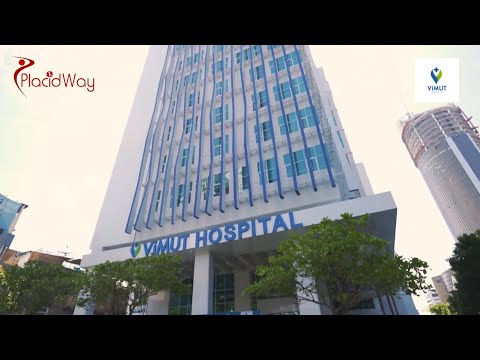
A photograph might be worth a thousand words, but watching a real patient walk through a medical facility gives you an entirely different level of confidence. Video resources are an excellent way to gauge the actual environment of a dental center before you travel halfway across the world.

Through video, you can observe the cleanliness of the treatment rooms, see the modern imaging equipment in action, and listen to the specialist explain their surgical approach. Patient testimonial videos also offer a raw, unfiltered look at the recovery timeline and the final cosmetic results of the restoration. Take a moment to watch the videos below to get a genuine feel for what to expect during your visit.

Nothing speaks louder than the honest, unfiltered experiences of people who have already sat in the dentist's chair. Reading through past patient experiences helps you look past the glossy brochures and understand the day-to-day reality of receiving care abroad.

Pay close attention to how reviewers describe the communication style of the staff, especially regarding complex or multi-stage treatment plans. Look for feedback on pain management, post-operative follow-up care, and whether the final cost accurately matched the initial estimate. Consistent praise for a specific prosthodontist or surgical team is a strong indicator of reliable, patient-centered care. Read the reviews below to see how others successfully navigated their journey.

Planning a medical trip to Southeast Asia naturally brings up plenty of valid concerns. Here are some of the most common questions patients ask when considering tooth replacement in the Thai capital.

Why are dental restorations more affordable here?

The lower prices are due to the reduced cost of living, lower operational overhead for facilities, and government support for medical tourism, not a reduction in medical quality or materials.

Do the specialists speak English?

Yes, facilities that cater to international patients are staffed by highly proficient English-speaking specialists, many of whom completed postgraduate training in the US, UK, or Australia.

How many trips will I need to make?

Traditional implants require two trips. The first trip is for placing the titanium post, followed by a 3 to 6-month healing period. The second trip is for attaching the permanent crown.

What global brands are used by these clinics?

Reputable centers use internationally recognized brands such as Straumann, Nobel Biocare, and Zimmer, ensuring that any future maintenance can be done by a local dentist in your home country.

Is it safe to undergo oral surgery abroad?

Yes, provided you choose a facility accredited by the Dental Council of Thailand or international bodies like JCI, which enforce strict sterilization and patient safety protocols.

How long does the surgical placement take?

The actual surgical placement of a single titanium post typically takes about 1 to 2 hours under local anesthesia, though you will need a few days in the city for preliminary scans and post-op checks.

Can I get an All-on-4 full arch restoration?

Absolutely. All-on-4 and All-on-6 procedures are highly requested by international patients and are performed routinely by specialized prosthodontists in the city.

Will I require a bone graft?

This depends entirely on your jawbone density. The specialist will take a 3D CBCT scan during your initial consultation to determine if grafting is necessary to safely support the post.

What happens if I experience complications back home?

Top facilities provide detailed medical records and implant passports so your local dentist knows exactly what was placed. Many clinics also offer warranties on the materials used.

Can I eat local food during my recovery?

You will need to stick to a soft diet for the first few days. It is important to avoid spicy, acidic, or hard foods that could irritate the surgical site while it begins to heal.

How Much Does Dental Implants Cost in Bangkok, Thailand?

Dental implants in Bangkok typically cost between $1,000 and $2,500 per tooth. This estimated price usually includes the implant post abutment and a standard crown but varies based on case complexity materials used and the specific clinic selected. Key Takeaways The average cost for a single implant in Bangkok is significantly lower than in North America or Europe. Total pricing depends heavily on the need for extractions, bone grafting, and the type of crown material selected. Treatment typically requires two separate trips to Thailand spaced several months apart to allow for proper healing. Patients must verify clinic accreditations and the dentists specialty training before committing to treatment. Proper aftercare and avoiding tobacco are essential for the long-term success of the implant. What Is The Average Cost Of Dental Implants In Bangkok? The average price for a single dental implant in Bangkok ranges from $1,000 to $2,500 depending on the materials and clinic. Full mouth restorations like All-on-4 may cost between $8,000 and $12,000 per arch. Patients traveling from Western countries often find significant savings when exploring Dental Implants cost in Thailand. While prices are lower, this does not inherently mean lower quality, as many facilities maintain strict international standards and utilize modern dental technology to achieve favorable clinical outcomes. It is crucial to understand that the base price advertised might only cover the titanium post itself. Comprehensive quotes should always be requested to account for preliminary consultations, necessary imaging, the connecting abutment, and the final porcelain or zirconia crown. Furthermore, complex cases requiring extractions, sinus lifts, or bone grafting will naturally increase the total expenditure. Patients should always compare detailed, itemized treatment plans from multiple facilities before making a final decision on their care. Procedure Type Estimated Cost (Bangkok) Estimated Cost (US/UK) Single Implant (Post Only) $600 - $1,200 $1,500 - $3,000 Single Implant (Complete with Crown) $1,000 - $2,500 $3,000 - $5,000+ Bone Grafting (Per Site) $200 - $500 $400 - $1,200 All-on-4 System (Per Arch) $8,000 - $12,000 $15,000 - $25,000+ What Factors Influence The Final Dental Implants Cost In Thailand? The final price depends on the chosen implant brand the need for preliminary procedures and the expertise of the dental specialist. Geographic location within the city and clinic amenities also play a significant role in pricing. Brand of the implant system used, prioritizing internationally recognized or FDA-cleared systems for reliability. Necessity of additional preparatory procedures like sinus lifts or bone grafting to ensure adequate bone volume. Material chosen for the final crown, with premium zirconia typically costing more than standard porcelain options. Experience and specialized training of the oral surgeon or prosthodontist performing the complex surgical placement. Technological advancements utilized during the procedure, such as 3D imaging and computer-guided placement systems. The specific Dental Implants clinic in Thailand selected, as premium facilities in central districts may charge higher administrative fees. What Is Included In The Total Price Of A Dental Implant Procedure? A comprehensive dental implant quote typically includes the titanium root the connecting abutment and the custom-made crown. However patients must verify if consultations imaging and anesthesia are part of the initial package. When reviewing treatment plans for Dental Implants in Thailand, clarity is essential. A standard procedure is completed in multiple stages, and some facilities might price each stage separately. The implant post itself is merely the structural foundation placed into the jawbone. Following the requisite healing period, an abutment is attached to the post to securely hold the replacement tooth. The final stage involves placing the custom-designed crown. Patients should proactively ask if laboratory fees for crafting the crown are included in the initial estimate provided by the clinic. Additional costs to anticipate might include panoramic X-rays, CBCT scans, local anesthesia or intravenous sedation, and post-operative medications. Requesting a transparent, itemized bill helps avoid unexpected out-of-pocket expenses during the medical journey. Did You Know? Osseointegration is the biological process where the jawbone physically fuses with the titanium implant post. This critical phase can take anywhere from three to six months and is vital for the long-term stability of the new tooth. How Do I Choose A Reliable Dental Implants Clinic In Thailand? Selecting a trustworthy facility involves verifying the dentists credentials reviewing patient testimonials and checking for international accreditations. Ensuring the clinic uses recognized implant brands and modern technology is also vital for safety. Check for international accreditations like JCI which indicate strict adherence to global safety and quality protocols. Verify the dentists educational background specialty training in implantology and professional certifications. Request to review before and after photos of previous patients with similar complex dental conditions. Inquire about the specific brands of implants used to ensure they are internationally recognized and backed by clinical research. Evaluate the transparency of their communication and their willingness to provide detailed itemized treatment plans before travel. Assess the clinics infection control standards and emergency protocols to prioritize patient safety during treatment. What Materials Are Typically Used For Dental Implants In Bangkok? The most common materials used for the implant post are titanium and zirconium due to their high biocompatibility. The visible crown is usually crafted from porcelain fused to metal all-ceramic or highly durable zirconia material. Titanium remains the standard choice for implant posts globally due to its exceptional ability to fuse with the human jawbone in a predictable manner. It is highly durable and has a long, documented track record of clinical success across diverse patient profiles. For patients with specific metal allergies or those preferring holistic alternative options, zirconia implants are sometimes available at specialized clinics. These are metal-free, white-colored posts that offer excellent aesthetics and gum tissue compatibility, though they may be less common than traditional titanium. The choice of material for the final crown significantly impacts both overall aesthetics and total cost. Zirconia crowns are often favored for their incredible strength and natural light-reflecting properties, making them ideal for both prominent front teeth and heavy-chewing back teeth restorations. What Is The Typical Timeline For Getting Dental Implants In Bangkok? The traditional implant process usually requires two trips to Bangkok spaced several months apart. The first trip involves placement while the second trip focuses on attaching the permanent crown after the jawbone has healed sufficiently. During the initial visit, the dental specialist will perform necessary extractions, potentially place a bone graft if required, and insert the titanium post into the jaw. This trip typically requires a stay of five to ten days to allow for initial healing and post-operative follow-up examinations. After the post is securely placed, a healing period of three to six months is generally required for proper osseointegration. During this crucial time, the bone grows around the implant, creating a stable foundation for the artificial tooth. Temporary teeth may be provided during this phase for aesthetic purposes. The second visit involves exposing the integrated implant, attaching the abutment, and taking precise impressions for the final crown. The dental laboratory will then craft the custom crown, which is permanently cemented or screwed into place before the patient is medically cleared to return home. Important Consideration Patients must budget for the cost of two separate international flights and two hotel stays when calculating the total cost of their dental implant journey. Remote consultations can help determine exact timeline requirements before booking travel. Are There Risks Associated With Getting Dental Implants Abroad? Like any surgical procedure dental implants carry risks such as infection nerve damage or implant failure. Traveling abroad adds considerations regarding long-distance travel during recovery and managing potential complications once back home. Risk of infection at the implant site which requires prompt antibiotic treatment and specialized follow-up care. Potential for nerve damage causing numbness or tingling in the natural teeth gums lips or chin area. Implant rejection or failure to integrate with the jawbone often linked to smoking or poor initial bone density. Challenges in receiving immediate follow-up care if unexpected complications arise after returning to the home country. Differences in legal recourse and malpractice regulations compared to the established protections in the patients home country. The physical stress of long-haul flights shortly after surgery which may increase swelling or discomfort during travel. How Does Medical Tourism In Thailand Benefit Dental Patients? The primary benefit is access to complex dental restorations at a fraction of Western prices. Additionally patients can recover in a tropical destination while receiving care in modern internationally accredited medical facilities. The steady growth of medical tourism in Thailand is largely driven by the compelling combination of affordability and high standards of medical care. Patients can often save a significant amount on complex, multi-stage procedures like full mouth restorations compared to the prohibitive prices often found in North America or Europe. Beyond mere cost savings, many specialized dental facilities in Bangkok are equipped with modern technology, including 3D cone beam scanners and in-house digital laboratories. This advanced equipment allows for precise surgical planning and faster turnaround times for creating custom prosthetics. The experience of recovering in a well-known, hospitable destination adds to the overall appeal. Patients can combine their necessary clinical treatments with a relaxing environment, making the overall experience less stressful while they heal from their surgical procedures. What Aftercare Is Required Following Dental Implant Surgery? Proper aftercare involves maintaining excellent oral hygiene adhering to a soft food diet initially and attending regular dental checkups. Avoiding smoking is critical as it significantly increases the risk of implant failure during healing. Brush twice daily and floss regularly using specific non-abrasive tools recommended for implant care to prevent harmful plaque buildup. Stick to a soft diet for the first few weeks to avoid placing undue stress on the newly placed implants and surrounding delicate tissue. Attend routine professional cleanings and examinations with a local dentist to monitor the ongoing health of the implants. Avoid smoking or using tobacco products entirely as they severely restrict blood flow and drastically hinder the biological healing process. Wear a customized nightguard if you have a known habit of grinding your teeth to protect the ceramic crowns from chipping or fracturing. Promptly report any signs of persistent pain excessive swelling or loosening of the implant to a qualified dental professional. Why Choose PlacidWay For Your Dental Journey? PlacidWay provides a comprehensive medical resource platform to help patients explore healthcare options globally. Our platform connects individuals with accredited facilities and provides transparent information for informed decision-making. Provides access to a vast network of carefully evaluated and internationally recognized healthcare facilities worldwide. Offers transparent pricing estimates allowing patients to compare costs and budget effectively for their procedures. Facilitates direct communication between patients and medical providers to ensure all clinical questions are answered. Supplies detailed profiles of medical centers including accreditation status available technology and authentic patient reviews. Empowers patients with comprehensive educational resources to understand treatment options and potential risks without pressuring them into specific choices. Frequently Asked Questions (FAQs) Do dental implants function like natural teeth? Dental implants are designed to closely mimic the function and appearance of natural teeth. Because the titanium post is anchored securely into the jawbone, it provides a stable foundation that prevents slipping or clicking. This stability allows patients to bite, chew, and speak with confidence, functioning much like a healthy natural tooth would in daily activities. Am I a suitable candidate for dental implant surgery? Suitable candidates generally possess healthy gums and adequate bone density to securely hold the implant in place. Good overall health is also important, as chronic conditions like uncontrolled diabetes or autoimmune disorders can impair healing. A comprehensive evaluation by a dental professional, including 3D imaging, is required to determine if this treatment is a safe and viable option for your specific case. Is the dental implant procedure uncomfortable? The surgical placement of dental implants is typically performed under local anesthesia or intravenous sedation, which numbs the area and minimizes pain during the procedure. While patients may experience some swelling, bruising, and mild discomfort in the days following the surgery, these symptoms are generally manageable with prescribed or over-the-counter pain medications and proper rest. How long can dental implants typically last? With rigorous oral hygiene and regular professional checkups, the titanium implant post can potentially last for many years. The visible crown attached to the post may experience wear and tear over time and might require replacement after ten to fifteen years, depending on the patients dietary habits and whether they grind their teeth at night. Will I need a bone graft before the implant surgery? A bone graft may be necessary if a patient has experienced significant jawbone loss due to periodontal disease or prolonged tooth absence. The graft adds volume and density to the jaw, ensuring there is a solid foundation to support the implant post securely. Your dentist will determine if this preliminary procedure is needed after reviewing your initial X-rays and scans. Can I eat normally after getting dental implants? Immediately following the surgery, patients must adhere to a strict soft-food diet to avoid placing stress on the healing surgical site. Once the implant has fully integrated with the bone and the permanent crown is securely attached, patients can generally return to a normal diet, enjoying their favorite foods without the restrictions often associated with traditional removable dentures. How soon can I fly after dental implant placement in Bangkok? Most dental professionals recommend waiting at least two to three days before taking a short flight, and potentially up to a week for long-haul international flights. Flying too soon after oral surgery can exacerbate swelling and discomfort due to cabin pressure changes. Always consult with your treating dentist for personalized travel clearance based on the complexity of your procedure. What happens if my body rejects the dental implant? True allergic rejection of titanium is extremely rare. However, an implant can fail to integrate with the jawbone, a condition often caused by infection, smoking, or insufficient bone density. If an implant fails, the dentist will typically remove it, allow the area to heal completely, and evaluate whether a second attempt with a bone graft or a different restorative approach is appropriate. Are consultations required before traveling for dental work? Yes, engaging in preliminary remote consultations is highly recommended before booking travel. Patients should share their current dental X-rays, medical history, and specific concerns with the overseas clinic. This allows the dental team to provide a more accurate preliminary treatment plan, timeline, and cost estimate, ensuring the patient is a viable candidate before making the journey. How do I maintain oral hygiene with new dental implants? Maintaining dental implants requires a commitment to excellent daily oral hygiene, very similar to caring for natural teeth. This includes brushing at least twice a day with a soft-bristled toothbrush, using non-abrasive toothpaste, and cleaning between the teeth daily with specialized floss or water flossers. Regular professional cleanings are also vital to monitor the health of the surrounding gum tissue. Compare Dental Implant Options Today Explore internationally accredited facilities and receive detailed cost estimates for your procedure to make an informed decision about your oral health. Request Treatment Information Medical Disclaimer: This content is for informational purposes only and does not substitute for professional medical advice, diagnosis, or treatment. References Dental Implants – WebMD Dental Implant Surgery – Mayo Clinic Dental Implants Overview – Cleveland Clinic Dental Implants Medical Encyclopedia – MedlinePlus Implants Patient Information – MouthHealthy (American Dental Association) Tooth Loss and Implants – National Institute of Dental and Craniofacial Research

Your dental restoration is only as good as the hands placing it. Finding a highly skilled oral surgeon or prosthodontist is the most critical step in your journey to a restored bite.

Do not settle for a general dentist when dealing with surgical implants. Look for specialists who have completed advanced implantology training and hold active memberships in global organizations like the International Congress of Oral Implantologists (ICOI) or the Thai Association of Dental Implantology. A doctor with dedicated experience handling complex restorations will significantly reduce your risk of complications. Compare the surgeons below to find a verified expert you can trust with your care.

Bangkok is a bustling metropolis that seamlessly blends ultra-modern infrastructure with deep cultural traditions. For medical tourists flying in from Australia, the United States, and Europe, the city offers an incredibly welcoming, accessible, and comfortable environment for recovery.

Getting into the city is straightforward, with major airlines offering direct flights to Suvarnabhumi Airport (BKK) and Don Mueang International Airport (DMK). Once there, the efficient public transit network, specifically the BTS Skytrain, makes navigating between your hotel and the clinic incredibly easy. Many international patients choose accommodations in central districts like Sukhumvit or Silom, which boast numerous international standard medical centers within walking distance.

Major AirportsSuvarnabhumi (BKK), Don Mueang (DMK)
Popular Recovery AreasSukhumvit, Silom, Pathum Wan
Local TransportBTS Skytrain, MRT Subway, Grab Taxis
Climate for TravelTropical year-round; dry season Nov to Feb
Primary Tourist OriginsAustralia, United States, United Kingdom

Restoring your teeth should not mean sacrificing your life savings or compromising on the quality of your care. Navigating international healthcare options can feel daunting initially, but you do not have to figure out the logistics alone.

By thoroughly researching your options, verifying credentials, and asking the right questions about materials and technology, you can safely achieve a functional, natural-looking smile. Take the time to evaluate the providers, gather itemized estimates, and make an informed decision that perfectly aligns with your health goals and budget constraints. Let us assist you in connecting with certified specialists and organizing a seamless treatment plan abroad.

References

Dental Implants in Bangkok, Thailand thumbnail

About Experience

Trusted Medical Tourism Platform Since 2007

60+
Countries
2k+
Clinics
19.5k+
Reviews
2.5k+
Qualified Doctors
1.1M+
Patients Served Since 2007