
High costs at home often drive patients to look abroad for reliable teeth replacement solutions. You can save significantly while receiving high quality care by checking for specific credentials like Dental Council of India registration and National Accreditation Board for Hospitals certification. Understanding these essential quality markers ensures you make a safe informed decision about your oral health journey.
- Estimated Cost: Typically ranges from $600 to $1,200 per tooth depending on the implant material and case complexity.
- Ideal Candidate: Adults with missing teeth who have healthy gums and sufficient jawbone density to support the titanium post.
- Why Patients Choose Mumbai: Exceptional affordability combined with highly trained specialists and modern clinical technology.
- Key Certifications to Verify: Look for Dental Council of India registration and National Accreditation Board for Hospitals and Healthcare Providers accreditation.
- Estimated Recovery Time: Initial healing takes a few days while complete osseointegration requires three to six months.
- Important Caution: Always verify that the clinic uses globally recognized implant brands and provides a clear itemized treatment plan before traveling.
Understanding Dental Tourism in Mumbai India
Many individuals face overwhelming expenses when dealing with tooth loss in their home countries. Traveling for oral healthcare allows you to access premium treatments without draining your savings. Mumbai has emerged as a major destination for complex restorative dentistry because it blends advanced medical infrastructure with significant cost advantages.
Patients worldwide frequently travel to this city to receive comprehensive care from internationally trained prosthodontists and oral surgeons. When you evaluate your options carefully, you can achieve beautiful functional results while enjoying a well-structured medical journey.
- Substantial cost savings compared to Western prices
- Access to experienced English speaking specialists
- Shorter wait times for major restorative procedures
- Availability of internationally recognized implant brands
- Opportunity to combine medical care with tourism
International healthcare data from 2024 indicates a steady rise in outbound patients choosing South Asia for dental restorations. The majority of these patients travel from countries where insurance coverage for dental implants is severely limited or nonexistent. The chart below visualizes the primary countries of origin for patients seeking dental care in this region.
What Are Dental Implants and How They Work
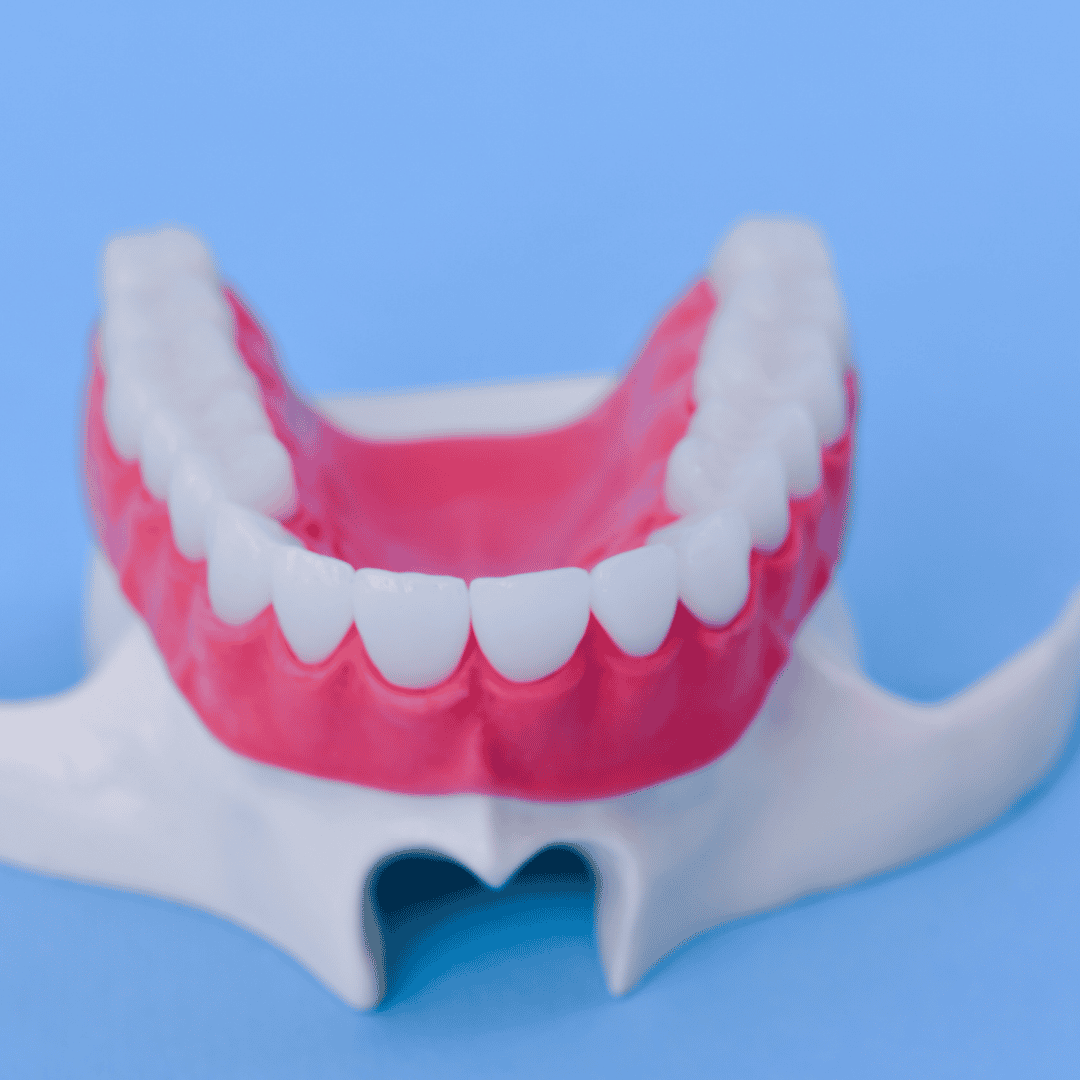
A dental implant is a sophisticated medical device designed to replace missing tooth roots. It typically consists of a small titanium screw surgically placed into your jawbone. Once inserted the titanium fuses with your natural bone tissue through a biological process called osseointegration.
After the bone heals firmly around the post your dentist attaches an abutment which acts as a connector. Finally a custom made crown is secured to the abutment providing a natural looking and fully functional replacement tooth. This approach preserves surrounding teeth and stimulates the jawbone to prevent bone loss.
Depending on your unique anatomical needs your specialist may recommend different techniques. Some patients require a single tooth replacement while others may need full arch restorations. Your doctor will use advanced imaging to determine the most secure placement strategy for your mouth.
| Implant Component | Material typically used | Primary Function |
|---|---|---|
| Implant Fixture | Biocompatible Titanium | Replaces the tooth root and anchors into the jawbone |
| Abutment | Titanium or Zirconia | Connects the internal fixture to the external crown |
| Prosthetic Crown | Porcelain or Zirconia | Provides chewing surface and aesthetic appearance |
Patient Demographics and Treatment Trends
Recent healthcare registries reveal specific demographic patterns for individuals seeking restorative dentistry abroad. The majority of patients fall into middle aged and senior brackets as tooth loss naturally increases with age and lifestyle factors. You will find that many international patients traveling for these procedures are seeking full mouth rehabilitations rather than single tooth fixes.
Documented medical tourism data from 2024 and 2025 shows a significant concentration of patients between the ages of 50 and 70. This demographic typically prioritizes clinical safety comprehensive care packages and English speaking medical staff when selecting a foreign destination for their oral surgery.
This age distribution aligns closely with broader healthcare travel trends. Older patients often require more extensive preliminary treatments such as bone grafting or sinus lifts before implant placement. These additional necessary procedures make the overall affordability of care in South Asia highly attractive to this specific demographic.
Cost of Dental Implants in Mumbai India
Understanding the financial aspects of your medical journey requires careful evaluation of all associated expenses. While the core procedure is highly affordable the final price heavily depends on your specific clinical needs. You must account for preliminary diagnostics necessary extractions and the type of prosthetic materials chosen for your final crown.
A standard single tooth replacement typically costs a fraction of what you would pay in Western healthcare systems. However comprehensive full mouth rehabilitations involving multiple fixtures and advanced customized bridges will naturally incur higher fees. The table below outlines common procedural estimates.
| Procedure Type | Estimated Cost in USD | General Inclusions |
|---|---|---|
| Single Tooth Implant | $600 - $1,200 | Fixture placement and standard crown |
| Bone Grafting | $200 - $500 | Synthetic or natural bone material per site |
| Sinus Lift Surgery | $400 - $800 | Membrane elevation and grafting materials |
| Full Arch Restoration | $4,500 - $7,500 | Multiple implants and fixed acrylic or zirconia bridge |
Always request a transparent itemized quotation from your chosen provider before booking your travel. Hidden costs can sometimes arise from mandatory 3D CBCT scans specialized temporary crowns or required prescription medications. A reputable clinic will outline all potential charges clearly in their initial treatment plan.
Comparing International Dental Care Expenses
When planning your healthcare journey comparing regional costs helps you understand the true value of traveling for treatment. Prices in North America and Western Europe remain prohibitively high largely due to steep clinical overheads and insurance administrative costs. In contrast lower operational expenses and a favorable exchange rate make India an economical alternative without compromising clinical standards.
This stark price difference allows you to fund your travel accommodation and medical procedure for significantly less than the cost of local treatment alone. You can visualize these general cost variances in the comparison matrix below.
Average Single Implant: $3,500 - $5,000
Consultation Fees: Often extra
Average Single Implant: $2,800 - $4,000
Consultation Fees: Often extra
Average Single Implant: $600 - $1,200
Consultation Fees: Frequently included
While affordability is a major draw you must prioritize clinical excellence over the cheapest available price. Extremely low cost offers may indicate the use of inferior generic materials or rushed treatment protocols. Always balance your budget considerations with the provider's professional reputation and regulatory compliance.
Choosing Accredited Dental Clinics Safely
Selecting a secure and regulated healthcare facility is the most critical step in your medical travel planning. India possesses a structured national accreditation system that evaluates hospitals and clinics on stringent quality metrics. You should actively seek out facilities that demonstrate compliance with these recognized safety standards.
The National Accreditation Board for Hospitals and Healthcare Providers manages quality control for domestic clinics. Facilities holding this specific certification adhere to strict infection control protocols and emergency management procedures. Some top tier centers may also maintain Joint Commission International accreditation which signals compliance with rigorous global safety benchmarks.
A trustworthy dental center will openly share their hygiene protocols equipment standards and specific facility licenses. You should also evaluate their post operative support systems particularly how they handle complications once you return to your home country. Dedicated international patient departments often indicate a clinic accustomed to managing the unique needs of traveling patients.
- Verify National Accreditation Board for Hospitals certification
- Check for an in house CBCT scanning machine
- Inquire about their instrument sterilization protocols
- Confirm they offer transparent written warranties for dental work
- Ask about their dedicated international patient coordinator services
Verifying Your Oral Surgeon Credentials
Your clinical outcome depends entirely on the skill and experience of your chosen dental specialist. General dentists can legally place implants however specialists known as prosthodontists or maxillofacial surgeons undergo years of additional advanced surgical training. You must verify the specific qualifications of the doctor performing your procedure.
In India all legitimate dental professionals must hold active registration with the Dental Council of India. You should request your doctor's official registration number and confirm their membership in recognized professional societies such as the Indian Dental Association. Specialists often hold additional fellowships or master degrees from reputed national or international universities.
| Credential to Verify | Issuing Authority | Why It Matters For Your Safety |
|---|---|---|
| Active Dental License | Dental Council of India | Ensures the doctor is legally permitted to practice dentistry |
| Specialist Certification | Recognized Universities | Confirms advanced training in oral surgery or prosthodontics |
| Professional Membership | Indian Dental Association | Indicates commitment to ongoing medical education and peer standards |
Do not hesitate to ask your prospective surgeon about their specific case volume and annual success rates for complex restorations. A highly experienced specialist will comfortably discuss both their successful outcomes and their specific protocols for managing surgical complications. Thorough vetting significantly minimizes your clinical risks.
Evaluating Treatment Options and Materials
The materials used in your restoration directly impact the longevity and aesthetic success of your new teeth. Superior clinical outcomes require biocompatible fixtures that integrate seamlessly with your living bone tissue. You should familiarize yourself with the standard materials used in modern restorative dentistry before agreeing to a specific treatment plan.
Titanium remains the gold standard for the internal fixture due to its exceptional strength and proven ability to fuse with human bone. For the visible crown zirconia and high grade porcelain offer the most natural appearance and durability. Your doctor may recommend specific material combinations based on your bite force and cosmetic requirements.
Some clinics offer alternative materials like ceramic fixtures for patients with specific metal allergies. While these alternatives exist you must discuss the long term clinical evidence supporting their use with your specialist. Choosing established heavily researched materials typically results in a more predictable and stable outcome.
Procedure Timeline and Recovery Expectations
Successful tooth restoration is not a single day event but rather a carefully phased biological process. While some clinics advertise immediate loading techniques traditional protocols require sufficient time for your jawbone to heal around the surgical site. You must plan your travel timeline to accommodate these necessary healing phases.
Typically the complete process requires two separate trips spaced several months apart. The first visit involves diagnostics any required bone grafting and the surgical placement of the titanium post. The second visit focuses on uncovering the integrated fixture and permanently attaching your custom designed crown.
| Timeframe | Clinical Process | Patient Sensation | Action Required |
|---|---|---|---|
| Day 1 to 3 | Surgical placement of fixture | Mild swelling and localized tenderness | Rest consume soft foods and take prescribed medications |
| Week 1 to 2 | Initial gum tissue healing | Discomfort subsides stitches may dissolve | Maintain oral hygiene gently avoid chewing on site |
| Month 3 to 6 | Complete osseointegration | Normal feeling completely pain free | Attend follow up imaging to confirm bone fusion |
| Final Visit | Abutment and crown placement | Slight pressure during crown fitting | Resume normal chewing and regular dental checkups |
Rushing the recovery timeline significantly increases the risk of implant failure. You should meticulously follow your surgeon's specific dietary restrictions and hygiene instructions during the entire osseointegration period. Proper aftercare is just as important as the surgical procedure itself.
Potential Risks and Managing Complications
Every surgical intervention carries inherent biological risks that you must carefully consider. While dental implants boast remarkably high success rates complications can occasionally occur during the healing process or years after placement. Understanding these risks allows you to identify early warning signs and seek prompt medical attention.
The most common early complication is localized infection at the surgical site which can usually be managed with targeted antibiotics. A more serious long term risk is peri implantitis a destructive inflammatory condition affecting the soft and hard tissues surrounding the fixture. Your lifestyle choices particularly tobacco use heavily influence your susceptibility to these complications.
- Infection: Can occur if oral hygiene is neglected during early recovery.
- Nerve Damage: Rare but possible causing tingling or numbness in the chin or lips.
- Sinus Problems: Can happen if upper jaw implants protrude into the sinus cavity.
- Implant Rejection: Occurs when the bone fails to fuse properly with the titanium post.
To minimize these risks your chosen facility must utilize comprehensive 3D imaging to precisely map your nerves and sinus cavities before surgery. You must also commit to lifelong maintenance including daily flossing and regular professional cleanings. Discuss the clinic's specific policy regarding revision surgeries if a fixture fails to integrate properly.
Assessing Your Eligibility for Treatment
Not every patient qualifies immediately for advanced restorative surgery. A successful outcome requires a healthy foundation specifically adequate bone density and disease free gum tissue. Your medical provider will conduct a thorough evaluation of your overall health before approving you for the procedure.
Uncontrolled chronic conditions such as diabetes or autoimmune disorders can severely impair your body's ability to heal and fight off infection. Additionally active periodontal disease must be completely resolved before any surgical placement can occur. If your jawbone has deteriorated due to long term tooth loss you may require preparatory bone grafting procedures.
Heavy smokers face a significantly higher risk of implant failure because nicotine constricts blood vessels and impedes oral healing. Many surgeons require patients to strictly cease smoking several weeks before and after the surgery. Your commitment to these lifestyle adjustments directly impacts the survival rate of your new teeth.
Travel Planning and Visa Information
Organizing a medical trip requires meticulous logistical preparation beyond simply booking a clinical appointment. You must navigate visa requirements secure appropriate accommodations and plan for safe local transportation while recovering from surgery. The Indian government offers specific visa categories designed precisely for international healthcare travelers.
You should apply for an e-Medical Visa well in advance of your intended travel dates. This specialized visa requires an official invitation letter from your chosen recognized hospital or clinic confirming your treatment plan. Standard tourist visas may not legally permit you to undergo invasive surgical procedures.
| Planning Stage | Essential Action Items |
|---|---|
| 60 Days Before | Select accredited clinic and obtain official treatment invitation letter |
| 45 Days Before | Apply for e-Medical Visa and secure comprehensive travel insurance |
| 30 Days Before | Book flexible flights and arrange accommodation near the medical facility |
| 14 Days Before | Transfer medical records CBCT scans and coordinate airport pickup |
Choose accommodations situated close to your dental clinic to minimize travel stress immediately following your procedure. Many top tier clinics employ dedicated international coordinators who can assist you with hotel recommendations airport transfers and local language translation. Always prioritize your comfort and safety when arranging your recovery environment.
Post Operative Care and Long Term Maintenance
The longevity of your restorative dental work relies heavily on your dedication to daily oral hygiene. Once the final crown is attached you must treat the implant exactly like a natural tooth to prevent bacterial buildup. Neglecting proper maintenance can lead to destructive inflammation that threatens the stability of the entire fixture.
You should brush twice daily using a soft bristled toothbrush and utilize specialized interdental brushes or water flossers to clean hard to reach areas around the abutment. Your domestic dentist should perform professional cleanings and examinations at least twice a year. Always inform your local hygienist that you have implants so they use the correct non scratching instruments during cleanings.
- Use a non abrasive toothpaste to protect the crown
- Floss daily using specialized implant specific floss
- Wear a night guard if you naturally grind your teeth
- Avoid chewing on hard items like ice or hard candies
If you experience persistent bleeding pain or notice any looseness in the crown you must contact a dental professional immediately. Early intervention is crucial for treating minor complications before they develop into severe clinical failures. With meticulous care your titanium restorations can comfortably last a lifetime.
Frequently Asked Questions
Are dental implants in Mumbai India safe for international patients?
Yes treatment can be highly safe when you select a clinic accredited by the National Accreditation Board for Hospitals and a specialist registered with the Dental Council of India. Strict adherence to sterilization and international protocols minimizes clinical risks.
How much does a full mouth dental implant procedure cost?
A full arch restoration typically ranges from $4,500 to $7,500 depending on the number of fixtures required and the final prosthetic material. This is generally a fraction of the cost compared to Western dental clinics.
How many trips will I need to make for complete restoration?
Traditional protocols usually require two separate trips. The first trip is for surgical placement and the second trip three to six months later is for attaching the final custom crowns once the bone has healed.
Will the surgery be painful?
The procedure is performed under local anesthesia so you will not feel pain during the surgery itself. Mild swelling and tenderness are common during the first few days of recovery and can typically be managed with prescribed pain relievers.
Do clinics in India use internationally recognized implant brands?
Reputable accredited clinics utilize top tier globally recognized titanium brands from Switzerland Germany and the USA. You should always request the specific brand name and material documentation before proceeding.
Can I fly immediately after oral surgery?
Surgeons typically advise waiting at least 48 to 72 hours before flying particularly if you had a sinus lift. Cabin pressure changes can cause discomfort or minor bleeding in fresh surgical sites.
What happens if my bone density is too low?
If diagnostics reveal insufficient jawbone your surgeon may recommend preliminary bone grafting. This procedure builds up the bone volume to safely support the titanium fixture though it will extend your overall treatment timeline.
What kind of visa do I need for medical treatment?
You should apply for an official e-Medical Visa. This requires an invitation letter from your chosen registered hospital and legally permits you to undergo surgical procedures while in the country.
Are hidden costs common with dental tourism packages?
Unexpected costs can occur if you do not request a comprehensive itemized quote. Ensure your estimate includes 3D imaging temporary crowns abutments medications and all necessary specialist consultation fees.
How long will my new teeth last?
With rigorous daily oral hygiene and regular professional checkups the titanium fixture can last a lifetime. The visible crown may need replacement after 10 to 15 years depending on wear and tear.
Ready to Plan Your Treatment Journey?
Disclaimer: This information is for educational purposes only and does not replace professional medical advice. Always consult a qualified healthcare provider before making medical decisions.
References
- Official Dental Regulations and Guidelines – Dental Council of India
- Accreditation Standards for Dental Clinics – National Accreditation Board for Hospitals & Healthcare Providers
- Global Oral Health Status Report 2024 – World Health Organization
- Long-Term Survival Rates of Dental Implants 2024 Clinical Review – National Center for Biotechnology Information
- Medical Tourism Travel Demographics 2024-2025 – Ministry of Tourism India
- Professional Standards in Restorative Dentistry – Indian Dental Association






















Share this listing