


Contents
A lower veneer quote can catch your eye quickly, but the number only makes sense when you know what sits behind it. Material, tooth preparation, the number of veneers, laboratory work, temporary restorations and bite adjustments can all change what you ultimately pay.
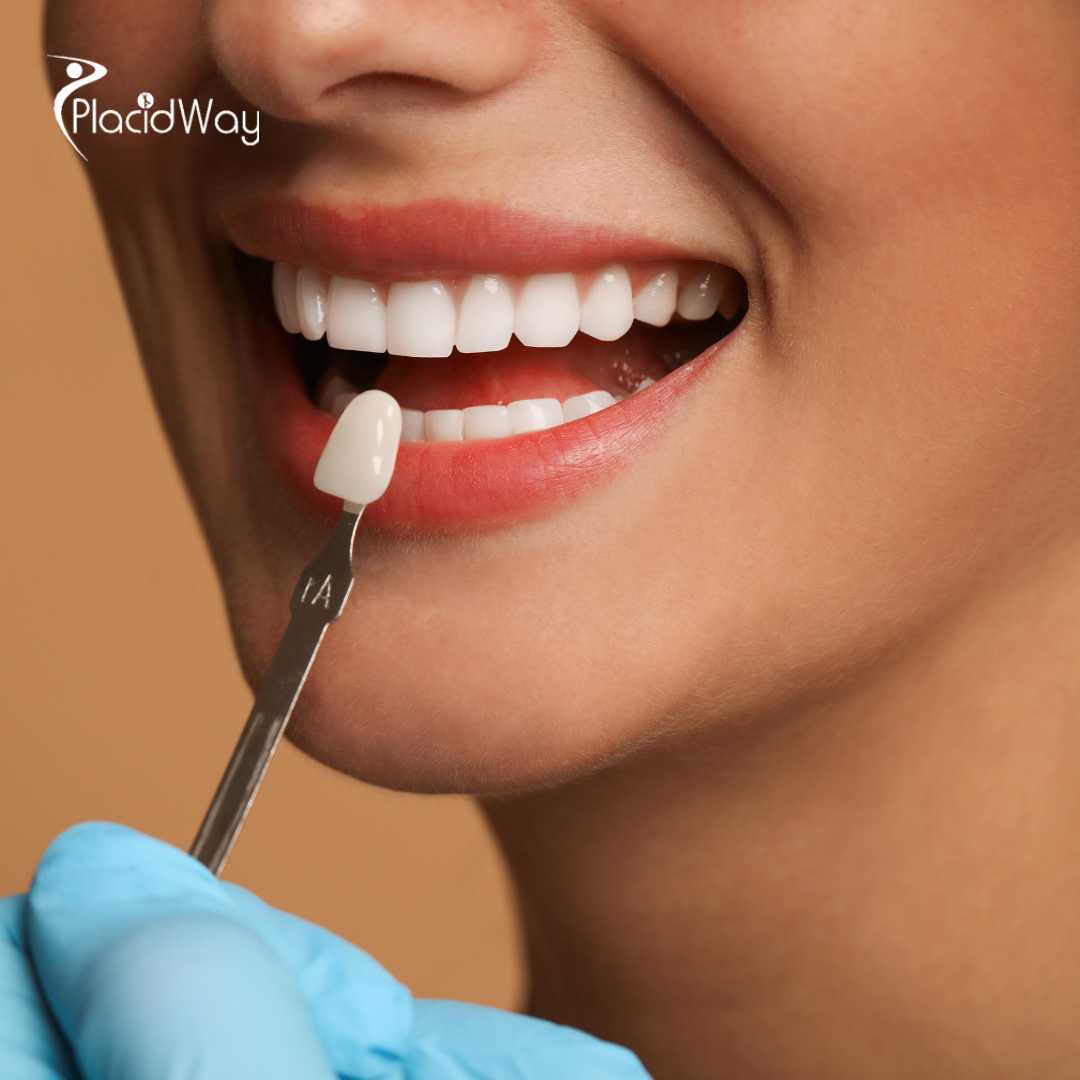
Veneers are thin restorations placed over the front of teeth to change their shape, shade or appearance. Traditional porcelain veneers usually require some enamel removal, so this deserves more thought than choosing a new tooth color from a photo. Before travelling, check the treating dentist's registration and verify any claimed NABH dental clinic accreditation or certification through the official Indian system.
If you are comparing dental veneers in India from abroad, look beyond the cheapest figure. Compare the options below on material, dentist credentials, clinic standards, treatment plan and follow-up support.
A veneer package can make travel planning simpler, but only when the details are clear. One currently available dental veneer package in Ahmedabad starts from $2,399. The important question is what that amount covers.
Ask how many teeth are included, which veneer material will be used, whether scans, preparation, temporary veneers, laboratory fees, bonding and bite adjustments are covered, and what happens if a veneer needs correction. Be especially careful with “smile makeover” packages that mix veneers, crowns and whitening; these treatments are not interchangeable.
Compare the packages below by treatment scope rather than price alone.

Price starting from $2,399
Dental Veneers Package in Ahmedabad India by House of Dontics
House of Dontics Dental Clinic in Ahmedabad, India
- Dentistry
Ahmedabad, India
For a straightforward comparison, expect porcelain veneers to cost about $250–$400 per tooth, E.max or ultra-thin veneers $300–$450, and composite veneers $80–$150. Larger porcelain smile makeovers involving 16–20 teeth are around $4,500–$7,500.
Dental Veneers Cost Comparison in India
| Country | Procedure | Price |
|---|---|---|
| Australia | Dental Veneers, Dentistry | $2000 |
| India | Dental Veneers, Dentistry | $200 |
| United Kingdom | Dental Veneers, Dentistry | $600 |
A beautiful waiting room says very little about how your teeth will be treated. Ask for the clinic's legal name, the name of the dentist who will actually prepare and bond your veneers, a written treatment plan, material details, sterilization procedures and a clear route for follow-up care.
If a clinic claims NABH accreditation or dental clinic certification, confirm that claim through the official NABH healthcare organisation directory. You should also verify that your dentist appears in India's official dentist registration system. Accreditation supports quality checks, but it should be considered alongside dentist credentials and your individual treatment plan.
Use the clinic options below to compare verified credentials, treatment approach and patient support.

Artemis Hospitals - Multispecialty Center in India
Gurgaon, India

City Dental - Implant Hospital
Rajkot, India
Arcus Dental Clinic: Premier Dental Care in India
Hyderabad, India

House of Dontics Dental Clinic in Ahmedabad, India
Ahmedabad, India
The dramatic before-and-after shot is usually the shortest part of the story. More useful videos show how the dentist assesses the teeth, takes scans or impressions, plans tooth preparation, checks temporary restorations, evaluates the final fit and adjusts the bite before treatment is finished.
Videos can help you understand a clinic's workflow and what the veneer process may feel like, but they cannot prove dentist licensing, material quality or whether the same treatment is right for you.
Compare the videos below for treatment detail and patient education rather than appearance alone.
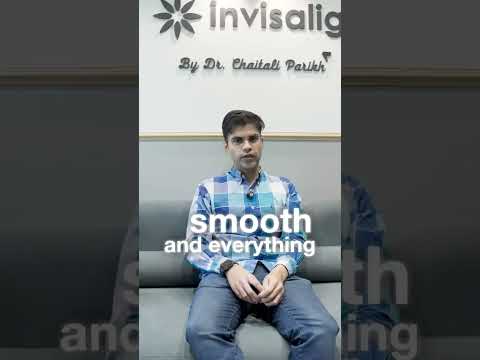


Five stars are easy to scan. A review explaining what happened after the final veneer was bonded is much more useful. Look for patients who mention the veneer material, number of teeth treated, comfort of their bite, communication with the dentist and how the clinic handled adjustments or concerns.
Pay attention to repeated themes across several reviews rather than one very positive or very negative story. Photos and testimonials can show individual experiences, but they cannot predict your result.
Read the reviews below alongside clinical credentials, treatment plans and costs before comparing your options.

How much do dental veneers cost in India?
Porcelain veneers currently cost about $250–$400 per tooth in India. E.max or ultra-thin veneers are around $300–$450 per tooth, while composite resin veneers are approximately $80–$150 per tooth. A 16–20 tooth porcelain smile makeover is generally around $4,500–$7,500. Your final quote should state the material and number of teeth clearly.
Which is better in India: porcelain, E.max or composite veneers?
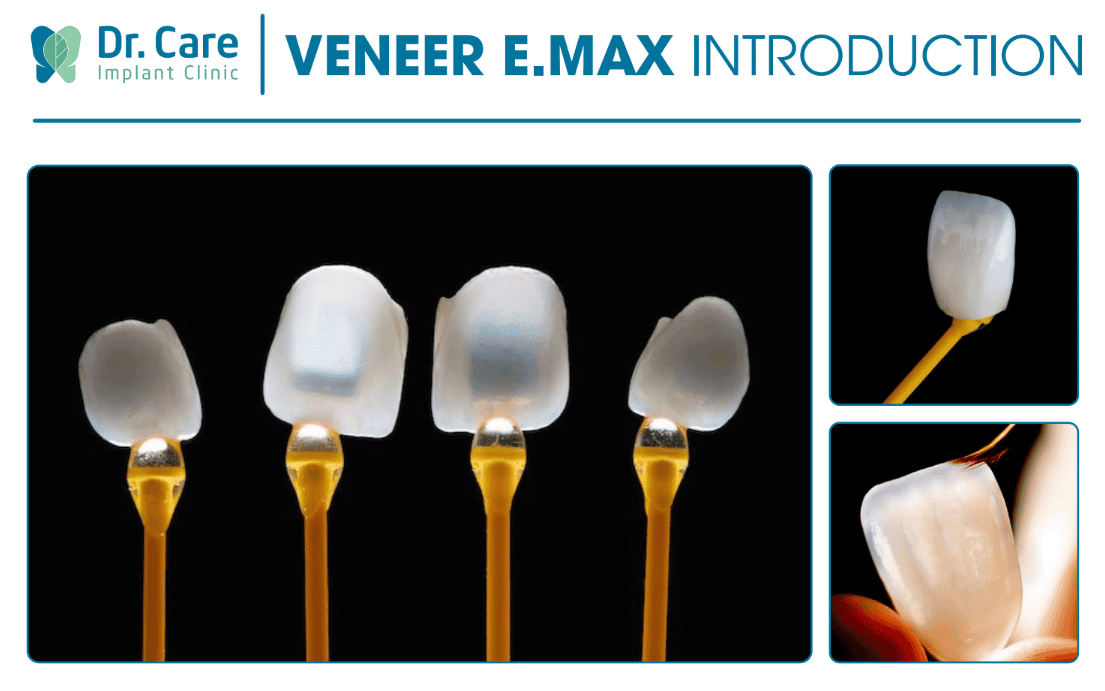
There is no single best material for every patient. Porcelain and E.max are custom ceramic restorations commonly chosen when appearance and stain resistance are important. Composite resin is applied using tooth-colored resin and usually costs less, but it can be more prone to staining and wear. Your dentist should recommend a material after checking your teeth, bite and cosmetic goals.
How long should I stay in India for porcelain veneers?
There is no safe universal number of days because the schedule depends on how many teeth are treated, how much preparation is needed and where the veneers are fabricated. Porcelain treatment commonly involves assessment and preparation followed by a separate fitting and bonding stage. Ask the clinic for your individual appointment schedule before booking flights.
Can I get dental veneers in India in one trip?
Many cases can be planned within one trip, but this should not be assumed before a dentist reviews your teeth. Laboratory fabrication, treatment for existing dental problems or changes requested after a trial fitting can affect the schedule. Get a written sequence of appointments and allow enough time for the final fit and bite to be checked.
How can I verify a dental veneer clinic in India?
Start by confirming the clinic's legal identity and the name of the dentist who will treat you. If the clinic claims NABH accreditation or dental clinic certification, verify it through the official NABH directory. Separately check the treating dentist in India's official dentist registration system. A clinic's marketing page should never be your only source for credentials.
Do dentists in India shave teeth before placing veneers?
Traditional porcelain veneers generally require a small amount of enamel to be removed so the restoration can fit and bond correctly. Minimal-prep or no-prep options may require less enamel removal, but they are not suitable for everyone and even “no-prep” treatment may involve some enamel modification. Ask exactly how much preparation your proposed plan requires before agreeing to treatment.
Are veneers and dental crowns the same treatment in India?
No. A veneer mainly covers the front surface of a tooth, while a crown covers much more of the tooth structure and is commonly used when a tooth needs greater restoration or protection. If an Indian smile makeover package includes both crowns and veneers, ask why each tooth needs that specific treatment before agreeing to preparation.
Who is a suitable candidate for dental veneers in India?
Veneers may be considered for concerns such as chips, gaps, staining or changes in tooth shape when the underlying teeth and gums are healthy. Significant decay or gum disease should be treated first. Teeth grinding, clenching and certain bite problems can also affect whether veneers are appropriate, so an examination should come before cosmetic planning.
What are the risks of getting dental veneers in India?
Risks are similar wherever veneers are performed. Teeth may become sensitive after enamel preparation, and veneers can chip, crack, loosen or require replacement. Natural tooth structure can still develop decay around or beneath a veneer. Because enamel removal makes many veneer treatments irreversible, the dentist should discuss benefits, limitations and alternatives before treatment begins.
What should a dental veneer quote from India include?
A useful quote should identify the number of teeth, veneer material, cost per tooth or package total, examinations or scans, tooth preparation, temporary restorations if needed, laboratory work, final bonding and planned follow-up. Ask separately about treatments that could be added after examination, such as fillings, gum treatment or other restorative work.
What happens if my veneers need adjustment after I return home?
Ask this before travelling. Get the clinic's written follow-up policy and find out how remote reviews, minor adjustments, repairs or replacement work are handled. Before leaving India, request your treatment records, veneer material and shade information, tooth numbers treated and the dentist's contact details. If you develop pain or a bite problem at home, contact a licensed local dentist rather than waiting for your next trip.
Can porcelain veneers stain after treatment in India?
Porcelain is generally more resistant to staining than composite resin, but veneers still need normal dental care. Brush, clean between your teeth and attend regular dental examinations. Avoid using your teeth to open packages or bite very hard objects because veneers can chip or become damaged.
Should I whiten my teeth before getting veneers in India?
Discuss whitening before the final veneer shade is selected. Whitening changes the shade of natural teeth but does not whiten existing porcelain or composite restorations in the same way. If untreated natural teeth will remain visible beside your veneers, planning their color together can help avoid a shade mismatch.
Do I need a medical visa to travel to India for dental veneers?
Visa requirements depend on your nationality, travel purpose and the rules in effect when you travel. Do not rely only on advice from a clinic or travel agent. Check the Government of India's official Indian Visa Online portal and the Indian mission responsible for your country before purchasing non-refundable flights.
How much is Average Cost of Dental Veneers in India?
The average cost of dental veneers in India typically ranges from $200 to $450 per tooth. Prices vary depending on the specific materials used, your unique dental requirements, and the location of the facility you choose for your care. If you are exploring dental veneers in India, you are likely looking for a balance between affordability and quality dental care. Dental veneers are thin, custom-made shells designed to cover the front surface of teeth to improve their appearance. They are often used to address issues such as discoloration, chipping, gaps, or minor misalignment. Many international patients consider this destination because it can offer significant savings compared to prices in North America, Europe, or Australia. However, making an informed decision requires understanding not just the estimated costs, but also the types of materials available, patient candidacy, potential risks, and the logistics of traveling for medical care. This comprehensive guide will walk you through what you need to know before embarking on your dental journey. Key Takeaways The estimated average cost typically falls between $200 and $450 per tooth, depending on the material. Porcelain veneers generally cost more but are known for their durability and stain resistance compared to composite resin. The procedure typically requires at least two visits over a span of one to two weeks. Ideal candidates have healthy teeth and gums, adequate enamel thickness, and do not severely grind their teeth. Patients traveling internationally must carefully plan for local recovery time and post-treatment follow-up options in their home country. What factors influence the dental veneers cost in India? The final price you pay is largely determined by the type of material you select, the total number of veneers required, and the geographic location of your clinic. Understanding the dental veneers cost in India is crucial for budgeting your trip. While the average falls between $200 and $450 per tooth, this is simply an estimate. The primary factor driving the price is the material. Composite veneers sit at the lower end of the pricing spectrum, while high-grade porcelain, such as E-max or Zirconia, represents the higher end due to advanced manufacturing processes and superior durability. Geographic location also plays a significant role. Facilities located in major metropolitan hubs like New Delhi, Mumbai, or Bangalore might charge slightly more due to higher operational costs, though they may also offer closer proximity to major international airports. Conversely, clinics in smaller cities may offer lower rates. Additionally, the complexity of your specific dental case—such as needing extensive preparatory work or gum contouring prior to veneer placement—can add to the overall estimated cost. Important Consideration: Always request a detailed, itemized estimate during your initial consultation. Make sure to clarify whether the quote includes consultation fees, X-rays, temporary veneers, and local anesthesia, or if those are billed separately. Are porcelain or composite veneers better for me? Porcelain veneers typically offer superior stain resistance, longevity, and a natural appearance, while composite veneers are more budget-friendly and require less enamel removal. The choice between porcelain and composite resin depends largely on your aesthetic goals, budget, and oral health status. Porcelain veneers are thin shells crafted in a dental laboratory. They are highly valued because they mimic the light-reflecting properties of natural teeth. They are also highly resistant to stains from coffee, tea, and smoking. However, placing porcelain veneers usually requires removing a small layer of your natural tooth enamel, making the process irreversible. On the other hand, composite veneers are typically sculpted directly onto the tooth by the dentist during a single visit. They can often be placed with minimal or no enamel removal. While they are more affordable upfront, they are somewhat more prone to chipping and staining over time. Your dentist can help evaluate your bite, the structural integrity of your teeth, and your cosmetic goals to recommend the material most suited to your individual needs. Who is considered a suitable candidate for this procedure? Ideal candidates possess healthy gums, sufficient tooth enamel, and good overall oral hygiene, and they seek to correct cosmetic imperfections rather than structural damage. Not everyone who desires a smile makeover is automatically a candidate for veneers. The foundational requirement is a healthy oral environment. If you have active tooth decay, gum disease (periodontitis), or root canal infections, these underlying conditions must be treated by a dental professional before any cosmetic work can begin. Additionally, because placing traditional porcelain veneers requires the removal of some enamel to ensure a secure bond and a natural look without bulkiness, you must have adequate enamel thickness. Patients who suffer from severe bruxism (habitual teeth grinding or clenching) may not be the best candidates, as the excessive force can cause veneers to crack or debond. In such cases, a dentist might recommend alternatives or require you to wear a protective nightguard while sleeping. What does the typical veneer procedure involve? The process generally requires an initial consultation and examination, preparation of the teeth, taking dental impressions, and a final visit for bonding the custom veneers. Consultation and Planning: Your dentist will assess your oral health, take X-rays, and discuss your aesthetic goals to ensure veneers are appropriate. Tooth Preparation: A small amount of enamel (typically about 0.5 millimeters) is gently shaved from the front surface of the tooth under local anesthesia to make room for the veneer. Impressions: The dentist takes a physical mold or digital scan of your prepared teeth, which is sent to a dental laboratory to craft your custom veneers. Temporary Veneers: While waiting for the permanent ones, you may be fitted with temporary veneers to protect your prepared teeth. Final Bonding: During the final appointment, the dentist will temporarily place the veneers to check their fit and color. Once adjusted, they are permanently cemented to your teeth using a special curing light. How long do dental veneers usually last? With appropriate oral hygiene and regular dental check-ups, porcelain veneers often last between 10 and 15 years, while composite options generally have a lifespan of 5 to 7 years. Veneers are highly durable, but they are not considered a permanent, lifetime solution. Eventually, they will likely need to be replaced. The lifespan of your veneers depends heavily on the material used and how well you care for them. Porcelain is a stronger material that resists daily wear and tear more effectively than composite resin. Your lifestyle habits play a major role in their longevity. Using your teeth as tools (such as opening packages), biting your nails, or chewing on hard items like ice or pens can cause the material to chip or break prematurely. Maintaining excellent oral hygiene to prevent decay in the natural tooth structure underneath is also vital for ensuring your veneers last as long as possible. What are the potential risks and complications of veneers? Common risks include temporary tooth sensitivity, the irreversible loss of natural enamel, and the potential for the veneer to chip, crack, or completely detach from the tooth over time. Like any medical or dental procedure, placing veneers involves some degree of risk. Because the dentist must remove a layer of enamel, your teeth may become more sensitive to hot and cold foods and beverages. This sensitivity is often temporary but can persist in some patients. Additionally, the removal of enamel means the process cannot be reversed; if a veneer fails, it must be replaced with another veneer or a crown. There is also the risk of structural failure. Although modern bonding agents are extremely strong, a veneer can still dislodge, especially if it is subjected to excessive force. Underneath the veneer, your natural tooth remains susceptible to decay, particularly at the gum line. If decay develops, it can compromise the attachment of the veneer and require more extensive dental work. Expert Insight: Good gum health is paramount. If you develop gingivitis or receding gums after receiving veneers, the margins where the veneer meets the tooth root may become exposed, leading to aesthetic concerns or heightened sensitivity. How should I care for my teeth after getting veneers? Proper aftercare involves treating your veneers much like your natural teeth, maintaining diligent daily brushing and flossing routines, and attending regular professional cleanings. Brush your teeth at least twice a day using a non-abrasive fluoride toothpaste to avoid scratching the surface of the veneer. Floss daily to remove plaque and food particles from between your teeth and along the gum line, preventing decay that could undermine the veneer. Avoid biting directly into extremely hard foods, like raw carrots, hard candies, or bone-in meats, using your front veneered teeth. Limit consumption of highly staining substances (like coffee, red wine, and tobacco) if you have composite veneers, as they are more prone to discoloration. Visit a local dentist every six months for routine check-ups and professional cleanings to monitor the condition of your restorations. How do I choose a reliable dental veneers clinic in India? Selecting a reputable facility requires reviewing the provider’s academic qualifications, professional registrations, patient reviews, and the clinic's sterilization standards. Choosing the right dental veneers clinic in India is a vital step in ensuring a safe and successful outcome. Begin by researching the dentist's credentials. Look for professionals who are registered with recognized bodies, such as the Dental Council of India (DCI), and check if they have pursued additional training or fellowships in cosmetic dentistry or prosthodontics. Transparency is key. A reliable clinic will openly discuss the types of materials they use, provide clear cost estimates without hidden fees, and communicate effectively in your preferred language. Request to see before-and-after photos of previous patients with cases similar to yours. Furthermore, inquire about the clinic's infection control protocols to ensure they meet international safety and hygiene standards. What should international patients know about medical tourism in India? Traveling abroad for dental care requires comprehensive planning, including organizing proper visas, scheduling adequate recovery time, and planning for continuity of care back home. Participating in medical tourism in India can be a rewarding way to access affordable care, but it requires diligent preparation. Since the veneer process typically takes one to two weeks, you must ensure you have sufficient time away from work and clear arrangements for your stay. You should not rush the process; the dental laboratory needs adequate time to fabricate high-quality restorations, and your dentist needs time to make necessary adjustments before final placement. Additionally, it is essential to have a plan for when you return home. Inform your local dentist about your plans to travel abroad for treatment. Should a complication arise—such as a debonded veneer or unexpected sensitivity—once you are back in your home country, you will need a trusted local professional who can provide follow-up care and repairs. Why Choose PlacidWay for Medical Tourism? Navigating the options for international healthcare can feel overwhelming. PlacidWay acts as an informational resource to help patients explore healthcare facilities across the globe. Here are a few factual reasons patients utilize our platform: Extensive Global Network: Access to a wide directory of clinics and healthcare providers across numerous countries. Comparison Tools: Features that allow you to compare estimated costs, procedures, and facility information side-by-side. Informational Resources: Comprehensive guides, articles, and frequently asked questions to help you understand your desired procedure. Multilingual Platform: Information is accessible in multiple languages to assist a diverse range of international patients. Direct Communication: Tools to help you connect directly with healthcare providers to ask questions and request individualized quotes. Frequently Asked Questions Does getting dental veneers hurt? The procedure is typically performed under local anesthesia, which numbs the area to minimize pain during tooth preparation. Some patients may experience mild soreness or sensitivity in the days following the treatment, which usually subsides relatively quickly. Can veneers be whitened if they stain? No, traditional teeth whitening treatments do not work on veneer materials like porcelain or composite resin. If your veneers become severely stained or discolored over time, they will typically need to be professionally polished or entirely replaced by a dentist. Do veneers ruin my natural teeth? Veneers do not inherently ruin your teeth, but the preparation process is usually irreversible. Because a thin layer of natural enamel must often be removed for a proper fit, your teeth will always require some form of coverage, such as a veneer or crown, moving forward. How many veneers do I typically need? The number varies depending on your aesthetic goals and the width of your smile. Some patients only need one or two to correct specific chipped teeth, while others opt for six to eight on their upper front teeth to achieve a uniform, symmetrical smile. Are there alternatives to dental veneers? Yes, common alternatives include dental bonding for minor chips, orthodontic treatments like clear aligners for crooked teeth, teeth whitening for discoloration, or dental crowns if the tooth structure is significantly compromised and requires more support. Can I get veneers if I have gum disease? Generally, active oral health issues like gum disease or tooth decay must be fully treated and resolved before you can safely receive veneers. Placing restorations on unhealthy teeth or gums can lead to further complications and treatment failure. Is it safe to travel to India for dental work? Traveling abroad for dental care can be safe if you conduct thorough research. It requires choosing appropriately credentialed professionals, understanding the local health regulations, and factoring in adequate recovery time before flying home. What happens if a veneer chips or falls off after returning home? If a complication arises after you return home, you will need to consult a local dentist for repair or re-bonding. It is important to keep a record of the specific materials and bonding agents used during your trip to share with your home dentist. How soon can I eat normally after the procedure? You can usually eat normally once the local anesthesia wears off, to prevent accidentally biting your lip or tongue. However, dentists often recommend starting with softer foods and gradually reintroducing your normal diet while adjusting to your new bite. Are the materials used in India the same as in my home country? Many major dental facilities catering to international patients utilize internationally recognized brands and materials, such as E-max or Zirconia. Always verify the specific brands and material types with your chosen provider during your initial consultation. Compare Treatment Options Ready to gather more information and explore estimated costs for your dental journey? Request Treatment Information References Veneers - American Dental Association (ADA) Dental Veneers: Procedure, Types & Care - Cleveland Clinic Dental Veneers: Pros, Cons, and Uses - WebMD Medical Tourism: Travel for Medical Care - Centers for Disease Control and Prevention (CDC) Oral Health: A Window to Your Overall Health - Mayo Clinic Cosmetic Dentistry and Veneers - National Health Service (NHS) Medical Disclaimer: The information provided in this article is for educational and informational purposes only and does not constitute medical or dental advice. While we strive to provide accurate and up-to-date information, costs, procedures, risks, and recovery times can vary significantly based on individual circumstances and the facility chosen. You should always consult with a qualified, licensed healthcare professional or dentist to determine if a specific treatment is right for you. Never disregard professional medical advice or delay in seeking it because of something you have read on this website.
Which are the top Dental Veneers clinics in Mumbai, India?
Mumbai hosts world-class, ISO-certified dental facilities offering premium porcelain and composite veneers. The cost ranges from $150 to $400 per tooth, making it highly affordable for international patients seeking quality smile makeovers in India. Key Takeaways: Aesthetic Dentistry in Mumbai Exceptional Savings: Patients save up to seventy percent compared to North American or British dental pricing. Premium Materials: Access to globally recognized brands like E-max and highly durable Zirconia. Advanced Technology: Clinics utilize CAD/CAM digital smile design for ultimate precision. Fast Turnaround: A complete smile transformation usually takes just seven to ten days. English Fluency: Zero communication barriers with highly educated, globally trained prosthodontists. Why should I choose a Dental Veneers clinic in India for my smile makeover? Selecting a top-rated Dental Veneers clinic in India provides you with exceptional cosmetic dentistry at a fraction of international prices. These facilities employ globally trained prosthodontists who utilize cutting-edge technology for precise smile design. Mumbai has rapidly emerged as a global hub for sophisticated cosmetic dentistry. When international patients explore their options, they discover that Indian clinics are equipped with state-of-the-art diagnostic and treatment technology. Many of the leading prosthodontists practicing in the city have acquired advanced training and fellowships from prestigious institutions in the United States, the United Kingdom, and Germany, ensuring that their clinical skills are on par with the best in the world. Patient-centric care is a major hallmark of these facilities. Unlike the overloaded public health systems or highly booked private practices in western countries, premium clinics in Mumbai offer personalized attention with minimal waiting times. International patient departments handle every aspect of your clinical journey smoothly, allowing you to undergo complex cosmetic procedures in a relaxed, luxurious environment. Furthermore, these clinics utilize advanced 3D intraoral scanners and Digital Smile Design software. This allows patients to preview their final smile on a computer screen before any physical work begins. This level of predictability guarantees that the final aesthetics match your exact facial proportions, resulting in a breathtakingly natural appearance. How much does the average Dental Veneers cost in India compared to western countries? The Dental Veneers cost in India ranges remarkably from $150 to $400 per tooth depending on the material chosen. This presents a massive savings opportunity of up to eighty percent compared to prices in the United States or Europe. The financial advantage is undeniably the strongest catalyst driving international patients toward Mumbai. While a single premium porcelain veneer can set a patient back between $1,200 and $2,500 in North America or Australia, the exact same procedure using identical imported materials costs a mere fraction in Indian clinics. This drastic difference allows patients to afford a full mouth cosmetic rehabilitation for less than the price of treating just two or three teeth back home. It is crucial to understand that these lower prices are not indicative of compromised quality. The affordability is primarily driven by the lower cost of living, favorable currency exchange rates, and reduced operational overheads in the country. Dentists can maintain incredibly high standards of clinical excellence and still pass on massive financial benefits to the consumer. To provide a clearer perspective, we have outlined an average pricing comparison below. Keep in mind that exact quotes depend on the complexity of your individual case, the expertise of the specific specialist, and the exact brand of material utilized by the laboratory. Veneer Material Type Estimated Cost per Tooth (Mumbai) Estimated Cost per Tooth (USA/UK) Composite Resin $80 - $150 $400 - $800 Standard Porcelain $150 - $250 $900 - $1,500 E-max Lithium Disilicate $250 - $400 $1,500 - $2,500 What types of materials are used for Dental Veneers in India? When getting Dental Veneers in India, patients have access to world-renowned materials including E-max lithium disilicate, high-translucency Zirconia, and advanced composite resins. Clinics source these materials from top global brands to ensure longevity. The choice of material is critical to achieving a flawless and natural-looking result. E-max is currently the most requested material among international tourists. Composed of lithium disilicate glass ceramic, E-max is celebrated for its stunning translucency, which mimics the light-reflecting properties of natural dental enamel perfectly. It is highly resistant to chipping and provides an incredibly lifelike appearance, making it the premier choice for anterior visible teeth. Another popular option is Zirconia. Known for its indestructible strength, Zirconia is an excellent choice for patients who suffer from severe tooth discoloration that needs to be masked completely, or for individuals who have a heavy bite. Modern high-translucency Zirconia bridges the gap between immense durability and excellent aesthetic appeal, offering a robust solution that will not easily succumb to wear and tear over the decades. For patients seeking a faster and more budget-friendly approach, composite resin is widely available. While not as long-lasting or stain-resistant as pure porcelain options, highly polished composite materials can be applied directly to the teeth in a single sitting. This requires minimal to no enamel removal and is an excellent option for minor cosmetic corrections or younger patients. Did You Know? Many top-tier dental clinics in Mumbai have their own highly advanced in-house CAD/CAM laboratories. This means your prosthodontist works directly alongside the master ceramist, ensuring that the custom shade, texture, and shape of your new teeth are finalized with ultimate artistic precision. Why is Mumbai a leading destination for medical tourism in India? The rise of medical tourism in India is heavily anchored by Mumbai due to its exceptional healthcare infrastructure, international airport connectivity, and cosmopolitan environment. The city perfectly blends advanced medical care with a comfortable tourism experience. Mumbai serves as the financial and commercial capital of the nation, making it highly accessible for global travelers. The Chhatrapati Shivaji Maharaj International Airport connects directly to major cities across North America, Europe, Australia, and the Middle East. This ease of transit removes a massive logistical hurdle for patients seeking overseas healthcare solutions. Beyond accessibility, the city boasts a robust ecosystem tailored for foreign visitors. From luxurious five-star accommodations located just minutes away from top clinical facilities to highly specialized medical concierge services, the entire experience is designed to be stress-free. Patients can easily navigate the city using reliable transportation networks, and English is fluently spoken almost everywhere. The recuperation period also doubles as a vibrant vacation. Between clinical appointments, patients can explore historic landmarks like the Gateway of India, indulge in world-class culinary delights, or relax overlooking the Arabian Sea. This unique combination of receiving elite dental therapy while enjoying a culturally rich holiday makes Mumbai an unbeatable destination. How long does the entire procedure take when visiting Mumbai for veneers? A complete smile makeover with custom porcelain veneers in Mumbai generally requires a timeline of seven to ten days. This duration encompasses the initial consultation, tooth preparation, laboratory fabrication, and the final cementation process. The timeline is remarkably efficient, completely optimized for individuals traveling from abroad. The first two days are dedicated to comprehensive clinical evaluations. During this phase, the specialist takes X-rays, conducts 3D intraoral scans, and discusses your aesthetic expectations. The teeth are then gently prepared, and customized temporary acrylic covers are placed so you can function normally. The subsequent three to five days involve the meticulous fabrication of your permanent restorations. While master ceramists painstakingly craft your new smile in the laboratory, you are free to step out of the clinic and enjoy your vacation in Maharashtra. There are no clinical requirements during this waiting phase, making it the perfect time for sightseeing. Around day seven or eight, you will return to the facility for the critical try-in phase. The dentist temporarily places the newly crafted porcelain units over your teeth to evaluate the fit, color, and your bite alignment. Once you give your enthusiastic approval regarding the aesthetics, the final and permanent bonding process is executed, completing your transformative journey. What is the step by step process for getting porcelain veneers in Mumbai? The journey involves a comprehensive evaluation, minimal enamel reduction, digital impression taking, customized laboratory crafting, and finally, permanent bonding to the teeth. Each step is meticulously planned using digital smile design software. Initial Consultation and Design: The specialist evaluates your oral health, addresses any underlying gum issues, and utilizes digital software to map out the ideal proportions of your future smile based on your facial symmetry. Tooth Preparation: Under local anesthesia, the dentist gently removes a microscopic layer of enamel (usually less than half a millimeter) from the front surface of the targeted teeth to create room for the porcelain layer. Digital Impressions: Messy traditional putty is rarely used. Instead, a highly accurate 3D wand scanner is utilized to capture the exact micro-geometry of your prepared teeth, sending this data instantly to the ceramist. Temporary Placement: You will not leave the clinic with shaved teeth. High-quality temporary resin covers are securely placed to protect against sensitivity and maintain a pleasant appearance while you wait. Final Bonding: The temporaries are removed, and the permanent porcelain units are tried on. Once perfected, the teeth are chemically treated, and the shells are permanently adhered using a high-intensity curing light. Are the sterilization standards reliable at top dental clinics in Mumbai? Premium dental facilities in Mumbai strictly adhere to international sterilization protocols mandated by global health organizations. They utilize class B autoclaves and maintain stringent infection control measures to ensure maximum patient safety. For international patients, hygiene and safety are understandably top priorities. Leading clinical establishments in the city operate with zero-tolerance policies regarding cross-contamination. They employ comprehensive multi-step sterilization protocols that mirror those found in elite clinics in London or New York. All non-disposable instruments undergo vigorous ultrasonic cleaning, precise pouching, and intense high-pressure steam sterilization in state-of-the-art autoclaves. Furthermore, clinical treatment rooms are rigorously sanitized between each patient appointment. The extensive use of disposable barrier techniques, single-use syringes, suction tips, and protective covers ensures that the treatment environment remains impeccably clean. The clinical staff is routinely trained on the latest global infection control guidelines to maintain continuous safety. Many of these esteemed facilities undergo voluntary audits to secure prestigious ISO certifications and accreditations from international quality boards. This profound commitment to clinical hygiene guarantees that patients can undergo intricate cosmetic procedures with complete peace of mind, knowing they are in an exceptionally safe medical environment. Did You Know? In premier clinics catering to international tourists, sterilization pouches are often opened directly in front of the patient immediately prior to the procedure. This visual confirmation is a standard practice implemented to build absolute trust and ensure total transparency regarding clinical hygiene. How long do dental veneers typically last and how should I care for them? High-quality porcelain veneers placed in Mumbai can easily last between ten to fifteen years with proper maintenance. Longevity depends heavily on maintaining excellent oral hygiene and attending regular dental checkups. Porcelain is inherently stain-resistant and incredibly durable, meaning your new smile will remain bright and intact for a very long time if treated correctly. Daily care involves treating them exactly like your natural teeth. Brushing twice a day with a non-abrasive fluoride toothpaste and a soft-bristled brush is imperative to prevent gum disease, which can cause the gumline to recede and expose the edges of the restorations. While the material is tough, it is not indestructible. Patients must consciously break bad habits such as using their teeth to open packages, biting their fingernails, or crunching down on hard ice cubes. These actions exert massive localized pressure that can cause even the highest quality ceramic to fracture or chip prematurely. For individuals who suffer from bruxism, a condition characterized by grinding or clenching the jaw during sleep, specialized care is required. Your specialist in Mumbai will custom-fabricate a highly comfortable, protective night guard. Wearing this guard nightly is essential, as the massive forces generated during sleep grinding can easily severely damage the porcelain surfaces. Why Choose PlacidWay for booking my dental treatment in Mumbai? PlacidWay serves as your dedicated healthcare companion, ensuring you connect with verified, top-tier dental professionals in Mumbai. We streamline your entire medical journey so you can focus entirely on achieving your perfect smile. Navigating international healthcare markets can feel overwhelming when researching options entirely on your own. PlacidWay exists to completely eliminate this uncertainty. By utilizing our comprehensive platform, you gain access to a meticulously curated network of esteemed medical providers. Here is why thousands of patients trust us to coordinate their clinical journeys: Stringent Quality Verification: We conduct rigorous background checks on all partner clinics to ensure they meet stringent international quality, safety, and certification standards before they are ever recommended. Transparent Financial Structures: Our platform offers complete pricing transparency, helping you secure the best possible competitive rates without ever worrying about hidden fees or unexpected post-treatment charges. Dedicated Patient Coordination: We provide comprehensive patient coordination services, assigning a highly responsive personal representative to guide you seamlessly through the entire clinic selection process. Unbiased Reviews and Profiles: Our extensive network allows you to review verified patient testimonials, view genuine before-and-after galleries, and study detailed doctor profiles before making any commitments. Direct Medical Communication: We actively facilitate smooth virtual communication between you and the dental specialists, ensuring your complex medical history and aesthetic goals are clearly understood well prior to your arrival. Frequently Asked Questions About Aesthetic Dentistry in Mumbai Is it painful to get dental veneers in Mumbai? The procedure is minimally invasive and completely painless. Mumbai specialists use local anesthesia to numb the targeted area before any enamel preparation begins. Patients might experience mild sensitivity to hot or cold beverages for a few days after the placement, but this subsides quickly as the teeth adjust to the new restorations. Can I eat normally after getting front teeth veneers? Yes, once your permanent veneers are securely bonded, you can resume a normal diet. However, dentists highly recommend avoiding biting directly into extremely hard foods like ice, hard candies, or uncracked nuts to prevent any accidental chipping of the porcelain material. Cutting hard fruits into smaller pieces is always advisable. Do Indian dentists offer warranties on cosmetic dental work? Many premium clinics in Mumbai provide conditional warranties on their porcelain and zirconia restorations. These warranties typically cover structural failures or fractures for a period of five to ten years, provided the patient adheres to strict oral hygiene practices and attends recommended annual checkups. What happens if a veneer chips while I am back home? If a chip occurs after you return to your home country, a local cosmetic dentist can often polish minor chips or repair them using composite resin. For major fractures, the specific tooth measurements and digital files kept by your Mumbai clinic can be used to fabricate a replacement, which can sometimes be shipped to your local dentist. Is communication an issue with dental specialists in Mumbai? Communication is absolutely seamless. India has one of the largest English-speaking medical workforces globally. The prosthodontists, clinical staff, and patient coordinators at top Mumbai clinics are highly fluent in English, ensuring that your aesthetic goals and medical history are understood perfectly without any language barrier. Can I combine my dental trip with sightseeing in Maharashtra? Combining treatment with a holiday is highly encouraged. Since the laboratory takes a few days to fabricate your permanent restorations, you will have ample free time between your first and final appointments. Patients often use this window to explore historical sites in Mumbai, enjoy local culinary experiences, or visit nearby tourist destinations. Are temporary veneers provided during the manufacturing process? Absolutely. After the initial tooth preparation, your dentist will immediately place temporary acrylic restorations. These temporaries protect your sensitive enamel and ensure you maintain a fully functional and aesthetic smile while the laboratory meticulously crafts your final porcelain units. How many teeth usually need veneers for a full smile makeover? A standard smile makeover typically involves placing veneers on the visible teeth that show when you smile widely. For most patients, this means treating six to eight upper teeth and sometimes a similar number of lower teeth. The exact number is determined during your digital smile design consultation. What is the difference between E-max and Zirconia used in Mumbai clinics? E-max is crafted from lithium disilicate, renowned for its exceptional light-reflecting properties that closely mimic natural teeth, making it ideal for front teeth. Zirconia is exceptionally durable and opaque, making it perfect for masking heavily discolored teeth or for patients who require maximum structural strength due to bite alignment issues. Do I need to pay upfront for the entire cosmetic dental package? Most international patient departments operate on a phased payment structure. Patients usually pay a portion of the total cost after the initial consultation and tooth preparation, with the final balance settled just before the permanent bonding is completed. Major international credit cards are widely accepted across all premium facilities. Start Your Smile Transformation Journey Today Do not leave your cosmetic dental results to chance. PlacidWay seamlessly connects you with Mumbai's most prestigious, internationally accredited dental facilities. Obtain a free, comprehensive evaluation, discover affordable treatment options, and unlock exclusive clinical packages perfectly tailored to your aesthetic goals. Get Your Free Quote * Responses typically within 24 hours. Privacy guaranteed.
With veneers, the dentist matters at least as much as the clinic name on the door. Ask who will examine your teeth, prepare them, approve the final shape and shade, bond the veneers and correct your bite if an adjustment is needed.
Verify the dentist's Indian registration and review relevant qualifications and experience in restorative or aesthetic dentistry. If a clinic advertises a prosthodontist or other specialist, confirm the stated qualification rather than relying on the title alone. Experience with cases similar to yours is more meaningful than a large gallery of unrelated procedures.
Compare the dentists below by verified credentials, treatment planning and relevant veneer experience.
India is not one single dental market. Choosing between clinics in cities such as Mumbai, Delhi, Ahmedabad, Bengaluru, Hyderabad or Chennai can mean different flight routes, hotel costs, laboratory arrangements and treatment schedules. Pick the clinic and dentist first, then build the trip around the treatment—not the other way around.
Government data does not identify where veneer patients specifically come from, so it would be misleading to pretend that it does. For medical tourism overall, India's leading source countries in 2025 included Bangladesh, Iraq, Uzbekistan, Somalia, Turkmenistan, Oman and Kenya. That points to substantial medical travel from South Asia, the Middle East, Central Asia and East Africa.
What to Arrange Before Flying to India
| Travel Decision | What to Confirm |
|---|---|
| Arrival City | Choose flights based on the clinic location and avoid unnecessary domestic transfers during treatment. |
| Visa Requirements | Check the official Indian Visa Online system because requirements depend on nationality, travel purpose and current rules. |
| Treatment Schedule | Get the expected consultation, preparation, laboratory, fitting and adjustment dates in writing before booking return travel. |
| Accommodation | Stay close enough to return easily if the dentist needs to check the fit, shade or bite. |
| Dental Records | Ask what photographs, X-rays, scans or previous dental information should be sent before arrival. |
| Aftercare | Leave with the tooth numbers treated, veneer material and shade, treatment records, dentist contact details and written follow-up instructions. |
Porcelain veneer treatment may involve separate preparation and final bonding appointments because custom restorations have to be designed and fabricated. The exact schedule varies by clinic, laboratory and case. Do not book a tightly timed return flight based only on an advertised treatment duration.
Most importantly, keep tourism flexible around your dental appointments. A missed sightseeing day is inconvenient; rushing the final fit or bite check to catch a flight is a poor trade.
A useful next step is not simply finding the lowest quote. Ask several clinics for written treatment plans that show the veneer material, number of teeth, dentist credentials, preparation required, total treatment cost and follow-up arrangements. Comparing the same details side by side makes it much easier to see which option fits your dental needs, budget and travel schedule. A remote quote is a starting point, not a diagnosis. Your final treatment plan should be confirmed by a qualified dentist after an appropriate clinical assessment. Editorial note: Prices are reference ranges rather than guaranteed treatment quotes. The final cost of dental veneers depends on the veneer material, number of teeth, condition of the teeth and gums, preparation required, laboratory work and the individual treatment plan. Accreditation, dentist registration and visa status should be independently verified using the official resources above.Compare Your Dental Veneer Options in India Before You Decide
Resources




















Share this listing