


Contents
Why Consider Teeth Implants in Thailand?
Thailand has rightfully earned the title of the "Dental Hub of Asia." For decades, it has been the go-to destination for Australians, Americans, and Europeans seeking high-quality dental reconstruction at a fraction of the cost back home. Whether in the bustling metropolis of Bangkok or the beachside paradise of Phuket, Thai dental clinics are renowned for their sleek, modern infrastructure that often rivals 5-star hotels.
Getting dental implants here is not about cutting corners; it is about accessing world-class expertise. Thai dentists are famously meticulous and highly trained, with many holding board certifications from the US, UK, or Germany. They utilize premium global implant brands like Straumann and Nobel Biocare, ensuring your results are durable and universally recognized.
The experience is seamless. Clinics are equipped with on-site CBCT (3D) scanners and digital labs, allowing for precise planning and faster turnaround times. From single tooth replacements to complex "All-on-4" full mouth restorations, Thailand offers a solution that brings confidence back to your smile.
Beyond the chair, the "Land of Smiles" offers a comforting recovery environment where exceptional service is the cultural norm, making your dental journey as stress-free as possible.
Did You Know?
Thailand was the first country in Asia to achieve JCI (Joint Commission International) accreditation for a hospital. This dedication to quality extends to its specialized dental hospitals, many of which are ISO 9001 certified and function as large-scale medical centers rather than small, single-dentist offices.
Key Insights at a Glance
Expect to save 50% to 70% on implant procedures compared to Australia, the US, or the UK.
Clinics use top-tier brands like Straumann, Nobel Biocare, and Osstem, often with international warranties.
Standard use of 3D CT Scans (CBCT) and CAD/CAM technology for precise placement and custom crowns.
Treatments are performed by specialized Implantologists and Prosthodontists, not general dentists.
Immediate Loading implants (teeth in a day) are available for suitable candidates, reducing travel time.
Combine your dental work with a holiday in a world-class tourist destination known for its beaches and culture.
"Dental Hospitals"
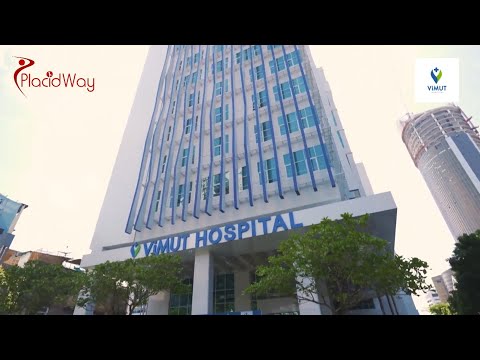
Unlike the West where dentists often work in small, standalone clinics, Bangkok is famous for its "Dental Hospitals." These are multi-story buildings dedicated entirely to dentistry, housing dozens of specialists, on-site labs, and operating theaters under one roof. This scale allows for incredible efficiency and quality control.
Simplicity is key when traveling for medical care. The dental centers we partner with offer comprehensive packages to remove the guesswork. These bundles typically include the 3D CT scan (vital for safety), the titanium implant post, the abutment, and the final porcelain or zirconia crown. Many premium packages also include airport transfers, hotel discounts at partner hotels, and free consultations.
Note: Be aware that standard implants usually require two trips (one for placement, one for the crown) separated by 3-6 months. All-on-4 procedures may be completed in one trip depending on the protocol.
Dental Implants Cost in Thailand
Cost is the primary driver for dental tourism, and Thailand delivers exceptional value. While a single implant with a crown can cost $4,000 - $6,000 in the US or Australia, the same procedure using the same top-tier brands in Thailand typically ranges from **$1,000 to $1,800 USD**. For full mouth restorations like All-on-4, the savings can amount to tens of thousands of dollars, easily covering the cost of a luxury vacation.
Tip: Always ask for a breakdown of costs. Some quotes might list the implant body price separately from the abutment and crown.
Dental Implants Centers Cost Comparison in Thailand
| Provider | Procedure | Price |
|---|---|---|
| Kitcha Dental Clinic | Dental Implants, Dentistry | $1490 |
Dental Implants Cost Comparison in Thailand
| Country | Procedure | Price |
|---|---|---|
| Australia | Dental Implants, Dentistry | $3356 |
| Canada | Dental Implants, Dentistry | $3000 |
| United States | Dental Implants, Dentistry | $3500 |
| United Kingdom | Dental Implants, Dentistry | $2500 |
Top Certified Clinics for Dental Implants in Thailand
We have curated a list of the most reputable dental centers in Thailand, focusing on those accredited by JCI or ISO. These clinics are located in major hubs like Bangkok, Phuket, Chiang Mai, and Pattaya. They are distinguished by their use of advanced sterilization centers (autoclaves), modern digital imaging, and English-speaking staff who are accustomed to serving international patients.
Safety First: Look for clinics that provide a "Certificate of Authenticity" for your implants, which you can use for maintenance back home.
Kitcha Dental Clinic
Chiang Mai, Thailand
Digital Dental Center Pattaya
Pattaya, Thailand
Video about Thai Dentists
Seeing is believing. The video testimonials below feature real patients—many from Australia, the UK, and the USA—who traveled to Thailand for dental work. They share their honest experiences regarding pain levels, the cleanliness of the clinics, communication with dentists, and the life-changing impact of their new smiles. These stories are a great resource for setting realistic expectations.
Insight: Many patients highlight the "gentle touch" of Thai dentists as a major positive factor in their experience.
Dental Care in Thailand Reviews
Verified reviews are the cornerstone of trust. We have gathered feedback from patients who have completed their implant journeys in Thailand. These reviews consistently praise the efficiency of the process, the aesthetic quality of the final crowns, and the significant cost savings. Reading these reviews helps identify clinics that go the extra mile in patient care and after-service support.
Review Tip: Look for reviews from patients who had their procedure 6+ months ago to understand the long-term durability of the work.

FAQ for Dental Implants Clinics in Thailand
How Much Does Dental Implants Cost in Bangkok, Thailand?
A Comprehensive Guide to Dental Implants in Bangkok, Thailand Bangkok, Thailand, is renowned for its vibrant culture, stunning temples, and delicious cuisine. But did you know it's also a leading destination for dental tourism? With top-notch facilities, experienced dentists, and affordable prices, Bangkok offers a fantastic opportunity to achieve the smile you've always dreamed of. This comprehensive guide will walk you through everything you need to know about getting dental implants in Bangkok. Cost of Dental Implants in Bangkok, Thailand While the cost of dental implants in Bangkok, Thailand varies depending on several factors, such as the type of implant, the number of teeth being replaced, and the complexity of the case, here's a general idea of the price range in Bangkok: Procedure Estimated Cost (USD) Single Tooth Implant $1,000 - $2,500 All-on-4 Implants (Full Arch) $8,000 - $15,000 Bone Grafting (if needed) $500 - $1,500 Sinus Lift (if needed) $1,000 - $2,500 Note: These prices are approximate and can vary between clinics. It's always best to get a personalized quote from the clinic you choose. Why Choose Bangkok for Dental Implants? Bangkok has emerged as a global hub for dental care, attracting patients from all over the world. Here's why: Highly Skilled Dentists: Bangkok boasts a large number of highly skilled and experienced dentists, many of whom have trained internationally and stay updated with the latest advancements in implant dentistry. State-of-the-Art Facilities: Dental clinics in Bangkok are equipped with cutting-edge technology and adhere to strict international standards for hygiene and safety. Cost-Effectiveness: The cost of dental implants in Bangkok is significantly lower compared to countries like the US, UK, or Australia, even when factoring in travel expenses. Tourism Opportunities: Combine your dental treatment with a memorable vacation. Explore Bangkok's rich culture, indulge in its culinary delights, and enjoy its vibrant nightlife. Understanding Dental Implants Before we dive into the specifics of getting implants in Bangkok, let's understand what dental implants are. A dental implant is essentially a small, sturdy post, usually made of titanium, that acts as an artificial tooth root. It's surgically placed into your jawbone, where it fuses with the bone through a process called osseointegration. This provides a stable foundation for a replacement tooth, a bridge, or a denture. Types of Dental Implants in Bangkok, Thailand Bangkok's dental clinics offer a variety of implant options to suit different needs and budgets. Some of the common types include: Endosteal Implants: These are the most common type and are placed directly into the jawbone. They are suitable for most patients with good jawbone health. Subperiosteal Implants: These are placed on top of the jawbone but beneath the gum tissue. They are an option for patients with insufficient bone height. Zygomatic Implants: These are longer implants anchored in the cheekbone. They are used in cases of severe bone loss in the upper jaw. Mini Implants: These are smaller in diameter than traditional implants and are often used to stabilize dentures. The Dental Implant Procedure in Bangkok, Thailand Getting dental implants is typically a multi-stage process. Here's a general overview of what you can expect: Initial Consultation: Your journey begins with a consultation with a dentist in Bangkok. They will thoroughly examine your mouth, take X-rays, and discuss your medical history. This helps them determine if you're a suitable candidate for implants and create a personalized treatment plan. Implant Placement: In this surgical procedure, the implant post is placed into your jawbone. You'll receive local anesthesia to ensure your comfort. Osseointegration Period: After implant placement, there's a healing period of several months to allow the implant to fuse with the jawbone. Abutment Placement: Once osseointegration is complete, a small connector called an abutment is attached to the implant. This will hold the replacement tooth or teeth. Placement of the Crown or Prosthesis: Finally, a custom-made crown, bridge, or denture is attached to the abutment, completing your new smile. Choosing a Dental Clinic in Bangkok, Thailand With numerous dental clinics in Bangkok, selecting the right one can seem overwhelming. Here are some factors to consider: Bangkok International Dental Hospital (BIDH) BFC Dental The Ivory Dental Clinic Dentist's Qualifications and Experience: Look for clinics with dentists who have extensive experience in implant dentistry and relevant certifications. Clinic Reputation and Reviews: Read online reviews and testimonials from previous patients to get an idea of the clinic's reputation and patient satisfaction levels. Technology and Facilities: Ensure the clinic uses modern technology and maintains high standards of hygiene. Communication and Language: Choose a clinic with staff who can communicate effectively in English or your preferred language. Cost and Payment Options: Get a clear understanding of the total cost, including any additional fees, and inquire about payment plans or financing options. Benefits of Dental Implants Dental implants offer numerous advantages over other tooth replacement options: Improved Appearance: Implants look and feel like natural teeth, restoring your smile and confidence. Enhanced Speech: Missing teeth can affect your speech. Implants help you speak clearly and naturally. Increased Comfort: Implants are securely anchored in your jawbone, eliminating the discomfort and slippage associated with dentures. Improved Oral Health: Implants don't require reducing adjacent teeth, as bridges do, preserving your natural tooth structure. Durability: With proper care, implants can last a lifetime, making them a long-term investment in your oral health. Preparing for Your Trip to Bangkok, Thailand Once you've decided to get dental implants in Bangkok, here are some things to consider: Visa Requirements: Check the visa requirements for Thailand based on your nationality. Travel Arrangements: Book your flights and accommodation well in advance, especially during peak tourist season. Travel Insurance: Ensure you have comprehensive travel insurance that covers medical expenses and trip cancellations. Communication: Download a translation app or learn some basic Thai phrases to help you communicate. Currency Exchange: Familiarize yourself with the current exchange rates and exchange your currency upon arrival. FAQs about Dental Implants in Bangkok, Thailand 1. Is it safe to get dental implants in Bangkok? Yes, Bangkok has many reputable dental clinics that adhere to international standards for hygiene and safety. Make sure to choose a clinic with experienced dentists and positive patient reviews. 2. How long will I need to stay in Bangkok for the entire implant procedure? The total duration depends on your individual treatment plan. You'll typically need to make at least two visits: one for the implant placement and another for the abutment and crown placement. Each visit may require a stay of several days to a week. 3. Is the recovery process painful? You may experience some discomfort and swelling after the implant surgery, but this is usually manageable with over-the-counter pain medication. Your dentist will provide you with detailed post-operative instructions. 4. Are there any age restrictions for getting dental implants? Generally, dental implants are suitable for adults once their jawbone has fully developed. However, there's no upper age limit, as long as you're in good overall health. 5. What are the potential risks or complications of dental implants? While dental implants are generally safe and successful, potential complications include infection, implant failure, nerve damage, and sinus problems. Choosing an experienced dentist and following proper aftercare instructions can minimize these risks. 6. How do I maintain my dental implants? Maintaining dental implants is similar to caring for your natural teeth. Brush twice a day, floss daily, and visit your dentist for regular checkups and cleanings. Ready to Transform Your Smile? Let PlacidWay Help You! Getting dental implants in Bangkok, Thailand can be a life-changing decision, restoring your confidence and improving your oral health. If you're ready to explore your options, PlacidWay can connect you with top-rated dental clinics in Bangkok and guide you through the entire process. Contact us today for a free consultation and take the first step towards your dream smile!
Is Thailand a Good Place to Get Dental Implants?
Thailand has become a popular destination for dental implants due to its affordability and the presence of high-quality, internationally accredited clinics. Many patients find it a good option, offering significant cost savings compared to Western countries. Thailand has built a strong reputation in the medical and dental tourism sector, largely due to its blend of competitive pricing and often high-quality services. For individuals seeking affordable dental implant solutions without compromising on standards, Thailand presents a compelling choice. This article aims to provide a balanced view, addressing common concerns and highlighting the benefits of choosing Thailand for your dental implant needs. What are the main reasons people choose Thailand for dental implants? People primarily choose Thailand for dental implants due to significantly lower costs, high-quality clinics with internationally trained dentists, and the opportunity to combine treatment with a vacation. Cost Savings: This is often the most significant factor. Dental implant procedures in Thailand can be substantially more affordable than in Western countries like the United States, United Kingdom, Australia, or Canada. These savings can range from 50% to 75%, even after factoring in travel and accommodation expenses. High-Quality Facilities and Expertise: Many dental clinics in major Thai cities like Bangkok and Chiang Mai are state-of-the-art, equipped with advanced technology similar to what you'd find in top Western clinics. Many Thai dentists specializing in dental implants have received international training and hold certifications from global organizations, ensuring a high level of expertise. Medical Tourism Appeal: Thailand's well-established tourism industry makes it an attractive destination for combining dental treatment with a holiday. Patients can recover in a beautiful setting, explore new cultures, and enjoy a relaxing vacation, which adds significant value to their overall experience. How much do dental implants cost in Thailand compared to Western countries? A single dental implant in Thailand typically costs between $800 and $2,500, offering savings of up to 75% compared to Western countries where prices can range from $3,000 to $6,000 or more per implant. For a single dental implant (including the implant, abutment, and crown), you can expect to pay roughly $800 to $2,500 in Thailand. In contrast, the same procedure in countries like the United States can cost anywhere from $3,000 to $6,000 or even higher. For more complex procedures like All-on-4 dental implants (full arch restoration), the savings are even more substantial. In Thailand, All-on-4 can range from $8,000 to $12,000 per arch, whereas in Western countries, this could easily exceed $25,000 to $35,000. This cost difference is primarily due to lower operational costs, including labor, real estate, and overhead, as well as a competitive dental tourism market that encourages clinics to offer competitive pricing. Despite the lower price, many clinics maintain high standards by using internationally recognized implant brands and advanced technology. Are dental clinics in Thailand for implants of high quality and safety? Many dental clinics in Thailand are of high quality, with numerous facilities being internationally accredited (JCI, ISO) and equipped with cutting-edge technology. They prioritize patient safety and adhere to strict sterilization protocols. It's important to understand that while quality can vary, many clinics operate at international standards. Accreditations and Certifications: A significant number of leading Thai dental clinics hold international accreditations, such as Joint Commission International (JCI) or ISO 9001. These accreditations signify that the clinics meet rigorous global standards for patient care, safety, and quality management. Always look for clinics with these certifications. Advanced Technology: Reputable clinics invest in state-of-the-art dental technology, including 3D CT scans, digital X-rays, CAD/CAM (Computer-Aided Design/Computer-Aided Manufacturing) systems for precise crown fabrication, and even AI-guided implant surgery. This technology enhances the accuracy and success rates of dental implant procedures. Sterilization and Hygiene: High-quality clinics adhere to strict sterilization and infection control protocols, using modern autoclaves and disposable instruments to prevent cross-contamination. Patients should inquire about these procedures during their initial communication. Dentist Qualifications: Many implantologists in Thailand have pursued advanced training and degrees from renowned universities in the USA, UK, Europe, and Australia. They are often members of international dental associations, demonstrating their commitment to professional development and global best practices. It is crucial to research and choose a clinic with a strong track record, positive patient reviews, and transparent information about their accreditations and the qualifications of their dental team. What types of dental implants are available in Thailand? Thailand offers a full range of dental implant options, including single-tooth implants, multi-tooth implants, All-on-4, All-on-6, mini-implants, and implant-supported dentures, utilizing internationally recognized brands. Thai dental clinics provide a comprehensive array of dental implant solutions to address various needs, from replacing a single missing tooth to full mouth rehabilitation. Single-Tooth Implants: This is the most common type, used to replace an individual missing tooth without affecting adjacent teeth. Multi-Tooth Implants: For several missing teeth in a row, a dental bridge can be supported by two or more dental implants. All-on-4 Dental Implants: This technique involves placing four dental implants in a specific way to support a full arch of prosthetic teeth (either upper or lower jaw). It's a popular option for patients with significant tooth loss or those looking to replace traditional dentures. All-on-6 Dental Implants: Similar to All-on-4, but utilizing six implants per arch for increased stability, often recommended for specific bone conditions. Mini Implants: Smaller in diameter, these are sometimes used for denture stabilization or in cases where bone density is limited. Implant-Supported Dentures: These combine the stability of implants with the convenience of removable dentures, offering a more secure fit than traditional dentures. How long does the dental implant procedure take in Thailand? A dental implant procedure in Thailand typically spans two trips: an initial visit of 3-7 days for implant placement, followed by a healing period of 3-6 months, and a second visit of 5-10 days for crown attachment. The timeline for a dental implant procedure in Thailand generally follows the same multi-stage process as anywhere else in the world, requiring two separate trips in most cases. First Trip (Implant Placement): This initial visit typically lasts between 3 to 7 days. During this trip, the initial consultation, diagnostics (X-rays, CT scans), treatment planning, and the surgical placement of the dental implant post into the jawbone are performed. Healing Period (Osseointegration): After the implant is placed, a crucial healing period of 3 to 6 months is required. During this time, the implant fuses with the jawbone in a process called osseointegration. This period is essential for the long-term stability and success of the dental implant. Second Trip (Crown Placement): Once osseointegration is complete, you will return for the second trip, which usually lasts 5 to 10 days. During this visit, the abutment is attached to the implant, and the custom-made crown (or bridge/denture) is placed, completing the dental implant procedure. Some clinics may offer "immediate load" or "same-day implants" for suitable candidates, where a temporary crown can be placed shortly after implant surgery. However, the final, permanent restoration typically still requires a healing period. What should I expect during the dental implant consultation in Thailand? During a dental implant consultation in Thailand, you can expect a comprehensive oral examination, digital X-rays and/or 3D CT scans, a discussion of your medical history, and a detailed explanation of the proposed treatment plan, including costs and timeline. Comprehensive Examination: The dentist will perform a detailed examination of your oral health, assessing your teeth, gums, and overall mouth condition. Diagnostic Imaging: This typically includes panoramic X-rays and often a 3D Cone Beam Computed Tomography (CBCT) scan. These images provide a precise view of your jawbone structure, nerve pathways, and sinus cavities, which are vital for accurate dental implant placement. Medical History Review: You'll be asked about your general health, medications, and any pre-existing conditions that could affect the implant success (e.g., diabetes, smoking). Treatment Plan Discussion: Based on the examination and scans, the implantologist will discuss the most suitable dental implant options for your case. They will explain the procedure steps, the type of implant and crown materials, the estimated timeline, and the total cost. This is your opportunity to ask any questions you have. Expectation Setting: The dentist will also discuss realistic outcomes and potential risks, ensuring you have a clear understanding of the entire process. Many clinics offer initial online consultations or provide options to send your existing X-rays for a preliminary assessment before you travel. What are the potential risks and complications of dental implants in Thailand? Potential risks of dental implants in Thailand, as with any surgery, include infection, nerve damage, sinus issues, or implant failure (osseointegration failure). These risks are minimal in reputable clinics following international standards. While dental implant procedures have high success rates, like any surgical intervention, there are potential risks and complications. Infection: Infection at the implant site is a rare but possible complication. Reputable clinics in Thailand maintain strict hygiene standards to minimize this risk. Following post-operative care instructions is crucial for prevention. Implant Failure (Lack of Osseointegration): In some cases, the dental implant may not properly fuse with the jawbone. This can be due to insufficient bone quality, infection, or excessive pressure on the implant during healing. Nerve Damage: Though rare, there's a slight risk of nerve damage if the implant is placed too close to a nerve, potentially causing numbness, tingling, or pain. Accurate 3D imaging helps to prevent this. Sinus Issues: For dental implants placed in the upper jaw, there's a risk of the implant protruding into the sinus cavity, which can lead to sinus problems. A sinus lift procedure can often mitigate this risk. Peri-implantitis: This is a condition similar to gum disease that affects the tissues around the implant, potentially leading to bone loss and implant failure if not treated. Good oral hygiene is key to preventing this. Choosing a highly experienced implantologist and a reputable clinic significantly reduces these risks. Discussing these potential complications with your dentist and understanding their protocols for managing them is important. Do Thai dental clinics use internationally recognized implant brands? Yes, leading dental clinics in Thailand commonly use internationally recognized and FDA-approved dental implant brands like Straumann, Nobel Biocare, BioHorizons, Dentium, and MegaGen, ensuring quality and compatibility for future care. One of the key indicators of quality in dental implant treatment is the brand of implants used.Reputable dental clinics in Thailand understand this and predominantly utilize well-established, globally recognized implant systems. These brands are known for their extensive research, high success rates, and the availability of components worldwide. This means that if you require follow-up care or a replacement part for your dental implant in your home country, there's a higher likelihood that local dentists will be familiar with the system and have access to the necessary components. Before committing to treatment, always ask the clinic about the specific dental implant brands they use and research those brands to ensure they are reputable and have a proven track record. This transparency is a good sign of a trustworthy clinic. What is the success rate of dental implants in Thailand? The success rate of dental implants in reputable Thai clinics is comparable to international standards, typically ranging from 95% to 98%, depending on factors like implant location, patient health, and clinician expertise. The success rate of dental implants in Thailand, particularly in well-regarded clinics, is generally very high and on par with global averages. Overall Success: For most patients, dental implants have a success rate of 95-98%. This means the implant successfully integrates with the bone and functions effectively for many years. Factors Influencing Success: Patient Health: General health, absence of chronic diseases (like uncontrolled diabetes), and non-smoking status significantly contribute to success. Bone Quality and Quantity: Adequate jawbone density is crucial for successful osseointegration. Bone grafting procedures can address deficiencies. Oral Hygiene: Maintaining excellent oral hygiene after the procedure is vital for long-term implant health. Dentist's Expertise: The experience and skill of the implantologist play a significant role in successful placement and outcome. Implant Brand and Quality: Using reputable, high-quality dental implant systems also contributes to higher success rates. When researching clinics, look for those that are transparent about their success rates and willing to provide information on their patient outcomes. Are there language barriers when getting dental implants in Thailand? In leading dental clinics catering to international patients in Thailand, language barriers are minimal as many dentists and staff are fluent in English, and some clinics even provide translators for other languages. English Proficiency: Most reputable dental clinics in major tourist hubs like Bangkok, Phuket, and Chiang Mai specifically cater to international patients. Therefore, their dentists, dental assistants, and administrative staff are often fluent in English. Translators: Some larger clinics and dental hospitals may also have dedicated translators for other common languages, ensuring that patients feel comfortable and fully understand their treatment plan and aftercare instructions. Importance of Clear Communication: While language proficiency is generally high, it's always advisable to ensure you feel completely understood and can ask questions freely. Good communication builds trust and helps prevent misunderstandings, which is crucial for a successful dental implant journey. If you have concerns about language, you can always inquire about the clinic's language support services before your visit. What kind of aftercare and follow-up should I expect for dental implants in Thailand? After dental implant placement in Thailand, you'll receive detailed oral hygiene instructions, pain medication, and a temporary restoration. Follow-up usually involves a final check-up before departure and a comprehensive treatment report for your local dentist to manage long-term care. Immediate Post-Operative Care: After dental implant surgery, you will receive clear instructions on managing swelling, pain, and bleeding. This usually includes prescriptions for antibiotics and pain relievers. You'll also be advised on soft food diets and oral hygiene practices during the initial healing phase. Temporary Restorations: If immediate loading isn't possible, a temporary prosthesis might be placed for aesthetic purposes while the implant integrates with the bone. Final Check-up before Departure: Before you leave Thailand after your final crown placement, the clinic will typically conduct a thorough final check-up to ensure everything is in order and address any immediate concerns. Treatment Reports for Home Dentist: Reputable clinics provide comprehensive dental records, including X-rays, treatment notes, and details about the specific dental implant system used. This documentation is invaluable for your local dentist to provide ongoing care, routine check-ups, and address any future concerns. Remote Communication: Some clinics may offer channels for remote communication if you have questions or concerns after returning home. However, it's important to understand that significant complications might necessitate a return visit. It's advisable to have a local dentist aware of your treatment plan in Thailand, who can oversee your long-term dental implant care. Can I combine dental implant treatment with a vacation in Thailand? Yes, combining dental implant treatment with a vacation in Thailand is a popular trend, allowing patients to enjoy significant cost savings on dental work while experiencing the country's culture, beaches, and attractions during recovery periods. Strategic Planning: The multi-stage nature of dental implants allows for strategic planning. You can schedule your first trip for the implant placement, then enjoy some relaxation or explore parts of Thailand during the initial recovery period (usually a few days). Recovery and Relaxation: The healing period between stages provides ample opportunity for travel and leisure. Many patients find that the beautiful scenery and relaxed atmosphere aid in their recovery. Cost-Effective Combination: Even with travel and accommodation expenses, the overall cost of getting dental implants in Thailand combined with a vacation often remains significantly lower than the cost of the procedure alone in Western countries. Popular Destinations: Cities like Bangkok offer world-class medical facilities alongside vibrant city life, while destinations like Phuket and Chiang Mai provide a more relaxed environment, perfect for recovery and exploration. It's recommended to schedule more intensive parts of your treatment at the beginning of your trips, leaving time for relaxation and sightseeing as you recover. What factors should I consider when choosing a dental clinic for implants in Thailand? When choosing a dental clinic for implants in Thailand, consider the dentist's qualifications and experience, clinic accreditations (JCI, ISO), patient reviews, technology used, implant brands offered, transparency in pricing, and communication accessibility. Dentist's Qualifications and Experience: Look for implantologists with specialized training in oral surgery or prosthodontics. Inquire about their experience specifically with dental implant procedures and their success rates. Many top Thai dentists have international training and affiliations. Clinic Accreditations: Prioritize clinics with international accreditations like JCI (Joint Commission International) or ISO 9001. These indicate adherence to global quality and safety standards. Check for local accreditations from the Thai Ministry of Public Health. Patient Reviews and Testimonials: Read reviews on independent platforms, medical tourism websites, and social media. Look for consistent positive feedback regarding results, patient care, and communication. Be wary of clinics with only a few, overly generic, or excessively negative reviews. Technology and Equipment: Ensure the clinic uses modern diagnostic tools (3D CT scans, digital X-rays) and surgical equipment. Check if they utilize CAD/CAM technology for precise crown fabrication. Implant Brands Used: Verify that they use internationally recognized and reputable dental implant brands (e.g., Straumann, Nobel Biocare). Ensure they can provide documentation for the implants used. Transparency in Pricing: Obtain a detailed, itemized quote that includes all costs: consultation, diagnostics, implant placement, abutment, crown, and any necessary preparatory procedures (e.g., bone grafting). Be cautious of unusually low prices that might indicate hidden costs or lower quality materials. Communication: Assess their responsiveness to inquiries. Confirm that dentists and staff speak English proficiently or that translation services are available. Aftercare and Warranty: Understand their post-operative care instructions and what kind of support they offer after you return home. Inquire about any warranties on the dental implants or prosthetics. Taking the time to thoroughly research these factors will help you choose a reliable and high-quality dental clinic in Thailand for your implants. Are bone grafting procedures available in Thailand for dental implants? Yes, bone grafting procedures are readily available in Thailand's leading dental clinics. Many patients require grafting to ensure sufficient bone volume for stable dental implant placement, and skilled Thai oral surgeons regularly perform these supplementary procedures. For many patients considering dental implants, insufficient jawbone density can be a barrier.Fortunately, bone grafting procedures are a common and effective solution, widely available in reputable dental clinics across Thailand. Necessity for Bone Grafting: If you've had missing teeth for a long time, suffered from gum disease, or experienced trauma, your jawbone may have atrophied (shrunk). A dental implant needs a stable and sufficient amount of bone to integrate properly. Types of Bone Grafts: Thai clinics offer various bone grafting techniques, including: Sinus Lift: For the upper jaw, where the sinus cavity might be too close to the implant site. Ridge Augmentation: To increase the width or height of the jawbone ridge. Socket Preservation: To prevent bone loss after a tooth extraction. They use different types of bone graft materials, including autogenous bone (from your own body), allografts (from a human donor), xenografts (from animal sources), and alloplasts (synthetic materials). Procedure and Timeline: Bone grafting is usually performed as a separate procedure before dental implant placement. It requires a healing period, typically several months, to allow the grafted bone to integrate and create a strong foundation for the implant. Your implantologist in Thailand will assess your bone structure using 3D CT scans and recommend if a bone graft is necessary as part of your comprehensive dental implant treatment plan. What is the typical warranty or guarantee on dental implants in Thailand? Many reputable dental clinics in Thailand offer warranties on dental implants, typically ranging from 5 years to a lifetime for the implant fixture itself, and usually 1-3 years for the dental crown or prosthetic, depending on the clinic and materials. Warranties and guarantees provide an extra layer of assurance for patients undergoing dental implant treatment, especially when traveling abroad. Implant Fixture Warranty: Most high-quality clinics in Thailand offer a warranty on the dental implant fixture itself, often ranging from 5 years to a lifetime. This typically covers the replacement of the implant if it fails to integrate or breaks due to a manufacturing defect. Prosthetic (Crown/Bridge) Warranty: The warranty for the dental crown, bridge, or denture attached to the implant is usually shorter, typically 1 to 3 years. This covers issues like chipping, cracking, or detachment. Conditions and Exclusions: It's essential to thoroughly understand the terms and conditions of any warranty. Common exclusions might include: Damage due to trauma or accident. Failure to follow post-operative care instructions. Poor oral hygiene. Smoking. Failure to attend recommended follow-up appointments. Claiming a Warranty: Understand the process for claiming a warranty, especially if you're back in your home country. Reputable clinics will have clear procedures for this. Always ask for written details of the warranty and read them carefully before commencing treatment. This transparency is a hallmark of a trustworthy dental implant clinic. How can I verify the credentials of a dentist in Thailand for dental implants? To verify a Thai dentist's credentials for dental implants, check their clinic's website for qualifications and international training, look for memberships in professional organizations (e.g., ICOI), and ask the clinic directly for proof of their specialist certifications. Clinic Websites: Reputable clinics will prominently display the qualifications, specializations, and experience of their dental team on their websites. Look for information on their educational background, years of experience, and areas of focus (e.g., oral surgery, prosthodontics). International Training and Certifications: Many top Thai dentists have received training and certifications from universities or professional bodies in Western countries. Look for mentions of degrees or fellowships from institutions in the USA, UK, Europe, or Australia. Professional Memberships: Check if the dentist is a member of recognized international or national dental organizations, such as the International Congress of Oral Implantologists (ICOI), American Academy of Implant Dentistry (AAID), or the Thai Dental Council. Direct Inquiry: Don't hesitate to directly ask the clinic for proof of the dentist's qualifications and specialization. They should be transparent and willing to provide this information. Online Databases: While not always comprehensive for international dentists, some professional organizations may have online directories where you can verify membership. Thorough due diligence in checking credentials will help build your confidence in the dental implant provider you choose. Is dental implant tourism to Thailand regulated? Dental tourism in Thailand is regulated by the Thai Ministry of Public Health, with many leading clinics also seeking international accreditations like JCI or ISO to demonstrate adherence to global healthcare standards and enhance patient trust. Thai Ministry of Public Health: All medical and dental facilities in Thailand fall under the oversight of the Thai Ministry of Public Health. This body sets national standards for healthcare providers and facilities. International Accreditations: Beyond national regulations, many of Thailand's leading dental clinics actively pursue and maintain international accreditations. Joint Commission International (JCI): This is a globally recognized standard for healthcare quality and patient safety. JCI accreditation signifies that a facility meets stringent international benchmarks. ISO Certification (e.g., ISO 9001): These certifications indicate that a clinic has a robust quality management system in place, covering everything from patient care to operational procedures. Self-Regulation and Best Practices: The competitive nature of the medical tourism market also encourages clinics to adopt best practices, invest in technology, and prioritize patient satisfaction to attract and retain international clients. While national regulations provide a baseline, seeking out clinics with international accreditations offers an additional layer of assurance regarding quality and safety standards for your dental implant treatment. What happens if there are complications with dental implants after returning home? If dental implant complications arise after returning home, first contact your Thai clinic immediately. They may offer guidance or require you to return for follow-up under warranty. It's also advisable to have a local dentist aware of your treatment to manage any immediate concerns. Immediate Contact with Thai Clinic: Your first step should be to contact the Thai dental clinic where you received your dental implants. Most reputable clinics have dedicated international patient coordinators or communication channels for post-treatment inquiries. Warranty Coverage: If the complication falls under the clinic's warranty (e.g., implant failure, prosthetic issue), they will typically guide you on the next steps. This may involve providing instructions for local dentists or, in some cases, requiring you to return to Thailand for corrective treatment (often with some costs covered under the warranty, though travel expenses might not be). Consulting a Local Dentist: It's highly recommended to have a local dentist in your home country who is aware of your dental implant treatment history. They can assess the situation, provide immediate care if necessary, and communicate with your Thai clinic if needed. Documentation: Ensure you receive comprehensive medical records from your Thai clinic, including X-rays, treatment plans, and details of the dental implant system and components used. This documentation is vital for any local dentist who might need to provide follow-up care. Travel Insurance: Consider obtaining travel insurance that includes medical coverage for dental complications when traveling for treatment. While the vast majority of dental implant cases in reputable Thai clinics are successful, being prepared for potential complications is part of responsible medical tourism planning. Are there any hidden costs associated with dental implants in Thailand? Reputable Thai clinics are transparent about dental implant costs, providing all-inclusive quotes. However, potential hidden costs might include additional procedures like bone grafting, medications, temporary restorations, travel expenses, accommodation, or unforeseen complications not covered by the initial quote. All-Inclusive Quotes: Many leading clinics offer all-inclusive packages that aim to cover all aspects of the dental implant procedure, including: Initial consultation and diagnostics (X-rays, CT scans). Dental implant surgery (placement of the post). Abutment and crown. Follow-up appointments during your stay. Potential Additional Costs (often necessary but sometimes not included in base price): Bone Grafting or Sinus Lifts: If required due to insufficient bone, these are separate procedures with additional costs. Tooth Extractions: If a tooth needs to be removed before implant placement. Temporary Restorations: While waiting for the final crown. Medications: Painkillers, antibiotics, etc., for post-operative care. Travel and Accommodation: Flights, hotels, local transportation, and daily living expenses. Unforeseen Complications: While rare, any complications requiring extensive additional treatment might incur extra costs if not covered by a warranty. Getting a Detailed Quote: Always request a detailed, itemized quote from the clinic before you travel. Clarify what is and isn't included. Ask about any potential additional procedures that might be needed based on your initial assessment. Transparency in pricing is a hallmark of a reliable clinic, ensuring you have a clear financial picture for your dental implant journey. How do I prepare for a dental implant trip to Thailand? To prepare for a dental implant trip to Thailand, research and select a reputable clinic, get a detailed quote, arrange flights and accommodation, ensure your passport is valid, inform your bank of travel plans, and pack essentials like comfortable clothing and any necessary medications. Research and Choose a Clinic: Thoroughly research clinics, check accreditations, dentist qualifications, and patient reviews. Establish clear communication with your chosen clinic. Get a Detailed Treatment Plan and Quote: Ensure you have a comprehensive understanding of the proposed dental implant treatment, including all steps, the timeline, and a transparent, itemized cost breakdown. Passport and Visa: Ensure your passport is valid for at least six months beyond your intended stay. Check Thailand's visa requirements for your nationality. Flights and Accommodation: Book your flights and accommodation well in advance, especially if traveling during peak season. Consider hotels near your chosen clinic for convenience. Financial Planning: Inform your bank about your travel dates to avoid any issues with card usage abroad. Have a budget that includes treatment costs, travel, accommodation, food, and sightseeing. Medical Information: Gather your relevant medical history, including any existing dental records or X-rays, to provide to the Thai dentist. Packing Essentials: Pack light, comfortable clothing, any prescription medications you regularly take, and a good travel adapter. Communication Plan: Ensure you have an international roaming plan or a local SIM card plan for easy communication. Travel Insurance: Consider comprehensive travel insurance that includes medical coverage for dental treatment abroad and any unforeseen circumstances. Inform Your Local Dentist: Let your local dentist know about your plans to get dental implants in Thailand, as they may be involved in post-operative care upon your return. By planning meticulously, you can minimize stress and focus on your dental implant treatment and enjoy your time in Thailand. Ready to explore your options for dental implants in Thailand? Visit PlacidWay to connect with top-tier clinics and experienced professionals, and begin your journey toward a restored smile with confidence and peace of mind.
What I Wish I Knew Before Dental Implants in Thailand?
Before getting dental implants in Thailand, patients wish they had better understood the full two-trip timeline required for proper healing, researched specific dentist credentials beyond the clinic's reputation, and clarified the exact implant brand and warranty details upfront. Getting dental implants in Thailand is a popular choice, offering high-quality care and huge cost savings in a world-class setting. Its internationally accredited hospitals and skilled dentists, particularly in Bangkok and Phuket, provide a premier experience. . However, a successful trip requires more than just booking a flight. Many patients later wish they had better understood the practical realities beyond the low price, such as the mandatory two-trip timeline for proper healing and how to vet a dentist's specific qualifications. This guide uses the experiences of past patients to cover the critical details you need to know, from implant brands to recovery planning. Our goal is to provide the insider knowledge needed for a safe, successful, and affordable trip. How much can I realistically save on dental implants in Thailand? "You can realistically save 50-70% on the cost of dental implants in Thailand. A single implant that might cost $4,000-$6,000 in Australia or the U.S. typically costs between $1,200 and $2,500 in Thailand. For full-mouth restorations like All-on-4, savings can exceed $10,000-$15,000." Here's a simple breakdown of why dental care in Thailand is so affordable: The Reason for Savings: Lower operating costs for clinics (rent, salaries, utilities) in Thailand directly translate to lower prices for patients. Quality Is Not Sacrificed: At reputable, internationally recognized clinics, these savings do not come from using inferior materials or older technology. The Patient Benefit: This makes advanced treatments, like full-mouth reconstructions, a viable option for many who couldn't afford them back home. What are the potential extra costs to budget for? "The most common extra costs are for procedures diagnosed after an in-person examination, which are not in the initial quote. These include bone grafts (approx. $400-$1,000), sinus lifts (approx. $800-$2,000), and tooth extractions ($50-$150 per tooth). Your 3D CT scan may also be a separate fee." A frequent surprise for dental tourists is that the initial quote often excludes necessary prep work. It's common for an in-person 3D scan to reveal that your jawbone is too thin to support an implant, requiring an additional, costly procedure like a bone graft or sinus lift. Many patients wish they had asked for a "worst-case scenario" quote upfront to budget for these common possibilities. Additional Procedure Estimated Cost in Thailand (USD) Reason It Might Be Needed Bone Graft $400 - $1,000 Insufficient jawbone density to secure the implant. Sinus Lift $800 - $2,000 Needed for upper jaw implants when the sinus cavity is too close to the jaw. 3D Cone Beam CT Scan $150 - $400 Essential for precise surgical planning; sometimes billed separately. Tooth Extraction $50 - $150 Removing a failing or damaged tooth before implant placement. How do I verify a Thai dentist's qualifications? "To verify a dentist's qualifications in Thailand, ask for their credentials and look for postgraduate degrees in Implantology or Prosthodontics, especially from universities in the U.S., UK, or Germany. Check if they are a member of the Thai Dental Council and international bodies like the International Congress of Oral Implantologists (ICOI)." Many patients wish they had vetted their specific surgeon more carefully. Here is a checklist to use: Look for a Specialist: Ensure they are a trained implantologist or prosthodontist, not a general dentist. Verify Advanced Training: Check for postgraduate degrees from reputable universities abroad (e.g., U.S., UK, Germany), as this indicates adherence to the highest global standards. Ask About Experience: Inquire about the number of implant procedures they perform annually. Request a Portfolio: Ask to see before-and-after photos of cases that are similar to yours. What does JCI accreditation really mean? "JCI (Joint Commission International) accreditation means a hospital or clinic has met rigorous international standards for patient safety and quality of care, comparable to those in the United States. Choosing a JCI-accredited facility in Thailand ensures strict hygiene protocols and a high standard of clinical practice." This is a detail many people see but don't fully understand. JCI is a U.S.-based organization that is recognized as a global leader in healthcare accreditation. For a Thai dental hospital to achieve this status, they must pass a comprehensive evaluation of their procedures, from sterilization and infection control to staff qualifications and patient rights. Many patients wish they had made JCI accreditation a non-negotiable requirement. This accreditation is a powerful assurance that the clinic meets rigorous international standards for safety and quality, equivalent to top hospitals in your home country. It's one of the most reliable indicators of a facility's commitment to excellence. Is the implant timeline really two separate trips? "Yes, for almost all traditional dental implant cases, two separate trips to Thailand are required, spaced 3 to 6 months apart. The first trip (5-7 days) is for the surgery, and the second trip (7-14 days) is for fitting the permanent crown after the jaw has healed. Be wary of single-trip promises for permanent teeth." Don't be misled by "teeth in a day." The success of a permanent implant depends on osseointegration, the months-long process where your jawbone fuses to the implant post. This step is vital for creating a strong foundation and cannot be rushed. This biological process cannot be rushed and is the key to an implant's longevity. Rushing this phase is a major cause of implant failure. Therefore, the standard, medically-sound protocol involves two trips: Trip 1: Surgery. The implant post is surgically placed in your jaw. Healing Period: You return home for 3-6 months for osseointegration to occur. Trip 2: Restoration. The permanent crown is created and fitted onto the now-stable implant. Understanding and planning for this two-stage process is essential for a successful outcome. What are the best implant brands to ask for? "The best and most reputable dental implant brands, which are widely available in top Thai clinics, include Straumann and Nobel Biocare. These are considered the 'gold standard' globally due to extensive research and high success rates. Insisting on a major brand ensures quality and future compatibility." Don't overlook the brand of your dental implant. Here's why it's a question you must ask: It's a Permanent Medical Device: The quality of the implant directly impacts your long-term health and the procedure's success. Research Matters: Top-tier brands have decades of clinical research and data proving their longevity. Know the Leaders: Ask your clinic if they use world-leading, highly researched brands like Straumann or Nobel Biocare. Choosing a top-tier brand ensures you are receiving a product with a proven track record of success and longevity. Furthermore, if you ever need maintenance or a new crown years later, any dentist in your home country will be able to easily identify and work with components from these major manufacturers. This can be very difficult with a lesser-known or regional brand. What is aftercare like when I get back home? "Aftercare requires proactive planning. Before you travel, you should discuss your plans with your local dentist and ask if they are willing to assist with follow-up care. Your Thai clinic should provide a full report, including implant details, for your dentist at home. Also, clarify the terms of the clinic's warranty." A common oversight is planning for aftercare. Since flying back to Bangkok for a minor issue isn't practical, the best approach is to speak with your local dentist before you leave. Ask if they'll assist with follow-ups and make sure your Thai clinic gives you all your implant records. This preparation provides essential peace of mind. Ready to explore your options for world-class dental clinics in Thailand? PlacidWay connects you with pre-vetted, internationally accredited clinics and top-rated dentists. Visit PlacidWay today to get a free quote and plan your dental implant journey with confidence!
Best Implantologists in Thailand
In Thailand, dentistry is highly specialized. You won't see a general dentist for your implant; you will see an Implantologist or Oral Surgeon for the placement, and a Prosthodontist for the crown. This team approach ensures expert care at every step. We have partnered with the most respected specialists in the country.
Western-Trained Implantologists
US & European Board Certifications
Many top Thai dentists have completed postgraduate training or fellowships at prestigious institutions like UCLA, NYU, or universities in Germany. This ensures they are fluent in the latest Western protocols and technologies.
Prosthodontists
Experts in Aesthetic Restoration
While the surgeon places the screw, the Prosthodontist designs the visible tooth. Thai prosthodontists are artists, skilled in creating crowns and bridges that match your natural teeth perfectly in shape and color, ensuring a natural-looking smile.
Oral & Maxillofacial Surgeons
Handling Complex Cases
For patients with severe bone loss or complex medical histories, Oral Surgeons provide the advanced surgical skill required for procedures like sinus lifts, block bone grafting, and zygomatic implants.
Experience Dental Tourism in Thailand - The Land of Smiles
Unbeatable Cost-to-Quality Ratio
The primary draw is the ability to receive world-class care for a fraction of Western prices. The lower cost of living and labor in Thailand allows clinics to offer premium implants at deeply discounted rates without sacrificing quality.
This value proposition is so strong that it often makes financial sense to fly to Thailand even for a single implant.
Sophisticated Tourism Infrastructure
Thailand is one of the most visited countries in the world. Its tourism infrastructure is mature, making travel easy, safe, and enjoyable.
From 5-star hotels and incredible cuisine to pristine beaches and cultural temples, the environment turns a medical trip into a memorable vacation.
Famous Thai Hospitality
Thai culture is renowned for its warmth and service-oriented nature. In a dental setting, this translates to gentle care, attentive staff, and a genuine desire to make patients feel comfortable.
This hospitality (often called "Thainess") reduces dental anxiety and creates a positive, welcoming atmosphere for international visitors.
Get Your Dental Implants in Thailand Today!
With hundreds of dental clinics in Thailand, choosing the right one is crucial. PlacidWay serves as your trusted guide, connecting you with verified, top-tier dental centers that have a proven track record with international patients.
Clinic Verification
We partner only with accredited dental hospitals and clinics that meet international safety standards and use genuine implant brands.
Free Quotes
Get detailed cost estimates from multiple clinics to compare prices and inclusions (CT scans, temporary crowns, etc.) before you book.
Direct Communication
We facilitate direct contact with the dental team, allowing you to send your X-rays for a preliminary assessment and treatment plan.
Travel Support
Our team can assist with travel logistics, including airport transfers and recommending hotels near your chosen dental clinic.
Patient Advocacy
We are here to support you throughout your journey, answering questions and helping resolve any issues to ensure a smooth experience.
Reclaim your smile and your confidence in the Dental Hub of Asia. Contact PlacidWay today to start planning your dental implant journey in Thailand.
Get Your Free Personalized Quote


.png)
.png)

.png)








Share this listing