
.png)
Contents
Thailand is arguably the global capital of "Dental Tourism," famously known as the "Land of Smiles" not just for its hospitality, but for the millions of smiles it restores annually. For international patients, Thailand offers a unique proposition: the ability to undergo complex cosmetic dental work—such as veneers, implants, or full mouth reconstruction—at a fraction of Western prices, all while enjoying a luxury holiday in Bangkok, Phuket, or Chiang Mai.
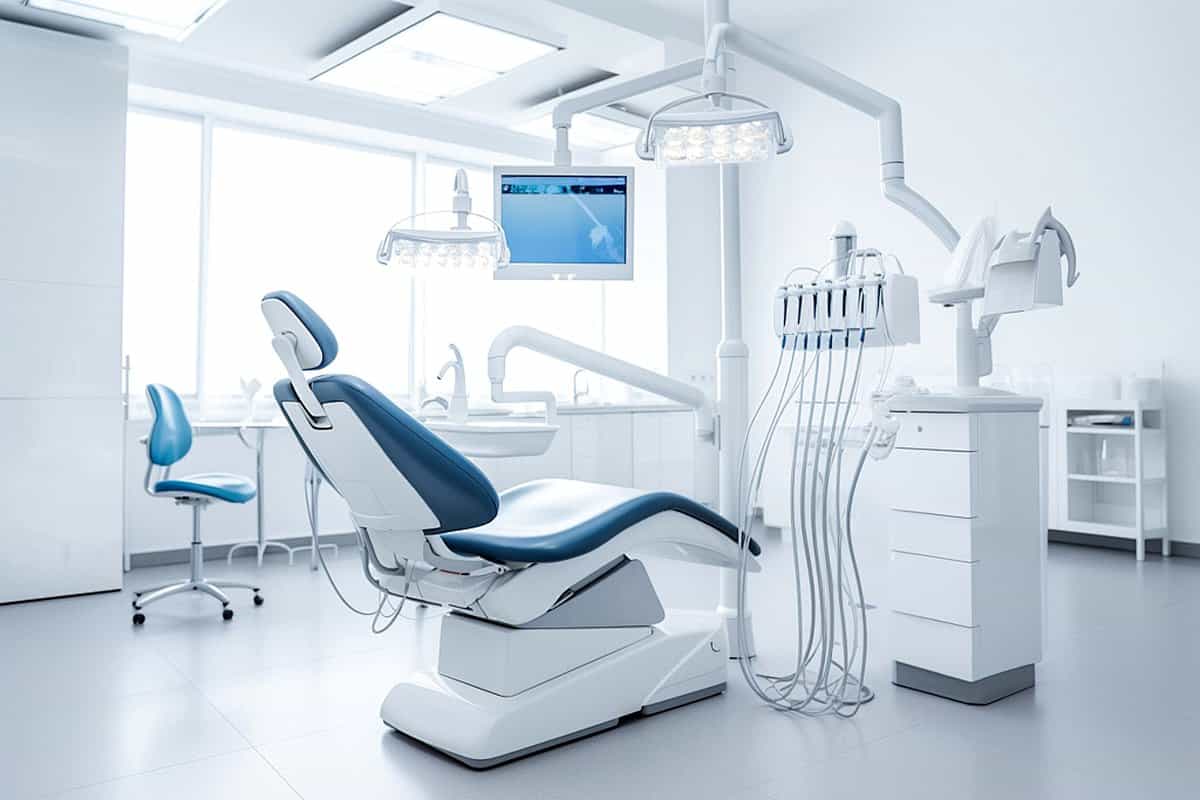
The dental infrastructure in Thailand is startlingly advanced. Clinics here often look more like boutique hotels or sci-fi labs than traditional dentist offices. They are equipped with the latest CAD/CAM (Computer-Aided Design) technology, 3D Cone Beam CT scanners, and in-house ceramic studios that allow for "Same Day" crowns and veneers. This speed and efficiency are specifically designed for the medical tourist on a tight schedule.
Choosing Thailand means you are placing your trust in a highly regulated system. Many of the country's top dental centers are Joint Commission International (JCI) accredited, adhering to sterilization and safety protocols that equal or exceed those in the US and Australia.
Whether you need a simple teeth whitening session between beach trips or a complete smile makeover, Thailand provides a seamless blend of affordability, technological superiority, and gentle, patient-focused care.
Did You Know?
Thailand was one of the first countries in Asia to achieve JCI accreditation for a dental center. Today, Bangkok boasts standalone dental hospitals—entire multi-story buildings dedicated solely to dentistry—employing over 100 specialists under one roof, ensuring that every specific dental need is met by an expert in that exact field.
Key Insights at a Glance
Patients typically save 50% to 70% on procedures like porcelain veneers and dental implants compared to Australia or the US.
With in-house labs, wait times for crowns are reduced from weeks to days (or even hours), maximizing your vacation time.
Top clinics use FDA-approved materials (like Straumann implants and E.max porcelain) and strict autoclave sterilization.
Thai dentists often hold dual board certifications, having completed postgraduate studies in the US, UK, or Germany.
English is the lingua franca of Thai dental tourism; communication is fluent, professional, and clear.
The "Dental Spa" Concept
Thailand pioneered the "Dental Spa," where the anxiety of dentistry is replaced with relaxation. It is not uncommon for clinics to offer aromatherapy, foot massages during procedures, and noise-canceling headphones with movies, ensuring that your dental visit feels more like a treat than a treatment.
Planning a trip abroad can be daunting, but Thailand's mature medical tourism industry makes it easy. The section below highlights top-rated dental centers that offer "Dental Holiday" packages. These comprehensive bundles typically include VIP airport pickup, daily transfers between your hotel and the clinic, and discounted accommodation at partner hotels nearby. By bundling these logistics, you can focus on enjoying the street food and temples rather than navigating traffic.
Note: Some premium packages also include "fast-track" immigration service at Suvarnabhumi Airport to speed up your arrival.
The savings in Thailand are substantial, allowing patients to afford higher-quality materials than they might at home. For example, a porcelain veneer that costs $1,200-$1,800 in the US or Australia often costs between $300 and $450 in Thailand. A single Titanium dental implant (including crown) ranges from $1,200 to $1,800, compared to $4,000+ in the West. The table below outlines average costs for popular procedures like whitening, crowns, and All-on-4 systems.
Tip: Always check if the quote for implants includes the abutment and the crown, or just the implant post itself.
Dentistry Centers Cost Comparison in Thailand
| Provider | Procedure | Price |
|---|---|---|
| Kitcha Dental Clinic | Dental Implants, Dentistry | $1490 |
| Kitcha Dental Clinic | Dental Crowns, Dentistry | $835 |
| Kitcha Dental Clinic | Dental Veneers, Dentistry | $445 |
| Kitcha Dental Clinic | Dentures, Dentistry | $535 |
Dentistry Cost Comparison in Thailand
| Country | Procedure | Price |
|---|---|---|
| United Kingdom | Full Mouth Restoration, Dentistry | $35000 |
| Canada | All on 6 Dental Implants, Dentistry | $27000 |
| Australia | All on 8 Dental Implants, Dentistry | $30000 |
| United States | All on 6 Dental Implants, Dentistry | $35000 |
Quality assurance is key. We have selected the premier dental centers in Thailand—located in Bangkok, Phuket, and Chiang Mai—that specialize in international patient care. These facilities are often ISO 9001 certified and JCI accredited. They feature English-speaking coordinators, modern sterilization centers, and warranties on their dental work. Explore the profiles below to find a clinic that fits your destination preference, whether it's the urban energy of Bangkok or the beaches of Phuket.
Safety First: Look for clinics that display their JCI or ISO certifications prominently on their profiles.
Kitcha Dental Clinic
Chiang Mai, Thailand
Digital Dental Center Pattaya
Pattaya, Thailand
Seeing is believing. The video testimonials below feature real patients from Australia, the UK, and the US who traveled to Thailand for their new smiles. Watch them discuss their initial hesitation, the surprising luxury of the clinics, the painlessness of the procedures, and their joy at the final reveal. These stories provide an unfiltered look into the "Dental Holiday" experience.
Insight: Notice how many patients mention the "gentleness" of Thai dentists—a cultural trait that translates beautifully into dental care.
With thousands of reviews available, the consensus is clear. In this section, read verified feedback and star ratings from patients who have completed their treatment in Thailand. Look for comments regarding the longevity of their veneers or implants, the cleanliness of the facilities, and the helpfulness of the staff. High satisfaction rates over many years are the hallmark of Thailand's dental tourism success.
Review Tip: Look for reviews that mention "post-treatment support" to see how clinics handle follow-up questions after you return home.

Which are the top Cosmetic Dentistry clinics in Bangkok, Thailand?
The average Cosmetic Dentistry cost in Thailand is 50-70% lower than in Western nations. Bangkok is highly safe, boasting internationally accredited facilities and elite specialists dedicated to delivering exceptional, secure aesthetic results. Achieving a flawless, radiant smile no longer requires spending a fortune in your home country. Every year, tens of thousands of international patients embark on transformative journeys, seeking out Cosmetic Dentistry in Thailand. Renowned globally for its seamless blend of advanced medical technology, highly educated dental specialists, and unparalleled hospitality, Bangkok has firmly established itself as the epicenter of aesthetic dental care. Whether you are looking to address minor discolorations with professional whitening, completely redesign your smile with custom porcelain veneers, or restore lost functionality through cutting-edge dental implants, this vibrant city offers elite solutions tailored to your unique needs. Key Takeaways Massive Cost Savings: Patients consistently save between 50% and 70% on premium cosmetic treatments compared to prices in the US, UK, and Australia. World-Class Quality: Bangkok clinics utilize the exact same top-tier international brands and materials (such as E-max and Straumann) found in Western clinics. Highly Qualified Specialists: Many cosmetic dentists in Thailand have undergone rigorous fellowship and postgraduate training in the United States, Europe, or Japan. Advanced Technology: Leading centers boast cutting-edge 3D CAD/CAM milling, digital smile design software, and state-of-the-art sterilization protocols. Efficient Timelines: Dental facilities cater specifically to international patients, offering expedited timelines without compromising clinical excellence. What Types of Procedures Are Included in Cosmetic Dentistry? Cosmetic dentistry in Bangkok encompasses a wide spectrum of aesthetic enhancements. The most sought-after procedures include custom porcelain veneers, professional laser teeth whitening, dental implants, and comprehensive full smile makeovers. Porcelain veneers remain the gold standard for dramatic smile transformations. These ultra-thin, custom-crafted ceramic shells are bonded to the front surface of the teeth to instantly correct imperfections such as chips, severe discoloration, gaps, and minor misalignments. In Bangkok, specialists utilize premium materials like IPS e.max, which perfectly mimics the light-reflecting properties of natural enamel. The meticulous craftsmanship involved ensures that the final result is not only structurally robust but also indistinguishable from a naturally perfect set of teeth. For patients dealing with stained or dull teeth, professional laser teeth whitening offers a rapid and highly effective solution. Unlike over-the-counter kits that yield minimal results and can damage enamel, the clinical-grade whitening systems used in Bangkok safely lift deep-set stains. Advanced LED and laser technologies accelerate the bleaching agents, often lightening teeth by several shades in a single, comfortable session lasting less than an hour. Additionally, restorative procedures heavily cross over into cosmetic dentistry. Dental crowns made from pure porcelain or zirconia are utilized to restore damaged teeth aesthetically, while dental implants provide a permanent, beautiful solution for missing teeth. In complex cases, a "Smile Makeover" combines multiple treatments—such as gum contouring, veneers, and crowns—orchestrated through Digital Smile Design (DSD) to completely reconstruct the patient's oral aesthetics. ???? Expert Insight Many premium dental facilities in Bangkok feature their own in-house dental laboratories. This drastically reduces the waiting time for custom prosthetics like veneers and crowns from weeks to mere days, allowing for immediate color matching and rapid adjustments directly chairside. Why is Bangkok a Top Choice for Cosmetic Dental Treatments? Bangkok seamlessly bridges the gap between premium clinical excellence and affordability. Patients choose this vibrant metropolis for its concentration of internationally trained specialists, lack of waiting lists, and luxurious patient care standards. Global Expertise: The city acts as a magnet for elite dental talent. A significant percentage of cosmetic dentists operating in the top tiers have acquired specialized fellowships and postgraduate degrees from prestigious institutions in the United States, the UK, and Germany. Exceptional Cost-to-Value Ratio: The driving force behind medical tourism in Thailand is the economic advantage. Favorable exchange rates and a lower cost of living mean that clinics can charge significantly less for overhead, passing those massive savings directly to the patient. Zero Wait Times: Unlike the overloaded public and private healthcare systems in Western countries, Bangkok clinics are highly optimized for international traffic, allowing patients to schedule immediate, flexible appointments. Luxurious Patient Experience: Healthcare in Thailand is deeply influenced by the country's renowned hospitality sector. Dental centers often resemble high-end boutique hotels rather than clinical environments, complete with concierges, comfortable recovery lounges, and VIP services. Comprehensive Care Ecosystem: Bangkok clinics are equipped to handle complex, multi-disciplinary treatments under one roof, meaning a patient can consult an orthodontist, a periodontist, and an aesthetic specialist during a single visit. How Much Can You Save on Dental Treatments in Bangkok? International patients typically save up to 70% on extensive cosmetic procedures in Bangkok compared to domestic pricing. This profound difference allows patients to afford premium materials that might otherwise be financially out of reach. The economics of healthcare in Southeast Asia present a massive advantage for international patients. When evaluating the Cosmetic Dentistry cost in Thailand, it becomes immediately apparent why patients are willing to travel thousands of miles for their treatments. In countries like the United States or Australia, a single porcelain veneer can easily cost over $1,500 to $2,500. Conversely, the exact same e.max or feldspathic porcelain veneer in Bangkok, crafted by an equally qualified specialist, typically ranges from $300 to $500. For comprehensive cases, such as a full set of top and bottom veneers (often termed a Hollywood Smile) or full mouth implant restorations (like All-on-4), the financial contrast is staggering. Patients routinely save tens of thousands of dollars, making the cost of the procedure inherently negligible even when factoring in the required logistics of international movement. Below is a generalized cost comparison demonstrating the vast difference in pricing for common cosmetic dental procedures across popular Western markets compared to the average rates found in Bangkok's premier facilities. Procedure (Per Tooth/Arch) USA (Est.) UK (Est.) Australia (Est.) Bangkok, Thailand (Est.) Porcelain Veneer $1,500 - $2,500 $1,200 - $1,800 $1,300 - $2,000 $300 - $500 Zirconia Crown $1,200 - $2,000 $1,000 - $1,500 $1,200 - $1,800 $400 - $650 Laser Teeth Whitening $500 - $800 $600 - $900 $700 - $1,000 $200 - $350 Single Dental Implant (Complete) $3,500 - $5,000 $3,000 - $4,500 $4,000 - $6,000 $1,200 - $1,800 Are Dental Clinics in Bangkok Internationally Accredited? Yes, the leading dental centers in Bangkok adhere strictly to international standards, frequently holding prestigious accreditations such as the Joint Commission International (JCI), ensuring uncompromising patient safety and hygiene. When considering healthcare abroad, safety and clinical standards are understandably the primary concerns for prospective patients. The good news is that choosing a premier Cosmetic Dentistry clinic in Thailand means you are selecting a facility that is subjected to intense regulatory scrutiny. Thailand’s Ministry of Public Health enforces stringent guidelines, but the elite clinics take it a step further by seeking voluntary external audits from global regulatory bodies. The most recognized of these is the Joint Commission International (JCI) accreditation. When a dental hospital or clinic holds the JCI gold seal, it signifies that they have passed hundreds of rigorous standards covering everything from infection control protocols and sterilization measures to emergency preparedness and continuous staff education. Furthermore, many dental labs in Bangkok are ISO 9001 certified for quality management systems. Sterilization protocols in these top-tier clinics often exceed the basic requirements set by international dental associations. Class B autoclaves, strict single-use instrument policies, and hospital-grade air purification systems are standard operating procedures. Patients can rest assured that the clinical environment in Bangkok is as safe, if not safer, than their local neighborhood dental practice. ???? Did You Know? Thailand was actually the first country in Asia to have a healthcare facility achieve the coveted Joint Commission International (JCI) accreditation, paving the way for its current status as a global leader in high-end medical and dental tourism. What Technology and Materials Are Used in Thai Dental Clinics? Bangkok's elite dental centers are equipped with the most advanced diagnostic and manufacturing technologies available, utilizing globally recognized, premium materials like E-max, Zirconia, and Straumann titanium implants. 3D CBCT Scanners: Cone Beam Computed Tomography provides high-resolution 3D imaging of the jawbone, nerve pathways, and surrounding tissues, which is vital for the precise and safe placement of dental implants. Digital Intraoral Scanners: Say goodbye to messy, uncomfortable traditional putty impressions. Clinicians in Bangkok use high-speed intraoral cameras to create flawless 3D digital maps of your teeth in minutes. CAD/CAM Milling: Computer-Aided Design and Manufacturing technology allows dentists to design and mill custom porcelain veneers and crowns on-site with microscopic precision, often in a single visit. Premium Global Brands: Thai clinics do not use inferior substitute materials. They exclusively utilize the exact same renowned brands—such as Ivoclar Vivadent (E-max), Nobel Biocare, and Straumann—used by top-tier dentists worldwide. Digital Smile Design (DSD): This cutting-edge software allows patients to visually preview their new smile on a screen before any physical treatment actually begins, ensuring complete alignment of aesthetic goals. How Long Does a Cosmetic Dental Procedure Take in Bangkok? The timeframe varies by procedure; while professional teeth whitening takes just one hour, extensive treatments like custom porcelain veneers typically require 5 to 7 days to allow for laboratory fabrication and precise fitting. One of the core benefits of seeking dental care in Bangkok is the efficiency of the timelines. Because these clinics specifically cater to international patients who have limited time, they have optimized their internal workflows. Simple procedures, such as routine scaling, laser teeth whitening, or direct composite bonding, can be easily completed in a single afternoon session lasting less than two hours. For intermediate cosmetic treatments like porcelain veneers, dental crowns, or bridges, patients should generally plan for a stay of 5 to 10 days. The initial visit involves consultation, tooth preparation, and digital impressions. Over the next few days, the in-house laboratory crafts the custom restorations. The final visit involves the permanent bonding and final bite adjustments. Having an in-house lab drastically cuts down the traditional multi-week waiting period typical in Western clinics. Complex reconstructive procedures, such as standard dental implants, are usually executed in two distinct phases spaced several months apart. The first phase (implant placement) requires about 3 to 5 days in Bangkok. After a healing period of 3 to 6 months to allow the titanium post to fuse with the jawbone, the patient returns for another 5 to 7 days to have the custom abutment and permanent crown placed. How Do You Prepare for Your Dental Journey to Thailand? Preparation is the key to a flawless experience. It involves securing initial virtual consultations, transferring digital dental records, mapping out your aesthetic goals, and thoroughly disclosing your medical history. Virtual Consultations: Before committing, you can schedule online video assessments with specialists in Bangkok. This allows you to discuss your aesthetic goals, ask questions, and build rapport with your chosen dentist. Provide Diagnostic Imagery: Obtaining a recent panoramic OPG X-ray from a local dentist and emailing it to the clinic allows the Thai specialists to formulate a highly accurate, preliminary treatment plan and cost estimate. Medical History Disclosure: Complete transparency regarding pre-existing conditions, allergies, and current medications (especially blood thinners) is vital to ensure absolute patient safety during any surgical or anesthetic intervention. Define Aesthetic Goals: Gather reference photos of smiles you admire. Providing visual cues helps the clinical team understand your specific preferences regarding tooth shape, length, and shade. Buffer Your Timeline: Always allocate an extra day or two at the end of your scheduled treatment timeline in Bangkok. This buffer provides peace of mind in case minor bite adjustments or refinements are necessary before you fly home. ???? Medical Insight Prior to applying porcelain veneers, your gums must be perfectly healthy. If a patient presents with active gingivitis or periodontal disease upon arrival, cosmetic procedures will be delayed until the foundational gum health is treated and restored. What Should You Expect During the Recovery Process? Recovery from cosmetic dental treatments is generally very rapid. While minor tooth sensitivity and localized gum tenderness are common in the first few days, they are easily managed and subside swiftly, allowing you to enjoy your new smile. The post-procedure experience is largely dictated by the extent of the work performed. For minimally invasive treatments like teeth whitening, the primary side effect is temporary thermal sensitivity. Patients might feel sharp twinges when consuming very cold or hot beverages for 24 to 48 hours. Dentists mitigate this by applying high-concentration fluoride varnishes immediately after treatment and providing desensitizing toothpaste for home use. Following the placement of crowns or veneers, it is entirely normal to experience some mild gum inflammation where the soft tissue interacts with the new porcelain margins. The teeth themselves may also feel slightly sensitive due to the micro-removal of enamel required for fitting. Over-the-counter anti-inflammatory medications are typically more than sufficient to manage any discomfort. During this brief adjustment period, patients are advised to stick to a softer diet and avoid overly chewy or hard foods. For surgical interventions such as dental implants or gum contouring, the recovery involves a few days of localized swelling and potential bruising. Clinics provide comprehensive postoperative care kits, including prescription antibiotics, specialized mouthwashes, and detailed instructions on how to maintain oral hygiene without disrupting the surgical site. Overall, downtime is minimal, and patients are usually able to resume normal activities almost immediately. How Can You Ensure Long-Lasting Results After Cosmetic Dentistry? The longevity of your aesthetic dental work relies heavily on proactive maintenance. Consistent oral hygiene, professional cleanings, and protecting the teeth from excessive mechanical force are vital to preserving your investment. Impeccable Oral Hygiene: Just like natural teeth, veneers and crowns require diligent brushing twice a day with non-abrasive fluoride toothpaste and daily flossing to prevent decay at the gum line where the restoration meets the natural tooth. Wear a Night Guard: Bruxism (teeth grinding) is the number one cause of porcelain chipping or fracturing. Wearing a custom-fitted occlusal splint or night guard while sleeping provides a crucial protective barrier for your new smile. Avoid Using Teeth as Tools: Never use your teeth to open packaging, bite fingernails, or crack hard nuts. These actions apply unnatural localized pressure that can easily dislodge or damage fine ceramic restorations. Limit Staining Agents: While high-quality porcelain is highly stain-resistant, the bonding cement at the margins and your remaining natural teeth are not. Moderating the consumption of coffee, red wine, and tobacco ensures a uniform, bright smile over time. Routine Professional Care: Schedule biannual checkups and cleanings with your local dentist back home. They can polish the restorations, check the integrity of the bonding, and detect any underlying issues before they compromise the cosmetic work. Why Choose PlacidWay for Cosmetic Dentistry in Bangkok, Thailand? Navigating international healthcare options can be complex. PlacidWay simplifies your journey by connecting you directly with thoroughly vetted, globally accredited dental centers in Bangkok, ensuring a seamless, safe, and transparent experience. Rigorous Clinic Vetting: PlacidWay exclusively partners with medical facilities that have passed stringent evaluations for safety standards, international accreditations, and proven clinical excellence. Transparent Cost Estimates: We advocate for absolute financial clarity. Patients receive comprehensive, itemized quotes before making any commitments, eliminating the risk of hidden fees or unexpected clinical charges. Access to Elite Specialists: Our platform connects you with Bangkok’s top-tier cosmetic dentists and oral surgeons, complete with verifiable profiles regarding their educational background, global fellowships, and patient success rates. Streamlined Medical Coordination: From initiating the very first virtual consultation and facilitating the transfer of X-rays to finalizing your treatment timeline, our dedicated team manages all communication barriers and clinical logistics. Unwavering Patient Advocacy: PlacidWay remains a dedicated partner throughout your entire dental journey. We prioritize your health, comfort, and satisfaction, ensuring that the final aesthetic results exceed your expectations securely and professionally. Frequently Asked Questions Is language a barrier when visiting Bangkok for cosmetic dental work? Language is rarely a barrier. The leading dental facilities in Bangkok specifically cater to international patients, employing fluent English-speaking dentists, hygienists, and support staff. Many centers also provide dedicated translation services for other languages. Can I combine multiple cosmetic dental treatments in one trip? Absolutely. It is highly common to combine procedures such as teeth whitening, porcelain veneers, and minor restorative work into a single "smile makeover" plan, allowing you to maximize the results of your trip. Are the materials used for veneers in Bangkok the same as in the US or UK? Yes, premier dental centers in Bangkok use the exact same globally recognized, high-grade materials—such as IPS e.max ceramics and top-tier porcelain—that are used by elite dentists in North America and Europe. Do cosmetic dentists in Bangkok provide warranties for their work? Many reputable clinics offer warranties or guarantees on specific treatments like dental implants, crowns, and veneers, provided the patient adheres to mandatory aftercare instructions and maintains proper oral hygiene. How soon can I eat normally after getting dental veneers in Thailand? While you can eat soft foods immediately after the local anesthesia wears off, it is recommended to avoid hard, crunchy, or extremely hot/cold foods for the first few days while you adjust to your new veneers. Is it safe to undergo teeth whitening if I have sensitive teeth? Yes, but it requires professional supervision. Specialists in Bangkok can adjust the concentration of the whitening gel or apply specialized desensitizing treatments before and after the procedure to ensure comfort. What happens if I need a revision after returning to my home country? High-quality clinics provide detailed digital records and treatment summaries. If a minor adjustment is needed, any local dentist can perform it using these records. For major revisions, some clinics have international partner networks. How many trips to Bangkok are required for dental implants? Traditional dental implants usually require two trips spaced several months apart (one for implant placement, one for the final crown). However, "immediate load" or same-day implants may be completed in a single extended visit if you are a suitable candidate. Can I get full mouth rehabilitation done purely for cosmetic reasons? Full mouth rehabilitation is primarily restorative but yields massive cosmetic benefits. If your teeth are severely worn, discolored, or misaligned, a specialist can design a comprehensive treatment plan that restores both optimal function and aesthetics. Are there age limits for cosmetic dentistry procedures? There is no strict upper age limit for cosmetic dentistry, provided you have good overall oral health and adequate jawbone density for procedures like implants. Treatments are frequently customized for mature adults to rejuvenate their smiles. Ready for Your Smile Transformation? Take the first step towards a radiant, confident smile. Let PlacidWay connect you with Bangkok's elite, internationally accredited dental specialists. Experience world-class care and significant savings securely and transparently. Get Your Free Quote
Is Dental Tourism in Thailand Safe for Cosmetic Dentistry?
Yes, dental tourism in Thailand is generally very safe for cosmetic dentistry, provided you choose a JCI-accredited clinic and a dentist with international board certifications. The country is a global hub for medical tourism, offering world-class care at 50-70% lower costs than Western nations. Every year, thousands of people from Australia, the United States, and the UK look in the mirror and wish for a brighter, more confident smile, only to be held back by the staggering cost of dental care at home. This is where dental tourism in Thailand enters the picture. Known as the "Land of Smiles," Thailand has evolved into one of the world's premier destinations for medical and cosmetic treatments. But naturally, you might be asking yourself: Is it actually safe to fix your teeth halfway across the world? The short answer is yes—but it requires doing your homework. When you hear about affordable dentistry abroad, it is easy to assume that lower prices mean lower quality. However, in Thailand, the lower cost is primarily driven by lower labor costs and living expenses, not by cutting corners on medical standards. In fact, many top-tier Thai dental hospitals are equipped with technology that rivals or even exceeds what you might find in your local dental office. From cosmetic dentistry procedures like porcelain veneers to complex restorations like dental implants, Thai specialists often hold degrees from prestigious Western universities. In this guide, we will walk you through everything you need to know to ensure your journey is safe, successful, and stress-free. We will look at costs, safety protocols, and what to expect during your trip. Whether you are looking for a quick teeth whitening session in Phuket or a full mouth restoration in Bangkok, understanding the landscape of safe dental work in Thailand is the first step toward your new smile. Is it safe to get cosmetic dentistry in Thailand? Yes, getting cosmetic dentistry in Thailand is safe if you select a reputable clinic that adheres to international sterilization standards and employs specialists with proven track records. Safety is the number one concern for anyone considering dental tourism in Thailand. The reality is that Thailand is home to the first hospital in Asia to receive JCI (Joint Commission International) accreditation, setting a benchmark for safety that filters down to dental centers. High-end clinics utilize the same sterilization protocols (like autoclaving and single-use needles) as clinics in the US or Australia. However, safety does vary. The key is to avoid "hole-in-the-wall" shops that compete solely on price. Reputable clinics will be transparent about their hygiene standards and will often have their sterilization rooms visible or described on their websites. Always prioritize clinics that cater specifically to international patients, as they are most likely to maintain these rigorous standards. Furthermore, many Thai dentists specialize in specific fields. For cosmetic dentistry, you want a prosthodontist or a cosmetic specialist, not a general dentist. Verifying these credentials ensures that the hands working on your smile are experienced and safe. How much does cosmetic dentistry cost in Thailand compared to the US and Australia? Cosmetic dentistry in Thailand typically costs 50% to 70% less than in the US or Australia, with veneers starting at $250 and implants at $1,500. The primary driver for dental tourism in Thailand is the massive cost saving. Patients can often pay for their flights, a luxury hotel stay, and their dental treatment for less than the cost of the procedure alone back home. This price difference is not due to inferior materials; in fact, Thai dentists use the same global brands like Nobel Biocare, Straumann, and IPS e.max. Below is a detailed cost comparison to give you a clear idea of the potential savings: Procedure USA Average Cost Australia Average Cost Thailand Average Cost Porcelain Veneer (Per Tooth) $1,000 - $2,500 $1,200 - $2,000 $250 - $500 Titanium Dental Implant (Single) $3,000 - $6,000 $4,000 - $7,000 $1,500 - $2,500 Laser Teeth Whitening $600 - $1,000 $800 - $1,200 $200 - $400 All-on-4 Implants (Per Jaw) $25,000 - $40,000 $20,000 - $35,000 $8,000 - $12,000 Dental Crown (Zirconia) $1,200 - $2,000 $1,500 - $2,200 $300 - $600 As you can see, the savings are substantial, especially for major work like dental implants or full mouth makeovers. Are Thai dentists qualified and experienced? Yes, many dentists at top clinics in Thailand are highly qualified, with degrees from Western universities and memberships in global dental associations. One of the biggest misconceptions is that dentists abroad are less trained. In reality, the top tier of dentists in Thailand often possess a level of training that rivals their Western counterparts. Many specialists have completed their postgraduate education in the United States, the UK, Germany, or Australia. When researching, look for dentists who are members of international organizations such as the American Academy of Cosmetic Dentistry (AACD) or the International Congress of Oral Implantologists (ICOI). These affiliations indicate that the dentist stays updated with the latest global trends and techniques in cosmetic dentistry. Additionally, Thailand has a culture of specialization. Unlike some Western family practices where one dentist does everything, Thai clinics often have separate specialists for root canals, implants, and gums, ensuring you get expert care for each specific part of your treatment. What is JCI accreditation and why does it matter? JCI accreditation is the "gold standard" for global healthcare safety, ensuring that the clinic meets over 300 rigorous standards for patient safety and quality of care. If you are looking for a quick way to filter for safety, look for the JCI (Joint Commission International) gold seal. This is an American-based accreditation that evaluates healthcare facilities worldwide. For a dental clinic or hospital to achieve this, they must demonstrate strict adherence to patient safety, infection control, and facility management standards. While many excellent clinics in Thailand might not have the full JCI accreditation (as it is very expensive to maintain), they should at least be ISO 9001 certified. Choosing a JCI-accredited facility gives you the peace of mind that the dental clinic in Thailand operates under the same safety regulations as a top hospital in the US. Will there be a language barrier with my dentist? No, reputable dental clinics catering to international tourists have fluent English-speaking staff and dentists, ensuring clear communication throughout your procedure. Communication is critical when you are altering your appearance. Fortunately, the language barrier is rarely an issue at major dental centers in Bangkok, Phuket, or Chiang Mai. These clinics specifically target the international market, so their dentists often speak excellent English. Furthermore, many clinics employ international patient coordinators who act as liaisons. They can help explain complex medical terms, assist with travel logistics, and ensure that your expectations for your cosmetic dentistry results are perfectly understood by the dental team. How long does it take to get porcelain veneers in Thailand? Getting porcelain veneers in Thailand typically takes 5 to 10 days and requires 2 to 3 clinic visits to prepare teeth and bond the final veneers. If you are planning a dental vacation, timing is everything. For veneers, you generally cannot fly in and out on the same day. The process usually involves an initial consultation and tooth preparation on day one, followed by a waiting period of 3 to 5 days while the lab custom-crafts your veneers. During this waiting period, you are free to enjoy your holiday. Once the veneers are ready, you will return for the final fitting and bonding. Some clinics with in-house labs (CAD/CAM technology) can speed this up, sometimes offering "same-day" or next-day service, but for the highest aesthetic quality, a few days for lab work is standard. Do dental clinics in Thailand use the same materials as in the West? Yes, top Thai clinics use authentic, globally recognized materials like porcelain from E.max (Switzerland) and implants from Straumann or Nobel Biocare. A common fear is that "cheap" dentistry means low-quality materials that might break or discolor. In the realm of professional dental tourism in Thailand, this is not the case. Reputable dentists know that international patients research brands, so they openly advertise the materials they use. You will frequently see brands like: Veneers: IPS e.max (Lithium Disilicate), Lumineers. Implants: Straumann, Nobel Biocare, Osstem. Whitening: Zoom! Whitening, LaserSmile. Always ask your dentist to confirm the brand of material being used and request the warranty card or lot number for implants after your surgery. What are the risks of dental tourism in Thailand? Risks include limited follow-up care once you return home, potential travel-related complications like flying too soon after surgery, and varying standards if you choose a non-accredited clinic. While generally safe, dental tourism is not without risks. The biggest challenge is follow-up. If a crown feels high or a veneer chips two weeks after you return to your home country, you cannot easily pop back to the dentist. Local dentists at home may be reluctant to fix work done abroad, or may charge full price to do so. Another risk is "over-treatment." Because patients want to get everything done in one trip, there is a temptation to rush complex procedures. Doing too much work in a short time frame can stress the body and impact healing. It is vital to listen to your dentist if they suggest splitting treatments into two trips. How do I choose the right dentist in Thailand? Choose a dentist by verifying their credentials online, reading third-party reviews, checking before-and-after photos, and ensuring the clinic has English-speaking staff. Don't just rely on a shiny website. To find a truly safe dental clinic, dig deeper. Look for third-party reviews on Google or dedicated medical tourism platforms rather than just testimonials on the clinic's own site. Check the dentist's biography to see where they graduated and how many years of experience they have. Request to see a portfolio of their actual work—specifically "before and after" photos of cases similar to yours. If you are getting dental implants, ask how many implants they place per year. High volume often correlates with higher skill in surgical procedures. Can I fly immediately after dental implant surgery? It is generally recommended to wait 48 to 72 hours after simple procedures, but complex surgeries like sinus lifts may require waiting 1 to 2 weeks before flying to avoid pressure complications. Flying causes changes in cabin pressure, which can be painful or even dangerous after certain oral surgeries. For simple procedures like veneers or crowns, flying a day or two later is usually fine. However, for dental implants involving a sinus lift or bone graft, the pressure change can disrupt the healing process or cause bleeding. Always discuss your travel itinerary with your dentist before booking your return flight. A good clinic will give you a "fit to fly" clearance and provide specific instructions for managing air travel post-surgery. What happens if the dental work fails? Most reputable clinics offer a warranty on their work (e.g., 1-5 years for crowns), but this usually covers the remedial treatment cost only, not your flights or accommodation. Warranties are a standard part of the package in high-quality Thai clinics. A typical warranty might cover dental implants for 5 to 10 years and veneers for 3 to 5 years against manufacturing defects or failure. However, the fine print is crucial. If something goes wrong, the clinic will usually fix it for free, but you will have to pay for your airfare and hotel to return to Thailand. Because of this, getting the job done right the first time is far more important than a warranty. Ask for the warranty terms in writing before you start treatment. Is local anesthesia or sedation available? Yes, local anesthesia is standard, and many larger clinics offer IV sedation or general anesthesia for anxious patients undergoing lengthy procedures. If you have dental anxiety, you will be glad to know that Thai dentists are well-versed in pain management. Local anesthesia (numbing shots) is included in almost all invasive procedures. For longer sessions, such as full-mouth dental implants, you can request IV sedation (twilight sleep) or even general anesthesia in hospital-based dental centers. Be aware that sedation usually incurs an extra cost and requires an anesthesiologist to be present. If this is important to you, clarify availability during your initial consultation. Should I go to Bangkok, Phuket, or Chiang Mai for dental work? Bangkok offers the highest concentration of specialists and JCI-accredited hospitals, while Phuket is best for a beach vacation combined with care, and Chiang Mai offers a relaxed, lower-cost atmosphere. Your choice of location depends on your priorities. Bangkok is the medical hub; it has the largest hospitals, the most specialists, and the easiest flight connections. If you have a complex medical history or need extensive reconstruction, Bangkok is often the safest bet. Phuket is ideal if you want to recover by the beach. The dental infrastructure there is excellent, catering heavily to tourists. Chiang Mai, in the north, is quieter and often slightly cheaper than Bangkok or Phuket, making it a favorite for retirees or those staying for longer periods. Are there hidden costs I should watch out for? Hidden costs can include medication, X-rays, temporary teeth, and sedation fees; always ask for a comprehensive "all-inclusive" quote before arriving. While the base prices are low, small fees can add up. Some clinics might quote you just for the implant fixture, but not the abutment or crown. Others might charge extra for the initial CT scan, post-op painkillers, or temporary veneers worn while the permanent ones are made. To avoid surprises, send your panoramic X-rays to the clinic before you fly and ask for a detailed treatment plan that lists every potential cost. Reputable clinics are used to providing these estimates for international patients. Do Thai dental clinics accept insurance? Most Western dental insurance plans do not directly pay Thai clinics, but your provider may reimburse you upon your return if you provide the proper medical forms and receipts. Direct billing (where the clinic bills your insurer) is rare for international dental insurance. You will likely need to pay the clinic upfront in full. However, many insurance companies in the US and Australia have "out-of-network" or "overseas" benefits. Ask the clinic to provide detailed invoices and treatment codes in English. You can then submit these to your insurance provider for potential reimbursement. Check with your insurance company about their policy on dental work abroad before you leave. What payment methods are accepted? Major credit cards (Visa, Mastercard) and Thai Baht cash are widely accepted; some clinics also take direct bank transfers or wise.com payments. You don't need to carry a suitcase full of cash. Almost all established dental centers accept credit cards. However, be mindful of your bank's foreign transaction fees, which can add 3% to your total bill. It is wise to notify your bank of your travel plans so they don't block your card for suspicious activity. For larger amounts, some clinics accept bank transfers, but these need to be arranged in advance to ensure the funds clear before your treatment is finished. Cash (in Thai Baht) is always welcome and may sometimes attract a small discount regarding card processing fees. Ready to Transform Your Smile? Dental tourism in Thailand offers a compelling mix of affordability, expertise, and the chance to enjoy a beautiful vacation. By doing your research and choosing the right providers, you can achieve the smile you have always wanted without breaking the bank. For personalized advice and to connect with reputable, accredited medical providers, explore PlacidWay today. We can help guide you to safe, affordable solutions for your healthcare needs abroad. Explore Your Options
A beautiful smile requires an artist's touch and a specialist's skill. We have identified the top cosmetic dentists in Thailand who are leaders in their field. These professionals are not general dentists; they are specialists in Prosthodontics (restoration) and Implantology, often with years of international training and teaching experience.
Board-Certified Prosthodontists
Esthetic Restoration Experts
Our recommended specialists hold certification from the Thai Dental Council and often the American Board of Prosthodontics. They specialize in complex restorations, ensuring that veneers, crowns, and bridges are not only beautiful but functional and long-lasting.
Implantologists
Surgical Specialists
For missing teeth, you need a surgical expert. These dentists focus exclusively on placing implants, from single units to full-arch All-on-4 systems. Their high volume of cases gives them a level of expertise and precision that general dentists rarely match.
Digital Smile Designers
Tech-Driven Artists
These modern specialists combine dentistry with digital art. Using software to plan your smile in 3D, they work closely with master ceramists to create custom teeth that suit your face shape and personality, ensuring a result that looks natural, not "fake."
Unmatched Hospitality
The "Thainess" of the service is a huge draw. The warm, respectful, and gentle nature of Thai culture extends into the dental clinic. Patients often report feeling genuinely cared for, which significantly reduces the anxiety typically associated with dental visits.
Service with a genuine smile is the norm.
Advanced Technology
Thailand's top clinics are often better equipped than average clinics in the West. With heavy investment in CBCT scanners, OPG machines, and 3D intraoral cameras, diagnostic accuracy is incredibly high, leading to better, longer-lasting treatment outcomes.
It is high-tech dentistry at low-tech prices.
World-Class Tourism
You can combine your dental work with a trip of a lifetime. Whether it's exploring the Grand Palace in Bangkok, island hopping in Phuket, or visiting elephant sanctuaries in Chiang Mai, Thailand offers incredible experiences to enjoy between your appointments.
It turns a necessary procedure into an unforgettable adventure.
Don't hide your smile any longer. PlacidWay connects you with the most trusted, accredited dental specialists in Thailand to ensure your transformation is safe, beautiful, and affordable.
Clinic Vetting
We pre-screen clinics for JCI accreditation, dentist board certification, and sterilization records to ensure you receive world-class care.
Free Consultations
We facilitate free initial assessments where you can send your X-rays and photos to receive a preliminary treatment plan and quote.
All-Inclusive Quotes
Get clear, fixed-price packages that can include hotel and transfers, so you can budget with total confidence.
Travel Assistance
Our partners handle the logistics, from airport pickup to clinic transfers, ensuring your trip is smooth and worry-free.
Patient Advocacy
From your first inquiry to your final check-up, our team is available to support you and ensure your voice is heard.
Proven Results
Access genuine before-and-after photos and verified patient testimonials to see the stunning smiles our partners create.
Get the smile you've always wanted at a price you can afford. Contact PlacidWay for a free, personalized quote and start planning your dental holiday in Thailand.
Get Your Free Personalized Quote.png)
-2-(7).png)


.png)
.png)
.png)
.png)




.png)
.png)









Share this listing