Getting dentures in Thailand typically takes 5 to 14 days, requiring 2 to 4 clinic visits. The exact timeline depends on the type of dentures, extraction needs, and the dental laboratory's speed in fabricating your custom prosthetic.
If you are considering traveling for restorative dental work, understanding the timeline is essential for booking flights and accommodation. Getting dentures in Thailand is a structured process that involves careful clinical measurement, laboratory fabrication, and precise fitting. Because every patient's oral anatomy is unique, there is no single timeline that applies to everyone.
While some clinics offer rapid turnaround times thanks to in-house dental laboratories, a standard set of custom dentures usually requires multiple appointments spread over several days. Rushing this process can lead to poor fit, difficulty speaking, and oral discomfort. This guide explores the typical timelines, the required clinic visits, and what you need to know when planning your dental itinerary.
Key Takeaways
Conventional denture fabrication typically spans 5 to 14 days from initial impression to final fitting.
Immediate dentures may be placed on the same day as extractions but will require adjustments later.
The timeline can vary based on whether you choose acrylic, flexible, or cast metal materials.
Patients should allow an extra 3 to 5 days in their travel itinerary for follow-up adjustments.
Complex cases involving multiple tooth extractions require adequate gum healing time, which may alter travel plans.
What is the step-by-step process for getting dentures abroad?
The process generally involves an initial consultation, taking primary and secondary impressions, bite registration, a wax try-in, and final delivery. This sequence ensures the final prosthetic functions properly and looks natural.
Fabricating a well-fitting denture is an intricate blend of dentistry and artistry. When you arrive at your chosen clinic, the dentist will first assess your oral health, take X-rays, and discuss your goals. Following this, the clinical phases begin. The first major step is taking preliminary impressions of your gums, which the lab uses to create custom trays.
Next, the dentist takes secondary, highly accurate impressions using these custom trays. A subsequent visit involves "bite registration," where the dentist measures how your upper and lower jaws relate to each other. This step is critical for ensuring you can chew properly. The laboratory then sets artificial teeth in wax for a "try-in" appointment.
During the wax try-in, you and the dentist can evaluate the color, shape, and fit of the teeth before the denture is permanently processed in acrylic or metal. Once approved, the lab finalizes the denture, and you return for the final delivery and initial adjustments.
Do extractions extend the timeline for new dentures?
Yes, if you need teeth removed before receiving conventional dentures, your gums typically require several weeks to months to heal completely. Immediate dentures can bridge this gap but will need later modifications.
Tooth extraction significantly alters the timeline for permanent restorative work. When a tooth is removed, the surrounding bone and gum tissue begin to shrink and reshape as they heal. If a permanent denture is made immediately after extraction, it will quickly become loose as the tissues recede.
For patients traveling internationally, this presents a logistical challenge. Some patients choose to have their failing teeth extracted by their local dentist at home, wait 6 to 8 weeks for the gums to stabilize, and then travel abroad for the final denture fabrication. This approach often yields the most predictable, long-lasting fit.
Alternatively, a dentist may provide immediate dentures—appliances designed in advance and placed on the same day as the extractions. While this prevents you from being without teeth, the changing shape of your gums means these immediate dentures will require a procedure called a "reline" a few months later to restore a snug fit.
How many clinic visits are required during the trip?
Most conventional denture treatments require between 3 and 5 clinic visits over a span of one to two weeks. The exact number varies based on the complexity of the bite and the need for adjustments.
Visit 1: Consultation, X-rays, and primary dental impressions.
Visit 2: Master impressions and recording the jaw relationship (bite registration).
Visit 3: The wax try-in to assess aesthetics, speech, and bite alignment.
Visit 4: Final delivery of the finished denture and checking for immediate pressure spots.
Visit 5 (Optional but common): Post-insertion adjustments after you have worn the denture for a day or two.
Can I get immediate dentures in a single day?
While some clinics offer rapid fabrication using digital workflows or in-house labs, true single-day dentures are rare and often serve only as temporary solutions until permanent ones can be made.
Advancements in digital dentistry, such as intraoral scanners and 3D printing, have significantly sped up the dental prosthetic process. However, creating a high-quality, durable denture still requires time for materials to cure and for careful clinical evaluation.
If a clinic advertises "dentures in a day," they are usually referring to immediate transitional dentures. These are often made from standard acrylics to serve as a cosmetic placeholder while your gums heal from extractions. They are generally not intended to be your final, long-term prosthetic.
For a permanent, customized appliance that accurately matches your facial structure and provides optimal chewing function, patients should expect the process to take multiple days. Rushing the curing phase of acrylics or skipping the wax try-in can lead to a substandard outcome.
How does the type of denture affect the fabrication time?
The materials used significantly impact lab time. Simple acrylic partials can often be made in 3 to 5 days, whereas dentures requiring a cast metal framework generally take 7 to 14 days.
There are several types of removable dentures, and the laboratory techniques required for each dictate how long you will need to wait:
Standard Acrylic Dentures: These are the most common and typically the fastest to produce. The lab processes the pink acrylic base and sets the teeth, which generally takes a few days.
Cast Metal Partial Dentures: These feature a rigid metal framework that hooks onto existing teeth. The metal casting process requires specialized equipment, high heat, and precision, extending the timeline by several days.
Flexible Dentures (e.g., Valplast): Made from a thermoplastic material, these are lighter and less rigid. The injection-molding process used to create them usually takes about a week.
Important Consideration
When planning your itinerary, always ask your chosen facility if they operate an in-house dental laboratory. Clinics with an on-site lab can often expedite repairs, adjustments, and fabrication compared to those that outsource to off-site commercial labs.
What should I expect during the final fitting?
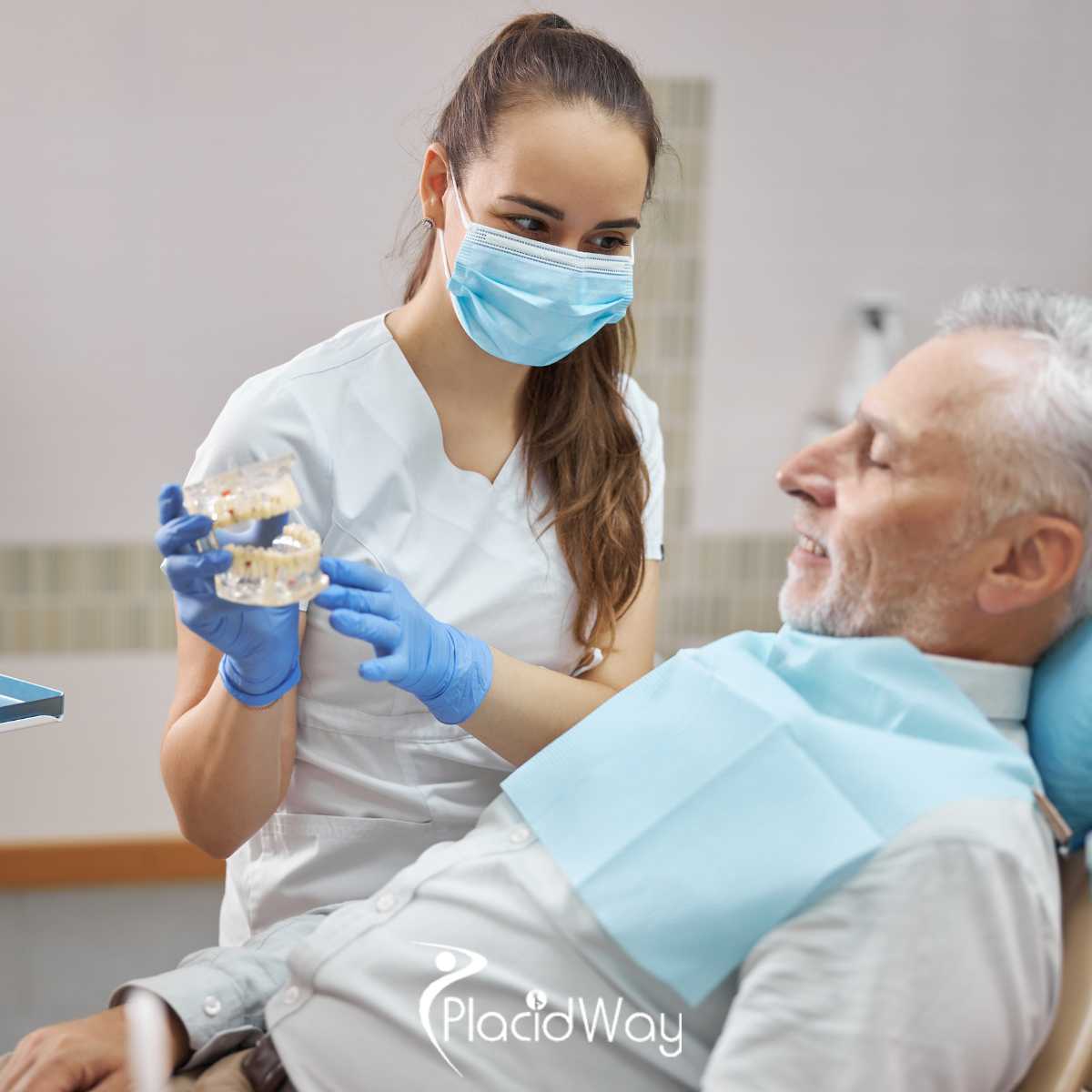
The final fitting involves placing the completed denture in your mouth, assessing the suction or clasp retention, checking your bite with articulating paper, and making minor physical adjustments to the base.
The delivery appointment is crucial. Even with meticulous planning, a new denture will feel foreign in your mouth. Your dentist will insert the appliance and ask you to speak, smile, and swallow. They will check the retention—how well an upper denture seals against the palate or how securely a partial denture clasps to anchor teeth.
Next, the dentist uses articulating paper (a carbon-like paper) to check your bite. You will tap your teeth together, and the paper will leave marks on areas where the teeth hit too hard. The dentist will gently polish these high spots down to ensure an even distribution of chewing force.
You may experience an increase in saliva production and slight difficulty pronouncing certain words initially. This is a normal physiological response to a new appliance and typically resolves as the muscles of your cheeks and tongue adapt.
Are there any risks of rushing the denture process while traveling?
Rushing dental work can lead to inaccurate impressions, compromised lab processes, and inadequate time for essential follow-up adjustments, which may result in chronic pain or a poorly functioning appliance.
When patients attempt to squeeze complex dental treatments into a short vacation window, they increase the likelihood of complications. Accurate prosthodontics requires biological respect—gums need time to respond to impressions, and patients need time to test the wax try-in without pressure.
If you leave the country immediately after receiving your dentures, you miss out on the vital adjustment phase. Almost all new dentures create minor sore spots on the gums after a day or two of wear. Normally, your dentist would relieve these specific areas on the acrylic base. If you have already flown home, you will have to pay a local dentist to perform these adjustments.
Furthermore, if a serious error occurred during the bite registration phase and was not caught due to a rushed timeline, the denture may require a complete remake, negating any time or financial savings.
How much does dentures cost in Thailand usually?
The estimated dentures cost in Thailand can range widely depending on the materials used, from standard acrylics to premium cast metals or implant-supported overdentures.
Pricing for dental prosthetics varies by city, clinic reputation, and the complexity of the patient's oral condition. A simple acrylic partial denture will generally be on the lower end of the pricing spectrum, while full upper and lower cast metal dentures or flexible thermoplastic appliances will cost more.
When budgeting for your trip, it is vital to remember that the initial quoted cost of the denture may not include auxiliary treatments. Extractions, panoramic X-rays, bone grafting, and temporary immediate dentures all add to the final bill.
Patients should request a comprehensive, itemized treatment plan before traveling. This estimate should clearly break down the cost of materials, laboratory fees, and clinical time, allowing you to accurately compare costs with those in your home country.
How do I choose a reliable dentures clinic in Thailand?
Choosing an appropriate dentures clinic in Thailand involves researching the facility's credentials, the presence of specialists like prosthodontists, and clear communication regarding treatment timelines.
Not all dental facilities are equipped to handle complex restorative cases for international patients. When researching providers, look for clinics that employ prosthodontists. A prosthodontist is a dentist who has completed additional years of specialized training specifically in the restoration and replacement of teeth.
It is also wise to inquire about infection control standards, sterilization protocols, and the types of materials the clinic uses. Reputable clinics will be transparent about the brands of acrylics and denture teeth they source.
Communication is another critical factor. The ability to converse clearly with your dentist ensures your aesthetic preferences regarding tooth shade, shape, and size are understood. Look for facilities that have dedicated international patient coordinators to assist with scheduling and answering clinical questions before you arrive.
What aftercare is required once I return home?
Routine aftercare includes daily cleaning of the appliance, resting your gums at night, and establishing a relationship with a local dentist for inevitable future adjustments and relines.
A successful trip for dental tourism does not end when you fly home. Dentures require ongoing maintenance. You must clean your dentures daily using a soft-bristled brush and a non-abrasive denture cleanser. Toothpaste is often too abrasive and can create microscopic scratches in the acrylic where bacteria can harbor.
Your jawbone naturally changes shape over time, especially if you have had recent extractions. Because the hard acrylic of the denture does not change, the appliance will eventually become loose. When this happens, a local dentist will need to perform a "reline"—adding new material to the base of the denture to adapt to your new gum contours.
Never attempt to adjust or bend metal clasps or file down acrylic bases yourself, as this can easily ruin the appliance. Always seek professional local care for modifications if complications arise after your return.
Why Choose PlacidWay for Medical Tourism in Thailand?
PlacidWay is an international medical resource platform designed to help patients explore healthcare options globally. Here is how the platform assists patients seeking dental care abroad:
Access to International Directories: PlacidWay provides a comprehensive directory of dental clinics and healthcare facilities across various countries, allowing patients to review available options in one place.
Transparent Information Sharing: The platform allows users to view available treatment estimates, facility descriptions, and provider profiles to assist in cost comparison and budgeting.
Direct Provider Communication: Patients can use the platform to send inquiries directly to international clinics, facilitating direct communication regarding treatment plans, timelines, and specific medical questions.
Educational Resources: PlacidWay offers articles, guides, and patient resources focused on the realities of traveling for medical and dental procedures, helping users understand what to expect.
Multispecialty Exploration: Beyond dentistry, the platform allows patients to explore providers across numerous medical specialties, catering to those who may be seeking multiple types of care.
Frequently Asked Questions
Is it safe to travel for medical tourism in Thailand for dental work?
Many international patients travel safely for dental care each year. However, safety depends on choosing appropriately credentialed professionals, disclosing your full medical history, and allowing sufficient time for proper treatment and recovery without rushing.
Will I need a temporary denture while waiting?
If you are having teeth extracted during your trip, a temporary or immediate denture can often be provided so you are not without teeth. This temporary appliance will likely need adjustment or replacement as your gums heal.
How long do acrylic dentures take compared to metal ones?
Standard acrylic dentures can often be fabricated in 3 to 7 days. Dentures requiring a cast metal framework generally take longer, often 7 to 14 days, because the metal casting process is more complex and requires specialized laboratory equipment.
Can adjustments be made before I fly back?
Yes, building extra days into your itinerary allows your dentist to make necessary adjustments to the fit and bite before you travel home, which reduces the chance of severe discomfort later.
What happens if my dentures break after I return home?
If complications or breakages occur after you return home, you will need to see a local dentist or prosthodontist for repairs. It is highly recommended to establish a relationship with a local provider for ongoing maintenance.
Are materials used in Thailand the same as in my home country?
Many major clinics catering to international patients use globally recognized dental materials and brands for acrylics, metals, and composite teeth. You can request information about the specific brands and materials your chosen clinic utilizes.
Can I combine my dental visits with a vacation?
Yes, many patients schedule sightseeing between dental appointments. However, you should prioritize your rest, especially if you undergo extractions, and attend all required follow-up visits.
How long should my trip to Thailand be to ensure everything is finished?
For a complete set of conventional dentures, planning a stay of 14 to 21 days provides a comfortable buffer for laboratory fabrication, multiple try-ins, final delivery, and essential post-placement adjustments.
Will language barriers slow down the treatment process?
In facilities accustomed to international patients, dentists and staff frequently speak English, minimizing miscommunication. Clear communication is vital to ensure your aesthetic preferences and comfort levels are understood.
Can I sleep with my new dentures immediately?
Dentists typically advise removing your dentures at night to allow your gum tissues to rest and to maintain oral hygiene, though specific instructions may vary slightly during the first few days of wear based on individual clinical needs.
Compare Treatment Options Abroad
Explore international dental facilities, request treatment estimates, and learn more about prosthetic dentistry options tailored to your needs.
Request Treatment Information
References
Dentures - American Dental Association (ADA)
Denture Care and Expectations - MouthHealthy (ADA)
Tooth Loss and Prosthetics - National Institute of Dental and Craniofacial Research (NIDCR)
Medical Tourism Guidelines - Centers for Disease Control and Prevention (CDC)
Global Oral Health Guidelines - FDI World Dental Federation
Position Statement on Dentures - American College of Prosthodontists (ACP)
Medical Disclaimer: The information provided in this article is for educational and informational purposes only and does not constitute medical advice, diagnosis, or treatment recommendations. Dental outcomes, recovery times, and suitability for prosthetics vary significantly by individual based on oral health, bone density, and medical history. Always consult with a qualified, licensed dental professional before making any decisions regarding extractions, dentures, or medical travel. Costs and timelines mentioned are estimates and may change.































Share this listing