
Share with AI


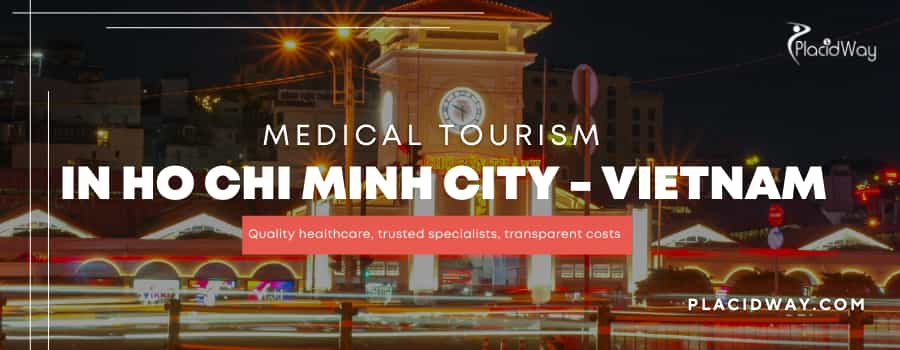
In recent years, medical tourism in Ho Chi Minh City, Vietnam has evolved from a niche market into a booming global industry, attracting thousands of international patients seeking high-quality healthcare at a fraction of Western prices. As the economic hub of the country, this vibrant city boasts a sophisticated healthcare infrastructure that rivals its neighbors in Southeast Asia. Patients are drawn not only by the affordable surgery in Ho Chi Minh City, Vietnam but also by the state-of-the-art facilities that blend modern medical technology with compassionate, patient-centered care.
The rapid modernization of the Vietnamese healthcare system has led to the establishment of internationally accredited hospitals and specialized clinics staffed by doctors with global training. Whether you are looking for complex orthopedic procedures, advanced fertility treatments, or cosmetic enhancements, the city offers a diverse range of medical services. This unique combination of world-class medical expertise and the allure of a rich cultural destination makes Ho Chi Minh City a top choice for medical travelers.
Why Choose Ho Chi Minh City for Your Medical Journey
Choosing medical travel packages in Ho Chi Minh City offers a multitude of benefits that go beyond simple cost savings. The city has invested heavily in its medical infrastructure, resulting in hospitals that are equipped with cutting-edge diagnostic and surgical technology comparable to what is found in the US or Europe. Furthermore, the best hospitals in Ho Chi Minh City, Vietnam prioritize patient comfort, offering VIP suites, personalized concierge services, and a hospitality-focused approach to recovery.
Another compelling reason to choose this destination is the expertise of the medical workforce. Many leading surgeons and specialists in the city have undergone
rigorous training and fellowships in developed nations, ensuring they are fluent in the latest medical techniques and English. This eliminates communication barriers and builds trust, allowing patients to feel confident that they are in capable hands while enjoying significantly lower out-of-pocket expenses.
- Significant Cost Reduction: Save 50-75% on procedures compared to Western countries without sacrificing quality.
- International Standards: Access to JCI-accredited hospitals and clinics adhering to global safety protocols.
- No Waiting Lists: Immediate scheduling for surgeries that might have months-long wait times in the UK or Canada.
- Comprehensive Care: All-inclusive packages often combine treatment, accommodation, and airport transfers.
- Western-Trained Specialists: A high volume of doctors with certifications from the US, France, and Australia.
- Tourism Opportunities: The chance to recover in a vibrant city known for its history, food, and culture.
- Advanced Technology: Utilization of robotic surgery, 3D imaging, and modern minimally invasive techniques.
Cost of Popular Medical Treatments and Procedures
One of the primary drivers for medical tourism in Ho Chi Minh City, Vietnam is the transparency and affordability of pricing. The cost of living and operational expenses in Vietnam are lower than in the West, allowing medical providers to offer premium services at reduced rates. The table below outlines the average costs for popular sub-treatments, demonstrating the potential financial benefits for international patients.
It is important to note that these prices are estimates and can vary based on the complexity of the case, the specific facility chosen, and individual patient requirements. However, even with travel and accommodation expenses included, the total expenditure typically remains significantly lower than domestic options in countries like the USA, Australia, or the UK.
| Procedure (Sub-treatment Level) | Avg. Cost in HCMC (USD) | Avg. Cost in US/Australia (USD) |
|---|---|---|
| Stem Cell Therapy (Anti-Aging/Joints) | $5,000 - $8,000 | $20,000 - $35,000 |
| Total Knee Replacement (Unilateral) | $7,000 - $9,000 | $35,000 - $50,000 |
| Total Hip Replacement | $7,500 - $9,500 | $40,000 - $55,000 |
| Dental Implant (Titanium + Abutment) | $700 - $1,000 | $3,000 - $4,500 |
| All-on-4 Dental Implants (Per Arch) | $6,000 - $8,000 | $25,000 - $30,000 |
| Rhinoplasty (Open Structure) | $1,500 - $2,500 | $6,000 - $10,000 |
| Breast Augmentation (Implants) | $3,000 - $4,500 | $8,000 - $12,000 |
| LASIK Eye Surgery (Both Eyes) | $900 - $1,500 | $4,000 - $5,000 |
| IVF (Standard Cycle) | $3,500 - $5,000 | $12,000 - $17,000 |
| Gastric Sleeve (Bariatric) | $5,000 - $7,000 | $15,000 - $20,000 |
| Spinal Fusion (1 Level) | $6,000 - $8,000 | $40,000 - $60,000 |
| Coronary Angioplasty | $4,000 - $6,000 | $28,000 - $35,000 |
| Cancer Treatment (Chemo Cycle) | $500 - $1,000 | $2,000 - $5,000 |
How Medical Tourism Works in Vietnam
Navigating a medical journey abroad can seem daunting, but the process has been streamlined to ensure convenience and safety for international visitors. Whether you are interested in affordable dentistry in Vietnam or complex orthopedic surgery, the pathway from inquiry to recovery is structured and transparent. Platforms and facilitators work closely with hospitals to manage the logistics, allowing you to focus entirely on your health and well-being.
The typical patient journey involves several key stages, starting with digital correspondence and ending with post-treatment follow-up. By understanding these steps, you can prepare effectively for your trip to Ho Chi Minh City. This structured approach helps minimize anxiety and ensures that all medical and travel arrangements are synchronized perfectly.
- Research and Inquiry: Submit your medical history and current condition to receive a preliminary assessment and cost estimate.
- Virtual Consultation: Connect with your prospective surgeon via video call to discuss the procedure, risks, and expected outcomes.
- Travel Arrangements: Secure your visa, book flights, and arrange accommodation near the medical facility.
- Arrival and Pre-op: Arrive in Ho Chi Minh City, undergo final physical examinations, and complete necessary lab tests.
- Treatment: Undergo your scheduled procedure in a state-of-the-art facility with full medical support.
- Recovery and Sightseeing: Rest during the initial recovery phase, followed by light tourism activities if permitted by your doctor.
- Return and Follow-up: Fly home with medical clearance and maintain contact with your doctor for remote check-ups.
Top Medical Destinations and Facility Types
Ho Chi Minh City is a sprawling metropolis, but its medical excellence is concentrated in specific districts and types of facilities. Understanding where the best hospitals in Ho Chi Minh City, Vietnam are located can help you plan your accommodation and logistics more effectively. The city features a mix of large multi-specialty international hospitals and boutique clinics dedicated to cosmetic or dental care.
Most international patients find themselves visiting facilities in the central districts, where accessibility to hotels and amenities is highest. These areas are developed specifically to cater to expatriates and medical tourists, ensuring English is widely spoken and standards are rigorously maintained.
- District 1 (City Center): The heart of the city, hosting numerous high-end dental clinics and cosmetic surgery centers. It is ideal for patients who want to be close to luxury hotels, shopping, and major cultural attractions.
- District 7 (Phu My Hung): Known as the "Expat District," this area is home to several large international general hospitals. The environment is quieter, with wide streets and green spaces, making it perfect for post-surgical recovery.
- High-Tech Healthcare Park: Located on the outskirts, this developing zone is becoming a hub for specialized treatments, including cancer care and advanced stem cell research facilities.
- District 3: A blend of colonial architecture and modern commerce, District 3 houses various specialized eye centers and dermatology clinics, offering a balance between central convenience and a slightly more relaxed atmosphere.
- Thu Duc City: An emerging area with newer, massive hospital complexes that focus on oncology and cardiology, utilizing the latest heavy medical machinery and infrastructure.
- International Dental Centers: Scattered throughout the central districts, these specialized standalone facilities often resemble luxury spas rather than clinics, focusing heavily on patient comfort and aesthetics.
Patient Success Stories and Testimonials
Reading about the experiences of others can be incredibly reassuring when considering medical tourism in Ho Chi Minh City, Vietnam. Thousands of patients have successfully undergone life-changing procedures here, returning home with renewed confidence and health. These stories highlight the quality of care, the warmth of the medical staff, and the substantial cost savings achieved.
Below are summaries of experiences from patients who traveled for various treatments. Their journeys reflect the typical high standard of service provided by the city's top medical institutions.
Sarah from Australia - Dental Implants
"I needed a full mouth reconstruction and was quoted over $40,000 at home. In Ho Chi Minh City, I paid a fraction of that. The clinic was cleaner and more modern than my local dentist. The staff picked me up from the airport, and I left with a perfect smile within 10 days."
James from the USA - Knee Replacement
"The care I received for my orthopedic surgery was phenomenal. The surgeons spoke perfect English and explained every step. The rehabilitation facilities were top-notch, and the nursing staff was incredibly attentive. I was walking pain-free much sooner than I expected."
Elena from Russia - Cosmetic Surgery
"I traveled for a rhinoplasty and breast augmentation. The results are natural and exactly what I wanted. The post-op care included daily check-ups at my hotel, which made me feel very safe. Combining this with a holiday in Vietnam was the best decision."
Liam from Canada - LASIK Eye Surgery
"The technology used for my eye surgery was the latest generation. The procedure took minutes, and my vision was 20/20 the next day. The cost was so low that the flight and hotel were practically free compared to Canadian prices."
Medical Accreditations and Quality Standards
Safety is the paramount concern for any medical tourist. Ho Chi Minh City's healthcare providers understand this and strictly adhere to international quality frameworks. The push for accredited hospitals in Vietnam has led to a significant increase in facilities achieving the Gold Standard in global healthcare.
When selecting a provider, looking for specific accreditations ensures that the hospital meets rigorous standards for hygiene, patient safety, and management. These certifications are not easy to obtain and require regular audits, providing you with peace of mind regarding the quality of care you will receive.
- JCI (Joint Commission International): The gold standard in global healthcare accreditation. Several major hospitals in Ho Chi Minh City hold this prestigious seal, indicating they meet the highest US-based safety standards.
- ISO Certification: Many specialized clinics, particularly in dentistry and cosmetics, hold ISO 9001 certifications for quality management systems.
- Vietnam Ministry of Health: All legitimate medical facilities must be licensed by the local Ministry of Health. Top facilities often exceed these local requirements significantly.
- International Partnerships: Many hospitals in the city have partnership agreements with medical institutions in Singapore, Japan, and the USA for knowledge exchange and second opinions.
- GCR (Global Clinic Rating): High-ranking dental and cosmetic clinics are often monitored by international rating agencies that verify patient satisfaction and clinical results.
- RTAC (Reproductive Technology Accreditation Committee): For fertility treatments, look for clinics accredited by RTAC, ensuring high standards in IVF procedures.
Safety Protocols and Legal Considerations
While medical tourism in Ho Chi Minh City, Vietnam is largely safe, being informed about legal frameworks and safety protocols is essential. Accredited hospitals enforce strict infection control measures, often surpassing those found in some community hospitals in Western nations. Pre-operative screenings are comprehensive to ensure patients are fit for surgery.
Legally, it is important to understand that malpractice laws differ from country to country. While serious malpractice is rare in accredited international facilities, patients should clearly understand the consent forms and the hospital's policy on revision treatments.
- Liability Insurance: Verify if the surgeon or hospital carries professional liability insurance, which is standard for reputable international providers.
- Travel Insurance: Standard travel insurance rarely covers elective medical procedures. Purchase specialized medical travel insurance that covers complications.
- Language Barrier: In legal or medical disputes, language can be an issue. Ensure all critical documents are provided in English.
- Visas: Ensure you have the correct visa type. If your recovery takes longer than expected, you need to know the process for visa extension.
- Medication Laws: Be aware that some pain medications prescribed in the West might be regulated differently in Vietnam. Carry your prescriptions.
- Post-Op Care Contracts: Clarify exactly what is included in your aftercare package to avoid unexpected costs during recovery.
Cost of Living for Medical Tourists
One of the biggest advantages of choosing Vietnam is the incredibly low cost of living. This allows medical tourists to recover in luxury for a fraction of what a budget motel would cost in the US. From 5-star hotels to serviced apartments, accommodation options are plentiful and affordable.
Daily expenses such as food, transportation, and laundry are minimal. This means you can budget for a comfortable, stress-free recovery period without worrying about draining your savings on non-medical costs.
- Accommodation: 4-star hotels range from $40 to $70 per night. Luxury 5-star hotels can be found for $100-$150.
- Food: A healthy, high-quality meal at a mid-range restaurant costs between $5 and $10. Local street food is even cheaper, often under $2.
- Transportation: Ride-hailing apps like Grab are ubiquitous and cheap. A 20-minute car ride typically costs less than $4.
- SIM Cards: High-speed 4G/5G data SIM cards are available at the airport for approximately $10-$15 for a month of unlimited data.
- Laundry Services: Full-service laundry is widely available and costs roughly $1-$2 per kilogram of clothing.
- Caregivers: If you need private nursing assistance at your hotel, rates are significantly lower than in Western countries.
How to Plan Your Medical Trip to Ho Chi Minh City
Planning a medical trip requires more attention to detail than a standard vacation. To ensure a seamless experience regarding your medical tourism in Ho Chi Minh City, Vietnam, it is crucial to follow a structured planning process. Start planning at least 2-3 months in advance, especially for major surgeries.
The following checklist covers the essential steps from the moment you decide to travel until you return home. Being organized will help reduce stress, allowing your body to focus on healing.
- 12 Weeks Out: Obtain medical records, X-rays, and MRI scans. Begin researching hospitals and requesting quotes via platforms like PlacidWay.
- 10 Weeks Out: Select your provider and schedule a video consultation. Confirm the total estimated cost and payment methods.
- 8 Weeks Out: Apply for your Vietnamese visa. Check passport validity (must be valid for at least 6 months beyond entry).
- 6 Weeks Out: Book flights. Aim to arrive 2-3 days before the procedure. Book flexible return flights in case recovery takes longer.
- 4 Weeks Out: Arrange accommodation. Look for hotels near your hospital. inform them you are a medical guest.
- 2 Weeks Out: Stop smoking and drinking alcohol as advised by your surgeon. Pause specific medications (blood thinners) if instructed.
- 1 Week Out: Pack loose, comfortable clothing. Prepare a "recovery kit" with entertainment, snacks, and necessary documents.
How PlacidWay Facilitates Your Medical Journey
PlacidWay acts as your bridge to the best medical care in Ho Chi Minh City. We understand that finding the right doctor and navigating a foreign healthcare system can be overwhelming. Our role is to simplify this process, providing you with the information and connections you need to make confident decisions about your health.
We provide a comprehensive platform where you can research providers, compare costs, and read real patient reviews. Our goal is to empower you with choices, ensuring you find a medical solution that fits your budget and quality expectations perfectly.
- Information Access: We provide detailed profiles of hospitals and doctors, including their qualifications and accreditations.
- Customized Quotes: We help you gather personalized cost estimates from multiple top-rated clinics so you can compare options.
- Direct Connections: We facilitate direct communication between you and the medical providers, allowing you to ask questions and build trust.
- Free Assistance: You pay the clinic directly for your treatment; our assistance in connecting you and gathering information is completely free of charge to you.
- Educational Resources: Access our library of guides and articles to understand procedures and what to expect during your trip.
- Patient Support: Our team is available to answer your general inquiries and guide you through the initial research phase.
Frequently Asked Questions About Medical Tourism in Ho Chi Minh City
Most international patients require a visa to enter Vietnam, though citizens of certain countries enjoy visa exemptions for short stays. It is highly recommended to apply for an E-visa or a specific medical visa if your treatment plan requires an extended recovery period.
Yes, the vast majority of specialists catering to international patients are fluent in English, with many having completed their medical training in Western countries like France, the USA, or Australia. Major international hospitals also provide dedicated interpreter services to ensure seamless communication.
Patients typically save between 50% to 70% on medical procedures compared to prices in the United States, Australia, or Western Europe. These savings apply to high-quality treatments including orthopedics, cosmetic surgery, and dentistry without compromising on safety standards.
Yes, it is generally safe when you choose accredited facilities that adhere to international healthcare protocols. Top-tier hospitals in the city often hold JCI accreditation or strict local certifications, ensuring rigorous hygiene and safety standards.
Most international hospitals and clinics accept major credit cards (Visa, Mastercard), direct bank transfers, and cash in Vietnamese Dong or US Dollars. It is advisable to notify your bank of your travel plans beforehand to avoid transaction blocks.
You can verify accreditations by checking the hospital's official website for JCI (Joint Commission International) seals or ISO certifications. Additionally, reputable medical tourism facilitators screen their provider networks to ensure they meet global quality benchmarks.
Reputable medical providers offer detailed post-operative care plans and remote follow-up consultations via video calls. Before booking, you should confirm the clinic's policy on revision surgeries or corrective care should any complications arise.
Absolutely, many patients choose Ho Chi Minh City specifically to combine affordable care with a vacation, known as a 'medical holiday.' However, you must prioritize your recovery timeline and consult your surgeon before planning strenuous sightseeing activities.
The length of stay depends on the procedure; dental work may require 1 week, while major surgeries like hip replacements often require 2 to 3 weeks for initial recovery and follow-up. Always factor in extra days for pre-op consultations and fit-to-fly clearance.
Yes, providing your current medical records, X-rays, and medication history is crucial for an accurate preliminary assessment. Sending these documents digitally in advance allows the medical team to create a tailored treatment plan for you.
Don't let high costs prevent you from getting the medical care you deserve. Ho Chi Minh City offers a world-class solution combining safety, expertise, and affordability. Let PlacidWay help you take the first step toward a healthier future. Click below to get a free, personalized quote for your procedure today.





.png)











Share this listing