

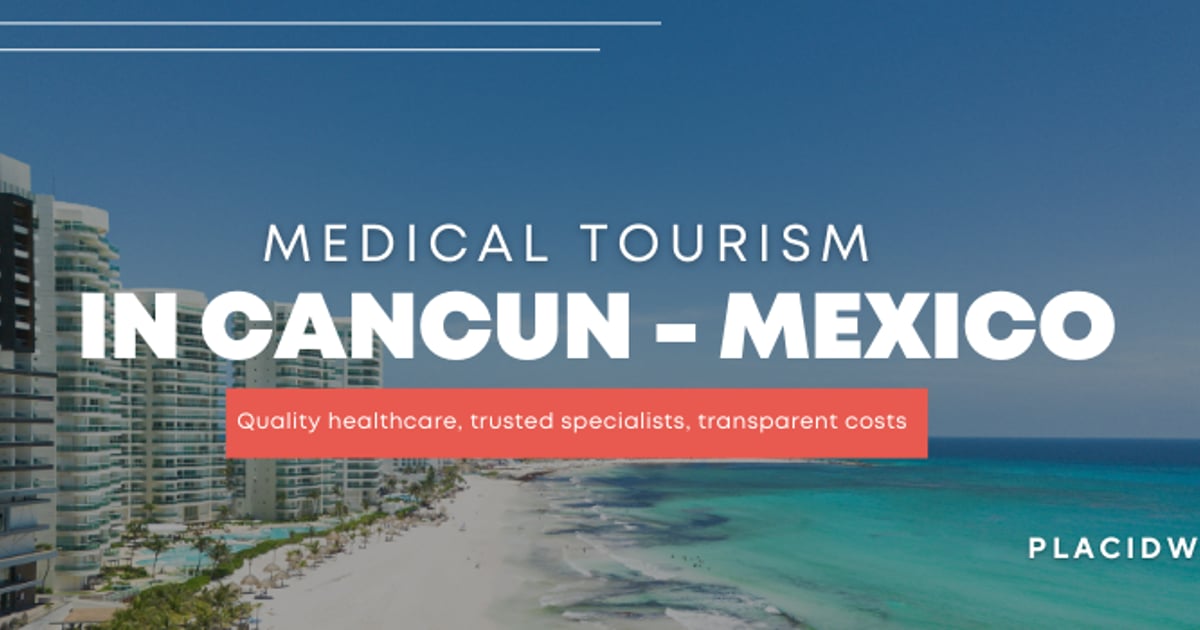
Exploring Medical Tourism in Cancun, Mexico: Your Complete Guide to Healing in Paradise
Sarah watched her mother step off the air-conditioned transfer van, immediately greeted by the gentle Caribbean breeze and the warm smile of their bilingual patient concierge at the resort entrance. The anxiety of navigating medical tourism in Cancun, Mexico melted away as they bypassed the bustling tourist crowds and settled into a quiet, accessible suite designed specifically for post-operative recovery.
It is completely natural to feel a heavy sense of responsibility when planning healthcare travel for yourself or a loved one in a foreign country. Behind the postcard-perfect beaches and luxury all-inclusive resorts, this coastal city has developed a highly sophisticated healthcare infrastructure tailored entirely around international patient safety and comfort.
Key Takeaways
- Patients traveling for healthcare in Quintana Roo typically save between 40% and 70% on major procedures compared to United States pricing.
- The city’s major private hospitals maintain international standards through accreditations from the Mexican General Health Council (CSG) and Joint Commission International (JCI).
- The Hotel Zone provides ADA-compliant resorts that cater to post-operative mobility, featuring zero-entry pools and ground-floor medical recovery suites.
- Bilingual medical concierges seamlessly handle all logistical transfers from Cancun International Airport directly to clinical consultations.
- Purchasing specialized medical complication insurance is a required step before undergoing cross-border treatments.
Understanding the Modern Healthcare Landscape in the Riviera Maya
Deciding to travel for healthcare often brings up intense feelings of uncertainty, especially when balancing clinical needs with a foreign environment. Fortunately, modern facilities in this region have integrated world-class clinical care directly into the relaxing atmosphere of a premier vacation destination.
- Purpose-Built Medical Hubs: The downtown area features dedicated medical towers that house advanced diagnostic imaging, surgical suites, and specialized pharmacies in one centralized location.
- Tranquil Recovery Settings: Instead of recovering in a sterile hospital room, patients transition quickly to luxury resorts overlooking the Nichupté Lagoon, utilizing the calm environment to reduce stress.
- Integrated Care Teams: Top-tier clinics employ specialized coordinators who manage both your clinical appointments and your hotel accommodations, ensuring a seamless daily itinerary.
- Advanced Medical Technology: Facilities serving international travelers frequently invest in the exact same robotic surgery and 3D imaging equipment utilized by hospitals in North America.
- Proximity to the Airport: The main clinical districts are located less than a twenty-minute drive from the international airport, minimizing painful travel times immediately after arrival.
- Companion Accommodations: The region’s vast tourism infrastructure means accompanying family members have access to comfortable, affordable lodging directly adjacent to major surgical centers.
Top Procedures Driving Medical Tourism in Cancun, Mexico
It is entirely understandable to wonder if your specific medical need aligns with the expertise available in this tropical region. Facilities here have highly specialized departments focusing on the most common treatments sought by North American travelers.
By aligning top-tier surgical talent with unparalleled post-operative vacation amenities, the destination successfully caters to diverse healthcare demands. The table below outlines the primary treatments drawing international patients to these sun-drenched shores.
| Medical Specialty | Common Procedures | The Tourism Recovery Advantage |
|---|---|---|
| Bariatric Surgery | Gastric Sleeve, Gastric Bypass, Revision Surgeries | Patients utilize flat, paved hotel promenades for mandatory post-op walking, while resort chefs easily accommodate strict clear-liquid dietary phases. |
| Dental Rehabilitation | All-on-4 Implants, Veneers, Full Mouth Restorations | Between appointments, patients relax in shaded cabanas; resorts gladly prepare soft-food menus like pureed tropical fruits and soothing broths. |
| Orthopedic Care | Knee Replacements, Hip Replacements, Arthroscopy | Recovery is aided by ground-floor resort access, accessible zero-entry swimming pools for gentle hydrotherapy, and warm, joint-soothing climates. |
| Cosmetic & Plastic | Facelifts, Tummy Tucks, Mommy Makeovers | Maximum privacy is afforded by high-end boutique hotels, allowing patients to heal discreetly while utilizing in-room spa and wellness services. |
| Fertility Treatments | IVF Cycles, Egg Freezing, Gender Selection | The stress-free beach environment naturally lowers cortisol levels, which many specialists recommend during complex and emotionally taxing reproductive cycles. |
Navigating Cross-Border Savings and Vacation Budgeting
Worrying about out-of-pocket medical expenses is often the primary stressor for patients lacking comprehensive domestic insurance coverage. Traveling south of the border allows you to leverage favorable exchange rates and lower administrative overhead without compromising on the quality of your care.
Even when factoring in luxury resort accommodations and premium flights, the total financial outlay remains drastically lower than domestic alternatives. This structured cost overview illustrates typical published ranges, though exact prices will vary based on your specific clinical needs and chosen travel season.
| Procedure / Expense | Estimated U.S. Cost (USD) | Estimated Regional Cost (USD) |
|---|---|---|
| Gastric Sleeve Surgery | $15,000 - $25,000 | $4,500 - $6,000 |
| All-on-4 Dental Implants | $24,000 - $30,000 | $8,000 - $12,000 |
| Knee Replacement | $35,000 - $50,000 | $12,000 - $15,000 |
| Standard IVF Cycle | $12,000 - $15,000 | $5,000 - $7,000 |
| Luxury Hotel (Per Night) | $350 - $600+ | $150 - $300 (All-Inclusive Options) |
Evaluating Safety and Hospital Accreditation in Quintana Roo
Safety is rightfully the foremost concern for anyone contemplating surgery far from their hometown support system. The facilities dedicated to international guests strictly adhere to robust regulatory frameworks, ensuring your peace of mind throughout the clinical journey.
- National Certifications: Top hospitals hold accreditation from the Consejo de Salubridad General (CSG), Mexico’s highest national authority for healthcare quality and patient safety.
- International Approvals: Elite facilities frequently achieve Joint Commission International (JCI) accreditation, proving they meet the exact same rigorous safety protocols as North American hospitals.
- Secure Clinical Zones: Major hospitals like Galenia and Amerimed are strategically located in modern, highly secure commercial districts just minutes from the primary tourist zones.
- Board-Certified Specialists: Many surgeons operating in this region completed their specialized fellowships in the United States or Europe before returning to practice in Mexico.
- Infection Control Protocols: Premium clinics maintain strict international sterilization standards, often utilizing isolated wings specifically designated for post-operative recovery to minimize infection risks.
- Transparent Outcomes: Reputable coordinators and clinics will readily provide their complication rates and verified patient outcome statistics rather than promising guaranteed results.
The Arrival Experience: Navigating the International Airport
Stepping off a plane into a bustling foreign airport can be intensely overwhelming for an anxious patient. However, the region has perfected the art of medical arrivals, ensuring your transition from the aircraft to your recovery bed is smooth and supportive.
- Streamlined Terminal Flow: Most major US and Canadian flights arrive at Terminals 3 or 4, which feature clearly marked English signage and highly efficient customs processing.
- Wheelchair Assistance: Airlines and terminal staff provide seamless wheelchair services directly from the jet bridge through immigration, which is vital for orthopedic travelers.
- Avoiding Timeshare Pitches: A quality medical coordinator will instruct you to confidently walk past the "shark tank" of timeshare vendors near the exit doors to meet your official driver outside.
- Dedicated Medical Transport: Instead of waiting in long taxi lines, patients are greeted by pre-arranged, air-conditioned private vans driven by bilingual concierges holding specialized name placards.
- Immediate Highway Access: The airport connects directly to the main coastal highway, allowing for a swift twenty-minute drive to either the downtown medical towers or the relaxing Hotel Zone.
- Hydration and Comfort: Private medical transfers routinely stock cold bottled water and cooling towels, providing immediate relief from the tropical humidity the moment you arrive.
Choosing the Right Recovery Environment: Hotel Zone vs. Downtown
You might feel conflicted when choosing between the convenience of staying near the hospital and the emotional benefits of recovering on a beautiful beach. This destination offers distinct neighborhood experiences, each providing different advantages for healing bodies and anxious minds.
Selecting the correct base camp dramatically impacts how you will experience your downtime between clinical appointments. The comparison below highlights how specific locations cater to varying medical and tourism needs.
| Recovery Location | Medical Advantages | Tourism & Lifestyle Benefits |
|---|---|---|
| Downtown (El Centro) | Located within five minutes of major hospitals, making daily dental or post-op checkups highly convenient and eliminating traffic stress. | Offers an authentic cultural experience with access to quiet, affordable boutique hotels, local pharmacies, and tranquil urban parks for gentle walking. |
| Northern Hotel Zone | Provides exceptional accessibility features within massive resorts, including extensive elevator networks and on-site medical staff for minor concerns. | Caregivers enjoy immediate access to vibrant entertainment and calm, shallow beaches, though patients must manage longer commutes to the surgical centers. |
| Southern Hotel Zone (Nizuc) | Extremely quiet and secluded, drastically reducing noise-related sleep disturbances critical for deep healing after major invasive surgeries. | Features luxury spa environments and pristine ocean views, allowing patients to experience a premier vacation atmosphere without leaving their suite. |
| Puerto Morelos (Nearby) | Offers a slower pace that significantly lowers blood pressure and anxiety prior to complex procedures like IVF or cosmetic reconstruction. | A charming, laid-back fishing village atmosphere that avoids the massive crowds of the main strip while keeping clinics accessible via a 30-minute drive. |
Pre-Op Consultations Amidst Caribbean Tranquility
The twenty-four hours leading up to a major procedure are typically fraught with nervous anticipation and clinical preparation. This city uniquely allows you to transform stressful medical clearances into a relaxing, supportive experience surrounded by tropical beauty.
- Fasting with Distractions: Navigating pre-surgery fasting protocols is much easier when you can distract yourself by reading a book under a shaded palapa rather than staring at a stark hotel ceiling.
- In-Suite Bloodwork: Premium healthcare facilitators often arrange for phlebotomists to visit your resort room, drawing preoperative lab work while you gaze out at the ocean.
- Face-to-Face Clarity: Comprehensive consultations occur in modern, comfortable clinic offices, allowing you and your caregiver ample time to ask the surgical team any lingering questions.
- Mental Preparation: Patients frequently utilize resort amenities like gentle beachfront yoga or guided meditation sessions to naturally lower their heart rate before admission.
- Pharmacy Coordination: During this pre-op period, your bilingual guide will assist in filling post-surgery prescriptions at local pharmacies, ensuring all medications are waiting in your room.
- Caregiver Orientations: While you prep, hospital coordinators educate your traveling companion on the exact hospital layout, cafeteria locations, and visiting hour protocols.
Post-Surgery Nutrition: Dining Safely in a Culinary Capital
You may fear that strict medical diets will ruin the renowned culinary experience this Mexican paradise is known for. Thankfully, the region’s hospitality industry is highly accustomed to customizing gourmet meals that strictly adhere to your surgeon's specific dietary restrictions.
- Bariatric Liquid Phases: All-inclusive resorts readily provide high-quality clear broths, sugar-free popsicles, and specialized hydration beverages delivered directly to your bedside via room service.
- Dental Soft Diets: Following intensive implant procedures, patients can enjoy deeply flavorful but easily consumed local specialties like pureed tropical fruits, refried beans, and soft avocados.
- Avoiding Spice and Ice: Professional concierges communicate directly with resort chefs to ensure meals are free of harsh habanero peppers or extreme temperatures that could irritate healing tissues.
- Filtered Water Safety: While upscale resorts utilize massive, state-of-the-art water purification systems, post-op patients are universally advised to use provided bottled water for drinking and brushing teeth.
- Nutrient-Dense Healing: The abundance of fresh local seafood and vegetables allows orthopedic and cosmetic patients to easily maintain high-protein, anti-inflammatory diets essential for rapid wound healing.
- Caregiver Indulgence: Because you are recovering in a culinary hub, your accompanying family members can still enjoy world-class steakhouses and vibrant local eateries while you rest safely.
Mobility and Accessibility at Major All-Inclusive Resorts
Losing your independence due to post-surgical mobility restrictions is a daunting prospect when traveling internationally. Fortunately, the massive tourism infrastructure here was designed specifically to accommodate guests requiring wheelchairs, walkers, or gentle terrains.
- ADA-Equivalent Standards: While international laws differ, the major global resort chains operating on the main strip adhere to strict accessibility guidelines comparable to North American ADA standards.
- Elevator Networks: Unlike secluded eco-lodges, the prominent beachfront towers feature expansive, reliable elevator systems ensuring you never have to navigate a single stair after knee or hip surgery.
- Zero-Entry Pools: Many properties boast gently sloping, zero-entry swimming pools, allowing patients recovering from non-incision procedures to enter the water safely without managing ladders.
- Ground-Floor Suites: Medical travel coordinators purposefully book ground-floor or specialized accessible suites featuring wide doorways, grab bars, and roll-in showers for their patients.
- Paved Promenades: The main boulevard features wide, flat sidewalks perfect for the mandatory, gentle post-operative walks required after abdominal or bariatric surgeries.
- Sand Wheelchairs: High-end properties often provide specialized beach wheelchairs equipped with balloon tires, guaranteeing that physical limitations won't prevent you from enjoying the shoreline.
Illustrative Patient Experience: A Typical Week in Quintana Roo
It helps immensely to visualize exactly how your medical journey will intersect with a typical vacation itinerary. The following illustrative timeline demonstrates how a standard traveler seamlessly navigates clinical obligations alongside restorative leisure.
- Day 1: Gentle Arrival. After landing, the patient is whisked via private transfer to their beachfront suite to unpack, hydrate, and enjoy a quiet room-service dinner to decompress from the flight.
- Day 2: Clinical Preparation. A morning driver transports the patient downtown for final bloodwork and a comprehensive, unhurried consultation with the lead surgeon before returning to the resort for an afternoon of poolside relaxation.
- Day 3: The Procedure. The patient checks into the modern medical tower early in the morning, undergoes the scheduled surgery, and rests in a private, monitored recovery room with their caregiver nearby.
- Day 4: Monitored Transition. Following medical clearance from the surgical staff, the patient returns to their comfortable resort suite, utilizing provided mobility aids and pre-arranged soft foods.
- Days 5-6: Supervised Healing. While the caregiver enjoys a quick morning excursion to local ruins, the patient rests on a shaded balcony, followed by a brief return to the clinic for a check of incisions and drains.
- Day 7: Final Clearance and Departure. The surgeon provides a final physical examination and fit-to-fly clearance, allowing the patient to safely board their brief flight back to the United States or Canada.
Balancing Tourism: Excursions for Accompanying Caregivers
You might feel guilty asking a spouse or family member to use their vacation time entirely on your medical needs. This location completely solves that dilemma, offering caregivers easily accessible adventures while you rest safely in your recovery suite.
- Short-Duration Trips: Caregivers can take half-day snorkeling tours or visit the local Maya Museum, ensuring they are never away from the resort for more than a few hours at a time.
- Ferry to Isla Mujeres: A quick twenty-minute boat ride provides companions with a beautiful day trip to explore a colorful island via golf cart without traveling too far from the mainland hospitals.
- On-Site Wellness: Spouses can utilize the resort's world-class spa facilities, hydrotherapy circuits, and fitness centers to manage their own caregiver stress while you nap upstairs.
- Safe Shopping Districts: The nearby La Isla Shopping Village offers open-air entertainment, upscale boutiques, and waterfront dining, providing companions an easy escape right within the main tourist strip.
- Golfing Escapes: The region features several championship golf courses, offering companions a relaxing, predictable morning activity that perfectly aligns with a patient’s sleep schedule.
- Cultural Connectivity: Even while largely staying near your room, companions can enjoy traditional evening shows, mariachi performances, and cultural events hosted directly on the resort grounds.
Weather and Climate: Timing Your Procedure for Optimal Healing
You may be surprised to learn that tropical weather significantly impacts post-operative recovery, particularly concerning surgical swelling, scar healing, and physical comfort. Planning your medical journey requires balancing the region's climate patterns with your specific clinical needs.
Understanding the seasonal shifts helps you avoid unnecessary discomfort and ensures your recovery aligns with ideal vacation conditions. The chart below breaks down the climate considerations for international patients planning their travel dates.
| Travel Season | Weather Profile | Medical & Recovery Considerations |
|---|---|---|
| High Season (Dec - April) | Pleasant, breezy, and low humidity. Average temperatures hover around 75°F to 82°F. | Ideal for complex surgeries. Lower humidity reduces post-operative swelling and makes wearing mandatory compression garments much more comfortable. |
| Shoulder Season (May - July) | Increasing heat and humidity, with brief, predictable afternoon rain showers. | Excellent for budget-conscious patients. Dental and IVF patients thrive here, as they spend most time in air-conditioned clinics and shaded resort areas. |
| Hurricane Season (Aug - Oct) | High heat, heavy humidity, and an elevated risk of significant tropical storms. | Requires caution and flexible travel insurance. High humidity can irritate fresh incisions, though clinics and resorts maintain robust backup generators. |
| Late Autumn (November) | Cooling temperatures as the rain clears out, returning to sunny, predictable days. | A highly recommended window. Patients enjoy the fading humidity and lower off-peak pricing before the massive holiday tourist rush begins. |
Bridging the Language Gap at Clinics and Resorts
The fear of a medical miscommunication due to a language barrier is a highly valid concern when your health is on the line. Fortunately, the healthcare and hospitality sectors in this international hub have actively eliminated this friction for English-speaking travelers.
- Bilingual Surgeons: The vast majority of lead physicians serving international patients are fully fluent in English, often having trained extensively in the United States or Canada.
- Dedicated Translators: Quality medical facilitators provide 24/7 bilingual patient concierges who remain by your side to translate conversations with nursing staff and technicians.
- Translated Documents: All crucial medical paperwork, including informed consent forms, pre-operative instructions, and discharge summaries, are legally provided in English for your full comprehension.
- Resort Staff Fluency: Because the primary tourist demographic is North American, virtually all resort staff—from front desk managers to room service attendants—speak conversational English.
- Navigating the Local City: While English is ubiquitous in the medical towers and tourist zones, relying on translation apps is helpful if you venture deep into authentic downtown neighborhoods.
- Pharmacy Interactions: Your concierge will typically handle pharmacy runs on your behalf to ensure complex medication names and dosing instructions are perfectly understood and translated.
Follow-Up Care and Clearance Before Your Flight Home
You must not rush to the airport immediately after feeling better; securing proper medical clearance is non-negotiable for your safety. The final days of your trip are deliberately structured to ensure you are physically stable enough to handle the rigors of international air travel.
- Final Incision Checks: Two to three days post-surgery, patients return to the downtown clinic where the surgeon personally inspects sutures, removes drains, and changes bandages.
- Fit-to-Fly Certification: Commercial airlines often require official medical documentation proving you are cleared to fly; your clinical team will provide this specialized paperwork upon discharge.
- DVT Prevention Plans: Because flying increases the risk of deep vein thrombosis, doctors will prescribe specific protocols, including compression socks and movement schedules, for your flight home.
- Digital Record Handover: Before leaving, you are handed comprehensive digital files containing your surgical reports, x-rays, and operative notes to share with your primary care physician back home.
- Virtual Post-Op Support: Top-tier clinics maintain robust telemedicine departments, allowing you to conduct long-term follow-up video calls with your surgical team weeks after returning home.
- Managing Flight Anxiety: Knowing you have completed all mandatory checks while recovering by the beach provides immense psychological relief before boarding your return flight.
Securing Specialized Travel Insurance for Your Journey
Assuming your standard domestic health insurance will protect you during a foreign surgical trip is a dangerous and common misconception. Protecting your physical and financial well-being requires a specific approach to specialized travel policies tailored for healthcare tourists.
- Standard Policy Exclusions: Conventional vacation insurance explicitly voids all medical coverage the moment you voluntarily undergo an elective medical or dental procedure abroad.
- Medical Complication Coverage: You must purchase dedicated medical tourism insurance that specifically covers the costs of unexpected hospital stays arising from surgical complications.
- Evacuation Logistics: Premium policies include air ambulance evacuation clauses, guaranteeing safe transport back to a United States or Canadian hospital in the event of an extreme emergency.
- Trip Cancellation Protection: Look for policies that protect your financial investment if you must suddenly cancel expensive resort bookings and flights due to failing a pre-operative medical clearance.
- Caregiver Accommodations: High-quality specialized insurance covers the daily hotel and food expenses for your travel companion if your hospital stay is unexpectedly extended.
- Coordination with Clinics: Reputable healthcare facilitators will mandate proof of this insurance before finalizing your surgical dates, emphasizing its critical role in patient safety.
Financial Planning and Payment Logistics in Mexico
It is completely normal to feel apprehensive about transferring large sums of money across international borders for medical services. Understanding exactly how clinics and resorts process transactions will help you avoid hidden fees and unnecessary financial stress during your trip.
- Currency Preferences: Most specialized clinics and high-end resorts quote and accept payments directly in US Dollars, eliminating the need to carry massive amounts of Mexican Pesos.
- Avoiding Transaction Fees: Ensure you use a credit card with zero foreign transaction fees, and always notify your bank of your travel dates to prevent fraud holds at the hospital billing desk.
- Cash vs. Card Strategies: While cards are standard for surgical fees and luxury hotel bills, carrying small denomination pesos is essential for tipping resort bellhops, drivers, and local pharmacy stops.
- Medical Financing Options: Many prominent clinics partner with specialized cross-border medical financing companies, allowing North American patients to pay for their procedures in manageable monthly installments.
- Wire Transfer Protocols: Some hospitals require a deposit via international bank wire to secure the operating room; always use highly secure, traceable banking channels recommended by your coordinator.
- Itemized Billing Transparency: Always demand a comprehensive, itemized receipt detailing surgical fees, anesthesiology, and facility charges before making your final payment prior to discharge.
Frequently Asked Questions
Is medical tourism safe in Cancun, Mexico?
Yes, when utilizing properly vetted facilities. The major private hospitals in the region adhere strictly to national CSG guidelines and international safety standards. By utilizing professional transfers and remaining in secure tourist or medical districts, patients experience a highly secure environment throughout their recovery.
Do Mexican hospitals accept U.S. health insurance?
Standard U.S. domestic health insurance policies, including Medicare, do not cover elective procedures in Mexico. However, some specialized cross-border employer networks cover treatments, and patients routinely utilize Health Savings Accounts (HSAs) to pay for eligible medical or dental expenses incurred abroad.
Can I swim in the ocean after surgery?
Surgeons universally prohibit submerging unhealed incisions in ocean water, cenotes, or swimming pools due to the high risk of severe bacterial infections. Patients must rely on enjoying the beach views from shaded loungers until their doctor provides explicit clearance, usually weeks later.
How do I travel with prescription painkillers back to the U.S.?
You must carry all medications in their original, clearly labeled pharmacy bottles alongside a printed copy of your operative report and a formal doctor's note. Customs officials permit patients to bring back up to a 50-dose supply of prescribed narcotics strictly for personal post-operative use.
What happens if there is a surgical complication?
If complications arise, patients are treated immediately in the intensive care units of the private hospitals where the surgery took place. This reality highlights the absolute necessity of purchasing specialized medical tourism complications insurance to cover unexpected prolonged stays or emergency treatments.
How long do I need to stay in the hotel before flying home?
Recovery timelines vary drastically by procedure; dental implants may require a three-day stay, while bariatric or orthopedic surgeries mandate seven to ten days of local monitoring. You must never fly until your surgeon issues an official fit-to-fly clearance certificate.
Is the tap water safe at the resorts for dental patients?
While major luxury resorts employ massive, hospital-grade water filtration systems, medical professionals strictly advise international patients against consuming tap water. You should always use provided sealed bottled water for drinking, taking medications, and brushing your teeth.
Are specialized bariatric diets available at all-inclusive resorts?
Yes, premium resorts are highly accustomed to accommodating medical guests and will prepare specialized bariatric menus. Concierges arrange for room service to deliver precise clear-liquid diets, including chicken broth, sugar-free gelatin, and natural fruit popsicles, matching your surgical phase.
Do I need a passport to travel for medical care?
Yes, all United States and Canadian citizens arriving by air must present a valid passport book to enter the country and return home. Your passport must remain valid for at least six months beyond your planned date of departure to avoid airline boarding denials.
Can my caregiver stay with me in the hospital room?
Most private hospitals dedicated to international healthcare travelers provide spacious private recovery suites equipped with a comfortable sleeper sofa or recliner. This setup allows your designated companion to comfortably stay overnight with you during the acute immediate post-operative phase.
Ready to Explore Your Healthcare Options?
Navigating cross-border healthcare is a major decision, but you never have to plan it alone. Our dedicated patient coordinators are here to listen to your needs, answer your questions, and help you safely compare verified clinics to begin your journey with Medical Tourism in Cancun, Mexico.
References
- Medical Tourism Guidelines – Centers for Disease Control and Prevention (CDC)
- JCI-Accredited Organizations Directory – Joint Commission International
- Travel and Health: Deep Vein Thrombosis – World Health Organization (WHO)
- Your Health Abroad – U.S. Department of State
- Patient Safety Model and Certification – Consejo de Salubridad General (CSG Mexico)
- 2010 ADA Standards for Accessible Design – U.S. Department of Justice (Reference for Global Accommodation Comparisons)
- Pre-Surgery Fasting Guidelines – American Society of Anesthesiologists
Medical Disclaimer: The content provided in this article is intended strictly for educational and informational purposes. It does not constitute professional medical advice, diagnosis, or treatment recommendations. Always seek the direct advice of your physician or a qualified healthcare provider with any questions you may have regarding a medical condition, surgical procedure, or travel clearance. Never disregard professional medical advice or delay seeking it because of something you have read in this guide.






















Share this listing