

Exploring Medical Tourism in Piedras Negras, Mexico: A Border City Guide for Health Travelers
Eagle Pass, Texas, sits just a quick drive across the Rio Grande from a bustling hub of modern healthcare. Every morning, hundreds of North Americans cross international bridge number one to access high-quality medical tourism in Piedras Negras, Mexico.
The appeal lies not just in the significant financial relief, but in the welcoming atmosphere of this historically significant Coahuila border town. You can secure state-of-the-art dental implants or bariatric consultations before spending the afternoon enjoying authentic northern Mexican hospitality at the Plaza de las Culturas.
- Medical tourists routinely save between 40% and 70% on major dental and elective procedures compared to US averages.
- The city is widely recognized as one of the safest border crossing points for international healthcare travelers.
- Top-rated clinics are conveniently located within a short driving distance from the Eagle Pass international bridges.
- Local healthcare providers operate under the strict oversight of COFEPRIS, Mexico’s federal health regulatory agency.
- Recovering patients enjoy gentle sightseeing at landmarks like the Paseo del Rio and local artisan markets.
Why Choose Medical Tourism in Piedras Negras, Mexico?
It is completely understandable to feel overwhelmed when planning international travel for your personal healthcare needs. However, choosing this specific border destination offers a seamless blend of affordable clinical excellence and rich local heritage that puts patients at ease.
- Unmatched Geographic Convenience: Located directly across from Texas, the city allows you to drive across the border for an afternoon medical consultation and be back in the United States by dinnertime.
- Substantial Financial Relief: The lower cost of clinical overhead and living expenses in Coahuila means you pay a fraction of standard North American prices, leaving extra budget for a comfortable hotel stay.
- Culturally Immersive Recovery: Instead of recovering in a sterile domestic setting, you can recuperate while enjoying the warm climate and historic Spanish colonial architecture of the downtown district.
- Bilingual Community Support: Because the town thrives on cross-border commerce, finding English-speaking medical staff, hoteliers, and restaurateurs is remarkably easy and reduces travel anxiety.
- Family-Friendly Environment: The destination is highly accommodating for family members traveling with you, offering lovely public parks and cultural plazas to explore while you attend clinical appointments.
Top Medical Procedures Driving Patients to the Border
Knowing which specialties local clinics excel in can help you make confident decisions about your cross-border health journey. Countless visitors travel to this region specifically to access these highly sought-after treatments, allowing them to recover while soaking in the vibrant Coahuila atmosphere.
- Advanced Restorative Dentistry: Patients frequently travel for dental crowns, veneers, and full-mouth restorations, often celebrating their new smiles with traditional meals at authentic local eateries.
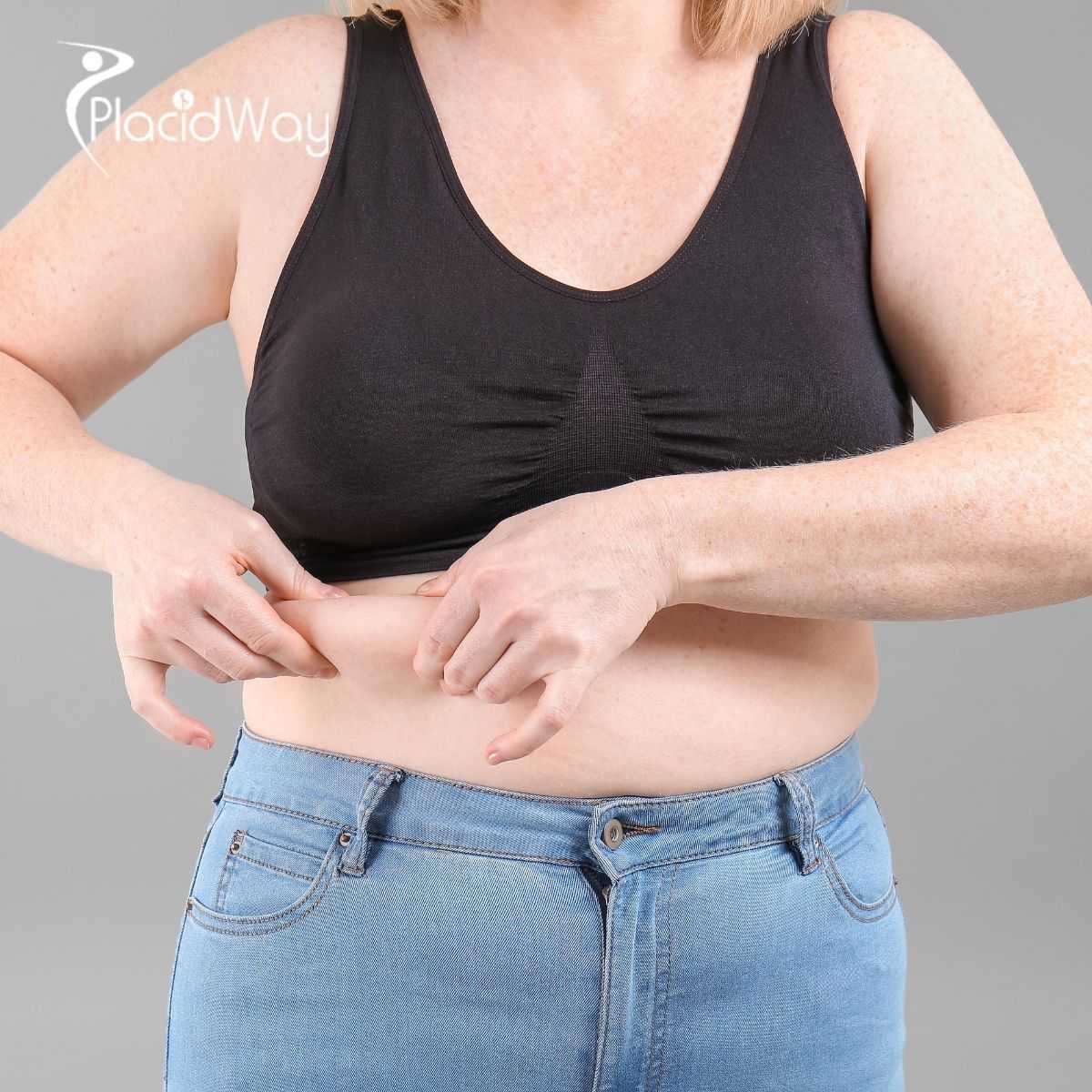
- Bariatric Weight Loss Surgery: World-class bariatric facilities draw patients seeking affordable gastric sleeve or bypass procedures, supported by post-operative nutrition plans featuring fresh regional produce.
- Cosmetic and Aesthetic Enhancements: From facial rejuvenation to body contouring, aesthetic patients appreciate the privacy of recovering in boutique border-town hotels away from their usual social circles.
- Orthopedic Consultations: Joint therapies and orthopedic evaluations are highly popular, with many patients utilizing the city's pedestrian-friendly river walks for their gentle post-treatment physical therapy.
- Routine Health Screenings: Comprehensive health checkups, including blood work and imaging, are often completed in a single morning, leaving the afternoon free for browsing the Mercado Zaragoza.
- Vision Correction Therapies: Affordable optometry and corrective laser eye procedures allow visitors to quickly return to enjoying the beautiful, sunlit vistas of the surrounding desert landscape.
Cost Comparison: United States vs. Piedras Negras
Financial anxiety is a primary reason many North Americans begin researching care options outside their domestic healthcare networks. The economic relief found in border clinics allows you to reallocate your personal funds toward a comfortable, stress-free recovery vacation.
By comparing standard procedure estimates, you can clearly see the distinct financial advantages of traveling southward for care. This transparency allows you to plan your travel budget efficiently, leaving plenty of room to enjoy historic downtown architecture and local culinary delights.
| Medical Procedure | Estimated US Cost | Estimated Local Cost | Potential Savings |
|---|---|---|---|
| Single Dental Implant | $3,500 - $5,000 | $900 - $1,400 | Up to 70% |
| Gastric Sleeve Surgery | $15,000 - $20,000 | $4,500 - $6,500 | Up to 75% |
| Porcelain Veneer (Per Tooth) | $1,000 - $2,500 | $350 - $600 | Up to 65% |
| Comprehensive Health Exam | $800 - $1,500 | $200 - $400 | Up to 75% |
Local Accreditation and Clinic Quality Standards
Feeling anxious about the clinical quality of care in a foreign country is a completely normal part of the trip planning process. The medical ecosystem in this border town adheres to strict national regulations, ensuring your safety while you enjoy the surrounding tourist attractions.
- COFEPRIS Oversight: Clinics and hospitals are rigorously inspected and certified by Mexico’s federal health authority, ensuring hygienic standards that rival international facilities.
- Board-Certified Specialists: Many treating physicians hold certifications from prestigious national medical boards, providing expert care before sending you off to relax at a local cafe.
- Cross-Border Training: It is highly common for local surgeons and dentists to participate in continuing education in the United States, bringing modern techniques back to their hometown clinics.
- Modern Diagnostic Technology: High-end tourism clinics invest heavily in 3D imaging and advanced diagnostic tools, ensuring your pre-sightseeing health checks are incredibly accurate.
- Transparent Safety Protocols: Top facilities proudly display their sterilization procedures and emergency action plans, granting you deep peace of mind as you venture out to explore the city.
Navigating the Eagle Pass Border Crossing Successfully
Dealing with international ports of entry often causes stress for first-time travelers seeking healthcare away from home. Crossing via the Eagle Pass international bridges is typically straightforward, giving you quick access to both your clinical appointments and the city's charming colonial streets.
- Multiple Bridge Options: Travelers can choose between Bridge I for convenient downtown pedestrian access and Bridge II for commercial and direct vehicle transit to modern clinic zones.
- Pedestrian Convenience: Many medical tourists prefer to park on the Texas side and walk across, easily catching a verified taxi to their appointment and later walking to nearby cultural plazas.
- Medical Fast Passes: Certain participating healthcare facilities offer specialized medical lane passes, dramatically reducing your wait time when driving back into the United States after your vacation.
- Border Operating Hours: The bridges generally operate 24 hours a day, offering incredible flexibility for scheduling early morning surgeries or late-night dinners in the tourist district.
- Safe Transit Zones: The immediate area surrounding the entry port is heavily monitored and well-lit, providing a secure environment as you begin your health-focused getaway.
Safety and Security Guidelines for Traveling Patients
Your personal security should always be a top priority when choosing a destination for health, wellness, and healing. This community is widely recognized as one of the safer border towns, allowing you to relax at local parks and historical plazas with profound peace of mind.
- Daytime Travel Focus: As with any unfamiliar tourist destination, it is generally recommended to schedule your clinical visits and sightseeing excursions during standard daylight hours.
- Tourist District Patrolling: The central downtown areas and primary medical corridors benefit from an active tourist police presence, ensuring visitors feel comfortable walking between venues.
- Clinic-Sponsored Transport: Many premium health centers provide a dedicated driver to pick you up at the border, bypassing any need to navigate unfamiliar roads by yourself.
- Situational Awareness: Remaining mindful of your surroundings and keeping valuables secured at your hotel allows you to safely enjoy the vibrant local markets without unnecessary worry.
- Trusted Transportation Networks: Relying on your clinic’s recommendations for licensed taxi services guarantees safe transit when returning to your hotel after an evening out.
Where to Stay: Accommodations for Healing Travelers
Finding the perfect place to rest after a procedure is absolutely essential for your physical and mental recovery. The city offers diverse lodging options, from modern business hotels near major clinical centers to cozy boutique stays positioned right beside historic cultural monuments.
- Recovery-Focused Amenities: Premium hotels often feature ground-floor access, quiet zones, and in-room dining options that are critical during the first few days post-operation.
- Proximity to Healthcare: Booking a room directly in the primary medical district minimizes your transit time for follow-up appointments, preserving your energy for gentle local sightseeing.
- Plaza-View Rooms: Staying near the Plaza de las Culturas provides beautiful, uplifting views from your balcony, helping to boost your spirits while your body heals.
- Bilingual Hospitality Teams: Top-tier accommodations employ English-speaking concierges who can effortlessly assist you with contacting your doctor or ordering specialized dietary meals.
- Accessible Transportation Hubs: Centralized hotels typically feature dedicated taxi stands, making it incredibly simple to arrange quick rides to clinics, pharmacies, or local shopping centers.
Transportation and Getting Around the City
Moving around an unfamiliar city while managing physical discomfort requires careful, proactive logistical planning. Fortunately, the transportation network here is purposefully designed to easily shuttle visitors between medical appointments and popular local sightseeing destinations.
- Door-to-Door Clinic Shuttles: A vast majority of reputable medical providers offer complimentary ground transportation directly from the international bridge to their waiting rooms.
- Regulated Taxi Services: Official, licensed taxis are readily available near the border and major plazas, offering incredibly affordable rates for quick trips to local pharmacies or restaurants.
- Rideshare Applications: Modern rideshare apps frequently operate within the city limits, providing transparent pricing and GPS tracking as you travel from your hotel to tourist spots.
- Pedestrian-Friendly Districts: The downtown historical center features wide, well-maintained sidewalks, making it perfectly suited for the light walking often prescribed after minor surgical procedures.
- Driving Personal Vehicles: If you choose to drive your own car across the border, ensure you secure Mexican auto insurance and utilize secure, gated parking at your chosen hotel.
Exploring Local Culture While Recovering
Staying indoors during your entire recovery period means missing out on the vibrant history and rich culture of northern Mexico. Engaging in gentle, low-impact tourism can actually improve your healing journey by significantly lifting your spirits and reducing clinical stress.
- Plaza de las Culturas: This iconic outdoor space highlights Mayan, Aztec, and Olmec histories, offering a beautifully paved, flat area perfect for safe, post-operative walking exercises.
- Paseo del Rio (River Walk): The scenic walkway bordering the Rio Grande provides tranquil water views and relaxing park benches where you can rest after morning health screenings.
- Mercado Zaragoza: Browsing this traditional market for local crafts and souvenirs provides wonderful mental stimulation without requiring strenuous physical exertion.
- Santuario de Nuestra Señora de Guadalupe: Visiting this stunning architectural landmark offers a peaceful, quiet environment for reflection and relaxation during your healthcare vacation.
- Casa de la Cultura: Engaging with regional art exhibits and historical displays keeps your mind active and entertained while your body carefully recuperates.
Dining and Nutrition During Your Medical Stay
Maintaining proper nutrition after a medical procedure is vital, but navigating a foreign culinary landscape can occasionally feel daunting. The local dining scene beautifully accommodates both strict post-operative dietary requirements and those craving authentic regional flavors.
- Soft-Diet Friendly Soups: Traditional Mexican broths, such as calming chicken consommé, are widely available and perfect for patients recovering from extensive dental work or bariatric surgery.
- High-Quality Purified Water: Reputable restaurants and hotels exclusively use commercially purified water for cooking and ice, protecting your digestive health during your tourist excursions.
- Upscale Dining Options: The downtown area features excellent international restaurants where family members can enjoy premium steaks and seafood while you stick to your prescribed diet.
- Authentic Coahuila Cuisine: Once cleared by your physician, indulging in the region's famous grilled meats and handmade tortillas is an unforgettable part of the travel experience.
- Familiar International Chains: If you seek comforting predictability during your recovery, several recognized American fast-casual dining brands operate conveniently within the city limits.
Weather and Best Times of Year to Visit
Selecting the right season for your journey ensures your physical recovery is not hindered by extreme heat or unexpected rain. The local climate is distinctly semi-arid, offering many beautiful, clear days that are absolutely perfect for gentle strolls along the riverfront.
Reviewing annual weather patterns helps you pack appropriately for both clinical environments and outdoor excursions. A well-planned itinerary carefully considers the intense summer heat and the mild winter breezes typical of this beautiful desert border region.
| Travel Season | Average Temperature Range | Recovery Comfort Level | Tourism Activity Suitability |
|---|---|---|---|
| Spring (March - May) | 60°F - 90°F | Highly comfortable for indoor and outdoor recovery. | Excellent for exploring outdoor markets and plazas. |
| Summer (June - August) | 75°F - 100°F+ | Requires air-conditioned hotels and hydration. | Best for indoor museum visits and early morning walks. |
| Fall (Sept - Nov) | 55°F - 85°F | Very relaxing for post-operative rest. | Ideal for patio dining and sightseeing. |
| Winter (Dec - Feb) | 40°F - 65°F | Cool and manageable, requires light jackets. | Pleasant for exploring without heat exhaustion. |
Communication and Language Barriers
It is incredibly natural to worry about potential language barriers when discussing complex health information or ordering a simple meal in town. Fortunately, the deep cultural and economic exchange across the border means English is widely spoken in both healthcare and local hospitality settings.
- Bilingual Clinical Staff: The majority of doctors and patient coordinators at facilities catering to international visitors speak excellent English, ensuring nothing is lost in medical translation.
- Helpful Hotel Concierges: Front desk staff at popular tourist hotels are heavily trained in bilingual communication, ready to assist you with booking tours or securing transport.
- Accessible Restaurant Menus: Dining establishments located near the major cultural plazas and clinical districts routinely offer menus printed in both Spanish and English.
- Digital Translation Tools: Having a reliable translation application on your smartphone provides a helpful backup when browsing artisan goods at the local open-air markets.
- Embracing Basic Phrases: Learning simple Spanish greetings demonstrates deep respect for the local culture and generally results in incredibly warm, welcoming service throughout your stay.
Currency Exchange and Handling Finances Locally
Managing foreign currency while simultaneously focusing on your health requires just a bit of foresight and practical planning. Handling your travel expenses efficiently leaves you totally free to enjoy local shopping and dining without any frustrating financial friction.
- Widespread USD Acceptance: Due to heavy cross-border traffic, most clinics, hotels, and tourist-facing restaurants readily accept United States dollars for standard transactions.
- Credit Card Utilization: Major international credit cards are widely accepted for paying medical bills and hotel folios, offering you built-in fraud protection and favorable exchange rates.
- Strategic ATM Access: Secure bank ATMs are located throughout the downtown sector, allowing you to withdraw Mexican Pesos for small purchases like market souvenirs or taxi fares.
- Understanding Tipping Etiquette: Leaving a standard 10% to 15% tip at local restaurants is expected and deeply appreciated by the hardworking hospitality staff supporting your recovery.
- Transparent Clinic Payments: Reputable health centers will clearly outline your financial responsibilities in advance, ensuring no surprise fees disrupt your peaceful travel experience.
Preparing Essential Travel Documents for Entry
Forgetting essential travel paperwork can cause unnecessary border delays that disrupt your carefully scheduled clinical appointments. Ensuring your documents are highly organized allows you to cross the border smoothly and begin exploring the town without an ounce of anxiety.
- Valid Passport Requirements: A current passport or valid passport card is strictly required for North American citizens to re-enter their home country after their health vacation.
- Consolidated Medical Records: Bringing physical and digital copies of your previous X-rays, lab results, and prescriptions ensures your new local physician has total clinical context.
- Clinic Confirmation Letters: Carrying official documentation from your chosen medical provider can quickly expedite conversations with border officials regarding the purpose of your visit.
- Tourist Visas for Longer Stays: While short visits generally do not require special paperwork, recoveries extending beyond a few days may necessitate a simple FMM tourist permit.
- Emergency Contact Information: Keeping a printed list of your hotel address, clinic phone number, and personal emergency contacts guarantees you are prepared for any unexpected travel scenario.
A Typical Patient's Journey Across the Border
To help deeply ease your mind, let us review an illustrative scenario of what your upcoming cross-border health journey might actually look like. A typical patient from the United States or Canada experiences a highly organized blend of clinical care and gentle tourist exploration.
- Morning Arrival via Eagle Pass: You drive to the Texas border by 9:00 AM, park securely on the US side, and casually walk across the pedestrian bridge into Mexico.
- Seamless Clinic Transfer: A bilingual patient coordinator meets you just past customs, guiding you directly to a waiting, air-conditioned vehicle for the short ride to the facility.
- Initial Medical Consultation: By 10:00 AM, you are comfortably seated in a modern clinic, reviewing your treatment plan with a board-certified specialist.
- Lunch and Local Culture: Following your morning exams, you enjoy a relaxing lunch at a highly-rated café overlooking the iconic Plaza de las Culturas.
- Restful Evening Recovery: After your afternoon procedure is complete, you check into a boutique hotel, ordering room service while enjoying views of the historic cityscape.
Frequently Asked Questions
Is medical tourism in Piedras Negras, Mexico safe for US citizens?
Yes, the city is widely regarded as one of the safer border communities for international travelers. By practicing standard situational awareness, traveling during daylight hours, and utilizing clinic-provided transportation, patients can confidently enjoy both their healthcare services and local sightseeing.
What are the most common procedures for medical tourists in this border town?
North Americans primarily travel to this region for restorative dentistry, cosmetic surgery, and bariatric weight loss procedures. Additionally, many visitors cross the border for affordable orthopedic consultations, vision correction, and comprehensive wellness screenings, followed by relaxing at local hotels.
Can I use US dollars when traveling to Piedras Negras for healthcare?
Absolutely. Most medical clinics, pharmacies, major hotels, and tourist-district restaurants readily accept United States dollars. However, it is highly recommended to carry some Mexican Pesos or a travel credit card for small purchases at local artisan markets.
How do patients cross the border to Piedras Negras from Texas?
Most travelers cross via the international bridges connecting Eagle Pass, Texas, directly to the Mexican side. You can choose to drive your personal vehicle across or park on the Texas side and utilize the highly convenient pedestrian bridge.
Are doctors in Piedras Negras accredited and licensed?
Yes, legitimate medical providers operate under the strict regulations of COFEPRIS, the Mexican federal health authority. Many prominent specialists treating foreign visitors also hold supplementary certifications from international medical boards and engage in ongoing cross-border medical education.
What should I pack for a medical trip to this Mexican border city?
Pack comfortable, loose-fitting clothing suitable for a semi-arid climate to ensure a comfortable recovery. Remember to bring your valid passport, physical copies of relevant medical records, current daily medications, and a reliable smartphone for translation and navigation.
How much can I save on medical treatments in Piedras Negras?
Patients typically save between 40% and 75% on out-of-pocket medical expenses compared to domestic United States pricing. These substantial savings on overhead and labor allow you to comfortably afford high-quality care alongside premium hotel accommodations.
Is English widely spoken in Piedras Negras clinics and hotels?
Yes, due to the high volume of cross-border commerce and healthcare travel, English is extensively spoken. You will easily find bilingual receptionists, patient coordinators, and hospitality staff ready to assist you throughout your medical vacation.
What are the best tourist activities for recovering patients in the city?
Recovering visitors should focus on gentle, low-impact activities. Highly recommended options include enjoying the historical architecture at Plaza de las Culturas, taking short walks along the Paseo del Rio, and browsing the calm stalls of the Mercado Zaragoza.
Do I need a passport for medical tourism in Piedras Negras, Mexico?
Yes, a valid United States or Canadian passport, or an official passport card, is strictly required for re-entry into the United States. Ensure your travel documents are fully up to date before scheduling your international clinic appointments.
Ready to Take the Next Step in Your Health Journey?
It is completely normal to have lingering questions about navigating cross-border healthcare. We invite you to connect with a compassionate coordinator who can provide transparent cost estimates, explain travel logistics, and help you compare verified clinics. Reach out today to comfortably plan your Medical Tourism in Piedras Negras, Mexico.
References
- ???? Health Information for Travelers to Mexico – Centers for Disease Control and Prevention (CDC)
- ???? Mexico Travel Advisory – U.S. Department of State
- ???? Patient Safety Fact Sheet – World Health Organization (WHO)
- ???? Federal Commission for the Protection against Sanitary Risk (COFEPRIS) – Government of Mexico
- ???? Medical Tourism Guidelines – Centers for Disease Control and Prevention (CDC)
- ???? Your Health Abroad – U.S. Department of State Bureau of Consular Affairs
Medical Disclaimer: The information provided in this article is for educational and informational purposes only and does not constitute medical advice, diagnosis, or treatment planning. Pricing, travel guidelines, and regulatory standards are presented as general ranges and are subject to change. Always consult with a qualified healthcare physician regarding any medical condition or proposed treatment plan before making international travel arrangements.























Share this listing