
Contents
Starting a family is one of life's most profound journeys, but unexpected fertility hurdles can make the path feel uncertain and emotionally exhausting. If you are navigating frustrating delays at home or searching for cutting-edge reproductive science with personalized care, you may be exploring international options. That is why many hopeful parents look into IVF Fertility Treatment in Dubai UAE. The combination of globally trained specialists, state-of-the-art embryology labs, and world-class healthcare infrastructure makes Dubai an exceptional destination for advanced fertility care abroad.
A single cycle of IVF in Dubai UAE typically ranges from $4,500 to $8,000, though final expenses depend heavily on medication protocols, genetic testing (PGT), and specialized lab techniques like ICSI. However, financial investment should always be paired with rigorous clinical scrutiny. When researching fertility centers, verify their accreditations, success rates, and the credentials of their reproductive endocrinologists. Taking the time to evaluate clinic standards ensures your journey toward parenthood rests on a safe and reliable foundation.
Key Takeaways
Coordinating fertility treatments across borders can feel intricate when managing diagnostic scans, hormone injections, and scheduling appointments independently. Comprehensive medical packages streamline this process by bundling your consultations, egg retrieval procedures, laboratory fertilization, and initial follow-ups into an organized schedule. Review the available options below to find a plan that accommodates your timeline and medical specifications.

Price starting from $11,700
IVF with Gender Selection in UAE – Affordable Treatment Package in Dubai by Dr. Mazen Dayeh
Dr. Mazen Dayeh - Life Fertility Center
- Fertility Treatment
Dubai,Sharjah, UAE

Price starting from $7,700
IVF Treatment Package in Dubai, UAE by Dr. Mazen Dayeh
Dr. Mazen Dayeh - Life Fertility Center
- Fertility Treatment
Dubai,Sharjah, UAE
Transparency matters when budgeting for family planning. An IVF in Dubai cycle typically runs between $4,500 and $8,000, varying according to individual medication requirements and supplemental screens like Pre-implantation Genetic Testing (PGT-A). Always verify what core fees include—such as ultrasound monitoring, anesthesia, and egg retrieval. Compare the specific financial breakdowns below to align your choices with your personal budget.
Fertility Treatment Centers Cost Comparison in Dubai, UAE
| Provider | Procedure | Price |
|---|---|---|
| Dr. Mazen Dayeh - Life Fertility Center | In Vitro Fertilization (IVF), Fertility Treatment | $7700 |
Fertility Treatment Cost Comparison in UAE
| Country | Procedure | Price |
|---|---|---|
| United States | In Vitro Fertilization (IVF), Fertility Treatment | $15000 |
| Canada | In Vitro Fertilization (IVF), Fertility Treatment | $13000 |
Choosing an IVF clinic requires looking far beyond glossy marketing brochures. When undergoing IVF in Dubai, you want an establishment equipped with cleanroom embryology laboratories, high-grade air purification systems, and experienced clinical embryologists. Focus on verified certifications, institutional track records, and safety protocols. Explore the clinic profiles below to assess their technology standards and choose an environment where you feel confident.

Dr. Mazen Dayeh - Life Fertility Center
Dubai,Sharjah, UAE
Visualizing your destination and hearing directly from fertility specialists can significantly ease pre-treatment anxieties. Watching virtual facility walkthroughs, lab insights, and doctor interviews helps bridge the gap between initial research and real-world experience. Take a moment to view the video content below to gain a genuine feel for the clinical environment where your care will take place.

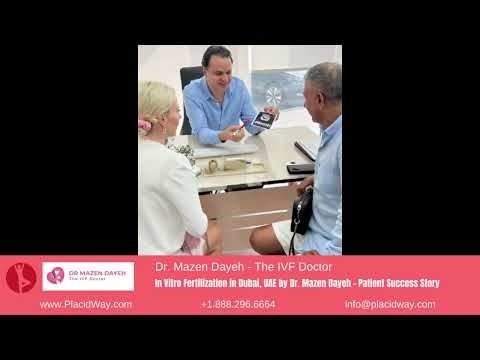

Real patient testimonials offer heartfelt clarity on what the medical travel experience truly entails. Past patients share vital perspectives regarding nursing empathy, clinic communication, and emotional resilience throughout the process. Explore the patient reviews below to learn from their honest experiences and evaluate clinical outcomes before making your final decision.

Which is the best IVF clinic in Dubai?
Because every patient's fertility journey is unique, there is no single best IVF clinic in Dubai. The right facility for you depends on individual medical needs, DHA-accredited specialists, advanced embryology labs, and personalized care plans. Navigating the emotional and medical complexities of fertility treatment requires a supportive, highly skilled environment. As the United Arab Emirates continues to establish itself as a prominent destination for healthcare, patients from around the globe are exploring IVF in Dubai. The city offers modern infrastructure, stringent medical regulations, and experienced fertility specialists. However, selecting the right facility involves much more than reading online reviews. It requires understanding UAE fertility laws, evaluating medical credentials, and assessing the technological capabilities of various centers. This guide will help you understand the criteria necessary to find a clinic that aligns with your specific reproductive health needs. Key Takeaways No single clinic is "the best" for everyone; choice depends on individual fertility issues and required technologies. UAE federal law requires couples undergoing IVF to be legally married. The quality of a clinic's embryology laboratory is just as important as the specialist's credentials. Understanding the full estimated cost, including medications and advanced testing, prevents unexpected financial stress. Seeking initial consultations with at least two different specialists can help you determine where you feel most comfortable. What makes an IVF clinic in Dubai stand out? A standout fertility center is characterized by transparent success rates, highly qualified board-certified specialists, strict adherence to DHA regulations, and a state-of-the-art embryology laboratory. When you begin evaluating facilities, look beyond the waiting room aesthetics. A reputable clinic will openly discuss its live birth rates rather than just pregnancy rates, while clearly explaining that these statistics vary significantly based on patient age and medical history. They should never promise or guarantee a pregnancy. Furthermore, excellence is often found in the clinic's multidisciplinary approach. The most reliable centers employ teams consisting of reproductive endocrinologists, skilled embryologists, and specialized fertility nurses who collaborate on your individualized care plan. They also prioritize patient education, ensuring you fully understand the physical, emotional, and financial aspects of the proposed treatment. What are the legal requirements for undergoing IVF in Dubai? To receive IVF treatment in the UAE, you must provide a valid marriage certificate, as treatments are legally restricted to married couples using their own genetic material. Medical regulations in the UAE are strictly governed by federal law and overseen locally by the Dubai Health Authority (DHA). It is vital to understand these parameters before planning your treatment. Third-party reproduction—including sperm donation, egg donation, embryo donation, and surrogacy—is entirely prohibited across the country. However, recent updates to federal laws have introduced more flexibility in other areas. For example, unmarried women may now undergo egg freezing for fertility preservation. Any clinic you consider must operate strictly within these legal boundaries; compliance is a strong indicator of a facility's overall ethical standards and commitment to patient safety. How should I evaluate a fertility specialist in the UAE? Evaluate specialists based on their board certifications, years of experience in reproductive endocrinology, and their willingness to answer your questions thoroughly and honestly. Dubai attracts medical professionals from around the world. When reviewing a doctor's credentials, look for specific fellowships in reproductive endocrinology and infertility (REI). Many leading specialists in the region hold active board certifications from recognized international bodies, such as the American Board of Obstetrics and Gynecology, the UK’s Royal College of Obstetricians and Gynaecologists (RCOG), or equivalent European and Arab boards. Beyond paper credentials, consider the doctor's communication style during your initial consultation. Fertility treatment is often an emotionally taxing process. You need a physician who listens to your concerns, explains complex medical terms in accessible language, and discusses alternative options or risks without pressuring you into immediate decisions. What role does the embryology laboratory play in IVF success? The embryology lab is the engine of any IVF clinic; a facility equipped with advanced air filtration, precise incubators, and highly skilled embryologists can significantly influence embryo development. Even the most skilled fertility doctor relies heavily on the laboratory. The environment where your eggs are fertilized and embryos are cultured requires meticulous control. High-quality labs utilize advanced HEPA filtration systems to remove volatile organic compounds (VOCs) from the air, which can be toxic to developing embryos. When speaking with a clinic, ask about their laboratory protocols. Inquire whether they use time-lapse incubation systems, which allow embryologists to monitor embryo development without removing them from the stable environment of the incubator. The experience level of the laboratory director and the senior embryologists is a critical, though often overlooked, factor in your treatment's potential for success. What is the average IVF cost in Dubai? A standard IVF cycle in Dubai typically costs between $7,000 and $12,000 USD, though prices can increase depending on medication protocols and the need for advanced genetic testing. Understanding the financial commitment is an essential part of your preparation. The baseline cost usually covers ultrasound monitoring, egg retrieval, fertilization in the lab, and the embryo transfer. However, it is crucial to ask clinics for an itemized breakdown, as many advertised base prices do not include the cost of stimulation medications, which can add several thousand dollars to your total bill. Additional procedures will also influence the final cost. Services such as Intracytoplasmic Sperm Injection (ICSI), Preimplantation Genetic Testing (PGT), embryo freezing, and annual storage fees are usually billed separately. Always request a comprehensive financial consultation before beginning treatment so you can budget accurately and avoid unexpected expenses during an already stressful time. Important Consideration: Cost should never be the sole determining factor when selecting medical care. Unusually low prices may sometimes reflect a lack of advanced laboratory technology, hidden add-on fees, or less experienced staff. How does medical tourism in Dubai cater to fertility patients? Dubai’s well-developed infrastructure supports international patients through streamlined medical visas, English-speaking healthcare professionals, and facilities experienced in coordinating care from afar. The city has deliberately positioned itself as a hub for international healthcare. For fertility patients, this means that many clinics are highly experienced in working with international schedules. They often allow patients to begin their initial hormone stimulation and ultrasound monitoring in their home country, coordinated with a local doctor, reducing the time required to stay in the UAE. Additionally, the regulatory environment provided by the DHA ensures a standard of quality and patient safety that appeals to international visitors. English is widely spoken across all medical facilities, and many clinics have dedicated international patient coordinators to help translate medical documents, explain local laws, and outline treatment timelines. What advanced reproductive technologies should I look for? Look for clinics offering specialized technologies such as ICSI for male factor infertility, PGT for genetic screening, and advanced cryopreservation methods like vitrification. Reproductive medicine evolves rapidly, and having access to modern technology can improve outcomes in suitable patients. Intracytoplasmic Sperm Injection (ICSI), where a single sperm is injected directly into an egg, is standard in many Dubai clinics and is particularly beneficial for cases involving severe male infertility. Preimplantation Genetic Testing (PGT) is another crucial offering. PGT allows embryologists to screen embryos for chromosomal abnormalities or specific genetic diseases before transfer. This can help reduce the risk of miscarriage and increase the likelihood of a healthy pregnancy, especially in older patients or those with a history of recurrent pregnancy loss. Ensure the clinic you choose has extensive experience with the specific technologies your diagnosis requires. How long do I need to stay in Dubai for a complete IVF cycle? If completing the entire cycle locally, expect to stay in Dubai for approximately 18 to 21 days; however, coordinating early monitoring at home can reduce this to 7 to 10 days. The timeline for IVF involves several stages: ovarian stimulation, egg retrieval, fertilization, and embryo transfer. Ovarian stimulation generally takes 10 to 12 days, requiring regular blood tests and ultrasounds to monitor follicle growth. If you choose to do this phase in Dubai, you will need to arrive before your menstrual cycle begins. Many international patients prefer a "shared care" model. Under this arrangement, you take your stimulation medications and undergo initial monitoring in your home country. You then travel to Dubai a few days prior to the egg retrieval. Following the retrieval, fertilization, and subsequent embryo transfer (which happens 3 to 5 days later), doctors typically advise resting for a couple of days before flying home. What questions should I ask during my initial IVF consultation? Come prepared to ask about individualized success rates, laboratory protocols, emergency aftercare procedures, and a detailed breakdown of all estimated financial costs. Your initial consultation is as much an interview for the clinic as it is a medical evaluation for you. Good questions help you gauge the transparency and patient-centered nature of the facility. Consider asking: What are your live birth success rates for patients with my specific age and diagnosis? Who will perform my ultrasounds and procedures? (Will I see the same doctor every time?) What is your protocol if an emergency or complication arises after clinic hours? Are all laboratory procedures, such as ICSI or embryo freezing, done on-site? Can you provide a written, itemized estimate of the maximum potential costs? What are the common risks and considerations of IVF treatment? While generally safe, IVF carries risks such as Ovarian Hyperstimulation Syndrome (OHSS), multiple pregnancies, ectopic pregnancy, and the emotional toll of unsuccessful cycles. It is medically vital to have a realistic understanding of the risks associated with fertility treatments. Ovarian Hyperstimulation Syndrome (OHSS) is a condition where the ovaries swell and become painful in response to injectable hormones. While mild cases are common and resolve on their own, severe OHSS requires immediate medical intervention. A responsible clinic will closely monitor your hormone levels and follicle growth to minimize this risk. Multiple pregnancies (twins or higher) are another risk, particularly if multiple embryos are transferred. Multiple pregnancies carry higher risks of premature labor, low birth weight, and complications for the mother. Discuss single embryo transfer (SET) with your specialist to reduce these risks. Furthermore, patients traveling for care must establish a clear plan for medical follow-up with a local obstetrician once they return home, ensuring continuity of care if early pregnancy complications occur. Why Choose PlacidWay for Medical Tourism in Dubai? Navigating international medical travel requires accurate information and careful planning. PlacidWay provides educational resources to help patients understand their options abroad. When exploring fertility treatments in the UAE through PlacidWay, patients can benefit from: Comprehensive Clinic Profiles: Access to detailed information regarding facility accreditations and the types of treatments offered. Provider Credentials: Educational overviews of the backgrounds and board certifications of various medical professionals. Cost Comparisons: Tools to help you understand estimated pricing structures and compare treatment estimates across different centers. Direct Communication: Streamlined systems to request information and initiate initial consultations directly with healthcare teams. Educational Resources: Helpful guides on what to expect regarding medical regulations, patient safety standards, and general healthcare infrastructure in Dubai. Frequently Asked Questions (FAQs) Is gender selection allowed during IVF in Dubai? Yes, gender selection (family balancing) is permitted in Dubai under specific regulations set by the Dubai Health Authority (DHA), typically utilizing Preimplantation Genetic Testing (PGT). Can unmarried couples undergo IVF treatment in Dubai? No. Under UAE federal law, couples must be legally married to each other and provide a valid marriage certificate to undergo IVF treatments. Does health insurance cover IVF treatments in the UAE? Insurance coverage for fertility treatments varies significantly. Some comprehensive Dubai insurance plans cover up to three IVF cycles per year for residents, while basic plans or international travel insurance typically do not. Is egg freezing permitted for single women in Dubai? Yes, recent updates to UAE federal fertility laws permit unmarried women to freeze their eggs for future fertility preservation. Are donor eggs, sperm, or embryos allowed in Dubai? No. The use of third-party donor eggs, donor sperm, and donor embryos is strictly prohibited in the UAE. All IVF procedures must use the genetic material of the married couple. What is the upper age limit for undergoing IVF in Dubai? While there is no strict federal age limit, most clinics evaluate patients on a case-by-case basis. Treatment is generally offered up to ages 45 to 50, depending on the woman's ovarian reserve and overall health. How many embryos can be transferred during one cycle? To minimize the medical risks associated with multiple pregnancies, clinics in Dubai typically limit transfers to one or two embryos, depending on the patient's age and medical history. Can I bring my own IVF medications from my home country? You may bring certain medications, but they must comply with UAE Ministry of Health regulations. You typically need a valid prescription, a medical report, and may require prior approval through the MOHAP online portal. What happens to extra embryos after an IVF cycle in Dubai? Surplus viable embryos can be cryopreserved (frozen) and stored at the clinic for future use. UAE law typically allows embryo storage for up to five years, with options to extend upon approval. How soon after an embryo transfer can I fly home? Most fertility specialists recommend waiting at least 48 to 72 hours after an embryo transfer before taking a long flight, allowing time for initial rest and ensuring no immediate complications arise. Compare Treatment Options Learn more about fertility centers, medical credentials, and treatment estimates to make an informed decision for your reproductive health. Request Treatment Information References Practice Committee Documents – American Society for Reproductive Medicine (ASRM) Infertility Fact Sheet – World Health Organization (WHO) Fertility Centres and Regulations – United Arab Emirates Government Portal Guidelines and Legal Framework – European Society of Human Reproduction and Embryology (ESHRE) In vitro fertilisation (IVF) – Human Fertilisation and Embryology Authority (HFEA) In vitro fertilization (IVF): About the Procedure – Mayo Clinic In Vitro Fertilization and Multiple Pregnancies – American College of Obstetricians and Gynecologists (ACOG) Medical Disclaimer: The information provided in this article is for educational and informational purposes only and does not constitute medical advice, diagnosis, or treatment recommendations. Fertility outcomes, risks, and suitability for treatment vary heavily based on individual medical history. Laws and medical regulations in the UAE are subject to change. Always consult with a qualified healthcare provider or reproductive endocrinologist for a comprehensive medical evaluation before making decisions regarding fertility treatments.
How much does it Cost to Freeze Eggs in Dubai?
The average cost to freeze eggs in Dubai typically ranges from $4,000 to $7,000 USD (AED 15,000 to AED 25,000) per cycle. This usually covers stimulation, retrieval, and initial freezing, while annual storage adds roughly $500 to $800 USD. Fertility preservation is a highly personal medical decision, and choosing where to undergo the procedure involves balancing quality of care, legal regulations, and financial planning. Over the past few years, the United Arab Emirates has updated its fertility laws, making the process much more accessible. Consequently, many women are now exploring egg freezing in Dubai as a viable option. Whether you are a local resident or considering traveling for care, understanding the financial breakdown, the medical requirements, and the step-by-step process is crucial. While the base prices offer a helpful starting point, a fertility journey often includes variables based on your unique medical profile. Below, we explore the nuances of the procedure, what drives the costs, and what you need to know before booking an initial consultation. Key Takeaways The estimated base price for a single retrieval cycle generally ranges between $4,000 and $7,000 USD, though final bills often vary. Hormonal medications are rarely included in the base package and can add a significant separate expense. Recent changes to UAE federal law permit unmarried women to freeze their eggs for both medical and non-medical reasons. The medical process takes roughly 10 to 14 days of active hormone stimulation and frequent clinic monitoring. Individual outcomes depend on factors like age, ovarian reserve, and overall health, and no procedure can guarantee future pregnancy. What exactly does the egg freezing cost in Dubai include? The quoted base price for a single cycle generally covers clinical monitoring, the egg retrieval procedure, and the laboratory processing required to freeze the eggs. When you consult with a clinic, they usually provide a "package" price for the cycle itself. This package typically starts once you begin your hormone injections. During the 10 to 14 days of stimulation, you will need frequent monitoring. Your base fee covers the transvaginal ultrasounds and routine blood tests used to track the growth of your ovarian follicles. The package also encompasses the retrieval day. This includes the facility fee for the operating room, the compensation for the reproductive endocrinologist performing the procedure, and the embryology lab fees. Once the eggs are retrieved, an embryologist evaluates them under a microscope, identifies the mature ones, and uses a rapid-freezing technology known as vitrification to preserve them safely. Cost Component Estimated Range (USD) Estimated Range (AED) Base Cycle (Monitoring, Retrieval, Freezing) $4,000 - $7,000 AED 15,000 - 25,000 Fertility Medications (Estimate) $1,500 - $3,500 AED 5,500 - 13,000 Annual Storage Fee $500 - $800 AED 1,800 - 3,000 *Note: Prices are estimates and vary widely based on the specific clinic, necessary medication dosages, and individual patient needs. What additional expenses and hidden fees should I plan for? Medications and annual storage fees are frequently billed separately from the base package and can significantly increase your total financial commitment. The most substantial variable cost in fertility preservation is the medication. Because every woman’s body responds differently to hormones, the exact type, dosage, and duration of the injections cannot be predicted until your doctor assesses your blood work and ovarian reserve. Medication costs alone can add anywhere from $1,500 to over $3,500 to your total bill. Other expenses to prepare for include initial consultation fees and pre-procedure screening tests. Before a clinic accepts you for a cycle, they will require an infectious disease panel and an Anti-Müllerian Hormone (AMH) test. Additionally, consider the long-term financial commitment: storing your eggs requires an annual fee. Finally, remember that freezing the eggs is only the first half of the process. If you decide to use them in the future, you will face separate costs for thawing, fertilizing the eggs via IVF (In Vitro Fertilization), and transferring the embryo. Is egg freezing in Dubai legal for unmarried women? Yes, recent updates to UAE federal law now permit unmarried women to freeze their eggs for both medical and non-medical (social) reasons. Historically, fertility preservation in the region was heavily restricted, often available only to married couples or women facing severe medical treatments like chemotherapy. However, in 2021, the UAE introduced a progressive update to its medically assisted reproduction laws. This update legalized elective, or "social," egg freezing for unmarried women without requiring a specific medical diagnosis. This legal shift has dramatically changed the landscape of women's healthcare in the region. It allows individuals to take proactive steps regarding their reproductive timelines. The law permits eggs to be frozen for an initial period of five years, and this duration can be extended with the proper administrative approvals and continued payment of storage fees. What medical tests are required before visiting an egg freezing clinic in Dubai? Before beginning treatment, clinics require specific blood tests and pelvic ultrasounds to assess your ovarian reserve and overall health. Any responsible fertility clinic will require a thorough assessment before prescribing high-dose hormones. The primary diagnostic tool is the AMH blood test, which gives doctors an indication of the size of your remaining egg supply. Alongside this, a transvaginal ultrasound is performed during the early days of your menstrual cycle to check your antral follicle count—essentially a physical count of the resting follicles in your ovaries. Furthermore, local health regulations require screening for infectious diseases. You will likely be tested for HIV, Hepatitis B, Hepatitis C, and sometimes Syphilis. These tests ensure patient safety and dictate how the laboratory handles and stores the reproductive tissue to prevent any cross-contamination in the cryogenic tanks. How long does the egg freezing procedure take? The active phase of an egg freezing cycle typically requires about 10 to 14 days of daily hormone injections, culminating in the surgical retrieval day. The timeline begins on the second or third day of your menstrual cycle. After an initial baseline ultrasound confirms your ovaries are quiet, you will start self-administering hormone injections at home. Over the next two weeks, these medications encourage your ovaries to mature multiple eggs simultaneously, rather than the single egg they would naturally release. During this window, you will visit the clinic roughly every two to three days. The medical team will draw blood to check your estrogen levels and perform ultrasounds to measure follicle growth. Once the follicles reach an optimal size, you will take a final "trigger shot" to induce the final maturation of the eggs. Exactly 36 hours later, the surgical retrieval takes place. The surgery itself is brief, usually taking 20 to 30 minutes under mild anesthesia. How many egg freezing cycles will I need? The number of cycles required depends heavily on your age, your ovarian reserve, and how many mature eggs your specialist recommends storing for a reasonable chance of future pregnancy. There is no magic number of eggs that guarantees a future baby, but fertility specialists often rely on statistical models to provide targets. For instance, a woman under 35 might be advised to freeze 10 to 15 mature eggs to have a strong statistical probability of one live birth. A woman in her late 30s may be advised to freeze 20 or more eggs, as a higher percentage of eggs may have chromosomal abnormalities as women age. If you have a high ovarian reserve, you might reach your target number in a single cycle. However, women with lower reserves, or older patients, may only yield a few mature eggs per retrieval. In these cases, doctors often recommend undergoing two or three separate cycles to accumulate enough eggs to feel secure. Each cycle incurs the full medical and medication costs again. Are there age limits for freezing eggs in the UAE? While there is no strict legal age limit for the freezing process, many medical specialists recommend undergoing the procedure before age 36 for optimal egg quality. From a biological standpoint, a woman's fertility begins to slowly decline in her late twenties, with a more rapid drop occurring after age 35. This decline affects both the quantity of the eggs remaining and their genetic quality. Therefore, eggs frozen when a woman is 30 have a statistically higher chance of resulting in a healthy pregnancy than eggs frozen at 40. Most clinics evaluate candidates individually. If you are over 38 or 40, a specialist may still agree to perform the procedure, provided you understand that success rates are generally lower and you may need multiple cycles. Honest counseling is a hallmark of good medical care, and your doctor should clearly discuss your realistic chances of success based on your age and test results. What are the medical risks and potential side effects? Egg freezing is generally considered safe, but it carries potential risks such as Ovarian Hyperstimulation Syndrome (OHSS) and minor complications associated with the retrieval surgery. Like any medical procedure, fertility preservation is not entirely without risk. The daily hormone injections can cause temporary side effects such as bloating, breast tenderness, mood swings, headaches, and bruising at the injection site. These symptoms usually subside shortly after the retrieval. A more serious, though uncommon, risk is Ovarian Hyperstimulation Syndrome (OHSS). This occurs when the ovaries over-respond to the medications, causing them to swell and leak fluid into the abdomen. Mild OHSS can be managed with rest and hydration, but severe cases require immediate medical intervention. The retrieval surgery itself is minimally invasive but carries a small risk of bleeding, infection, or damage to surrounding organs. It is essential to work with qualified healthcare professionals who monitor you closely to mitigate these risks. Why is medical tourism in Dubai popular for fertility preservation? Dubai attracts international patients by offering modern medical infrastructure, strict regulatory oversight by the health authority, and highly trained fertility specialists from around the world. Over the last decade, the UAE has heavily invested in its healthcare infrastructure, positioning itself as a hub for specialized treatments. The fertility clinics operating in the city are subject to stringent regulations set by the Dubai Health Authority (DHA), which ensures facilities maintain high clinical and ethical standards. For international patients, the destination offers several advantages. The clinics frequently employ board-certified specialists who have trained in North America, Europe, or the UK. English is widely spoken in medical settings, easing communication barriers. Furthermore, the updated legal framework providing access to unmarried women has made it a viable and appealing option for expatriates and medical tourists looking to combine high-quality healthcare with privacy and modern amenities. Why Choose PlacidWay for Medical Tourism? Navigating international healthcare options can feel overwhelming, especially for delicate procedures like fertility preservation. PlacidWay assists patients by providing structured information and connections. Choosing PlacidWay offers several practical benefits: Global Network Access: Provides access to a directory of accredited healthcare facilities and fertility clinics worldwide. Comparative Information: Allows patients to compare treatment profiles, facility capabilities, and specialist backgrounds in one place. Transparent Estimates: Offers educational resources regarding estimated procedure costs and standard inclusions. Direct Communication: Facilitates early, direct communication between patients and international healthcare providers. Informed Decision Making: Assists patients in gathering the necessary medical information to consult with their home doctors before making a decision. Frequently Asked Questions Can I ship my frozen eggs from Dubai to another country later? Yes, in most cases, you can transfer your frozen eggs to a clinic in another country. This requires specialized medical couriers who use temperature-controlled shipping containers. Both the sending and receiving clinics must coordinate the transfer and sign off on the necessary legal and medical consent forms. Is anesthesia used during the egg retrieval process? Yes, the egg retrieval is typically performed under intravenous (IV) sedation or light anesthesia. You will be asleep and should not feel any pain during the 20 to 30-minute procedure. Does insurance cover the cost of freezing eggs in the UAE? Health insurance rarely covers elective or "social" egg freezing. However, if you are freezing your eggs for medical reasons—such as before undergoing chemotherapy or pelvic surgery—some insurance providers may cover part of the procedure. Always check directly with your provider. How long can I legally store my eggs in Dubai? Under current UAE regulations, frozen eggs can typically be stored for an initial period of up to five years. This storage period can legally be extended upon request and approval, provided you continue to pay the annual maintenance fees. What is the survival rate of eggs during the freezing and thawing process? Modern clinics use a rapid freezing technique called vitrification. With vitrification, the survival rate of eggs after thawing is generally estimated between 85% and 95%. However, survival does not guarantee successful fertilization or pregnancy later on. Can I exercise during the hormone stimulation phase? Light exercise, such as walking, is usually fine during the early days of stimulation. However, as your ovaries enlarge with growing follicles, doctors strongly advise avoiding high-impact exercises, heavy lifting, or twisting movements to prevent a rare but serious condition called ovarian torsion. Will freezing my eggs deplete my ovarian reserve faster? No. Every month, your body naturally recruits a group of eggs, but usually, only one matures and the rest are absorbed by the body. The hormone medications simply stimulate the entire group of eggs to mature so they can be retrieved, rather than letting them die off. It does not use up your future egg supply. Do I need to stay in Dubai for the entire two weeks? Yes, you generally need to be near your clinic for about 10 to 14 days. During this time, you will require frequent blood tests and transvaginal ultrasounds—sometimes every other day—so your doctor can monitor follicle growth and adjust medication dosages. What happens if I over-respond to the fertility medications? If your ovaries over-respond, you may be at risk for Ovarian Hyperstimulation Syndrome (OHSS). Your doctor will monitor you closely and may lower your medication dosage, change the type of "trigger shot" used, or in severe cases, cancel the cycle to protect your health. How soon after the retrieval can I travel home? Many patients feel well enough to travel within one or two days after the retrieval. However, it is important to have a follow-up assessment and receive clearance from your doctor before flying, just to ensure you are recovering normally and not experiencing any complications. Explore Your Fertility Options Connect with specialized clinics, compare estimated costs, and gather the information you need to make an informed decision about your reproductive health. Request Treatment Information References Egg Freezing Overview, Risks, and Expectations – Mayo Clinic Oocyte Cryopreservation (Egg Freezing) Details – Cleveland Clinic Oocyte Cryopreservation Guidelines – American College of Obstetricians and Gynecologists (ACOG) Can I Freeze My Eggs to Preserve My Fertility? – American Society for Reproductive Medicine (ASRM) Fertility Preservation and Egg Freezing – Human Fertilisation and Embryology Authority (HFEA) Egg Freezing Medical Information – Johns Hopkins Medicine Medical Disclaimer: The information provided in this article is for educational and informational purposes only and does not constitute professional medical advice, diagnosis, or treatment. Pricing estimates and legal regulations are subject to change and vary by individual clinic and patient circumstances. Always seek the advice of a qualified healthcare provider or fertility specialist regarding any medical condition or before making decisions about fertility preservation. Medical outcomes, risks, and suitability vary by patient.
Is Family Balancing Legal in Dubai
Yes, family balancing is legal in Dubai. The UAE allows gender selection via IVF and Preimplantation Genetic Testing for legally married couples. Treatments must use the couple's own eggs and sperm, as third-party donors are prohibited under UAE law. For many couples planning their futures, the question of whether family balancing in Dubai is legally accessible is a critical first step in their reproductive journey. Family balancing, often referred to as gender selection for non-medical reasons, allows parents to choose the biological sex of their next child to achieve a balanced family dynamic. While this practice is restricted or heavily regulated in many countries across Europe and the Americas, the United Arab Emirates provides a clear, highly regulated legal framework that permits married couples to pursue this specialized fertility treatment. Understanding the legal landscape, the medical procedures involved, and the realistic outcomes of In Vitro Fertilization (IVF) paired with genetic testing is essential for patient safety. This comprehensive guide explores the regulations, processes, medical risks, and considerations for couples looking into family balancing options within Dubai's modern healthcare sector. Key Takeaways Family balancing via IVF and Preimplantation Genetic Testing (PGT-A) is legally permitted for married couples in the UAE. Couples must provide official marriage certificates and use only their own genetic material (eggs and sperm). Third-party egg donation, sperm donation, and surrogacy remain strictly prohibited under federal law. The procedure involves a full cycle of IVF, carrying standard medical risks that require careful consideration. Treatment success relies heavily on maternal age, egg reserve, and overall individual reproductive health. What are the legal requirements for gender selection in Dubai? To undergo gender selection in Dubai, couples must be legally married, provide official documentation, and use only their own genetic material. The United Arab Emirates has established specific federal laws regulating Medically Assisted Reproduction. Under these guidelines, family balancing in Dubai is available only to heterosexual couples who are legally married. Before any medical consultations or hormonal treatments can begin, clinics are mandated by law to verify the couple's marriage certificate and passports. If you are traveling from abroad, your marriage certificate typically needs to be officially translated and attested by the relevant authorities in your home country and the UAE embassy. The laws are strictly enforced to ensure ethical medical practices align with the cultural and legal frameworks of the region. Clinics operating under the Dubai Health Authority (DHA) undergo regular audits to ensure total compliance with these marital prerequisites. How does the family balancing process actually work? The procedure relies on In Vitro Fertilization (IVF) combined with Preimplantation Genetic Testing (PGT-A) to identify the chromosomal sex of embryos before transfer. Family balancing is not achieved through natural conception or simple artificial insemination (IUI). It requires a comprehensive IVF cycle. The process begins with the female partner undergoing ovarian stimulation via injectable fertility medications to produce multiple mature eggs. Once the eggs are surgically retrieved, they are fertilized in a highly controlled laboratory environment using the male partner's sperm. The fertilized eggs develop into embryos over five to six days, reaching the blastocyst stage. At this point, an embryologist carefully extracts a few cells from each embryo—a process known as an embryo biopsy. These cells are sent for Preimplantation Genetic Testing for Aneuploidy (PGT-A). This test counts the chromosomes, screening for genetic abnormalities (such as Down syndrome) while also identifying the sex chromosomes (XX for female, XY for male). Finally, a healthy embryo of the desired sex is selected for transfer into the uterus. Important Consideration The success of family balancing is directly tied to IVF success rates. Even with a healthy embryo of the desired sex, implantation and a successful full-term pregnancy are never guaranteed. Discussing individualized success probabilities with a qualified reproductive endocrinologist is essential. Can unmarried couples pursue this treatment in the UAE? No, unmarried couples cannot legally access IVF or family balancing treatments anywhere in the United Arab Emirates. The legal regulations surrounding medically assisted reproduction in the UAE are unambiguous regarding marital status. IVF, embryo creation, and embryo transfer are exclusive to couples possessing a valid marriage contract. Unmarried partners, regardless of their nationality or the laws of their home country, are restricted from undergoing these procedures in Dubai. Furthermore, single women or single men are not permitted to undergo IVF or gender selection procedures. The entire framework of reproductive assistance in the UAE is designed strictly to assist established, legally married families in conceiving children biologically related to both partners. Are donor eggs or sperm allowed for family balancing in Dubai? Under UAE federal law, the use of third-party donor eggs, donor sperm, or donor embryos is strictly forbidden for any fertility treatment. A foundational pillar of fertility law in Dubai is the preservation of biological lineage between the married couple and the child. Because of this, medical tourism for family balancing in the UAE is only an option if both partners can produce viable gametes. You cannot use a sperm donor if the male partner faces severe male-factor infertility, nor can you use an egg donor if the female partner has diminished ovarian reserve. Any resulting child must be 100% genetically related to the husband and the wife. Clinics strictly enforce this through rigorous identification checks and secure chain-of-custody protocols in the embryology laboratories. If a couple requires third-party reproduction (donors or surrogates), they will need to explore medical options outside the UAE. How accurate is gender selection using PGT-A? Preimplantation Genetic Testing (PGT-A) is highly accurate, typically identifying the chromosomal sex of an embryo with over 98% reliability. Because PGT-A analyzes the actual DNA of the embryo prior to it being transferred into the uterus, it is the most scientifically sound method for gender selection available today. Unlike outdated methods such as sperm spinning or timing intercourse—which lack reliable scientific backing—PGT-A provides near-certainty regarding the embryo's XX or XY status. However, it is crucial to separate the accuracy of the test from the guarantee of a baby. While the test is exceptionally accurate at identifying the sex, it does not guarantee that the embryo will successfully implant, nor does it eliminate the risk of miscarriage. Patients must enter the process understanding that testing accuracy and pregnancy success rates are two entirely different medical concepts. What is the estimated family balancing cost in Dubai? The cost of an IVF cycle with PGT-A for family balancing generally ranges from $10,000 to $16,000 USD, varying by treatment complexity and medication needs. Estimating the family balancing cost in Dubai requires looking at the individual components of the treatment. The total price typically encompasses clinical consultations, ultrasound monitoring, the surgical egg retrieval procedure, anesthesia, ICSI fertilization, embryo culture, the biopsy, and the actual genetic testing. Genetic testing fees are sometimes charged per embryo, meaning costs can fluctuate based on how many embryos are produced. A significant variable in the final cost is the injectable fertility medication required for ovarian stimulation. Depending on the patient's age and ovarian reserve, medication doses can vary widely, potentially adding several thousand dollars to the overall estimate. It is also important to plan financially for the possibility that a first cycle may not yield embryos of the desired sex, which could necessitate a second, fully funded IVF cycle. Treatment Phase What It Entails Stimulation & Monitoring Hormonal injections, blood tests, and ultrasound scans. Egg Retrieval & ICSI Surgical collection of eggs and fertilization in the laboratory. Embryo Biopsy & PGT-A Cell extraction and chromosomal screening for gender and health. Embryo Transfer Placing the selected embryo into the uterine cavity. Who is an ideal candidate for this procedure? Ideal candidates are married couples with good reproductive health, adequate ovarian reserve, and a clear understanding of the physical and emotional demands of IVF. Before starting treatment, both partners will undergo thorough medical evaluations at a family balancing clinic in Dubai. For the female partner, physicians will assess ovarian reserve using an AMH (Anti-Müllerian Hormone) blood test and an antral follicle count ultrasound. Age is a critical factor, as maternal age directly impacts the quantity and chromosomal normalcy of eggs. Women under 35 typically produce a higher percentage of chromosomally normal (euploid) embryos, giving them a statistically better chance of having an embryo of the desired sex available for transfer. The male partner will require a comprehensive semen analysis to ensure sufficient sperm count, motility, and morphology to facilitate fertilization. Beyond physical health, ideal candidates possess a robust support system. The hormonal fluctuations, waiting periods, and emotional highs and lows associated with IVF require considerable psychological resilience. What are the medical risks associated with IVF and PGT-A? Medical risks include Ovarian Hyperstimulation Syndrome (OHSS), multiple pregnancies, surgical complications, and the emotional toll of unsuccessful treatment cycles. Family balancing is an elective application of a significant medical intervention. The primary risk during the stimulation phase is Ovarian Hyperstimulation Syndrome (OHSS), a condition where the ovaries swell and leak fluid into the abdomen. While severe OHSS is rare due to modern medication protocols, mild to moderate symptoms like bloating and discomfort are common. The egg retrieval procedure carries standard surgical risks, including a small risk of bleeding, infection, or adverse reactions to anesthesia. Furthermore, the embryo biopsy used for PGT-A carries a very small risk of damaging the embryo. Patients must also consider the potential for ectopic pregnancy or miscarriage, as genetic testing cannot completely eliminate these possibilities. Comprehensive counseling with a fertility specialist is crucial to weigh these medical risks against personal goals. Why is medical tourism in Dubai popular for fertility treatments? Dubai attracts international patients due to its advanced healthcare infrastructure, strict medical regulations, and clear legal pathways for married couples seeking gender selection. The rise of medical tourism in Dubai is largely fueled by the emirate's commitment to building a world-class healthcare ecosystem. Fertility clinics in Dubai are equipped with state-of-the-art embryology laboratories and staffed by internationally trained specialists. For patients traveling from countries where family balancing is prohibited, Dubai offers a legally secure environment where treatments are performed openly and ethically under the supervision of the Dubai Health Authority. Additionally, the city caters extensively to international visitors. English is widely spoken in all medical facilities, and the high standard of patient privacy, safety, and hospitality provides a comfortable setting for couples undergoing the stress of fertility treatments. What happens if no embryos of the desired sex are produced? If PGT-A reveals no healthy embryos of your preferred gender, the embryo transfer may be canceled, or couples may opt to transfer a healthy embryo of the opposite sex. A stark reality of family balancing is the biological attrition rate. For example, a patient might retrieve 12 eggs, leading to 8 fertilized embryos, of which only 4 reach the blastocyst stage. After PGT-A testing, perhaps only 2 are found to be chromosomally normal. It is entirely possible that both of these normal embryos are the opposite sex of what the parents intended. In this scenario, patients face a difficult decision. They can choose to undergo another full IVF cycle—incurring additional costs and physical demands—in hopes of creating embryos of the desired sex. Alternatively, they may decide to transfer a healthy embryo of the opposite sex, or freeze the embryos for future consideration. Discussing these potential outcomes beforehand ensures patients are emotionally prepared for the unpredictable nature of human biology. Why Choose PlacidWay for Medical Tourism in Dubai? Navigating international healthcare can be complex. PlacidWay assists patients in exploring medical options abroad by providing organized, factual resources. Global Network: Connects patients with internationally accredited medical facilities and specialized fertility clinics. Information Access: Provides comprehensive details on various specialized treatments available in global medical hubs like Dubai. Cost Comparison: Helps patients research and compare estimated treatment costs across different clinics and regions. Provider Research: Offers a platform to review facility credentials, clinic history, and physician backgrounds before booking consultations. Patient Empowerment: Supports individuals in gathering the necessary medical and procedural information to make informed, independent healthcare decisions. Frequently Asked Questions Does health insurance cover family balancing in Dubai? No, health insurance generally does not cover family balancing in Dubai. Because gender selection for non-medical reasons is considered an elective procedure, patients typically must pay out-of-pocket for IVF, PGT-A, and associated medications. How long do I need to stay in Dubai for the IVF and PGT-A process? International patients typically need to stay in Dubai for about three to four weeks to complete the ovarian stimulation, egg retrieval, and initial recovery phases. Many patients return home while waiting for genetic testing results, traveling back later for the embryo transfer. Can PGT-A also screen for genetic diseases? Yes, while PGT-A screens for chromosomal abnormalities and identifies the gender, a related test called PGT-M (Preimplantation Genetic Testing for Monogenic disorders) can be added to screen for specific hereditary genetic diseases. Is there an age limit for women seeking IVF in Dubai? While there is no strict legal age limit, most fertility clinics in Dubai evaluate candidates individually based on ovarian reserve and overall health. Many clinics have a practical cutoff around age 45 to 50 due to naturally declining success rates. What documents must international patients bring to Dubai? International patients must provide original passports and a legally recognized, officially attested marriage certificate. Clinics require these documents to comply with the UAE's strict reproductive laws before beginning any treatment. Can I choose the gender of twins through family balancing? If you have multiple healthy embryos of the desired sex, a doctor may discuss transferring two embryos. However, transferring multiple embryos increases the risk of a multiple pregnancy, which carries higher medical risks for both the mother and babies. Does the embryo biopsy harm the developing embryo? The risk of damaging an embryo during the biopsy is generally considered very low (usually less than 1%) when performed by experienced embryologists, as the cells are carefully removed from the outer layer (trophectoderm) that will become the placenta. Is surrogacy an option in Dubai if I cannot carry the pregnancy? No, surrogacy is strictly prohibited under UAE federal law. All fertility treatments, including family balancing, require the intended mother to carry the pregnancy herself. What happens to remaining frozen embryos in Dubai? Remaining healthy embryos can be frozen and stored at the clinic for future use. Patients must pay an annual storage fee and periodically renew their consent to maintain the embryos in storage according to Dubai Health Authority guidelines. How quickly can I travel home after the embryo transfer? Patients are generally advised to rest for a short period, but most can safely fly home one to three days after the embryo transfer, provided their fertility specialist has cleared them for travel. Compare Treatment Options Research certified clinics, compare estimated costs, and gather information to help you make an informed decision regarding fertility treatments. Request Treatment Information References Medically Assisted Reproduction Laws – UAE Ministry of Health and Prevention (MOHAP) Healthcare Regulations and Clinical Oversight – Dubai Health Authority (DHA) Clinical Guidelines on Preimplantation Genetic Testing – American Society for Reproductive Medicine (ASRM) IVF Overview and Medical Risks – Human Fertilisation and Embryology Authority (HFEA) Genetic Screening Protocols and Accuracy – European Society of Human Reproduction and Embryology (ESHRE) In Vitro Fertilization (IVF) Risks and Process – Mayo Clinic Medical Disclaimer: The information provided in this article is for educational and informational purposes only and does not constitute medical or legal advice. Fertility treatments, including IVF and PGT-A, carry medical risks and their suitability varies by individual. Always consult with a qualified, board-certified reproductive endocrinologist or medical professional for personalized medical advice, diagnosis, and evaluation of treatment eligibility.
Is it Legal to Choose Gender in IVF in Dubai?
Yes, it is completely legal to choose the gender of your baby during IVF in Dubai. Known as family balancing, this procedure uses Preimplantation Genetic Testing to safely screen embryos for sex chromosomes before implantation. Key Takeaways Legal Status: Elective family balancing is legally permitted in the UAE for married couples. The Procedure: Gender selection requires a full IVF cycle coupled with Preimplantation Genetic Testing (PGT). Accuracy: Genetic screening for sex chromosomes is highly accurate, often exceeding 98% when viable embryos are produced. Requirements: Patients must provide a valid, attested marriage certificate to undergo treatment. Medical Tourism: Dubai's clear legal framework and modern facilities attract thousands of international fertility patients annually. Navigating the complex world of fertility treatments can be overwhelming, especially when considering advanced procedures like gender selection. Many international patients wonder about the legalities, safety, and processes involved. Because laws governing Assisted Reproductive Technology (ART) vary drastically from one country to another, understanding the local regulations is a critical first step. Below, we explore everything you need to know about pursuing this treatment safely and legally under UAE guidelines. How does the gender selection process work during IVF? Gender selection requires a standard in vitro fertilization cycle combined with Preimplantation Genetic Testing (PGT) to identify the sex chromosomes of each embryo before transfer. The journey begins much like a conventional IVF cycle. The female patient undergoes controlled ovarian stimulation using hormonal medications. These medications encourage the ovaries to mature multiple eggs simultaneously. Once the eggs reach the optimal size, they are retrieved during a minor surgical procedure performed under light sedation. In the laboratory, the retrieved eggs are fertilized using Intracytoplasmic Sperm Injection (ICSI), where a single, healthy sperm is injected directly into each mature egg. The resulting embryos are carefully cultured in an incubator for five to six days until they reach the blastocyst stage. At this developmental milestone, the embryo consists of over a hundred cells, divided into two parts: the inner cell mass (which becomes the fetus) and the trophectoderm (which becomes the placenta). A highly trained embryologist then performs a delicate biopsy, removing a few cells from the trophectoderm. These cells are sent for genetic sequencing via PGT-A (Preimplantation Genetic Testing for Aneuploidy). The test reveals the chromosomal makeup of the embryo, identifying whether it is XX (female) or XY (male), as well as checking for abnormal chromosome counts. Finally, the physician discusses the results with the patient, and an embryo of the desired gender is selected for transfer into the uterus. Who is eligible for family balancing in the UAE? Most married couples are eligible for family balancing in the UAE, provided they supply a valid marriage certificate and undergo the standard medical evaluations required for fertility treatments. Unlike many countries in Europe or regions like Australia, where gender selection is strictly prohibited unless there is a documented medical need, the United Arab Emirates allows gender selection for elective family balancing. This progressive approach is part of what makes the region a hub for fertility care. However, strict regulatory guidelines remain in place. Under UAE law, any form of assisted conception is exclusively available to legally married, heterosexual couples. Clinics will request an attested marriage certificate, passports, and sometimes specific medical clearances before initiating any treatment plan. Additionally, doctors will evaluate the female partner's ovarian reserve, age, and overall health to ensure she is a suitable candidate for the physical demands of ovarian stimulation. Important Consideration: While elective family balancing is legal, treatments involving third-party gametes (egg or sperm donation) and surrogacy have historically faced strict legal restrictions in the UAE. Treatment must be performed using the couple's own biological material. What is the success rate of gender selection with IVF? When an embryo of the desired sex is successfully created and tested, the gender accuracy of PGT is typically considered over 98%, though overall IVF pregnancy rates vary by individual. It is vital to distinguish between the accuracy of the genetic test and the success rate of achieving a live birth. The laboratory sequencing technology used to read the chromosomes is incredibly advanced. If a tested embryo is identified as male or female, that determination is almost always accurate. However, achieving a pregnancy is a separate challenge. Success depends heavily on maternal age, egg quality, sperm quality, and the uterine environment. For instance, a woman in her late twenties may yield multiple healthy blastocysts of both genders, giving her excellent odds. Conversely, a woman in her early forties may produce fewer eggs, leading to fewer blastocysts. In some cases, a patient may undergo a complete cycle only to find that none of the resulting healthy embryos are of the desired gender. Consulting closely with a reproductive endocrinologist helps establish realistic, individualized expectations. Are there any medical reasons to choose the baby's sex? Yes, doctors often recommend gender selection using PGT-M to prevent passing on severe sex-linked genetic disorders, such as hemophilia or Duchenne muscular dystrophy, to the child. While many couples pursue IVF in Dubai for elective family balancing—simply desiring to have a child of a specific gender to balance their family dynamic—there are profound medical applications for the technology. Some genetic diseases are passed down on the sex chromosomes, most commonly the X chromosome. Because biological females have two X chromosomes (XX) and males have one X and one Y (XY), X-linked disorders often affect males more severely. If a mother is a known carrier of an X-linked condition, her male offspring have a significantly higher risk of being affected by the disease. In these specific medical scenarios, fertility specialists use a specialized test called PGT-M (Preimplantation Genetic Testing for Monogenic/Single Gene Defects) alongside gender selection. By choosing to transfer a female embryo, or an unaffected male embryo, parents can safely eliminate the risk of passing the devastating condition to the next generation. How much does the IVF cost in Dubai with gender selection? Adding gender selection to your treatment will increase the total cost, as it requires advanced laboratory testing, biopsy procedures, and specialized equipment on top of the standard IVF fees. Financial planning is a critical aspect of preparing for fertility treatment. The base cost of standard IVF covers the physician's fees, ultrasound monitoring, egg retrieval, fertilization, and the embryo transfer. When you add family balancing, you must also pay for the delicate embryo biopsy and the complex genetic sequencing. While prices fluctuate based on the specific facility, the complexity of your medical needs, and the medications prescribed, the estimated cost for IVF combined with PGT-A in the UAE typically ranges between $12,000 and $18,000 USD (approximately 45,000 to 65,000 AED). Hormonal medications often make up a significant portion of the total expense and can vary greatly depending on the required dosage. It is highly recommended to request a comprehensive, itemized financial estimate from your chosen clinic before beginning the stimulation phase to avoid unexpected expenses. How do I choose the right IVF clinic in Dubai? Selecting a reputable facility involves checking for strict local accreditation, reviewing the laboratory's capabilities, and ensuring the medical team has extensive experience with family balancing. Accreditation: Verify that the clinic holds current, valid licensing from the Dubai Health Authority (DHA) or the UAE Ministry of Health and Prevention (MOHAP). Laboratory Quality: The success of PGT relies heavily on the embryology lab. Ask whether they have an in-house genetics lab or if they outsource biopsies to third-party facilities. Physician Credentials: Look for reproductive endocrinologists who are board-certified and have a documented track record in advanced ART procedures. Transparent Communication: A trustworthy clinic will clearly explain success rates, provide honest assessments of your medical profile, and offer transparent pricing estimates. Support Services: Look for multidisciplinary teams that provide access to genetic counselors, patient coordinators, and psychological support throughout your journey. Is medical tourism in Dubai common for fertility treatments? Dubai has become a major destination for international patients seeking fertility treatments because of its progressive family balancing laws, stringent safety regulations, and modern healthcare infrastructure. Every year, thousands of couples travel across borders to access medical procedures that are unavailable, restricted, or prohibitively expensive in their home countries. In many Western nations—including the United Kingdom, Canada, and Australia—elective gender selection is banned. Consequently, patients looking to balance their families naturally seek out legal, safe alternatives abroad. The UAE has intentionally positioned itself as a center for medical excellence. Beyond the legal permissibility of family balancing, international patients are drawn to the region's luxurious recovery environments, strict patient privacy laws, and widespread English proficiency among medical staff. Many clinics have dedicated international patient departments that assist with telemedicine consultations, streamlining the process so patients only need to travel for the most critical phases of treatment. What are the risks associated with IVF and embryo testing? The risks mirror those of standard IVF, including ovarian hyperstimulation syndrome (OHSS), multiple pregnancies, and the small possibility of biopsy-related embryo damage. Like any medical intervention, fertility treatments carry inherent risks that should be thoroughly discussed with a qualified healthcare professional. The hormonal medications used to stimulate egg production can sometimes cause Ovarian Hyperstimulation Syndrome (OHSS), a condition characterized by painful, swollen ovaries and fluid retention. While mild OHSS is common and usually resolves independently, severe cases require medical management. Furthermore, transferring multiple embryos increases the risk of multiple pregnancies (twins or higher-order multiples), which carry higher risks of premature birth and maternal complications. This is why many doctors advocate for elective single embryo transfer (eSET). Regarding the genetic testing component, removing cells from an embryo is a highly delicate procedure. While modern trophectoderm biopsies (performed on day 5 or 6) are generally considered safe and less invasive than older day-3 cleavage-stage biopsies, a marginal risk exists that the embryo could stop developing or be damaged during the process. Additionally, patients must prepare for the emotional risk of cycle cancellation if genetic testing reveals that no embryos are chromosomally normal or of the desired gender. How long do I need to stay in the UAE for treatment? International patients typically need to stay in Dubai for about three to four weeks to safely complete the ovarian stimulation, egg retrieval, and embryo transfer phases. Timing is a crucial factor for those traveling for medical care. While some initial consultations and preliminary blood work can be coordinated with a local physician in your home country, the core procedures must happen on-site at the fertility clinic. The active phase of the cycle begins with ovarian stimulation, which usually lasts 10 to 14 days, requiring regular ultrasound monitoring. This is followed by the egg retrieval surgery. Because the embryos must grow in the laboratory for five to six days before the biopsy, and the genetic testing itself takes time, many clinics utilize a "freeze-all" protocol. This means the embryos are biopsied, frozen (vitrified), and the genetic results are awaited. The patient can either stay in the UAE or return home and travel back a month later for a frozen embryo transfer (FET). Your medical team will customize the timeline based on clinical protocols and your travel flexibility. What happens to the remaining embryos after gender selection? Healthy embryos of the unselected gender, or surplus embryos of the desired gender, can usually be safely frozen for future use depending on specific clinic policies and UAE regulations. A successful IVF cycle often produces multiple viable embryos. Once the desired embryo is transferred, you are faced with decisions regarding the remaining blastocysts. If you have extra healthy embryos of the chosen gender, they are typically preserved using a fast-freezing method called vitrification. This allows you to attempt another pregnancy in the future without repeating the ovarian stimulation and egg retrieval phases. For healthy embryos of the unselected gender, you generally have the option to freeze them as well, should you decide to expand your family differently in the future. The management, preservation, and potential discarding of unused embryos are strictly governed by UAE law and Islamic bioethics guidelines integrated into local healthcare regulations. Patients are required to sign clear, explicit consent forms detailing their wishes for surplus embryos before the cycle even begins. Why Choose PlacidWay for Medical Tourism? Planning international medical treatments requires access to reliable, structured information. PlacidWay serves as an educational platform to assist patients exploring global healthcare options. Global Directory: Provides access to a comprehensive database of international healthcare providers and medical facilities. Educational Resources: Offers detailed guides and articles to help patients understand different medical procedures and destination options. Facility Profiles: Lists factual details regarding clinic capabilities, available fertility treatments, and technologies. Multilingual Support: Connects patients with customer service teams equipped to help navigate complex healthcare information in multiple languages. Accreditation Visibility: Focuses on highlighting medical centers that display transparent local and international accreditations. Frequently Asked Questions Is gender selection guaranteed to be successful? No medical procedure is fully guaranteed. While the genetic testing (PGT-A) used to determine the sex of an embryo is highly accurate (often over 98%), success depends on your body producing viable embryos of the desired gender, and the subsequent embryo transfer resulting in a successful pregnancy. Do we need a marriage certificate for IVF in the UAE? Yes. Under UAE federal law and health guidelines, assisted reproductive technology treatments, including IVF and family balancing, are strictly reserved for legally married couples. You will be required to provide a valid, attested marriage certificate before beginning treatment. Can I choose the baby's gender with IUI in Dubai? No. Intrauterine Insemination (IUI) with sperm sorting methods is not considered a reliable or standard method for gender selection. True gender selection requires IVF combined with embryo biopsy and preimplantation genetic testing. Does the PGT biopsy harm the embryo? The risk of damaging an embryo during a trophectoderm biopsy is generally considered very low when performed by an experienced embryologist. However, a small risk of embryo arrest or damage does exist, which your fertility specialist will discuss with you. Can we test for eye color or intelligence? No. Preimplantation genetic testing is used strictly to identify chromosomal abnormalities, specific genetic diseases, and sex chromosomes. Selecting embryos based on physical traits like eye color, height, or intelligence is neither scientifically feasible nor legally permitted. How many embryos are usually transferred at once? To minimize the risks associated with multiple pregnancies, most modern fertility guidelines recommend transferring one or sometimes two embryos, depending on the patient's age, medical history, and embryo quality. Are there age restrictions for undergoing IVF in Dubai? While there is no strict legal cutoff age applied uniformly to all patients, clinics typically evaluate eligibility based on ovarian reserve and maternal health. Women over the age of 42 to 45 may face lower success rates, and doctors will assess suitability on a case-by-case basis. What is the difference between PGT-A and PGT-M? PGT-A screens for aneuploidy (abnormal numbers of chromosomes) and identifies the sex chromosomes for family balancing. PGT-M is targeted testing for specific monogenic (single-gene) disorders, such as cystic fibrosis or sickle cell anemia, when parents are known carriers. Is egg freezing available for international patients in Dubai? Yes, elective egg freezing (oocyte cryopreservation) is legally permitted and widely available in Dubai for women who wish to preserve their fertility for medical or personal reasons. Can I fly home immediately after the embryo transfer? Most fertility specialists recommend resting for one to two days after an embryo transfer before taking a long-haul flight. It is essential to discuss your specific travel plans and required follow-up care with your treating physician. Explore Your Fertility Options Today Compare international treatment facilities and request factual, educational information regarding family balancing and IVF care. Request Treatment Information References Preimplantation Genetic Testing – American Society for Reproductive Medicine (ASRM) Preimplantation Genetic Testing Committee Opinion – American College of Obstetricians and Gynecologists (ACOG) PGT-M Guidelines – Human Fertilisation and Embryology Authority (HFEA) In Vitro Fertilization (IVF) Risks and Process – Mayo Clinic Licensing for Assisted Reproductive Centers – Ministry of Health and Prevention (MOHAP) UAE Clinical Utility of Preimplantation Genetic Testing – National Institutes of Health (NIH) Medical Disclaimer: The content provided in this article is for informational and educational purposes only and does not constitute medical advice, diagnosis, or treatment recommendations. Laws, regulations, and medical protocols surrounding Assisted Reproductive Technology (ART) and gender selection vary by jurisdiction and are subject to change. Always consult with a licensed and appropriately qualified reproductive endocrinologist or medical professional to discuss your individual health history, eligibility, potential risks, and alternatives before making any medical decisions or traveling for healthcare. Outcomes and recovery vary significantly from patient to patient, and no medical procedure is entirely risk-free or guaranteed to succeed.
How Much Does IVF with Gender Selection Cost in Dubai?
The average cost for a full IVF with gender selection in Dubai ranges from $12,000 to $20,000 USD. However, this price typically does not include the cost of medications, which can add a significant $2,000 to $5,000+ to the total. For couples looking to complete their family, the ability to choose the gender of their next child—a process known as family balancing—is a remarkable advancement in reproductive medicine. Dubai has firmly established itself as a premier global destination where this procedure is not only legal and well-regulated but also performed to the highest medical standards. As families begin to explore this life-changing option, the most critical and practical question arises: "How much does IVF cost in Dubai with gender selection?" Understanding the full financial picture is the first step in planning this important journey. The cost of this advanced procedure in Dubai reflects its high-tech nature, involving a full In Vitro Fertilization (IVF) cycle combined with sophisticated Preimplantation Genetic Diagnosis (PGD) technology. While the "sticker price" for a treatment package can seem straightforward, a realistic budget requires a deeper understanding of what is included and, more importantly, what is not. The cost of fertility medications, for example, is a major component of the total price but is almost always excluded from the initial package quote. This comprehensive guide will provide a transparent and detailed breakdown of the costs associated with IVF with gender selection in Dubai as of 2025. We will explore the typical package price, create a clear list of the significant additional costs you must budget for, and provide a realistic estimate for the total investment. Our goal is to demystify the financials so you can plan your family balancing journey with confidence and clarity. How much does IVF with gender selection cost in Dubai? "The average package for IVF with for gender selection in Dubai is approximately $12,000 to $20,000 USD (around 44,000 to 73,500 AED). This price covers the core medical and laboratory procedures but does not include medications." This cost reflects the advanced nature of the treatment, which is essentially two procedures in one: a full IVF cycle and a highly complex genetic testing process for the embryos. The final price within this range will depend on the reputation of the clinic, the number of embryos that need to be tested, and the specific technologies included in their standard laboratory process. When comparing Dubai's costs to the United States, where a similar cycle can easily exceed $25,000-$30,000 before medications, the value is apparent. However, it is essential to look beyond the package price to understand the full financial commitment. What is included in the IVF with Gender Selection package price? "A typical package in Dubai is comprehensive for the medical services. It includes ovarian stimulation monitoring, the egg retrieval and fertilization procedures, embryo biopsy, the PGD genetic testing, and one fresh embryo transfer." A reputable, DHA-regulated clinic will provide a clear quote detailing all the services covered by the main fee. You can expect the following to be included: Cycle Monitoring: All doctor's consultations, ultrasound scans, and blood tests required during the stimulation phase. Egg Retrieval Procedure: The fees for the surgeon and the anesthesiologist for the egg collection surgery. Laboratory Procedures: ICSI Fertilization: The standard method of injecting a single sperm into each egg. Embryo Biopsy: The delicate process of taking a few cells from each day-5 embryo (blastocyst). PGD/PGT-A Testing: The genetic analysis of the cells to check for chromosomal health and determine gender. Most packages include testing for a set number of embryos (e.g., 6 or 8). Embryo Transfer: The cost of one fresh embryo transfer procedure. What are the major costs NOT included in the package? "The most significant extra cost is always the fertility medication, which can range from $2,000 to $5,000+. Other major exclusions are initial diagnostic tests, the freezing and storage of surplus embryos, and all travel-related expenses." This is the most critical area for patients to understand in order to create an accurate budget. The package price is just one piece of the puzzle. You must plan for these additional necessary costs: Common Exclusion Description Estimated Cost (USD) Fertility Medications Ovarian stimulation drugs, trigger shots, and post-transfer support medications (progesterone, estrogen). $2,000 - $5,000+ Initial Diagnostics The first consultation and preliminary tests (blood work, semen analysis) before the treatment cycle begins. $500 - $1,000 Embryo Cryopreservation Freezing of any extra healthy embryos of the desired gender, plus the annual storage fee. $500-$1,000 (freezing) + $400-$600 (per year) Frozen Embryo Transfer (FET) The cost of a future cycle to transfer a frozen embryo if the fresh cycle is unsuccessful. $2,000 - $4,000 Travel & Accommodation Flights, hotel/apartment for a ~3-week stay, and living expenses. Varies What is a realistic total budget for one cycle? "To create a realistic budget, you should add the estimated cost of medications to the package price. Therefore, a more accurate all-in medical cost for one cycle of IVF with gender selection in Dubai is between $14,000 and $25,000, plus your travel expenses." Thinking in terms of this total medical cost provides a much more accurate financial picture and helps avoid surprises. For example, if a clinic quotes a package price of $15,000, a safe and realistic budget for the medical portion of the journey would be closer to $18,000 - $20,000 once medications are included. This transparent approach to budgeting is essential for a stress-free experience. Who is legally eligible for family balancing in Dubai? "The law in Dubai is clear and strict on this point: IVF and any related procedures, including gender selection, are available exclusively to legally married heterosexual couples. Proof of a valid marriage certificate is a mandatory requirement for all clinics." This is a non-negotiable legal requirement enforced by the Dubai Health Authority (DHA). The procedure is not available to single individuals or unmarried partners. All patients will be required to provide official documentation of their marriage before any treatment can begin. This legal clarity provides a secure and well-defined framework for the clinics and for the couples who are eligible. What is the step-by-step process and required stay? "The entire process, from the start of ovarian stimulation to the embryo transfer, requires a stay of approximately 3 weeks (around 20-22 days) in Dubai. The journey involves daily medication, regular monitoring, and several key procedures at the clinic." The timeline is intensive and requires being in Dubai for the full duration: Days 1-3: Arrival and baseline scan at the clinic on day 2 or 3 of the menstrual cycle. The woman begins ovarian stimulation injections. Days 4-12: A period of daily injections with monitoring appointments (ultrasounds and blood tests) at the clinic every 2-3 days. Day 13-14: The "trigger shot" is administered to mature the eggs, and the egg retrieval procedure is scheduled 36 hours later. Day 14-19 (Lab Phase): The retrieved eggs are fertilized, and the embryos grow in the lab for 5-6 days. The embryo biopsy is performed on day 5 or 6, and the cells are sent for PGD testing. Day 20-21: The genetic test results are received. A healthy embryo of the desired gender is selected and transferred to the uterus. Departure: Patients can typically fly home 1-2 days after the embryo transfer. The pregnancy test is taken two weeks later in the home country. Planning your family is a deeply personal journey. To get precise, personalized cost estimates and connect with leading, DHA-regulated fertility clinics in Dubai, explore the options on PlacidWay and take the next step in building the family of your dreams.
How Much Does IUI Cost in Dubai?
The average IUI Cost in Dubai typically ranges from $500 to $1,500 USD per cycle. This price varies based on clinic reputation, whether ovulation-stimulating medications are used, and if extensive pre-treatment diagnostic testing is required. Key Takeaways: IUI Treatment in Dubai Cost-Effective Option: The procedure offers a minimally invasive, cost-effective starting point for fertility treatment compared to IVF. Variable Pricing: Prices fluctuate based on individual medication requirements, diagnostic ultrasounds, and laboratory processing. High Clinical Standards: Finding the right IUI clinic in Dubai involves verifying specialist credentials and laboratory quality markers. Legal Requirements: International patients must comply with local medical regulations regarding legal marital status documentation. Accurate Budgeting: Careful financial planning is necessary to account for potential multiple cycles, pharmacy fees, and travel expenses. What is an IUI Procedure and How Does It Function? Intrauterine insemination is a fertility treatment that involves placing concentrated, washed sperm directly into the uterus during ovulation to increase the likelihood of fertilization. The process typically begins with monitoring the menstrual cycle to determine the optimal time for ovulation. In some cases, fertility specialists may prescribe medications to stimulate the ovaries, encouraging the development of multiple mature eggs and timing their release precisely. Frequent ultrasound scans and blood tests help track this follicular development. Once ovulation is imminent, a semen sample is collected and processed in a specialized laboratory. This vital washing step separates healthy, highly motile sperm from the seminal fluid and lower-quality sperm, creating a highly concentrated sample ready for insemination. Finally, a medical professional uses a thin, flexible catheter to insert the washed sperm directly into the uterine cavity. The procedure is generally quick, structurally similar to a standard pelvic exam, and patients can typically resume normal activities shortly afterward with minimal discomfort. What Factors Influence the Total IUI Cost in Dubai? Total IUI expenses are heavily dictated by medication requirements, preliminary diagnostic scans, monitoring frequency, facility reputation, and advanced sperm processing methods. Understanding the breakdown of expenses is crucial when budgeting for IUI in Dubai. Treatment customization plays a major role in these price fluctuations, ensuring that medical care is tailored specifically to individual reproductive needs. Our comprehensive clinical evaluation focuses on five main financial components: Medication Requirements: Natural cycles cost less, whereas cycles utilizing oral or injectable hormone medications add to the total expense. Diagnostic Testing: Preliminary blood work, hormone panels, and advanced imaging scans are often billed separately from the core procedure. Monitoring Frequency: The number of ultrasound appointments needed to accurately track follicle growth will directly impact clinic fees. Facility Reputation: Premium centers with highly sought-after specialists may charge higher consultation and procedural rates. Sperm Processing Methods: Advanced laboratory techniques used to wash and prepare the semen sample can influence the overall package price. Treatment Component Estimated Cost Range (USD) Standard IUI Cycle Package (Procedure Only) $500 - $1,500 Initial Diagnostics & Hormonal Evaluation $300 - $800 Oral / Injectable Stimulation Medications $100 - $1,200 Advanced Laboratory Sperm Preparation Included or $150 - $300 Estimated Total Per Medicated Cycle $900 - $3,500+ Important Consideration When reviewing price estimates, always ask for an itemized breakdown. Understanding exactly which tests and medications are excluded from the base package will help you avoid unexpected financial burdens later. What Does a Standard IUI Treatment Package Include? A standard IUI cycle package typically bundles initial specialist consultations, cycle monitoring ultrasounds, laboratory sperm washing, the insemination procedure, and baseline follow-up care. A comprehensive package typically bundles the essential clinical and laboratory services required for one single cycle. Understanding these inclusions is crucial when comparing different medical providers: Initial Specialist Consultation: An in-depth review of your medical history and the formulation of a personalized treatment protocol. Cycle Monitoring: One or two mid-cycle ultrasound scans to check the size of ovarian follicles and uterine lining thickness. Laboratory Preparation: The specialized washing and centrifugation of the semen sample to isolate the most active sperm. The Insemination: The physical placement of the prepared sperm into the uterus by a qualified medical professional. Basic Follow-up: A blood test to confirm pregnancy outcomes approximately two weeks after the insemination. How Can Patients Select the Right IUI Clinic in Dubai? Selecting the ideal clinic involves verifying medical staff licensing (such as DHA accreditation), inspecting laboratory technology, and evaluating communication transparency regarding costs and success rates. Choosing the right IUI clinic in Dubai requires careful research to ensure you receive safe, regulated, and high-quality medical care. Patient safety and procedural standards should be your primary focus. Begin by verifying the credentials of the medical staff. Ensure the fertility specialists are properly licensed by local health authorities such as the Dubai Health Authority. Look for additional international certifications or memberships in recognized reproductive medicine societies, which often indicate a commitment to ongoing education and best practices. Next, evaluate the clinic facilities and laboratory standards. A well-equipped laboratory is essential for proper semen analysis and preparation. You may want to inquire about the specific technologies they use and their protocols for sample handling to ensure maximum safety and efficiency. Finally, consider the level of communication and transparency. The medical team should clearly explain potential risks, realistic success rates, and all associated costs without using high-pressure sales tactics. A supportive environment that values patient education is a strong indicator of a quality healthcare provider. Why is Medical Tourism in Dubai Popular for Fertility Care? Dubai attracts global fertility patients due to its world-class accredited medical infrastructure, internationally trained specialists, multilingual workforce, and high standards of patient privacy. The continuous growth of medical tourism in Dubai is driven by the city's integration of world-class healthcare infrastructure with exceptional patient hospitality. International patients frequently travel here for specialized treatments. The region boasts numerous internationally accredited hospitals and specialized fertility centers that adhere to strict safety regulations. These facilities often employ highly trained specialists who have gained experience in leading medical institutions across North America and Europe, ensuring a high standard of clinical expertise. Furthermore, the city offers an incredibly diverse, multilingual healthcare workforce. This eliminates communication barriers for international patients, providing a comfortable and reassuring experience. The strong emphasis on patient privacy and discrete care also appeals to those seeking fertility treatments abroad. Did You Know? The UAE has strict regulations governing assisted reproductive technologies to ensure ethical practices. It is highly advisable for international patients to consult with their chosen clinic regarding required documentation, such as attested marriage certificates, prior to booking their travel. What is the Difference Between Natural and Medicated IUI in Dubai? Natural IUI tracks your unassisted ovulation cycle without drugs, while medicated IUI uses fertility medications to induce follicle growth and optimize ovulation timing. Understanding the clinical differences between natural and medicated cycles can help you and your doctor choose the most appropriate path forward. Each approach caters to specific underlying fertility challenges. A natural cycle relies entirely on the patient's regular menstrual cycle without the use of stimulating drugs. The clinic monitors natural hormone surges to pinpoint ovulation, making it a suitable option for individuals with regular periods and no known ovulatory disorders. This method is generally more affordable and carries a lower risk of multiple pregnancies. Conversely, a medicated cycle utilizes oral medications or injectable hormones to stimulate the ovaries. This approach is often recommended for patients with irregular cycles, unexplained infertility, or mild male factor issues. The medications help ensure a predictable ovulation timeline and may encourage the release of more than one egg. Are There Potential Hidden Expenses to Anticipate? Beyond base package fees, patients should budget for pharmacy prescription costs, additional specialist consultations, extra ultrasound tracking visits, pre-treatment corrective procedures, and multiple cycle attempts. When budgeting for your medical journey, it is critical to look beyond the advertised baseline price. Our financial review highlights five supplementary expenses that can significantly impact your total commitment: Pharmacy Costs: Fertility medications, especially injectable hormones, can cost hundreds or even thousands of dollars and are rarely included in standard packages. Additional Consultations: If complications arise or if you need to consult with other specialists like endocrinologists, you may incur separate appointment fees. Extended Monitoring: Patients who respond slowly to medication may require extra blood tests and ultrasounds, adding to the clinic bill. Pre-treatment Surgeries: Minor procedures required to correct uterine abnormalities before starting the cycle will involve separate surgical fees. Multiple Attempts: Because success rates are not absolute, patients should financially prepare for the possibility of needing a second or third cycle. What Should International Patients Know About UAE Fertility Regulations? UAE reproductive health laws mandate proof of a legally recognized marriage before starting treatment, along with specific legal guidelines regarding gamete donation and cryopreservation. Navigating healthcare regulations in a foreign country requires careful preparation. The UAE has specific legal frameworks governing all reproductive treatments that international visitors must strictly follow. A primary requirement for undergoing any assisted reproductive procedure in the region is proof of a legally recognized marriage. Clinics will typically require an attested marriage certificate before beginning any treatment plan. It is vital to prepare these documents well in advance of your arrival. Additionally, regulations regarding gamete donation and cryopreservation are subject to specific legal parameters based on marital status and religious background. Recent legislative updates have introduced more flexibility for non-Muslim expatriates, but strict guidelines still apply regarding the use of donor material. Why Choose PlacidWay for Your Fertility Journey? Global Network Access Browse an extensive directory of internationally vetted and accredited fertility centers in one centralized, user-friendly location. Transparent Pricing Review standardized cost estimates to help you effectively budget and compare treatment options across different global regions. Comprehensive Profiles Analyze detailed provider profiles highlighting specialist credentials, facility standards, and available reproductive medical technologies. Patient Reviews Read independent patient testimonials and reviews to gain genuine insight into the actual experiences of others who have traveled for care. Dedicated Support Utilize our customer support resources to help guide you through the information gathering and research process effectively. Frequently Asked Questions (FAQs) 1. Is IUI more affordable than IVF treatments? Yes, intrauterine insemination is generally much more affordable than in vitro fertilization. This is because it is a less invasive procedure that does not require egg retrieval, advanced laboratory fertilization, or anesthesia. 2. Does health insurance cover fertility procedures in the UAE? Coverage varies significantly depending on your specific insurance provider and policy tier. While some premium plans may cover diagnostic testing and a limited number of treatment cycles, many standard plans do not cover elective fertility treatments. 3. How many cycles are usually recommended before exploring other options? Specialists typically recommend attempting three to six cycles before considering more advanced treatments like IVF. If pregnancy does not occur within this timeframe, the statistical likelihood of success with further attempts generally decreases. 4. How long must I stay in the city for an entire cycle? International patients typically need to stay for about seven to ten days. This allows adequate time for initial consultations, ultrasound monitoring to track follicle growth, the insemination procedure itself, and a brief recovery period before traveling. 5. Is it safe to board an airplane immediately after the procedure? Flying is generally considered safe shortly after the treatment. The pressure changes in an airplane cabin do not impact the uterus or the success of the insemination, though some patients prefer to rest for a day to minimize travel stress. 6. What preliminary diagnostic tests are mandatory before starting? Common prerequisites include a comprehensive semen analysis for the male partner, and a hysterosalpingogram or specialized ultrasound for the female partner to ensure at least one fallopian tube is open and the uterine cavity is healthy. 7. Can this treatment be successful on the very first attempt? Success on the first attempt is possible, though success rates per cycle generally range from ten to twenty percent depending on age and underlying fertility factors. It is important to have realistic expectations and prepare for multiple possible attempts. 8. What exact role does sperm washing play in the process? Sperm washing is a vital laboratory technique that separates highly motile, healthy sperm from seminal fluid, dead sperm, and debris. This process concentrates the sample and removes chemicals in the semen that can cause painful uterine cramping. 9. Are there common side effects associated with the stimulating medications? Patients taking oral or injectable fertility medications may experience mild side effects such as hot flashes, mood swings, headaches, or mild pelvic discomfort. There is also a slightly increased risk of a multiple pregnancy when using these drugs. 10. Can I combine a leisure vacation with my medical appointments? Many patients choose to enjoy a relaxing holiday while undergoing treatment. The procedure itself is minimally invasive and requires minimal downtime, allowing you to comfortably explore tourist attractions between your scheduled clinic visits. Ready to Explore Your Fertility Options? Connect with trusted fertility clinics and experienced reproductive specialists to explore your treatment options for Intrauterine Insemination (IUI) in Dubai. Receive transparent pricing, personalized treatment recommendations, and expert guidance tailored to your unique fertility goals. Compare leading clinics, understand every step of the IUI process, and make informed decisions with confidence as you plan your medical journey toward building the family you've always dreamed of. Request Treatment Information Medical Disclaimer: The pricing and medical information provided in this guide are intended for general educational purposes only and do not constitute professional medical advice. Estimates vary by clinic, individual case complexity, and treatment requirements. Always consult with a licensed healthcare provider before making any medical decisions. References Intrauterine Insemination (IUI) Overview – Mayo Clinic Infertility Fact Sheet – World Health Organization (WHO) Evaluating Infertility Guidelines – American College of Obstetricians and Gynecologists (ACOG) Artificial Insemination Guide – National Health Service (NHS) MedlinePlus (U.S. National Library of Medicine) – Infertility American Society for Reproductive Medicine (ASRM) - Patient Resources
The expertise of your reproductive endocrinologist is paramount to your treatment success. Look for specialists with board certifications, extensive fellowship training in reproductive medicine, and active memberships in international fertility associations. Review the doctor profiles below to examine their qualifications and find a specialist you trust.
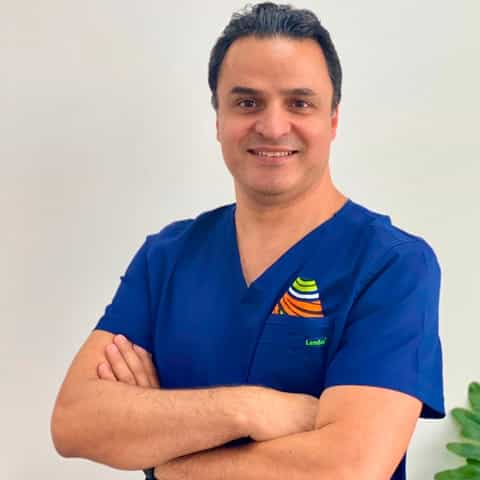
Traveling to the UAE for reproductive care combines high-end medical excellence with a comfortable, stress-free recovery environment. As a major global transit hub, Dubai offers effortless connectivity for international patients arriving from Europe, Asia, Africa, and the Americas.
With convenient travel options, reliable local transportation, and comfortable accommodation, international patients can focus on their reproductive treatment while enjoying a smooth and well-organized stay in Dubai. Planning these arrangements in advance can help make the overall fertility treatment journey more comfortable and stress-free.
Embarking on a fertility journey abroad is a monumental step, but you do not have to navigate it alone. From organizing initial medical assessments to verifying clinic credentials, PlacidWay is here to support you at every phase. Ready to discover what your personalized IVF in Dubai UAE plan involves? Reach out to find your path forward.References









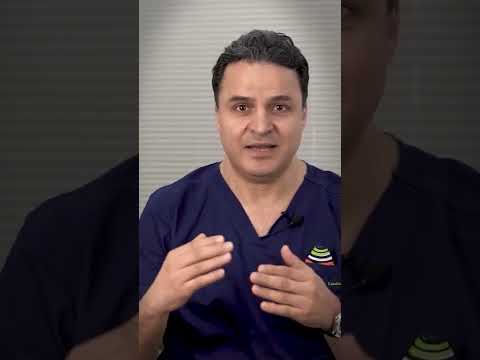















Share this listing